
• Skip to primary navigation
  • Skip to main content
  • Skip to primary sidebar
  • Easter Recipes
  • Recipes
  • Sign Up
  • About Liz

Sugar Geek Show logo

menu icon
go to homepage
  • Easter Recipes
  • Recipes
  • Sign Up
  • About Liz
subscribe
search icon
Homepage link
  • Easter Recipes
  • Recipes
  • Sign Up
  • About Liz
×
Home

Blog

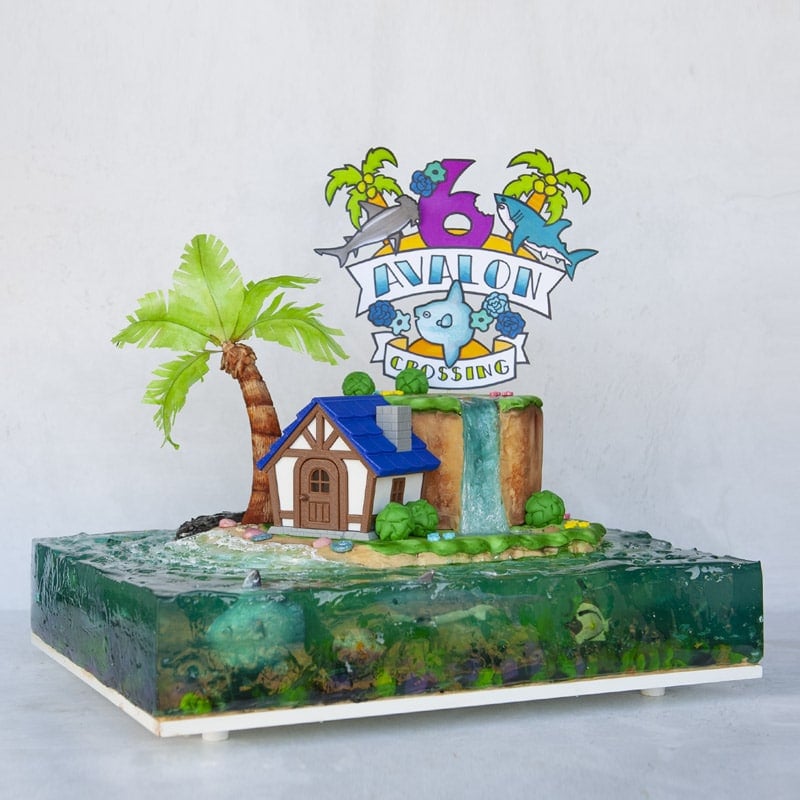
Island made out of cake with cute house, palm tree, cake topper and jelly ocean surrounding island

September 1, 2020 Course Preview

Animal Crossing Birthday Cake Tutorial

Skill level: Intermediate

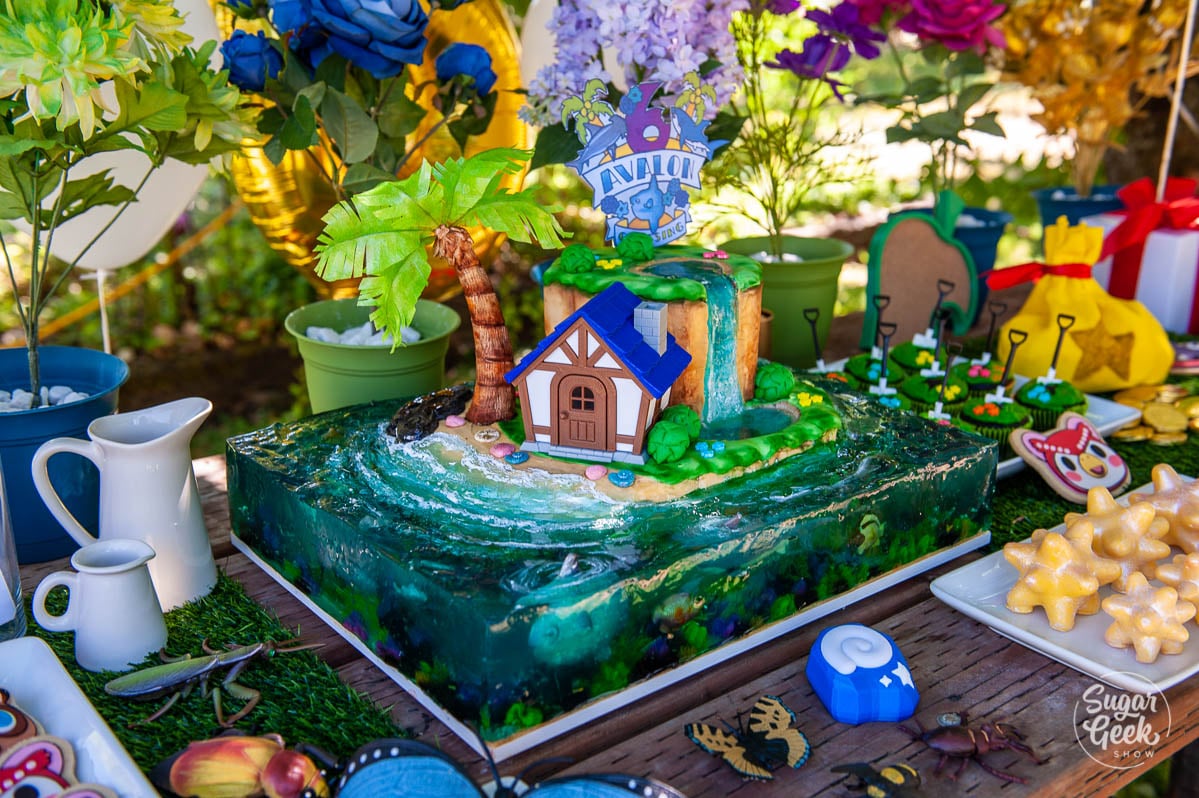
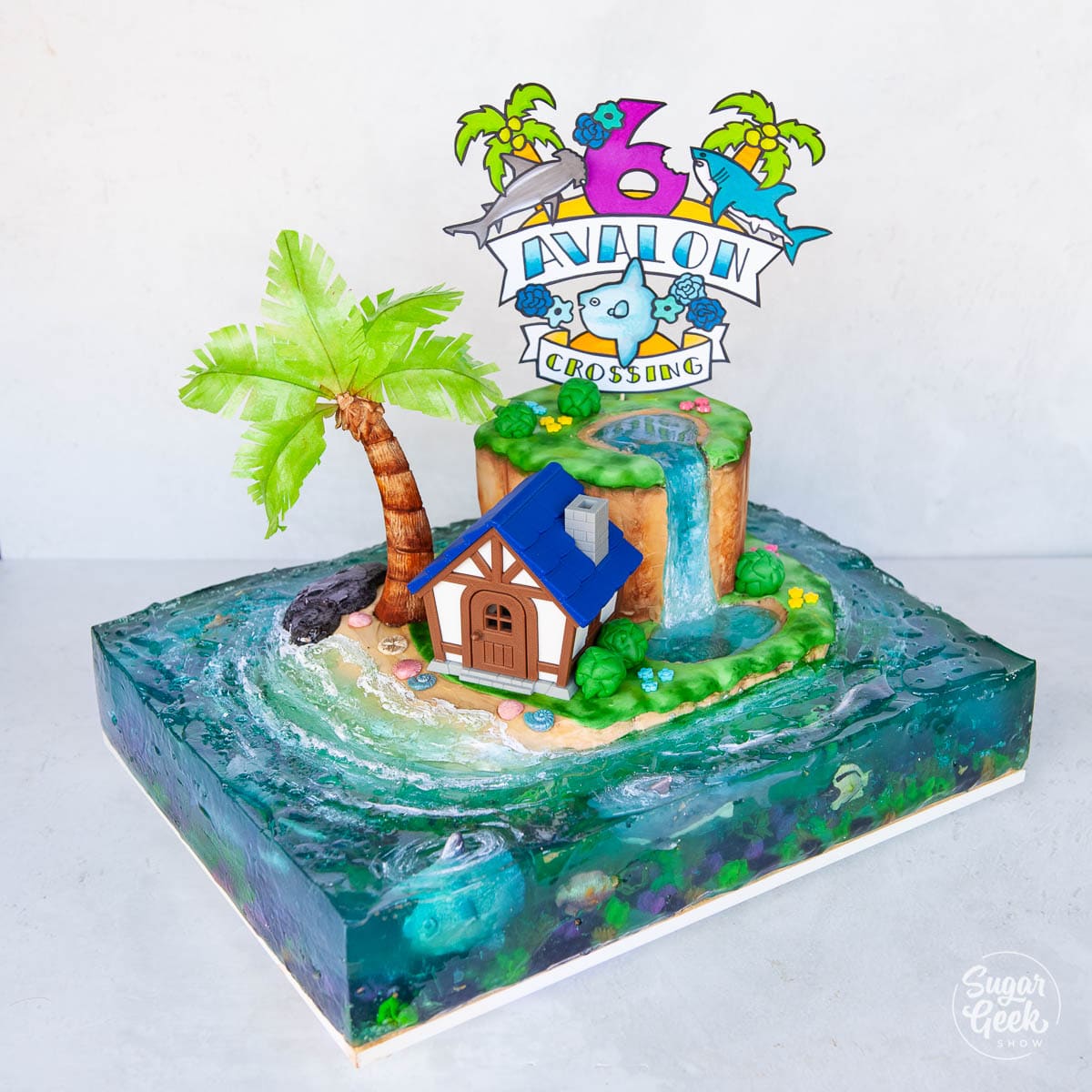
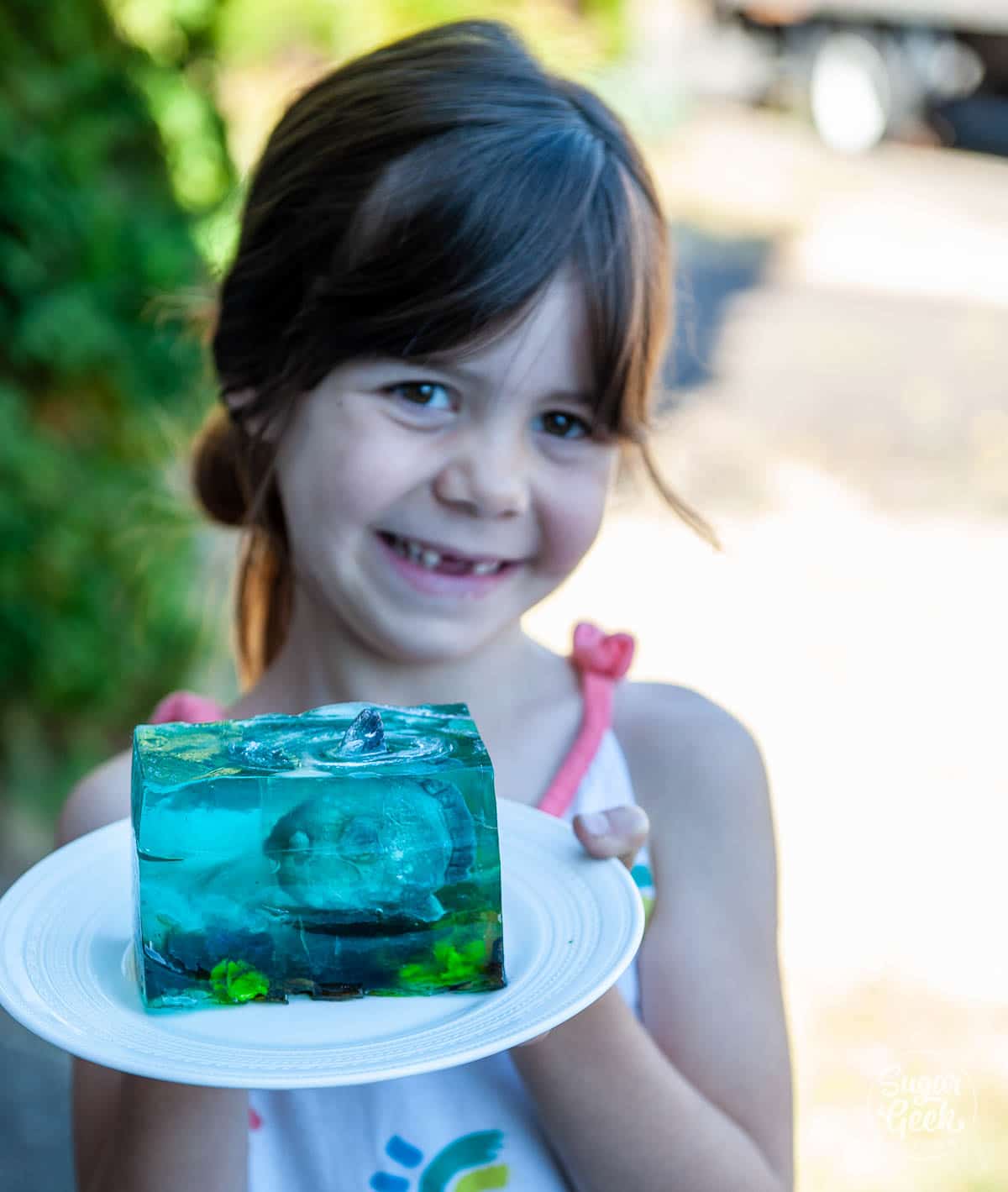
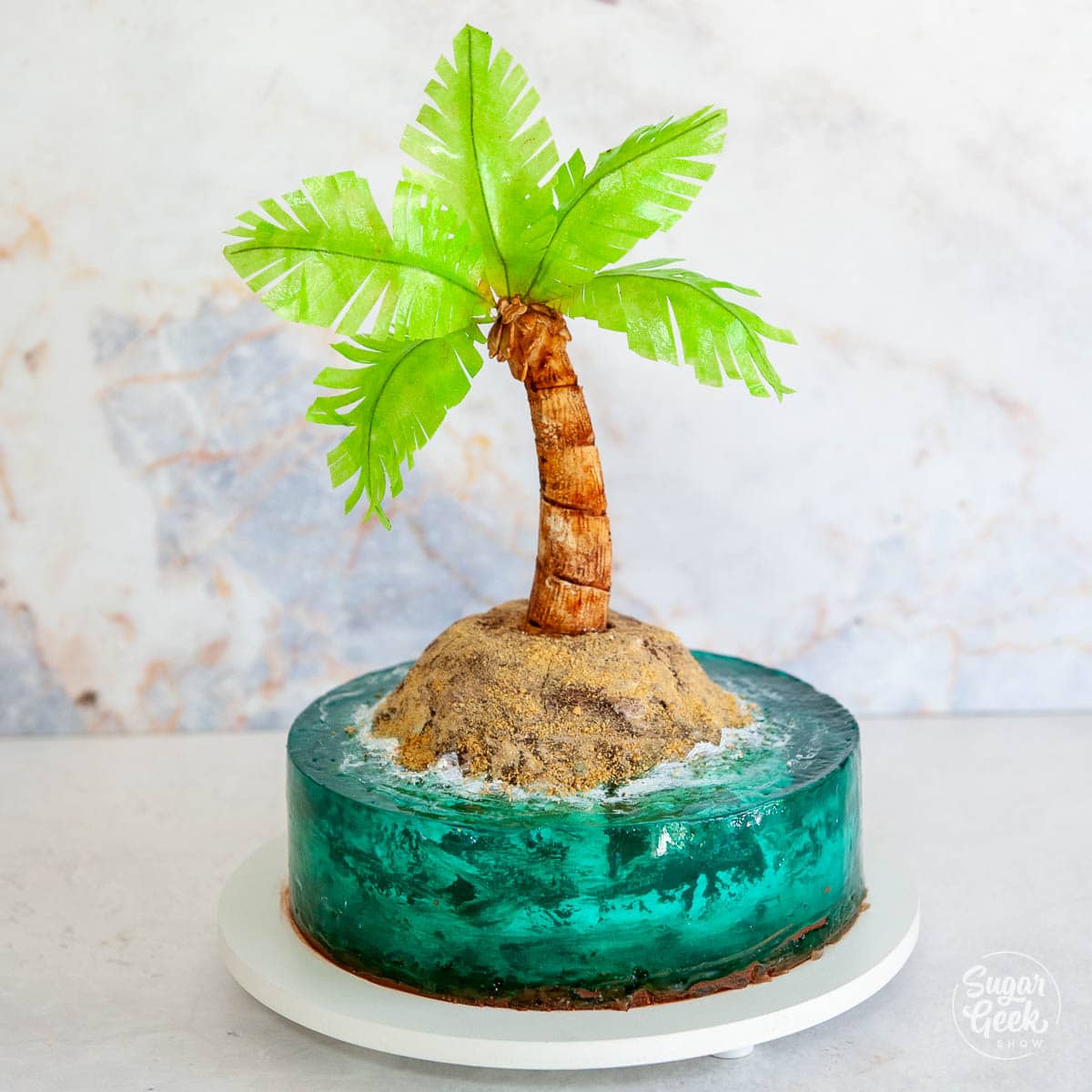
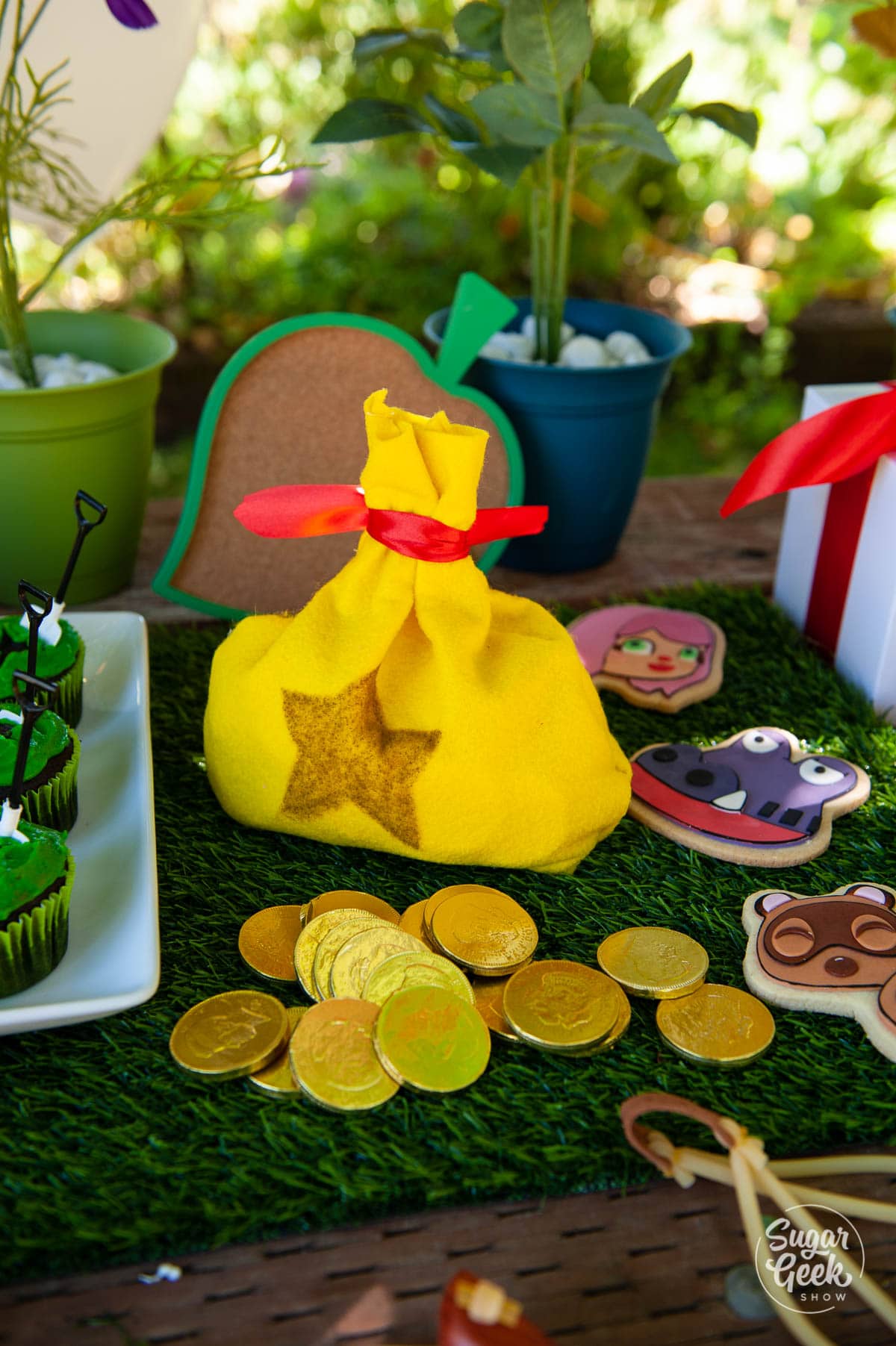
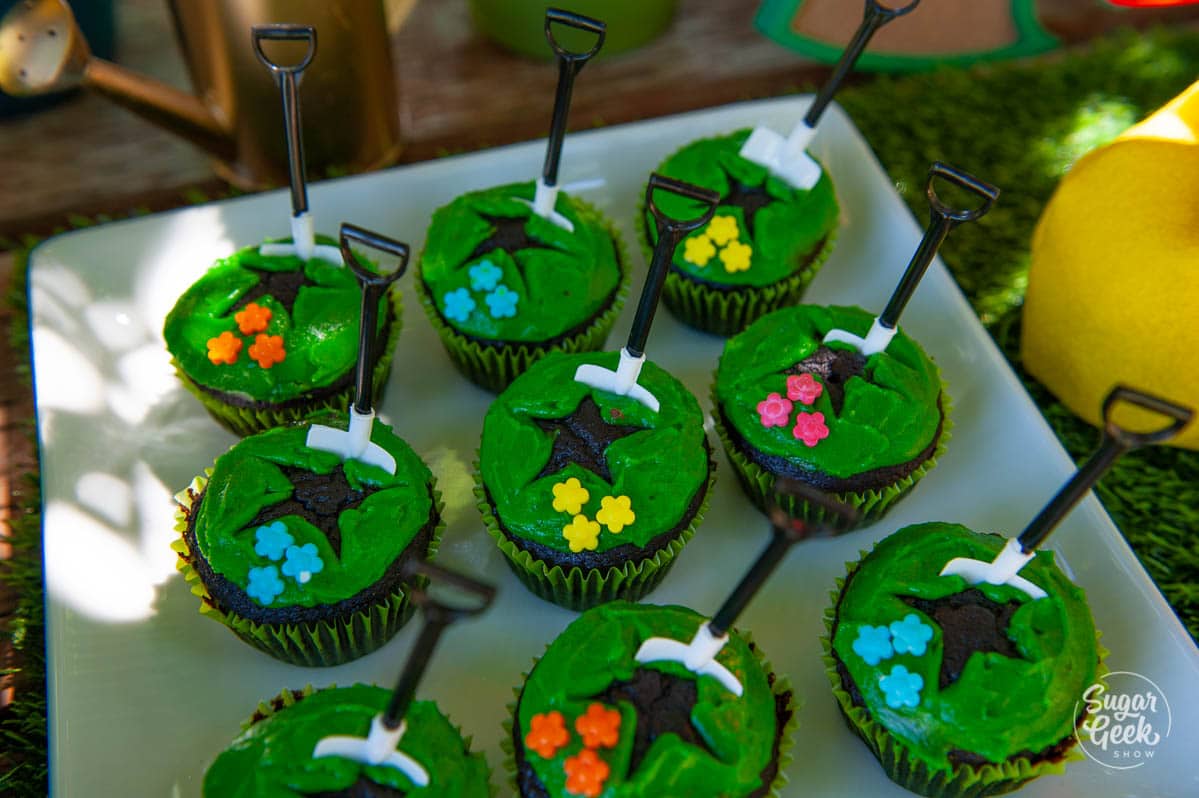
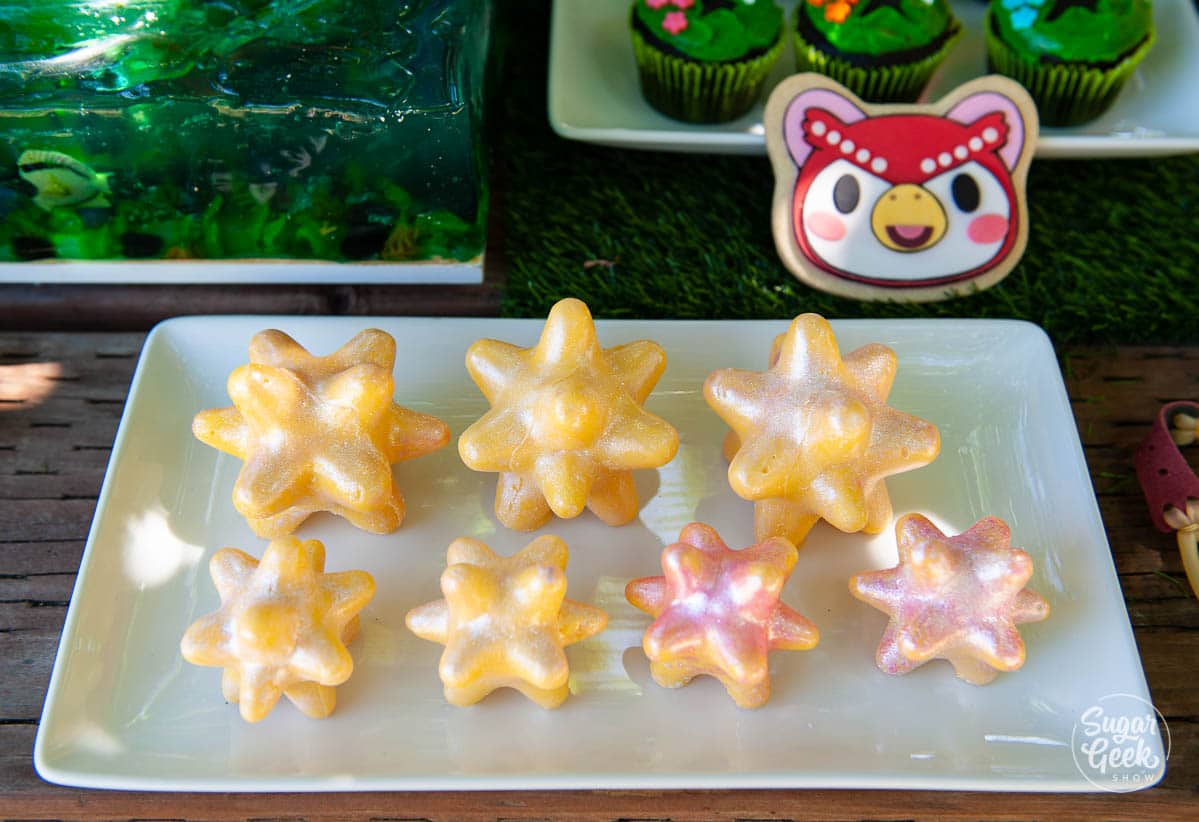
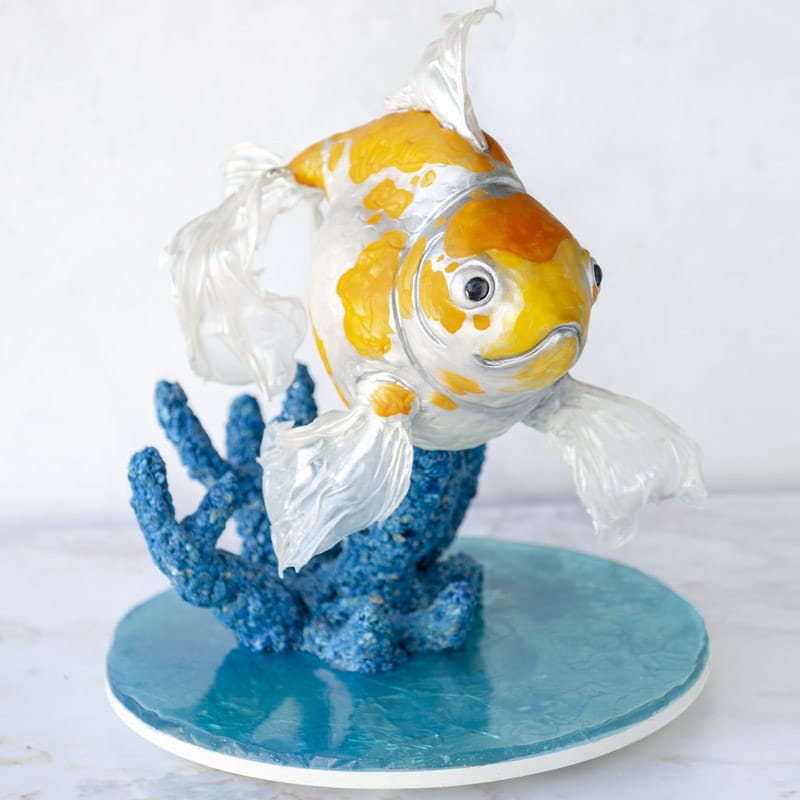
For Avalon's birthday this year, we went full Animal Crossing! Avalon loves Animal Crossing so much that we just had to have an Animal Crossing-themed cake, complete with fun stylized island floating in an ocean of jelly goodness.

This cake was so much fun to make, adding all the fishies and island details. I'm really happy with out it turns out and I'm so excited to show you the step-by-step process to create this for your next fun island party!

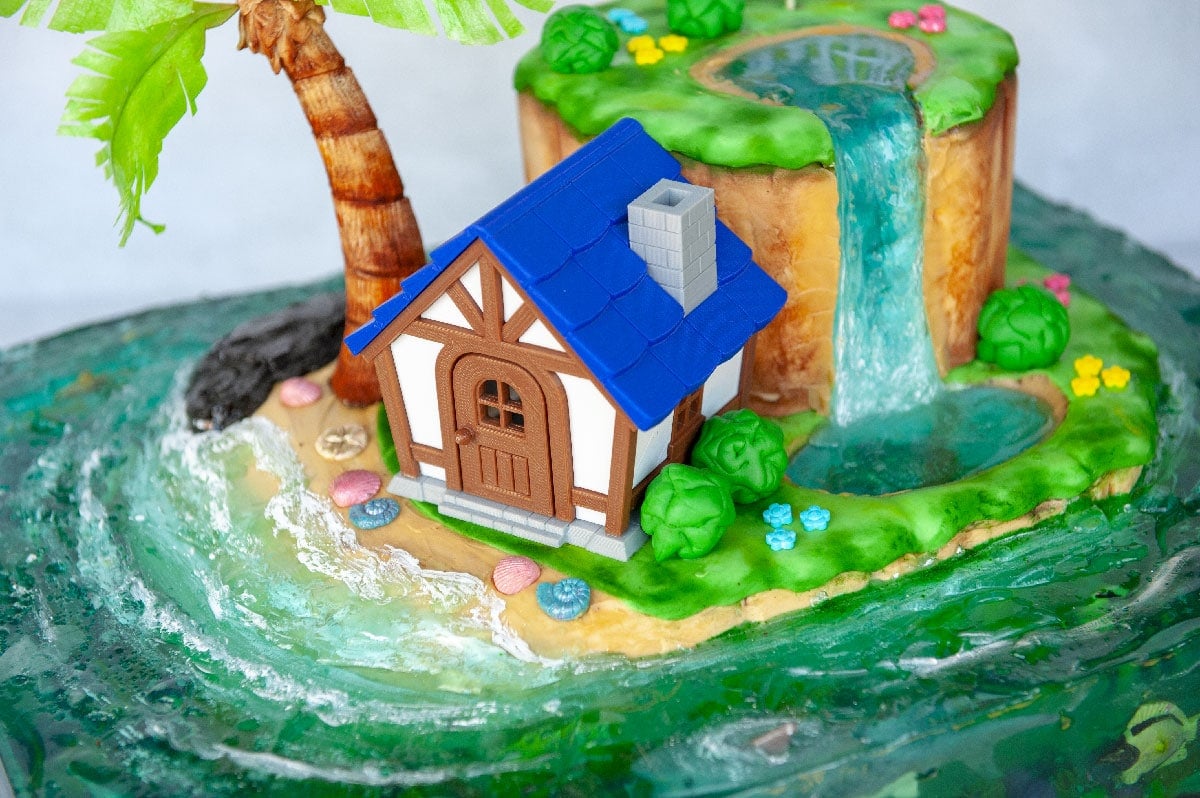
Please Note: The house is a 3D-printed object, not part of the tutorial but available for purchase from a 3rd-party Etsy creator.

2:02:11 Minutes of Instruction

What You Will Learn

  • How to make a beautiful Animal Crossing-themed cake
  • Learn how to create floating edible fish in a delicious jelly ocean
  • How to create an island oasis with an edible waterfall, foliage and a palm tree

Tutorial Chapters

  1. Sculpting and frosting the cakes 0:49
  2. Making the fish 6:48
  3. Making a shark 10:02
  4. Dusting the fish 19:43
  5. Making a sunfish 28:45
  6. Making the tree leaves 36:10
  7. Stacking the cakes 40:50
  8. Making the jelly 47:51
  9. Making the cake collar 51:18
  10. Making ocean decorations 58:14
  11. Finishing the fish 1:03:50
  12. Pouring the jelly 1:06:22
  13. Painting foam 1:13:20
  14. De-molding the cake 1:16:01
  15. Decorating the top tier 1:19:38
  16. Decorating the lower tier 1:31:30
  17. Making the waterfall 1:35:56
  18. Making the palm tree 1:48:22
  19. Dusting the palm tree 1:55:18
  20. Adding final details 1:58:56

Downloads

Materials List

Island made out of cake with cute house, palm tree, cake topper and jelly ocean surrounding island

September 1, 2020 Paid Video

Animal Crossing Birthday Cake

Skill level: Intermediate

For Avalon's birthday this year, we went full Animal Crossing! Avalon loves Animal Crossing so much that we just had to have an Animal Crossing-themed cake, complete with fun stylized island floating in an ocean of jelly goodness.

This cake was so much fun to make, adding all the fishies and island details. I'm really happy with out it turns out and I'm so excited to show you the step-by-step process to create this for your next fun island party!

Please Note: The house is a 3D-printed object, not part of the tutorial but available for purchase from a 3rd-party Etsy creator.

2:02:11 Minutes of Instruction

What You Will Learn

  • How to make a beautiful Animal Crossing-themed cake
  • Learn how to create floating edible fish in a delicous jelly ocean
  • How to create an island oasis with an edible waterfall, foliage and a palm tree

Tutorial Chapters

  1. Sculpting and frosting the cakes 0:49
  2. Making the fish 6:48
  3. Making a shark 10:02
  4. Dusting the fish 19:43
  5. Making a sunfish 28:45
  6. Making the tree leaves 36:10
  7. Stacking the cakes 40:50
  8. Making the jelly 47:51
  9. Making the cake collar 51:18
  10. Making ocean decorations 58:14
  11. Finishing the fish 1:03:50
  12. Pouring the jelly 1:06:22
  13. Painting foam 1:13:20
  14. De-molding the cake 1:16:01
  15. Decorating the top tier 1:19:38
  16. Decorating the lower tier 1:31:30
  17. Making the waterfall 1:35:56
  18. Making the palm tree 1:48:22
  19. Dusting the palm tree 1:55:18
  20. Adding final details 1:58:56

Downloads

Materials List

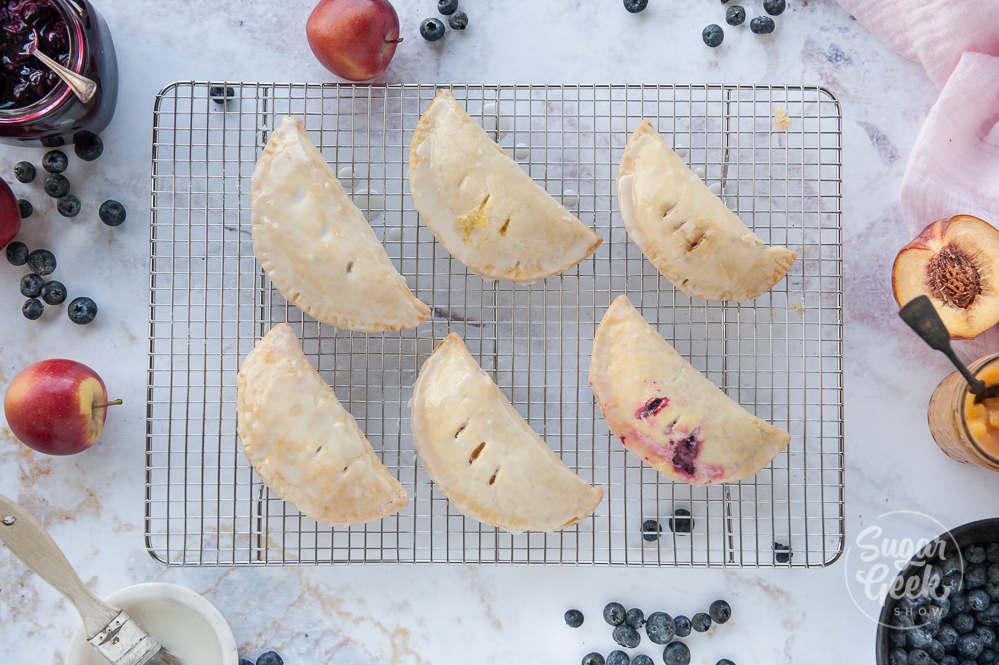
hand pies on a cooling rack on white background with blueberries and fresh fruit in the background

August 21, 2020 Blog

Hand Pies

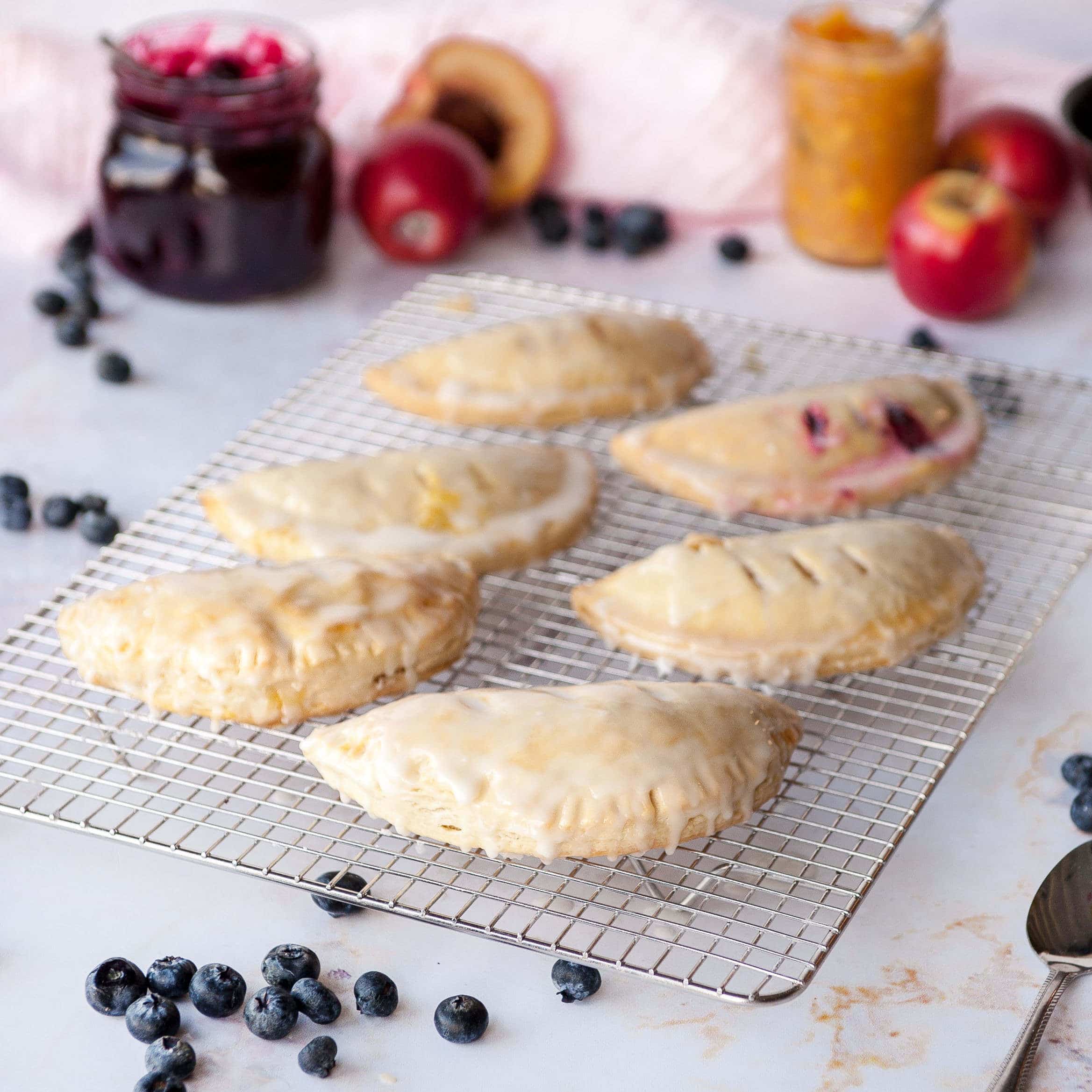
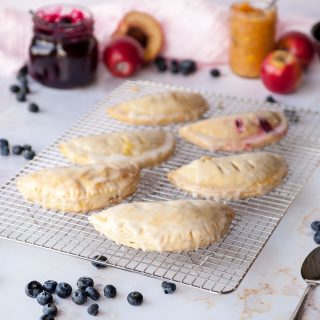
Homemade hand pies with a sweet or savory filling, wrapped in a buttery, flaky crust. Bake them, deep fry them or even use the air fryer with no leaking! Fill them with your favorite flavors like apple filling, peach filling, lemon curd, and blueberry filling. Everything you love about a pie in the palm of your hand. 

hand pies on a cooling rack on white background with blueberries and fresh fruit in the background

A hand pie is basically a miniature pie that fits in your hand. It can be sweet or savory and is made by placing a small amount of filling onto a circular (or rectangular) piece of pie dough, folding the dough over and sealing it shut before baking. You'll be shocked how much easier they are to make than an actual pie. 

Hand pies make great desserts for parties and weddings because there's no need to cut a pie and serve it. Simply set them out and the guests can serve themselves! 

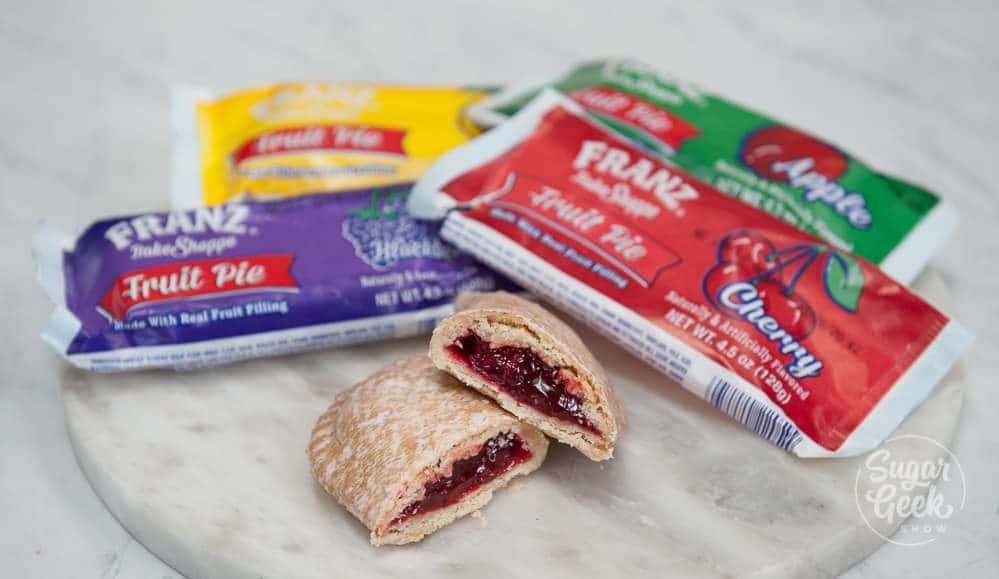
franz hand pies

Does anybody else remember these hand pies? The grocery store was always a magical place for me when I was a child. The bakery would always give me a "free sample" and if I was really good, my dad would buy me one of those $1 hand pies.

I used to LOVE these! We very rarely got any kind of treats or sweets growing up so this was a major big deal if you ever got one of these.

I decided to show Avalon what she was missing so I picked her up one while I was out (and one for myself of course). 

Sadly the hand pie was not as I remembered. The crust was stale and bland and the filling was very goopy and not very flavorful. 

Why are childhood treats never as good as we remember them? 

So of course, I had to try and remake them for myself but this time, extra delicious and with multiple fillings! 

hand pies on a cooling rack shot overhead with a white backdrop and fresh fruit surrounding the edges

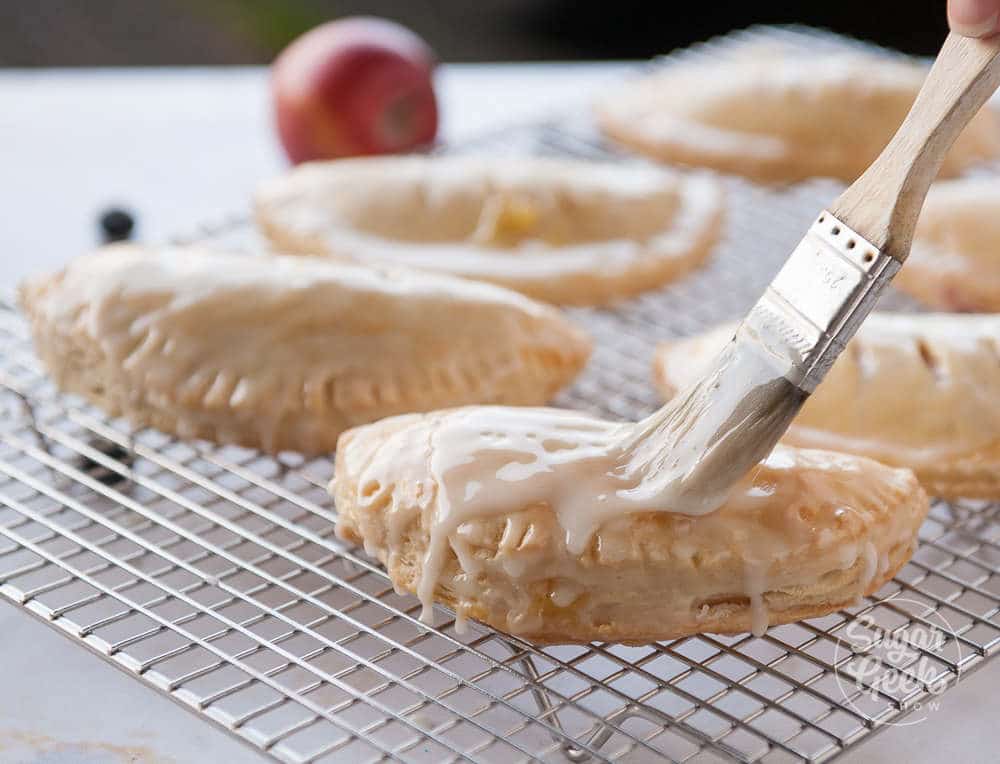
glazing hand pies with simple glaze

HAND PIE INGREDIENTS

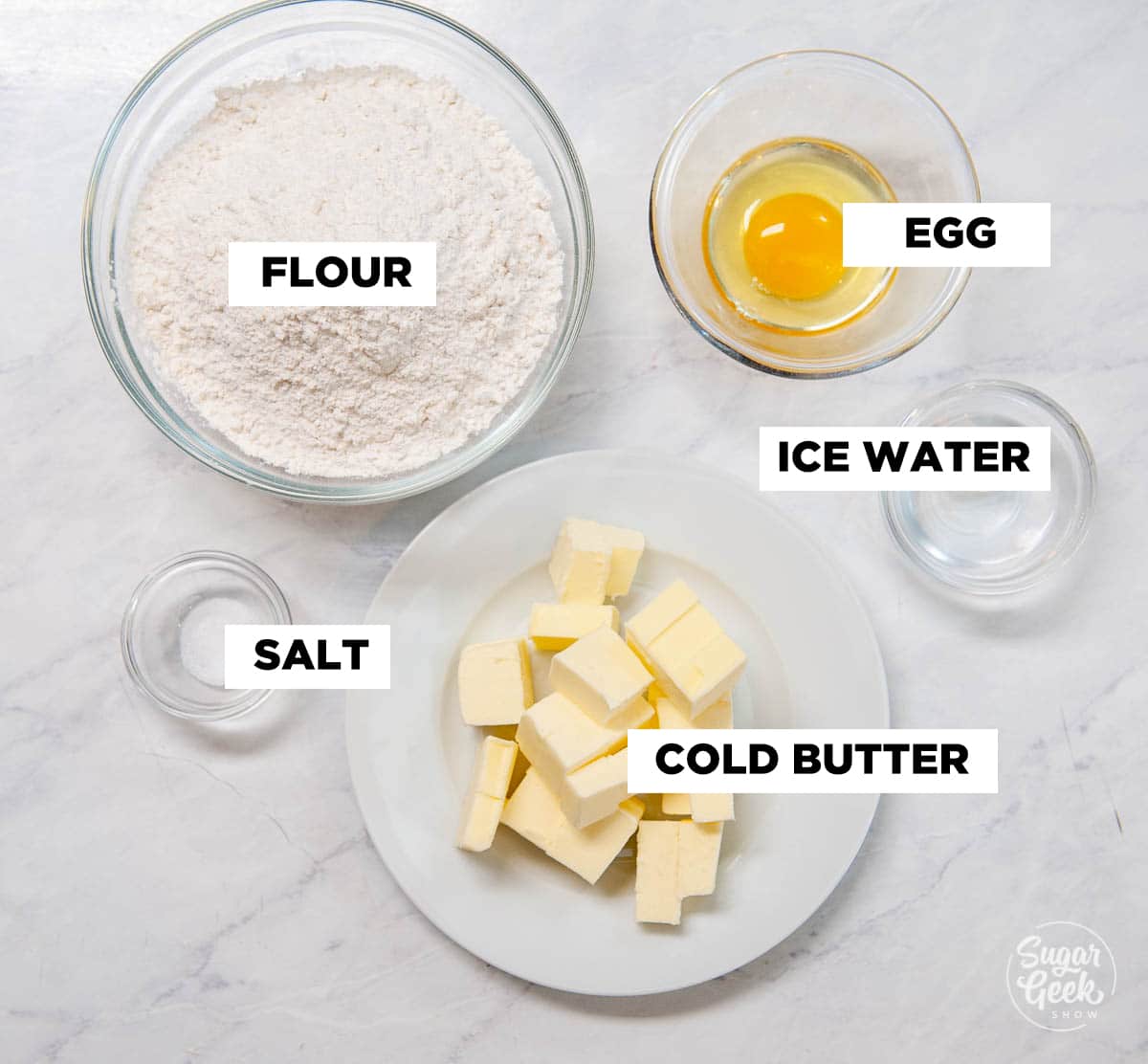
There are endless options for making hand pies as far as flavors go, depending on the season. Most of the ingredients you will need are pretty standard like flour, salt, sugar, eggs, water, and butter. 

hand pie ingredients in clear bowls on white background shot from above

For the filling, the ingredients will vary. One ingredient you might need to purchase ahead of time is ClearGel (similar to cornstarch but stays really shiny) or you can use cornstarch if that's all you have.

PÁTE BRISÉE (MEALY PIE DOUGH) STEP-BY-STEP

Pâte Brisée is a French version of classic pie dough. It's great for hand pies because it repels liquid while baking, making sure your hand pies don't get soggy.

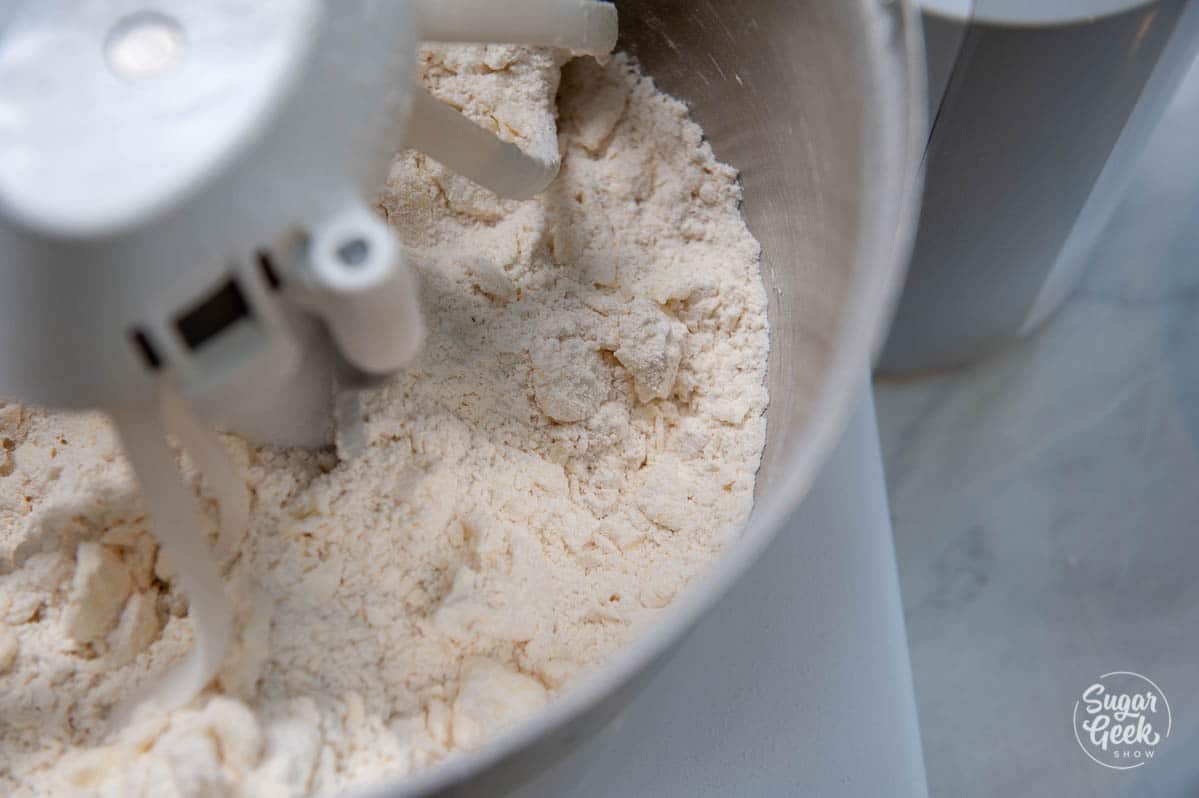
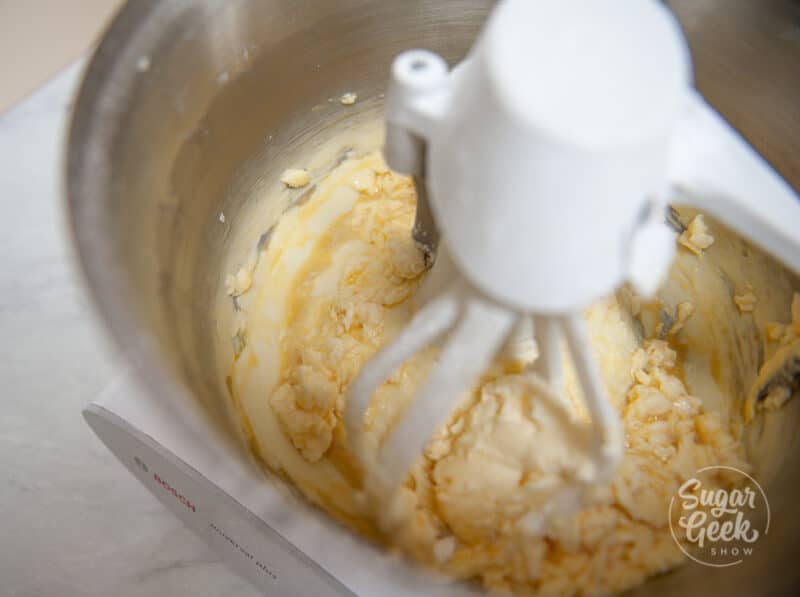
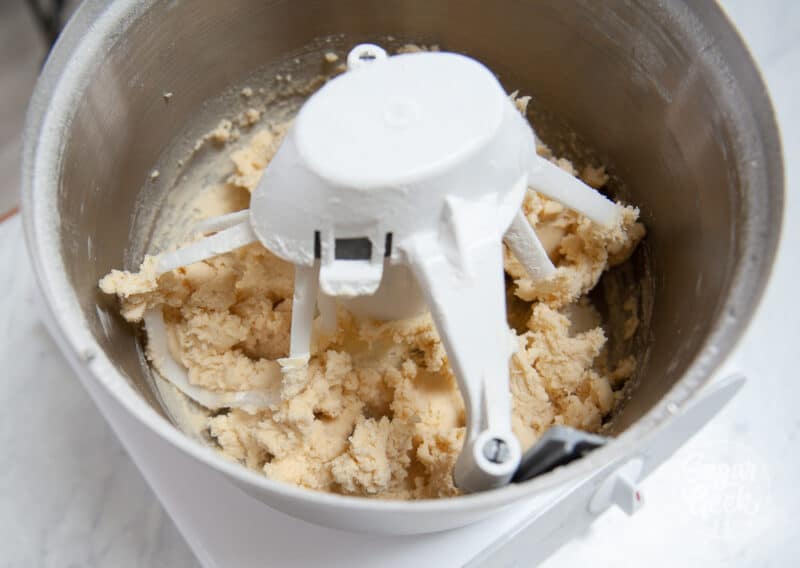
Step 1 - Place flour, salt, and cold butter pieces into the bowl of your stand mixer and blend on low until mixture resembles coarse sand.

close up of hand pie dough in a mixer with sandy texture

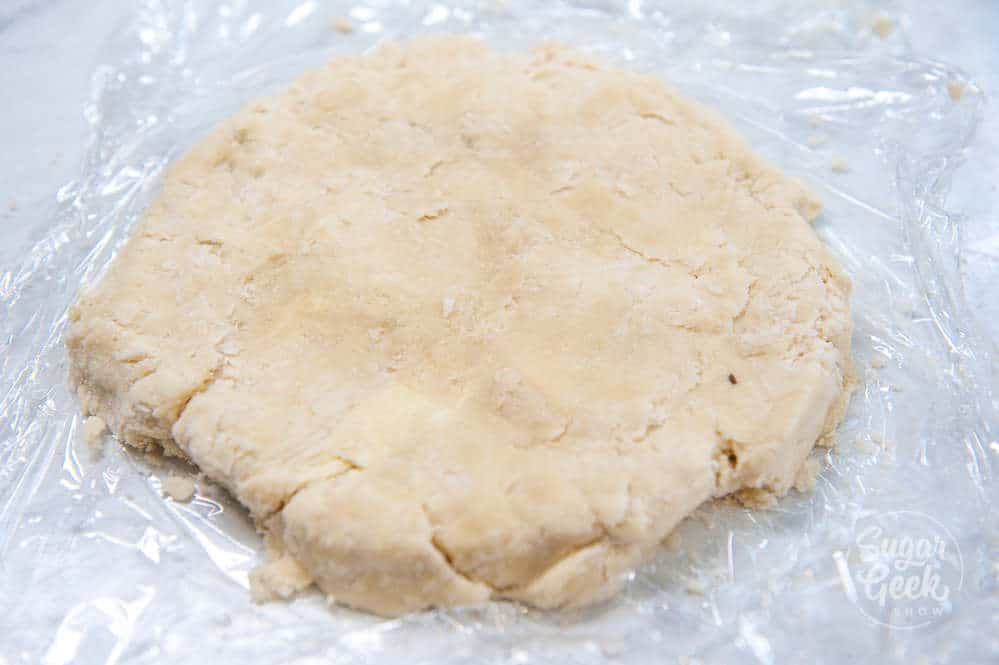
Step 2 - Add in your egg and just enough cold water to bring the mixture together.

close up of mealy pie dough on plastic wrap

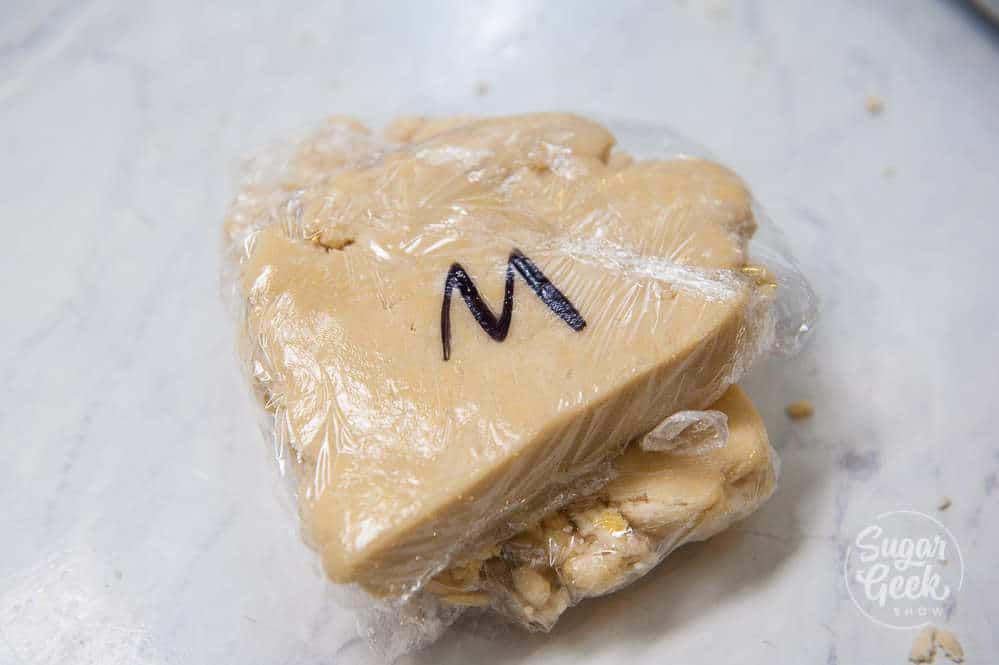
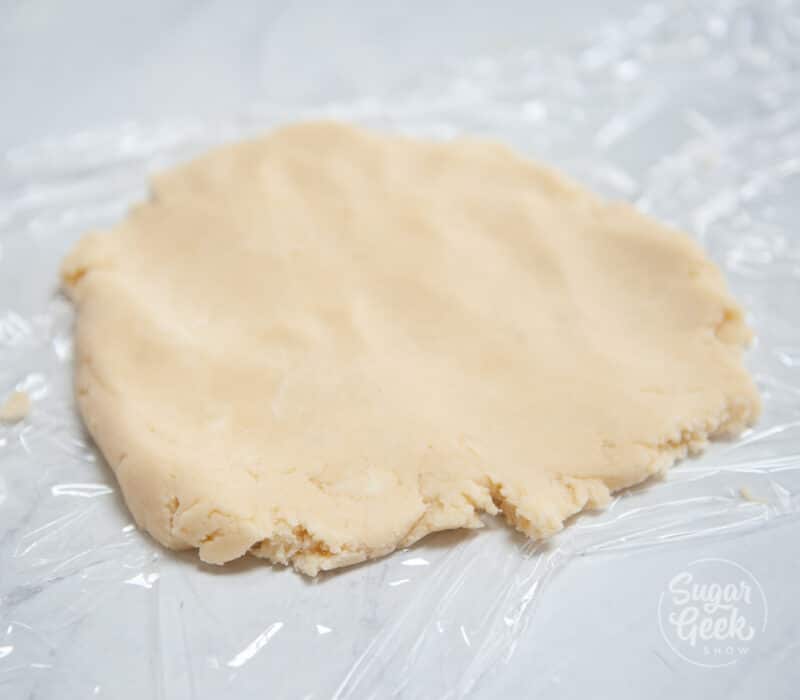
Step 3 - Press into a disk and wrap with plastic wrap. Chill for one hour minimum. Don't skip the chilling, or your pie crust will melt in the oven. 

mealy pie dough wrapped in plastic wrap to rest

HOMEMADE HAND PIES STEP-BY-STEP

Step 1 - Preheat your oven to 400ºF and line 2 large sheet pans with parchment paper. The parchment paper will save you from a messy clean-up if one of your hand-pies bursts during baking which can happen!

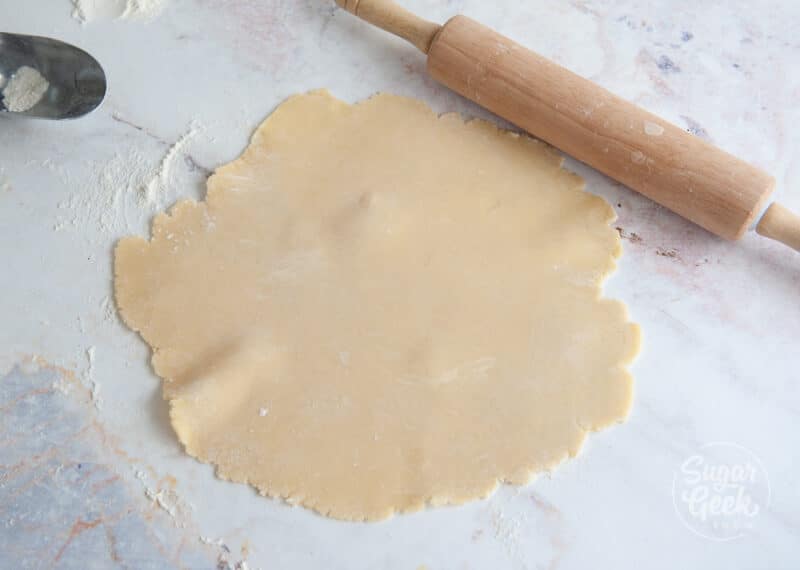
Step 2 - Take out the chilled pie dough and place it on a flat surface dusted with flour. Let your dough warm up for a bit (around 20-40 minutes) until you can roll it out without it cracking. You don't want it TOO warm though or it will stick to your rolling pin. Take out your filling(s) and let it come to room temperature.

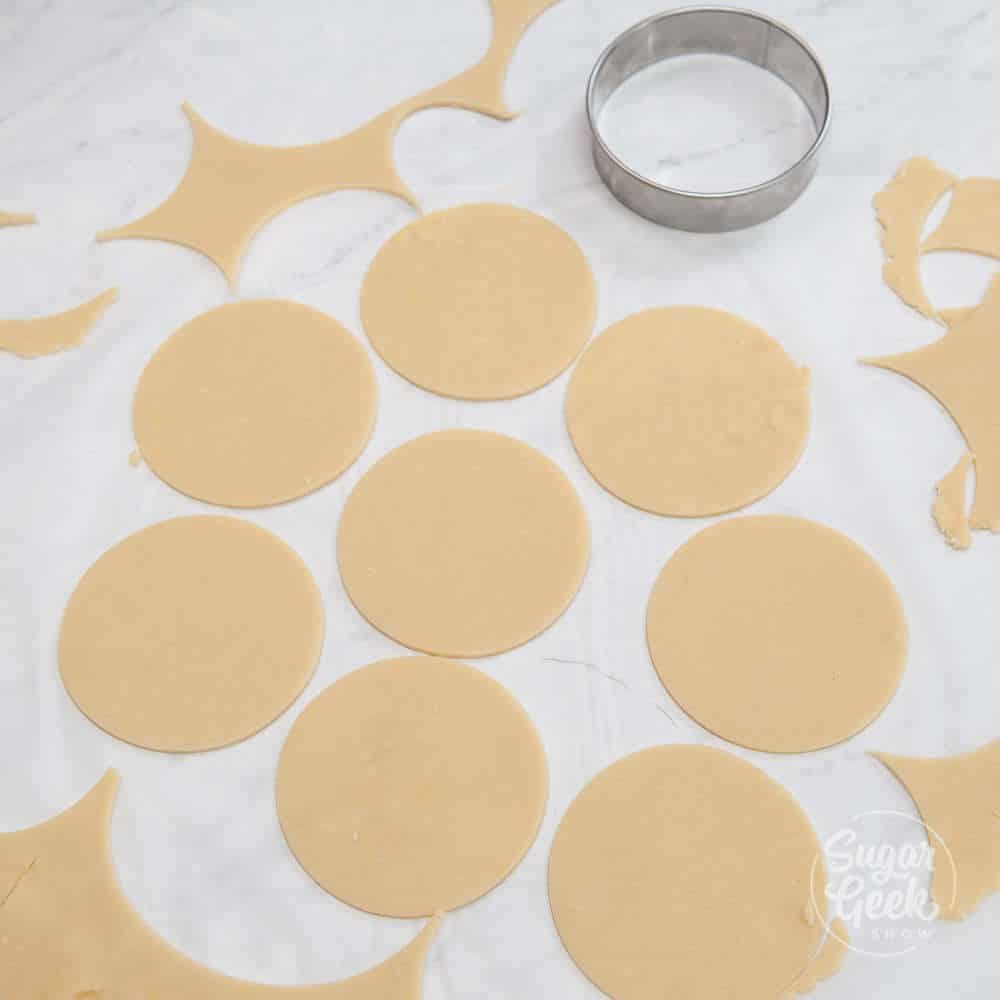
Step 3 -Roll out your cold pie dough to ⅛" thick and cut into 6" circles. I also made some with a 5" cutter so the pies were a little smaller and better if you don't want such huge servings.

circles of hand pie dough on a white surface

Pro Tip: When rolling out cold pie dough, start in the center and work your way out, making tiny little rolls and rotating frequently until it becomes easier to roll. Go slow and be patient!

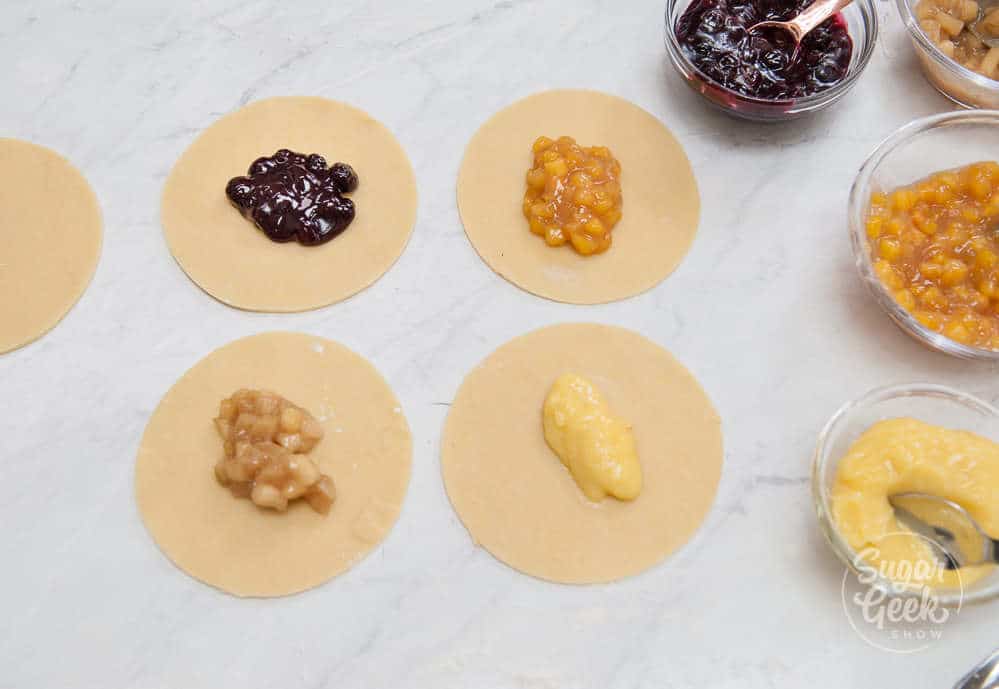
Step 4 - Add 3 Tablespoon of filling (don't overfill or they will burst while baking) 5" circles only need 1 Tablespoon of filling. If you're using curd, you can add a tiny bit more.

hand pie filling on circles of hand pie crust

Step 5 - Brush the edges with egg wash, fold and crimp edges firmly to seal shut with a fork.

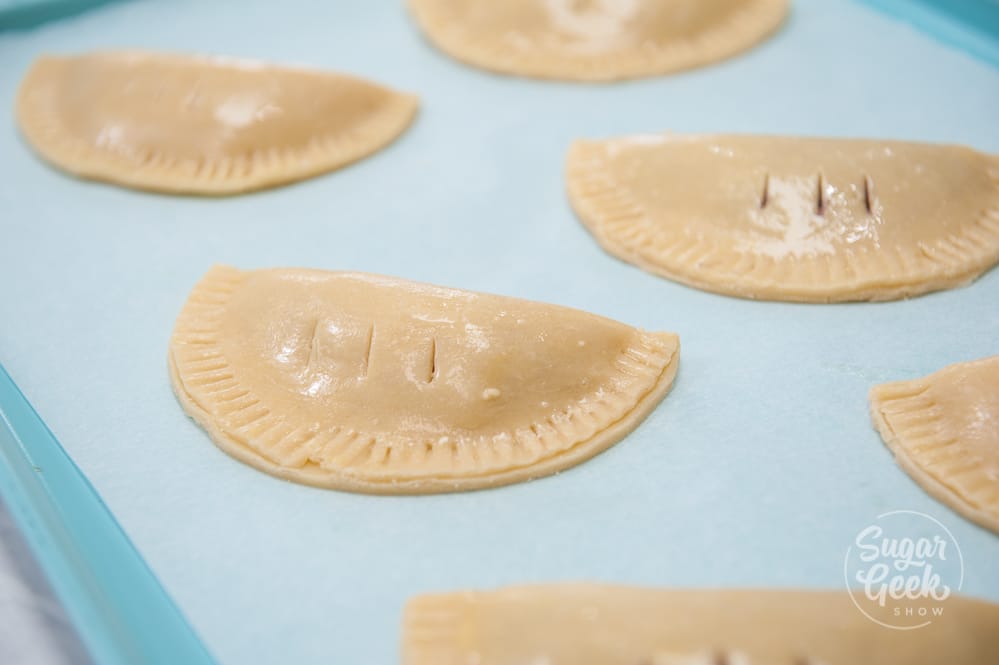
Step 6 - With a small sharp knife, cut 3 slits into the top, center of the pie. Be careful to not cut all the way through to the bottom, but really make sure the slits are open. Air will release through these vents while baking and keep your filling from blowing out. 

close up of hand pies on a blue baking sheet with parchment paper

WHAT'S THE BEST WAY TO BAKE HAND PIES?

Baking, air-frying, or deep-frying? Which way is the best way to bake those tasty hand pies? I wanted to find out so I tested out each way of baking.

First up, baked hand-pies! 

Step 1 -Place pies on the baking sheet and refrigerate for 20 minutes. 

Step 2 - Bake for 20-25 minutes. They should be golden brown on the tops and bottoms and the filling will just be starting to bubble.

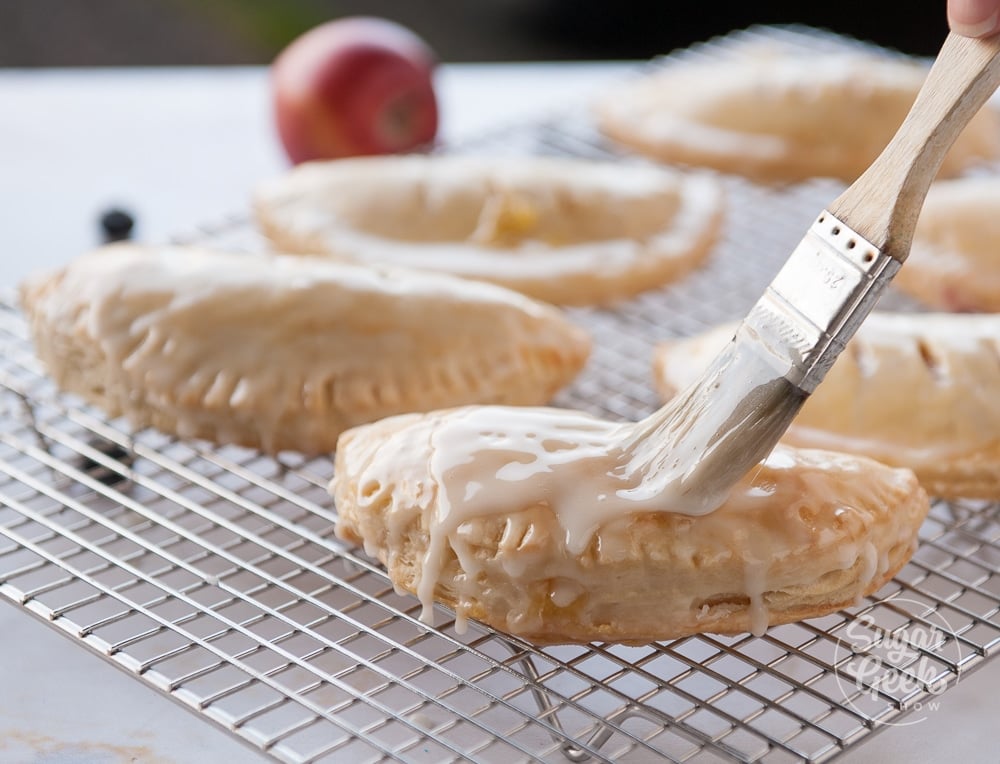
Step 3 -Let your hand pies cool for 10 minutes. While your hand pies are cooling, make your glaze. Just whisk the powdered sugar and lemon juice together until smooth.

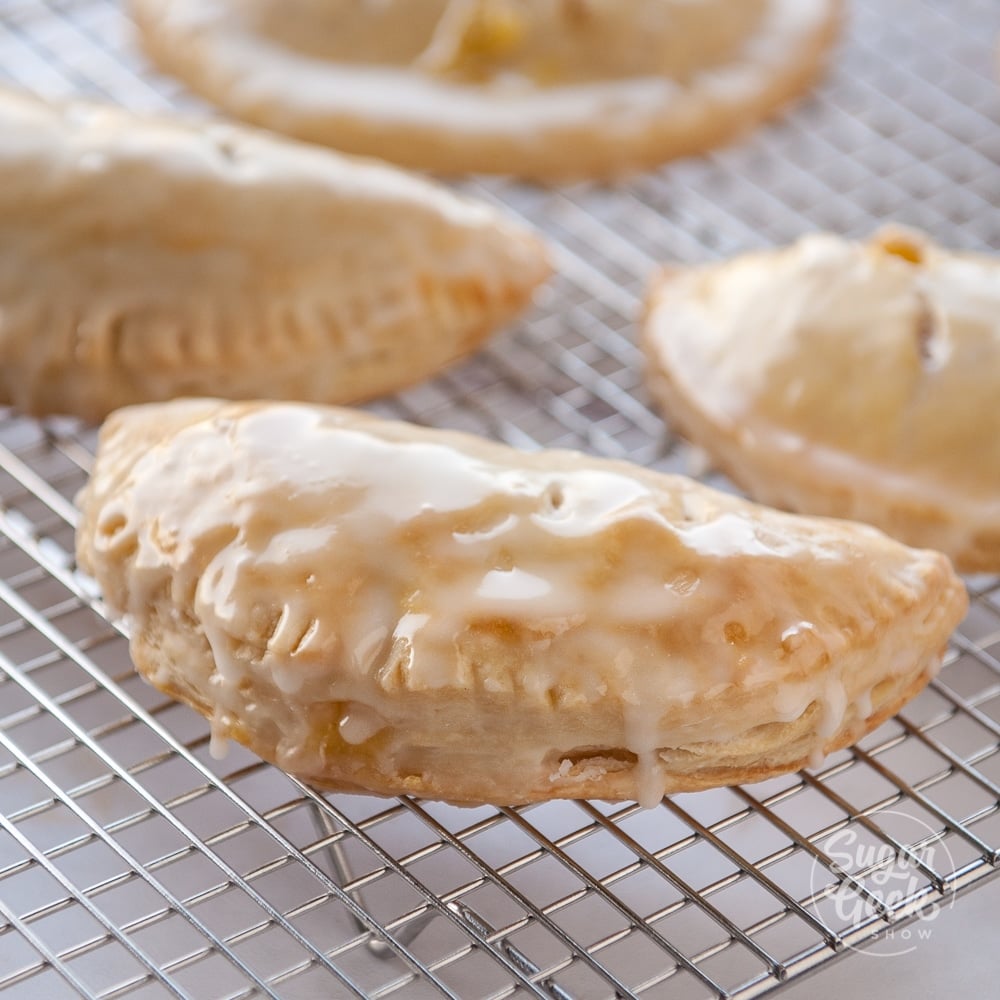
Step 4 -Drizzle the glaze on top or use a pastry brush to apply the thin glaze over the hand pies and enjoy!
 
 
These hand pies taste best the day they are baked but will last for three days in an airtight container in the fridge or frozen for up to 2 months. You can make the hand pies, freeze them, and then bake them when you need to!

DEEP FRIED HAND PIES

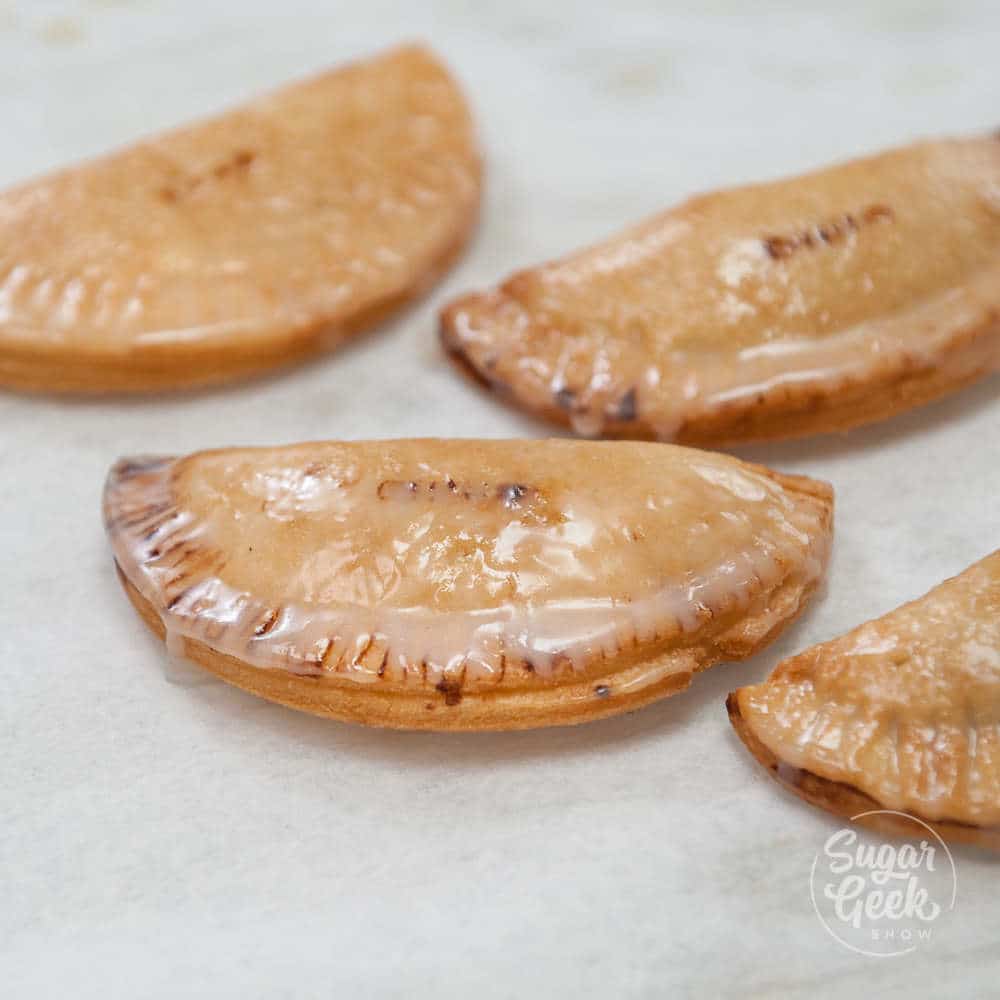
Most hand pies are baked but you can (and should) try making fried hand pies! The crust bubbles up beautifully and is EXTRA crispy when you fry your hand pies. 

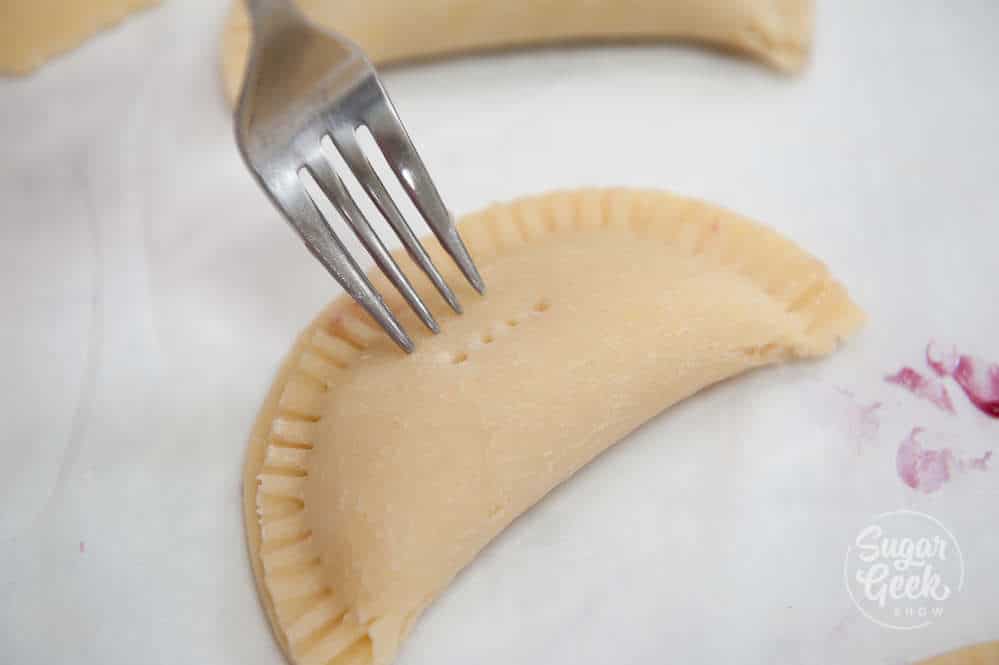
Step 1 - Prepare your hand pies as usual but instead of cutting 3 slits with a knife, use a fork to dock 3 holes on the top, and then place them in the fridge to chill for at least one hour.

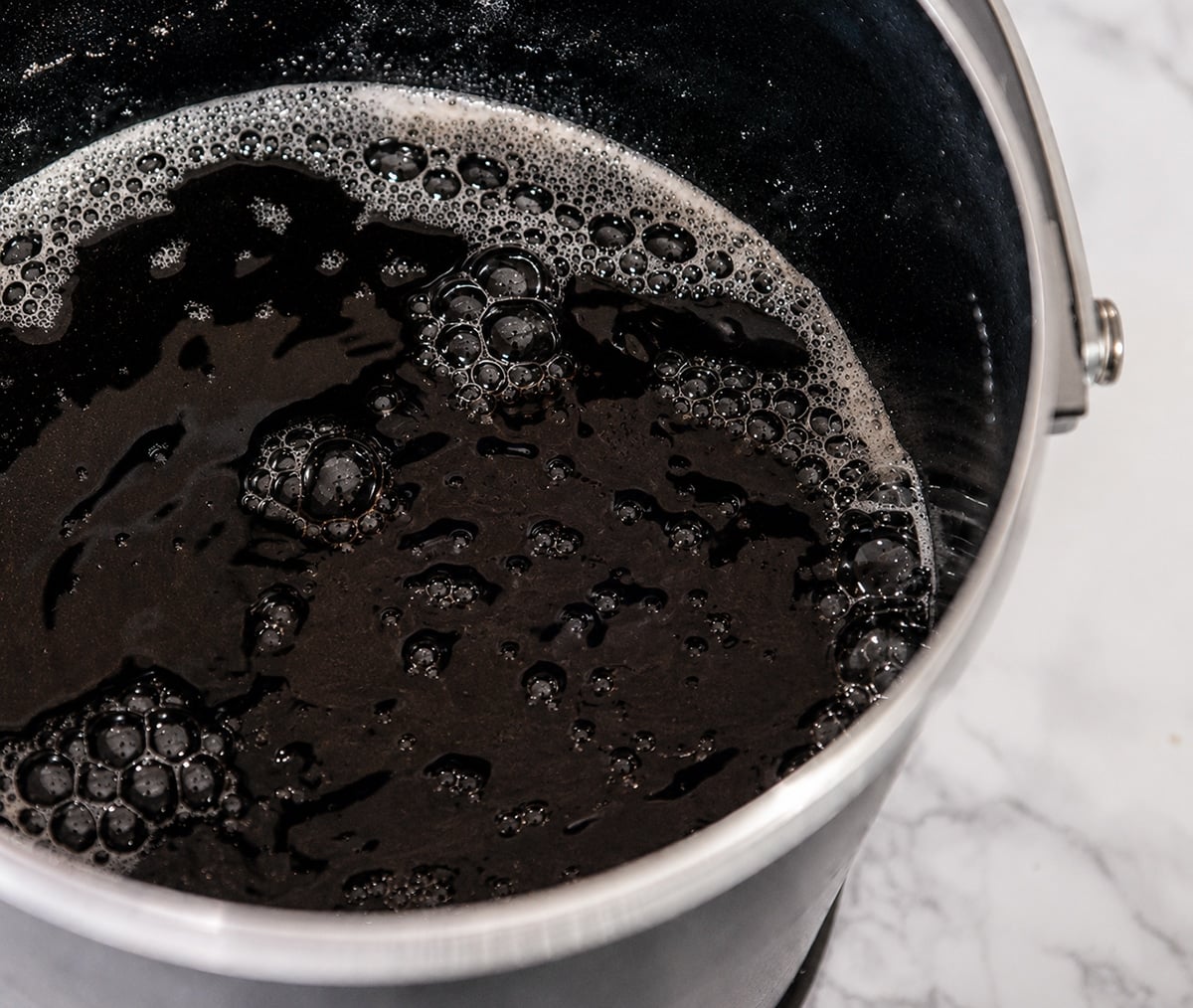
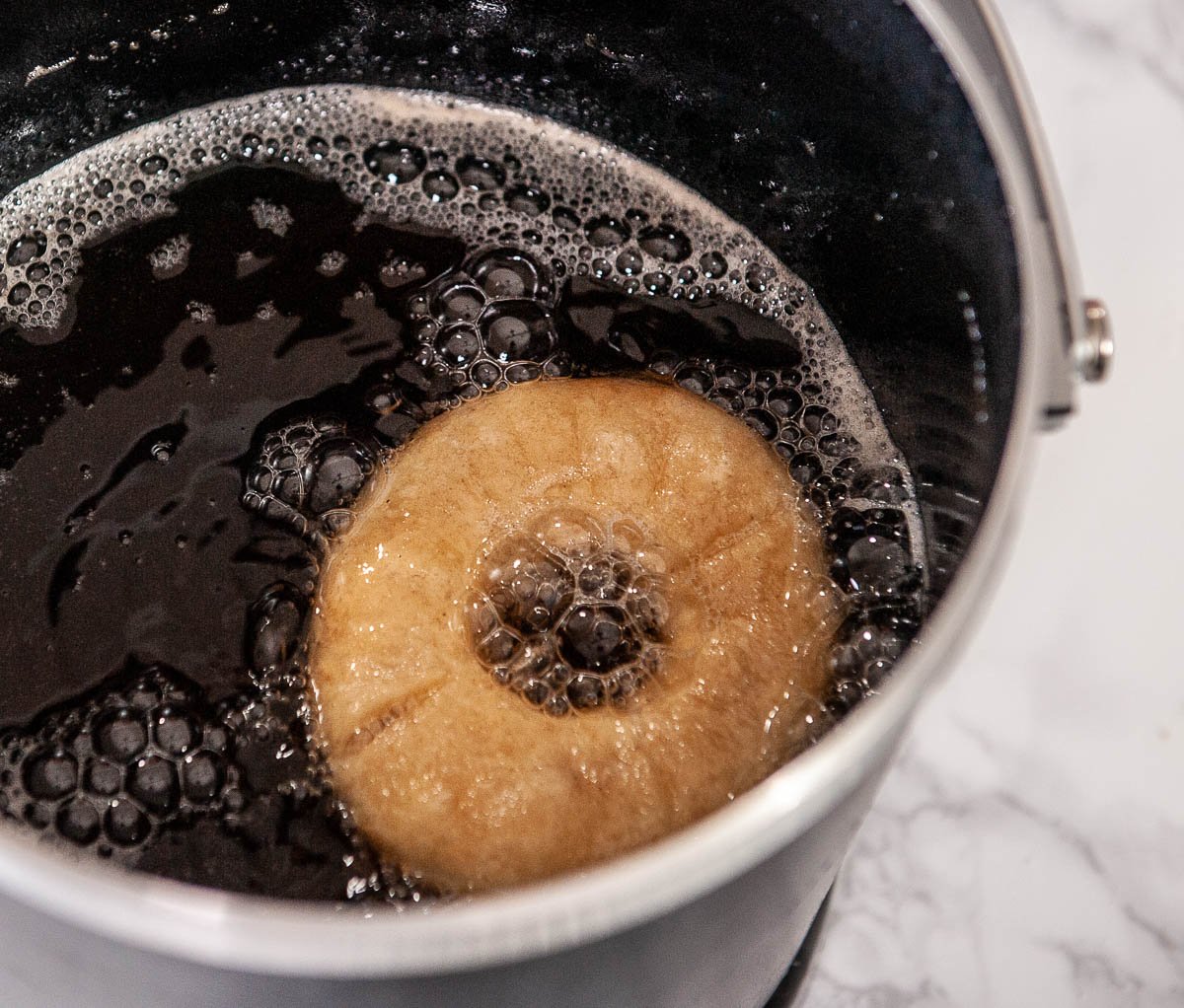
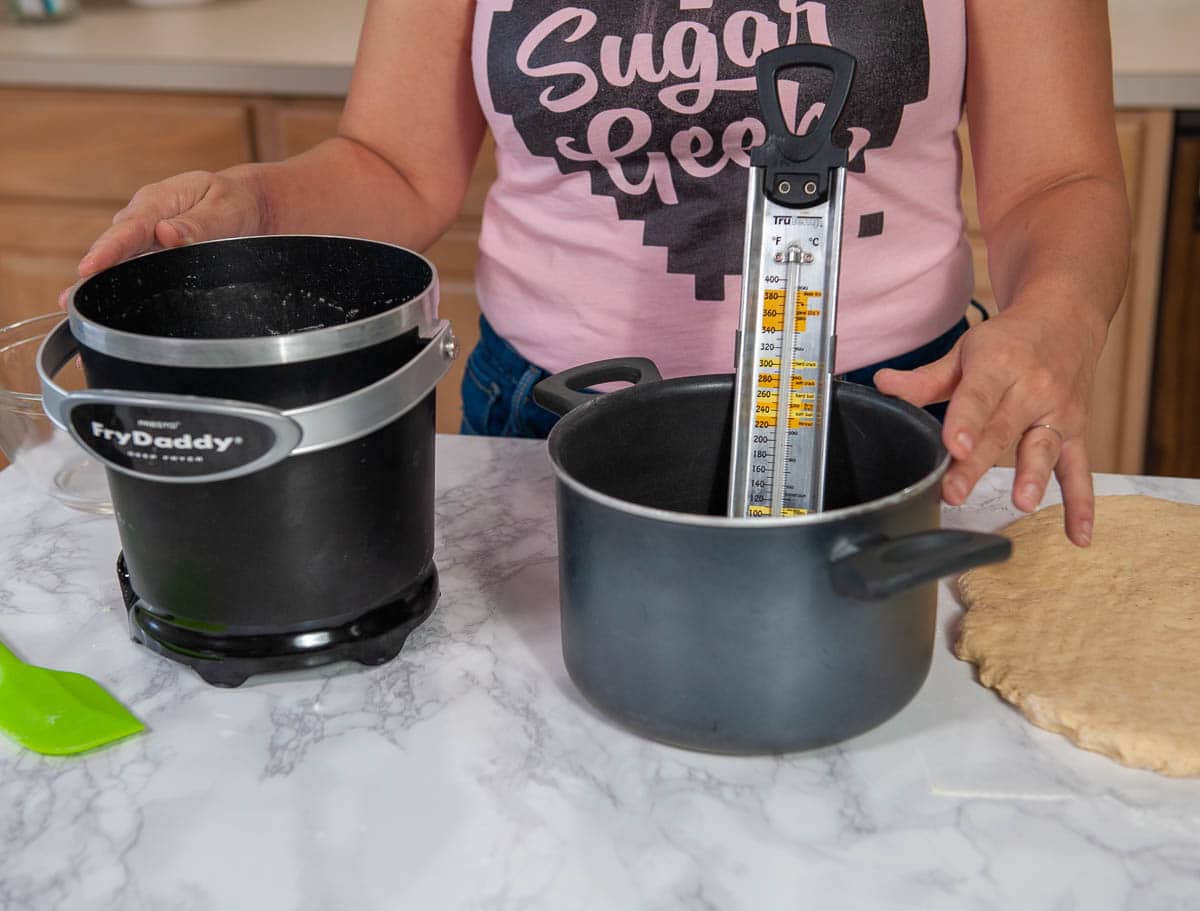
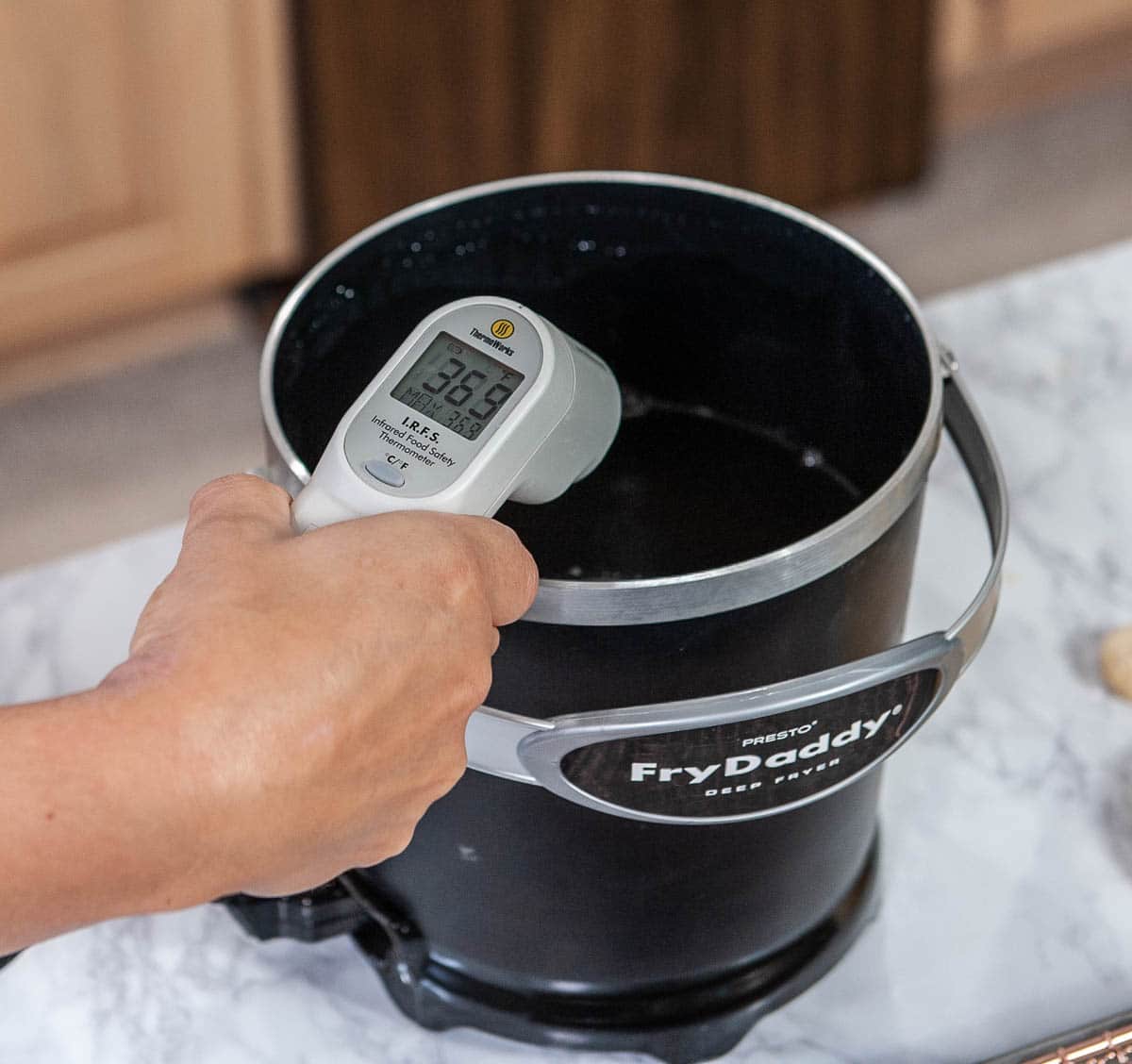
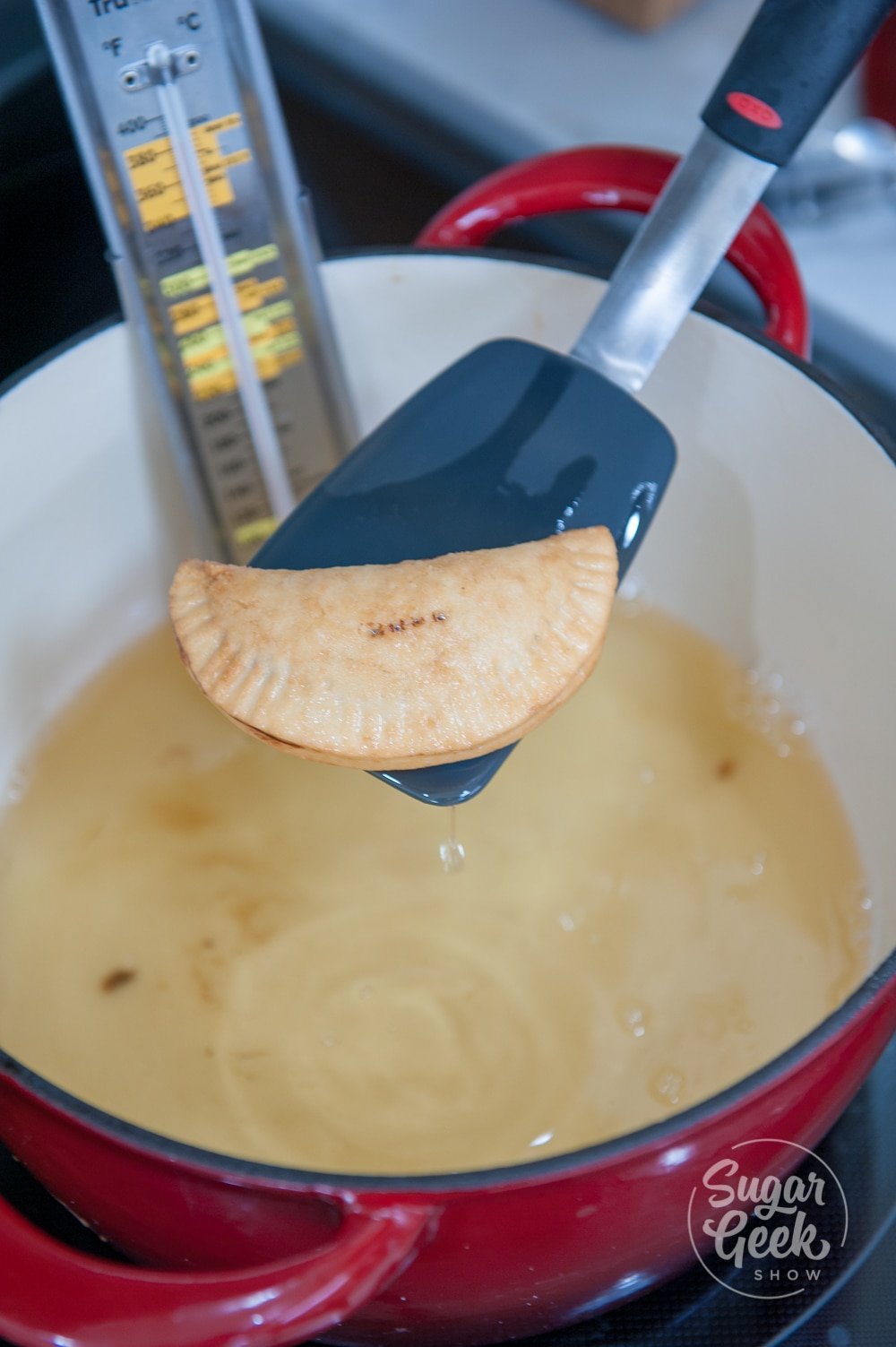
Step 2 - Heat up 4 inches of neutral oil (like vegetable shortening or canola oil) in a deep pot (like a dutch oven) to 375ºF. Use a thermometer to keep an eye on the temp. Make sure you place the pot at the back of the stove, especially if you have kids. Hot oil is very dangerous and so are splashes. 

close up of a hand pie on a blue spatula above hot oil in a white pot

Step 3 - Place 2-3 hand pies in the hot oil and fry 3-4 minutes until golden brown. 

Step 4 - Drain on a paper towel, cool for 10 mins then dust in powdered sugar or cover in sugar glaze before serving. They are best when eaten the same day. 

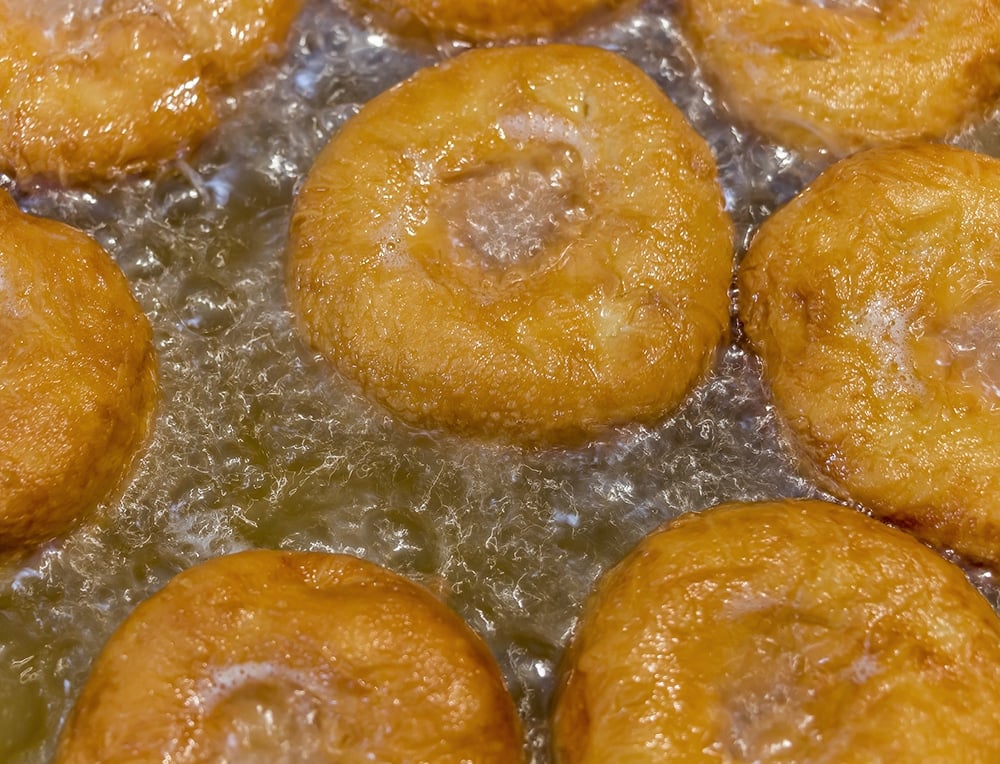
Deep-fried hand pies taste the MOST like the store-bought versions but I wasn't a huge fan of the deep-fried version compared to the air fried. 

deep fried hand pies

AIR FRIED HAND PIES

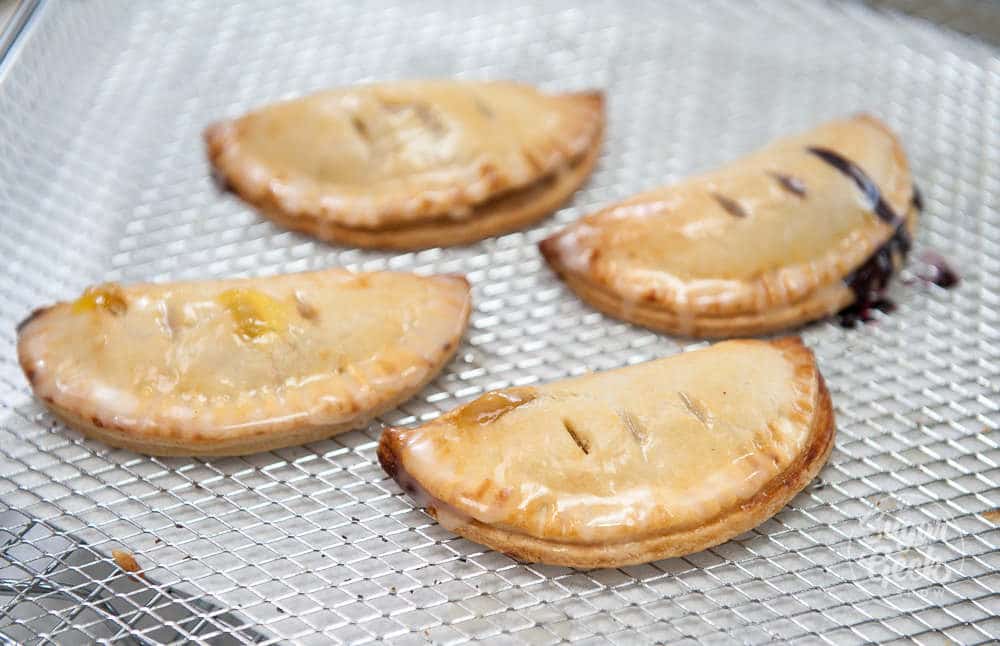
If you happen to have an air fryer, you can fry your hand pies that way. This is actually my favorite way to make hand pies. The air fryer makes the dough SUPER light and crisp without the added oil from deep frying. 

Step 1 - Prepare your hand pies as usual and chill for one hour. 

Step 2 - Brush the surface with egg wash and sprinkle on some sanding sugar for color and flavor (optional). 

Step 3 - Set your temperature to 400ºF on your air fryer.

Step 4 - Place your hand pies inside the air fryer basket and fry for 13-15 minutes or until golden brown.

air fryer hand pies

WHAT KIND OF CRUST IS BEST FOR HAND PIES?

A hand pie is a tiny version of a full-sized pie so we want to use a similar pie crust. I'm using Pâte Brisée which is a very simple, not-too-sweet but delicious crust.

It's very similar to pie dough but the texture is finer and stronger than traditional pie dough. Perfect for making hand pies. Pâte Brisée is also perfect for savory hand pies since it doesn't contain any sugar. 

Pate Brisee hand pie dough cut into circles

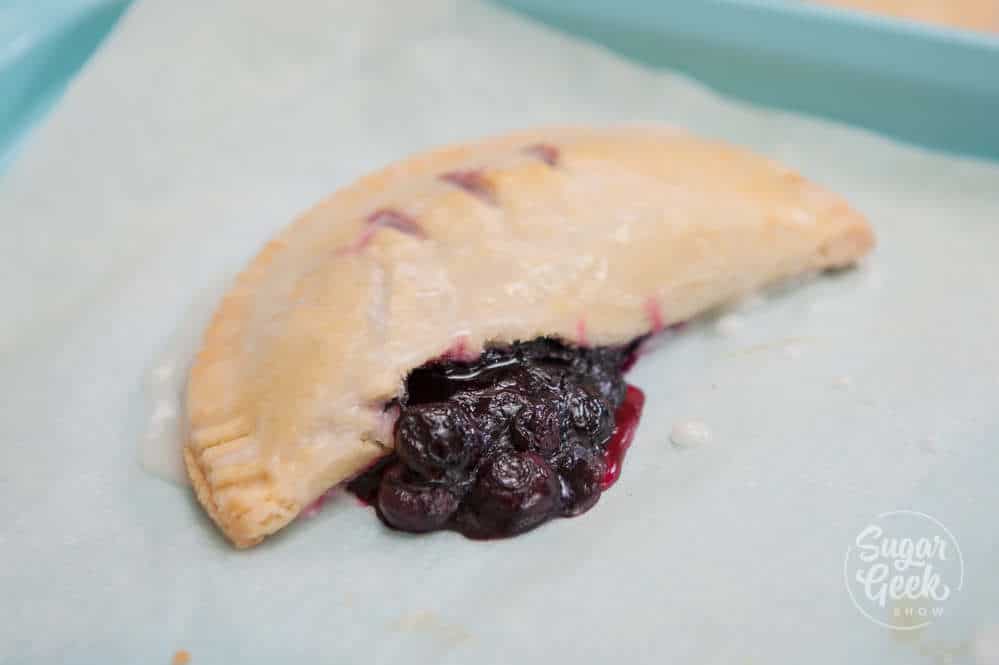
HOW DO I STOP MY PIES FROM LEAKING?

There are three reasons why your hand-pie might be leaking. Follow these steps to make sure your hand-pies don't burst. 

  1. Don't Overfill - You might think you want to fill that hand pie to the max but filling expands while baking so if your hand pie is too full, the filling will expand and then leak out of your crust. 
  2. Seal The Edges - Make sure you really seal those edges. Dampen the crust with a little egg wash and then press together with a fork. Make sure there isn't any filling on the edge of the dough or it will break the seal and cause the hand pie to leak. 
  3. Vent - Don't forget to give your pies some vents for steam to escape during baking, otherwise, the pressure can build up and cause your hand pie to leak everywhere. 
  4. Cracking - Cracks can also cause your pies to burst while baking. Smooth them out to prevent your filling from seeping out. 

venting hand pies to prevent leaking


hand pie with a leak

WHAT KIND OF FILLING IS GOOD FOR HAND PIES?

Apple and blueberry are the most popular fillings for hand pies but you can use pretty much any type of filling you like including cherry filling, lemon curd, chocolate pastry cream, strawberry filling or peach filling.

hand pie filling on circles of hand pie crust

If you don't want to make a bunch of homemade fillings, you can buy pre-made pie filling at the grocery store and I won't judge you one bit. 

For savory hand pies, you can try chicken pot pie filling, creamy mushrooms, and beef, or even ham and cheese for a breakfast hand pie. 

I'm not convinced there's any meal that could not be transformed into a hand pie. 

Peach Filling
Blueberry Filling
Cherry Filling
Lemon Curd

Strawberry Reduction
Berry Filling

Recipe

hand pies on a cooling rack on white background with blueberries and fresh fruit in the background
Print Recipe
4.79 from 42 votes

Hand Pies Recipe

The best hand pies with endless flavor options. Bake, deep-fry or air fry! Sweet or savory. This one recipe is all you need. Apple, blueberry, lemon, peach, or cherry. The filling options are endless. Follow my tips for troubleshooting common problems and avoiding leaks and cracks.
Prep Time5 minutes mins
Cook Time20 minutes mins
chilling1 hour hr
Course: Dessert
Cuisine: American
Servings: 8 servings
Calories: 274kcal
Author: Liz Marek

Equipment

  • Stand mixer with paddle attachment

Ingredients

For the hand pie dough

  • 12 ounces all-purpose flour
  • ¼ teaspoon salt
  • 6 ounces cold unsalted butter cut into cubes or grated
  • 1 large egg
  • 1 ounce ice cold water

Fruit filling

  • 16 ounces fresh or frozen fruit (apples, peaches, blueberries, strawberries etc)
  • 2 Tablespoons lemon juice you can use more or less to your taste
  • 6 ounces water or juice that complements the flavor of the fruit
  • 1 ounce unsalted butter
  • 2 ounces sugar white or brown
  • ¼ teaspoon salt
  • 1 ounce ClearGel or ½ ounce cornstarch
  • 1 ounce water

Glaze

  • 4 ounces powdered sugar
  • 1 Tablespoon lemon juice
US Customary - Metric

Instructions

For the hand pie dough

  • Place flour, salt, and cold butter pieces into the bowl of your stand mixer and blend on low until mixture resembles coarse sand.
  • Add in your egg and just enough water to bring the mixture together
  • Press into a disk and wrap with plastic wrap. Chill for one hour.

For the fruit filling

  • Prepare your fresh fruit by chopping into small cubes (if needed) or use frozen fruit. No need to defrost.
  • Place your fruit and butter in a large saucepan over medium-high heat until the butter is melted and bubbling.
  • Add in your water (or juice), sugar, lemon juice, and salt and mix until combined. Bring to a simmer.
  • Combine your ClearGel with your water and whisk to make a slurry. Pour into your simmering mixture and mix for 1-2 minutes to cook the gel. If you're using cornstarch, you only need to cook until it's clear.
  • Remove from the heat and let the mixture cool.

How to make hand pies

  • Preheat your oven to 400ºF and line a large sheet pan with parchment paper
  • Let your dough stand at room temperature for 15 minutes to let it soften a bit
  • Dust your surface with flour. Begin by pressing your dough with your rolling pin to start flattening it.
  • Roll your dough out to ⅛ thick or about the thickness of a cake board. Thinner than you think. Thinner dough results in a crisper, crunchier crust for your hand pies.
  • Cut your dough into 6" circles. I used a 6" cake board as a template or you can use a 5" circle cutter if you want smaller hand pies.
  • Fill your 6" hand pie with 3 tablespoons of fruit filling (5" circles take 1 heaping Tablespoon). Do not overfill.
  • Brush the outside edge with egg wash (one egg whisked with 1 tablespoon of cold water)
  • Fold the hand pie over and crimp with a fork to seal well
  • Use a knife or fork to make some vents on top
  • Brush the hand pies with more egg wash and place them onto a sheet pan lined with parchment paper. Chill for 20 minutes.
  • Bake for 20-25 minutes. They should be golden brown and the filling will just be starting to bubble.
  • Let your hand pies cool for 10 minutes.
  • While your hand pies are cooling, make your glaze. Just whisk the powdered sugar and lemon juice together until smooth.
  • Use a pastry brush to brush the thin glaze over the hand pies and enjoy!
  • These hand pies taste best the day they are baked but will last for three days in an airtight container in the fridge or frozen for up to 2 months.

Video

Notes

For fruit filling, feel free to adjust spices and flavorings to suit your tastes. For apple I like to add a little cinnamon. 
Air Fryer Instructions
  1. Prepare your hand pies as usual and chill 20 minutes
  2. Brush the surface with egg wash and sprinkle on some sanding sugar for color and flavor (optional). 
  3. Set your temperature to 400ºF on your air fryer
  4. Place your hand pies inside the air fryer basket and fry for 13-15 minutes until golden brown and filling just begins to bubble
Deep fried hand pies instructions
  1. Prepare your hand pies as usual but do not cut large slits for vents, use a fork for small vents so the filling doesn't leak out. Then place them in the fridge to chill for at least one hour. 
  2. Heat up 4 inches of neutral oil (like vegetable shortening or canola oil) in a deep pot (like a dutch oven) to 375ºF. Use a thermometer to keep an eye on the temp. Make sure you place the pot at the back of the stove, especially if you have kids. Hot oil is very dangerous and so are splashes. 
  3. Place 2-3 hand pies in the hot oil and fry 3-4 minutes until golden brown. 
  4. Drain on a paper towel and then dust in powdered sugar or cover in sugar glaze before serving. They are best when eaten the same day. 

Nutrition

Serving: 1serving | Calories: 274kcal | Carbohydrates: 54g | Protein: 5g | Fat: 4g | Saturated Fat: 2g | Cholesterol: 34mg | Sodium: 158mg | Potassium: 55mg | Fiber: 1g | Sugar: 21g | Vitamin A: 127IU | Vitamin C: 2mg | Calcium: 10mg | Iron: 2mg
 
Stacked cake with airbrushed clouds and anime portrait painted with cocoa butter

August 14, 2020 Course Preview

Anime Cocoa Butter Portrait Cake Tutorial

Skill level: Intermediate

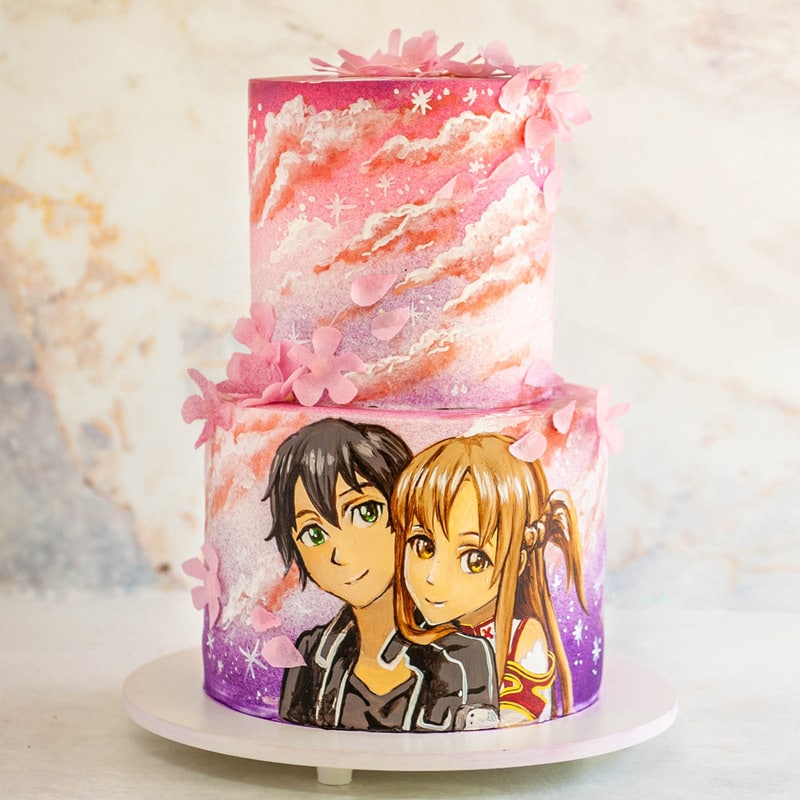
I got the opportunity to create a beautiful birthday cake for a girl who is really into Anime, specifically Sword Art Online. I knew this would be the perfect time to try out cocoa butter for painting portraits, and the results were amazing!

Cocoa butter painting creates beautiful, oil painting-like finishes on cakes. In this tutorial, you'll learn how to prep your cocoa butter for painting, what brands work best, how to paint portraits and realistic clouds.

54:17 Minutes of Instruction

What You Will Learn

  • How to hand-paint character portraits in manga/anime style using cocoa butter
  • Learn how to create and attach wafer paper flowers
  • How to paint clouds and airbrush a seamless color gradient

Tutorial Chapters

  1. Covering the cakes in fondant 0:36
  2. Stacking the cakes 10:09
  3. Wafer paper flowers 13:43
  4. Making the portrait stencil 16:17
  5. Airbrushing the cake 18:58
  6. Painting the faces 22:49
  7. Painting the hair 40:03
  8. Painting the clothes 46:59
  9. Painting clouds 48:55
  10. Adding the flowers 53:07

Downloads

Materials List

Stencil Template

Portrait Reference

Stacked cake with airbrushed clouds and anime portrait painted with cocoa butter

August 14, 2020 Paid Video

Anime Cocoa Butter Portraits Cake

Skill level: Intermediate

I got the opportunity to create a beautiful birthday cake for a girl who is really into Anime, specifically Sword Art Online. I knew this would be the perfect time to try out cocoa butter for painting portraits, and the results were amazing!

Cocoa butter painting creates beautiful, oil painting-like finishes on cakes. In this tutorial, you'll learn how to prep your cocoa butter for painting, what brands work best, how to paint portraits and realistic clouds.

54:17 Minutes of Instruction

What You Will Learn

  • How to hand-paint character portraits in manga/anime style using cocoa butter
  • Learn how to create and attach wafer paper flowers
  • How to paint clouds and airbrush a seamless color gradient

Tutorial Chapters

  1. Covering the cakes in fondant 0:36
  2. Stacking the cakes 10:09
  3. Wafer paper flowers 13:43
  4. Making the portrait stencil 16:17
  5. Airbrushing the cake 18:58
  6. Painting the faces 22:49
  7. Painting the hair 40:03
  8. Painting the clothes 46:59
  9. Painting clouds 48:55
  10. Adding the flowers 53:07

Downloads

Materials List

Stencil Template

Portrait Reference

jelly island magic cake with edible palm tree

August 11, 2020 Blog

Jelly Island Cake

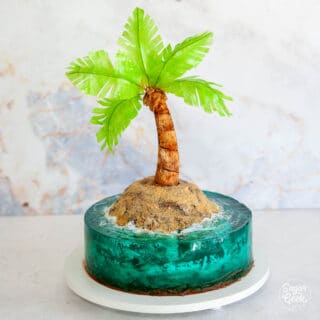
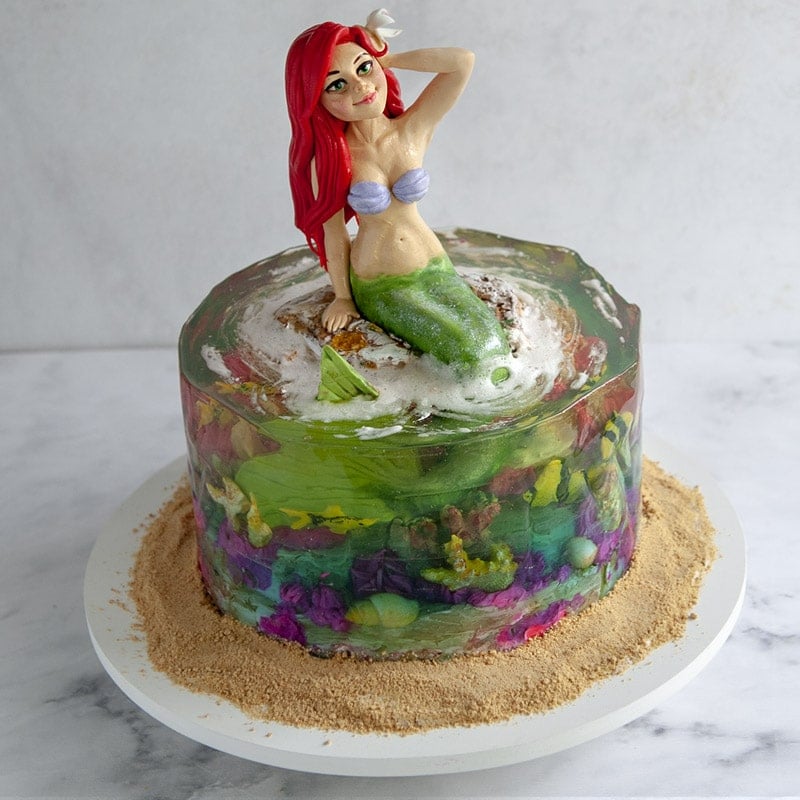
You may have seen these amazing jelly island cakes (sometimes called magic cakes) trending on Instagram. I am obsessed with them! I love the use of gelatin as water. The first time I used gelatin as water was in my shark cake tutorial. Since then, I've also made a mermaid cake and an Animal Crossing cake using gelatin for the water. 
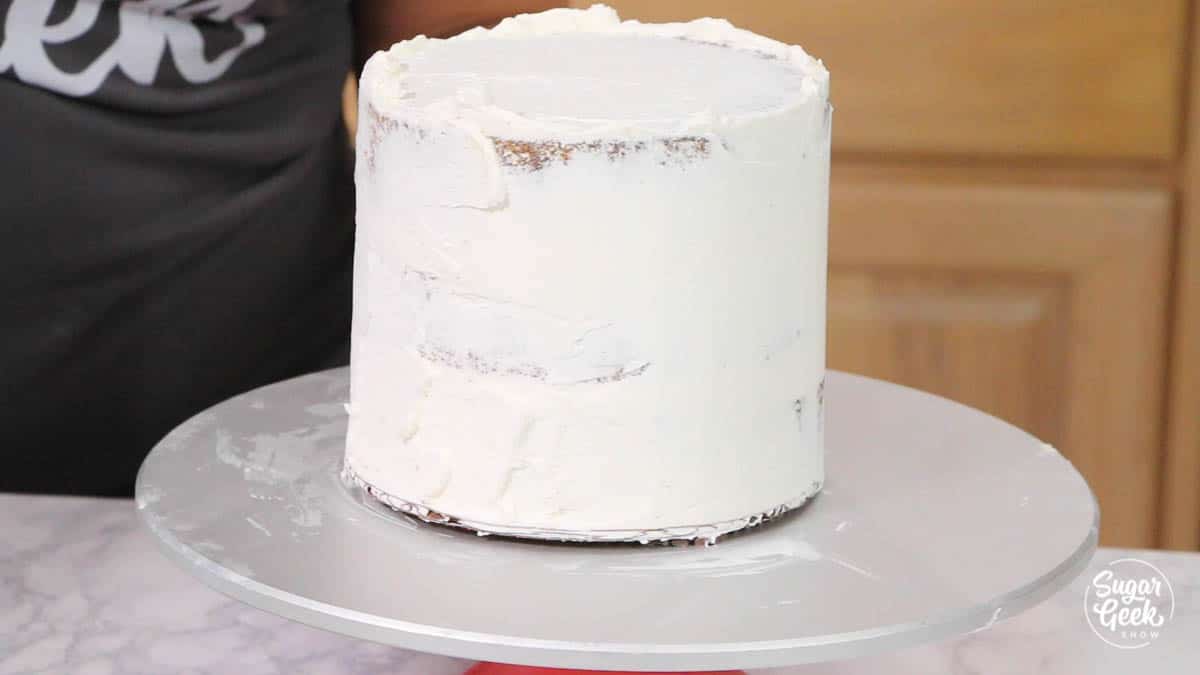
jelly island magic cake with edible palm tree

One question I get a lot (A LOT!) is how does the gelatin taste?

I know there are a lot of tutorials out there on YouTube on how to make the basic jelly island cake but the recipe for the gelatin is lacking in my opinion. Water plus gelatin is not going to taste very good!

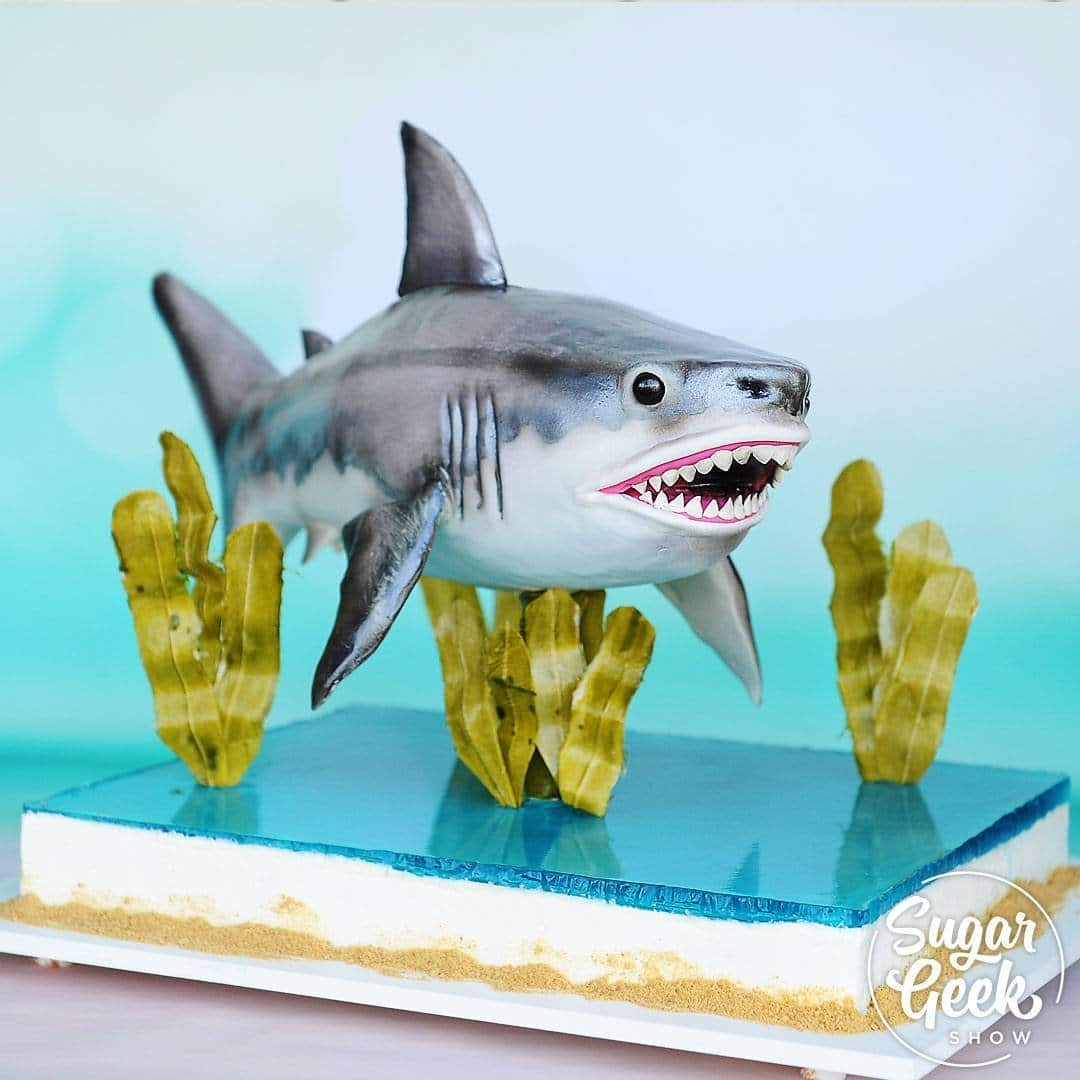
For my shark cake, I used regular blue Jell-O with a little extra added gelatin to make it really firm. That worked really well and tastes really good but you can't make it very thick or the blue becomes too dark. 

This shark cake looks like it's about to swim right up to you and take a bite! Featuring a gravity-defying structure, flexible edible seaweed and Jell-O water. Sculpt a 3D shark out of cake, learn to paint details and make sugar eyes! All your guests will be wondering how this is really a cake!

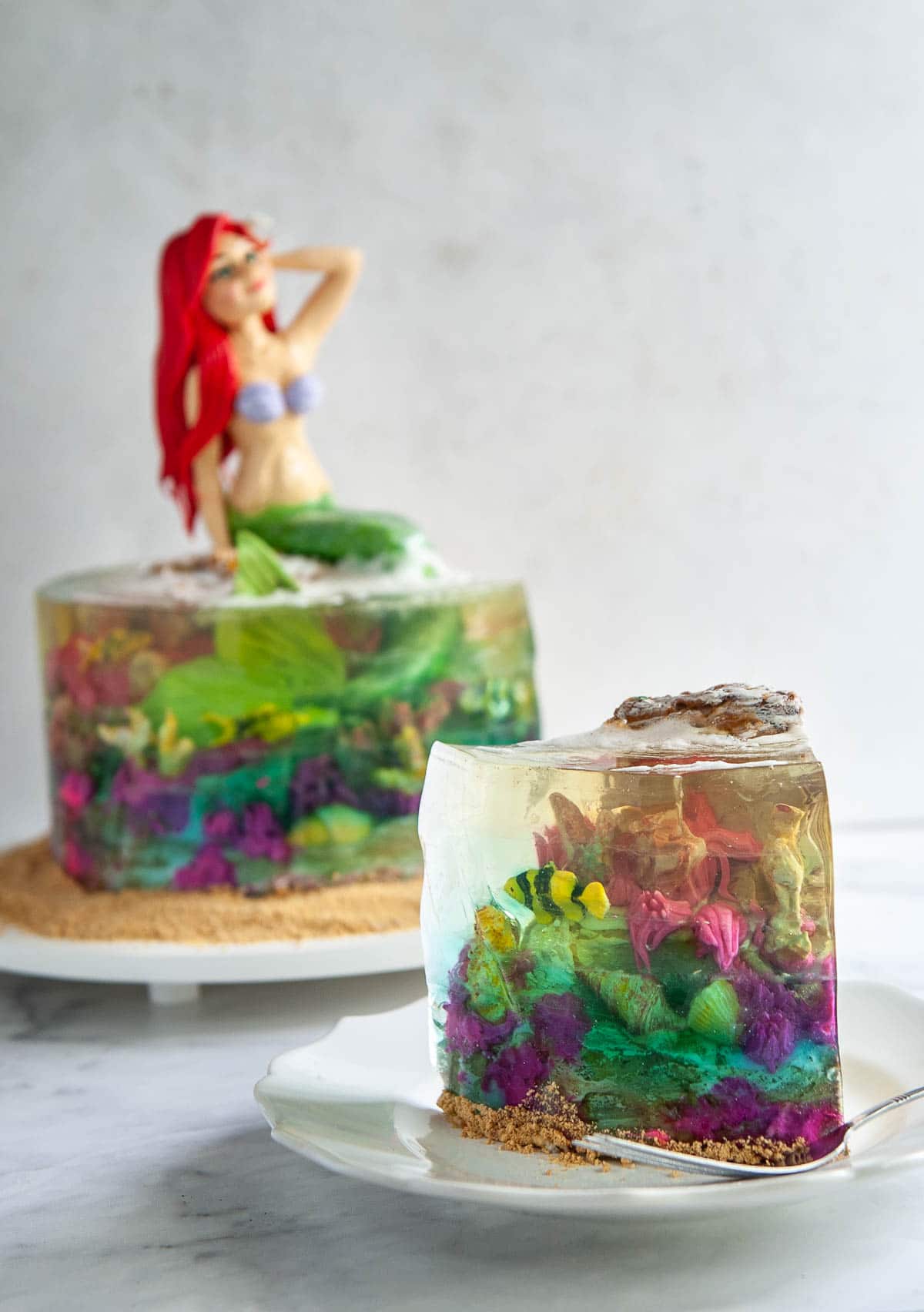
For my mermaid cake, I used 7-up as the liquid and added in some gelatin to make it set. I did add a little electric blue food coloring and a tiny bit of that blue Jell-O to make it the right color. The taste was pretty good, very mild lemon-lime flavor but I wasn't fully satisfied with the taste just yet. 

Finally, when I was making Avalons Animal Crossing birthday cake, I made a recipe I was really really happy with! I started with regular water, added some sugar, and then some strawberry extract for flavor. Isn't that what Jell-O is basically made of? Sugar water, flavoring, and gelatin right? I also added a tiny bit of citric acid (basically powdered lemon) to give the Jelly that tart flavor that you associate with candy. 

Oh my gosh it tasted so good! I even surprised myself a little I admit. 

The best part about making the jelly from scratch to make your jelly island cakes is that you can control the color. If you want your jelly to all have the same color, you can add a drop or two of some blue food coloring or you can use some blue Jell-O like I did. I just really like the color! 

If you want your Jell-O to have a gradient, you can divide your jelly into three containers and color one dark blue, one medium and one light. Then layer them up, letting them chill until JUST barely set before adding the next layer of jelly. 

Ingredients for making a jelly island cake

NOTE: This cake takes about three days to make so plan ahead! 

Day 1: Bake cakes and make your ganache
Day 2: Stack your cakes, carve, and make your jelly water. Chill overnight to set the jelly.
Day 3: Unmold the cake, finish the cake with graham crackers and decorations. Enjoy! 

2 - 6" round cakes (any flavor you want)

16 ounces (2 cups) chocolate ganache or easy buttercream

40 oz cool water

14 ounces (4 cups sugar)

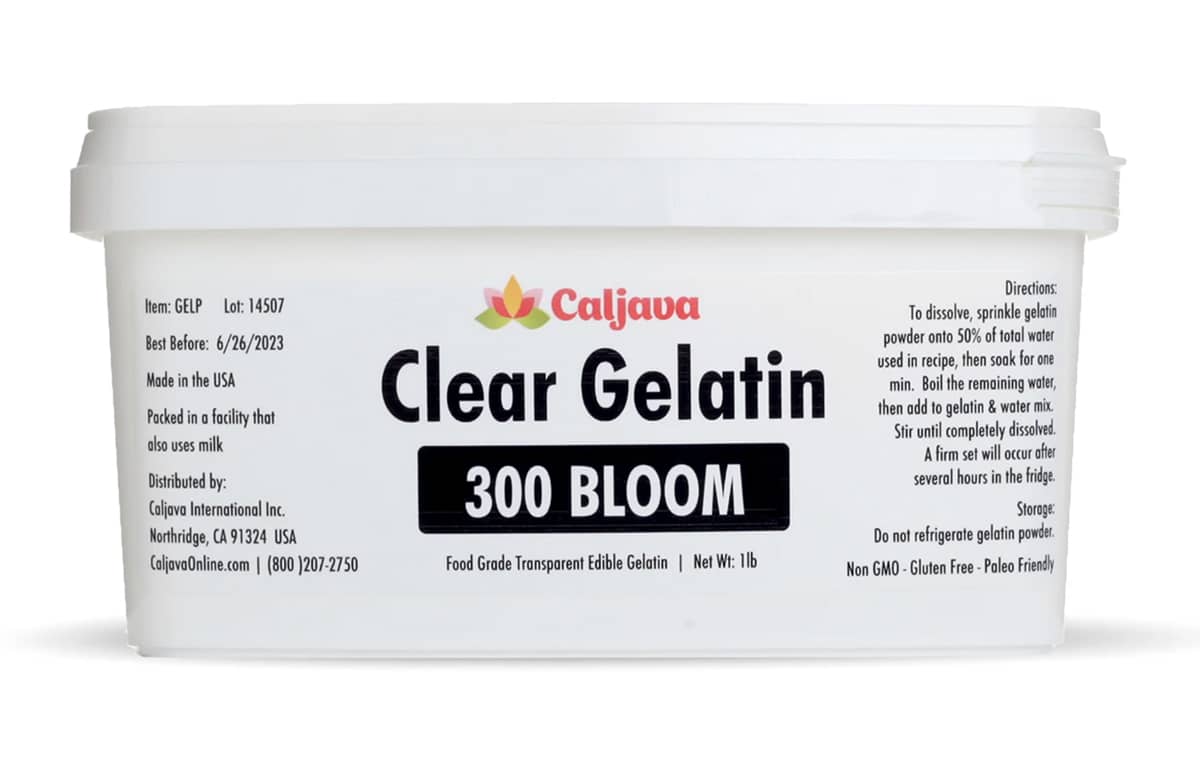
100 grams clear gelatin (or knox)

20 grams blue Jell-O (or 1-2 drops liquid blue food coloring)

3 teaspoon strawberry extract (or any flavor you want really!)

2 teaspoon citric acid (you can find this in the canning section of the grocery store!)

2-3 Tablespoons Crushed graham crackers for sand

Modeling chocolate palm tree (tutorial is from my animal crossing cake)

White food coloring for waves 

Cake acetate

Clear packing tape

Cake ring or springform pan


How to make jelly for a jelly cake

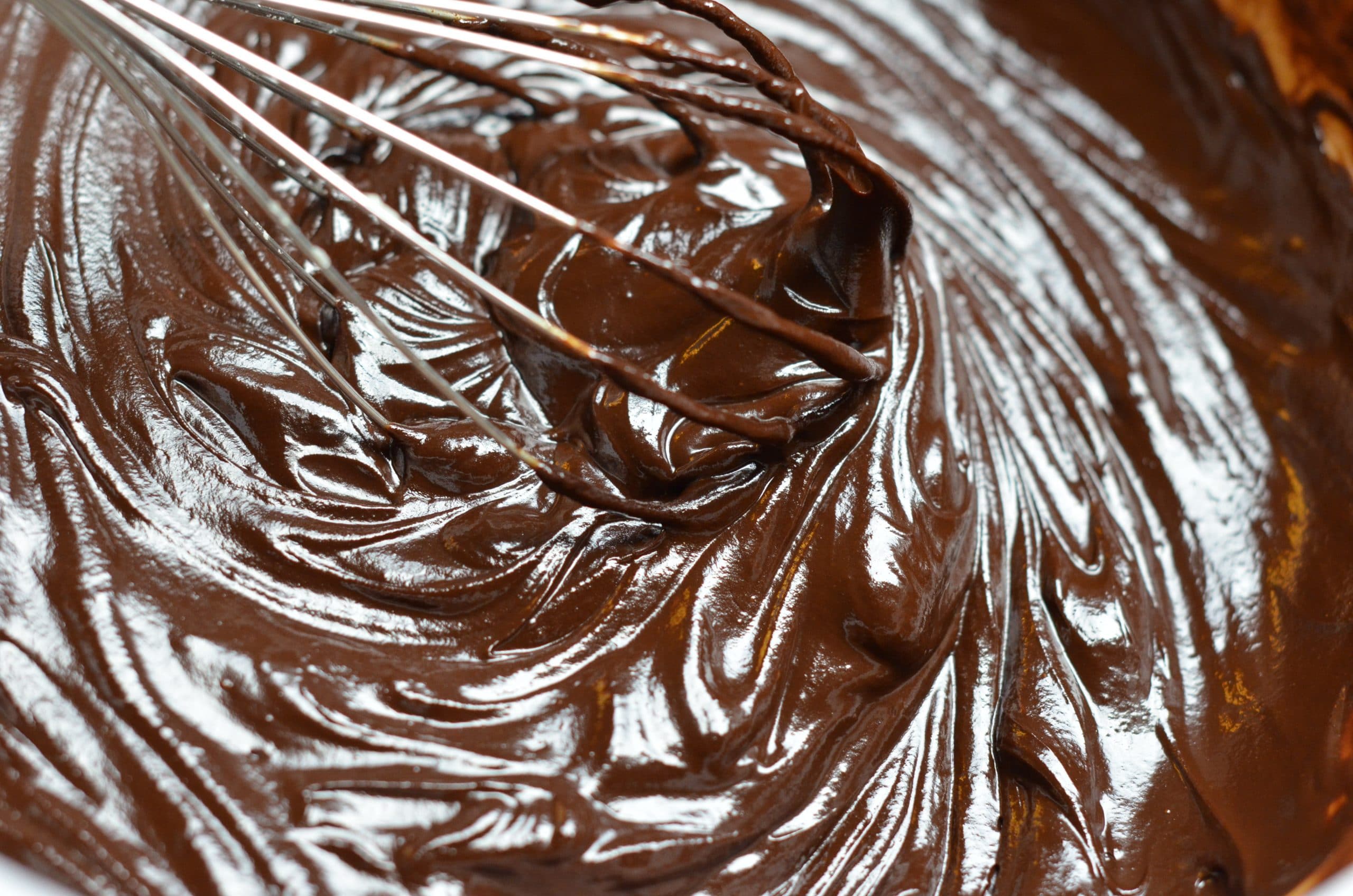
Step 1 - Make your ganache. I'm using the 1:1 ratio. Heat 8 ounces of heavy whipping cream until it's steaming (not boiling) then poured it over semi-sweet chocolate. Let it sit for 5 minutes then whisk until it's smooth. Cover with plastic wrap and let it cool overnight at room temperature. 

ganache

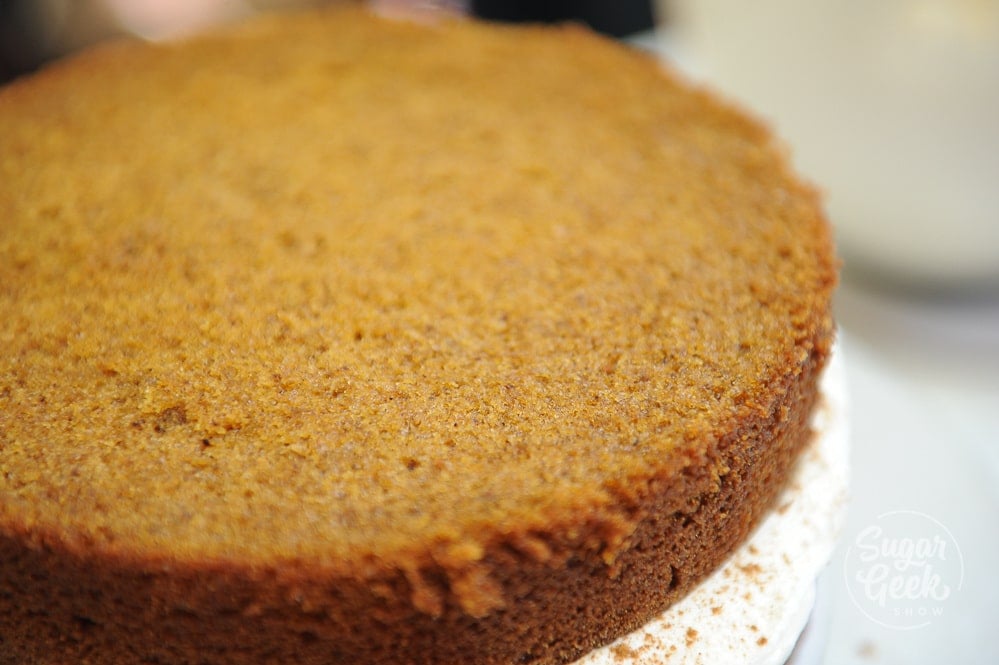
Step 2 - Bake your cakes. I'm using my applesauce spice cake recipe but you can use any flavor you want. You don't need a lot of cake, two 6" rounds will be plenty. Use the cake calculator above the cake recipe card to adjust the recipe to make two 6" rounds. 

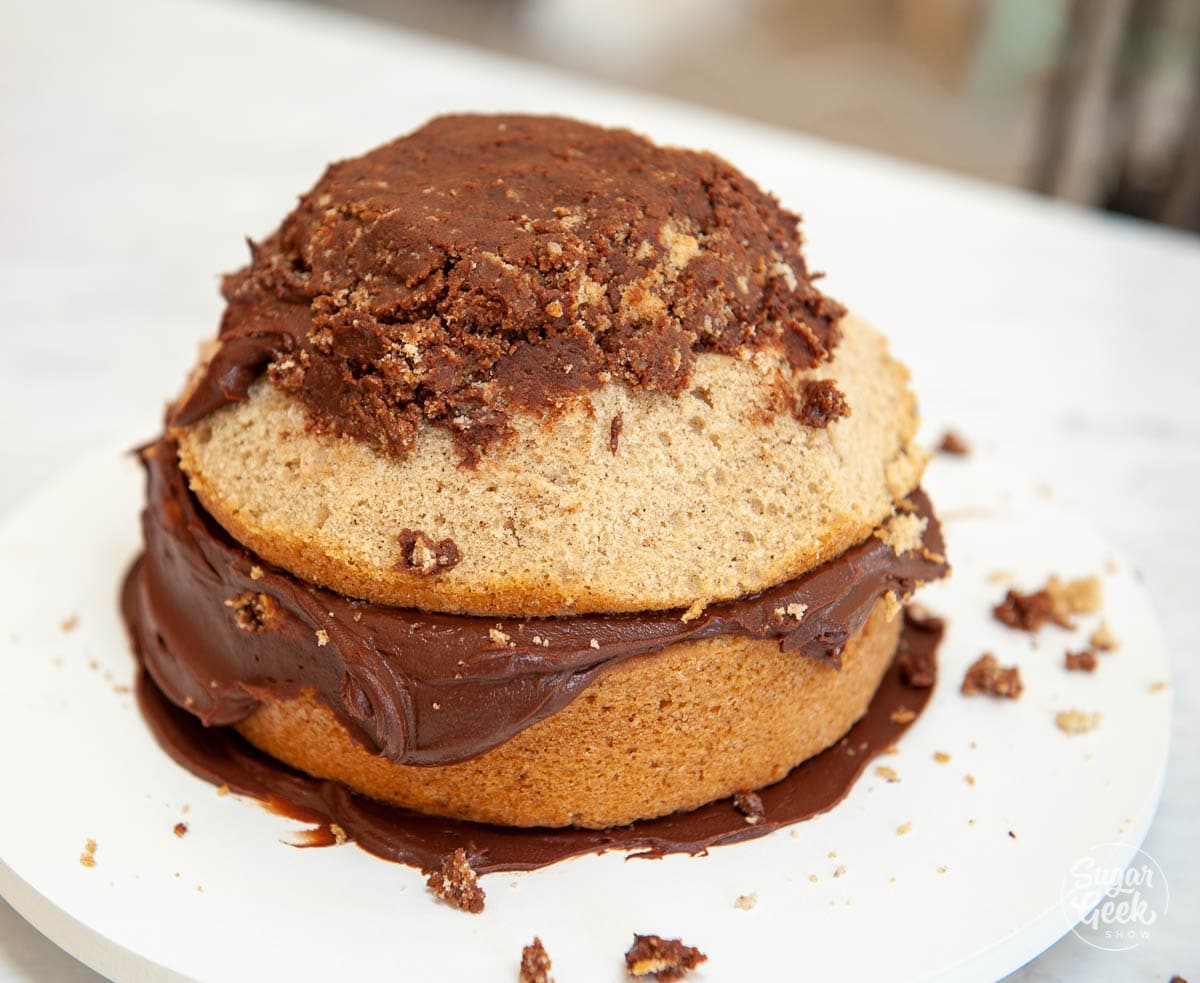
Step 3 - Stack your cakes together with your cooled ganache. Carve the sides down so the cake is slightly rounded on top. You can use the cut-off pieces to make some cake pop dough and build up the island a bit more. Just add a little ganache to the cake pieces and smoosh them together until it forms a dough. Place the dough on top and smooth it with your spatula. 

two cakes carved into a dome with some ganache on top

Cover the whole cake with a layer of ganache and place it into the fridge to chill. 

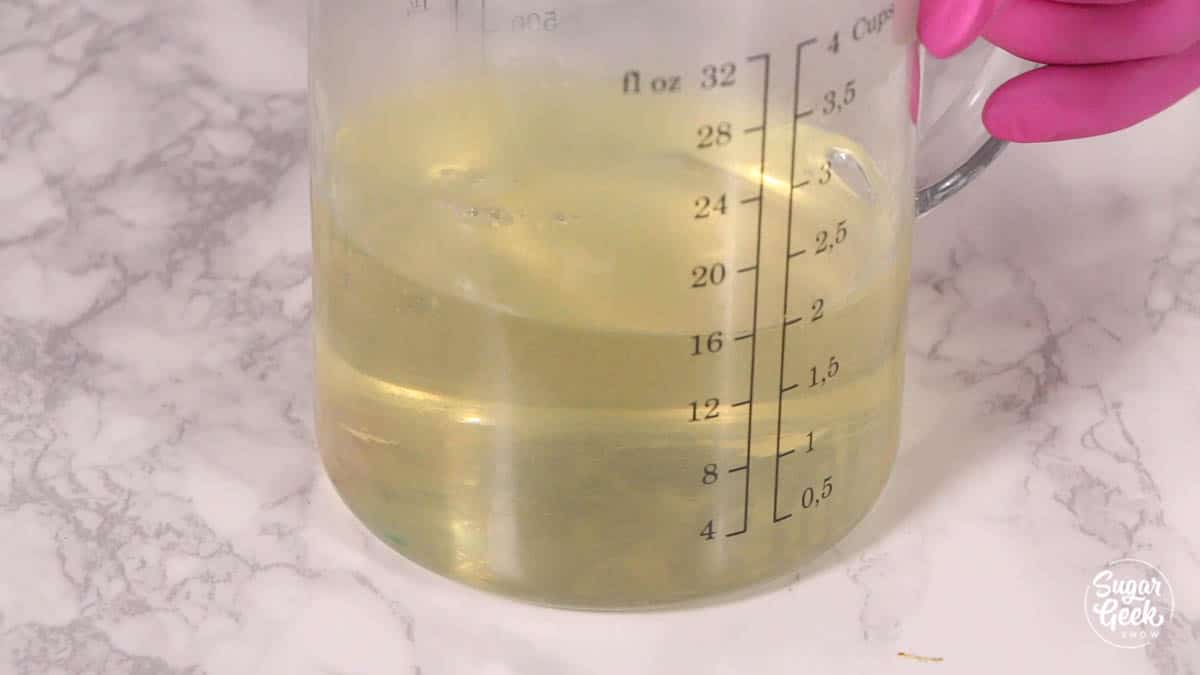
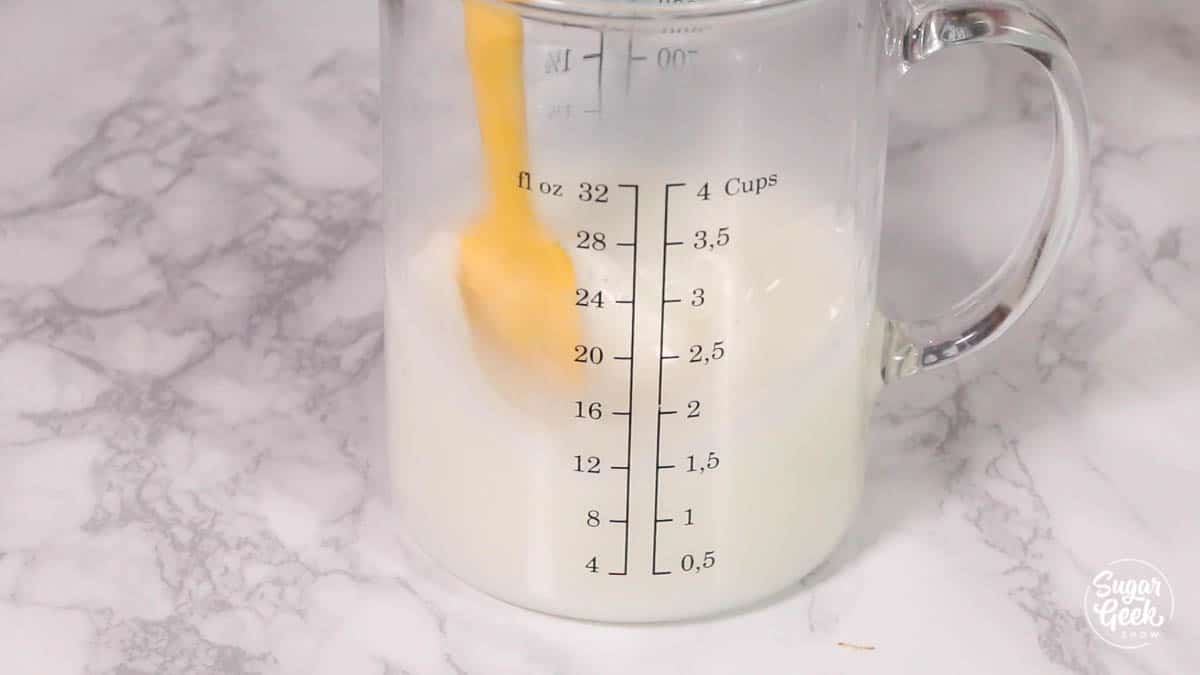
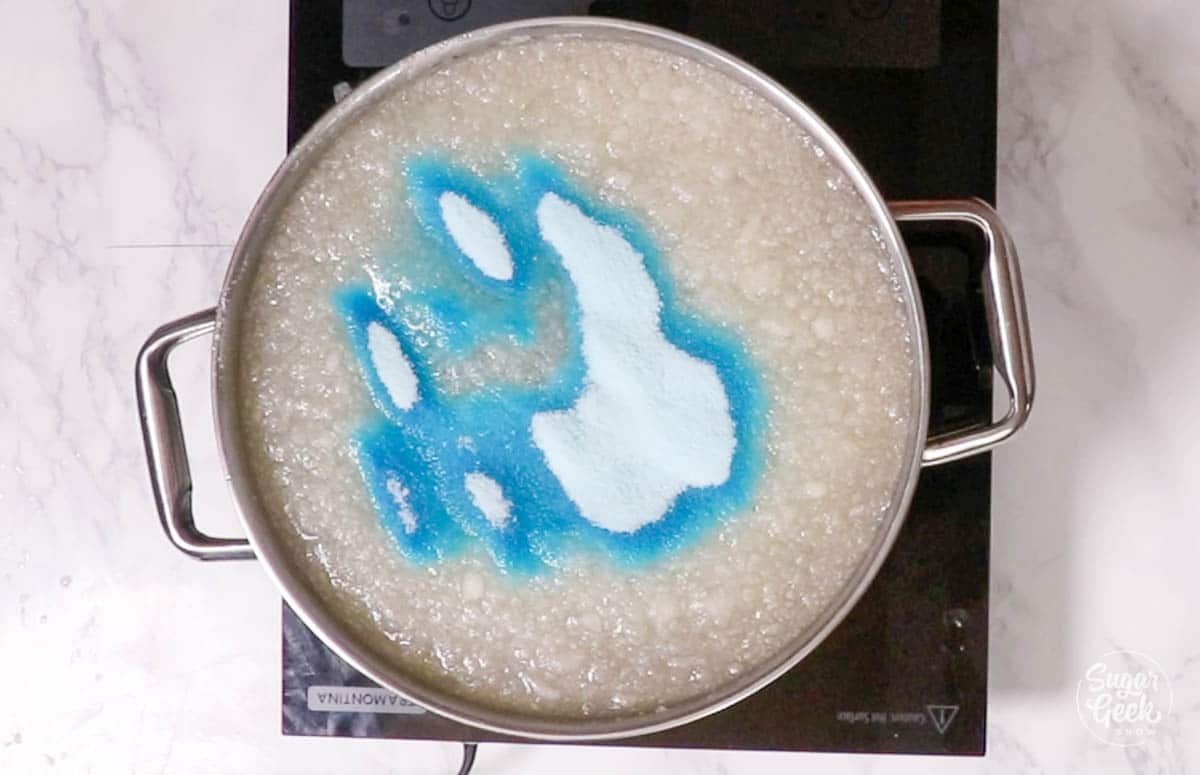
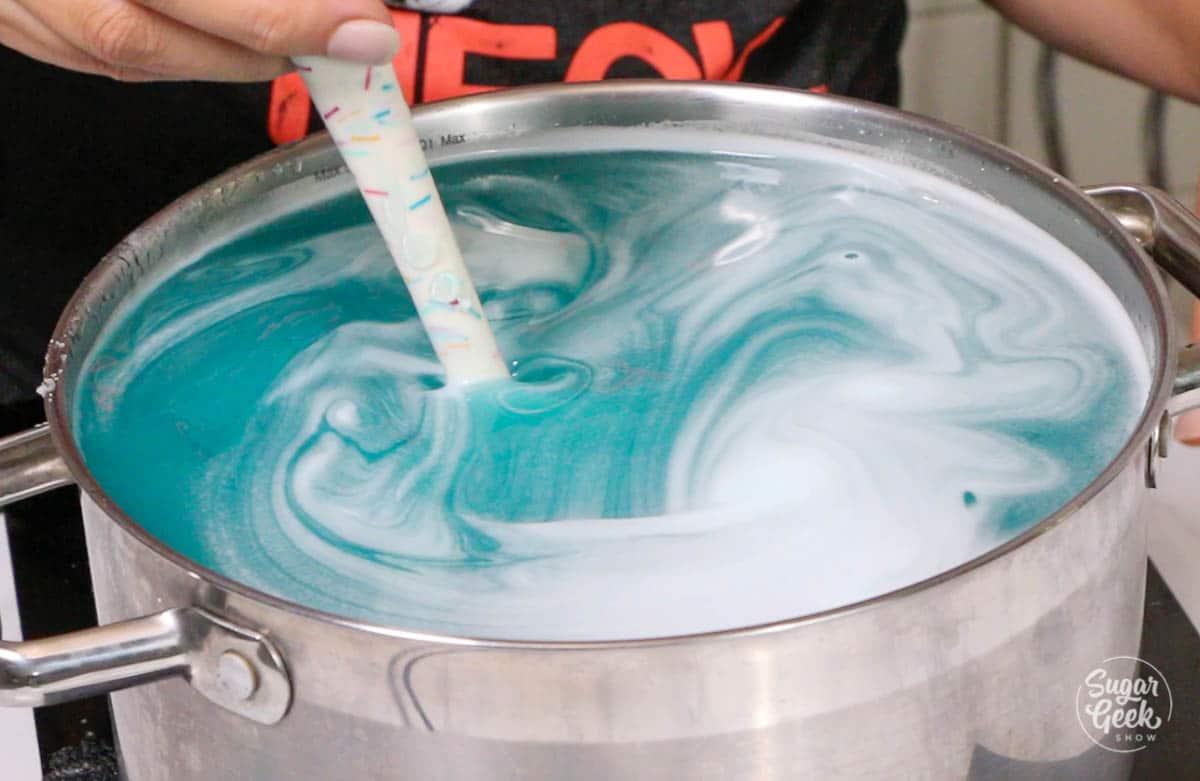
Step 4 - Make your jelly for the jelly island cake. This part is really easy. Just combine your cool water, gelatin, sugar and blue Jell-O in a large saucepan. Let the gelatin absorb for 5 minutes before you start heating it. This makes the gelatin stronger.

*NOTE: these photos are of a 6x batch that I used for my animal crossing cake, your amounts will be much smaller for single jelly cake. 

jelly island ingredients in a large saucepan shot from above

Turn your heat up to medium-high and stir occasionally to keep the mixture from burning. DO NOT BOIL! Remove the mixture from the heat once you start to see steam rising from the gelatin mixture. Boiling will weaken the gelatin. 

jelly island mixture in a large silver stock pot

Remove the mixture from the heat, add in the extract and the citric acid. Stir to combine and then place it into the fridge for about 30 to 60 minutes. I put mine into a new bowl so it cooled faster. 

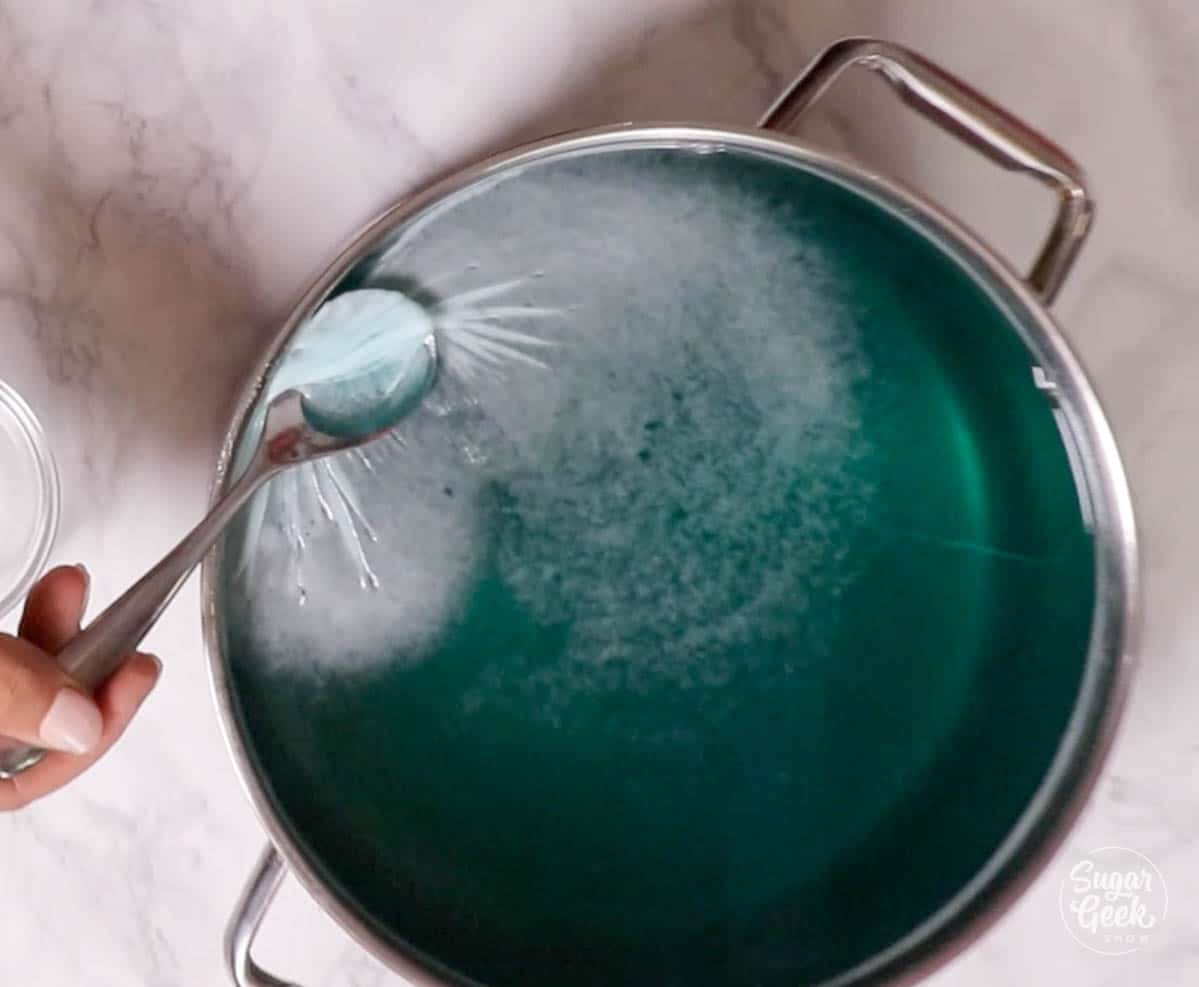
Once the jelly is slightly cooled, you can skim the foam off the top and the leftover jelly will be nice and clear!

skimming the foam off the cooled gelatin shot from above

You don't want the mixture to solidify though! Keep your eye on it. You just want it to be cool but not solid. If you forget about it and it gets solid, pop it into the microwave for a few seconds to melt it again. 

Step 5 - Paint the ganache with a little white food coloring. I just used a brush and roughly brushed over the surface. You don't want to completely cover the ganache, just create a little texture and visual interest. 

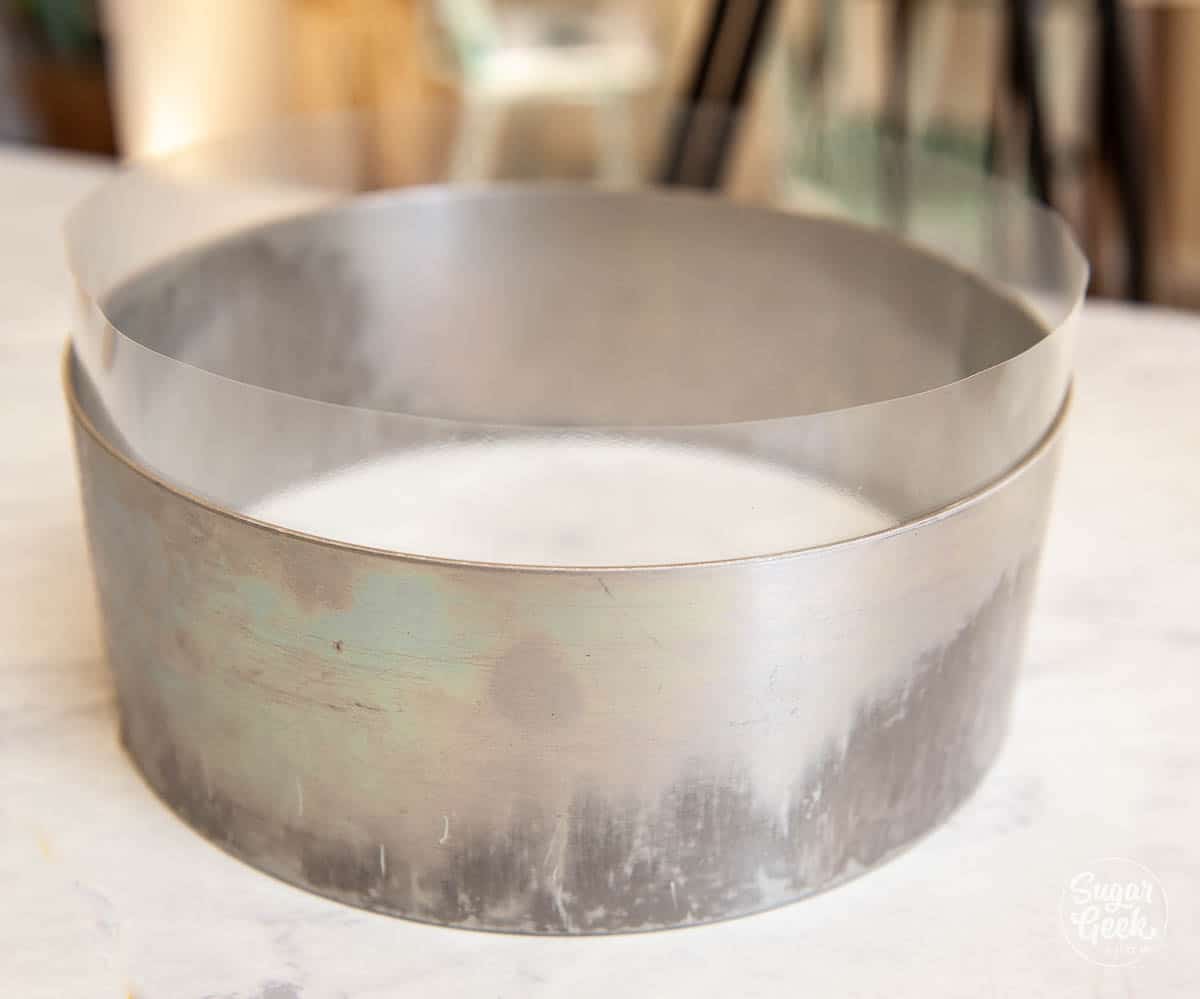
Step 6 - Make the island. Place your cooled cake onto a cake board or even a cheesecake springform pan will work for this. Place a cake ring (if you have a springform pan you won't need a cake ring) around the cake. Line the cake ring with some cake acetate and tape the seam. 

cake ring with a layer of acetate inside

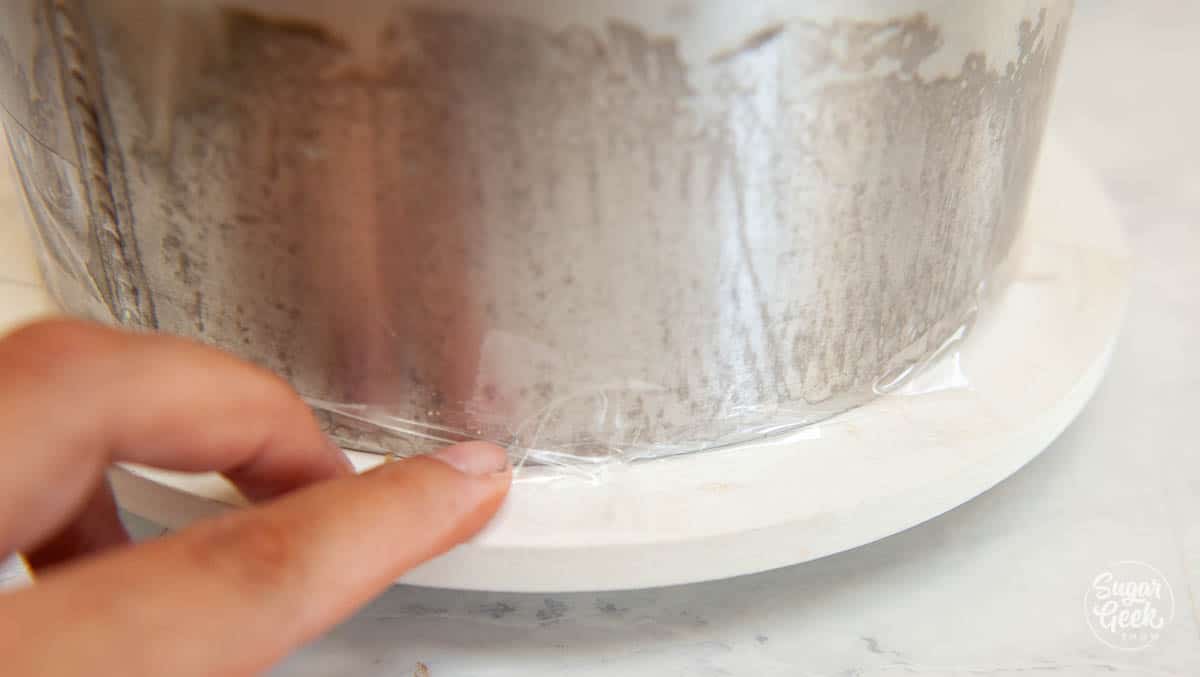
Seal the bottom of the cake ring with some clear tape to keep the jelly from leaking out. 

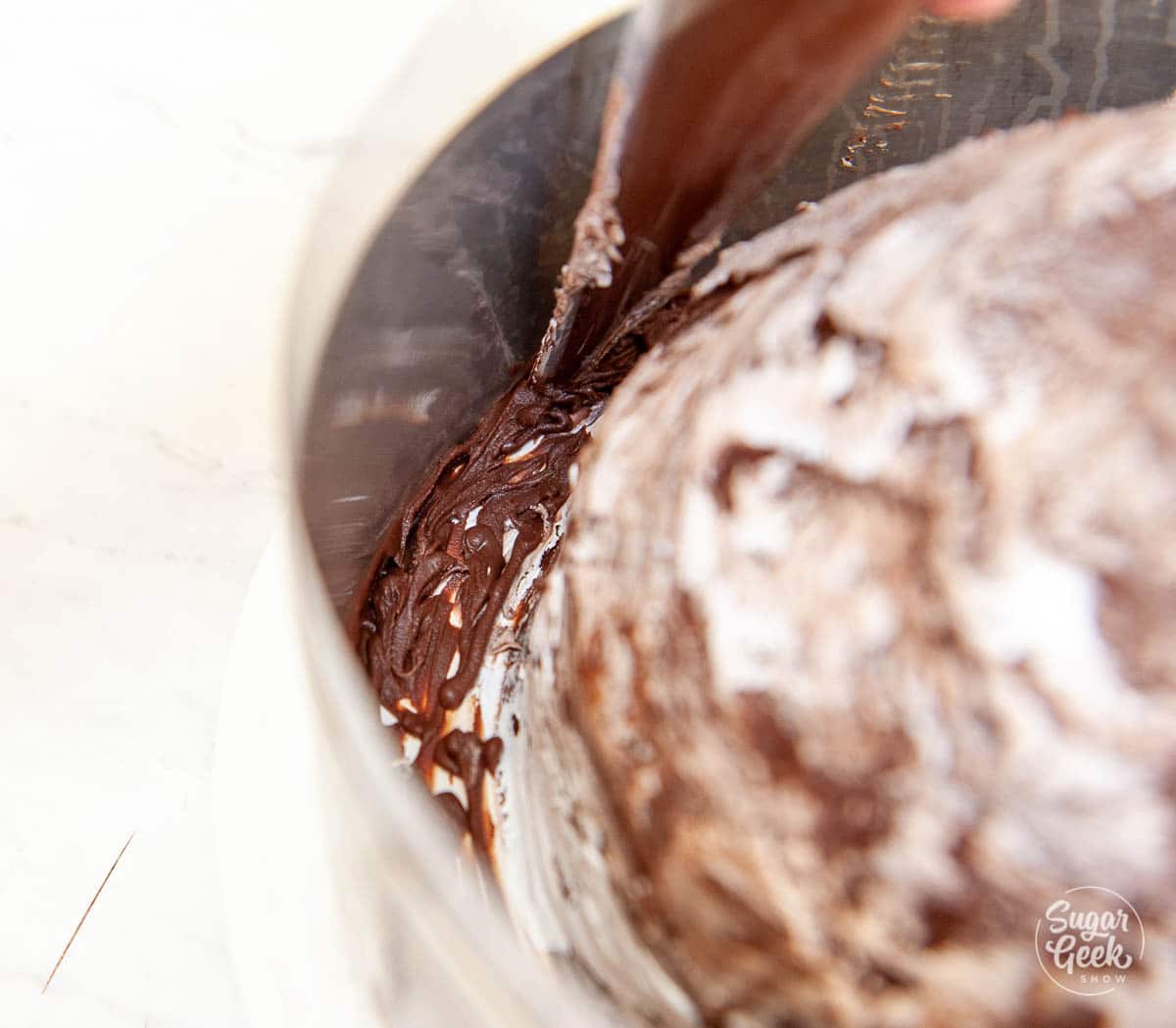
I also pipe a small amount of ganache around the inside of the ring for extra insurance and smooth it down with my finger. I also pipe ganache around the base of the cake so nothing leaks into the cake. 

close up of ganache piped on the inside of the cake ring and acetate

Put the cake back into the fridge for 20 minutes to give the ganache time to set up or until your jelly has cooled down enough to use. The jelly should be about 90ºF or just barely warm to the touch. Be patient! If the jelly is too hot it will melt your ganache and make a big mess. 

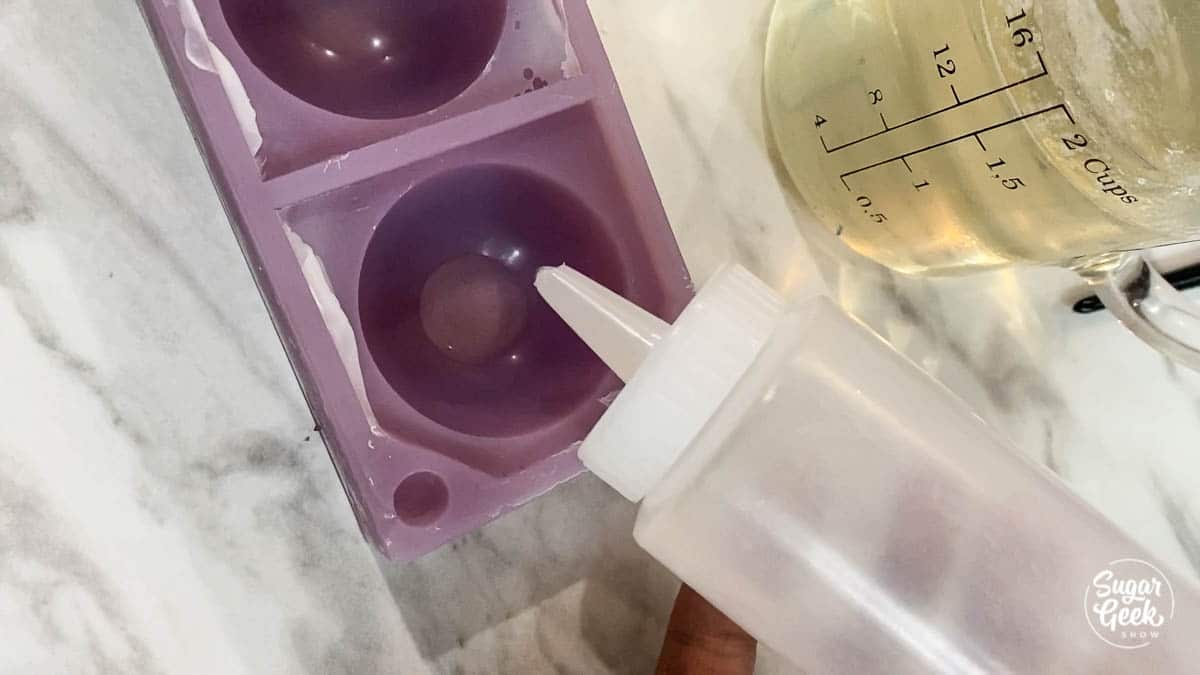
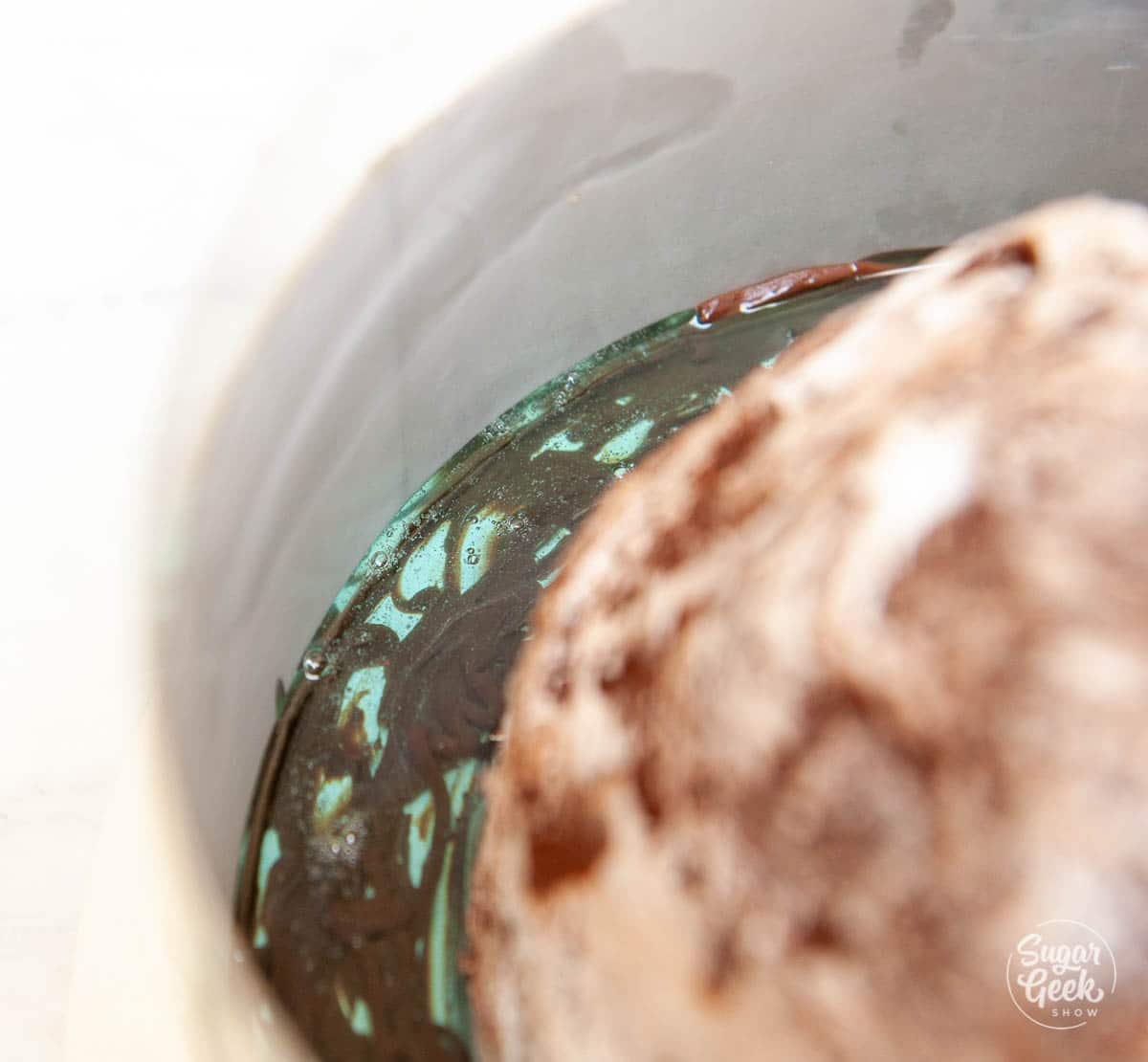
Step 7 - Pour the cooled jelly into your ring. I start with just ¼" and stop just to make sure I don't have any leaks. Allow the jelly to harden up before pouring the rest in. This should only take about 5 minutes. 

close up of jelly poured into the cake ring

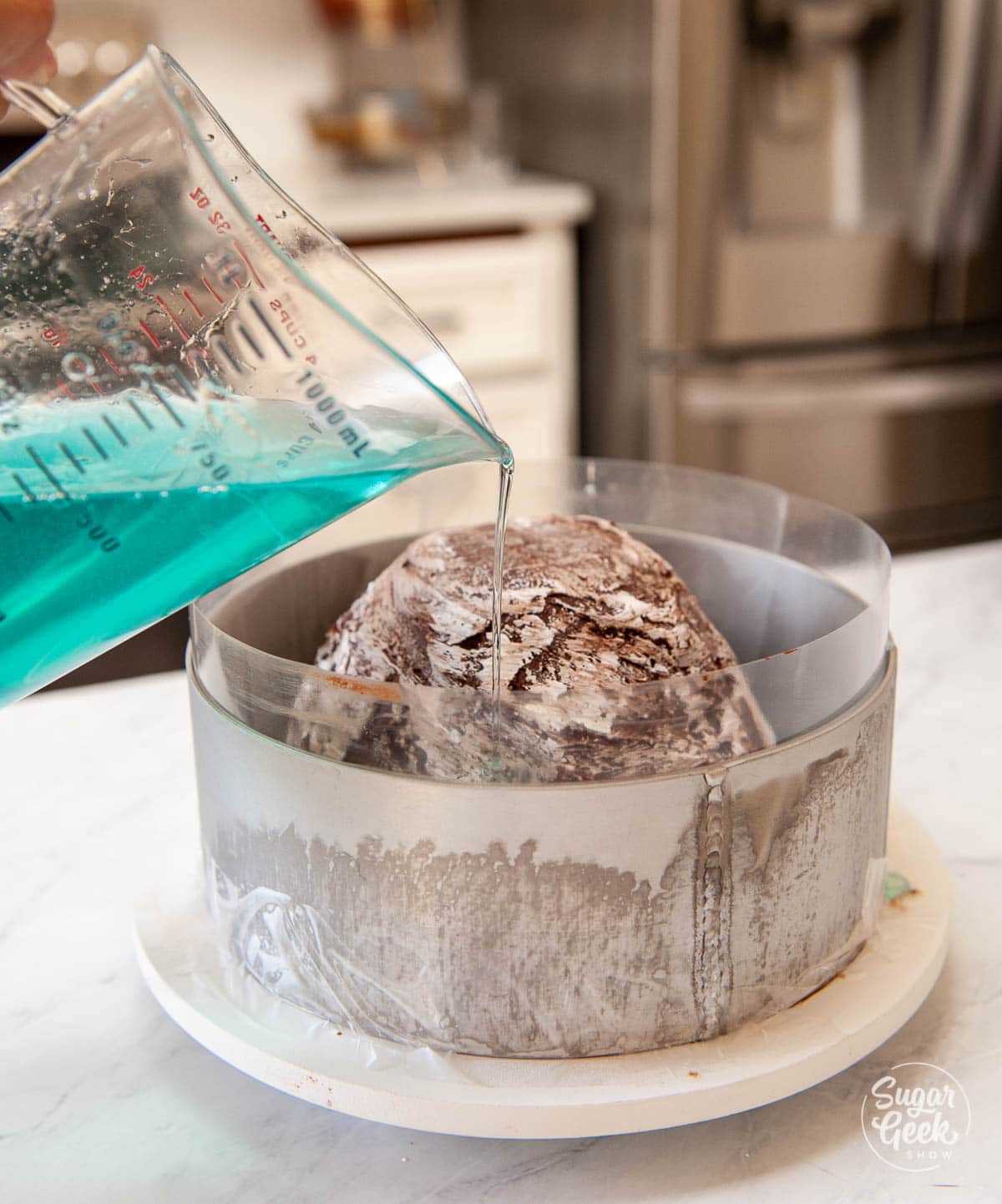
Once the thin layer of jelly is firm, go ahead and pour in the rest of the jelly to the top of the ring. 

jelly being poured into the cake ring

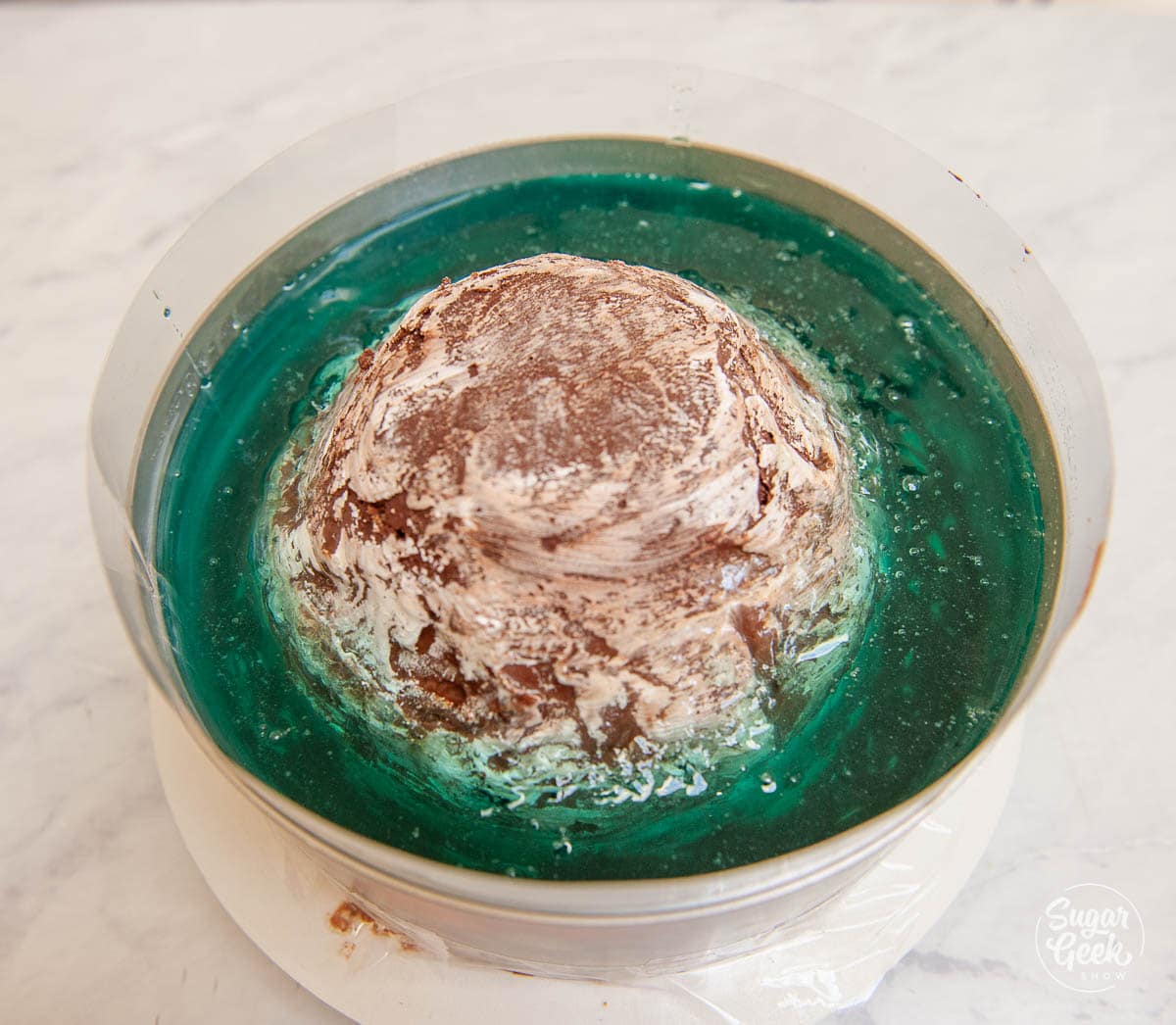
If you have any major bubbles you can pop them with a paintbrush

Once you have poured the jelly into the ring, the jelly island cake now needs to be refrigerated overnight. 

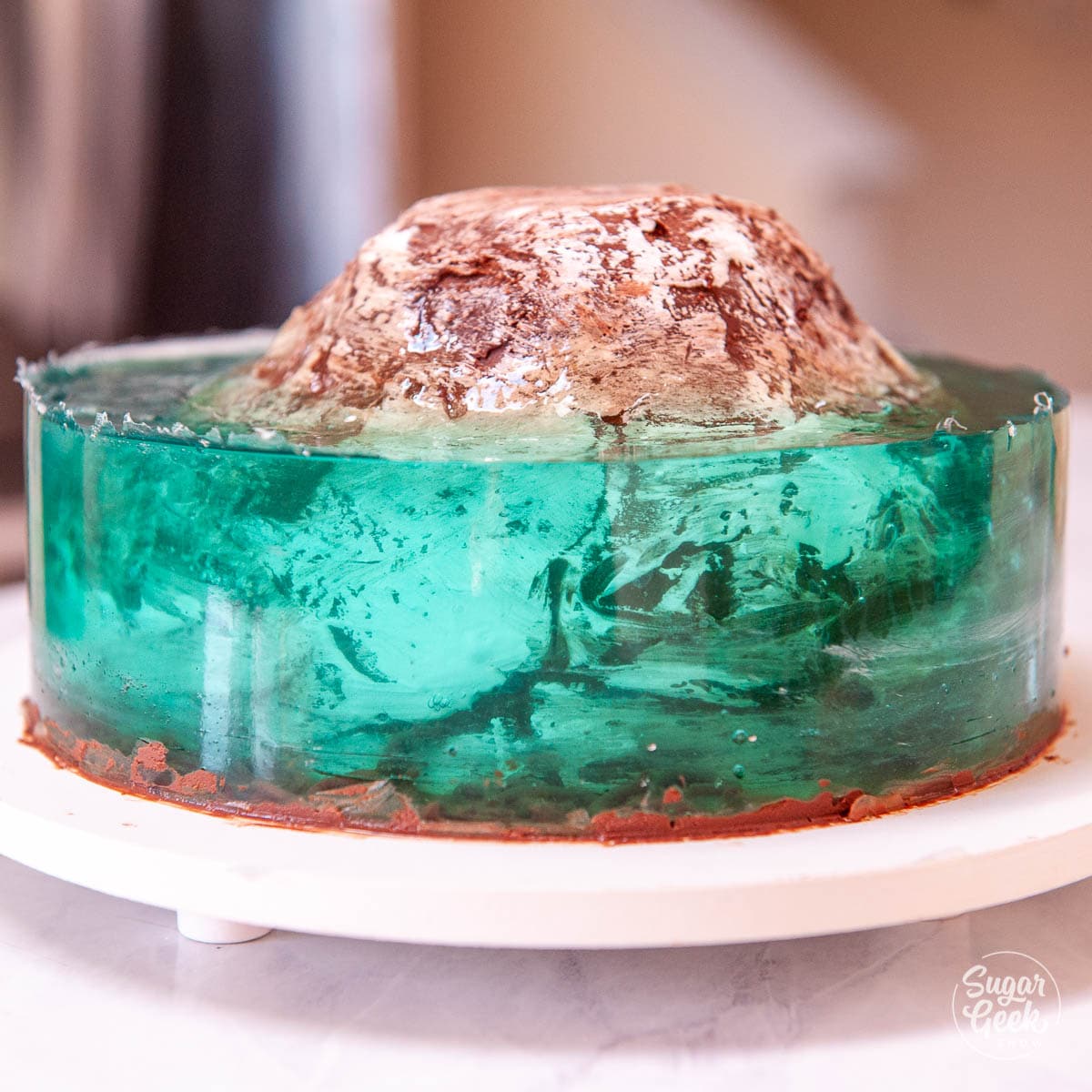
Step 8 - De-molding the jelly island cake! Remove the tape from the cake ring and slide it off the cake. Carefully remove the acetate from the jelly and reveal your beautiful cake! 

close up of jelly cake

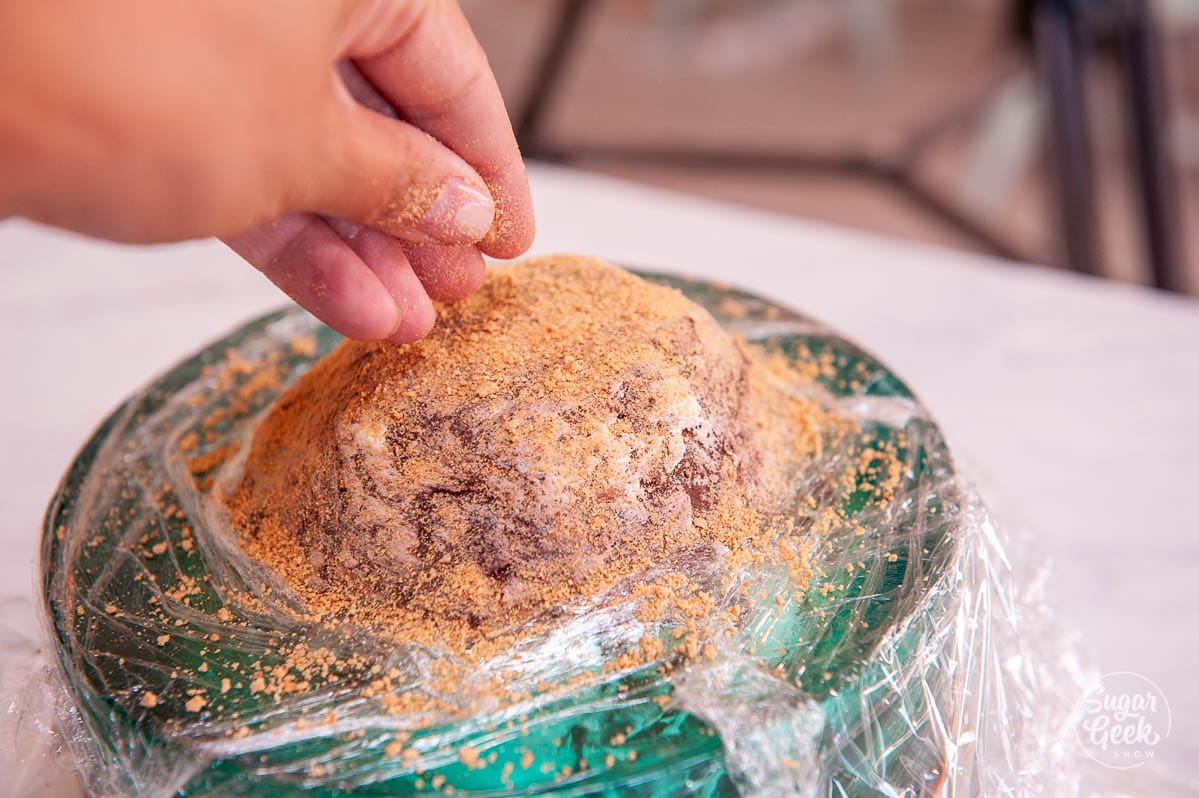
Step 9 - Cover the top of the jelly with plastic wrap to protect it. Add your crushed graham crackers to the top of the island to look like sand. If you have made the chocolate palm tree, you can add that now too. 

adding graham crackers to the top of the jelly cake

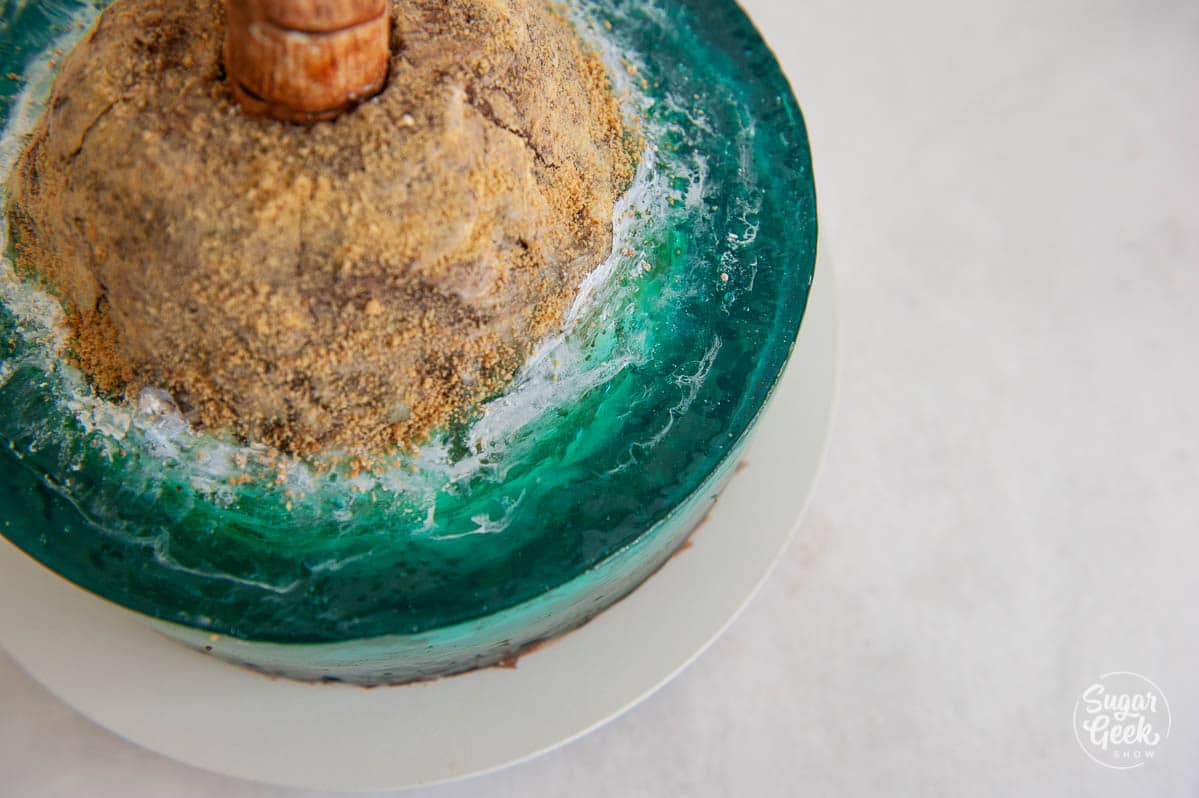
Step 10 - Adding waves. Now you can add some white food coloring to the edges of the jelly to make it look like waves. I just used a paintbrush! 

jelly cake shot from above

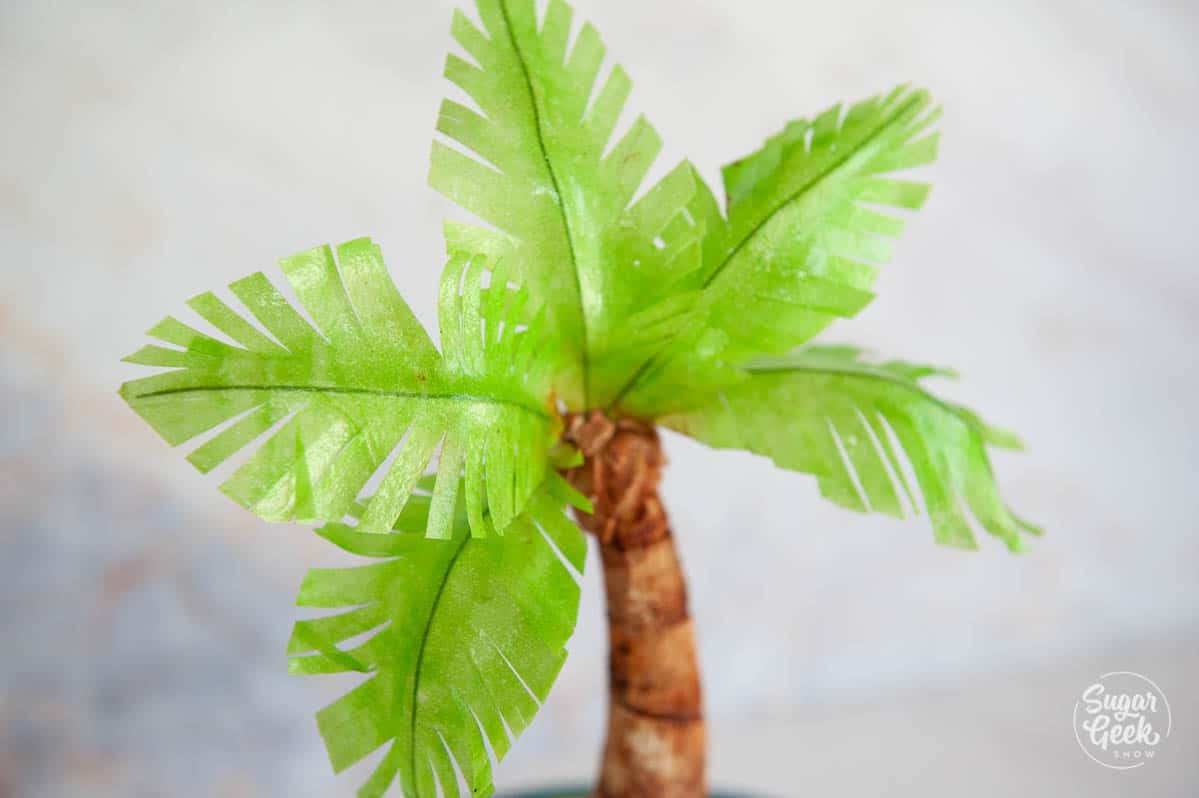
I also added a modeling chocolate palm tree that I had leftover from my Animal Crossing Birthday Cake (tutorial coming soon). It's just modeling chocolate over a cake pop stick and wafer paper leaves that are brushed with a gelatin mixture to make them flexible. I dusted the palm tree with brown petal dust from the sugar art. 

close up of modeling chocolate palm tree with wafer paper leaves

Your jelly island is now complete! This will actually be ok at room temperature and the cake tastes better when it's not cold. I suggest taking the jelly island cake out of the fridge the morning of the party and allowing it to warm up before serving it! 

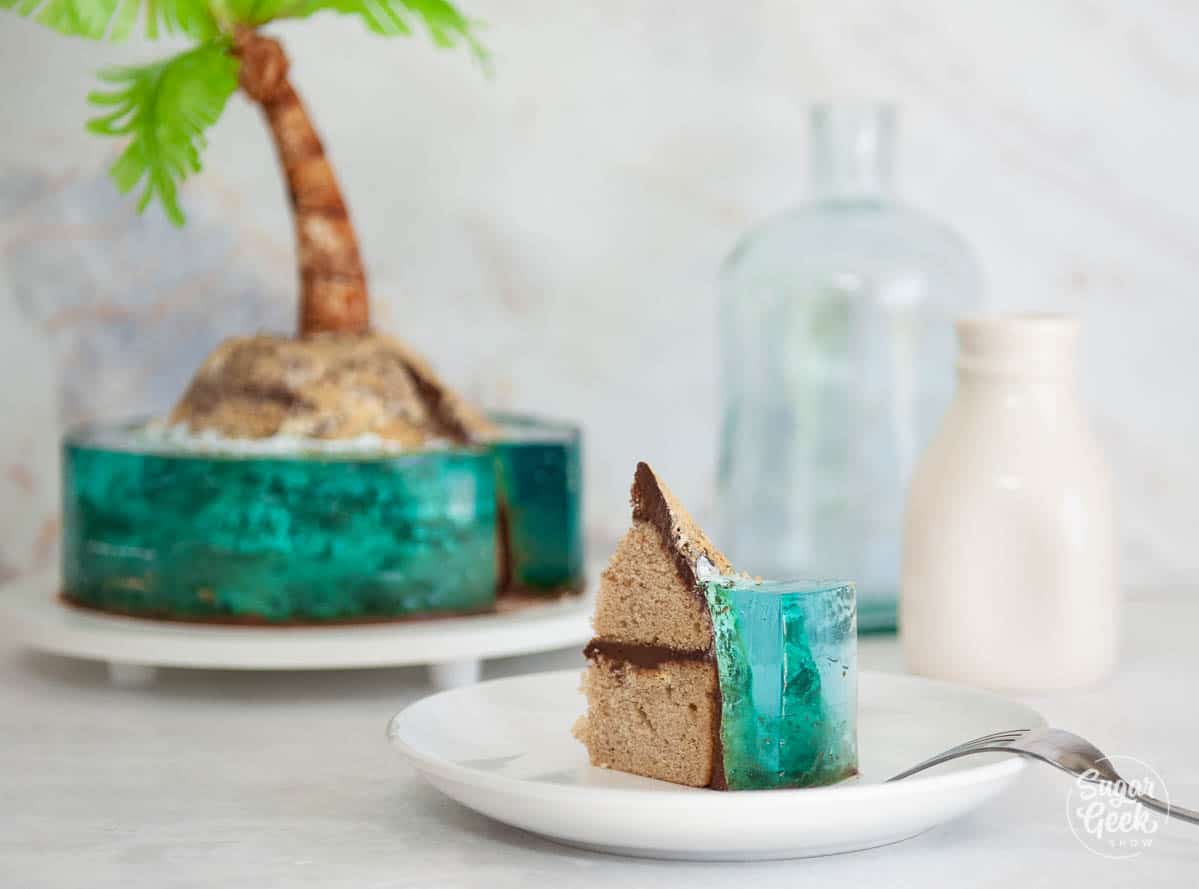
slice of jelly cake on a white plate with full cake in the background

Yes this jelly island cake actually tastes good! The strawberry flavor tastes really amazing and my daughter Avalon absolutely loves it. She says it tastes like blueberries but I think that's because she sees the blue and it plays tricks on her tastebuds haha!

Have you made a jelly island cake? Let me know in the comments!

Want More Delicious Recipes?

Beer Gummy Recipe
Real Gummy Bear Recipe
Rose Wine Gummy Recipe

Recipe

jelly island magic cake with edible palm tree
Print Recipe
4.93 from 14 votes

Jelly Island Recipe

How to make a trendy jelly island cake that actually tastes good! All the tools and materials needed plus tips and tricks for a cute little jelly island cake!
Prep Time5 minutes mins
Cook Time5 minutes mins
Cooling2 days d
Total Time2 days d 10 minutes mins
Course: Dessert
Cuisine: American
Servings: 5 servings
Calories: 385kcal
Author: Liz Marek

Equipment

  • Cake ring or springform pan
  • Cake acetate

Ingredients

  • 40 ounces cool water 5 cups
  • 14 ounces sugar 2 cups
  • 4 ounces gelatin ¾ cup - I use custom collagen brand but KNOX is ok too
  • 4 teaspoons blue Jell-O or a tiny drop liquid blue food coloring
  • 3 teaspoons strawberry extract or any flavor you want!
  • 2 teaspoons citric acid
US Customary - Metric

Instructions

For the cake

  • Bake your 6" round cakes and prepare your ganache. Make sure both are cool before you frost your cakes.
  • Add some ganache between the two layers and smooth with the spatula. Use a knife to shape the cake into a rounded island shape. Mix the cutoffs with a little ganache to make cake pop dough and build up the top of the island.
  • Frost the entire cake in ganache and put it in the fridge to chill until the ganache is hard.
  • Brush the surface of the ganache with a little white food coloring to give it dimension.
  • Place the cake onto a cake board (or the bottom of your springform pan). Attach with some ganache.
  • Place the ring around the cake and add the acetate. Tape down the seam so jelly doesn't leak out.
  • Seal around the cake ring with tape (make sure you don't have any holes!) and pipe a small line of ganache around the inside of the acetate for extra insurance. Also make sure the cake board (if you have one) is totally covered in ganache and the cake is completely sealed to the cake board or pan so jelly doesn't leak inside.
  • Refrigerate the cake until its firm or your jelly has cooled down to 90ºF

For the jelly water

  • Combine the cool water, sugar, Jell-0 and gelatin together in a medium-sized saucepan. Let the gelatin absorb for 5 minutes.
  • Turn the heat up to medium-high, stirring occasionally to prevent burning.
  • Once you see steam just begin to rise from the surface, remove the mixture from the heat. DO NOT BOIL! It will weaken the gelatin.
  • Stir in your extract and citric acid.
  • Allow the mixture to cool at room temperature (or you can place it in the fridge to speed things up) until it's just barely warm. Still liquid but not hot!
  • Skim off the foam and discard it.
  • Pour the gelatin into your prepared cake ring. Refrigerate overnight.
  • Remove the ring and remove the acetate. Cover the jelly with plastic wrap and add crushed graham crackers to the ganache to make sand. Use white food coloring to paint waves around the edges of the jelly. Add decorations if you like!

Video

Notes

Tips for success!
Make sure you cover the whole cake in ganache to keep the jelly from leaking into the cake
Cool your jelly to 90ºF before pouring it! Be patient!
Pipe a dam of ganache on the inside of the cake ring to prevent the jelly from leaking out
Tape the cake ring down really well
Freeze the cake with cake ring for 10 minutes before pouring in the jelly to make it set faster
Only pour in ¼" of jelly to begin with to seal the seam at the bottom of the cake and prevent leaks
 

Nutrition

Serving: 1serving | Calories: 385kcal | Carbohydrates: 80g | Protein: 17g | Fat: 1g | Saturated Fat: 1g | Sodium: 51mg | Sugar: 79g | Calcium: 18mg | Iron: 1mg


Coconut Pecan Filling Recipe

August 4, 2020 Blog

Coconut Pecan Filling Recipe

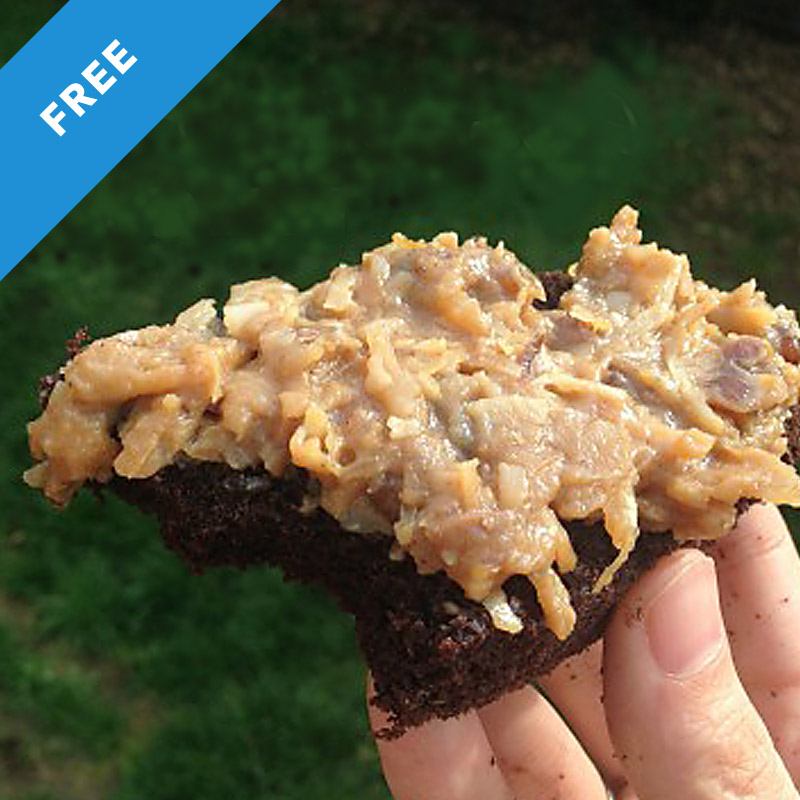
Coconut pecan filling made from scratch is the traditional filling for German chocolate cake and is a delicious tasty treat. This is very similar to pastry cream, vanilla pudding or even dulce de leche. It's basically a sweetened cream thickened by egg yolks. It's very easy to make, tastes so much better than the canned stuff and comes together in only 20 minutes.


Learn how to make this delicious and decadent coconut pecan filling that pairs perfectly with german chocolate cake. This is one of the first fillings I ever learned to make from scratch. My Dad's favorite cake was German Chocolate Cake. Every year for his birthday, my sisters and I would bake up a nice Box Cake and slather on some of that pecan canned frosting. My dad loved it. I loved it too until I made it from scratch. OMG I can never go back. Sorry Dad.

Cake Batter and Frosting Calculator

Select an option below to calculate how much batter or frosting you need. Adjust the servings slider on the recipe card to change the amounts the recipe makes.

Choose a pan type

Choose a cake pan size
(based on 2" tall cake pan)

Choose a cake pan size
(based on 2" tall cake pan)

Choose a cake pan size
(based on 2" tall cake pan)

Cupcake Tin Size

Choose number of pans

Cups of Batter Needed

8 cups

Cups of Frosting Needed

5 cups

Note: measurements are estimated based off the vanilla cake recipe using standard US cake pans and sizes. Measurements used are for 2" tall cake pans only. Your results may vary. Do not overfill cake pans above manufacturer's recommended guidelines.


COCONUT PECAN FILLING INGREDIENTS

COCONUT PECAN FILLING VIDEO

mediavine: <div class="mv-video-target mv-video-id-mzwxsx5hjymgg4l7b6w0" data-video-id="mzwxsx5hjymgg4l7b6w0" data-volume="70" data-ratio="16:9" ></div>

Vimeo: <iframe src="https://player.vimeo.com/video/382083515" width="640" height="360" frameborder="0" allow="autoplay; fullscreen" allowfullscreen></iframe>

COCONUT PECAN FILLING STEP-BY-STEP

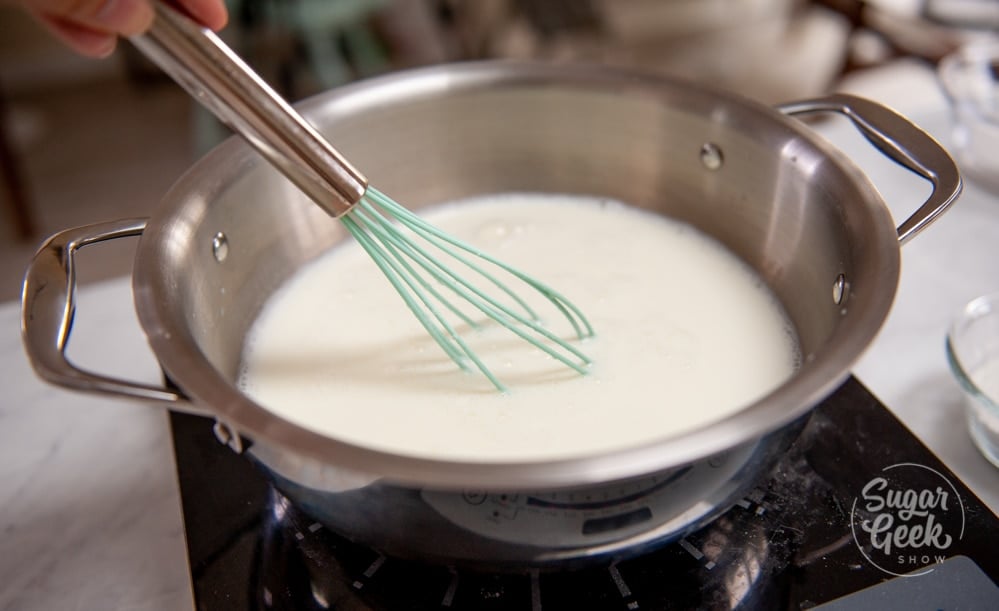
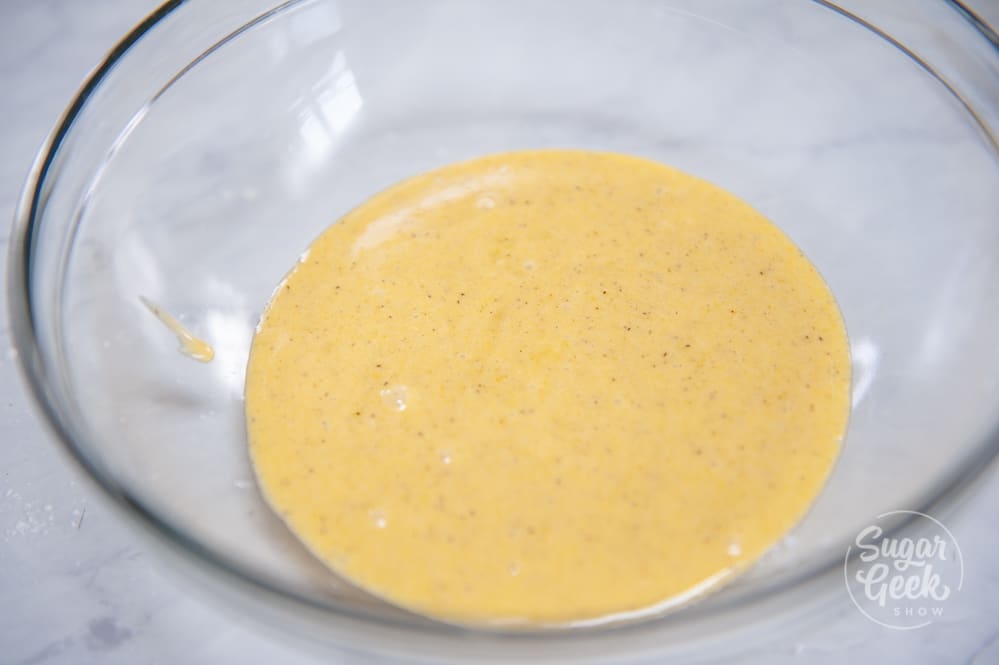
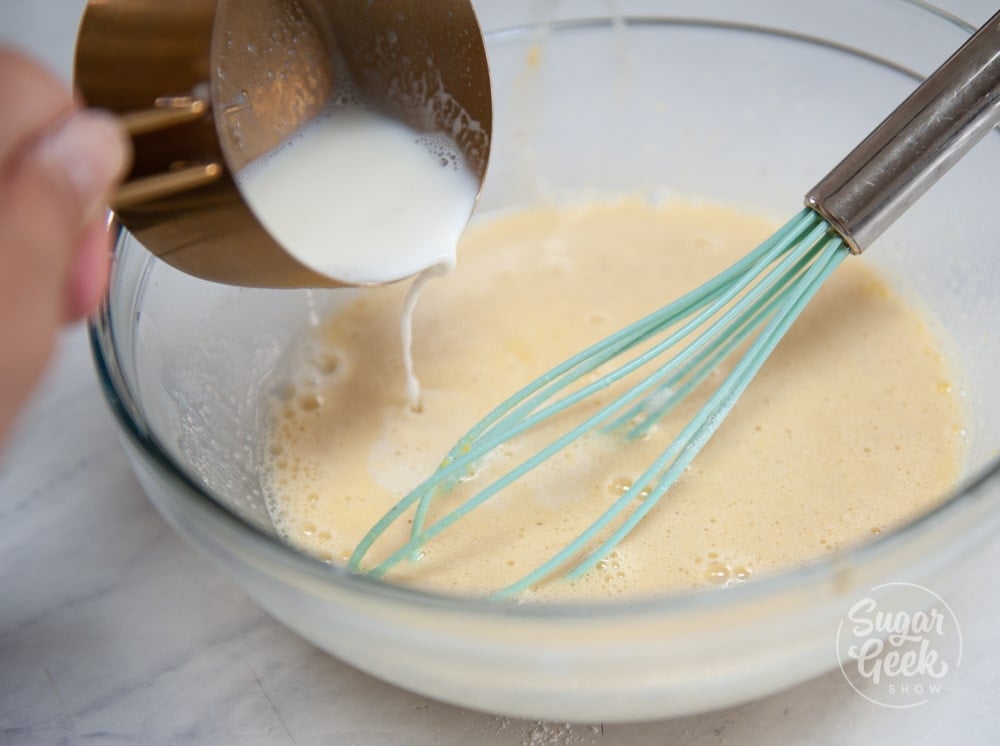
Step 1 - In a medium sauce pan, combine evaporated milk, egg yolks and vanilla extract. Cook over medium high for about 1 minute and whisk constantly, do not walk away or it could burn.

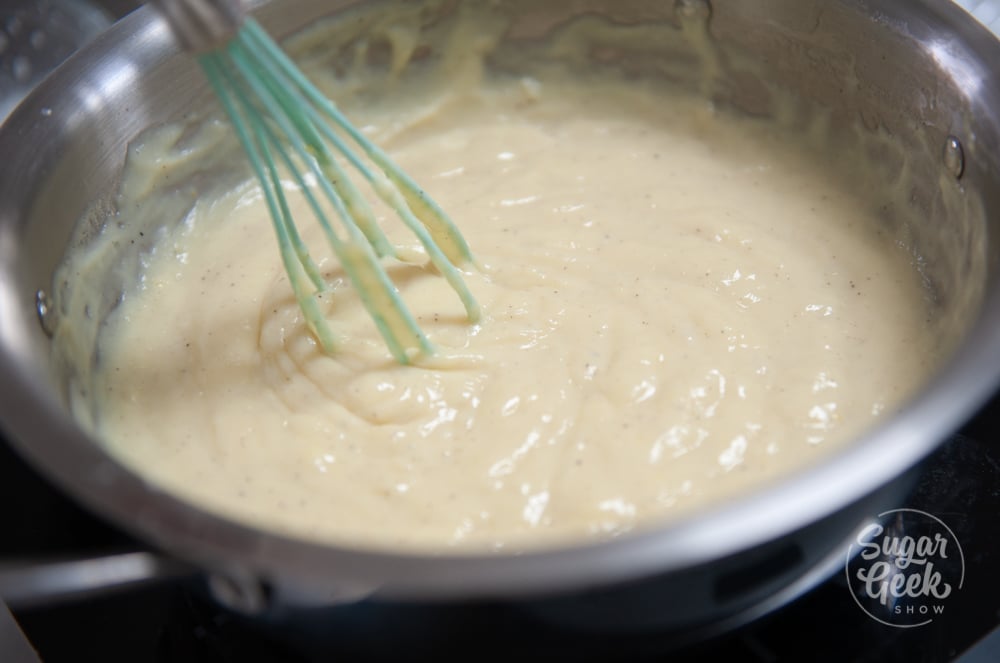
Step 2 - Add sugar, salt and butter to the pan. Whisk constantly and cook for about 12 minutes until thick. Once it starts bubbling, turn the heat down to medium. 

Make sure to get to the bottom of the pan while whisking so the eggs don't curdle or stick to the pan. 

Step 3 - Chop the pecans if they're not already small, you want to have small pieces that are easier to bite. 

Step 4 - Once thick, remove from the heat and add sweetened flaked coconut and chopped pecans. Stir to combine. 

Step 5 - Transfer to a heat proof bowl and allow to cool before using. This is a classic, perfect filling for German chocolate cake, but honestly I could just eat this with a spoon! Try it with my death by chocolate cake, coconut cake or vanilla cake. 

RELATED RECIPES


This recipe below is different from the video recipe. You use evaporated milk, egg yolks, vanilla extract, white sugar, salt, butter, pecans and sweetened flaked coconut. This is the recipe on the inside of the Baker's chocolate bar. 

Recipe

Coconut pecan cake filling recipe
Print Recipe
5 from 3 votes

German Chocolate Cake Filling

Delicious german chocolate cake filling recipe from scratch! Easier than you think and OH-so-delicious!
Prep Time10 minutes mins
Cook Time20 minutes mins
Total Time30 minutes mins
Course: Dessert
Cuisine: American
Servings: 4 cups
Calories: 1805kcal
Author: Liz Marek

Ingredients

  • 12 oz whole milk
  • 4 oz half and half or cream
  • 6 egg yolks
  • 8 oz butter 2 sticks
  • 12 oz brown sugar
  • 2 teaspoon vanilla extract
  • 7 oz toasted pecans chopped
  • 8 oz toasted shredded coconut
US Customary - Metric

Instructions

  • In a medium sauce pan, combine milk, cream sugar, butter, egg yolks and vanilla. 
  • Cook on medium while whisking constantly until thickened and golden brown
  • Fold in toasted coconut and pecans to combine
  • Let cool to room temperature before using as a filling
  • Store leftovers in the fridge for up to one week or freeze for 6 months

Notes

Store in an air-tight container in the fridge for up to 7 days or freeze up to 6 months.

Nutrition

Calories: 1805kcal | Carbohydrates: 138g | Protein: 16g | Fat: 139g | Saturated Fat: 75g | Cholesterol: 464mg | Sodium: 538mg | Potassium: 843mg | Fiber: 13g | Sugar: 117g | Vitamin A: 2420IU | Vitamin C: 1.4mg | Calcium: 315mg | Iron: 4.6mg
Birthday cake colored with red and blue edible airbrush color with sculpted Rey and Kylo Ren cake toppers holding lightsabers

August 1, 2020 Paid Video

Dark Side vs Light Side Cake

Skill level: Advanced

Elizabeth Marek breaks down how to create this stunning Star Wars cake, featuring not one but two sculpted cake toppers of Rey and Kylo Ren from the new trilogy. In this tutorial, you will learn how to sculpt the features of the face using Saracino Pasta Model, how to create the bodies, arms, and hands, how to sculpt lightsabers and clothing details, and how to create the red and blue lightning effect on the cake itself.

There's a lot to cover in this tutorial (nearly 3 hours of step-by-step instructions) so let's get our tools together and let's get started!

2:47:57 Minutes of Instruction

What You Will Learn

  • How to sculpt two cake topper figures following realistic anatomy
  • Learn how to create heads, arms, bodies, hands, and clothing
  • How to create a stunning lightning bolt finish using airbrush colors

Tutorial Chapters

  1. Making Rey's Face 0:49
  2. Shaping the nose 8:38
  3. Shaping the lips 17:15
  4. Shaping the eyes 22:24
  5. Coloring Rey's face 37:09
  6. Making Rey's Body 48:18
  7. Covering the body in paste 57:25
  8. Making Kylo Ren's body 1:06:49
  9. Covering in modeling chocolate 1:10:31
  10. Adding Rey's head 1:13:21
  11. Making Rey's ears 1:15:11
  12. Sculpting Rey's arms 1:16:15
  13. Sculpting Rey's body 1:21:36
  14. Making Rey's lightsaber 1:29:58
  15. Making Rey's hands 1:34:07
  16. Making Rey's clothing 1:40:23
  17. Making Rey's hair 1:55:08
  18. Kylo Ren's head 2:00:29
  19. Kylo Ren's body 2:07:29
  20. Kylo Ren's saber 2:23:27
  21. Kylo Ren's cloak 2:26:28
  22. Covering in fondant 2:31:39
  23. Making lightning 2:36:25
  24. Airbrushing the cake 2:41:06
  25. Adding the toppers 2:44:32
  26. Final details 2:46:54

Downloads

Materials List

Face Proportions Reference

Face Reference 01

Face Reference 02

Face Reference 03

Birthday cake colored with red and blue edible airbrush color with sculpted Rey and Kylo Ren cake toppers holding lightsabers

August 1, 2020 Course Preview

Dark Side vs Light Side Cake Tutorial

Skill level: Advanced

Elizabeth Marek breaks down how to create this stunning Star Wars cake, featuring not one but two sculpted cake toppers of Rey and Kylo Ren from the new trilogy. In this tutorial, you will learn how to sculpt the features of the face using Saracino Pasta Model, how to create the bodies, arms, and hands, how to sculpt lightsabers and clothing details, and how to create the red and blue lightning effect on the cake itself.

There's a lot to cover in this tutorial (nearly 3 hours of step-by-step instructions) so let's get our tools together and let's get started!

2:47:57 Minutes of Instruction

What You Will Learn

  • How to sculpt two cake topper figures following realistic anatomy
  • Learn how to create heads, arms, bodies, hands, and clothing
  • How to create a stunning lightning bolt finish using airbrush colors

Tutorial Chapters

  1. Making Rey's Face 0:49
  2. Shaping the nose 8:38
  3. Shaping the lips 17:15
  4. Shaping the eyes 22:24
  5. Coloring Rey's face 37:09
  6. Making Rey's Body 48:18
  7. Covering the body in paste 57:25
  8. Making Kylo Ren's body 1:06:49
  9. Covering in modeling chocolate 1:10:31
  10. Adding Rey's head 1:13:21
  11. Making Rey's ears 1:15:11
  12. Sculpting Rey's arms 1:16:15
  13. Sculpting Rey's body 1:21:36
  14. Making Rey's lightsaber 1:29:58
  15. Making Rey's hands 1:34:07
  16. Making Rey's clothing 1:40:23
  17. Making Rey's hair 1:55:08
  18. Kylo Ren's head 2:00:29
  19. Kylo Ren's body 2:07:29
  20. Kylo Ren's saber 2:23:27
  21. Kylo Ren's cloak 2:26:28
  22. Covering in fondant 2:31:39
  23. Making lightning 2:36:25
  24. Airbrushing the cake 2:41:06
  25. Adding the toppers 2:44:32
  26. Final details 2:46:54

Downloads

Materials List

Face Proportions Reference

Face Reference 01

Face Reference 02

Face Reference 03

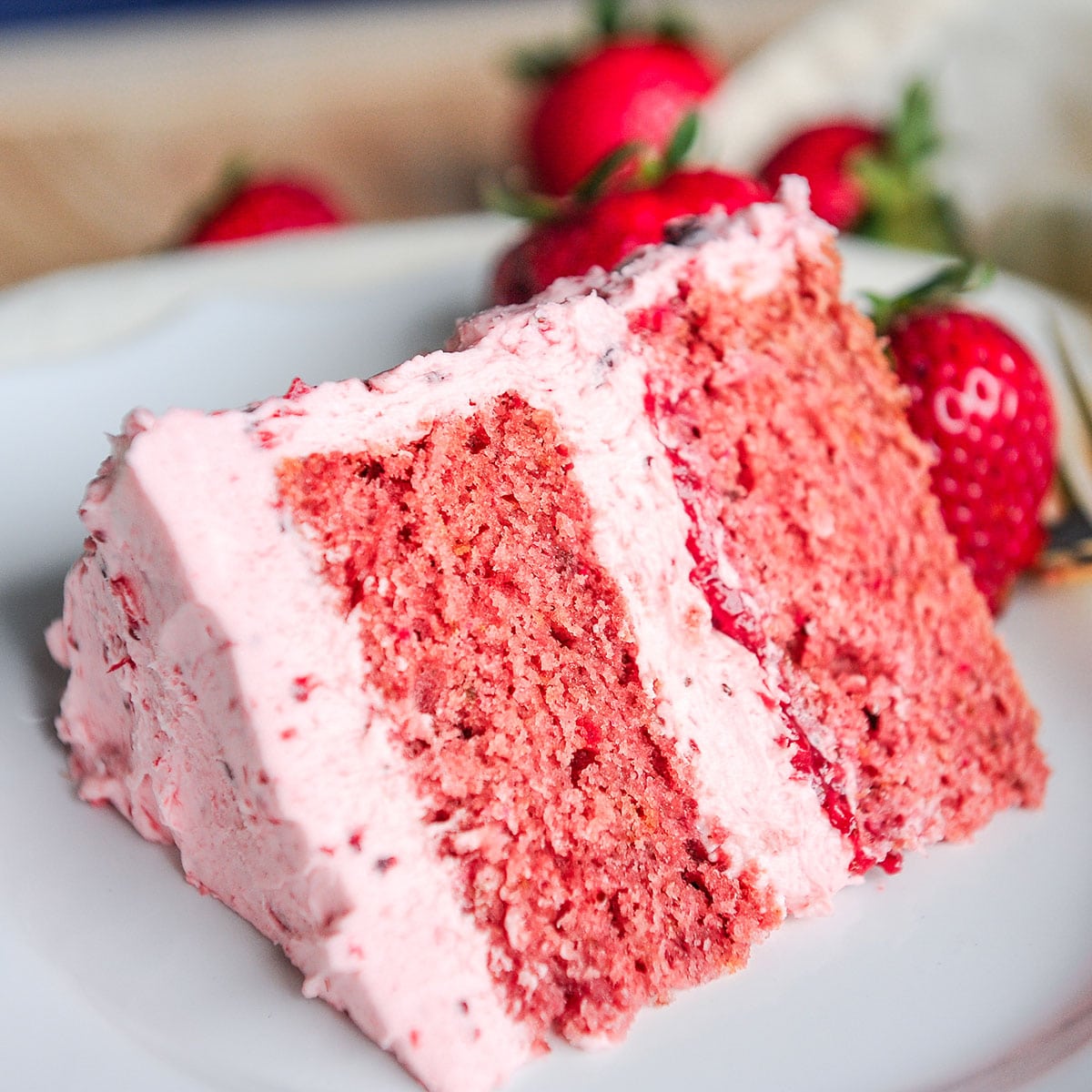
slice of fresh strawberry cake on a white plate with strawberries behind it

July 30, 2020 Cake

Fresh Strawberry Cake

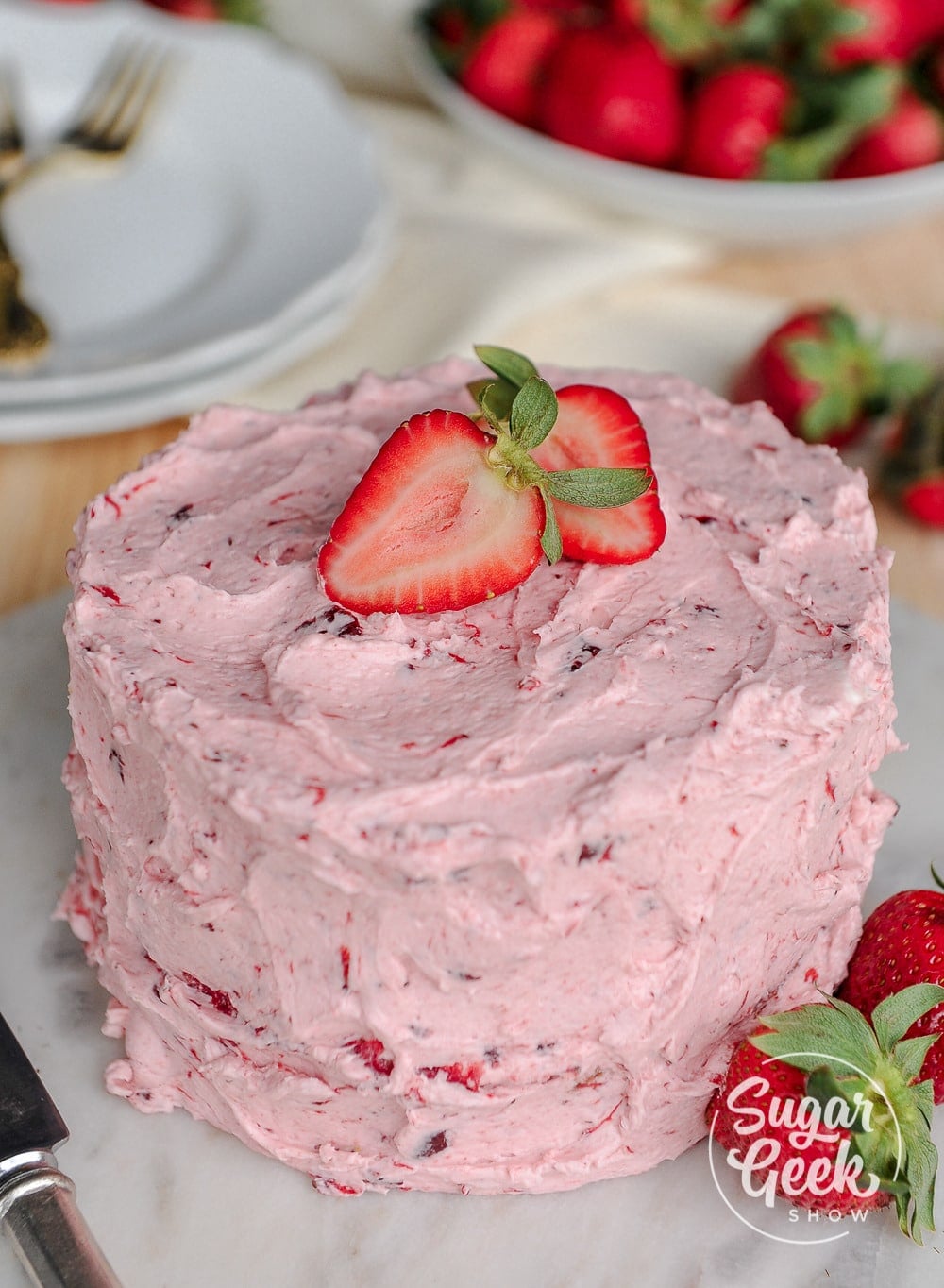
This is the best fresh strawberry cake made with real strawberries. The secret is adding a fresh strawberry reduction to your cake batter and mixing the rest into your buttercream frosting for a fresh strawberry cake recipe that tastes like real strawberries!

slice of fresh strawberry cake on a white plate with strawberries behind it

Many strawberry cakes are made with imitation flavors or Jell-O, but not this cake! This uses real fresh or frozen strawberries and lemon to bring out the strawberry flavor. This cake takes a bit more time to prepare because we have to make the strawberry reduction first then make the strawberry cake but I promise its worth the effort!

What's In This Blog Post

  • Why This Is The BEST Strawberry Cake Recipe
  • Ingredients
    • For The Reduction
    • For The Cake
    • For The Buttercream
  • Step-By-Step Instructions
    • For The Strawberry Reduction
    • For The Cake
    • Strawberry Buttercream Step-By-Step
    • Decorating
  • FAQ
  • More Strawberry Recipes

Why This Is The BEST Strawberry Cake Recipe

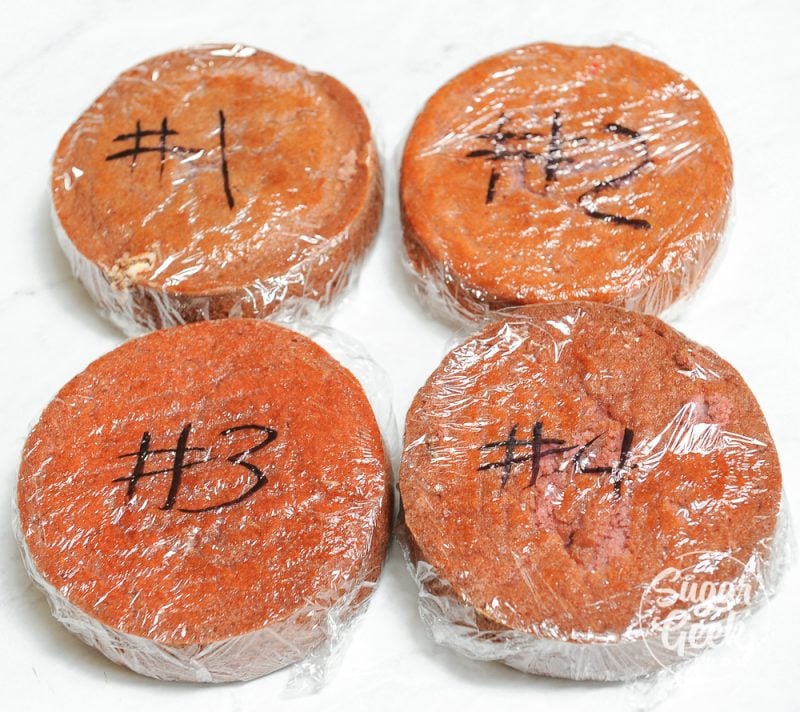
This is definitely one of my all-time favorite cake recipes. I have never worked so long and hard on one recipe. SO many failed attempts and I almost gave up. I tried adding chopped-up strawberries to my vanilla cake recipe, and the cake turned out very wet, dense, brown, and most of the strawberry flavor was gone. 

fresh strawberry cake with strawberry buttercream

Next, I tried that recipe where you add Jell-O. Let me tell you, that was the weirdest-tasting cake I have ever tried! I don't know how anyone can call that flavor strawberry but if you like it, more power to ya haha!

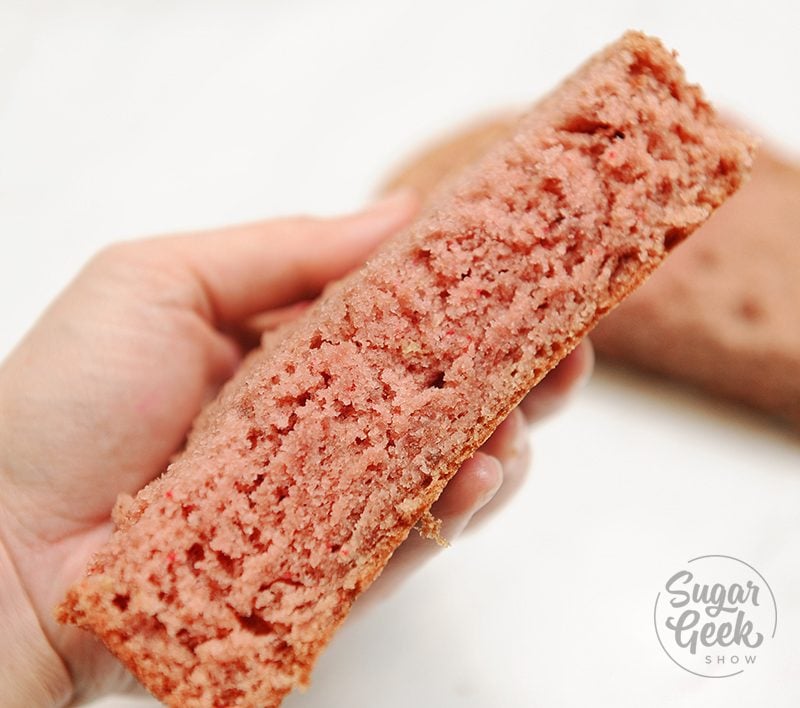
I also tried grinding up freeze-dried strawberries and adding them to my dry ingredients. That cake turned out a little better, but I still wanted to figure out a way to use fresh strawberries. I finally nailed this recipe using a strawberry reduction (boiling pureed strawberries until they are thicker and have less liquid) and a high-quality strawberry emulsion!

  • Fresh strawberry flavor made from REAL strawberries
  • No Strawberry Jell-O mix
  • No boxed cake mix
  • Moist crumb 

Ingredients

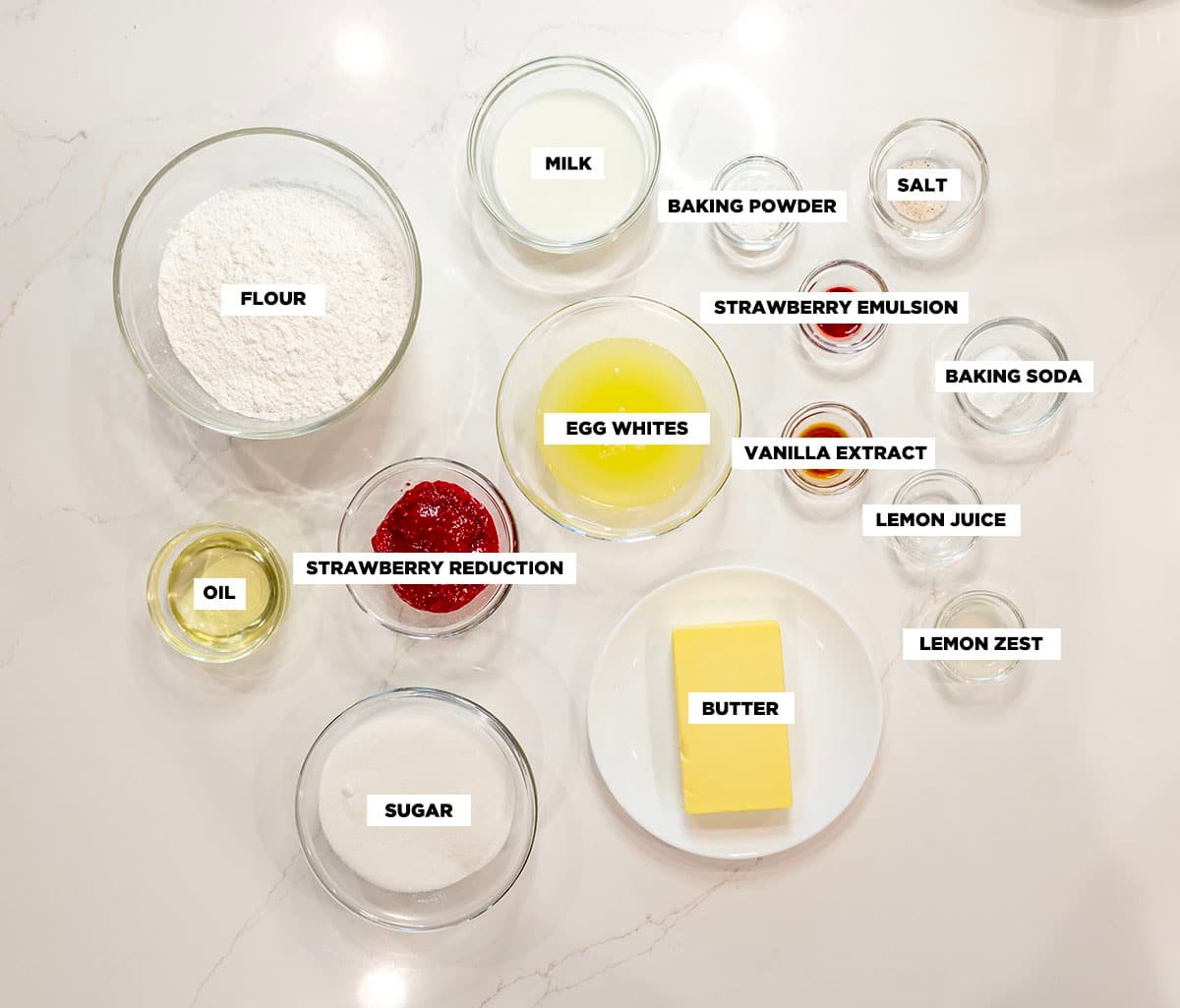
This is the BEST strawberry cake recipe you'll ever have and it may seem intimidating but I promise it will all be worth it! First, we will make the strawberry reduction and then bake it into the strawberry cake. Here's a little overview of the most important ingredients in this recipe and why we're using them.

For The Reduction

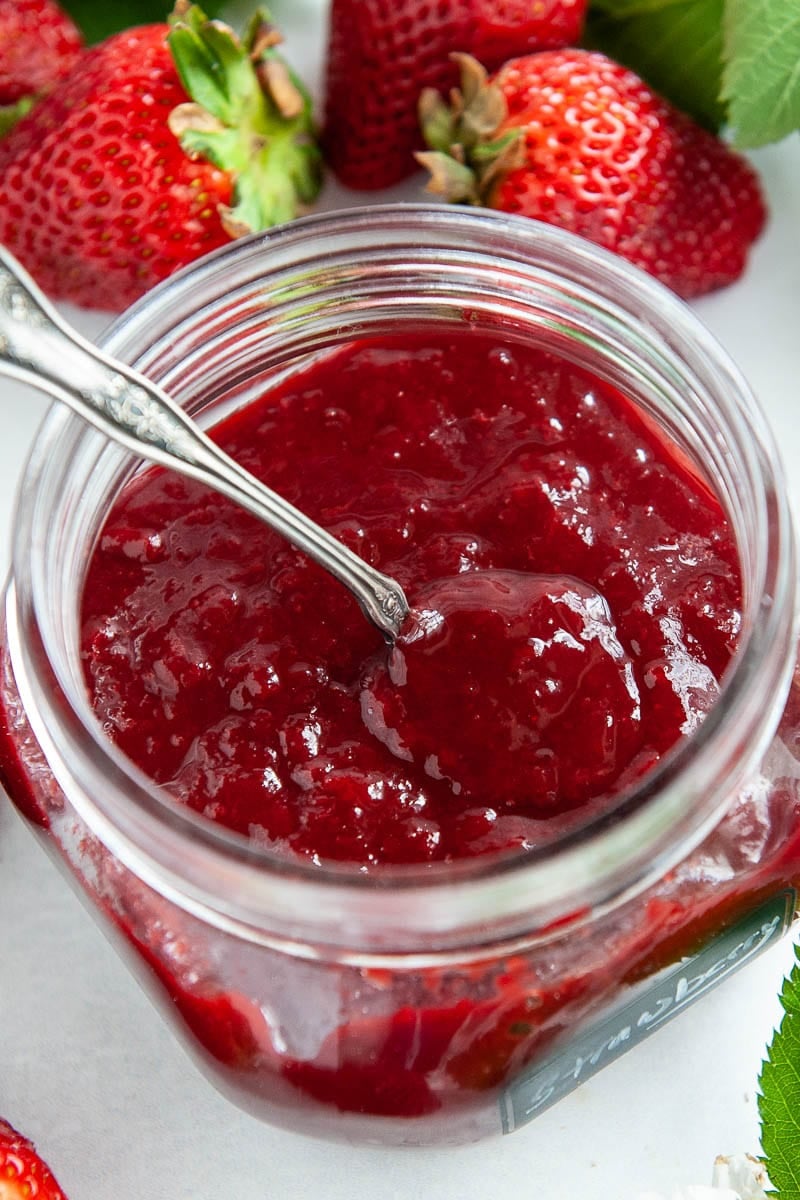
The most important part of this whole recipe is the strawberry reduction. Strawberries naturally have a TON of water in them and we want to reduce that water while still keeping as much flavor as possible. This recipe will make enough stawberry reduction for the cake and the buttercream.

strawberry reduction in a jar
  • Sugar - Adding some sugar intensifies the flavor of the strawberry and helps thicken it.
  • Lemon - Adding in the zest and the juice of a lemon helps the strawberry reduction keep its color.

For The Cake

Make sure you have all your ingredients ahead of time!

closeup of strawberry cake layers
  • Strawberry Emulsion - It's like strawberry extract but very, very concentrated. If you can get it ahead of time, it really adds the best strawberry flavor. If you don't have time to order it, using regular strawberry extract is better than nothing! I got my strawberry emulsion from Michaels in the cake decorating aisle. 
  • Flour - A lot of my recipes use cake flour, but we're using all-purpose flour for this recipe because it is SO moist. I did some tests with cake flour, and it just didn't hold up.
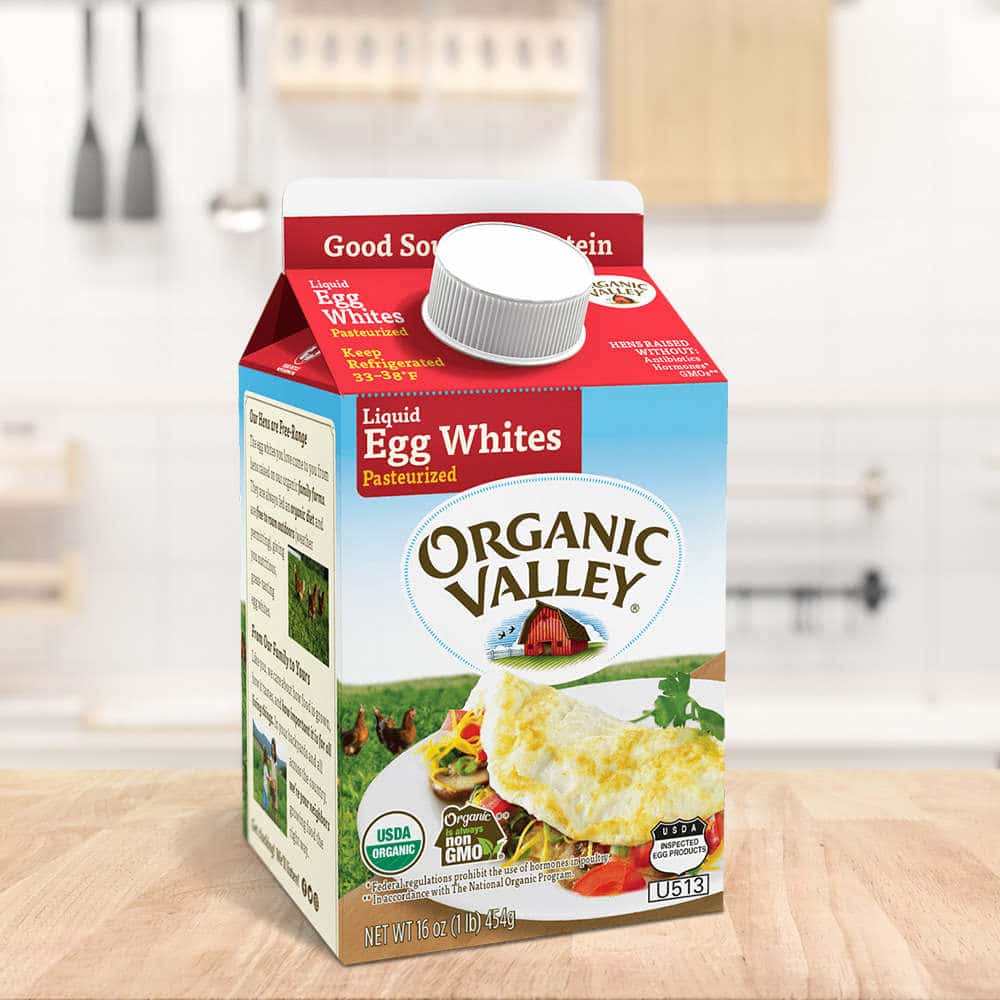
  • Egg Whites - Are used because if you include the yolks it will give the strawberry cake a weird orange-y color. You can separate the egg yolks from the egg whites manually or use liquid egg whites. One egg white equals one ounce.
  • Butter - Use a good-quality butter (you can even make your own). I prefer Kerrygold for the flavor and high fat content. Lower-quality butter has more water and can affect how the cake bakes.
  • Oil - I use canola oil most of the time because it doesn't have much flavor but keeps the cake moist and delicious. You can use any oil you prefer. Just keep in mind that some oils, like olive might impart a flavor.
  • Lemon - This isn't for flavor, it's more for color. Strawberries turn a muted grey-ish purple when they are cooked because their natural red pigment, anthocyanin, is unstable and turns purple in neutral or alkaline environments. Adding an acid, like lemon juice, helps maintain the red color by keeping the pH level low
  • Pink Food Coloring - Even after everything we do to keep that pink color, it still dulls down a bit after baking, so adding in a couple of drops of pink food coloring, you get a gorgeous strawberry pink color.

For The Buttercream

strawberry buttercream recipe
  • Egg Whites - The base of this buttercream frosting uses pasteurized egg whites, so they have already been heat-treated and are safe to eat. When mixed with powdered sugar, it creates a sort of mock-meringue.
  • Powdered Sugar - Add sweetness and body to the buttercream.
  • Butter - Creates creaminess, cuts the sweetness of the sugar and helps the buttercream stay soft.

Step-By-Step Instructions

Remember to use a kitchen scale to measure out all your ingredients for accuracy and so your cake turns out perfectly. Everything is by weight, even the liquids.

For The Strawberry Reduction

  1. Place your thawed strawberries into a blender and pulse a few times until they are liquid. close up of strawberries in a blender
  2. Pour the blended strawberries, sugar, lemon zest, lemon juice, and salt into a medium saucepan and bring to a simmer over medium heat. 
    close up of blended strawberries in a saucepan with a rubber spatula
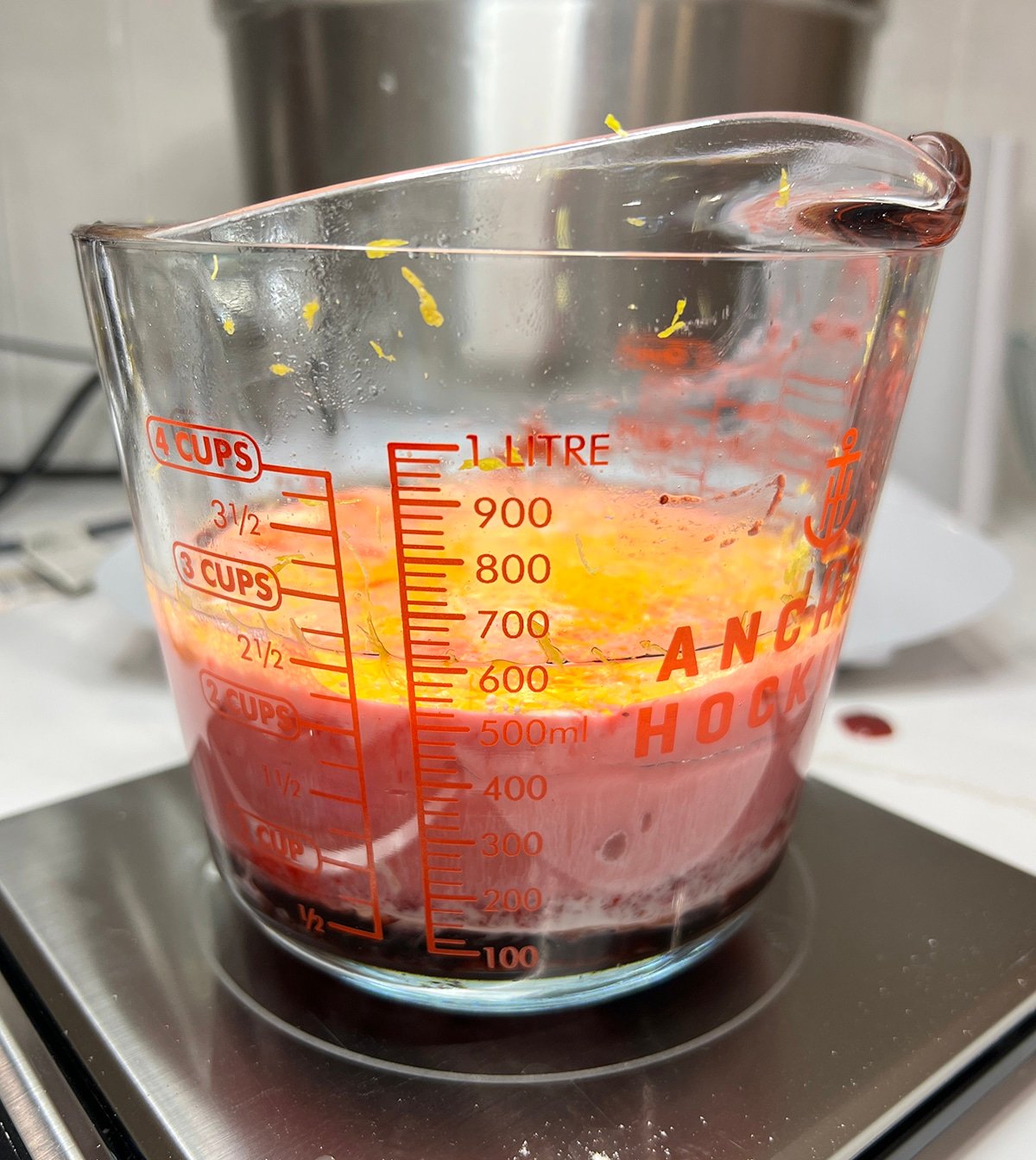
  3. Once bubbling, reduce heat to medium-low and slowly reduce until berries begin to break up and the mixture has reduced and looks like a thick paste. This can take a while. Mine takes between 40-60 minutes! I know this sounds like a long time but low and slow is the best for keeping all the flavor. Just give it a stir every now and then.
    reduced strawberry in a saucepan
  4. Occasionally stir the mixture to prevent burning. You should end up with about 1 cup of thick strawberry reduction that looks like tomato sauce. Transfer it to another container and let it cool before use.
  5. You will use some of the reduction for the cake batter, some for the frosting, and the rest for filling between the cake layers for extra flavor.

For The Cake

  1. Bring your butter, egg whites, milk, and strawberry reduction to room temperature and prepare the rest of your ingredients. For the best success, use a food scale to weigh your ingredients. Converting this recipe to cups could lead to failure. Read my blog post on how to use a scale for more information.
  2. Grease two, 8" cake pans with cake goop or your preferred pan release and preheat the oven to 350ºF/176ºC.
  3. In a separate medium bowl, combine the milk, oil, strawberry reduction, strawberry emulsion (or extract), vanilla extract, lemon extract, lemon zest, lemon juice, and pink food coloring. Whisk it together and set it aside. close up of strawberry cake liquid ingredients
    Pro-tip - I use Americolor electric pink food coloring to get my beautiful pink color. It may seem like cheating, but if you don't add it, the color from the strawberries will bake out and your cake will turn out gray. 
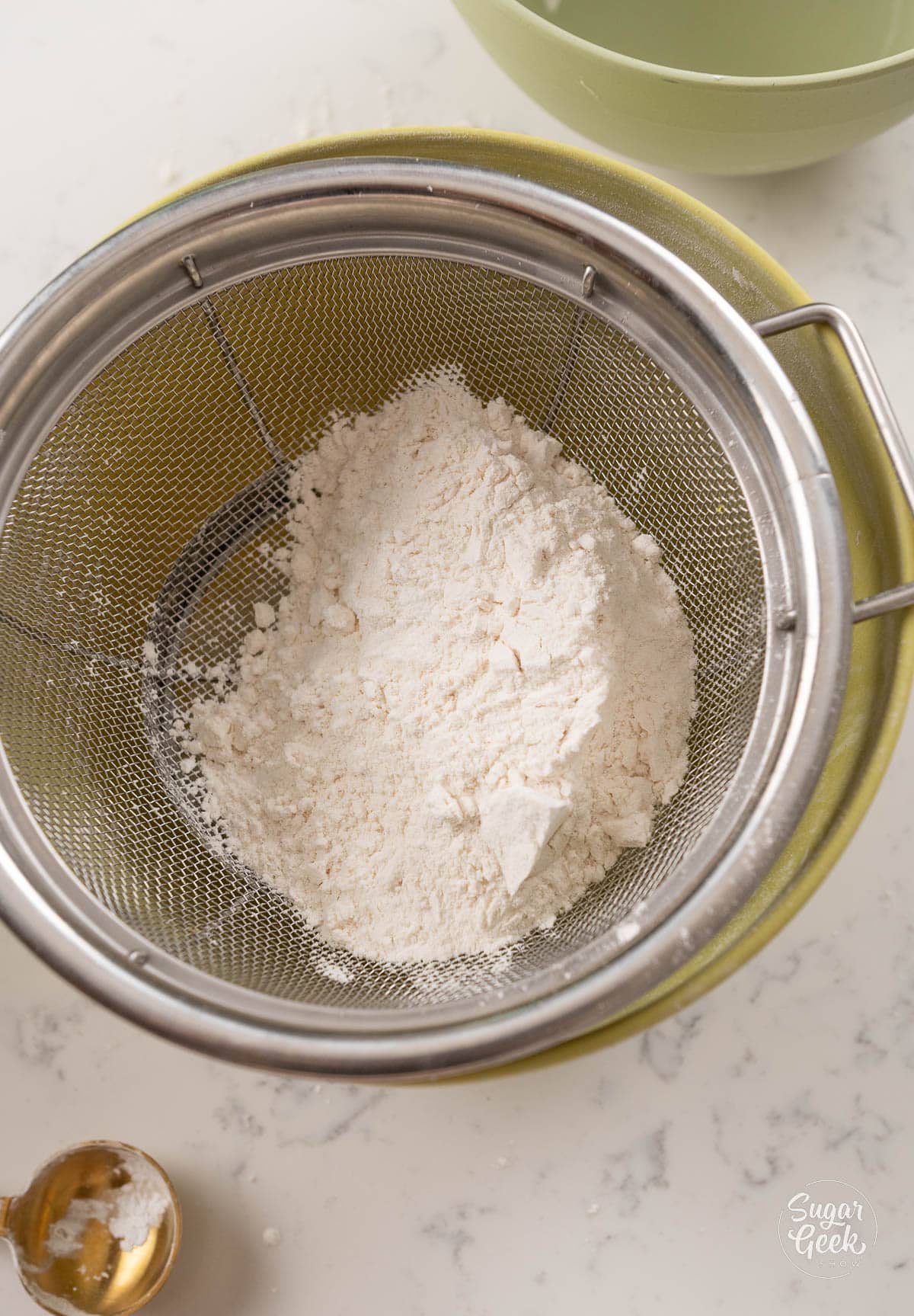
  4. In a separate medium bowl, whisk together the flour, baking powder, baking soda, and salt. Set it aside.
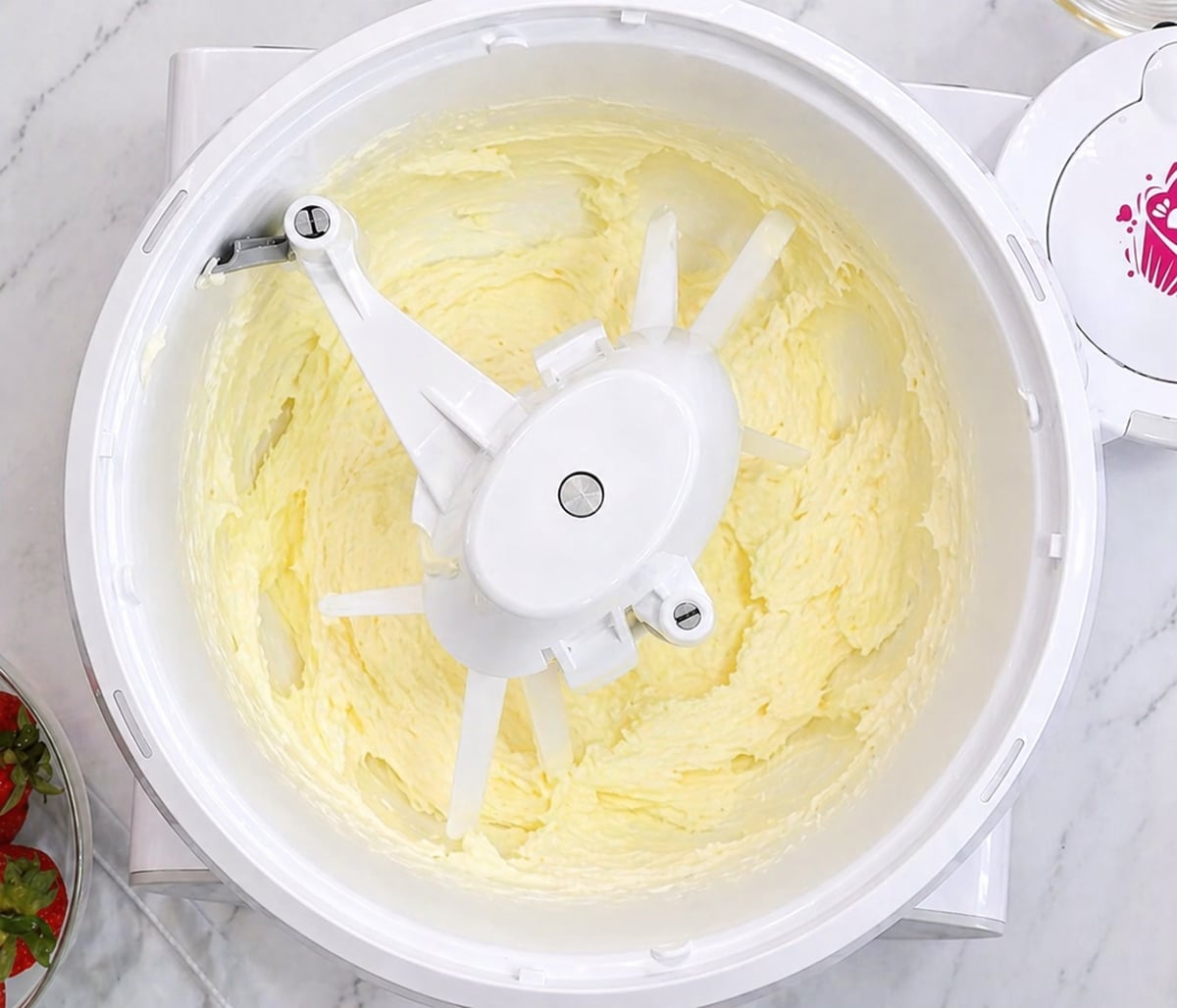
  5. Add room temperature butter to the stand mixer with the paddle attachment and beat at medium speed until smooth and shiny, about 30 seconds. I'm using my Bosch Universal Plus mixer for this, but you can use any KitchenAid stand mixer or a hand mixer. If you use a hand mixer, you might have to mix for longer. 
    close up of blended butter shot from above
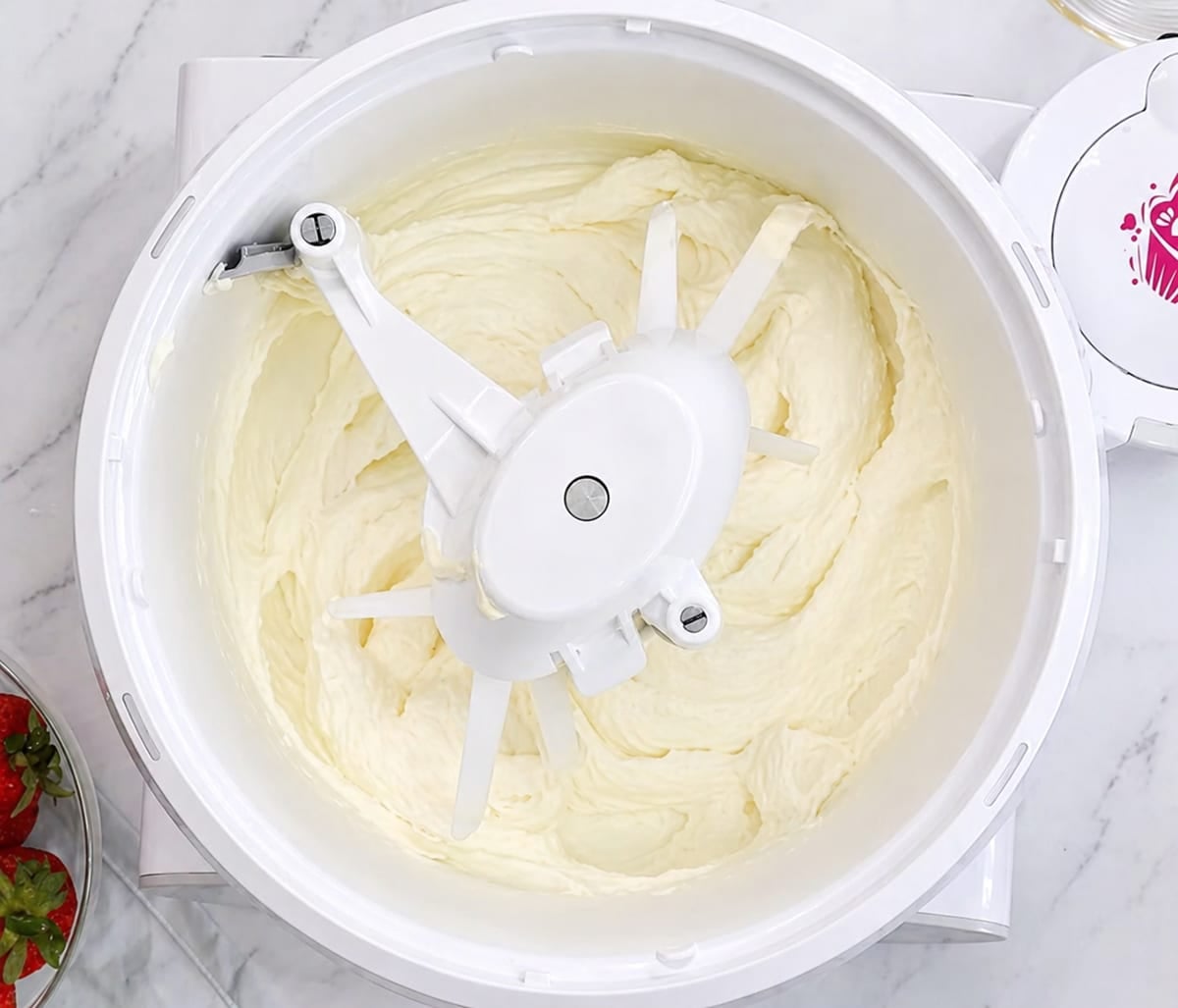
  6. Gradually sprinkle the sugar into the butter while mixing on medium, and beat until the mixture is fluffy and almost white, about 3-5 minutes.close up of butter and sugar whipped
  7. While mixing on medium, add in the egg whites one at a time, beating 15 seconds between. Your mixture should look cohesive at this point. If it looks curdled and broken, your butter or egg whites are too cold.
    You must use egg WHITES for this recipe, the yellow from the egg could turn the inside of your cake peach. 
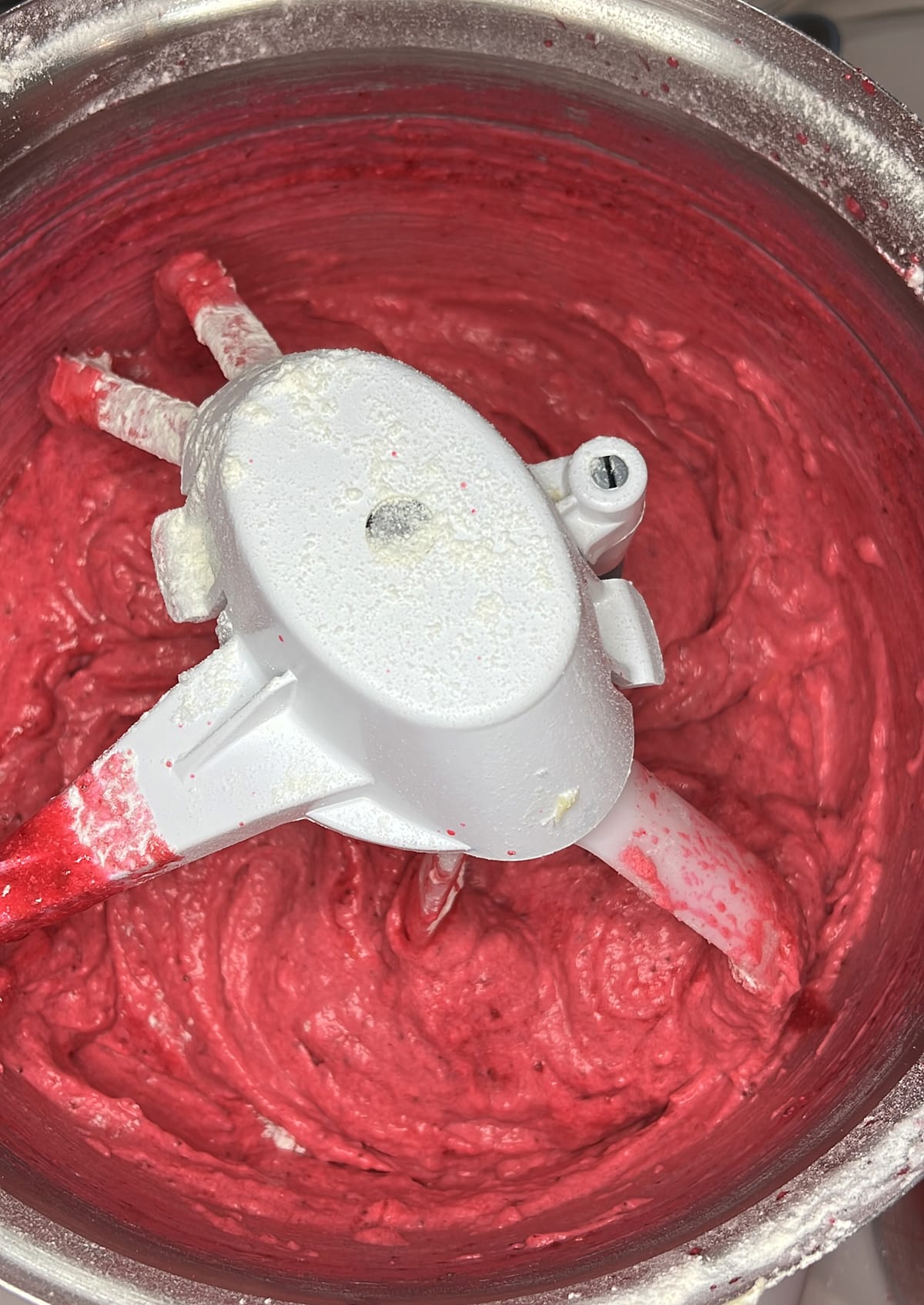
  8. While mixing on low speed and add about a third of the dry ingredients to the batter, followed immediately by about a third of the milk mixture, mix until ingredients are almost incorporated into the batter. close up of strawberry cake batter being mixed in the bowl
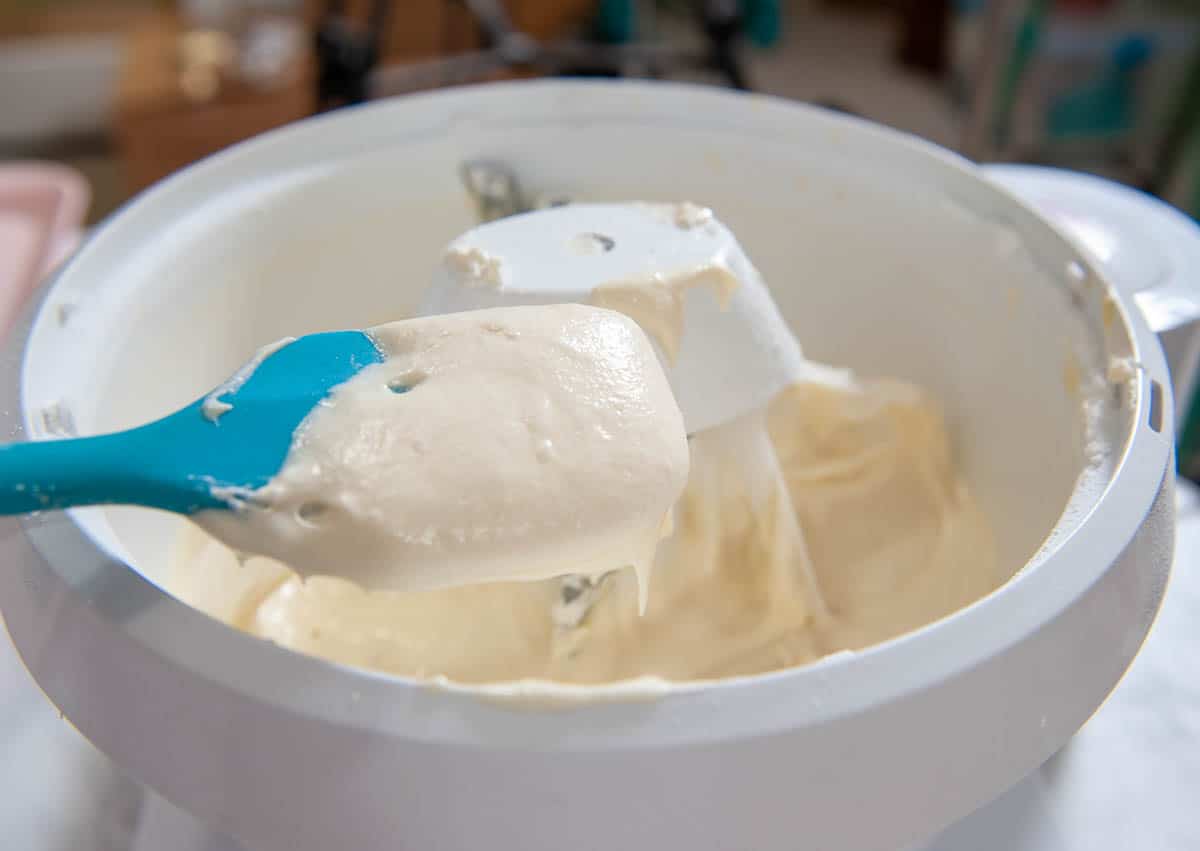
  9. Repeat the process 2 more times. When the batter appears blended, stop the mixer and scrape the sides of the bowl with a rubber spatula. If it looks like ice cream, you did it right!close up of finished strawberry cake batter
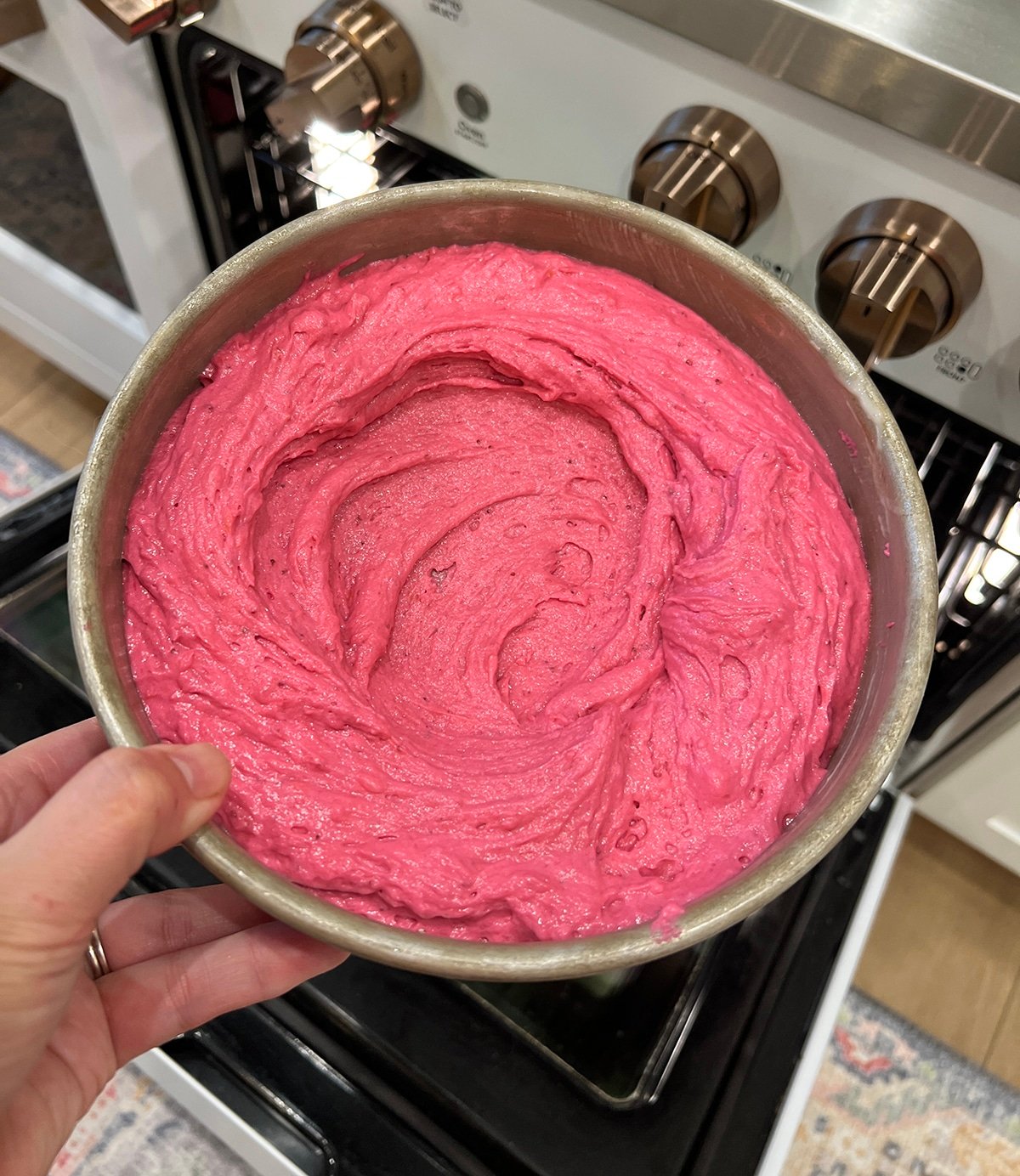
  10. Divide the batter evenly between the prepared pans. I use a spoon to make a divot in the center so that the cakes bake up flatter. Bake cakes at 350ºF/176ºC until they feel firm in the center and a toothpick comes out clean or with just a few crumbs on it, about 30-35 minutes.close up of cake batter in a cake pan with the oven behind it
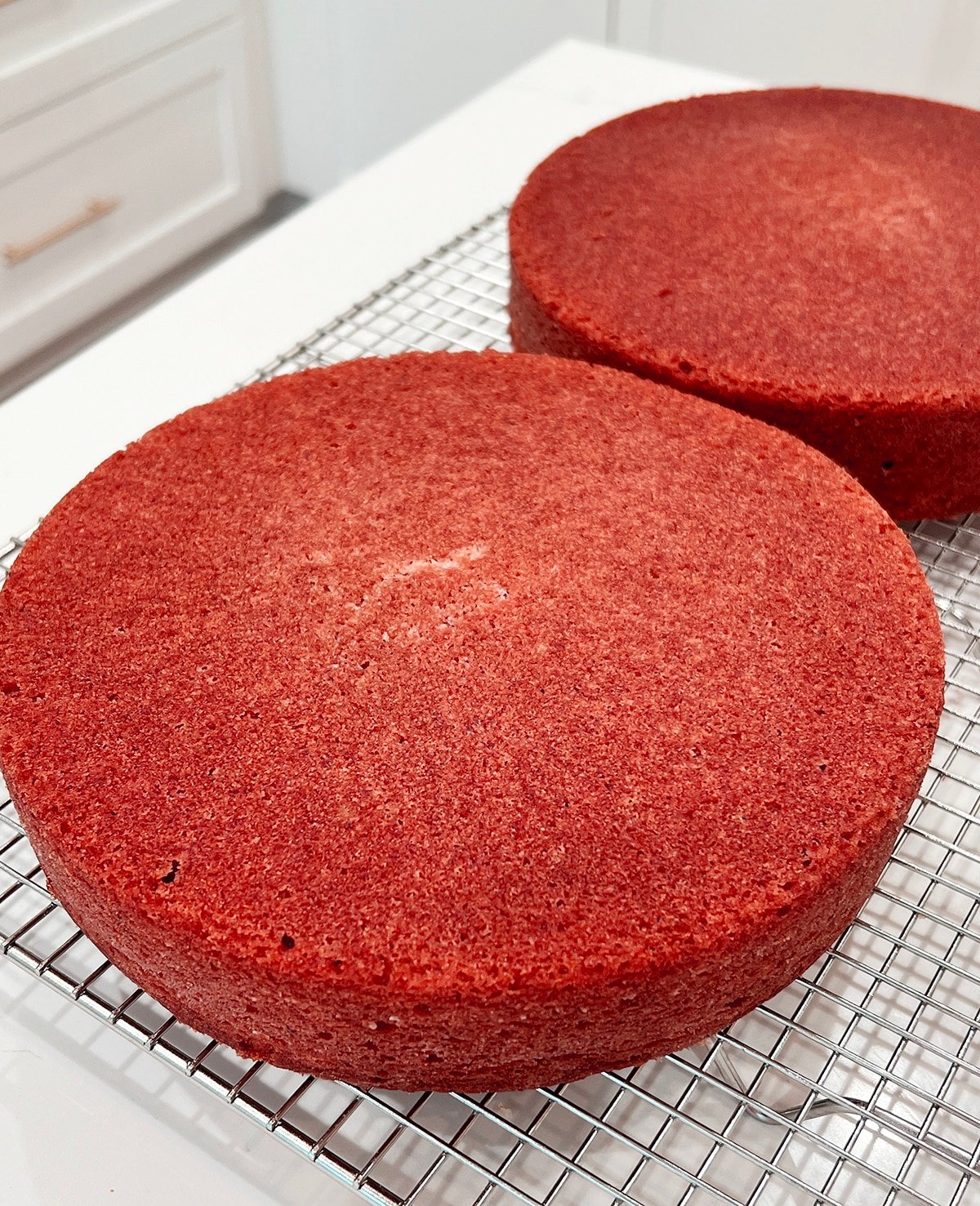
  11. Place pans on top of a wire rack and let cool for 10 minutes. Then flip your cakes onto the racks and cool completely.close up of strawberry cake layers on a cooling rack
  12. Once cool, wrap each layer in plastic wrap and refrigerate before assembling your cake. Refrigerate for a minimum of 2 hours or freeze for up to 1 week.
  13. You can turn this strawberry cake recipe into cupcakes by dividing the batter into a cupcake lined pan and baking for 18-20 minutes at 350ºF. This recipe makes about 24 cupcakes.

Strawberry Buttercream Step-By-Step

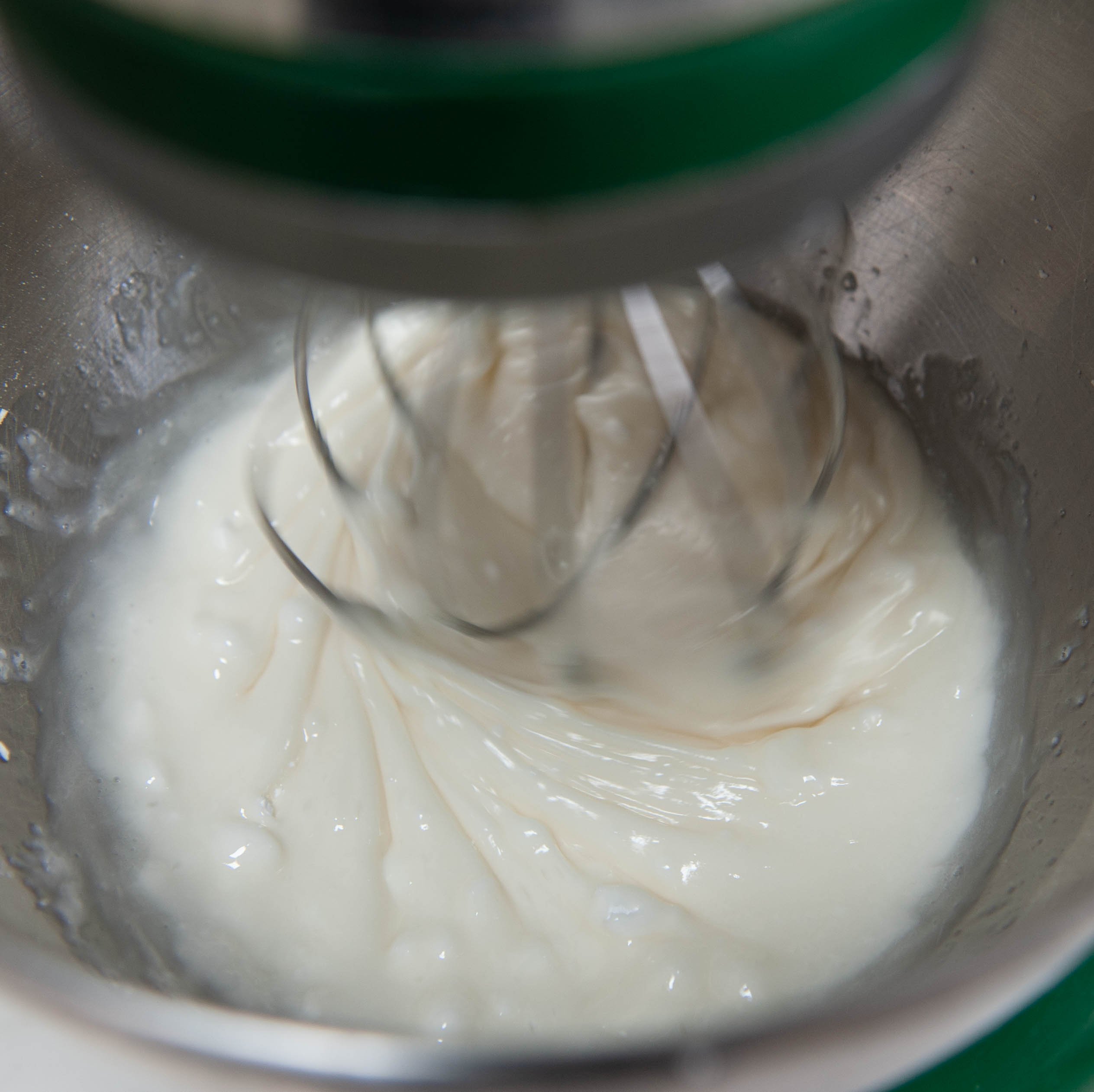
  1. Place the pasteurized egg whites and powdered sugar in the bowl of your stand mixer. Add the whisk attachment and combine ingredients on low, then whip on high for 5 minutes.
    You CANNOT use fresh egg whites for this buttercream. Egg whites from a box are pasteurized (like your milk) so they are safe to eat without cooking. whipped egg whites and sugar
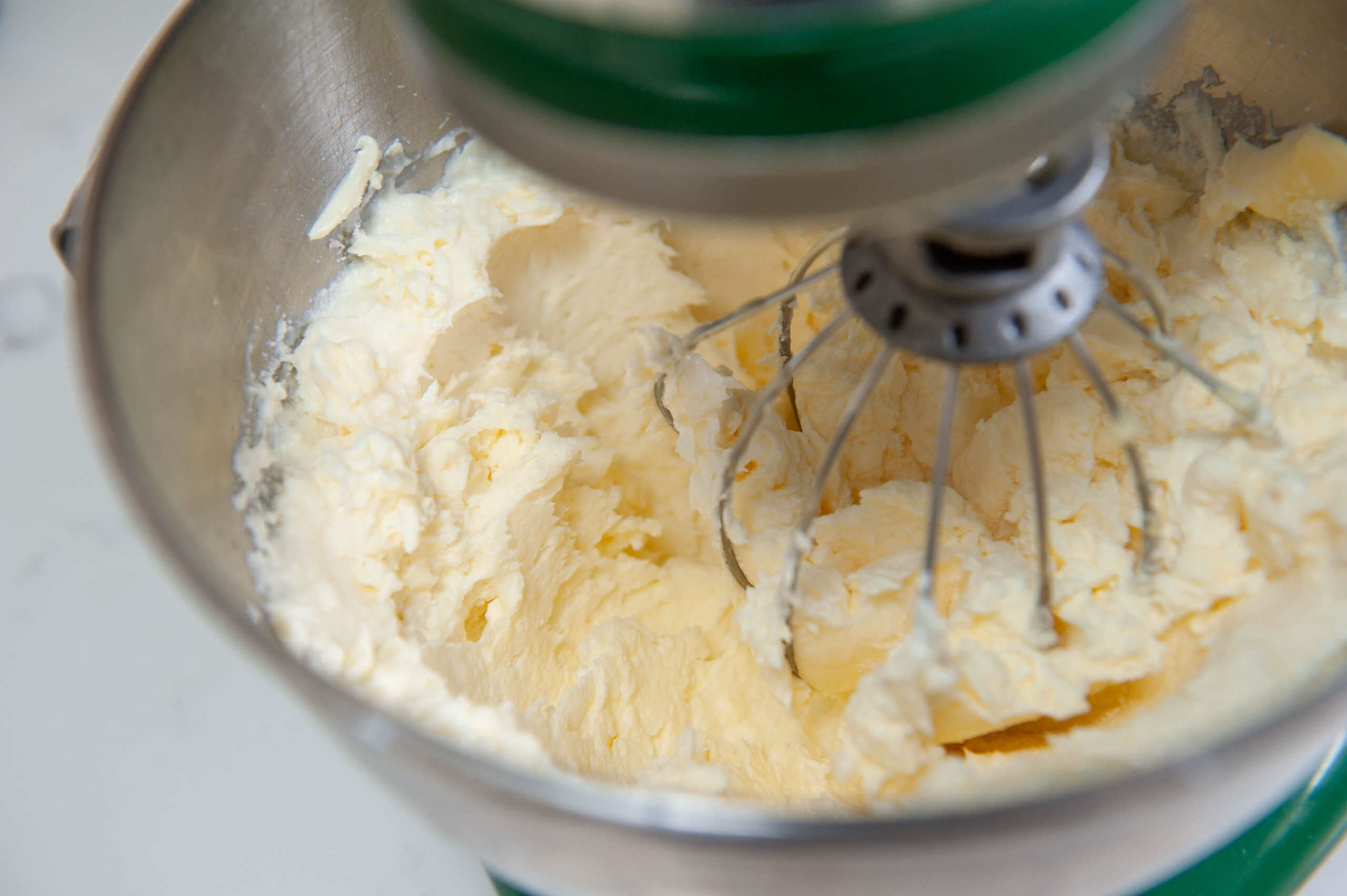
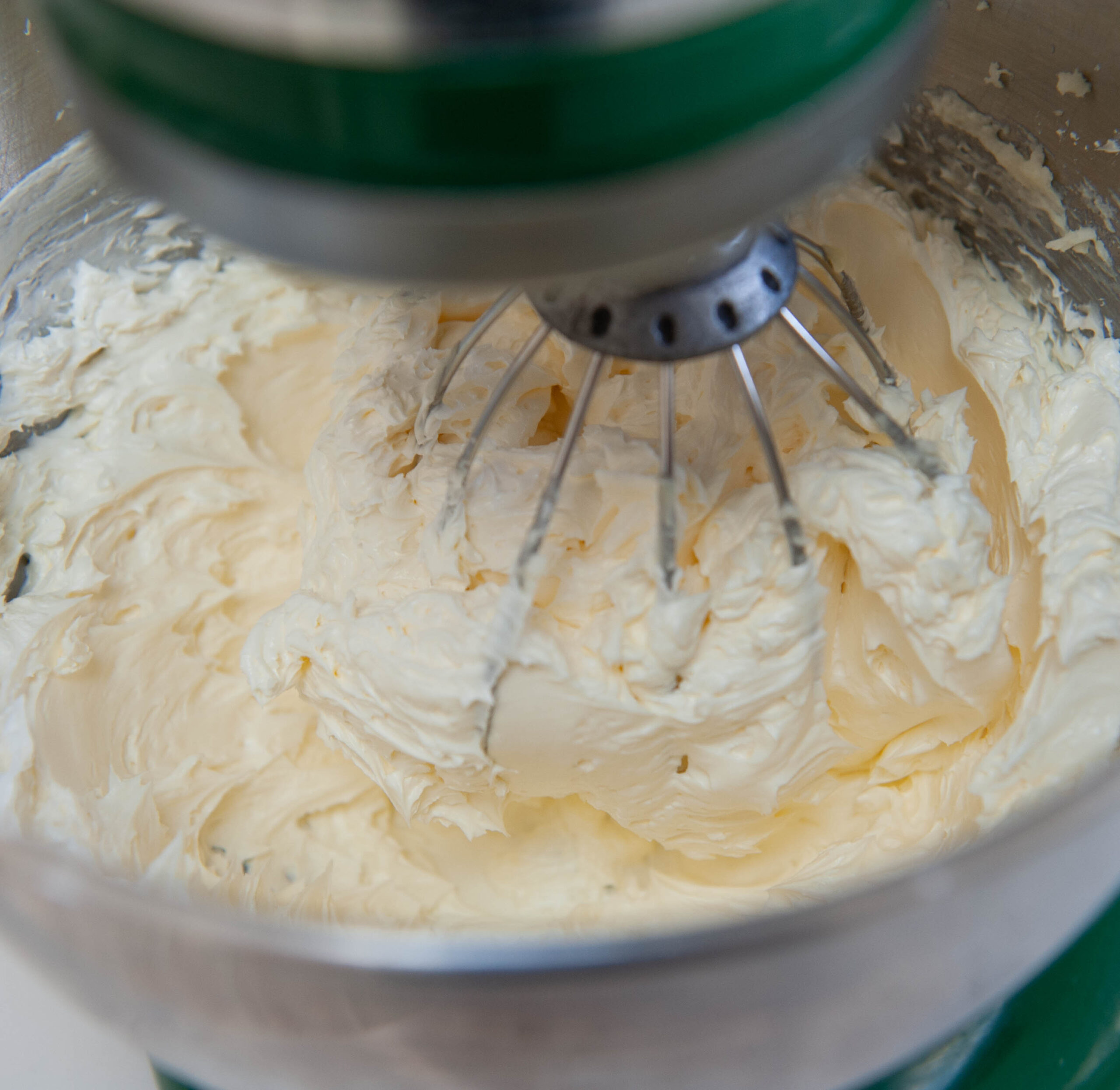
  2. Add in your butter in chunks and whip on high for 8-10 minutes until it's very white, light and shiny. It may look curdled and yellow at first, but this is normal. Keep whipping.stand mixer whisking frosting
  3. Add in the strawberry reduction, salt, and vanilla extract, and continue whipping until incorporated.
    Pro-tip - If your buttercream looks curdled, it's too cold. Take out ½ cup of buttercream and melt it in the microwave until it's just barely melted. About 10-15 seconds. Pour it back into your whisking buttercream and it will become creamy. strawberry puree being added to a bowl of vanilla buttercream in a stand mixer
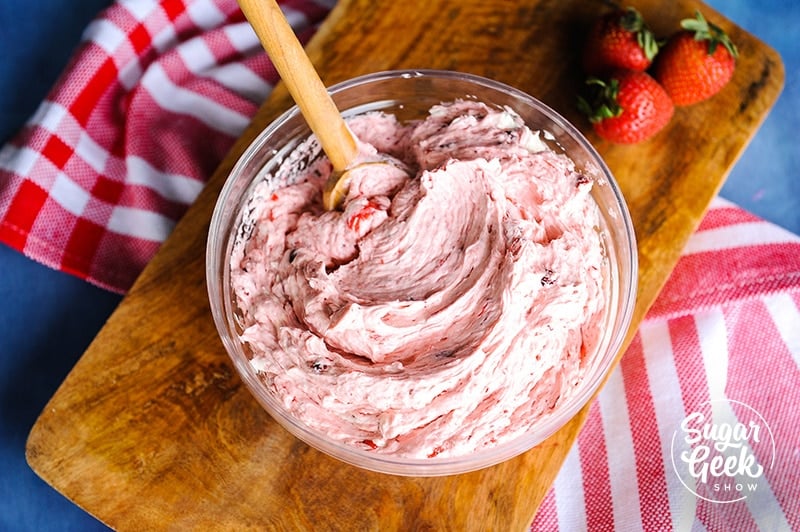
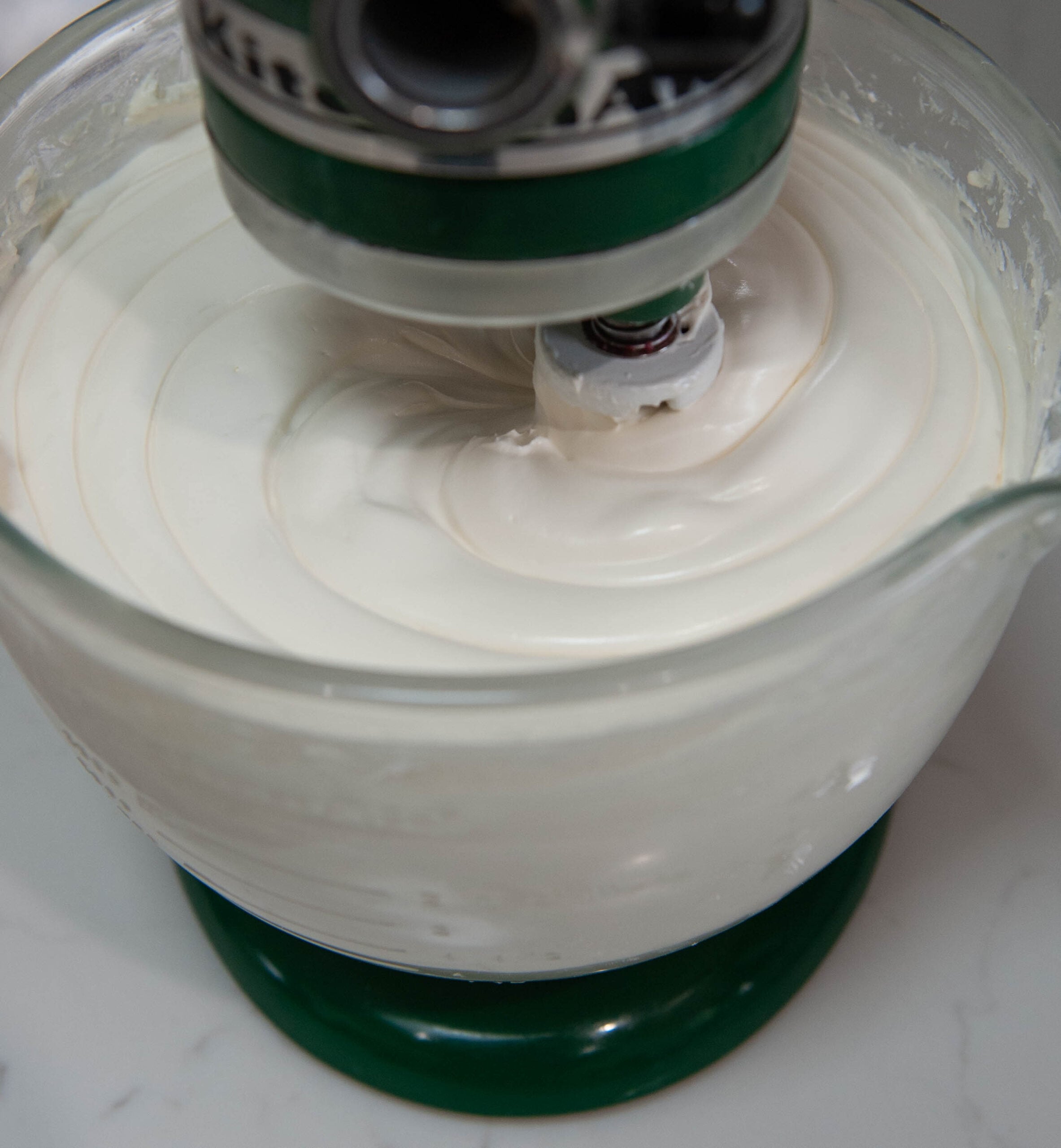
  4. Optional: Switch to a paddle attachment and mix on low for 15-20 minutes to make the buttercream very smooth and remove air bubbles. This isn't required but if you want really creamy frosting, you don't want to skip it.strawberry buttercream recipe
  5. Refrigerate the leftover buttercream for up to a week. If you are not going to use buttercream for more than a week you can freeze it for 6 months or more.

Decorating

I like to layer the extra strawberry reduction in between the layers along with strawberry buttercream for maximum strawberry flavor. If you want more tips on how to decorate your first cake, check out my cake decorating tutorial for beginners.

close up of a slice of strawberry cake

FAQ

CAN I USE STRAWBERRY JAM OR PRESERVES?

Strawberry jam is just blended strawberries with sugar, so it will not work for this recipe. If you absolutely cannot get fresh strawberries, you can use blended strawberry preserves, but it will be much sweeter. A reduction is needed for this recipe to have the right consistency and amount of strawberry flavor.

WHAT KIND OF STRAWBERRY EMULSION IS BEST?

If you leave out the emulsion/extract, the strawberry flavor will not be as pronounced. I like to use LorAnn's strawberry emulsion for a really strong flavor or the wild strawberry emulsion from Amoretti.

IS THIS GOOD TO USE UNDER FONDANT?

Yes I have used it under fondant many times. Just be sure to not use cream cheese frosting underneath the fondant, or it will melt.

Cake Batter and Frosting Calculator

Select an option below to calculate how much batter or frosting you need. Adjust the servings slider on the recipe card to change the amounts the recipe makes.

Choose a pan type

Choose a cake pan size
(based on 2" tall cake pan)

Choose a cake pan size
(based on 2" tall cake pan)

Choose a cake pan size
(based on 2" tall cake pan)

Cupcake Tin Size

Choose number of pans

Cups of Batter Needed

8 cups

Cups of Frosting Needed

5 cups

Note: measurements are estimated based off the vanilla cake recipe using standard US cake pans and sizes. Measurements used are for 2" tall cake pans only. Your results may vary. Do not overfill cake pans above manufacturer's recommended guidelines.

Recipe

slice of fresh strawberry cake on a white plate with strawberries behind it
Print Recipe
4.89 from 1368 votes

Fresh Strawberry Cake With Strawberry Buttercream Recipe

This fresh strawberry cake is made from FRESH strawberry reduction! The cake is moist and tender with a beautiful pink color.
Prep Time20 minutes mins
Cook Time50 minutes mins
Total Time1 hour hr 10 minutes mins
Course: Dessert
Cuisine: American
Servings: 24 servings
Calories: 603kcal
Author: Liz Marek

Equipment

  • 2 8" cake pans

Ingredients

Strawberry Reduction

  • 32 ounces fresh or frozen strawberries thawed
  • 4 ounces sugar optional
  • 1 Tablespoon lemon juice
  • 1 teaspoon lemon zest
  • 1 pinch salt

Fresh Strawberry Cake Ingredients

  • 8 ounces unsalted butter room temperature
  • 10 ounces granulated sugar
  • 6 ounces egg whites room temperature
  • 4 ounces milk room temperature, whole milk is best
  • 6 ounces strawberry reduction room temperature
  • 2 ounces vegetable or canola oil
  • 1 Tablespoon lemon juice fresh
  • zest one lemon
  • 1 ½ teaspoon strawberry emulsion or extract, I use LorAnn oils bakery emulsion
  • 1 teaspoon vanilla extract
  • ½ teaspoon Pink food color I use Americolor electric pink gel
  • 14 ounces all purpose flour
  • 1 ½ teaspoons baking powder
  • 1 teaspoon baking soda
  • ½ teaspoon salt

Easy Strawberry Buttercream Frosting

  • 4 ounces pasteurized egg whites
  • 16 ounces powdered sugar
  • 16 ounces unsalted butter room temperature
  • ½ teaspoon salt
  • 1 teaspoon vanilla extract
  • 4 ounces strawberry reduction room temperature
US Customary - Metric

Instructions

Strawberry Reduction Instructions

  • I recommend making this reduction the day before you're ready to make your cake.
  • Place your thawed or fresh strawberries into the blender and blend until smooth.
  • Place the strawberry puree, sugar, lemon zest, and lemon juice into a medium saucepan and bring it to a boil.
  • Once bubbling, reduce heat to medium-low and slowly reduce the puree until you have two cups of liquid and the mixture is very thick like tomato sauce. This can take between 40-60 minutes. Occasionally stir the mixture to prevent burning.
  • You will use some of the reduction for the cake batter, some for the frosting and the rest for filling between the cake layers for extra moisture. Leftover reduction can be stored in the fridge for up to one week or frozen for 6 months.

Strawberry Cake Instructions

  • NOTE: It is SUPER IMPORTANT that all the room temperature ingredients listed above are room temperature and not cold or hot.
  • Make sure to take your strawberry reduction out of the refrigerator 1 hour before making your cake so that it comes to room temperature or microwave it for about a minute so that it's warm.
  • Adjust an oven rack to the middle position and preheat to 350ºF/176ºC.
  • Grease two 8" cake pans with cake goop or preferred pan release
  • In a separate medium bowl, whisk together the milk, oil, strawberry reduction, strawberry emulsion, vanilla extract, lemon zest, lemon juice, and pink food coloring.
  • In a separate medium bowl, whisk together the flour, baking powder, baking soda and salt.
  • Add room temperature butter to your stand mixer with the paddle attachment and beat at medium speed until smooth and shiny, about 30 seconds.
  • Gradually sprinkle in the sugar, beat until mixture is fluffy and almost white, about 3-5 minutes.
  • Add the egg whites one at a time, beating 15 seconds in between. Your mixture should look cohesive at this point. If it looks curdled and broken, your butter or egg whites were too cold. 
  • Mix on low speed and add about a third of the dry ingredients to the batter, followed immediately by about a third of the milk mixture, mix until ingredients are almost incorporated into the batter.
  • Repeat the process 2 more times. When the batter appears blended, stop the mixer and scrape the sides of the bowl with a rubber spatula. If it looks like ice cream, you did it right!
  • Divide the batter evenly between the prepared pans.
  • Bake cakes at 350ºF/176ºC until they feel firm in the center and a toothpick comes out clean or with just a few crumbs on it, about 30-35 minutes.
  • Place pans on top of a wire rack and let cool for 10 minutes. Then flip your cakes onto the racks and cool completely. 
  • Once cooled, wrap each layer in plastic wrap and refrigerate or freeze before assembling your cake.

Buttercream Instructions

  • Place egg whites and powdered sugar in a stand mixer bowl. Attach the whisk and combine ingredients on low and then whip on high for 5 minutes 
  • Place pasteurized egg whites and powdered sugar in the bowl of your stand mixer. Add the whisk attachment and combine ingredients on low, then whip on high for 5 minutes.
  • Add in your softened butter in chunks and whip on high for 8-10 minutes until it's very white, light and shiny. It may look curdled and yellow at first, this is normal. Keep whipping.
  • Add in strawberry reduction, vanilla extract and salt and continue whipping until incorporated.
  • Optional: Switch to a paddle attachment and mix on low for 15-20 minutes to make the buttercream very smooth and remove air bubbles.

Video

Notes

Cake Notes: 
  1. Make sure all your ingredients (egg whites, milk, butter, reduction) are room temperature or a little warm so that your batter doesn't curdle.
  2. For the best success, use a food scale to weigh your ingredients. Converting this recipe to cups could lead to failure. Read my blog post on how to use a scale for more information.
  3. I use Americolor electric pink food coloring to get my beautiful pink color. It may seem like cheating, but if you don't add it, the color from the strawberries will bake out and your cake will turn out gray.
  4. I'm using my Bosch Universal Plus mixer for this, but you can use any KitchenAid stand mixer or a hand mixer. 
  5. You must use egg WHITES for this recipe, the yellow from the egg could turn the inside of your cake peach. 
  6. I like to use LorAnn oil's strawberry bakery emulsion, but you can also use extract. 
Reduction Notes:
  1. When making your reduction, the goal is to get as much liquid out as possible without burning the strawberries. The mixture should look like thick tomato sauce and will have reduced by half.
  2. You will use some of the reduction for the cake batter, some for the frosting and the rest for filling between the cake layers for extra moisture. Leftover reduction can be stored in the fridge for up to one week or frozen for 6 months.
Strawberry Buttercream Notes:
  1. Make sure your frosting is very light and white before adding in the puree. Give it a taste, if it still tastes like butter, keep whipping it until it tastes like sweet ice cream.
  2. If your buttercream looks curdled, it's too cold. Take out ½ cup of buttercream and melt it in the microwave until it's just barely melted. About 10-15 seconds. Pour it back into your buttercream, and mix until creamy.

Nutrition

Serving: 1serving | Calories: 603kcal | Carbohydrates: 63g | Protein: 3g | Fat: 39g | Saturated Fat: 24g | Cholesterol: 102mg | Sodium: 222mg | Potassium: 89mg | Fiber: 1g | Sugar: 50g | Vitamin A: 1190IU | Vitamin C: 2.9mg | Calcium: 37mg | Iron: 0.8mg

More Strawberry Recipes

Doctored Strawberry Cake Mix

Strawberry Macarons

Traditional Strawberry Shortcake

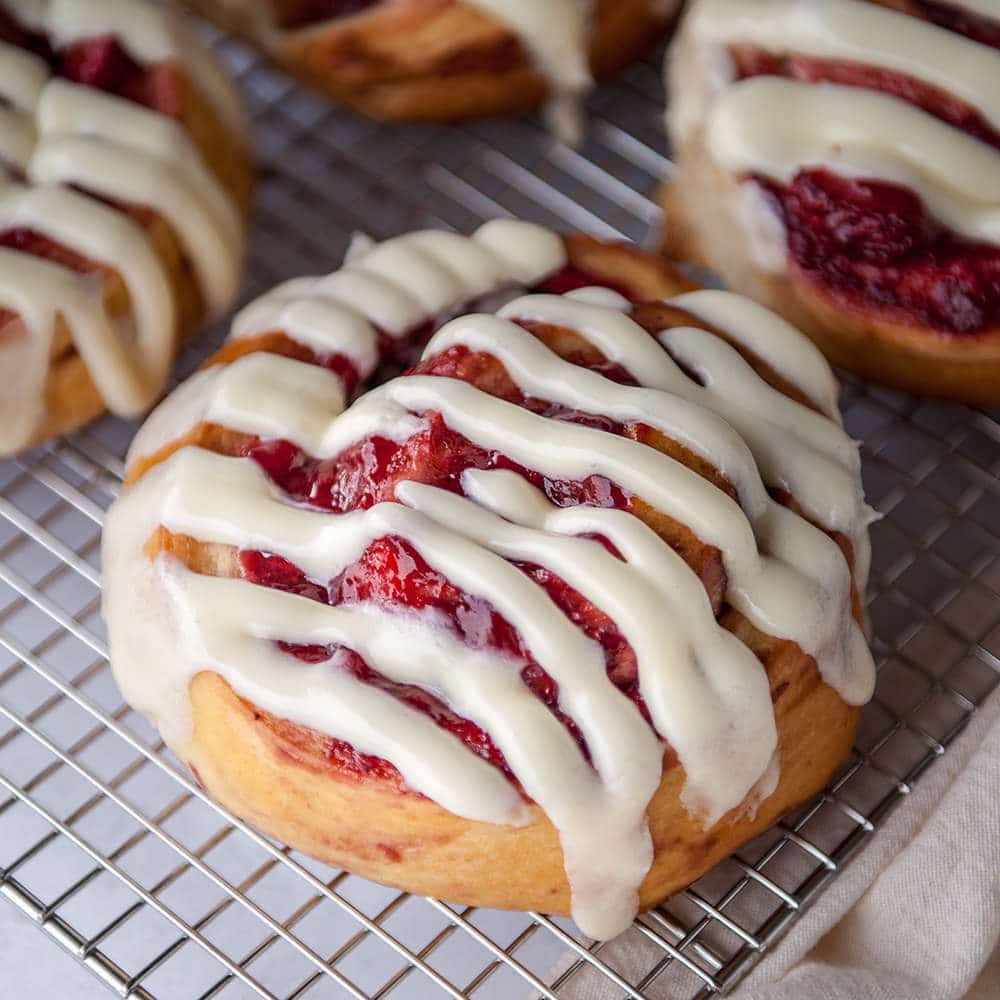
Strawberry Cinnamon Rolls

Strawberry Cheesecake

Strawberry Shortcake Layer Cake

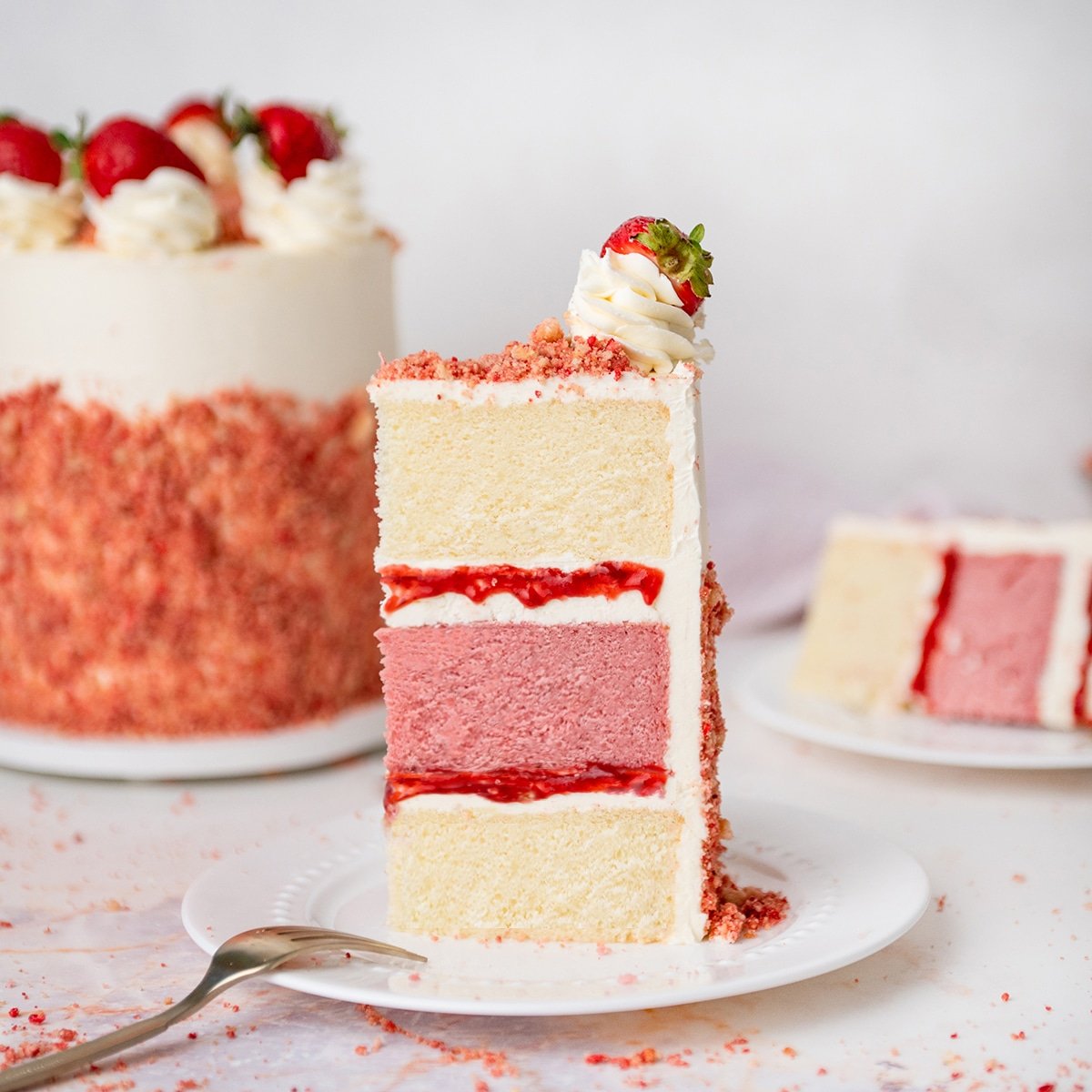
Strawberry Crunch Cake

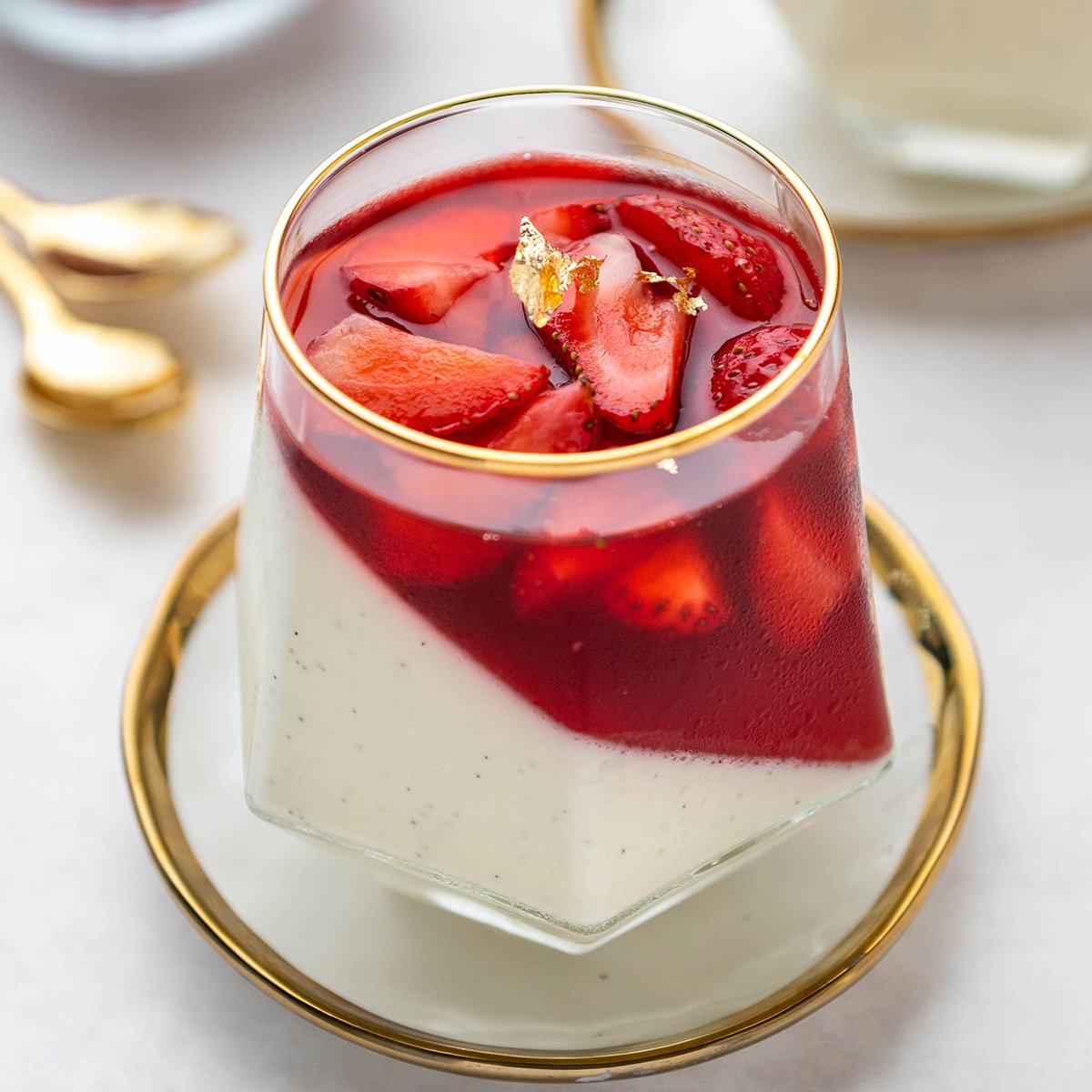
Strawberry Panna Cotta

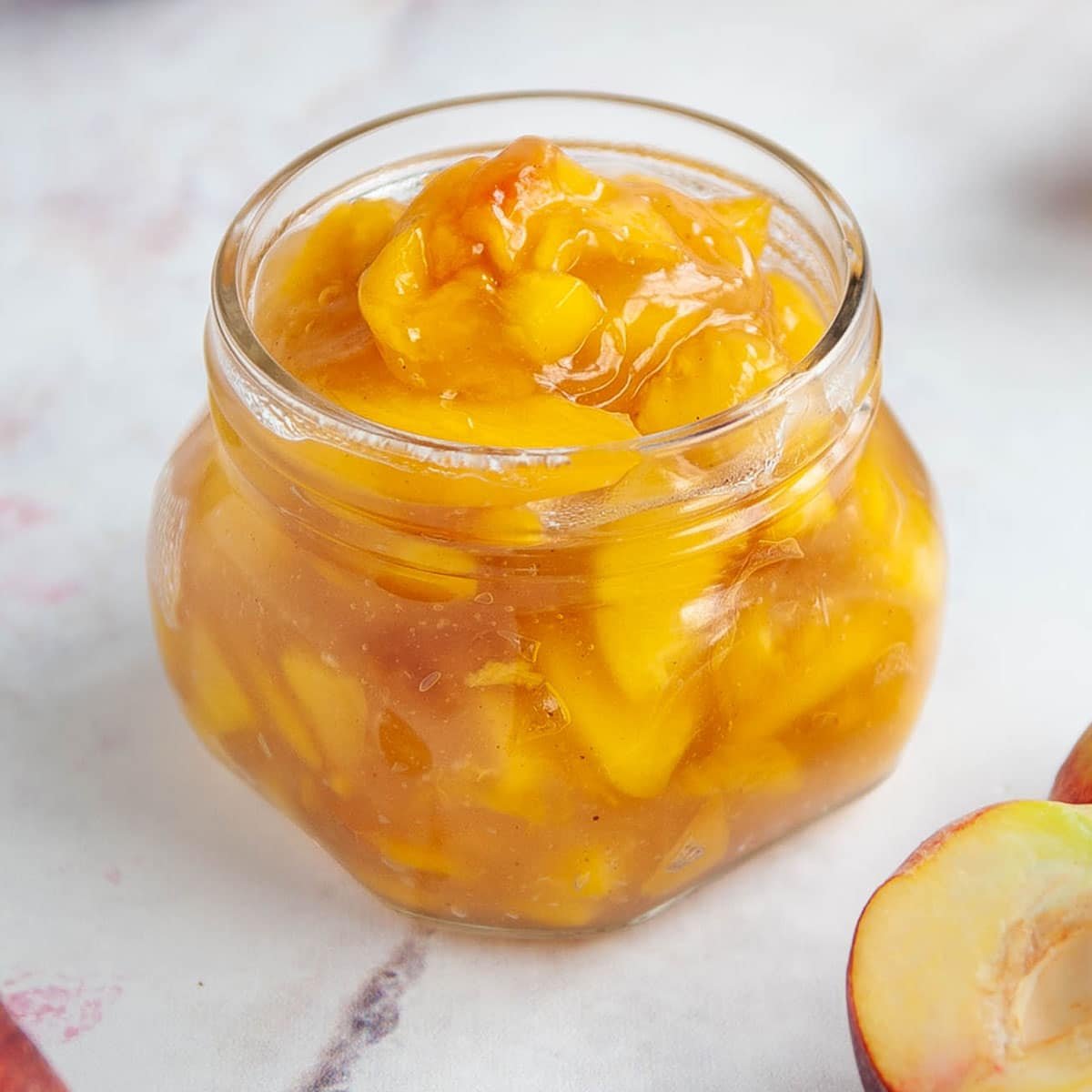
close up of peach filling in a small glass jar

July 28, 2020 Filling

Peach Filling

Easy, homemade peach pie filling that comes together in just 10 minutes. Use fresh, frozen, or canned peaches and cook them ahead of time to avoid soggy crusts and uncooked filling. Use it for pies, hand pies, or on top of cheesecakes! You don't need to buy those super-sweet canned peaches ever again. 

close up of peach filling in a small glass jar

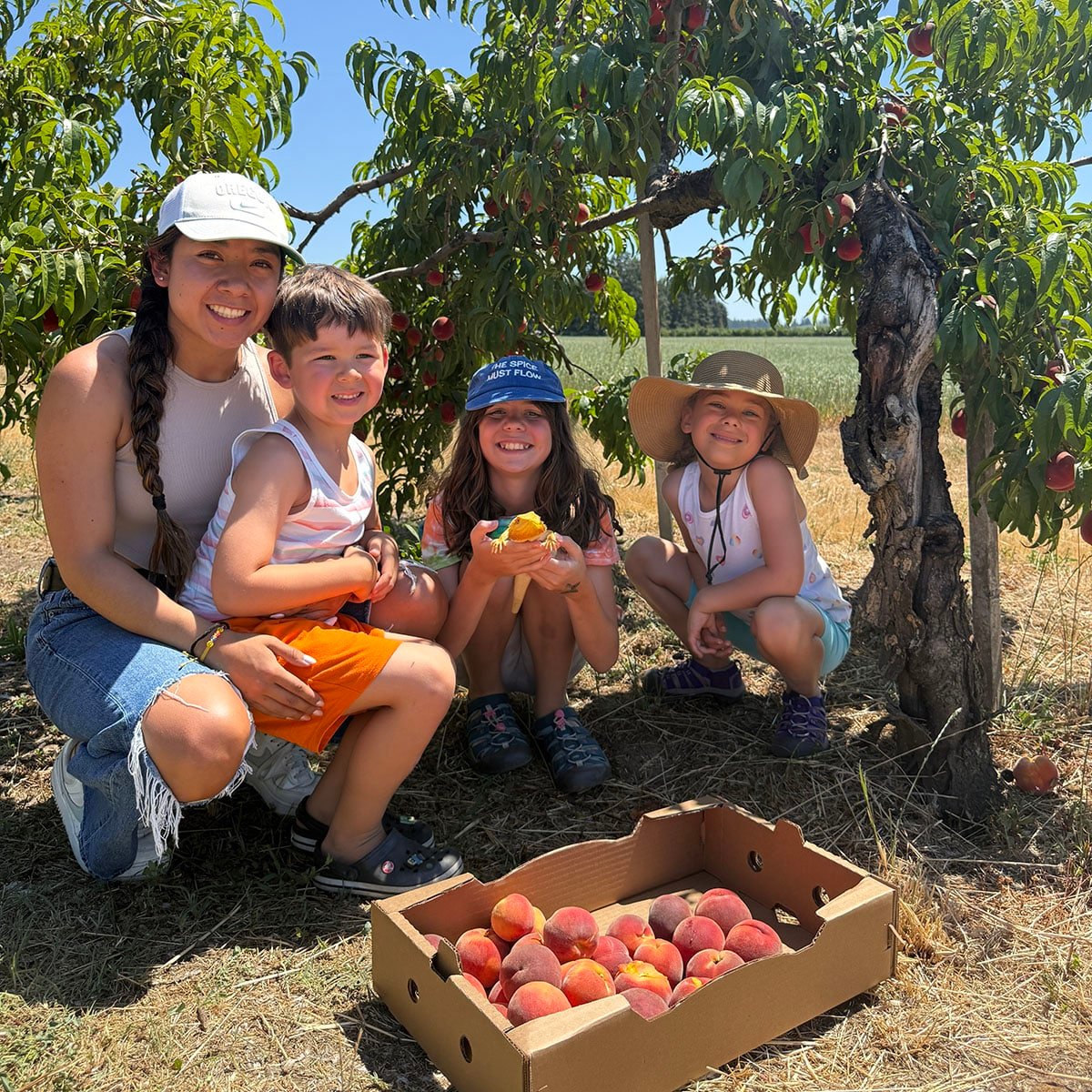
One of my favorite fruits is peaches. When I was growing up we had one singular peach tree in our backyard, and we were NEVER allowed to pick those fruits. We rarely got more than a dozen peaches, but every now and then, we'd get more, and my sisters and I MIGHT be lucky enough to get one.

In my mind, a sun-ripened peach is nature's ultimate candy. Now that I'm an adult with adult money, I love to visit local farms and pick as many peaches as I can, and freeze them so I can make my own peach filling so I can enjoy fresh peaches any time of the year.

What's In This Blog Post

  • Ingredients needed
  • How to make the peach filling
  • How to store peach filling
  • What peaches are best?

Ingredients needed

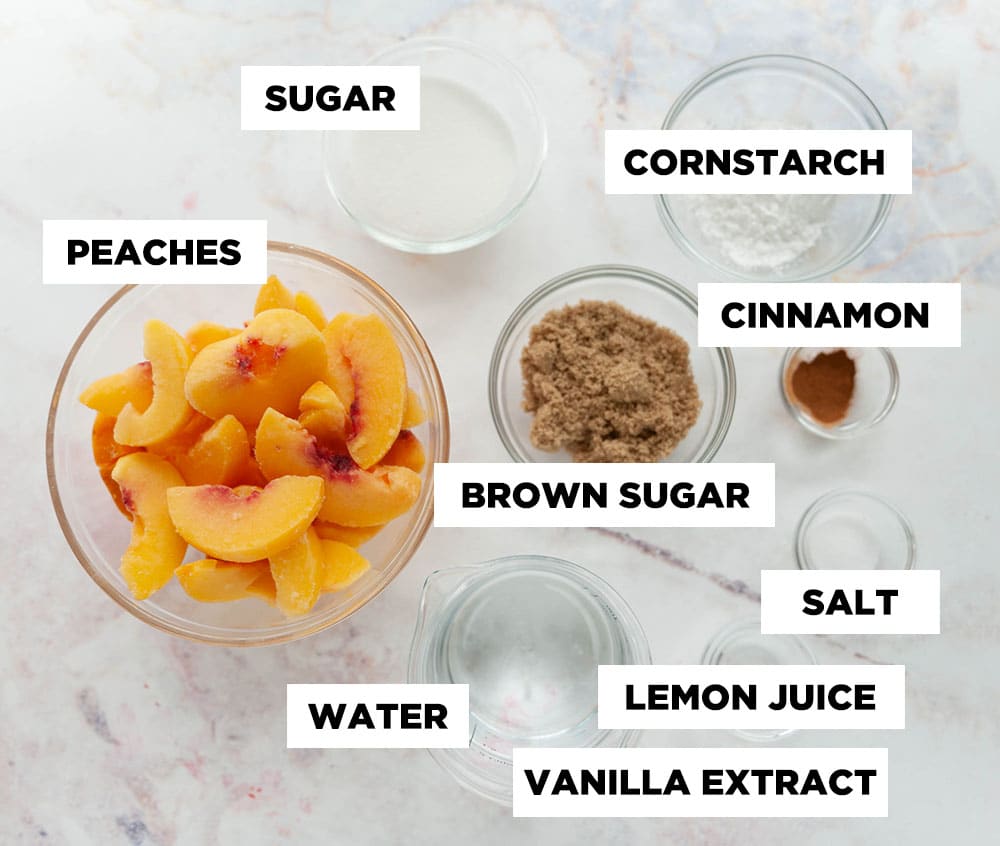
You can use any kind of peaches you want, fresh, frozen, or even canned (just drain the liquid and use it for the water measurement). I'm using ClearGel as the thickening agent because it stays very clear, is super shiny, and freezes well. You can also use cornstarch! Jump to recipe below for all of the steps!

peach filling ingredients

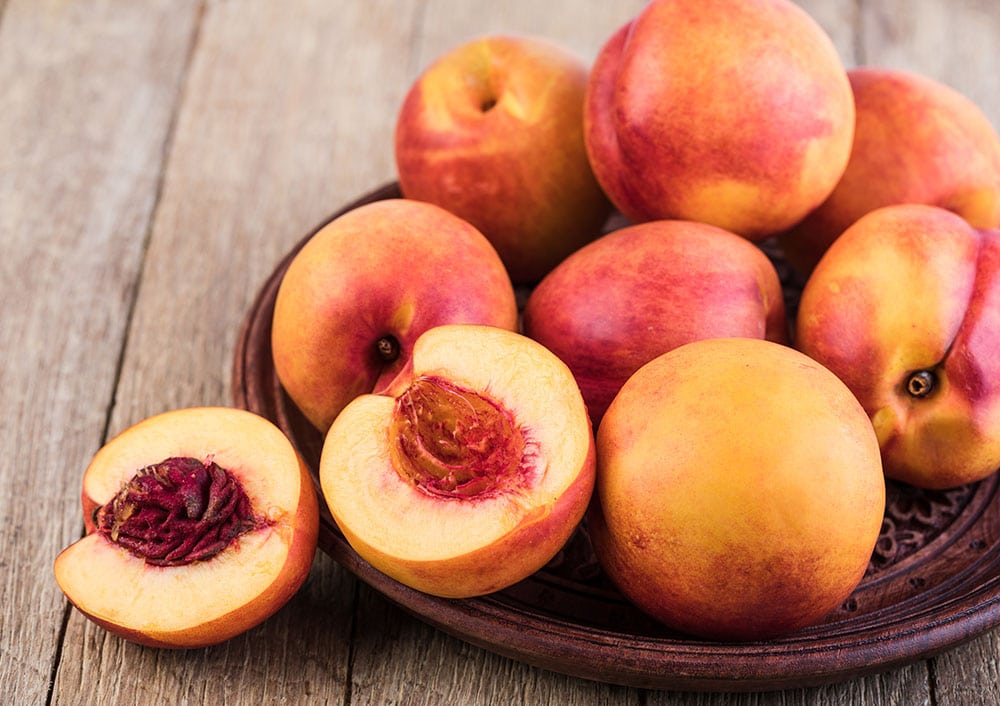
Peaches - You can use fresh or frozen peaches to make your own filling. Ideally, fresh, in-season peaches are best. If you can visit a local farm and get some, even better. Make sure you're getting peaches that are no-cling so the pit is easily removed. Avoid out-of-season, grocery store peaches. They taste like nothing. If it's off-season, get frozen peaches, which are picked at the peak of freshness and flash frozen.

ClearJel is used in this recipe because I prefer how the finished filling looks. It's clear and glossy. You can use cornstarch, but the finished product will be cloudy.

How to make the peach filling

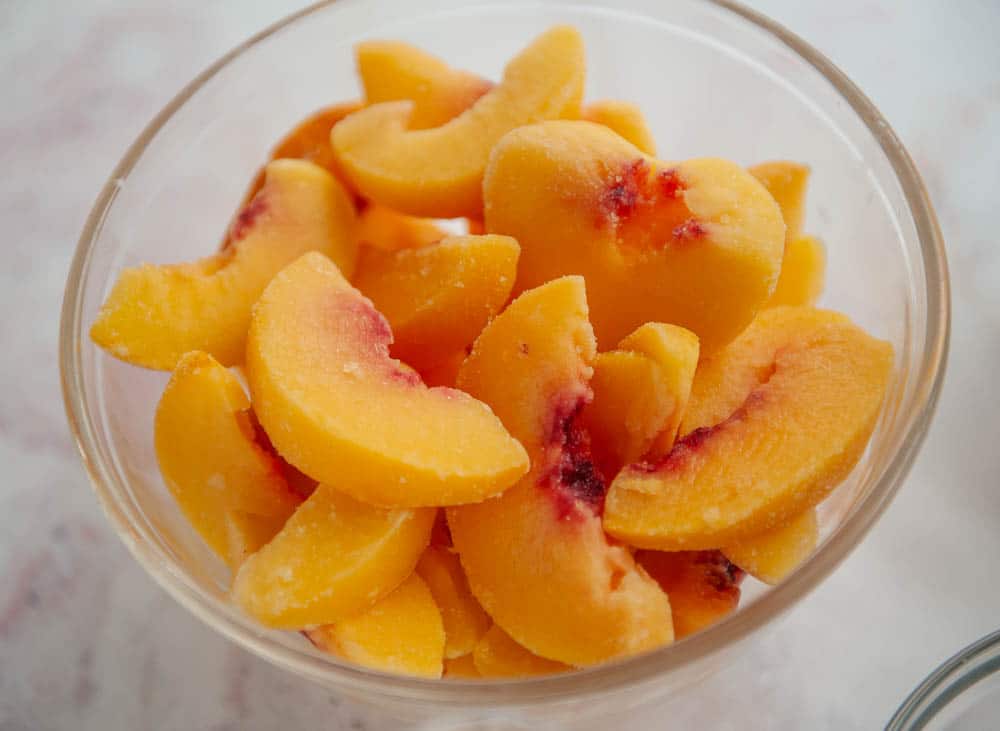
Step 1 - Peel, core, and chop the peaches into small, ½" cubes or thin slices, depending on what you're using the filling for. I like small pieces for things like hand pies and larger pieces for peach pie or for use as a topping. Make sure you remove the skins, or they will taste chewy and not have a great texture. You can also use frozen peaches, which makes this even easier! 

bowl of frozen peaches in clear glass bowl

Step 2 - Add your sliced peaches to a large saucepan over medium heat. Add water, sugar, cinnamon, salt, and brown sugar.

Step 3 - Cook the mixture until the peaches are as soft as you like them. Fresh peaches will take the longest to cook.

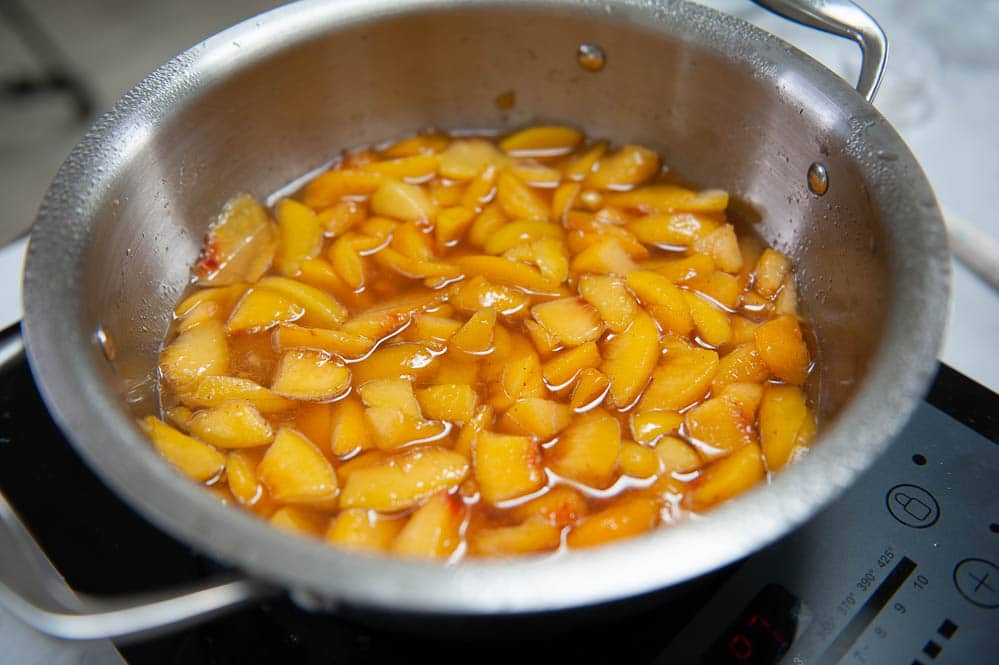
peach filling in a stainless steel pan

Step 4 - Combine your ClearGel (or cornstarch) with the cool water and whisk together to make a slurry.

Pro-tip - ClearGel is not as strong as cornstarch. For every 1 ounce (28 g) of ClearGel, use ½ ounce of cornstarch.

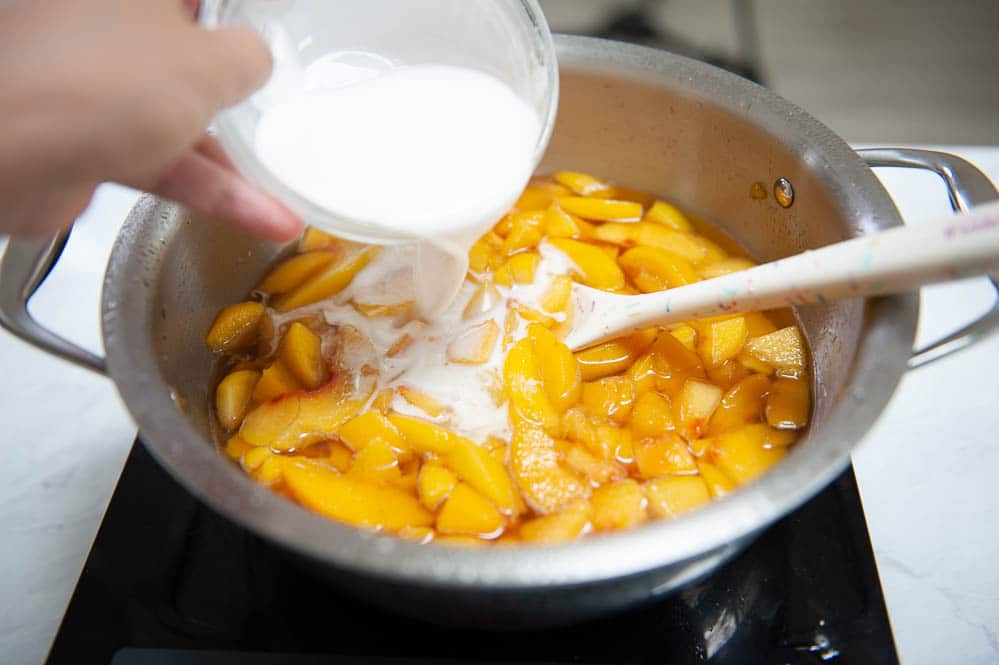
adding cornstarch slurry to peach filling

Step 6 - Pour the slurry into your hot peach mixture and cook until the peach filling is nice and thick and turns clear. 3-5 minutes. Cook for one more minute to make sure the ClearGel is thoroughly cooked.

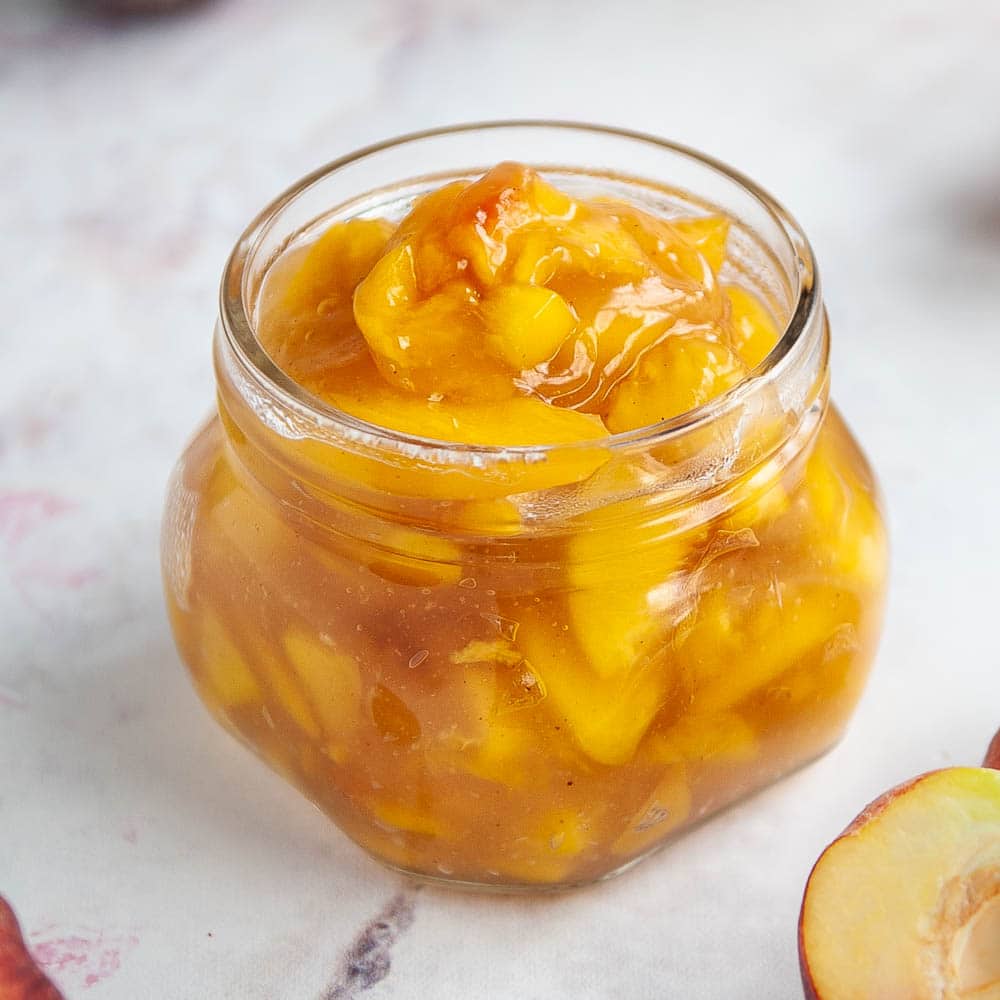
peach pie filling in a glass jar

Pro-tip - Cornstarch doesn't like acid, so it's best to add the lemon after your cornstarch has cooked out a bit. 

Step 7 - Remove the mixture from the heat and add in your lemon juice and vanilla extract. Stir to combine.

How to store peach filling

Now you can pour the hot filling into jars and store your peach filling! Check out this blog post on canning peach pie filling for more detailed info. Storing in the fridge will work, but I prefer to let the filling cool down and freeze peach pie filling. The peach filling is good in the fridge for up to a week or 6 months in the freezer. 

This peach filling can be used in pies, on top of cheesecakes, in between cake layers, or even served warm on top of vanilla ice cream with a little bit of sugar-cinnamon mixture. Make sure your filling is room temperature or cooler before using it as a cake filling so it doesn't melt your frosting.

What peaches are best?

Did you know there are more than 300 varieties of peaches? They're classified into 3 categories: freestone, clingstone, and semi-freestone. All are determined by how the flesh clings to the peach.

Freestone peaches are best for baking because they're usually larger and less juicy than clingstone peaches. If you have to pit a ton of fruit, you'll be thankful that the pits come out easily. 

I actually prefer to use local Oregon frozen peaches. The skin is removed, the pits are removed, and they are already sliced and picked at the peak of freshness! So, unless you happen to visit the farmers' market and score a big bushel of fresh, juicy peaches, frozen is the most reliable. 

You can also use canned peaches! If you go this route, you won't need to cook them very much because they are already cooked. Opt for peaches in juice instead of syrup to avoid the filling getting too sickly sweet. 

More Delicious Recipes To Try

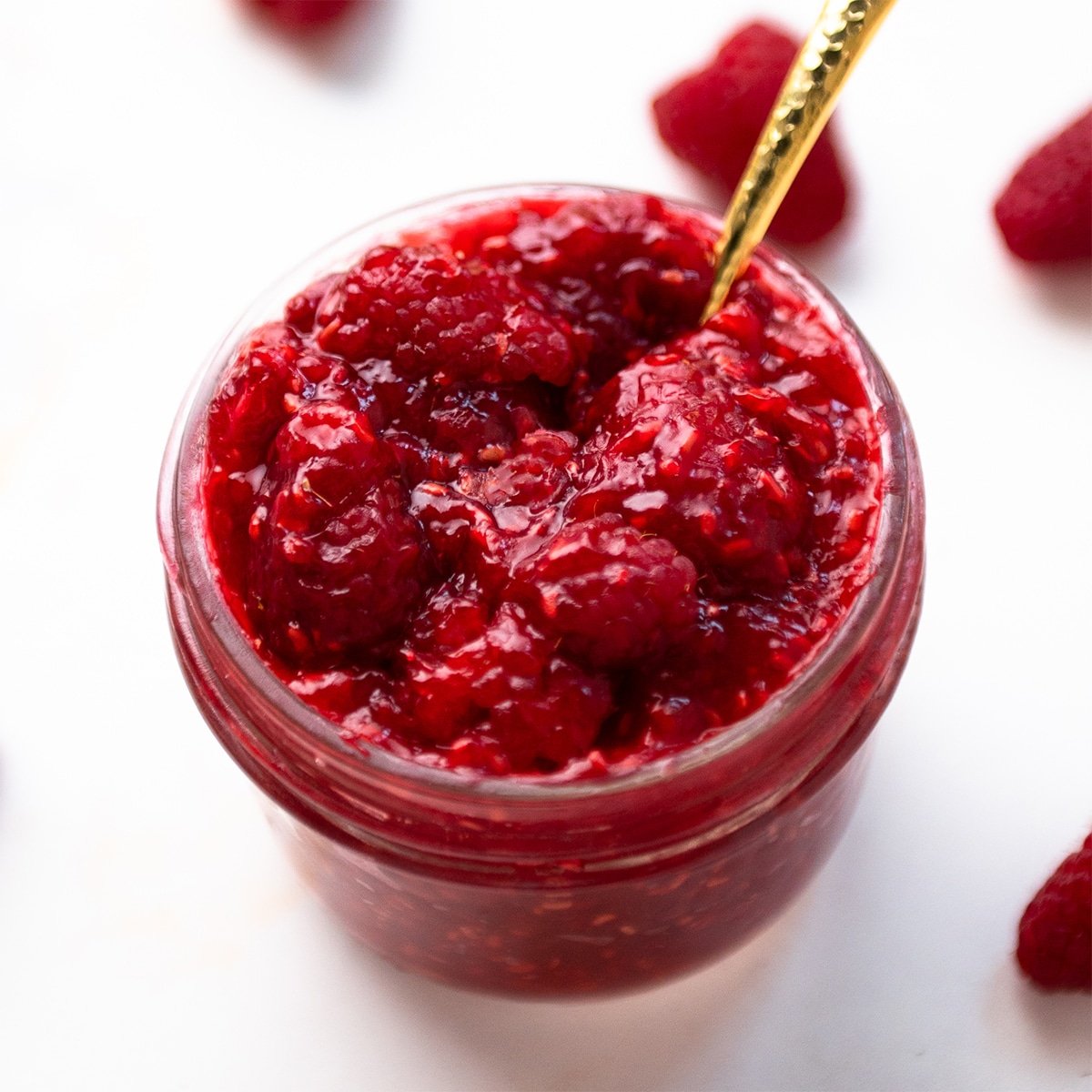
finished raspberry filling in a mason jar.
raspberry filling
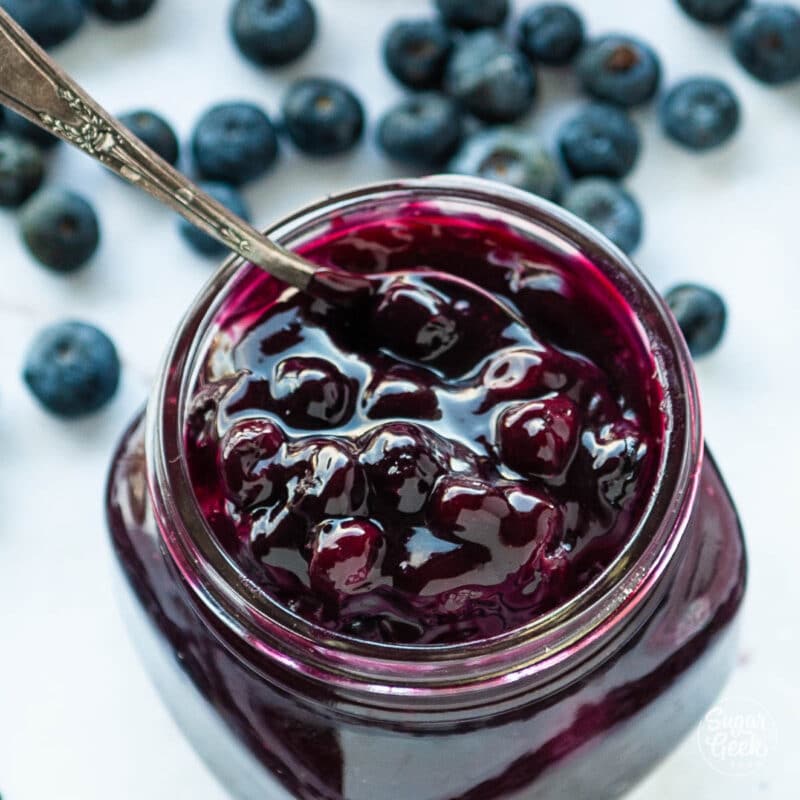
closeup of blueberry filling in a glass jar with a spoon and blueberries in the background
blueberry filling
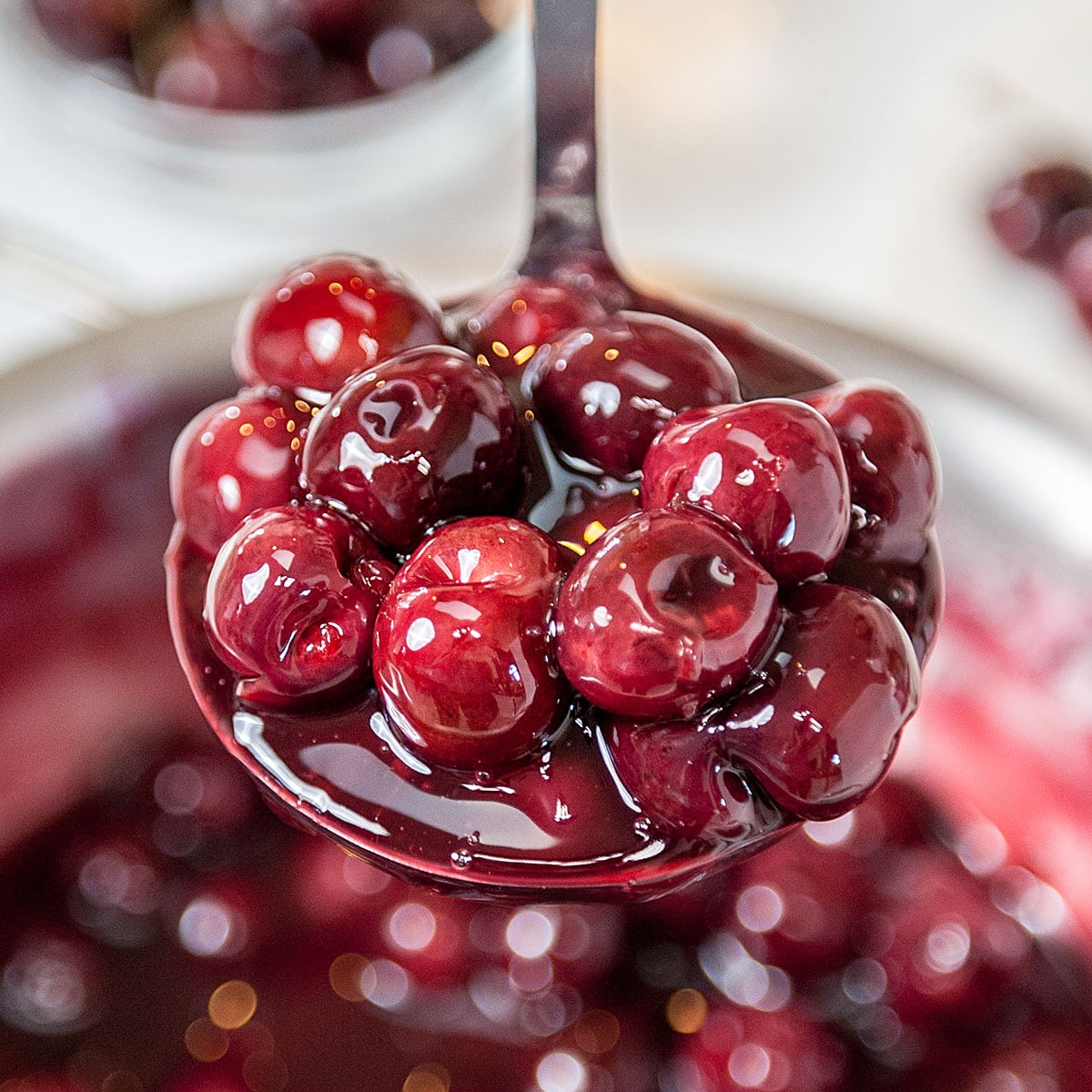
close up of finished cherry filling
cherry filling
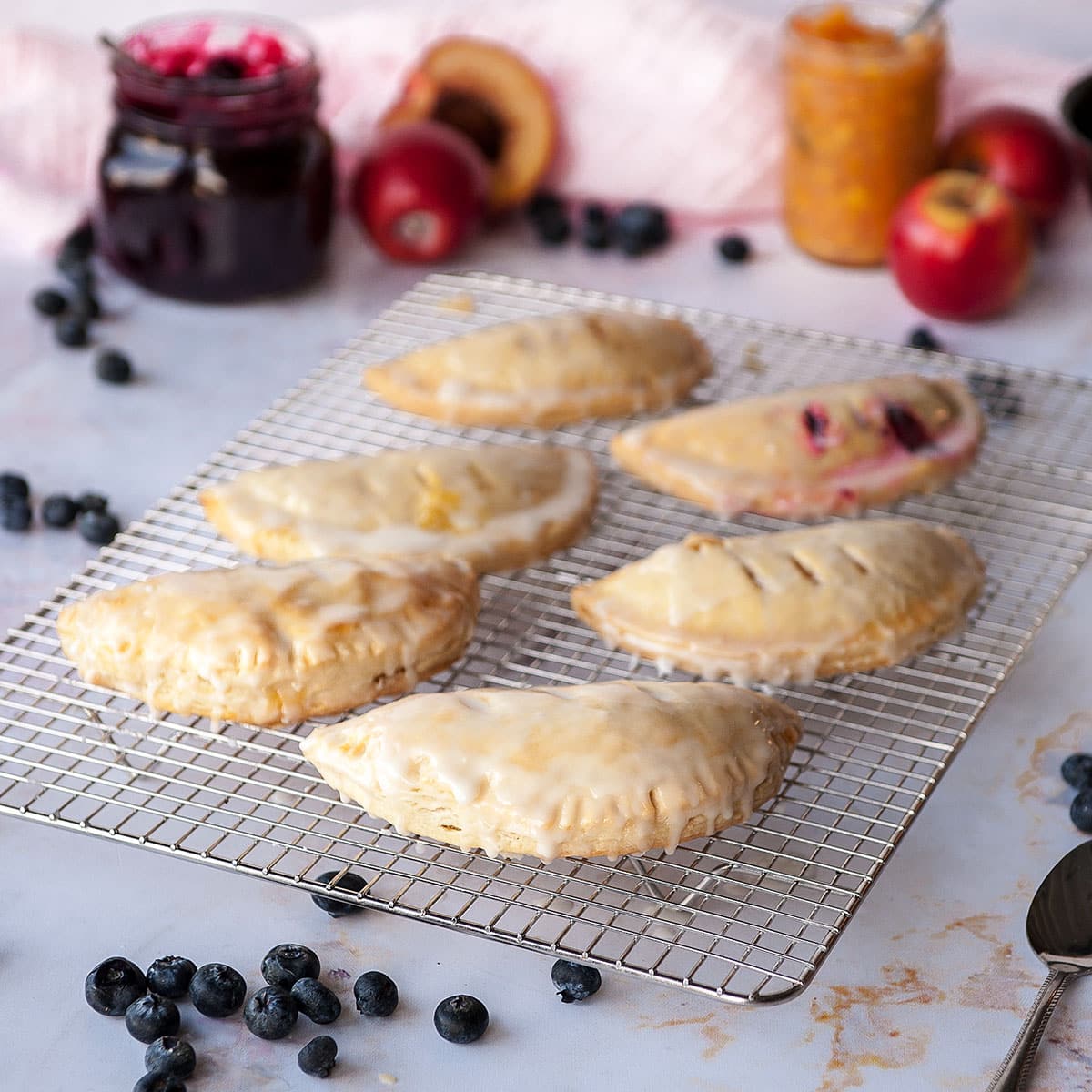
close up of six hand pies on a cooling rack
hand pies
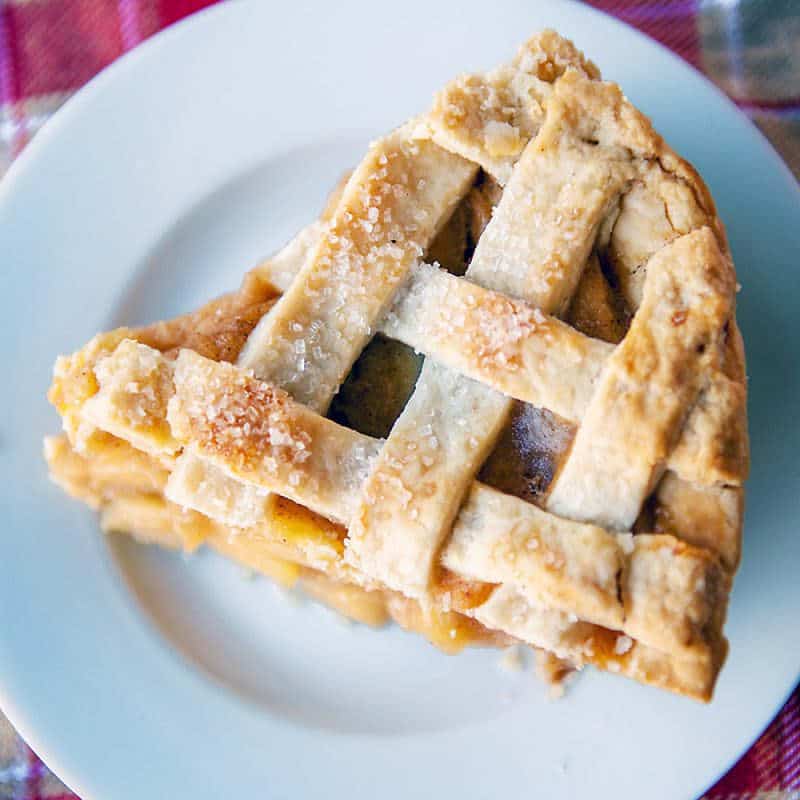
close up of a slice of pie with lattice crust top on a white plate
pie crust recipe
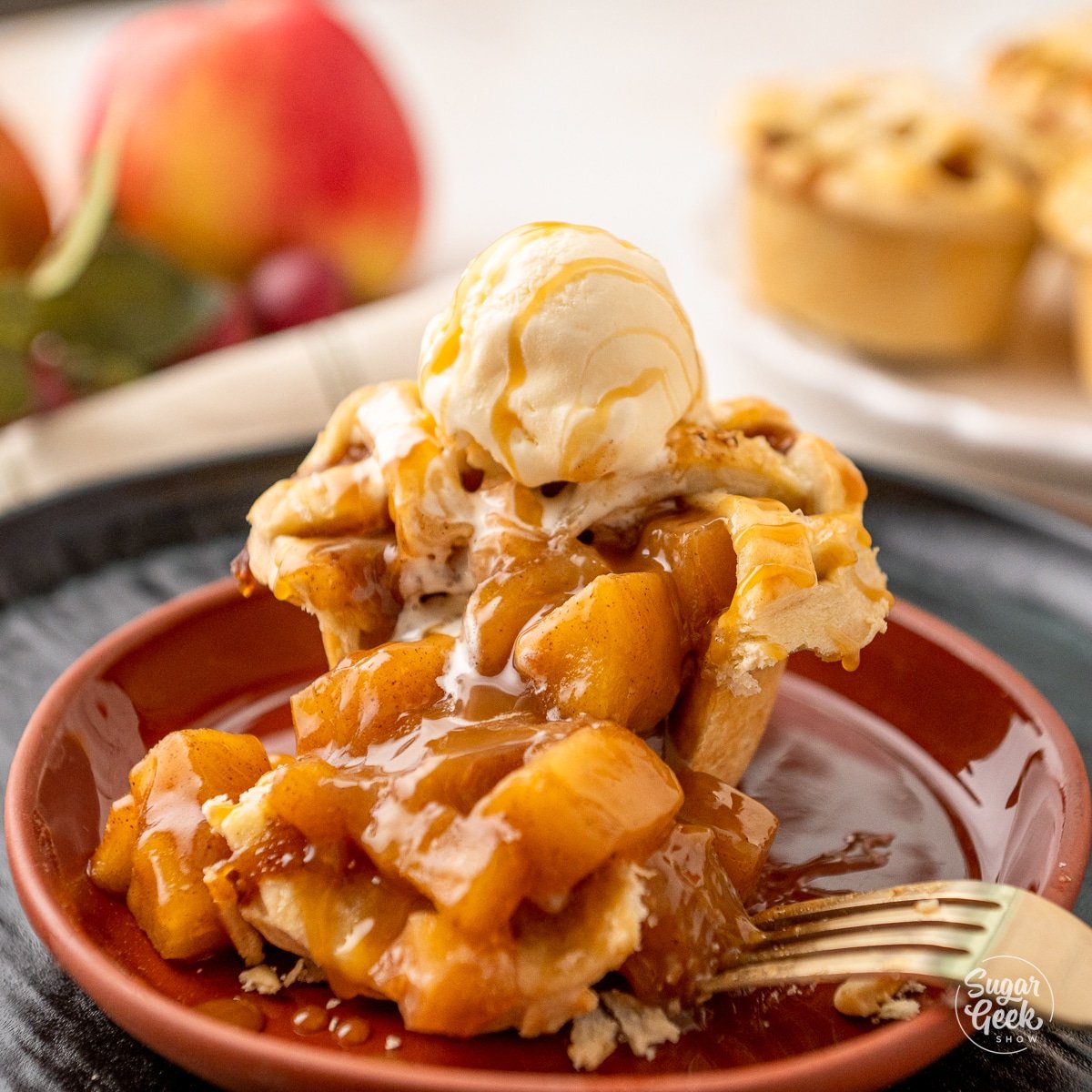
close up of mini apple pie
mini apple pie recipe

Recipe

peach pie filling in a glass jar
Print Recipe
4.82 from 11 votes

Peach Filling

How to make your own homemade peach filling using fresh, frozen, or canned peaches! This peach filling is great for pie, hand pies, cake filling, or fruit topping! Takes less than 10 minutes to make.
Cook Time30 minutes mins
Cooling Time25 minutes mins
Total Time55 minutes mins
Course: Dessert
Cuisine: American
Servings: 4 cups
Calories: 264kcal
Author: Liz Marek

Ingredients

  • 32 ounces peaches fresh or frozen, peeled and sliced
  • 8 ounces water or peach juice
  • 6 ounces white sugar
  • 2 ounces brown sugar
  • ⅛ teaspoon cinnamon
  • ¼ teaspoon salt
  • 2 ounces ClearJel or 1.5 ounces cornstarch
  • 2 ounces cool water
  • 2 Tablespoons lemon juice
  • 1 teaspoon clear vanilla extract
US Customary - Metric

Instructions

  • Peel, core, and chop the peaches into small, ½" cubes or thin slices depending on what you're using the filling for. I like small pieces for things like hand pies and larger pieces for peach pie or for use as a topping. Make sure you remove the skins or they will taste chewy and not have a great texture. You can also use frozen peaches which makes this even easier! 
  • Add your sliced peaches to a large saucepan over medium heat. Add water, sugar, cinnamon, salt, and brown sugar.
  • Cook the mixture until the peaches are as soft as you like them. Fresh peaches will take the longest to cook.
  • Combine your ClearGel (or cornstarch) with the cool water and whisk together to make a slurry
  • Pour the slurry into your hot peach mixture and cook until the peach filling is nice and thick and turns clear. 3-5 minutes. Cook for one more minute to make sure the ClearGel is thoroughly cooked.
  • Remove the mixture from the heat and add in your lemon juice and vanilla extract. Stir to combine.
  • Now you can pour the hot filling into jars and can store your peach filling! Check out this blog post on canning peach pie filling for more detailed info. Storing in the fridge will work, but I prefer to let the filling cool down and freeze peach pie filling. The filling is good in the fridge for up to a week or 6 months in the freezer.

Video

Notes

You can use fresh, frozen, or canned peaches. Just make sure the skins are removed. 
ClearGel is not as strong as cornstarch. For every one ounce of ClearGel, use .75 ounces of cornstarch. 
ClearGel is shinier and holds up better to high heat and freezing without breaking down. 

Nutrition

Serving: 1cup | Calories: 264kcal | Carbohydrates: 68g | Protein: 1g | Fat: 1g | Saturated Fat: 1g | Sodium: 153mg | Potassium: 234mg | Fiber: 2g | Sugar: 66g | Vitamin A: 370IU | Vitamin C: 10mg | Calcium: 19mg | Iron: 1mg
 

July 20, 2020 Blog

Pancake Art Recipe And Tutorial

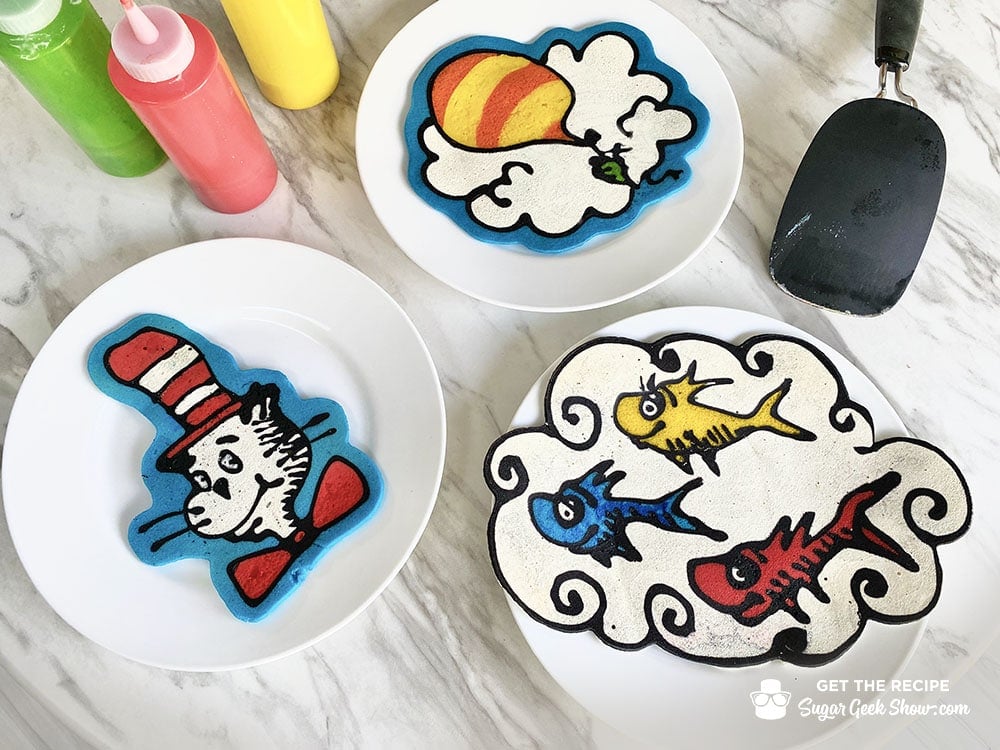
I love making pancake art! Such a fun way for the whole family to get creative with their pancakes. You don't need a lot of fancy tools to make pancake art, just some pancake mix, water, food coloring, and a squeeze bottle or piping bag! Keep reading to learn how to get the right pancake batter consistency, how to add colors, and how to avoid burning those edible works of art!

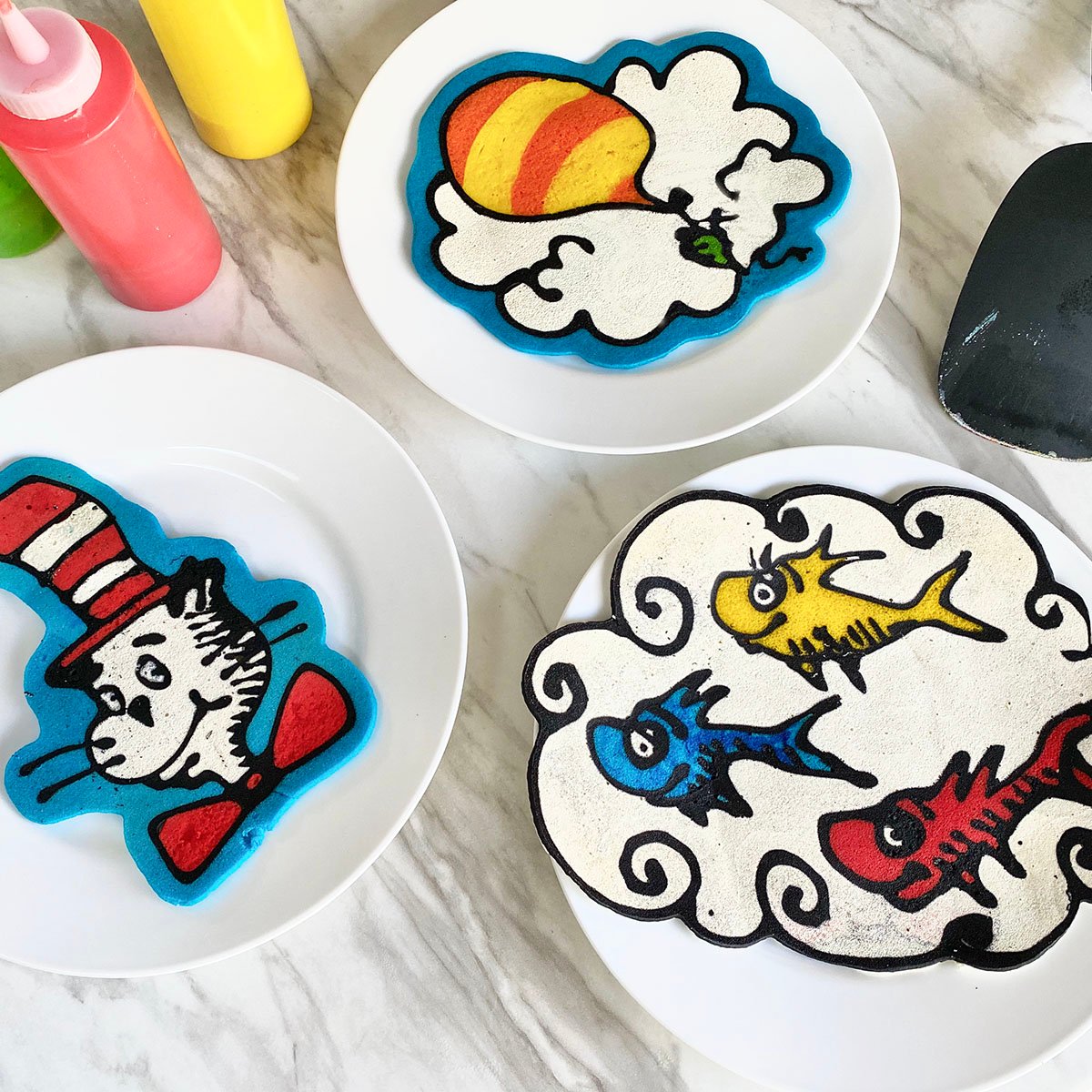
pancake art on white plates on a white table

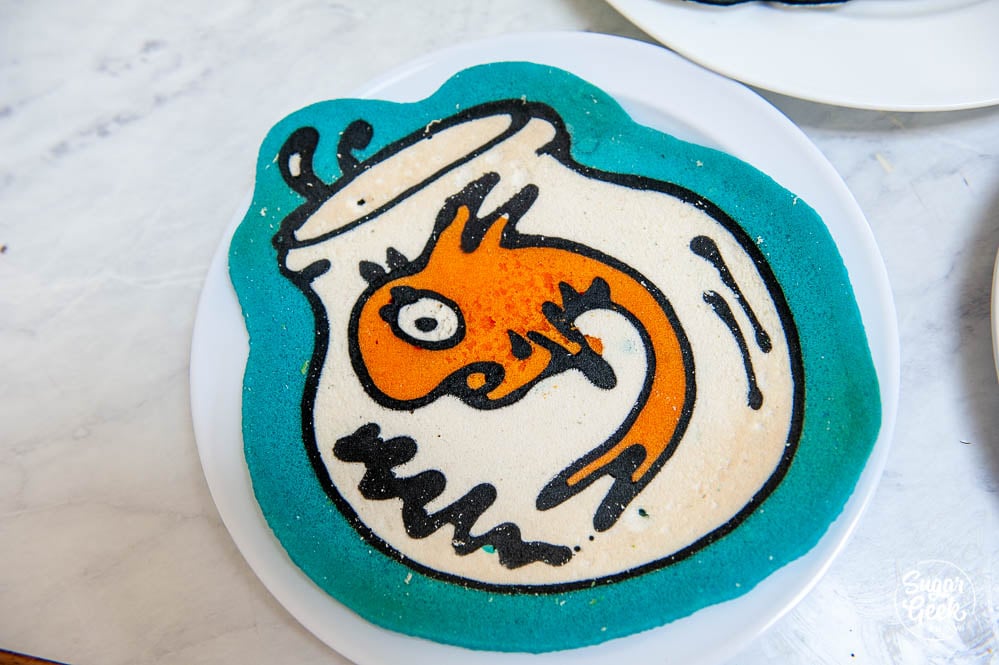
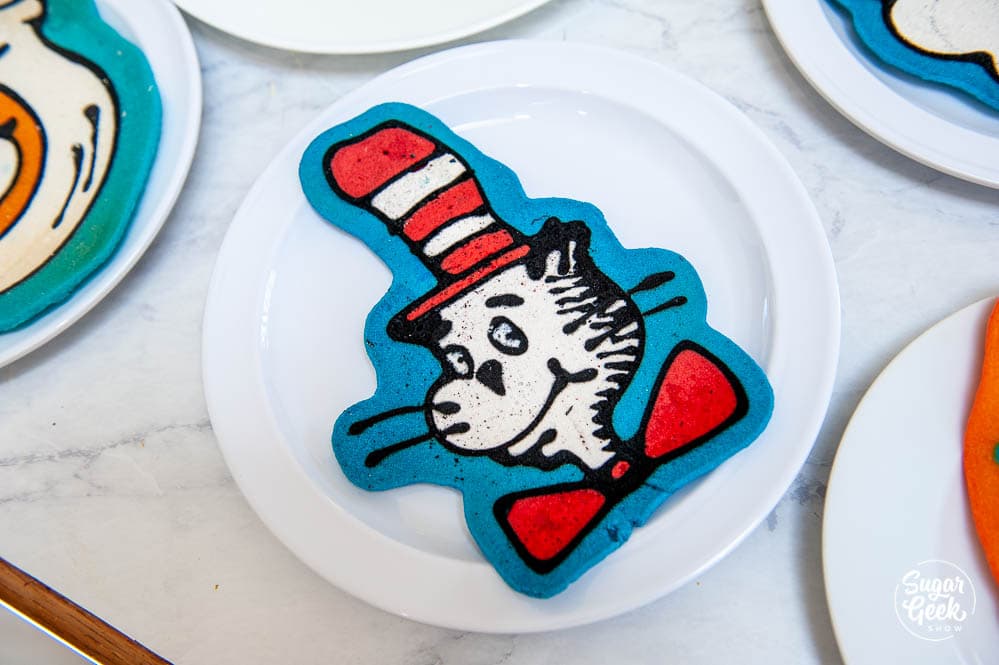
I was inspired to make these Dr. Seuss themed pancakes for Ezra's 10-month photoshoot! Only two more months of this madness AND we are about to move into a new house (yay!) with a new studio so this might be the last Ezra photo in this house *sniffle* kinda bittersweet. I am excited to be moving into a bigger space for our growing family and business!

baby boy on red blanket with pancake art and dr seuss books surrounding him

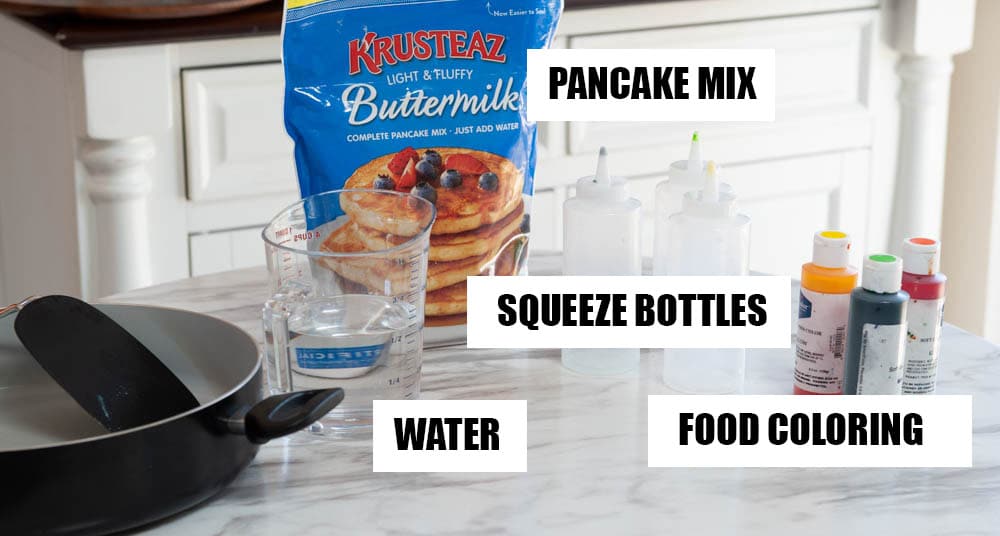
Pancake Art Ingredients

As I said, the ingredients to make pancake art are super simple. Your favorite pancake mix, water, and some food coloring. I am using gel food coloring from Americolor which is more vibrant and concentrated than traditional liquid food coloring from the grocery store. You can get gel food coloring from craft stores, cake decorating stores or online. 

pancake art ingredients

Pancake Art Equipment

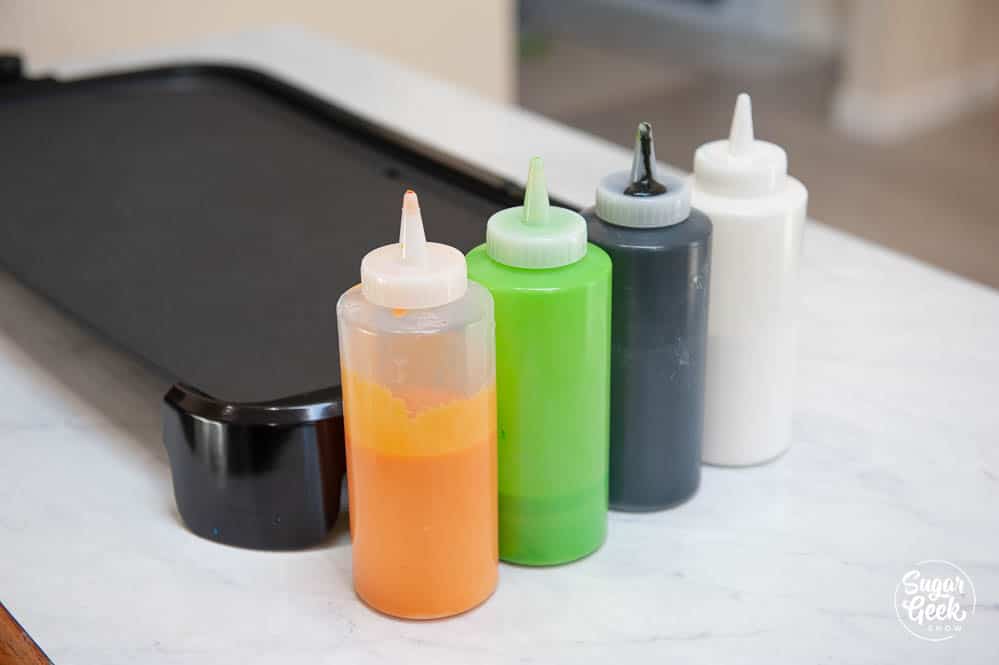
The most important thing to have equipment-wise is some squeeze bottles. I got mine at Michaels for $2 each. If you don't have squeeze bottles you can use a piping bag with a piping tip or even just a cut hole. Don't cut the hole too big or it will be hard to control the flow of the pancake batter. 

I'm also using a pancake griddle because I wanted to make some really big pancakes but you can use any non-stick pan you have.

different colored pancake batter in squeeze bottles in front of a griddle

Pancake Art Step By Step

Step 1 - How to make the pancake batter the right consistency

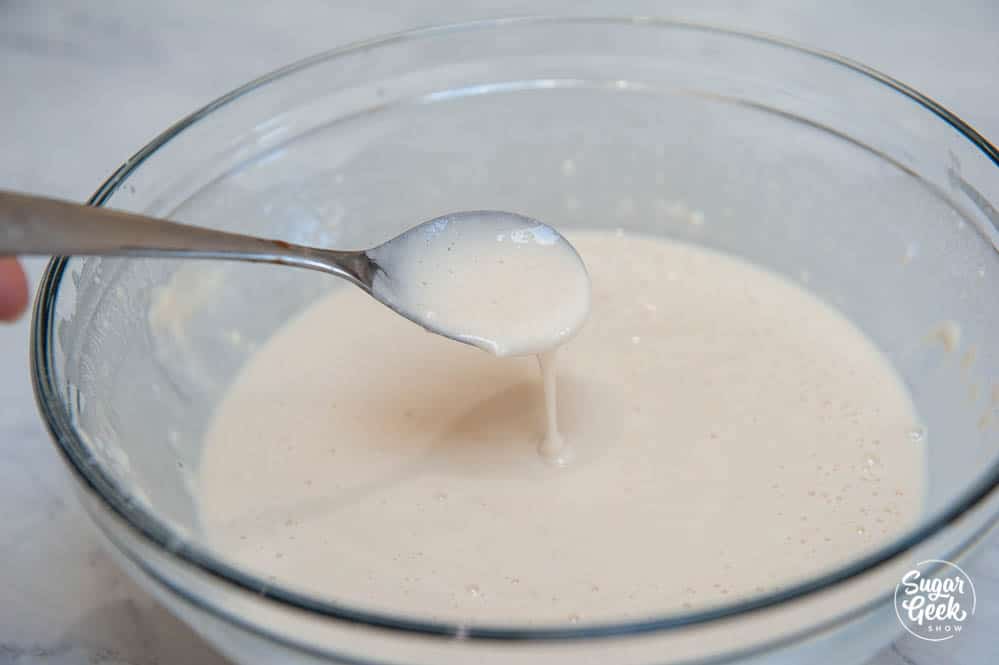
Making your pancake batter is really easy. I just measured out about three cups of pancake batter and added roughly 2 ½ - 3 cups of water to the mix (Yes I used cups instead of a scale for once haha). You want the consistency to be like runny ketchup. Mix the batter with a hand-held blender or whisk until no lumps remain. Lumps will clog the squeeze bottle. 

pancake batter consistency for pancake art

Step 2 - Pancake batter color

The colors you want to use for your pancake batter are up to you. I am going with a Dr. Seuss theme for my pancakes so I used the books as inspiration for my colors. These are the colors I used. 

  • Black - ½ cup pancake batter + ½ teaspoon black food gel coloring
  • White - ½ cup pancake batter + ½ teaspoon white gel food coloring
  • Red - ¼ cup pancake batter + 2 drops electric pink food coloring and 3 drops red food coloring
  • Orange - ¼ cup pancake batter + 2 drops electric yellow food coloring and 2 drops orange food coloring
  • Lime green - ¼ cup pancake batter + 2  drops electric yellow food coloring and 2 drops mint green food coloring
  • Blue - ¼ cup pancake batter + 3 drops electric blue food coloring

Pro-tip - don't be tempted to add too much food coloring or your batter could end up tasting bitter

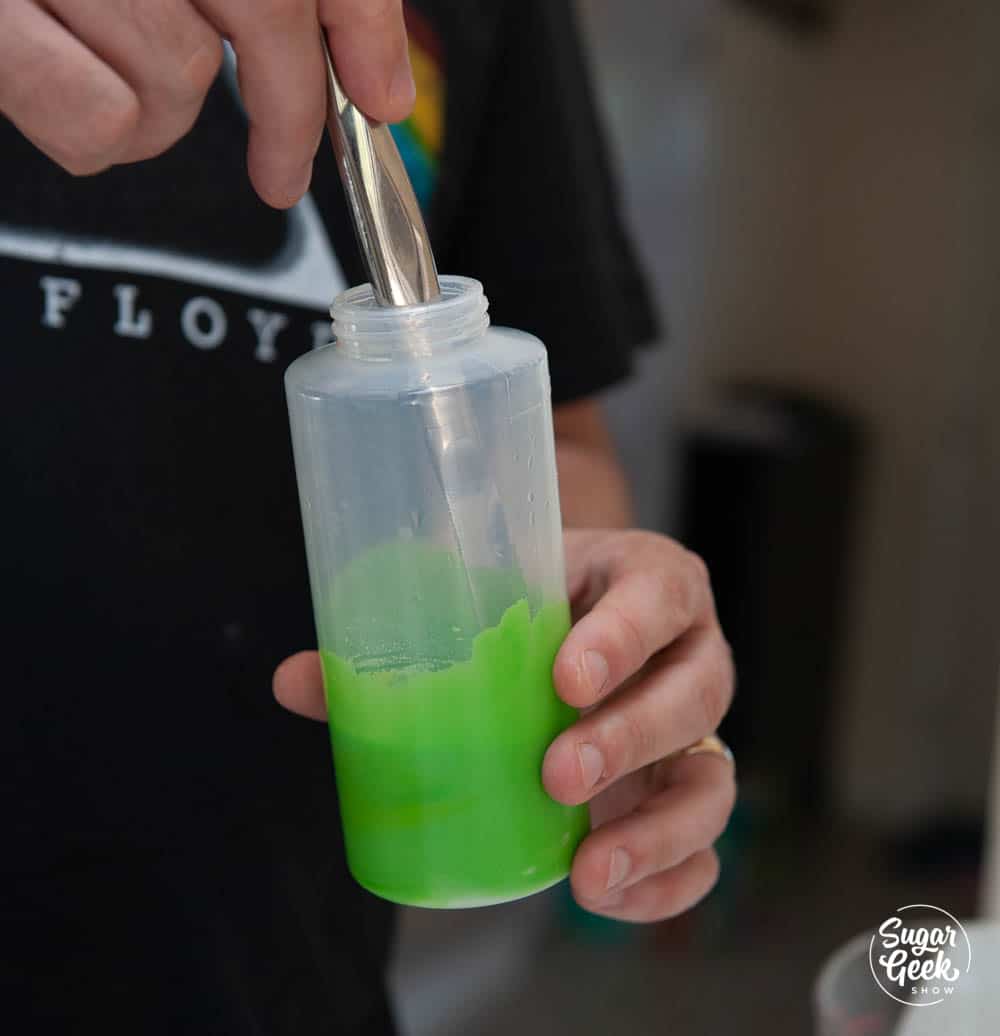
To mix your colors, just add the pancake batter to your squeeze bottle, then add in the food coloring and mix with a knife or a chopstick until you don't see any swirls of uncolored batter. 

coloring pancake batter green

Step 3 - Heating your griddle or pan

Turn your griddle onto the lowest setting. This was 200ºF on mine. If you're using a pan then just set the temperature to low and let it heat up for 5 minutes. 

Step 4 - Drawing the outline

Begin drawing your design. I just used my book as a reference. If you're not artistic then try to keep to simple shapes before you move onto complicated things. Don't squeeze the bottle too hard because the batter is so thin, it comes out really easily. Have fun with it!

drawing the black outline for pancake art

Step 5 - Color in the lines

You might notice the black lines are starting to cook and dry out, that's ok! Go ahead and add in your other colors according to your reference photo. Remember the colors you put down first will be visible when you flip the pancake over. If you are writing words, remember you will have to write them backward to be readable after you flip!

filling in the black lines with colored pancake batter

Step 6 - Patience

Turn your heat up to 250ºF on your griddle or to medium-low on your stovetop. You will start to see bubbles starting to form on the surface of your pancake and it will start to look dull around the edges. Do not flip your pancake until you don't see any shiny areas and the entire surface looks dull. You should be able to slip your spatula under the pancake and it easily moves around on the surface of the pan. 

cooking pancake art on a griddle

Pro-tip - Don't be tempted to turn up the heat! You could burn or discolor your pancake. Low and slow is best. Mine take about 3-4 minutes to cook. 

Step 7 - Flip

Once your pancake is ready to flip, slip that spatula under the pancake, count to three, and flip! Make sure the whole family has gathered around for the big reveal because that is the best part when your artwork is finally revealed!

pancake art

Step 8 - Enjoy!

These may be art but they are still delicious pancakes and taste delicious with lots of butter and syrup! Yum!

half eaten pancake art

Check out these recipes!

Brown Butter Buttermilk Pancakes
Sourdough Discard Pancakes 
Patterned Roll Cake
Pancake Cake Tutorial 

Recipe

Print Recipe
4.88 from 8 votes

Pancake Art Recipe and Tutorial

How to make your own pancake art using pancake mix, food coloring and squeeze bottles! How to get the right consistency, coloring and nail that flip!
Prep Time5 minutes mins
Cook Time5 minutes mins
Total Time10 minutes mins
Course: Breakfast
Cuisine: American
Servings: 3 cups
Calories: 283kcal
Author: Liz Marek

Equipment

  • Griddle or non-stick pan
  • One squeeze bottle per color or piping bag
  • Butter knife or chopstick for stirring

Ingredients

  • 3 cups pancake batter mix any brand
  • 2 ½ cups water Add more or less to make the runny ketchup consistency

Instructions

  • Add your water to your pancake mix and mix with a handheld mixer to remove the lumps. Add more water if needed until you reach the runny ketchup consistency
  • Add your pancake batter to your squeeze bottles using a measuring cup
  • Add food coloring (see blog posts for exact colors and amounts) and stir with a knife until no streaks of batter remain
  • Heat your griddle to 200ºF (lowest setting) for 10 minutes or set your non-stick pan onto your stovetop and set the temperature to low
  • Draw the outline of your design using a reference photo with the black squeeze bottle
  • Fill in the outline with the colors of your choice
  • Add an outline of color around the pancake if desired (see video)
  • Turn the temperature up to 250ºF and continue cooking until the surface of the pancake looks dry and you can slide a spatula under the pancake without it sticking
  • Flip your pancake over and cook for one more minute then serve!

Video

Nutrition

Serving: 1cups | Calories: 283kcal | Carbohydrates: 38g | Protein: 10g | Fat: 10g | Saturated Fat: 3g | Cholesterol: 92mg | Sodium: 666mg | Potassium: 259mg | Fiber: 2g | Vitamin A: 325IU | Vitamin C: 1mg | Calcium: 285mg | Iron: 2mg


Sculpted cake that looks like realistic beer mug and steak

July 15, 2020 Course Preview

Realistic Beer and Steak Cake Tutorial

Skill level: Intermediate

Guest instructor Shannon Patrick Mayes of The Sweet Spot is back for a backyard BBQ manly cake that's sure to impress. In this tutorial, you will learn how to create a realistic beer mug cake, a sculpted steak that looks just like the real thing and tons of lifelike details and tricks to add realism to your cake projects.

1:26:22 Minutes of Instruction

What You Will Learn

  • How to make a realistic beer mug and steak out of cake
  • Learn to create details like the butter pat, T-Bone and Beer mug handle out of edible materials
  • Shannon's tips and tricks to save time and make your work stand out

Tutorial Chapters

  1. The stone slab 0:49
  2. Carving the steak 4:11
  3. Covering in buttercream 6:31
  4. Covering in fondant 8:22
  5. Creating the texture 10:56
  6. Coloring the steak 22:41
  7. Finishing the steak 31:08
  8. Painting the beer cake 35:13
  9. The isomalt base 41:24
  10. The isomalt handle 42:59
  11. The beer gummy 1:03:05
  12. Making foam and butter 1:13:38
  13. Making Parsley 1:17:43
  14. Adding label and handle 1:21:28

Downloads

Materials List

Steak Reference Cutout Template

Beer Mug Handle Template

Beer Label Template

Sculpted cake that looks like realistic beer mug and steak

July 15, 2020 Paid Video

Realistic Beer and Steak Cake

Skill level: Intermediate

Guest instructor Shannon Patrick Mayes of The Sweet Spot is back for a backyard BBQ manly cake that's sure to impress. In this tutorial, you will learn how to create a realistic beer mug cake, a sculpted steak that looks just like the real thing and tons of lifelike details and tricks to add realism to your cake projects.

1:26:22 Minutes of Instruction

What You Will Learn

  • How to make a realistic beer mug and steak out of cake
  • Learn to create details like the butter pat, T-Bone and Beer mug handle out of edible materials
  • Shannon's tips and tricks to save time and make your work stand out

Tutorial Chapters

  1. The stone slab 0:49
  2. Carving the steak 4:11
  3. Covering in buttercream 6:31
  4. Covering in fondant 8:22
  5. Creating the texture 10:56
  6. Coloring the steak 22:41
  7. Finishing the steak 31:08
  8. Painting the beer cake 35:13
  9. The isomalt base 41:24
  10. The isomalt handle 42:59
  11. The beer gummy 1:03:05
  12. Making foam and butter 1:13:38
  13. Making Parsley 1:17:43
  14. Adding label and handle 1:21:28

Downloads

Materials List

Steak Reference Cutout Template

Beer Mug Handle Template

Beer Label Template

Piping easy buttercream rosettes onto a cake using a 1M star piping tip

July 5, 2020 Frosting and Icing

Easy Buttercream Frosting

Easy buttercream is one of the most useful frosting recipes every cake decorator should know. This frosting is smooth, creamy, stable enough for piping, and not nearly as sweet as traditional American buttercream. If you've struggled with overly sugary frosting in the past, this easy buttercream recipe gives you a much more balanced flavor while still being incredibly simple to make.

The secret to this easy buttercream is using pasteurized egg whites and powdered sugar as the base, then whipping in butter to create a silky frosting that has a texture very similar to Swiss meringue buttercream but without heating the egg whites. It pipes beautifully, spreads easily, and works perfectly for cakes, vanilla cupcakes, and even under fondant covered cakes.

Quick Glance: Easy Buttercream

  • Recipe Name: Easy Buttercream
  • Why You'll Love It: Smooth, creamy, not too sweet, and easy to make with no heating required
  • Time and Difficulty: 10 minutes • Beginner
  • Main Ingredients: Pasteurized egg whites, powdered sugar, unsalted butter, vanilla extract, salt
  • Method: Whip pasteurized egg whites with powdered sugar, then add softened butter and whip until light and fluffy
  • Texture and Flavor: Silky, creamy, stable buttercream with a light texture similar to Swiss meringue buttercream, but easier!
  • Quick Tip: If your buttercream looks curdled after adding the butter, keep mixing. It will come together.
ChatGPT
Google AI
Perplexity
Grok
Add us as a trusted site on Google
[feast_advanced_jump_to]

Why This is My Go-To Recipe

When I first started decorating cakes professionally, I used the traditional super-sweet American buttercream that most beginner decorators learn first. It was easy to make, but I always felt like it tasted way too sugary and heavy on my cakes. Plus, it was really hard to get smooth!

I came across this buttercream recipe from Lauren Kitchens, and it revolutionized how I make buttercream. I realized there was a way to get the smooth, silky texture of Swiss meringue buttercream without having to cook egg whites or deal with a complicated meringue process. Start with pasteurized egg whites, which are already (pre-cooked), add in the sugar, butter, salt, and vanilla, and boom! Done!

I tweaked the original recipe because I thought it was too buttery, but that's where this easy buttercream recipe came from. It's become my go-to frosting for cakes because it's simple, pipes buttercream flowers, cupcake flower bouquets, rosettes, and vintage piping beautifully.

Easy Buttercream Ingredients

This easy buttercream frosting uses just a few ingredients, but each one plays an important role in creating the smooth, creamy texture. Always make sure your cold ingredients, like the egg whites and butter, are at room temperature.

easy buttercream ingredients

Pasteurized Egg Whites create the base for this easy buttercream. When whipped together with powdered sugar, they form a light and stable mixture that helps give the buttercream its silky texture. You can find pasteurized egg whites in the refrigerated section with the eggs.

Powdered Sugar is used in this recipe for sweetness and structure. Make sure you are using powdered sugar from cane sugar, not from beets. Beet sugar can sometimes end up tasting gritty.

Unsalted Butter is needed for this recipe. If you only have salted butter, you can still use that, but I would use half butter and half vegetable shortening so your buttercream doesn't end up being too salty. You can also replace the butter with any type of vegan butter that you like.

Vanilla Extract adds classic buttercream flavor and rounds out the sweetness of the powdered sugar. You can pretty much use any kind of extract flavor you like instead of vanilla. Just keep in mind some extracts like almond or peppermint are stronger than vanilla, so decrease or increase amounts as needed. My favorite vanilla is Nielsen Massey.

Salt balances the sweetness and enhances the overall flavor without making the frosting taste salty.

How to Make Easy Buttercream Step-By-Step

whipped egg whites and sugar
  1. Combine pasteurized egg whites and powdered sugar in the bowl of a stand mixer fitted with the whisk attachment. Whip the mixture on medium speed until it becomes thick and glossy.

    This creates the base for the easy buttercream.
stand mixer whisking easy buttercream
  1. Begin adding softened butter one piece at a time while mixing on medium speed.

    At first, the mixture may look curdled or separated. This is completely normal.
easy buttercream in a stand mixer with whisk attachment
  1. Mix in the vanilla extract and salt. Then whip on high until light, fluffy, and no longer tastes like butter.
bowl of easy buttercream in stand mixer with a paddle attachment
  1. Optional: Switch to the paddle attachment. Mix the easy buttercream on low for several minutes to remove air bubbles and achieve the smoothest possible texture.

Cake Batter and Frosting Calculator

Select an option below to calculate how much batter or frosting you need. Adjust the servings slider on the recipe card to change the amounts the recipe makes.

Choose a pan type

Choose a cake pan size
(based on 2" tall cake pan)

Choose a cake pan size
(based on 2" tall cake pan)

Choose a cake pan size
(based on 2" tall cake pan)

Cupcake Tin Size

Choose number of pans

Cups of Batter Needed

8 cups

Cups of Frosting Needed

5 cups

Note: measurements are estimated based off the vanilla cake recipe using standard US cake pans and sizes. Measurements used are for 2" tall cake pans only. Your results may vary. Do not overfill cake pans above manufacturer's recommended guidelines.

BONUS TIP:
If your buttercream looks curdled and is sticking to the sides of the bowl after adding the butter and whipping, don't panic. Remove 1 cup of the frosting and heat it in the microwave until just melted but not hot. Mix it back into the frosting. The extra warmth helps the buttercream become smooth.

Common Problems & How To Fix Them

Buttercream looks curdled: This usually happens right after adding the butter. Keep mixing, and the frosting will smooth out. If it's taking a long time, the butter or the egg whites could have been too cold. Remove 1 cup of the buttercream, melt it, and mix it back in.

Buttercream is too soft: Chill the buttercream for 10-15 minutes in the fridge. Mix before using to make it smooth.

Buttercream is too stiff: Remove 1 cup of the buttercream, melt it, and mix it back in, or you can use a heat gun or blow torch on the metal mixing bowl while mixing on low to warm the buttercream up slightly.

easy buttercream frosting piped into swirls on a pink cake with sprinkles on top

How Stable is Easy Buttercream Frosting?

Easy buttercream frosting will not crust, but is stable enough to pipe buttercream decorations and will last at room temperature for 2 days.

It is ok at temperatures up to 85ºF  but will melt in direct sunlight in about 20 minutes, so keep it in the shade! You can replace half the butter with shortening to make it more stable in high temperatures.

Easy buttercream is not as stable as American or Italian buttercream, but it is more stable than cream cheese frosting or whipped cream.

You can also make a white chocolate buttercream frosting by adding melted white chocolate to the buttercream frosting. This makes a SUPER stable buttercream frosting that is a combination of buttercream and white chocolate ganache.

Final Thoughts

Easy buttercream is one of the best frosting recipes to learn if you decorate cakes regularly. It has a silky texture similar to Swiss meringue buttercream but skips the complicated steps, making it perfect for beginner cake decorators.

Once you master this easy buttercream recipe, you'll have a reliable frosting that works for cakes, cupcakes, and piping decorations.

  • closeup of vanilla cake with vanilla buttercream slice on a white plate
    Vanilla Cake Recipe
  • close up of ganache drizzling into a bowl
    The Best Chocolate Ganache Recipe
  • Vanilla cupcakes on a white stands decorated with white buttercream and pink sprinkles.
    Moist Vanilla Cupcake Recipe
  • Easy chocolate cake recipe slice on a white plate with cake in the background.
    Easy Chocolate Cake Recipe

Easy Buttercream FAQs

What is easy buttercream?


Easy buttercream is a frosting made from pasteurized egg whites, powdered sugar, butter, vanilla, and salt that creates a smooth buttercream similar to Swiss meringue buttercream but without cooking the egg whites.

Is easy buttercream less sweet than other types of buttercream?

Yes. Easy buttercream tastes less sweet than traditional American buttercream because the egg whites and butter balance the powdered sugar.

Can easy buttercream be used for piping?

Yes. Easy buttercream is excellent for piping decorations like rosettes, borders, and flowers.

Are pasteurized egg whites safe to eat?

Yes! Pasteurized egg whites are heat-treated (like milk), so they are safe to eat. They usually come in a box carton in the egg aisle. If you don't have pasteurized egg whites, then you can use my SMBC recipe instead. Note: undercooked egg whites are not recommended for pregnant women, just to be on the safe side.

Can I make this easy buttercream with less sugar?

This recipe is not very sweet, especially if you're used to American buttercream. You can add more powdered sugar if you want it to be sweeter, but you cannot reduce the sugar, or the buttercream will be too soft.

Why is my easy buttercream splitting?

The buttercream splits because it's too cold. Take out 1 cup of the buttercream and melt it in the microwave until it's just melted, and then whip it back in. That little bit of warm butter helps it all come together again.

Why is my easy buttercream frosting so soft?

Buttercream is soft or firm depending on how warm it is. If it's too soft, it could be that your butter was too soft when you added it in, or the mixer warmed it up. Put the buttercream in the fridge for 20 minutes, then whip it again, and it should firm back up.

Is this buttercream good under fondant?

Yes. Easy buttercream is stable enough to use under fondant when properly chilled.

Watch: How To Decorate A Cake Step-by-Step

Before you start decorating, watch the video below where I show you every step of decorating a cake from start to finish. Seeing the process in action makes it much easier to follow along

- Liz Marek.

Start Learning Now
smiling woman holding a decorated cake in her hands

Recipe

close up of easy buttercream rosettes
Print Recipe
4.91 from 609 votes

Easy Buttercream Frosting

Delicious, rich and easy buttercream frosting recipe that anyone can make. This is not a crusting buttercream. It is meringue based so it has a slight shine and chills nicely in the fridge. Takes 10 minutes to make and is fool-proof! Light, fluffy and not too sweet. 
Prep Time5 minutes mins
mixing time20 minutes mins
Total Time10 minutes mins
Course: Dessert
Cuisine: American
Servings: 6 cups
Calories: 849kcal
Author: Liz Marek

Ingredients

  • 6 oz pasteurized egg whites room temperature
  • 24 oz powdered sugar sifted if not from a bag
  • 24 oz unsalted butter room temperature. You can use salted butter but it will affect the taste and you need to leave out additional salt
  • 2 teaspoon vanilla extract
  • ½ teaspoon salt
  • 1 TINY drop purple food coloring (optional) for whiter frosting
US Customary - Metric

Instructions

  • Place egg whites and powdered sugar in a stand mixer bowl. Attach the whisk and combine ingredients on low and then whip on high for 1 minute to dissolve the powdered sugar 
  • Add in your salt and vanilla extract
  • Add in your butter in chunks and whip with the whisk attachment to combine. It will look curdled at first. This is normal. It will also look pretty yellow. Keep whipping. 
  • If your buttercream looks curdled, remove about ⅓ cup of buttercream and melt it in the microwave for 10-15 seconds until JUST barely melted. Pour it back into the whipping buttercream to bring it all together.
  • (Optional) Add your drop of purple food coloring. Whip on high with the whisk attachment for 8-10 minutes until it's very white, light and shiny. Taste the buttercream, if it tastes like sweet ice cream then it's ready!
  • Switch to a paddle attachment and mix on low for 15-20 minutes to make the buttercream very smooth and remove air bubbles. This isn't required but if you want really creamy frosting, you don't want to skip it. 

Video

Notes

• Use pasteurized egg whites. Carton egg whites work best for this easy buttercream recipe because they are already pasteurized and safe to use without cooking.
• Butter temperature matters. The butter should be soft enough to press with your finger but not melted. If the butter is too cold, the buttercream may look curdled while mixing.
• If the buttercream looks curdled, keep mixing. This is normal while the butter emulsifies with the egg whites and powdered sugar. After a few minutes of mixing it will become smooth and fluffy.
• Too soft? Chill it. If your easy buttercream feels too soft for piping, refrigerate it for 10–15 minutes and mix again before using.
• Too stiff? Add a small splash of cream. If the frosting becomes too thick, mix in a teaspoon of cream or milk until the texture softens.
• Great for piping and fondant cakes. This easy buttercream is stable enough for decorating cakes, piping rosettes, and covering cakes before applying fondant.
• Storage: Buttercream can be stored in the refrigerator for up to one week. Bring it back to room temperature and re-whip before using.
• Freezing: This buttercream freezes well for up to three months. Thaw in the refrigerator overnight and whip again before using.

Nutrition

Serving: 2oz | Calories: 849kcal | Carbohydrates: 75g | Protein: 2g | Fat: 61g | Saturated Fat: 38g | Cholesterol: 162mg | Sodium: 240mg | Potassium: 18mg | Sugar: 74g | Vitamin A: 2055IU | Calcium: 18mg | Iron: 0.4mg

closeup of pasteurized egg

July 5, 2020 Blog

How To Pasteurize Eggs

Sometimes a recipe calls for uncooked egg whites like my easy buttercream or royal icing. You may want to pasteurize (heat treat) your uncooked eggs before using them to reduce the chances of food-borne illness.

closeup of pasteurized eggs in a carton

WHAT ARE PASTEURIZED EGG WHITES?

Pasteurizing is the process of gentle heating to kill food born illnesses and make a product safe to drink or eat. Many things are pasteurized, such as orange juice, milk, and wine. Pasteurized egg whites are safe for anyone to eat. 

You can purchase pasteurized egg whites in most grocery stores. Pasteurized egg whites come in a carton, usually in the same area where you would buy regular eggs. The word "pasteurized" is one the box but sometimes can be very small and hard to locate. Don't worry, if the egg whites are in a box then it can be safely assumed they are already pasteurized. 

Buying eggs that are pasteurized (in the US) is more expensive than purchasing regular eggs so it can be more cost-effective and convenient to pasteurize your own eggs at home. 

pasteurized egg whites on wooden table wit blurry kitchen in background

HOW TO PASTEURIZE EGGS

If you can't find pasteurized egg whites then you can pasteurize them yourself! Chefs pasteurize their own eggs all the time in restaurants. To pasteurize an egg, the yolk must reach an internal temperature of 138ºF. Don't worry, an egg will scramble at a mich higher temperature so you're not going to cook your eggs as long as you watch the temperature carefully. 

The pasteurized eggs will still have the consistency of raw eggs and can be stored in the refrigerator after pasteurization. They can be used just like any egg so if you need just the whites, you can separate the egg yolks from the whites and have pasteurized egg whites. 

STEP 1 - Place the eggs you want to pasteurize into a medium-sized saucepan in an even layer. Cover with water so that there is 1" of water above the eggs. Then remove your eggs. You don't want them in there until your water is at the right temp.

STEP 2 - Heat the water to 140ºF using a thermometer to monitor the temperature. Any warmer than 142ºF and you're going to cook your eggs. 

Pro-tip - If you have a Sous Vide, this process is incredibly easy because the sous vide will keep the water at the exact temperature you need. To pasteurize eggs using a Sous Vide, set the temperature to 135ºF and allow them to pasteurize for 75 minutes. This lower temperature keeps the protein of the egg white more intact and the longer pasteurization time further reduces the risk of pathogens. 

STEP 3 - Place your (room temperature) eggs in the water. Heat the eggs for 3 ½ minutes. Make sure the temperature of the water never goes above 142ºF or you will cook your eggs. 

NOTE: These times and temperatures are based on the recommendations of International Egg Pasteurization Manual. 

closeup of pasteurized egg on a spoon with eggs in water in the background

STEP 4 - Transfer your pasteurized eggs into a bowl of cold water to stop the heating process. Then store them in the fridge to use later! That's it!

rinsing pasteurized eggs in cold water

If you are pasteurizing extra-large eggs from your own chickens then heat them for 5 minutes instead of 3. 

NOTE: It is recommended that pregnant women do not eat under-cooked eggs. You can read more about egg safety here. 

The risk of getting salmonella from a raw egg is about 1 in 20,000. 

This is not a 100% guaranteed way of removing all risks of pathogens, but if done properly it does reduce the risks greatly.

Related Recipes

Easy Buttercream Frosting

Recipe

closeup of pasteurized egg
Print Recipe
5 from 39 votes

How To Pasteurize Eggs

How to pasteurize your own eggs at home to reduce the risk of food-borne pathogens. Pasteurizing eggs is super easy and only takes 3 minutes! Pasteurized eggs can be used just like regular eggs.
Prep Time5 minutes mins
Cook Time3 minutes mins
cooling5 minutes mins
Total Time13 minutes mins
Course: Side Dish
Cuisine: American
Servings: 6 eggs
Calories: 72kcal
Author: Liz Marek

Equipment

  • Medium Size Saucepan
  • Kitchen Thermometer (or sous vide)

Ingredients

  • 6 large eggs room temperature
  • 6 cups water or enough to cover the eggs in the pot
US Customary - Metric

Instructions

  • Place your eggs into the saucepan (you can use as many as you want as long as they are in one layer and not stacked up)
  • Add enough water to cover your eggs by 1". REMOVE YOUR EGGS BEFORE HEATING THE WATER.
  • Place your thermometer into the water and begin heating the water to 140ºF. Adjust the heat as necessary to ensure the water does not get hotter than 142ºF.
  • Add your eggs back to the water and continue watching the temperature to make sure the heat is not rising or falling.
  • After three minutes, remove the eggs from the water with a spoon and transfer them to a bowl of cold water. Let them cool for 5 minutes.
  • Dry your eggs and use them right away or store them in the fridge like you would any other egg.

Notes

If you have a Sous Vide, this process is incredibly easy because the sous vide will keep the water at the exact temperature you need. To pasteurize eggs using a Sous Vide, set the temperature to 135ºF and allow them to pasteurize for 75 minutes. This lower temperature keeps the protein of the egg white more intact and the longer pasteurization time further reduces the risk of pathogens. 
The risk of getting salmonella from a raw egg is about 1 in 20,000. 
This is not a 100% guaranteed way of removing all risks of pathogens, but if done properly it does reduce the risks greatly.

Nutrition

Serving: 1egg | Calories: 72kcal | Carbohydrates: 1g | Protein: 6g | Fat: 5g | Saturated Fat: 2g | Cholesterol: 186mg | Sodium: 83mg | Potassium: 69mg | Sugar: 1g | Vitamin A: 270IU | Calcium: 35mg | Iron: 1mg

Cake with Mermaid cake topper and clear ocean coral reef gelatin

July 1, 2020 Course Preview

Gelatin Cake with Mermaid Topper

Skill level: Intermediate

Look at this cake, isn't it neat? Today, we're learning how to create a mermaid-themed gelatin cake, with a cake in the center and beautiful edible coral elements.

You will also learn how to sculpt a mermaid figure using Saracino pasta model, an amazing medium which is similar to modeling chocolate, but doesn't melt in your hands quite like modeling chocolate does.

We cover all the tips and tricks needed to create realistic coral edible elements without having them melt in the gelatin, and how to properly seal the cake island so that the gelatin doesn't soak into it.

We've got a lot to cover today, so let's get our tools together and let's get started!

1:28:11 Minutes of Instruction

What You Will Learn

  • How to create an under the sea coral reef gelatin cake
  • Learn how to make a whimsical mermaid cake topper
  • How to create realistic edible foam

Tutorial Chapters

  1. The mermaid body 0:38
  2. The mermaid head 10:24
  3. The mermaid eyes 19:42
  4. Island decorations 24:14
  5. Coloring the shells 27:30
  6. Making the cake 38:08
  7. Decorating the island 43:04
  8. Painting makeup 45:36
  9. Adding the head 48:29
  10. Making the tail 49:17
  11. Making the arms 58:14
  12. Making the hair and details 1:01:44
  13. Making the ring 1:08:57
  14. Making the gelatin 1:14:32
  15. Pouring the gelatin 1:17:31
  16. Making the foam 1:21:56
  17. Taking off the mold 1:25:17

Downloads

Materials List

Cake with Mermaid cake topper and clear ocean coral reef gelatin

July 1, 2020 Paid Video

Gelatin Cake with Mermaid Topper

Skill level: Intermediate

Look at this cake, isn't it neat? Today, we're learning how to create a mermaid-themed gelatin cake, with a cake in the center and beautiful edible coral elements.

You will also learn how to sculpt a mermaid figure using Saracino pasta model, an amazing medium which is similar to modeling chocolate, but doesn't melt in your hands quite like modeling chocolate does.

We cover all the tips and tricks needed to create realistic coral edible elements without having them melt in the gelatin, and how to properly seal the cake island so that the gelatin doesn't soak into it.

We've got a lot to cover today, so let's get our tools together and let's get started!

1:28:11 Minutes of Instruction

What You Will Learn

  • How to create an under the sea coral reef gelatin cake
  • Learn how to make a whimsical mermaid cake topper
  • How to create realistic edible foam

Tutorial Chapters

  1. The mermaid body 0:38
  2. The mermaid head 10:24
  3. The mermaid eyes 19:42
  4. Island decorations 24:14
  5. Coloring the shells 27:30
  6. Making the cake 38:08
  7. Decorating the island 43:04
  8. Painting makeup 45:36
  9. Adding the head 48:29
  10. Making the tail 49:17
  11. Making the arms 58:14
  12. Making the hair and details 1:01:44
  13. Making the ring 1:08:57
  14. Making the gelatin 1:14:32
  15. Pouring the gelatin 1:17:31
  16. Making the foam 1:21:56
  17. Taking off the mold 1:25:17

Downloads

Materials List

stabilized whipped cream

June 23, 2020 Frosting and Icing

Stabilized Whipped Cream

Stabilized whipped cream can be piped or frosted onto cakes, and it won't lose its shape or melt. Best part? It only takes 5 minutes to make! Yep!

whipped cream piped between two round pieces of chocolate cake on a white plate

You can make your own amazing whipped cream, right at home, and it tastes wayyyyy better than that stuff that comes in a tub. Trust me. 

What's In This Blog Post

  • Ingredients For Stabilized Whipped Cream Using Gelatin
  • Step-By-Step Instructions
  • How to stabilize whipped cream with instant pudding mix
  • How to stabilize whipped cream using corn starch
  • Stabilized whipped cream using cream of tartar
  • How to stabilize whipped cream with powdered milk
  • FAQ
  • Looking for more recipes? Check these out!

Ingredients For Stabilized Whipped Cream Using Gelatin

This is my favorite way to make stabilized whipped cream. The gelatin sets the whipped cream so that it holds its shape, even in hot weather (as long as you keep it in the shade and for no more than 2 hours). Follow my easy step-by-step instructions below.

Step-By-Step Instructions

  1. Begin by sprinkling your gelatin over the water and let it sit for 5 minutes to bloom. This is important so that the gelatin has a chance to fully absorb the water. If you don't wait, you can get grainy lumps in your whipped cream. powdered gelatin and water in a small clear bowl
  2. Once the gelatin is bloomed, heat in the microwave for 5 seconds. It melts very quickly! If it's not fully melted, go another three seconds until it's melted. Don't overheat! You can tell the gelatin is melted when it's clear and you don't see any grains of gelatin anymore. melted gelatin in a clear bowl
  3. Add the 1 teaspoon of heavy cream to the melted gelatin and stir. This cools down the gelatin and helps it mix into the whipped cream better. If your gelatin starts to get solid then just reheat it for 5 seconds to make it liquid again. melted gelatin with cream
  4. Begin whipping your cream with the whisk attachment on medium speed.
  5. After it starts to get foamy,  you can add in the powdered sugar and vanilla extract.
  6. Whip until you start to see lines developing in the whipped cream, but the peaks are still very soft. whipping cream in stand mixer
  7. While mixing on low, start drizzling in your melted gelatin mixture. Keep mixing until your peaks are firm enough to hold their shape, but do not over-mix or your whipped cream will start to curdle and turn into butter instead of whipped cream. This can happen VERY quickly after you add the gelatin, so just watch the whipped cream and don't go checking your emails. close up of stabilized whipped cream
  8. This stabilized whipped cream will hold up at room temperature (up to 90ºF), although I don't recommend leaving it out for more than two hours because of the dairy. 

    It will be ok in the fridge for up to three days! Cool huh? We used to use this recipe in pastry school on top of all our tarts so we could make them ahead of time and they would still be fresh the next day for service in the restaurant. 
stabilized whipped creams

Here are some other ways to stabilize whipped cream!

How to stabilize whipped cream with instant pudding mix

This is the other way I generally stabilize whipped cream if I don't want to use gelatin. The only thing I don't like is that it's not quite as smooth as using gelatin. 

  1. 1 cup heavy whipping cream
  2. 1 tablespoon powdered sugar
  3. 1 teaspoon vanilla extract
  4. 1 tablespoon instant vanilla pudding mix

Begin whipping your cream until you reach soft peaks. Then add in your vanilla pudding, sugar and vanilla extract. Continue whipping your cream until you have firm peaks but they are not crumbly.

I love the taste of this stabilized whipped cream. The vanilla pudding mix adds a nice flavor! Fold 1 cup of this stabilized whipped cream into the pastry cream and you have an excellent diplomat filling that's perfect for my cream tart recipe. 

How to stabilize whipped cream using corn starch

You can use cornstarch to help thicken and stabilize your whipped cream. This is a very common and easy way of thickening and stabilizing your whipped cream to keep it from turning into a melty mess.

  1. 1 cup heavy whipping cream
  2. 1 tablespoon powdered sugar
  3. 1 teaspoon cornstarch
  4. 1 teaspoon vanilla extract

The cornstarch can leave a slightly gritty texture to the whipped cream though.

how to stabilize whipped cream

Stabilized whipped cream using cream of tartar

Cream of tartar can be used to stabilize whipped cream according to fine cooking  all though I've never tried it. I'm definitely interested to see if this works. 

  1. 1 cup heavy whipping cream
  2. 1 tablespoon powdered sugar
  3. ¼ teaspoon cream of tartar
  4. 1 teaspoon vanilla extract

Combine the sugar and cream of tarter. Whip your cream to soft peaks and add in your sugar/cream of tartar and vanilla. Continue whisking to firm peaks. 

how to make stabilized whipped cream

How to stabilize whipped cream with powdered milk

This is another cool way to stabilize whipped cream in a super duper easy way. If you have powdered milk around, you can use it as a stabilizer. The powdered milk adds just enough body to the cream to keep it from losing its shape. 

  1. 1 cup heavy whipping cream
  2. 2 teaspoon powdered milk
  3. 1 tablespoon powdered sugar
  4. 1 teaspoon vanilla extract
close up of stabilized whipped cream in a clear bowl

FAQ

Can you frost a cake with whipped cream?

The short answer is yes! You can frost a cake with stabilized whipped cream but you cannot cover it in fondant. Whipped cream has too much liquid in it and is not thick enough to support the weight of the fondant. I frosted my pink velvet cake in whipped cream and it was amazing!

But you CAN cover a cake frosted with whipped cream with mirror glaze if you freeze it first in fact, this is exactly what I did for my geode mirror glaze heart! 
I hope this answers all your questions about how to stabilize whipped cream! If you have any other issues you can always leave me a comment below. 

Looking for more recipes? Check these out!

Pink velvet cake with whipped cream frosting
Copycat Whole Foods berry Chantilly cake
Mirror glaze cake
Chocolate mousse recipe

Cake Batter and Frosting Calculator

Select an option below to calculate how much batter or frosting you need. Adjust the servings slider on the recipe card to change the amounts the recipe makes.

Choose a pan type

Choose a cake pan size
(based on 2" tall cake pan)

Choose a cake pan size
(based on 2" tall cake pan)

Choose a cake pan size
(based on 2" tall cake pan)

Cupcake Tin Size

Choose number of pans

Cups of Batter Needed

8 cups

Cups of Frosting Needed

5 cups

Note: measurements are estimated based off the vanilla cake recipe using standard US cake pans and sizes. Measurements used are for 2" tall cake pans only. Your results may vary. Do not overfill cake pans above manufacturer's recommended guidelines.

Recipe

whipped cream piped between two round pieces of chocolate cake on a white plate
Print Recipe
4.88 from 140 votes

Stabilized whipped cream

How to make the best stabilized whipped cream using a little bit of gelatin! So easy and your whipped cream will hold its shape for days! Check out the blog post for more ways to make stabilized whipped cream.
Prep Time5 minutes mins
Cook Time1 minute min
Total Time6 minutes mins
Course: Dessert
Cuisine: American
Servings: 4 cups
Calories: 104kcal
Author: Liz Marek

Equipment

  • Stand mixer with whisk attachment

Ingredients

Stabilized Whipped Cream

  • 12 oz heavy whipping cream cold
  • 2 ounces powdered sugar
  • 1 teaspoon gelatin I use KNOX brand
  • 1 ½ tablespoon cold water
  • 1 teaspoon vanilla
  • 1 teaspoon heavy whipping cream
US Customary - Metric

Instructions

  • Sprinkle your gelatin over the water and let bloom for 5 minutes. 
  • Melt gelatin for 5 seconds in the microwave. If not fully melted do another 3 seconds. You can tell gelatin is melted when there are no granules of unmelted gelatin visible.
    After dissolving your gelatin, add in 1 teaspoon of heavy cream and mix. If your gelatin is too cold, heat again until it's melted (5 seconds).
  • In a cold mixing bowl, whip your heavy for 15 seconds on medium speed until its foamy
  • Add in your powdered sugar and vanilla and continue mixing on medium speed until you reach very soft peaks, barely holding their shape.
  • Turn your mixer down to low and drizzle in your gelatin. Continue mixing on medium speed until your peaks are firm and holding their shape but don't over-mix to the point when your whipped cream starts to look chunky or begins turning into butter.

Video

Notes

Whipped cream whips better if your bowl is cold and the whipping cream is straight from the fridge. 
Don't over-mix your whipped cream. I like to finish whipping mine by hand so it stays nice and creamy
You cannot re-use leftover whipped cream or make it ahead of time. It needs to be used right away before the gelatin sets. 
You can make stabilized whipped cream by hand using a whisk and some elbow grease! Just follow the same steps, it will just take a bit longer. 

Nutrition

Serving: 1oz | Calories: 104kcal | Carbohydrates: 1g | Protein: 1g | Fat: 10g | Saturated Fat: 6g | Cholesterol: 38mg | Sodium: 12mg | Potassium: 21mg | Sugar: 1g | Vitamin A: 415IU | Vitamin C: 0.2mg | Calcium: 18mg


slice of chocolate cake on grey plate with cake in background

June 15, 2020 Cake

Death By Chocolate Cake

The death by chocolate cake is the perfect cake for the ultimate chocolate lover. This features three layers of ultra decadent, moist cake with big chocolate chunks. Then it's slathered with light and fluffy easy chocolate buttercream and a chocolate ganache drip. It's chocolate heaven (Get it? Because you died haha) in every bite! 

slice of chocolate cake on grey plate with cake in background

I have made SO MANY chocolate cake recipes over the years and I always think one thing. This doesn't taste enough like CHOCOLATE! To me a mega chocolate cake should be ultra-moist, overloaded with chocolate, and on the verge of being fudgy like a brownie.

This recipe is the result of years of recipe testing. Is it the easiest chocolate cake recipe? No! But it's definitely worth it!

This cake gets its amazing texture and a big flavor boost from dark, flavorful Guinness stout beer, Dutch-processed cocoa powder, espresso powder, big chocolate chunks, and even a little mayonnaise! This is hands down the MOST amazing chocolate cake I've ever personally tasted. It's so moist I'd almost say it's on the verge of being too moist. Is that a thing? It's so full of chocolate flavor it's practically fudge.

When I first made this cake, halfway through, I thought, "There is no way I'm making this cake again, it's taking way too long!" But then... I tasted it. And I died. I died a delicious chocolate death, and then I was reincarnated, thankfully so I could go in for a second bite. 

What's in this blog post

  • Ingredients Needed
  • How to make death by chocolate cake
  • How to make the chocolate buttercream
  • How to make the ganache drip
  • How to decorate your cake
  • FAQ
  • Related Recipes
 

Ingredients Needed

Before you start this recipe, I highly suggest you go through the ingredients to make sure you have everything on hand. There are some ingredients you might not have ready in your pantry.

death by chocolate cake ingredients

I frequently get asked about substitutions so I will list them here after the ingredient description. 

Dark Beer - No this will not make your cake alcoholic. The alcohol cooks out but the fizzy nature of the beer and its deep dark flavor adds a TON of flavor to the chocolate. You can replace the beer with room-temperature coffee or water. If you use coffee, leave out the espresso powder. I prefer using Guinness beer because it already kinda tastes like chocolate!

Espresso powder - Again, the espresso powder will not make your cake taste like coffee; it just boosts the flavor of the chocolate, and it's amazing! If you don't have espresso powder, you can also use an instant coffee mix. If you can't find either or you don't want to use it, just leave it ou,t but trust me, the cake will not be as good without it!

Dutch-process cocoa powder - Natural cocoa powder, like Hershey's, is alkaline, meaning it needs something like baking soda to make the cake rise. Baking soda can leave an aftertaste in your cake if you use too much. By using the dutch process cocoa powder, we can use baking powder to make our cake rise, plus a little baking soda for flavor. If all you have is Hershey's, replace half the baking powder with baking soda. 

Mayonnaise - I know it might sound odd to be adding mayo to your chocolate cake, but trust me if you want moist, mayo is the way to go! Mayonnaise is made from eggs and oil. Eggs and oil = moisture! If you don't want to use mayonnaise or you don't have any, you can replace it with oil, but only use half as much as the mayo by weight, or your cake will be too oily. 

How to make death by chocolate cake

BEFORE YOU START - Bring your butter, Guinness, eggs, and mayonnaise to room temperature and prepare the rest of your ingredients. Check out my blog post on room temperature ingredient hacks for more info. 

For best results, use a food scale to weigh your ingredients. Converting this recipe to cups could lead to failure. Read my blog post on how to use a scale for more information.

Pro-tip - If you're in the UK search for Shipton mills soft cake and pastry flour or flour that has a protein level of 9% or less. 

Step 1- Preheat your oven to 335º F/168º C. Prepare your cake pans with cake goop or another preferred pan release. I used three 8" round cake pans but you can adapt this recipe to any size pan by using my cake batter calculator right above the recipe card at the bottom of this blog post. Optional: Line the bottom of the pan with parchment paper to prevent sticking from the chocolate chips.

Step 2 - In a large measuring cup, combine the beer, espresso powder, and vanilla. Whisk it all together. All of these ingredients will ENHANCE the flavor of the chocolate, but you won't even taste them. Set the mixture aside.

pouring dark beer into a measuring cup

Step 3 - In a large bowl, sift together the cake flour, cocoa powder, salt, baking powder, and baking soda. Sifting ensures you don't have any lumps of cocoa powder in your finished cake.

sifting death by chocolate cake ingredients

Step 4 - Place the softened butter in the bowl of a stand mixer with the paddle attachment attached. Cream the butter on medium until smooth and shiny. This takes about 30 seconds.

Step 5 - With the mixer on low, gradually sprinkle in the sugar. Mix on medium-high until the mixture is fluffy and almost white. About 3-5 minutes. This aeration of the butter and sugar is KEY to a fluffy cake.

adding sugar to creamed butter
creamed butter and sugar

Step 6 - Reduce the speed back to low. Add your room temperature eggs one at a time. Adding in cold eggs will seize the butter and cause your batter to separate. Letting the egg incorporate fully before adding in the next egg to avoid breaking your batter. By adding the eggs in slowly, you create a perfect emulsion, ensuring your cake bakes up tall and evenly.

adding egg to butter and sugar mixture

Step 8 - Next add in your room temperature mayonnaise and mix until combined.

Pro-tip - If your batter is broken (curdled looking) your cake will not rise properly and you will get an un-cooked gummy layer at the bottom of your cake. So it's very important to make sure your eggs, mayo, beer and butter are all room temperature or even a tad warm so they mix together properly. 

Step 9 - With the mixer on low, add in ⅓ of your dry ingredients and mix until almost combined. Add in ⅓ of your liquid ingredients. Scrape the bowl. Repeat the process two more times until everything is combined.  adding dry ingredients to cake batter

adding liquids to cake batter
finished death by chocolate cake batter

Step 10 - Mix in your chocolate chips or chopped chocolate at the end. These chocolate chunks take the death by chocolate cake over the top and make it ultra chocolate-y (is that a word?) 

Pro-tip -Using finely chopped chocolate or mini chocolate chips is best, regular chocolate chips are too big and will sink to the bottom of the pan.

adding chocolate chips to cake batter

Step 11 - Divide your cake batter into your prepared pans (I like using homemade pan release, cake goop). I'm using three 8"x2" cake pans and I used a scale to make sure each pan had the same amount of batter in them so I get even layers. Totally optional haha!

Step 12 - Bake at 335º F/168º C for 40-45 minutes (baking times will vary depending on the size of the pan you use) until a toothpick comes out cleanly but with a few sticky crumbs. Don't overbake. 

Step 13 - Let your cakes cool in the pan for 10-15 minutes. Flip the pans out onto a wire rack and cool fully.

Pro-tip - To easily remove cakes from the pan, place the cooling rack on top of the barely warm cake pan. Hold the cake pan and the cooling rack together with your hands, one on top, one on the bottom. Flip the cake pan and the cooling rack over and set them both down so the cake pan is now on top of the cooling rack. Lift the pan off. 

chocolate cake coming out of the pan onto a cooling rack

Step 13 - To cool completely, gently wrap the cakes in plastic wrap and chill until they are firm enough to handle. You can flash chill them in the freezer for an hour if you need to cool them quickly. 

How to make the chocolate buttercream

I love pairing this cake with easy chocolate buttercream. This buttercream tastes like melted chocolate ice cream! SO good! If you want even MORE chocolate flavor, you can also use chocolate ganache.

hand adding pasteurized egg whites to cocoa powder and powdered sugar in a bowl.
photo of mixed egg whites, cocoa powder and powdered sugar.
hand adding chunks of softened butter to the stand mixer.
hand adding vanilla to the stand mixer.
chocolate buttercream mixing in a stand mixer.
  1. Add the pasteurized egg whites and powdered sugar into the bowl of your stand mixer. Mix on low for 30 seconds to combine.
  2. Add in your sifted cocoa powder, salt, and vanilla extract. Then bump the speed up to high. 
  3. Start adding in your softened butter in small-ish chunks. About the size of a large marshmallow until you have added it all. 
  4. Continue letting your buttercream whip on high until it is light and creamy and tastes like chocolate ice cream. This can take 10-15 minutes or more depending on the strength of your mixer or if your butter is cold. If it still tastes like butter, keep whipping!

Pro-tip - If your butter is not mixing in, it might be too cold. Take out 1 cup of your buttercream mixture and microwave it for 15 - 30 seconds until its JUST melted. Not hot! Pour the mixture back into your mixing buttercream and it will help it come together.  

How to make the ganache drip

A ganache drip is just regular ganache with a little more cream, so it drips down your cake perfectly. Super easy to make. The secret is to let it cool a bit before dripping.

chopped dark chocolate in a glass bowl
whisk pushing down chocolate under cream
whisk bringing together chocolate and cream in a bowl
piping bag of ganache creating a drip on the sides and top of a cake
  1. Microwave your chocolate in a heat safe bowl for 30 seconds to warm it up
  2. Heat your heavy cream until it just begins to simmer. Do not boil your cream or it will cause your drip to split.
  3. Pour the hot cream over your chocolate and allow it to sit for 5 minutes.
  4. Whisk until the ganache is nice and smooth.
  5. Place your ganache into a piping bag or drip using a spoon.
  6. I usually make my drip right before I start frosting my cake. By the time I have done the crumb coat and the final coat of buttercream, the drip is ready to use. 

How to decorate your cake

For more information on how to make your first cake step by step, check out my how to make your first cake tutorial. 

how to make a cake tutorial
  1. After your cakes have cooled and chilled so they are easier to handle, cut off the domes with a serrated knife to level them. 
  2. Place your first layer of cake on your cake board or on top of your cake platter and fill it with chocolate frosting. I like to go for about ¼" of buttercream. Try and keep the frosting level with an offset spatula. Repeat with the next layer. 
  3. Cover the entire cake in a thin coat of buttercream. This is called the crumb coat and will lock in those crumbs! Then freeze the cake for 20-30 minutes to set the buttercream. 
  4. Apply the final layer of buttercream and smooth with a bench scraper or your offset spatula. Level off the top with your offset spatula. 
  5. Send the cake back to the fridge for 15 minutes before you do the drip. 
  6. Place your cooled ganache into a piping bag and snip off the tip. Don't make the hole too big. Drip one drip on the side of the chilled cake to make sure it doesn't drip too far. If it does, it might be too hot and need to cool before you do the drip. 
  7. I used my leftover buttercream and ganache to make some swirls for the top of the cake with another piping bag and a 1M piping tip.
layers of chocolate cake and buttercream
chocolate cake on turntable with thin layer of chocolate buttercream
bench scraper smoothing the side of the chocolate cake
chocolate cake with offset spatula
slice of chocolate cake on a grey plate

Just look at that gorgeous chocolate dessert! If you're going to experience death by chocolate, this is the way to do it! Even though the drip and the swirls are super simple, they look truly gorgeous!

Pro-Tip - I always keep my frosted cakes in the fridge. The frosting acts as a barrier and keeps the cake fresh but NEVER serve a cold cake. Cold cakes taste very dry because the butter is cold. Always take your cakes out of the fridge a few hours before you serve them. I've even gone as far as microwaving my cake slice for 10 seconds if it's too cold. 

FAQ

Do I have to use cake flour?

For this recipe yes. Cake flour is a low-protein flour that results in less gluten development during the reverse creaming stage. You cannot do the flour/cornstarch trick or the cake will get over-mixed and taste like cornbread. If you only have all-purpose flour, try my easy chocolate cake recipe.

Can I leave out the mayonnaise?

I promise your cake will NOT taste like mayo! It adds a lot of moisture to the chocolate cake for that yummy stick to your fork texture. You can also use plain Greek yogurt or sour cream, but the flavor won't be the same. 

What can I substitute for beer?

You can use water or coffee. The Guinness intensifies that rich chocolate flavor, it doesn't make the cake taste like beer and all the alcohol cooks out. 

What is espresso powder?

Espresso powder is commonly used in baking to bring out the chocolate flavor. It is made from coffee beans that have been brewed, dried, and ground into a fine powder. It's much more concentrated than instant coffee but won't add any coffee flavor to your cake. 

You can make your own espresso powder, or substitute it with dark roast instant coffee. It won't bring the same rich, roasted flavor, but it will do the trick if you're stuck. 

What is the difference between Dutched and regular cocoa powder?

Dutch-processed cocoa powder and natural cocoa powder are not the same. Dutch-processed is treated with an alkali to neutralize its acidity, making it have a stronger flavor and a darker, almost black color. If you can't find Dutched, you can use regular cocoa powder instead.

Related Recipes

Doctored Chocolate Box Cake Mix

Triple chocolate cake recipe

Chocolate Irish cream cake

Easy chocolate cake

Chocolate Swiss meringue buttercream


Cake Batter and Frosting Calculator

Select an option below to calculate how much batter or frosting you need. Adjust the servings slider on the recipe card to change the amounts the recipe makes.

Choose a pan type

Choose a cake pan size
(based on 2" tall cake pan)

Choose a cake pan size
(based on 2" tall cake pan)

Choose a cake pan size
(based on 2" tall cake pan)

Cupcake Tin Size

Choose number of pans

Cups of Batter Needed

8 cups

Cups of Frosting Needed

5 cups

Note: measurements are estimated based off the vanilla cake recipe using standard US cake pans and sizes. Measurements used are for 2" tall cake pans only. Your results may vary. Do not overfill cake pans above manufacturer's recommended guidelines.

Recipe

slice of chocolate cake on a grey plate
Print Recipe
4.91 from 109 votes

Death By Chocolate Cake

Death by chocolate cake is a chocolate lovers dream! This cake gets its intense chocolate flavor from Guinness beer, mayonnaise, espresso powder and mini chocolate chips. Paired with easy chocolate buttercream and a rich ganache drip, you might be dead but you'll be happy! This chocolate cake isn't for the faint of heart!
Prep Time20 minutes mins
Cook Time40 minutes mins
Total Time1 hour hr
Course: Dessert
Cuisine: American
Servings: 8 cups
Calories: 1881kcal
Author: Liz Marek

Ingredients

Death By Chocolate Cake

  • 14 ounces Stout Beer Like Guinness (Room Temperature)
  • 1 ½ Tablespoon Espresso Powder
  • 2 teaspoon Real Vanilla
  • 14 ounces Cake Flour
  • 1 Tablespoon Baking powder
  • 2 teaspoons Baking soda
  • 1 ½ teaspoons Salt
  • 6 ounces Dutched Cocoa Powder
  • 10 ounces Unsalted Butter Room Temperature
  • 16 ounces Granulated Sugar
  • 4 Large Eggs Room Temperature
  • 6 ounces Mayonnaise Room Temperature
  • 6 ounes Mini chocolate chips

Easy Chocolate Buttercream

  • 4 ounces pasteurized egg whites
  • 16 ounces powdered sugar
  • 16 ounces unsalted butter softened to room temperature
  • 2 ounces cocoa powder sifted
  • 1 Tablespoon vanilla extract
  • 1 teaspoon salt

Ganache Drip

  • 8 oz Semi-Sweet Chocolate
  • 4 oz Heavy Whipping Cream
US Customary - Metric

Instructions

Death By Chocolate Cake

  • NOTE: It is SUPER IMPORTANT that all the room temperature ingredients listed above are room temperature and not cold so that the ingredients mix and incorporate correctly. 
  • Heat oven to 335º F/168º C. Prepare cake pans with cake goop or another preferred pan release. I used three 8"x2" round cake pans. Use the cake batter calculator above this recipe card to adjust the recipe to your size cake pan. Optional: Line the bottom of the pan with parchment paper to prevent sticking from the chocolate chips.
  • In a large measuring cup combine the beer, espresso powder and vanilla. Whisk together and set aside. 
  • In a large bowl, sift together the flour, cocoa powder, salt, baking powder and baking soda and set aside. 
  • Place the softened butter in the bowl of a stand mixer with the paddle attachment. Cream until smooth and shiny. With the mixer on low, gradually sprinkle in the sugar. Mix on medium high until mixture is fluffy and almost white. About 3-5 minutes. 
  • Reduce the speed back to low. Add your (ROOM TEMP) eggs one at a time. Let the egg incorporate fully before adding in the next egg to avoid breaking your batter. Add in your mayo and mix until combined. 
  • With the mixer on low, add in ⅓ of your dry ingredients and mix until almost combined. Add in ⅓ of your liquid ingredients. Repeat the process two more times until everything is combined. 
  • Fold in the mini chocolate chips and divide the cake batter into your cake pans. Bake for 40 - 45 minutes until a toothpick comes out cleanly but with a few sticky crumbs. Don't over bake. 
  • Let your cakes cool in the pan for 10-15 minutes before turning out onto a cooling rack. Let fully cool then gently wrap in plastic wrap and chill until the cakes are firm enough to handle. You can flash chill in the freezer if you need to cool them quickly. 

Easy Chocolate Buttercream

  • Sift together the powdered sugar and cocoa powder to remove any clumps.
  • Place pasteurized egg whites, powdered sugar and cocoa powder in the bowl of your stand mixer.
  • Attach the whisk, combine ingredients on low and then whip on high for 5 minutes.
  • Add in your softened butter in chunks. Add in vanilla and salt. Whisk on high until light and fluffy.
  • Optional: Switch to a paddle attachment and mix on low for 15-20 minutes to make the buttercream very smooth and remove air bubbles.

Ganache Drip

  • Microwave your chocolate for 30 seconds to get it warm
  • Heat cream on the stove over medium heat just until it starts to simmer. Do not boil. chilled cake. 
  • Pour over chocolate and let sit for 5 minutes. Whisk until smooth. If you have lumps, place the bowl into a microwave for 30 seconds and whisk. Let the ganache cool to about 90º (barely warm to the touch). Place the ganache into a piping bag and drizzle over the top of your frosted and chilled cake.

Video

Notes

1. Bring all your ingredients to room temperature or even a little warm (eggs, beer, mayo, butter, etc) to ensure your batter does not break or curdle. 
2. Use a scale to weigh your ingredients (including liquids) unless otherwise instructed (Tablespoons, teaspoons, pinch etc). Metric measurements are available in the recipe card. Scaled ingredients are much more accurate than using cups and help ensure the success of your recipe. 
3. Practice Mise en Place (everything in it's place). Measure out your ingredients ahead of time and have them ready before you start mixing to reduce the chances of accidentally leaving something out.
4. Chill your cakes before frosting and filling. You can cover a frosted and chilled cake in fondant if you wish. This cake is also great for stacking. I always keep my cakes chilled in the refrigerator before delivery for easy transporting. Learn more about decorating your first cake. 
5. If the recipe calls for specific ingredients like cake flour, replacing it with all-purpose flour and cornstarch is not recommended unless specified in the recipe that it’s ok. Substituting ingredients may cause this recipe to fail. 
All purpose flour is a plain flour with no rising agents. It has a protein level of 10%-12%
Cake flour is a soft, low protein flour of 9% or less. 
Cake flour sources: UK - Shipton Mills Cake & Pastry Flour
6. I always keep my frosted cakes in the fridge. The frosting acts as a barrier and keeps the cake fresh but NEVER serve a cold cake. Cold cakes taste very dry because the butter is cold. Always take your cakes out of the fridge a few hours before you serve them. I've even gone as far as microwaving my cake slice for 10 seconds if it's too cold. 
7. You can replace the Guinness in this recipe with another type of stout beer or room temperature water or coffee, but it will not have the same taste. 
8. You can replace the mayo in this recipe with room temperature greek yogurt or sour cream, but it will not have the same taste. 

Nutrition

Serving: 8ounces | Calories: 1881kcal | Carbohydrates: 199g | Protein: 20g | Fat: 119g | Saturated Fat: 66g | Cholesterol: 324mg | Sodium: 1282mg | Potassium: 806mg | Fiber: 13g | Sugar: 137g | Vitamin A: 2845IU | Vitamin C: 1mg | Calcium: 161mg | Iron: 7mg
Cake sculpted into the shape of Animal Crossing character Celeste standing on a green grass cake board with isomalt star shapes

June 15, 2020 Course Preview

Celeste Cake Tutorial

Skill level: Intermediate

In this tutorial, you will learn how to create a sculpted Owl cake based upon the beloved character Celeste from the popular Animal Crossing franchise. You will learn how to use reference to scale up a cake to any size, how to design the grass cake board, the belly pattern and the cartoony facial features.

While I was making this cake, it was extremely hot in my studio and I had to fix some problems due to heat, so BONUS: you will also see how to fix fondant cracks, what to do when elements break or heavy elements start to tear and pull on your cake.

3:00:14 Minutes of Instruction

What You Will Learn

  • How to create a stylized sculpted owl cake
  • Learn how to create cartoony facial features
  • How to create an Animal Crossing grass base
  • Learn how to create shinny star fragments

Animal Crossing Celeste Cake with green grass cake board and isomalt star fragments

Tutorial Chapters

  1. Measurements of the cake 0:44
  2. Making the structure 15:02
  3. Making the base layer 20:08
  4. Attaching the base 24:45
  5. Coloring fondant 29:32
  6. Covering the board in fondant 38:36
  7. Making the feet 54:45
  8. Making the toenails 1:05:29
  9. Supporting the wings 1:07:32
  10. Preparing the base layer 1:11:52
  11. Stacking the cake 1:13:56
  12. Carving the cake 1:19:08
  13. Sculpting the cake 1:21:18
  14. Frosting the cake 1:25:06
  15. Making isomalt stars 1:27:27
  16. Covering the cake in fondant 1:35:34
  17. Finishing the isomalt stars 1:44:24
  18. Preparing the checkerboard fondant 1:50:39
  19. Decorating the belly 1:56:48
  20. Making the face and eyes 2:07:31
  21. Making the eyebrows and beak 2:12:34
  22. Making the bow 2:29:33
  23. Making the wings 2:35:14
  24. Making the tail 2:44:56
  25. Attaching the bow 2:49:52
  26. Final details 2:57:53

Downloads

Materials List

Wing Template

Celeste Face Template

Star Fragment Mold Template

Celeste Reference

Cake sculpted into the shape of Animal Crossing character Celeste standing on a green grass cake board with isomalt star shapes

June 15, 2020 Paid Video

Celeste Cake

Skill level: Intermediate

In this tutorial, you will learn how to create a sculpted Owl cake based upon the beloved character Celeste from the popular Animal Crossing franchise. You will learn how to use reference to scale up a cake to any size, how to design the grass cake board, the belly pattern and the cartoony facial features.

While I was making this cake, it was extremely hot in my studio and I had to fix some problems due to heat, so BONUS: you will also see how to fix fondant cracks, what to do when elements break or heavy elements start to tear and pull on your cake.

3:00:14 Minutes of Instruction

What You Will Learn

  • How to create a stylized sculpted owl cake
  • Learn how to create cartoony facial features
  • How to create an Animal Crossing grass base
  • Learn how to create shinny star fragments

Tutorial Chapters

  1. Measurements of the cake 0:44
  2. Making the structure 15:02
  3. Making the base layer 20:08
  4. Attaching the base 24:45
  5. Coloring fondant 29:32
  6. Covering the board in fondant 38:36
  7. Making the feet 54:45
  8. Making the toenails 1:05:29
  9. Supporting the wings 1:07:32
  10. Preparing the base layer 1:11:52
  11. Stacking the cake 1:13:56
  12. Carving the cake 1:19:08
  13. Sculpting the cake 1:21:18
  14. Frosting the cake 1:25:06
  15. Making isomalt stars 1:27:27
  16. Covering the cake in fondant 1:35:34
  17. Finishing the isomalt stars 1:44:24
  18. Preparing the checkerboard fondant 1:50:39
  19. Decorating the belly 1:56:48
  20. Making the face and eyes 2:07:31
  21. Making the eyebrows and beak 2:12:34
  22. Making the bow 2:29:33
  23. Making the wings 2:35:14
  24. Making the tail 2:44:56
  25. Attaching the bow 2:49:52
  26. Final details 2:57:53

Downloads

Materials List

Wing Template

Celeste Face Template

Star Fragment Mold Template

Celeste Reference

fruit tart on white background with berries surrounding

June 5, 2020 Blog

Fresh Fruit Tart Recipe

A fresh fruit tart is a summertime staple! I love this buttery shortcrust filled with sweet and creamy vanilla custard and topped with lots of fresh berries! Follow my tips for keeping your berries fresher longer, how to keep the crust nice and crisp, and how to make an easy glaze using jam!

fruit tart on white background with berries surrounding

Fruit Tart Ingredients

There are a lot of ingredients in this photo because we're making tart dough, pastry cream, and topping it with fresh berries and glaze. Don't be intimidated though, all these ingredients are very common in most household kitchens. Make sure your butter is room temperature. Soft enough to leave an indent with your finger but not melted. Your eggs should also be warm. I place mine (while still in the shell) into a bowl of warm water for 5 minutes.

fruit tart ingredients

Note: This recipe makes enough dough for 2 tarts (maybe even three depending on the size of your pan). Theoretically, you could cut this recipe in half by whisking the whole egg and cutting it in half but it's really easy to just freeze the extra dough to use for later!

How to Make a Fresh Fruit Tart

Making The Tart Dough Step-By-Step

Step 1 – Add the softened butter into the bowl of your stand mixer with the paddle attachment. Mix on medium speed for about 30 seconds until it's smooth.

pate sucre ingredients in the bowl of a mixer

Step 2 – Add in your sifted powdered sugar, salt, and mix until smooth.

Step 3 – Add in the vanilla and the egg and mix until combined.

Step 5 – Gradually add your flour and mix until everything starts to come together and a dough forms.

tart dough in a mixing bowl

Step 6 – Divide the dough into 2 pieces, wrap in plastic wrap and flatten into disks. Refrigerate for a minimum of 1 hour before using your dough. If you skip this step, your crust will melt in the oven.

tart dough on plastic wrap

Pastry Cream Step-By-Step

This pastry cream recipe is a baking staple. It’s basically vanilla pudding (if you’re in the USA) or a custard. It's super versatile and can even be made dairy-free by replacing milk with coconut milk and butter with vegan butter!

Pro Tip: Use real vanilla bean or vanilla bean paste to take your cream up a notch. Vanilla extract will work fine, but I love seeing all the little black specks in my dessert. Plus the star flavor is vanilla, so why not?! 1 vanilla bean pod = 1 tablespoon vanilla.

Step 1 – Bring milk and first quantity of sugar (5 oz) to a simmer over medium-high heat. Whisking constantly to avoid burning.

whisking pastry cream ingredients in stainless steel pot with blue whisk

Step 2 – In a separate, large heatproof bowl, combine the eggs, cornstarch, vanilla extract, and the second quantity of sugar (4 oz), whisk to combine.

pastry cream ingredients in a clear glass bowl

Step 3 – Once the milk is simmering, turn off the heat and add ¼ of your hot milk mixture to the egg mixture VERY slowly while whisking constantly. This is going to temper (slowly heat) your egg yolk mixture and avoid curdled scrambled eggs. Whisk until smooth.

Adding hot milk mixture slowly to cold egg mixture with measuring cup and blue whisk

Step 4 – Turn the heat back on (medium) and slowly add the mixture to the rest of the milk in your saucepan, whisking constantly. Bring it to a simmer.

closeup of thickened pastry cream in metal pot with blue whisk

Step 5 – Once your mixture starts bubbling, continue whisking for 1 minute to ensure the mixture is cooked and properly thickened.

Step 6 – Pour your mixture into a heatproof container. Divide your softened butter into cubes and place them on top of the pastry cream, allowing them to melt. Do not cover.

pastry cream in clear bowl with melted butter on top

Step 7 – Allow your pastry cream to cool at room temperature until just warm to the touch. This will take a few hours. You will know it's ready to stir when the bowl feels barely warm and the edges of the butter are starting to turn solid in color.

Step 8 – Stir in your butter with a whisk. Don't be worried if it looks curdled at first, this is normal. Just keep whisking until smooth.

Bowl of pastry cream mixed with butter

smooth pastry cream in a glass bowl with white spoon

Pro Tip - Use an immersion blender to make your pastry cream super smooth and creamy

Step 9 – Cover the pastry cream with plastic wrap so that it's touching the surface of the pastry cream to avoid a skin forming. Let it cool fully before using it in a tart shell.

Fruit Tart Assembly Step-By-Step

Step 1 – Take your tart dough out of the refrigerator about 30-60 minutes before rolling it out. It should be slightly flexible but still firm.

tart dough on plastic wrap on a white background

Step 2 – Lightly flour your surface and rolling pin and roll it out to ⅛ inch thick. Don't make it too thick! Use a ruler to check the thickness. Rotate frequently and pinch together any cracks when rolling.

tart dough rolled out on a white background with wooden rolling pin

Step 3 – Roll the dough up onto your rolling pin and lay it into the tart shell. I prefer a tart pan with a removable bottom. That way you can see the beautiful edges of the tart after baking. The removable bottom also makes it easy to take the crust out of the tin. You can make a tart in a regular pie pan, you just won't be able to remove it from the pan.

Step 4 – Carefully lift the dough up on the sides and press it into the pan. Use your fingers to press the dough into the ridges on the side. Don't press too hard that you press through the dough. Make sure you get into the bottom corners!

tart dough in a tart pan

Step 5 – Roll your rolling pin flush across the top of the tart shell to remove the excess dough. Squish together the leftovers and save them to make another tart!

Tart dough in a meal tin with a rolling pin on top

Step 6 – Freeze the tart shell for 20 minutes. Do NOT skip this step!

Step 7 – Press a layer of tin foil into the tart shell, all the way into the corners and fill with pie weights. Also, do this if you're using a regular pie pan instead of a tart shell.

tart pan with tinfoil inside and pie weights

Step 8 – Place on top of a baking sheet and blind bake in the oven for 30 minutes. Rotate after 15 minutes to promote even browning. After 30 minutes, lift out the weights and bake for another 10 minutes. The edges will be golden brown and will start to pull away from the edges of the pan.

pate sucre in tart pan after blind baking

Step 9 – Place the whole tart and pan into the fridge to cool down.

Fresh Fruit Tart Assembly  Step-By-Step

Step 1 – Wash all of your fruit and dry fully. Check out my berry wash recipe to learn how to make your fruit last up to 3 weeks in the fridge!

mixed berries in white colander

Step 2 – Prepare your strawberries and kiwi fruit and cut in ⅛ inch thick slices. You do not need to cut berries because they will get mangled looking.

cut kiwi and strawberries on wooden cutting board

Pro Tip: You want to use the sharpest knife possible when cutting fruits and vegetables. The sharper the knife, the easier it is to cut and the less likely you'll be to push too hard or slip and injure yourself. 

Step 3 – Gently lift your cooled tart out of the tart pan. Transfer to a plate or keep it on the bottom pan.

Pro Tip -  Dab a bit of melted chocolate on the plate to glue the tart shell to the plate and keep it from sliding around

Step 4 – Optional: Melt down some chocolate and brush a thin layer onto the inside of the tart shell. This is a trick I learned while working at a Safeway bakery and will keep the crust from getting soggy. Refrigerate for 5-10 minutes to set the chocolate.

melted chocolate brushed onto a tart shell

Step 5 – Add in the pastry cream and use a spatula to smooth it out. Fill the tart with pastry cream.

filling a tart shell with pastry cream and white spoon

Step 6 - Decorate the tart with your fruit! I like to go from the outside-in and have contrasting colors when I layer my fruit.

fresh fruit tart

Step 7 – Mix the apricot preserves and water and then microwave until melted (about 10 seconds). Glaze the cut strawberries and kiwi with the mixture. This will keep your fruit from drying out and looking very shiny! You can also thin piping gel or corn syrup with water and use it as a glaze.

Step 8 – Refrigerate until serving. I left mine in the fridge overnight and ate this the next day for my husband, Dan's birthday!

slice of fresh fruit tart

The pastry cream sets up overnight so that you can cut through it but is still soft and creamy. The chocolate keeps the crust super crisp and actually tastes amazing with the fresh fruit.

FAQ

Can I Use Granulated Sugar Instead Of Powdered Sugar

Granulated sugar tends to aerate the butter and make the dough fluffy which is not what we want. The air pockets expand and cause the dough to shrivel and shrink during baking

CAN I DO THIS WITHOUT A STAND MIXER?

You can definitely make tart dough without a stand mixer. You can use a hand-held mixer or you can even just mix with a fork by hand.

RELATED RECIPES:

Red Wine Poached Pear Frangipane Tart

Lemon Curd

Fresh Strawberry Cake

Cream Tart Recipe

Hand Pies

Recipe

fruit tart on white background with berries surrounding
Print Recipe
5 from 12 votes

Fresh Fruit Tart Recipe

Luscious, seasonal berries and other fruits piled high on top of silky smooth pastry cream and a delightfully buttery and crispy sweet tart crust. Sealing the crust with a layer of chocolate and the cut fruit with a glaze keeps this tart fresh for days. The perfect garden party or summer BBQ show stopper!
Prep Time20 minutes mins
Cook Time40 minutes mins
Cooling4 hours hrs
Total Time5 hours hrs
Course: Dessert
Cuisine: French
Servings: 12 servings
Calories: 537kcal
Author: Liz Marek

Equipment

  • Rolling Pin
  • Stand mixer with the paddle attachment
  • 9 ½" Tart pan with a removable bottom. (You can also use a pie pan.)
  • Pie weights for blind baking (Or dried beans, rice, etc.)
  • pastry brush
  • Knife

Ingredients

Pâte sucrée (tart dough recipe)

  • 4 ounces powdered sugar
  • 8 ounces unsalted butter room temperature
  • ½ teaspoon salt
  • 1 teaspoon vanilla extract
  • 12 ounces all purpose flour
  • 1 large egg room temperature

Pastry Cream

  • 32 ounces whole milk substitute: almond, soy, coconut milk etc.
  • 5 ounces sugar
  • 1 Tablespoon vanilla extract use vanilla bean paste or 1 vanilla bean pod if desired
  • 3 ounces cornstarch
  • 4 ounces sugar
  • 4 egg yolks
  • 1 large egg
  • 4 ounces unsalted butter softened

Fresh Fruit Tart

  • ¼ cup semi-sweet chocolate optional for keeping the crust from getting soggy.
  • 2 cups mixed berries of your choice
  • 2 Tablespoons apricot preserves for glazing any kind of jam will work.
  • 1 Tablespoon water
US Customary - Metric

Instructions

Pâte sucrée (tart dough recipe)

  • Add the butter into the bowl of your stand mixer with the paddle attachment. Mix on medium speed for about 30 seconds.
  • Place a colander over the bowl of your stand mixer and sift in your powdered sugar. This is not required, but if your powdered sugar has lumps in it, it will show up in your crust.
  • Add in the salt. Mix on low until everything is combined.
  • Add in the vanilla and the egg and mix until combined.
  • Then gradually add your flour and mix until everything starts to come together and a dough forms.
  • Divide the dough into 2 pieces. (This is enough for 2 tarts.) Wrap dough in plastic wrap and flatten into 2 disks. Refrigerate for minimum of 1 hour before using. If you skip this step, your crust will melt in the oven.

Pastry Cream

  • Bring milk and first quantity of sugar (5 oz) to a simmer over medium high heat. Whisking constantly to avoid burning.
  • In a separate, large heat proof bowl, combine the eggs, cornstarch, vanilla extract, and the second quantity of sugar (4 oz), whisk to combine.
  • Once the milk is simmering, turn off the heat and add ¼ of your hot milk mixture to the egg mixture VERY slowly while whisking constantly. This is going to temper your egg yolk mixture and avoid curdled scrambled eggs. Whisk until smooth.
  • Turn the heat back on (medium) and slowly add the mixture to the rest of the milk in your saucepan, whisking constantly. Bring to a simmer.
  • Once your mixture starts bubbling, continue whisking for 1 minute to ensure the mixture is cooked and properly thickened.
  • Pour your mixture into a heatproof container. Divide your softened butter into cubes and place them on top of the pastry cream, allowing them to melt. Do not cover.
  • Allow your pastry cream to cool at room temperature until just warm to the touch. This will take a few hours.
  • Stir in your butter with a whisk. Don't be worried if it looks curdled at first, this is normal. Just keep whisking until smooth.
  • Optional: Blend pastry cream with an emersion blender to make it extra smooth.
  • Cover with plastic wrap so that it's touching the surface of the pastry cream to avoid a skin forming. Chill before using. Can be kept in the refrigerator for 2-3 days.

The Tart Shell

  • Take your tart dough out of the refrigerator about 30 minutes before rolling it out. It should be slightly flexible but still firm.
  • Lightly flour your surface and rolling pin and roll it out to ⅛ inch thick. Don't make it too thick! Use a ruler to check the thickness. Rotate frequently and pinch together any cracks when rolling.
  • Roll the dough up onto your rolling pin and lay it into the tart shell.
  • Carefully lift the dough up on the sides and press it into the pan. Use your fingers to press the dough into the ridges on the side. Don't press too hard that you press through the dough. Make sure you get into the bottom corners!
  • Roll your rolling pin flush across the top of the tart shell to remove the excess dough. (Squish together the leftovers and save them to make another tart!)
  • Freeze the tart shell for 20 minutes. Do NOT skip this step!
  • Preheat your oven to 350ºF
  • Press a layer of tin foil into the tart shell, all the way into the corners and fill with pie weights. (Also do this if you're using a regular pie pan instead of a tart shell.)
  • Place on top of a baking sheet and blind bake in the oven for 30 minutes. Rotate after 15 minutes to promote even browning. After 30 minutes, lift out the weights and bake for another 10 minutes. The edges will be golden brown and will start to pull away from the edges of the pan.
  • Place the whole tart and pan into the fridge to cool down.

Assembling The Fruit Tart

  • Wash all your fruit and dry fully.
  • Cut off the tops of your strawberries and slice ⅛ inch thick.
  • Cut the ends of the kiwi off and use a sharp paring knife to cut off the skin. Slice ⅛ inch thick.
  • Gently lift your cooled tart out of the tart pan. Transfer to a plate or keep it on the bottom pan. (Tip: dab a bit of chocolate to the plate to keep the tart from sliding around.)
  • Optional: Melt down the chocolate and brush a thin layer onto inside of the tart shell. (This will keep the crust from getting soggy.)
  • Refrigerate for 5-10 minutes to set the chocolate.
  • Add in the pastry cream and use a spatula to smooth it out. Fill the tart ¾ full with cream.
  • Add the fruit to decorate however you like! See my pictures above for ideas.
  • Mix the apricot preserves and water, microwave until melted. Glaze the cut fruit (strawberries and kiwi) with the mixture.
  • Serve immediately or refrigerate overnight. Lasts 1-2 days in the refrigerator.

Video

Notes

Chocolate- melt low and slow. In a glass bowl, microwave for 30 seconds, stir, 15 seconds, stir, and continue until the chocolate is almost fully melted. Do not burn!
You CANNOT half or quarter the tart dough or pastry cream recipes because they each have 1 whole egg as a required ingredient. 

Nutrition

Serving: 1serving | Calories: 537kcal | Carbohydrates: 65g | Protein: 7g | Fat: 28g | Saturated Fat: 17g | Cholesterol: 103mg | Sodium: 147mg | Potassium: 167mg | Fiber: 1g | Sugar: 36g | Vitamin A: 881IU | Calcium: 103mg | Iron: 2mg

close up of baked tart shell

June 4, 2020 Pies And Tarts

Pâte sucrée (Tart Dough Recipe)

Pâte sucrée is a sweet shortcrust pastry dough that is buttery, flaky, and only takes 15 minutes to make. It's even easier to make than pie dough and is basically a giant shortbread cookie.

Fill it with silky pastry cream to make a fresh fruit tart or with frangipane to make a red wine poached pear tart. This recipe is incredibly tender and makes a delicious crunch when you cut it with a fork.

What's In This Blog Post

  • Ingredients Needed
  • PÂTE SUCRÉE STEP-BY-STEP
  • MAKING A TART SHELL
  • FAQ
  • More Recipes You'll Love

Ingredients Needed

pate sucre ingredients

Pro Tip - Make sure your butter is room temperature. Room temperature butter is when it's soft enough to leave an indent with your finger, but it still holds its shape and is not melted all over the plate. I make my butter room temperature by microwaving it for 10-second increments until it's the right consistency.  

PÂTE SUCRÉE STEP-BY-STEP

close up of soft butter
pate sucre ingredients in the bowl of a mixer
tart dough in a mixing bowl
tart dough on plastic wrap
  1. Add the room temperature butter into the bowl of your stand mixer with the paddle attachment. Mix on medium speed for about 30 seconds until its smooth.
  2. Add in the vanilla and the egg to the butter and mix until combined. 
  3. Add your sifted powdered sugar and salt to the butter mixture.
  4. While mixing on low, gradually add your flour and mix until everything starts to come together and a dough forms.
  5. Divide the dough into 2 pieces, wrap in plastic wrap, and flatten into disks. Refrigerate for a minimum of 1 hour before using your dough. If you skip this step, your crust will melt in the oven. 

MAKING A TART SHELL

tart dough rolled out on a white background with wooden rolling pin
top view of tart dough in tart pan with trimmings surrounding it
tart pan on blue sheet pan
baked empty tart crust
tart dough
  1. Preheat your oven to 375ºF. Take your tart dough out of the refrigerator about 30 minutes before rolling it out. It should be slightly flexible but still firm. 
  2. Lightly flour your surface and rolling pin and roll the dough out to ⅛ inch thick. The type of rolling pin you use does not matter as long as it's flat. Begin by evenly rolling out your dough and moving it on the floured surface frequently to prevent sticking. Rotate frequently, add flour to keep from sticking, and press any cracks together. Don't worry about too many cracks!

    Pro-Tip: If your dough keeps cracking, it could be too cold. Let it rest for 10 minutes and try rolling again.
  3. Roll the dough up onto your rolling pin and lay it into the pan. I prefer a 91/2" tart pan with a removable bottom. That way, you can see the beautiful edges of the tart after baking. The removable bottom also makes it easy to take the crust out of the tin. 
  4. Carefully lift the dough up on the sides and press it into the pan. Use your fingers to press the dough into the ridges on the side. Don't press too hard so that you press through the dough. Make sure you get into the bottom corners!
  5. Roll your rolling pin flush across the top of the tart shell to remove the excess dough. Or you can use a paring knife to cut off the excess evenly. Squish together the leftovers and save them to make another tart.
  6. Freeze the tart shell for 20 minutes. Do NOT skip this step!
  7. Press a layer of tin foil into the tart shell, all the way into the corners, and fill (to the top) with pie weights. These are the pie weights I use, but you can use dry beans or rice instead.  These weights will stop the dough from puffing up while baking. 
  8. Place on top of a baking sheet and bake in the oven for 15 minutes. Rotate to promote even browning and bake another 15 minutes.

    ProTip: When you make a fresh fruit tart that is not baked, you have to bake your tart shell on its own first and let it cool before filling it. This is called blind baking or pre-baking.
  9. After 30 minutes of baking, check to see if the foil is releasing from the dough by pulling back gently. If it's sticking, then the tart needs to be baked for longer. Check every 2 minutes until the foil is able to release from the side of the tart without sticking. Take the tart out of the oven and let it cool for 5 minutes.
  10. Gently lift the foil to remove the pie weights. Then return the tart shell back to the oven and bake for another 10 minutes or until the edges begin to turn golden brown and the sides of the shell start to pull away from the edges of the pan.
  11. Place the whole tart and pan into the fridge to cool down until its totally cool.
  12. Once the tart is cool, you can remove the outer ring by gently lifting up from the bottom of the tin. You can serve your tart on the base or you can gently remove it from the base by separating it with a paring knife. There is a risk of breakage when you do this though, so I tend not to risk it and just serve it on the base.

    Pro Tip - Brush the surface of the tart shell with some melted chocolate (optional) to keep the fillings from making the crust soggy (you can skip this step if you don't like chocolate but then you should fill your tart no more than 4 hours before serving). 
  13. Add in your favorite fillings like pastry cream, lemon curd or frangipane and decorate with fruit like strawberries, kiwi fruit, or get fancy with some red wine poached pears.
fresh fruit tart

FAQ

Can I substitute granulated sugar?

Granulated sugar tends to aerate the butter and make the dough fluffy which is not what we want. The air pockets expand and cause the dough to shrivel and shrink during baking. 

Can I make tart dough without a stand mixer?

You can definitely make tart dough without a stand mixer. You can use a hand-held mixer or you can even just mix with a fork by hand.  

How to store leftover tart dough

Leftover dough can be kept in the fridge for a week or frozen for up to 6 months. If you have the freezer space, it's actually really great to make your tart shell ahead of time (inside the pan), wrap it in plastic wrap, and put it in the freezer until you need to bake it. A great time-saving tip for those last-minute desserts. 

Can I make mini tarts with this recipe?

Yes definitely! To blind bake mini tarts using mini tart pans, poke a few holes in the bottom of the tart dough with a fork and then freeze the dough for 20 minutes. Bake the mini tarts for 10-15 minutes until the edges begin to turn golden, then let them cool fully before filling. No need to use foil or pie weights.

More Recipes You'll Love

close up of a slice of lemon tart with creme fraiche and a raspberry on a white plate
lemon tart
apple tart
cream tart
cream tart
joconde
joconde
pastry cream in clear glass bowl on white background
pastry cream
close up of a slice of berry chantilly cake
berry chantilly cake

Recipe

baked empty tart crust
Print Recipe
5 from 5 votes

Pâte sucrée (tart dough recipe)

Pâte sucrée is a sweet shortcrust that is often used to make fruit tarts. It is buttery, flaky and oh-so-easy to make. This recipe makes enough dough for TWO 8" round tarts. Freeze leftover dough. 
Prep Time10 minutes mins
Cook Time25 minutes mins
chill1 hour hr
Total Time35 minutes mins
Course: Dessert
Cuisine: French
Servings: 2 9 ½" tarts
Calories: 443kcal
Author: Liz Marek

Equipment

  • Stand mixer with paddle attachment
  • Tart pan with removable bottom (or a regular pie pan)
  • Tin foil
  • Pie weights (or dry beans/rice)
  • Rolling Pin

Ingredients

Pâte sucrée ingredients

  • 8 oz room temperature butter
  • 4 oz powdered sugar
  • ½ teaspoon salt
  • 1 teaspoon vanilla extract
  • 1 large egg
  • 12 oz all purpose flour
US Customary - Metric

Instructions

How to make Pâte sucrée

  • Add the butter into the bowl of your stand mixer with the paddle attachment. Mix on medium speed for about 30 seconds until smooth and creamy.
  • Add in your sifted powdered sugar and salt and mix until combined and smooth.
  • Add in the vanilla and the egg and mix until combined.
  • Gradually add your flour while mixing on low until everything starts to come together and a dough forms.
  • Divide the dough into 2 pieces, wrap in plastic wrap and flatten into disks. Refrigerate for minimum of 1 hour before using your dough. If you skip this step, your crust will melt in the oven. 
  • Leftover tart dough can be refrigerated for up to a week or frozen for 6 months.
  • To bake your tart, bring the dough out of the fridge or freezer for 30-60 minutes or until it's flexible enough to bend without cracking
  • Preheat your oven to 350ºF
  • Roll your tart dough out to ⅛" thick using a rolling pin and a flour dusted surface
  • Roll the dough up onto your rolling pin and unroll it into your tart pan
  • Carefully push the dough against the sides and corners of the tart pan
  • Then use your rolling pin to roll across the top of the dough to trim off the excess
  • Freeze your tart for 30 minutes
  • Place some tinfoil into the tart pan and fill it with some pie weights (or you can use dried beans or rice instead). Place the tart pan on a larger cookie sheet to easily lift and move it in the oven.
  • Bake your tart for 30 minutes, rotate the pan halfway through baking to promote even browning
  • Remove the foil and pie weights and bake for another 10 minutes to evenly brown the tart
  • Let the tart cool completely before filling it with things like pastry cream, lemon curd or ganache!

Video

Notes

  • Make sure your butter is room temperature. Room temperature butter is when it's soft enough to leave an indent with your finger but it still holds its shape and is not melted all over the plate. I make my butter room temperature by microwaving it for 10-second increments until its the right consistency.  
  • Cold eggs must be room temperature to combine with the butter properly. Place cold eggs (while still in the shell) into warm water for 5 minutes to bring them to room temperature. 
  • If your dough keeps cracking, it could be too cold. Let it rest for 10 minutes and try rolling again.
  • When you make a fresh fruit tart that is not baked, you have to bake your tart shell on its own first and let it cool before filling it. This is called blind baking or pre-baking.
  • Brush the surface of the tart shell with some melted chocolate (optional) to keep the fillings from making the crust soggy (you can skip this step if you don't like chocolate but then you should fill your tart no more than 4 hours before serving). 

Nutrition

Calories: 443kcal | Carbohydrates: 93g | Protein: 10g | Fat: 2g | Cholesterol: 52mg | Sodium: 313mg | Potassium: 110mg | Fiber: 2g | Sugar: 28g | Vitamin A: 75IU | Calcium: 21mg | Iron: 4.2mg


pastry cream in a tart shell

June 3, 2020 Blog

Homemade Pastry Cream Recipe

This pastry cream recipe makes a rich, vanilla-flavored custard that is thick enough to pipe, use as a filling for cakes, tarts, or for your favorite pastries.

pastry cream in a tart shell

I love this recipe and have been using it for years. Every since I attended the Oregon Culinary Institute back in 2010 and learned how to make this staple in a pastry chefs kitchen, I've really understood why it's pretty amazing.

It's perfect for filling a Boston cream pie, using as the base of your fruit tart, filling donuts, making crème chantilly for cream puffs, Napoleans, and more!

Ingredients Needed

Pastry cream is basically vanilla-flavored milk and sugar thickened eggs and cornstarch (similar to ice cream but not frozen). 

pastry cream ingredients

Pastry Cream Recipe Step-By-Step

  1. Bring milk and first quantity of sugar to a simmer over medium-high heat. Whisking constantly to avoid burning.whisking pastry cream ingredients in stainless steel pot with blue whisk
  2. In a separate, large heatproof bowl, combine the eggs, cornstarch, vanilla extract, and the second quantity of sugar and set it aside. pastry cream ingredients in a clear glass bowl
  3. Once the milk is simmering, turn off the heat and add ¼ of your hot milk mixture to the egg mixture VERY slowly while whisking constantly. This is going to temper (slowly heat) your egg yolk mixture and avoid curdled scrambled eggs. Whisk until smooth.

    Pro Tip: The key to a perfect pastry cream recipe is to temper the eggs. This means to heat them a little bit at a time so you don't shock (aka cook) them. If you just dump all the hot milk into the eggs right away you'll cook them and end up with egg lumps in your pastry cream. Adding hot milk mixture slowly to cold egg mixture with measuring cup and blue whisk
  4. Turn the heat back on (medium) and slowly add the mixture to the rest of the milk in your saucepan, whisking constantly. Bring to a simmer.adding tempered egg mixture to stainless steel pan with blue whisk
  5. Once your mixture starts bubbling, continue whisking for 1 minute to ensure the mixture is cooked and properly thickened.closeup of thickened pastry cream in metal pot with blue whisk
  6. Pour your mixture into a heatproof container. Divide the softened butter into cubes and place them on top of the pastry cream, allowing them to melt. Do not cover the bowl.pastry cream in clear bowl with melted butter on topStep 7 - Allow your pastry cream to cool at room temperature until just warm to the touch and the butter begins to harden around the edges. This will take a few hours. Do not refrigerate. 
  7. Allow your pastry cream to cool at room temperature until just warm to the touch and the butter begins to harden around the edges. This will take a few hours. Do not refrigerate. cooled pastry cream in a clear glass bowl
  8. Stir in your butter with a whisk. Don't be worried if it looks curdled at first, this is normal. Just keep whisking until smooth.closeup of thickened pastry cream in metal pot with blue whisk
  9. Cover the pastry cream with plastic wrap so that it's touching the surface of the pastry cream to avoid a skin from forming. Chill before using. Can be kept in the refrigerator for 2-3 days. You cannot freeze pastry cream.pastry cream in a square glass container with plastic wrap on top

FAQ

What is pastry cream?

This pastry cream recipe is very similar to my coconut custard recipe, although custards are typically poured into a dish while still hot and then served warm, while pastry cream is almost always served cold but the two are pretty interchangeable.

Pastry cream is also similar to vanilla pudding, except that vanilla pudding usually does not have eggs and is only thickened by cornstarch, very similar to a custard. 

Bavarian cream is similar to pastry cream except that it is thickened by gelatin instead of cornstarch. 

So why all the names for basically the same thing? It all depends on how you use it. So don't get hung up on the name.

How do you store pastry cream

Pastry cream should be stored in the refrigerator for up to 3 days and used as quickly as possible. It can be used in fresh fruit tarts or cakes has a shelf life of no more than 2 days.
Before refrigerating, make sure to wrap it well with plastic wrap and press the plastic up against the top of the cream. This will prevent it from getting dried-out skin on the top. 

Why is my pastry cream runny?

Egg yolks contain a protein called amylase that will actually break down and get watery if it's not cooked all the way. This pastry cream is thickened by cooking the egg yolks and corn starch within the liquid.
So make sure you cook it for long enough after it starts bubbling

More tasty recipes

photo of cream puffs filled with whipped cream
boton cream pie on a white plate
mini pavlova decorated with Chantilly cream and topped with fresh berries
cream tart in the shape of a heart topped with fresh flowers, fruit and macarons
close up picture of mille-feuille
baked empty tart crust
creamy coconut custard made from coconut milk

Why did my pastry cream separate?

Pastry cream separates when the liquid in the cream separates from the solids because it wasn't cooked long enough. This is a pretty common problem and can be easily solved.
 
When you bring your mixture to a simmer for the second time, make sure to cook it for another minute, or long enough so all the cornstarch cooks and the pastry cream feels thickened. 

Why is my pastry cream lumpy?

Two things can cause lumpy pastry cream. One, you could have over-heated the pastry cream while cooking, which causes lumps. You can get rid of these lumps by using an immersion blender.
 
Or two, you added the cream too fast to your eggs and accidentally cooked the eggs a little. You can get these cooked egg-lumps out by pushing your pastry cream through a strainer or by using an immersion blender. 

How can I make this dairy-free?

You can make this pastry cream dairy-free by substituting the milk for any other type of milk like almond or soy. You can also leave out the butter or use vegan butter. 

Want more creamy desserts? Check these out!

Coconut Custard
Cream Tart 
Fresh Fruit Tart
Homemade Lemon Curd

Recipe

pastry cream in a tart shell
Print Recipe
4.86 from 14 votes

Homemade Pastry Cream Recipe

Pastry cream is a vanilla custard that is used in all types of desserts and cake fillings. Super versatile and can be made dairy free!
Prep Time5 minutes mins
Cook Time10 minutes mins
cooling12 hours hrs
Total Time12 hours hrs 15 minutes mins
Course: Dessert
Cuisine: French
Servings: 26 ounces
Calories: 57kcal
Author: Liz Marek

Ingredients

  • 16 oz milk may sub: almond, soy, coconut etc
  • 2 oz sugar
  • 1 teaspoon vanilla extract
  • 1 ½ oz cornstarch
  • 2 oz sugar
  • 2 large egg yolks
  • 1 large egg
  • 2 oz unsalted butter
US Customary - Metric

Instructions

Pastry Cream Recipe Instructions

  • Bring milk and first quantity of sugar to a simmer over medium high heat. Whisking constantly to avoid burning.
  • Combine the eggs, cornstarch, and second quantity of sugar in a heat proof bowl and whisk to combine
  • Add ¼ of your hot milk mixture to the egg mixture VERY slowly while whisking constantly to temper your egg yolk mixture. Whisk until smooth.
  • Slowly add the rest of the milk, whisking constantly. Return mixture to the saucepan and bring to a simmer.
  • Once your mixture starts bubbling, reduce the heat to medium and continue whisking for 2-3 minutes to ensure the mixture is cooked and properly thickened.
  • Pour your mixture into a heatproof container and place your butter cubes on top, allowing them to melt. Do not cover.
  • Allow your pastry cream to cool until just warm to the touch. Stir in your butter and then add in your vanilla extra.
  • Cover with plastic wrap so that it's touching the surface of the pastry cream to avoid a skin forming. Can be kept in the refrigerator for 2-3 days.

Video

Notes

  • Pro Tip: The key to a perfect pastry cream recipe is to temper the eggs. This means to heat them a little bit at a time so you don't shock (aka cook) them. If you just dump all the hot milk into the eggs right away you'll cook them and end up with egg lumps in your pastry cream. 
  • If your pastry cream is lumpy, don't worry! Try pushing your pastry cream through a strainer or using an immersion blender.
  • You can make this pastry cream dairy-free by substituting the milk for any other type of milk like almond or soy. You can also leave out the butter. 
  • Pastry cream lasts up to 3 days in the refrigerator and has a shelf life of no more than 2 days. Before refrigerating, wrap with plastic wrap and press the plastic up against the pastry cream to prevent it from getting a skin.

Nutrition

Serving: 4ounces | Calories: 57kcal | Carbohydrates: 7g | Protein: 1g | Fat: 3g | Saturated Fat: 2g | Polyunsaturated Fat: 0.2g | Monounsaturated Fat: 1g | Trans Fat: 0.1g | Cholesterol: 28mg | Sodium: 10mg | Potassium: 31mg | Fiber: 0.01g | Sugar: 5g | Vitamin A: 112IU | Calcium: 25mg | Iron: 0.1mg


Cake sculpted into the shape of a goldfish with edible coral and a shiny isomalt cake board

June 1, 2020 Course Preview

Sakura Goldfish Cake Tutorial

Skill level: Intermediate

This tutorial goes under the sea with a beautiful ocean-themed design. Learn how to make a Sakura goldfish cake, featuring a gravity-defying cake structure, edible coral elements, sculpted fish fins that hold their shape, edible shiny fish eyes and a hand-painted pattern, along with a watery reflective cake board.

There's a lot to cover in this tutorial, so let's get our tools together and let's get started!

1:19:46 Minutes of Instruction

What You Will Learn

  • How to make a realisticly sculpted goldfish cake
  • Learn how to create edible fish fins that flow and hold their shape
  • How to make a shiny reflective cake board that looks like water
  • Learn how to make realistic coral and edible fish eye elements

Tutorial Chapters

  1. Making the base 0:39
  2. Creating the structure 8:16
  3. Making the coral structure 16:53
  4. Adding and sculpting cake 22:14
  5. Shaping the cake 25:17
  6. Frosting the cake 30:38
  7. Making rice paper sails 32:06
  8. Adding the fins and tail 40:57
  9. Adding fondant 43:22
  10. Shaping the fish 47:31
  11. Dusting the fish 49:26
  12. Finishing adding fins 51:38
  13. Making the coral 53:18
  14. The eyes 58:30
  15. Painting the fish white 1:00:36
  16. Decorating the board 1:12:33
  17. Painting the fish orange 1:15:51

Downloads

Materials List

Fish Board Template

Sakura Goldfish Reference

Cake sculpted into the shape of a goldfish with edible coral and a shiny isomalt cake board

June 1, 2020 Paid Video

Sakura Goldfish Cake

Skill level: Intermediate

This tutorial goes under the sea with a beautiful ocean-themed design. Learn how to make a Sakura goldfish cake, featuring a gravity-defying cake structure, edible coral elements, sculpted fish fins that hold their shape, edible shiny fish eyes and a hand-painted pattern, along with a watery reflective cake board.

There's a lot to cover in this tutorial, so let's get our tools together and let's get started!

1:19:46 Minutes of Instruction

What You Will Learn

  • How to make a realisticly sculpted goldfish cake
  • Learn how to create edible fish fins that flow and hold their shape
  • How to make a shiny reflective cake board that looks like water
  • Learn how to make realistic coral and edible fish eye elements

Tutorial Chapters

  1. Making the base 0:39
  2. Creating the structure 8:16
  3. Making the coral structure 16:53
  4. Adding and sculpting cake 22:14
  5. Shaping the cake 25:17
  6. Frosting the cake 30:38
  7. Making rice paper sails 32:06
  8. Adding the fins and tail 40:57
  9. Adding fondant 43:22
  10. Shaping the fish 47:31
  11. Dusting the fish 49:26
  12. Finishing adding fins 51:38
  13. Making the coral 53:18
  14. The eyes 58:30
  15. Painting the fish white 1:00:36
  16. Decorating the board 1:12:33
  17. Painting the fish orange 1:15:51

Downloads

Materials List

Fish Board Template

Sakura Goldfish Reference

berry wash featured image

May 19, 2020 Culinary Techniques

How To Make Strawberries Last Longer

Use this berry wash recipe to get rid of nasty mold spores and make your strawberries last longer!

berry wash featured

Have you ever wondered why your strawberries (or any berry for that matter) do not last long in the fridge? The problem is mold spores found on all berries!

Whether you are preparing a berry Chantilly cake, or something as elaborate as my "Fresh Strawberry Cake with Strawberry Buttercream Made from Fresh Strawberries" recipe, these steps will allow you to prepare and store your berries so that they will last longer and allow you more time to use them in-between your favorite recipes. 

Berries are a household staple, but unfortunately, they have a bad reputation. More often than not, you will buy a carton of berries at the grocery store, and then only a few days later they have already begun to rot from mold spores.

All berries have mold spores already on them. It's just part of being a berry. But that doesn't mean you can't do something about it!

closeup of strawberry with mold With these steps below, you will be able to increase the life of your berries so they last for days longer! 

What's In This Blog Post

  • Strawberry Wash Ingredients
  • How Long Do Berries Usually Last?
  • How To Make A Berry Wash Solution Step-By-Step
  • Additional Tips to Make Your Strawberries Last Longer

Strawberry Wash Ingredients

ingredients for berry wash
  • Large Container
  • Paper Towels
  • Colander
  • White Vinegar
  • Fresh Berries

How Long Do Berries Usually Last?

Berries generally last anywhere from 3 to 7 seven days once they are picked and stored. It is best to refrigerate your Berries, and in doing so, you will extend their freshness. Berries left at room temperature will continue to decay faster unless they are placed in a cool, dry temperature-controlled environment. 

fresh strawberries in hands

When it is possible, it is best to shop for berries both when they are in season as well as from local farmers. When you shop locally, you are not only supporting smaller businesses and helping your community, but you are also buying fresher berries that have spent less time off of the vine. 

How To Make A Berry Wash Solution Step-By-Step

Just because strawberries tend to have a shorter shelf life does not mean you should feel discouraged from buying them. There are a number of very simple and effective steps that you can take when you are buying and storing your strawberries at home that will give your strawberries the best chance at a longer-than-average lifespan. 

  1. In a large stockpot or bowl, combine 1 gallon of cool water with ½ cup of white vinegar (you can use less water and vinegar for fewer berries)berries in mixture of water and vinegar in metal pot
  2. Soak the berries in this vinegar-water wash for about 10 minutes. I gently stir mine with my hand to make sure all the berries are getting some vinegar love.
  3. Drain the berries in a colander in the sink and give a quick rinse. Rinsing isn't really necessary since the small amount of vinegar will not affect the taste but I do it anyway.strawberries rinsed in water in white colander
  4. Transfer berries to paper towels and let them air dry until they are completely dry.drying berries on paper towel
  5. Store the dry berries with a dry paper towel in a glass or plastic container without a lid to promote airflow in the fridge for up to three weeks! You can re-use the container the berries came in, just make sure you wash it first!

These berries are two weeks old and are a bit shrunken, but still no mold!

strawberries in plastic container

The vinegar in this strawberry wash kills mold spores that make your strawberries go bad so that they will last much longer, up to three weeks in the refrigerator! 

Additional Tips to Make Your Strawberries Last Longer

molding blackberries in plastic container
  • Squished, moldy, or bruised berries should not be stored away because the mold will spread to the other berries.
  • Moisture is detrimental to berries, which is why you must keep them dry to ensure freshness and longevity.
  • Keeping your berries dry and refrigerated will slow down the molding and decaying process. 
  • Occasionally, check up on your stored strawberries. If any berries that are stored have begun molding or show signs of going bad, remove them from the bunch and return the rest of the berries back to storage.
mixed berries in white colander

Bonus Tip!

Even if your strawberries are not molding, they might start to shrivel up from losing moisture in the fridge. You can bring them back to life and plump them up a bit by soaking old berries in ice water for 20 minutes!

strawberries in ice water

I mean.. they aren't good as new but they look pretty good!

close up of washed strawberries

If you enjoyed this tutorial on how to make your strawberries last longer, feel free to use your fresh strawberries to recreate some of our favorite strawberry recipes:

  • The Best Strawberry Shortcake Recipe
  • Strawberry Cinnamon Rolls with Cream Cheese Frosting
  • Berry Filling Recipe
  • Strawberry Cake Mix Recipe

Recipe

berry wash featured image
Print Recipe
4.79 from 19 votes

How to make strawberries last longer

How to wash your sberries so that they last for up to three weeks longer! Ony takes 15 minutes!
Prep Time5 minutes mins
soaking10 minutes mins
Total Time15 minutes mins
Course: Dessert
Cuisine: American
Servings: 2 lb
Calories: 10kcal
Author: Liz Marek

Equipment

  • strainer

Ingredients

  • 32 ounces fresh berries
  • 1 gallon cold water
  • 4 ounces white vinegar
US Customary - Metric

Instructions

  • Combine the water and vinegar in a large stock pot or bowl
  • Add your berries and let them soak for 10 minutes
  • Lightly rinse the berries with fresh water and place them onto some paper towels to dry
  • Store your berries in the fridge and enjoy them for up to three weeks!

Video

Notes

  1. You can reduce or increase the amount of water and vinegar for the number of berries that you have. For instance, if you only need to wash a pint of strawberries you can use 4 cups of cold water and 2 Tablespoons of vinegar to wash the berries. 
  2. Make sure the berries are dry before you store them to prevent them from getting soggy
  3. Choose berries that don't have any signs of mold or bruising for maximum freshness and longevity 
  4. Occasionally check the berries for any bad ones and immediately remove them 
  5. Freshen up old berries by soaking them in ice water for 20 minutes

Nutrition

Serving: 4ounces | Calories: 10kcal | Carbohydrates: 1g | Sodium: 96mg | Sugar: 1g | Calcium: 57mg
sourdough bread cut open to show crumb

May 18, 2020 Blog

Beginners Sourdough Bread Recipe Step-By-Step

This is the best sourdough bread recipe for the absolute beginner. You don't need to know anything about making sourdough to follow this guide. You will need a mature sourdough starter for this recipe which takes about 7 days to be ready or you can get some mature sourdough starter from a friend and make some sourdough bread today!

Sourdough Bread WorkBook
Sourdough Starter Workbook

loaf of sourdough bread cut in half on white background

One important thing you need to know is that making sourdough bread is a two-day process BUT it's not a lot of work. Most of the time is spent letting the dough rest and rise.

Sourdough needs a lot of time for flavor to develop, gluten to develop, and for the sourdough starter to ferment. As they say "we make sourdough today so we can eat tomorrow". If you need bread NOW, you can't go wrong with my fast bread recipe!

If you want a faster bread project, my homemade bagel recipe comes together in about 90 minutes and is a great same-day bake.

Read on for all my tips on how to make your first loaf of sourdough bread with a nice open crumb and lots of lift!

closeup of homemade sourdough bread

A few months ago I knew nothing about making sourdough. I only knew that I liked to eat it and that I wanted to make it from home. At first, I was horribly overwhelmed by words like "hydration" and "levain". I got a migraine the first day I tried to make sense of a recipe.

But like most things, once I actually MADE the sourdough bread, I found the steps to be pretty simple and pretty flexible. So just follow along with me and download my sourdough starter workflow pdf to keep you on track.

So I have taken everything I learned about making sourdough bread from a homemade starter (if you don't have one, learn to make your own sourdough starter here.

sourdough starter in clear jar

Like most recipes, there are a million different ways you can do something and the one that works for you is the best way. So I hope this recipe works as well for you as it does for me! Please feel free to leave me a comment if you have a question or need clarity on something.

What Ingredients Do You Need To Make Sourdough Bread?

Making sourdough bread is deceptively easy. The ingredients are not complicated. Just flour, water, salt and an active starter. Like most delicious recipes, the confusion comes from the WAY the recipe is prepared. The difference between sourdough yeast and regular yeast is sourdough is made from a natural yeast that takes time to rise and warmth to be active. You cannot rush it.  Read on for a step-by-step tutorial on how to make your own sourdough bread from scratch.

sourdough ingredients in a clear bowl shot from above with ingredient labels

Tools & Equipment

When I was learning how to make sourdough bread (I still am learning with every loaf) I used what I had on hand. A simple glass bowl, tea towel, cast iron dutch oven, and razor blade for scoring. That worked well for my first ten loaves. So you don't need to order any fancy tools but if you want to see what sourdough tools (affiliate links) I use, you can.

The bowl and tea towel or napkin are used to hold your dough in a nice shape overnight in the fridge. While your dough is in the fridge, it rises very little (if at all). The fridge is a great place to keep your dough after it has finished rising and shaping until you are ready to bake it. Cold dough is also easier to score than warm dough.

A sharp knife is needed to score the dough so it can rise! If you don't score deep enough, your bread will not be able to rise or it will split.

banneton with dough inside, lame and pastry brush

Parchment paper (not wax paper) so you can lift your loaf into the dutch oven easily.

The dutch oven is great because it traps moisture in the pot which helps the sourdough bread to rise taller. After 30 minutes, you take off the lid so that the loaf can brown.

Sourdough bread banneton - Basically a fancy basket with a liner for proofing sourdough bread in the fridge.

Lame (pronounced lahm) - Sharp, thin razor blade with a handle for easy scoring. I love my lame for scoring delicate wheat patterns into the dough.

An Overview Of Sourdough Terms

Making sourdough bread can be broken down into steps. I will go over these steps in detail below but let's define some words that can sound confusing.

Sourdough Starter - Made from naturally occurring yeasts, water, and flour that is left to ferment over a period of time in a warm environment (75º-90F). As the yeast ferments, it produces sugar alcohol and gas which causes bread to rise. The starter can have a mild/sweet flavor or it can be very sour and tangy depending on how much time it ferments.

Sourdough starter cannot be used until it is at least 7 days old, and is doubling in size regularly.

sourdough starter pin

Levain - Technically sourdough starter is a levain but that can be confusing. For the purposes of this recipe, when we refer to a levain we mean sourdough starter that is mixed with fresh flour and water and used at the peak of rising.

container of levain and starter jar in background

Peak - When we say let the levain rise to its peak, we mean don't use the levain until it rises to its highest point and then begins to fall. This is when the yeast is its strongest and is ready to use in dough.

This can take as little as two hours or up to 8 or more if the room is very cold. Ideally, you would make a levain right before you make your bread and put it in a nice warm spot so it rises quickly. I put mine in the oven with the oven light on and the door cracked or on top of the counter with the dishwasher running.

jar of sourdough starter with lines drawn on front to indicate peak rise

Autolyse - This refers to the process of combining flour and water together, and giving the water time to absorb into the dough so it becomes flexible. When you first add water to flour to make your dough, it will be very dry, "shaggy" and tear easily.

After a mere 30 minutes, the water will have hydrated the flour and you will now be able to stretch the dough and start making "folds" which create the gluten in our dough. We do not knead sourdough as you would knead a traditional dough.

photo of before and after autolyse to show the stretch of the dough

Float Test - There is some discussion as to how reliable a float test really is but I do it so I will include it in this post. After your levain has reached its peak, remove 1 teaspoon of levain and drop it into a glass of water. Does it float? Then it's ready to use. If it sinks, your levain may not be ready and give it more time to rise.

piece of levain floating in the water

Hydration - This refers to how much water is in the dough in relation to the flour. I'm really bad at math so I have to break it down like this. If you have 1000 grams of flour and 800 grams of water, that is 80% hydration.

My recipe is 500 grams of flour and 400 grams of water so it's roughly 80% hydration. That's pretty high for a beginner loaf but I have tried to use less water and I find it difficult to do the stretch and folds so I have kept the water at 400 grams.

Remember, if you change the flour at all, your dough will not be the same consistency as mine. Different flours absorb water in different ways so when you start tweaking this recipe to make it your own, you will undoubtedly have to adjust the water levels.

If you are shooting for a specific hydration level (most use around 75% hydration) then this is a handy sourdough hydration calculator to figure out if your ratios are on track.

Stretch & Fold - This is how we create the gluten in our dough. Because our dough has so much water, you can't knead it or it will get gummy and tough.

So we use the method of pulling the dough after autolyse to the point of almost tearing and folding it over onto itself to stretch the gluten and create structure without kneading.

hand pulling dough inside clear bowl

hand folding wet dough over in a clear bowl

Protip - Whenever you handle the dough, always use wet hands. Water keeps the dough from sticking! 

Bulk Ferment - This refers to the time that we allow the yeast to devour those starches and begin producing gas (aka bubbles!), causing the dough to rise (usually until it has doubled in size).

The amount of time you allow your dough to bulk ferment really depends on the loaf but I'll give you guidelines as we go. Usually between 3-5 hours in a warm room but it depends on the strength of your starter! You can't rush the rising.

before and after photo of rising dough in clear bowl

Shaping - After we do our stretch and folds and bulk ferment, we will pre-shape our sourdough loaf to evenly distribute the bubbles and create strength in our loaf.

This involves doing a few easy folds. One is called a "simple book-fold" which is similar to how you fold butter into the dough when you're making a croissant.

Basically you shape the dough into a rectangle after mixing the dough and letting it rest 30 minutes.

Then you fold one side of the rectangle over itself so the right edge meets the center line.

Repeat with the left side.

folding sourdough book fold

Secondly, we will roll the dough up like a spiral and tuck the edges underneath to make the top of the dough skin "tight". The tighter you can make the dough and the better it holds its shape, the taller your loaf will rise.

rolling dough up in a spiral

Cold Ferment - After we shape our loaf, we will put it into a bowl with a flour-dusted tea towel or a banneton if you've got one. Then the loaf takes a nice long nap in the fridge and will be ready to bake the next day. The loaf will barely rise at all in the fridge so it is important to put the loaf in the fridge when it's doubled in size and is ready to bake.

dough in banneton wrapped in plastic bag

Scoring - If you're artistic like me, you will really enjoy scoring! Scoring is simply cutting into the surface of the loaf to allow the bread to rise in the hot oven. If you don't want to score, you can bake your bread with the seam side up and it will split naturally. I use a Lame that I found on amazon but you can use a simple sharp knife and cut an X if you want. You don' have to get fancy. But it is fun!

sourdough being scored with a lame

Dutch Oven - I am glad that I did a lot of research before I baked my first loaf because I discovered that baking in a dutch oven is PERFECT for nice loaves of sourdough bread. The small space keeps the moisture around the bread for longer, allowing it to rise taller. Similar to using an oven with steam injection.

If you don't have a dutch oven you can bake on a pizza stone or on a cookie sheet. Remember, we aren't striving for perfection, we're just trying to make a nice loaf that tastes delicious.

I prefer to preheat my oven and my dutch oven all together so that I get as much rise as possible but if you're worried about burns, you can start with a cold dutch oven but make sure your oven has been pre-heated for at least 30 minutes.

How To Make Sourdough Step-By-Step

Before you begin, you should download my FREE sourdough workbook so you can keep track of your steps and make notes.


Day 1 - 10:00 AM Make The Levain - Make sure you are starting with an active starter that is rising to at least double and is nice and active. In the morning, before you feed your starter, remove 50 grams, and place it into another container. Add 50 grams whole wheat flour and 50 grams warm (90ºF) bottled or filtered water and stir until all the flour is gone.

Place the levain in a nice warm area to rise until it doubles in size. I put mine on the countertop while the dishwasher is running and it rises to its peak in about 3 hours.

Protip - Don't worry about exact timing, I started my levain at 9am in this photo but sometimes I start it later or earlier. All these times are just a guide. 

levain rising in measuring cup with marks for time on the front

Protip - After feeding your starter, use the discard to make delicious sourdough pancakes or pikelets! A great way to start the morning and to minimize food waste. 

10:15 AM - Autolyse - I like to make the autolyse right after I make the levain so I don't forget about it. Combine 300 grams of bread flour, 100 grams unbleached all-purpose flour and 100 grams whole wheat flour with the 400 grams of water. (room temp is fine).

You can play around with these ratios later! That's part of the fun! Sometimes I use all bread flour and leave out the all-purpose flour but I always include a little whole wheat flour because I like the taste.

Mix the flour and water together with your hands until no dry flour remains anywhere. Very important! Cover the bowl with plastic wrap and let it absorb for the next few hours while your levain rises. It will look really dry and shaggy.

sourdough ingredients in a clear bowl

1:00 PM - Make The Dough - When the levain has doubled and passes the float test, time to add it to the dough! I just add the whole container into the bowl. We need 140 grams and there are 150 grams in the jar. It's almost impossible to get every bit out of the jar so it works out perfectly to just scoop out most of it and call it good.

Now sprinkle in your salt. I use pink Himalayan sea salt because I like the flavor.

sourdough ingredients in a clear bowl during autolyse

Protip - If you want to add in herbs, cheese or spices, add it in with the salt so it gets mixed in evenly. 

Fold the dough onto the levain and salt and then poke it with your wet fingers to incorporate the levain and salt. Squeeze it with your hands (really take out your stress doing this). Squish and squeeze until everything is mixed together and then re-cover the dough. Let it rest for 30 minutes.

mixing sourdough with hands in a clear bowl

1:30 PM - Stretch & Fold - Now we begin developing the bread's strength by stretching the dough and folding it onto itself. Imagine the dough is a big pile of unraveled yarn. Each time we stretch the dough and fold it, it's like winding the yarn back into a ball. When it's strong enough to hold its shape, the loaf will bake up taller and have a better structure.

  1. Wet your hands. Wet hands keep the dough from sticking to you
  2. Pull one side of the dough up until it can't stretch anymore
  3. Fold it over itself until the edge reaches the other side. This is called a "turn". There are four turns in each stretch and fold.
  4. Rotate the bowl 45º so that the top is now the side and repeat the stretch and fold.
  5. Repeat this for a total of 4 turns so all sides of the dough have been stretched and folded over.

As you move around the bowl, the dough will become harder and harder to stretch. Don't tear the dough or force it. The dough should look a bit like a ball and the top of the dough will look smoother than it was.

Allow the dough to rest for 60 minutes covered with plastic wrap to prevent it from drying out.

This is stretch and fold #1 

collage of photos on stretch and pull technique

Stretch and fold #2 - When you come back, the dough will look relaxed again and you can repeat the process of stretching and folding 4 times. This is the second stretch and fold. You will notice the dough is getting smoother.

stretch and fold collage

Watch the video below for a demonstration on how to do these stretch and folds.

Stretch and fold #3 - Repeat the stretch and fold process a third time

stretch and fold collage

I repeat these stretch and folds 3-4 times with an hour rest in between depending on how the dough is looking. The dough should be smoother on the surface and bubbles starting to form from the levain working. It will be harder to pull the dough to do the stretch and the surface will be quite smooth.

4:30 PM - Bulk Ferment - I allow the dough to rise for one or two more hours or until it looks jiggly and bubbly and has definitely doubled in size. Judging this part is the hardest for me.

sourdough that has doubled in size in a clear bowl

I tend to let it go too long so just know that you'll get better with experience how long to let it bulk ferment. Keep notes! The one time you don't keep notes of what you did, it will definitely be the best loaf you ever baked and you'll have no idea why.

Did You Know? Sourdough bread is easier to digest than bread made with commercial yeast? Yep, it's true! Because the starch in the bread is already broken down by the natural yeast, your body can process it more easily. Some people with gluten intolerance can eat sourdough bread with no pain. 

6:00 PM - Simple book-fold and cinnamon roll shaping

Now it's time to do some folds to redistribute the bubbles that have been developing so that they aren't all at the top or bottom of your loaf when you bake it. We also want to strengthen that gluten again before resting overnight.

Dip your hand in some water and rub the water on the countertop. Water prevents sticking! Gently tip the bowl over and coax the dough onto the wet countertop.

dough being poured onto a white counter top from a clear bowl

Pop any big bubbles that you see. Just like when you make regular bread and you "punch it down" you want to knock out any huge trapped air and redistribute the bubbles in the dough for a better rise.

popping large bubbles in dough

With wet hands, spread the dough out into a rectangle that's about 8"x12" and looks like a sheet of paper placed vertically in front of you. Take one side and fold it over so that the edge meets the center.

sourdough bread dough spread out on a flat surface
sourdough dough folded over onto itself

Lift the other side of the dough and fold it over the top of the first fold. Now we have evenly distributed all those lovely bubbles evenly so our crumb will look really great after the sourdough bread bakes.

simple book fold in sourdough

Rotate the dough 45º and now roll it up like a cinnamon roll. Make sure the seam is on the bottom. Seal the sides by pinching them together. Pop any big bubbles that you see. This helps the gluten get even tighter and stronger so that it holds its shape when its rising.

rolling dough up in a spiral

6:15 PM - Bench-Rest - Cover the dough with the bowl and let it rest for 15 minutes. This gives the seam time to seal shut and for the gluten to relax a little.

sourdough bench rest under a clear bowl

6:15 PM - Prepare Your Banneton - Dust your banneton with flour or place a tea towel into a medium-sized bowl and dust it with flour. This container provides a space for our very loose dough to hang out and keep its shape in the fridge overnight.

6:30 PM - Final Shaping - Turn the dough over and gather all the edges together in the center and hold them firmly with your fingertip. This makes the outer skin tighter. See this step better in the video below.

Lift the dough with your fingertips and place it into your floured banneton or bowl. Pinch all the edges together and seal them as best you can.

lifting sourdough into banneton

placing sourdough into banneton

Protip - If your dough is too soft to lift this way, scoop it up with your hands and then flip it over into the banneton

Put the banneton in a plastic bag to keep it from drying out and put it into the fridge overnight. Remember, your sourdough isn't going to rise at all in the fridge so all its rising should already be done before it goes into the fridge. We will bake it straight from the fridge in the morning.

dough in banneton wrapped in plastic bag

Day 2 - 8:30 AM - Preheat Your Oven Place your dutch oven into the oven and preheat the oven to 500ºF. We want the oven to be very hot to get a great rise!

I place a sheet pan on the bottom rack of the oven underneath the dutch oven to prevent the bottom of the loaf from browning too much.

preheating dutch oven in a hot oven

9:00 AM - Scoring - Cut a square of parchment paper that is 10"x10". Take your loaf out of the fridge and remove it from the bag.

Place the parchment square on the back of the loaf and flip it out onto the countertop, carefully removing it from the banneton or towel. The dough will spread out a bit and that is normal.

sourdough on parchment paper

Remove any excess flour. I dust the surface of my dough with more flour for an even look but it's not necessary.

dusting sourdough with flour

Use your Lame or sharp knife to cut a "C" shape on the right side of the loaf about ¼" deep to allow the bread to rise while baking. Move quickly and don't be afraid to cut the bread. If you're feeling extra fancy you can add a little wheat design off to the side. This decorative scoring is not very deep. Maybe 1/16th of an inch deep.

sourdough being scored with a lame

9:10 AM - Baking - Open the oven, remove the lid from the dutch oven. Lift the loaf by the corners of the parchment paper and quickly place your loaf inside the dutch oven. Place the lid back on top (make sure you use your oven mitts!) and close the door. Work as quickly and safely as possible to minimize heat loss.

Reduce the temperature of the oven to 450ºF

If you're nervous to handle a hot dutch oven you can start with a cold dutch oven but your lift may not be as high. Bake for 30 minutes covered. No peeking!

After 30 minutes you can remove the lid. This is my favorite part! Seeing how the bread is rising! Very satisfying!

removing the lid from the hot dutch oven

Bake the bread for another 20-30 minutes depending on how dark you like your bread.

After your bread is baked, remove the dutch oven from the oven. Carefully tip the dutch oven over to get the bread out. The parchment keeps it from sticking.

Place the bread on a cooling rack to cool COMPLETELY before you slice it. This can take an hour or two. I know, it sucks to wait but you don't want the bread to be gummy!

closeup of homemade sourdough bread

The next most satisfying part is to cut the bread open. I slice it right down the center so I can observe the crumb, smell it, and take note of the overall result.

I love how open this crumb is but not so full of holes that it can't be slathered with butter.

two halves of sourdough bread facing up

Now most importantly, enjoy this wonderful result of your hard work. The first time I ate sourdough bread that I made from scratch, I almost cried. It's a lot of work but it's incredibly fulfilling and satisfying work.

We haven't eaten store-bought bread since! That was two months ago!

loaf of sourdough bread cut in half on white background

sourdough bread with butter

FAQ & Tips

How do I know when to bake my sourdough?

Do not bake your bread until it has doubled in size. You can't rush your yeast. It's not like commercial active dry yeast. It will rise according to how warm it is and how strong your starter is. It's important to give your dough enough time and warmth to rise.

The moment you add the levain to the dough, it will start rising. Even during stretching and folding, it will still be rising. The bulk ferment stage will take as long as it takes until the dough has visibly doubled in size. At this point, you can shape the dough and put it into the fridge to rest overnight.

The fridge is a pause button for sourdough. The dough won't rise or do much of anything in the fridge so you can leave it there until you're ready to bake it.

How do I make my sourdough loaf taller?

Baking in a pre-heated hot dutch oven with the lid on for 30-40 minutes will trap moisture inside the dutch oven and allow your sourdough loaf to rise higher.

Baking at higher temperatures gives the loaf lots of rising, also referred to as oven spring.

Making sure you do enough stretch and folds to give your loaf strength. Weak gluten cannot trap air and therefore will not rise in the oven.

Make sure your sourdough loaf has risen enough. The under-proofed dough won't rise because there won't be enough gas in the dough from the yeast to make it rise.

Why isn't my sourdough rising?

Your sourdough starter could be too young, your room is too cold, your dough has not proofed for long enough.

How can I make my sourdough sourer?

If you want a more sour loaf, use your starter after its peak. For instance, you can make your levain at 11 pm and then let it rise overnight.

Letting your sourdough loaf sit in the fridge for longer will also make it sourer. Some people leave their loaves in the fridge for two days to increase the sour flavor.

How can I improve the crumb of my sourdough?

Higher hydration levels create more holes in your sourdough loaf. This recipe is 80% hydration which is pretty high. Make sure to create a good structure for your loaf during the stretch and folds. Give your dough time to rise in the bulk ferment stage. Distribute the bubbles evenly during the book fold and cinnamon roll stage.

Whew, I know that was a ton of info for you but I hope it all made sense to you! If you have a question, feel free to leave me a comment below.

Tips for success!

  • Remember, making sourdough takes time but not a lot of work. Only a few minutes here and there. Use your timer to remind you when its time to do a step.
  • If your levain rises within 5 hours, it's strong enough to make bread
  • Always use wet hands when handling the dough to prevent sticking
  • Use stretch and folds, book folds and the cinnamon roll fold to create strength in your dough which helps it to rise taller and have an even, open crumb. 
  • Make sure your dough has doubled in size before you put it in the fridge. It won't rise at all in the fridge and we will bake it straight from the fridge in the morning. 
  • Don't be afraid to score deeply! this helps the bread rise. ¼"-½" deep with a lame or sharp knife. 
  • Store leftover bread (if you have any) in a plastic bag to keep it moist. Toast it in the oven or in a toaster oven to bring back that crispness to the crust!

Related Recipes

How to make an active sourdough starter
Sourdough discard pancakes
Sourdough discard pikelets
Fast bread recipe
Honey whole wheat fast bread

Sourdough Bread WorkBook
Sourdough Starter Workbook

Recipe

sourdough bread cut open to show crumb
Print Recipe
4.79 from 23 votes

Beginners Sourdough Bread Recipe Step-By-Step

How to make a perfect sourdough loaf that rises nice and tall and has a beautiful open crumb. Step-by-step instructions for the ultimate beginner! I cover everything including technical terms and how to know when your bread is ready to bake.
Prep Time10 minutes mins
Cook Time1 hour hr
Resting Time1 day d
Total Time1 day d 1 hour hr 10 minutes mins
Course: Appetizer
Cuisine: American
Servings: 8 servings
Calories: 245kcal
Author: Liz Marek

Equipment

  • Banneton or medium bowl with tea towel
  • Lame or sharp razor blade
  • Dutch oven or cookie sheet with roasting lid

Ingredients

Levain

  • 50 grams mature unfed starter
  • 50 grams whole wheat flour or any unbleached flour
  • 50 grams filtered or bottled water 90ºF

Sourdough Ingredients

  • 300 grams bread flour
  • 100 grams all purpose flour or more bread flour
  • 100 grams whole wheat flour spelt or rye is great too
  • 400 grams water any kind, doesn't have to be warm
  • 11 grams salt
US Customary - Metric

Instructions

Day 1

  • In the morning, combine 50g of your unfed starter with the whole wheat flour and warm water in a clear container with straight sides and mix until no dry flour remains. This is your levain. Mark the height with a piece of tape or erasable marker.
  • Place the levain into a warm area like the oven with the light on and the door cracked, on top of the fridge. A warm area is between 72ºF-95ºF. Starter will die if the temp rises above 130ºF
  • Let your levain rise until it has reached its peak (the highest point in its rise before it starts to fall again). I track this by checking my levain hourly. If your levain doubles in size within 5 hours you can use it to make bread. If it doesn't your starter isn't strong enough yet or your room is too cold.
  • While the levain is rising, make the autolyse (mixture of flour and water before adding the levain).
  • Once your levain has peaked, add 140 grams to the autolyse. This is pretty much the whole container minus whatever is stuck to the sides. Also add in the salt and then mix it all together with your wet hands. Pinch, fold, push with your fingers until it's all cohesive and evenly mixed. Cover it with plastic wrap and let it rest for 30 minutes.
  • Begin your first stretch and fold. With a wet hand, lift one side of the dough and pull it to the point of resistence but don't tear it. Fold it over the top of the dough. Rotate the bowl 45º and repeat the stretch and then fold the dough over. Do this for a total of 4 times. Cover the dough with plastic wrap and let it rest for 60 minutes in a warm area.
  • After 60 minutes, begin your second stretch and fold. The same process as the first stretch and fold. Cover and rest 60 minutes in a warm area.
  • After another 60 minutes, begin your third stretch and fold. Same process. Rest for 60 minutes. If the dough still feels really loose then you may want to do a fourth stretch and fold.
  • After your stretch and folds are complete, cover your dough and let it rise for 1-2 hours until it has doubled in size. This can take even longer than 2 hours if your room is cold or your starter is weak so don't rush it and just wait until the dough is ready.
  • Once your dough has doubled you can shape it. Take your wet hand and get the countertop a little wet. This prevents sticking. Gently pour the risen dough onto the counter and stretch it out into a rectangle horizontally in front of you, about the size of a sheet of paper. Pop any big bubbles just as you would if you were making regular bread. Big bubbles make problems in the bread later.
  • Fold the right side of the dough over itself so that the right edge lines up with the center of the dough. Now take the left side of the dough and fold it over the top. This is called a simple book fold and helps distribute the bubbles more evenly in your final loaf so all your bubbles aren't on the top or bottom.
  • Now roll the dough up like a cinnamon roll. Nice and tight. This helps make that gluten even stronger so our bread can rise in the oven. Make sure the seam is on the bottom. Cover the dough with the bowl and let it rest for 15 minutes.
  • While the dough is resting, prepare your banneton. Dust on some flour generously. You can also use a bowl with a tea towel and it works just as well.
  • Turn your dough over so the seam is facing up. Gather all the edges together and lift the dough like a bag and plop it into your floured banneton. Pinch together any loose edges.
  • Place the whole basket into a plastic bag to keep it from drying out and put it into the fridge overnight. The dough will not rise or do much of anything in the fridge. It's like a pause button for sourdough so make sure all your shaping and rising is done before going into the fridge.

Day 2

  • In the morning, preheat your oven to 500ºF with the dutch oven inside for 30 minutes. Place a sheet pan at the bottom of the oven to prevent your dough from getting too dark inside the dutch oven.
  • Cut a piece of parchment paper about 10"x10" and place it on top of the dough. Turn the banneton upside down and gently remove the dough from the basket.
  • Use your lame or razorblade to cut a big "c" into the side of the dough about ¼" to ½" deep. Don't be afraid to score! This allows the bread to rise nice and tall and you want tall bread right? You can also add in decorative scoring like wheat on the side if you desire.
  • Lift the dough by grabbing the two corners of the parchment paper and place it into the hot dutch oven. Be quick but careful to avoid the sides of the dutch oven. We don't want any burns!
  • Place the lid on top of the dutch oven and shut the door. Reduce the temperature to 450ºF and bake covered for 30-40 minutes.
  • Remove the lid and bake for another 20-25 minutes depending on the color that you want!
  • After baking, remove the bread from the hot dutch oven and place it on a cooling rack to cool for ONE HOUR. Don't cut it too soon or the inside will be gummy.
  • Enjoy that bread! You worked hard for it!

Video

Notes

Tips for success!
  1. Remember, making sourdough takes time but not a lot of work. Only a few minutes here and there. Use your timer to remind you when its time to do a step.
  2. If your levain rises within 5 hours, it's strong enough to make bread
  3. Always use wet hands when handling the dough to prevent sticking
  4. Use stretch and folds, book folds and the cinnamon roll fold to create strength in your dough which helps it to rise taller and have an even, open crumb. 
  5. Make sure your dough has doubled in size before you put it in the fridge. It won't rise at all in the fridge and we will bake it straight from the fridge in the morning. 
  6. Don't be afraid to score deeply! this helps the bread rise. ¼"-½" deep with a lame or sharp knife. 
  7. Store leftover bread (if you have any) in a plastic bag to keep it moist. Toast it in the oven or in a toaster oven to bring back that crispness to the crust!

Nutrition

Serving: 1serving | Calories: 245kcal | Carbohydrates: 50g | Protein: 8g | Fat: 1g | Saturated Fat: 1g | Sodium: 4mg | Potassium: 119mg | Fiber: 3g | Sugar: 1g | Calcium: 15mg | Iron: 2mg
 
Cake with all kinds of lollipops, logos and icons, a topper of a birthday girl and a ganache drip with sprinkles

May 15, 2020 Course Preview

Everything Cake Tutorial

Skill level: Intermediate

What do you do when a client says, "I want a cake that has everything on it!" We've all had to deal with difficult cakes that have all sorts of colors, interests or designs on them, and today I'm going to show you how to create a stunning cake using a bunch of colors and pictures.

This cake was made for a 13 year-old that's into Dutch Bros coffee, TikTok, Fortnite, Snapchat, Volleyball and loves the colors yellow, blue, purple, black and pink. Whew!

There's a lot to cover in this course, so let's get our tools together and let's get started!

47:40 Minutes of Instruction

What You Will Learn

  • How to make a cake using many colors and different interests
  • Learn how to use edible images to print out designs
  • How to make lollipops and a pretty sprinkle drip

Tutorial Chapters

  1. What is an everything cake? 0:44
  2. Edible images and Photoshop 1:48
  3. Edible image topper 9:49
  4. Coloring black buttercream 13:03
  5. Coloring blue buttercream 17:44
  6. Coloring purple buttercream 21:20
  7. Frosting the cake 22:49
  8. Making the lollipops 25:57
  9. Making the topper 34:47
  10. Adding the cake to the board 38:57
  11. Making the drip 41:02
  12. Final decorations 44:07

Downloads

Materials List

Edible Image Template

Cake with all kinds of lollipops, logos and icons, a topper of a birthday girl and a ganache drip with sprinkles

May 15, 2020 Paid Video

Everything Cake

Skill level: Intermediate

What do you do when a client says, "I want a cake that has everything on it!" We've all had to deal with difficult cakes that have all sorts of colors, interests or designs on them, and today I'm going to show you how to create a stunning cake using a bunch of colors and pictures.

This cake was made for a 13 year-old that's into Dutch Bros coffee, TikTok, Fortnite, Snapchat, Volleyball and loves the colors yellow, blue, purple, black and pink. Whew!

There's a lot to cover in this course, so let's get our tools together and let's get started!

47:40 Minutes of Instruction

What You Will Learn

  • How to make a cake using many colors and different interests
  • Learn how to use edible images to print out designs
  • How to make lollipops and a pretty sprinkle drip

Tutorial Chapters

  1. What is an everything cake? 0:44
  2. Edible images and Photoshop 1:48
  3. Edible image topper 9:49
  4. Coloring black buttercream 13:03
  5. Coloring blue buttercream 17:44
  6. Coloring purple buttercream 21:20
  7. Frosting the cake 22:49
  8. Making the lollipops 25:57
  9. Making the topper 34:47
  10. Adding the cake to the board 38:57
  11. Making the drip 41:02
  12. Final decorations 44:07

Downloads

Materials List

Edible Image Template

sourdough starter in clear jar

May 12, 2020 Blog

How To Make Sourdough Starter For Beginners

Making your own sourdough starter is so rewarding! In only 5-7 days, you can be making beautiful loaves of sourdough bread, pancakes, pikelets, and other baked goodies with naturally occurring yeast that's already found in your Flour. This blog post will walk you through everything the beginner needs to know when making a sourdough starter for the first time.

Sourdough Bread WorkBook
Sourdough Starter Workbook
sourdough starter in clear jar on white background

This post is going to be very simplified. I'm not going to give you the history of sourdough or give you any extra information you don't need to get started. Because when I was trying to learn how to make a sourdough starter, I was overwhelmed with information and felt like it was going to be too complicated.

I assure you this process is not complicated! It just takes a little time and patience. If you don't want to make your own starter, you can always ask for some from a friend! Most sourdough starter parents are very happy to share some of their well-established sourdough starter.

Before you begin, I recommend you download my FREE 7-day sourdough starter pdf to keep track of this process and keep notes.

This saves you the trouble of making your own if you want to go that route. But making your own will teach you a lot about what sourdough starter needs to really thrive and make great bread!

Even though this post is simplified, there is still a TON of information at the bottom of this post if you want to go over a few frequently asked questions but trust me, just get started and you will start learning as you go.

What Is Sourdough Starter?

sourdough starter in clear container shot from above

Let's just establish what starter actually is. This is just basic info so you understand what we're trying to achieve.

Sourdough starter is natural yeast (already found in your flour), mixed with water and flour. The flour is the food the yeast eats and the water is the ideal environment that helps it grow. The yeast needs time and warmth to grow.

Making your own sourdough starter is a process that takes several days (5-7) because it takes time for your yeast to eat, multiply, and become strong enough to give rise to a loaf of dough.

To make our yeast stronger, we have to feed it food! Yeast loves to eat the starch in the flour. As it eats, it makes gas, which turns into bubbles. That gas gets trapped in the gluten of dough and causes bread to rise when we bake it.

If our yeast is weak... it can't eat the starch in the dough. Not enough gas is produced and your bread will not rise.

Feeding sourdough starter involves giving it water and flour every day. As the yeast eats the flour, it bubbles and rises and becomes "active". As the yeast eats, your starter will rise in the jar. At some point, it will reach its highest point and then begin to fall again. This is called the "peak".

When your starter is at its peak, it is the most active and strong! You don't want to use your starter until it can reach its peak in 5 hours or less.

sourdough starter in clear jar labeled april

After it's eaten all it can, it falls back to the bottom of the container and becomes flat. About 24 hours later. This is when we discard half the starter and replace it with new flour and water. Don't worry, this isn't wasteful! The flour has a job, to be food for the yeast. We will talk more about what to do with the discard later in this post.

A lot of people try to rush this process and want to use the sourdough starter before it's strong enough. Try to understand that growing yeast takes time, just like growing a garden. If you plant a pumpkin seed and try to make pumpkin pie from a tiny sprout, it's not going to do much for you. It's important to give the starter time to grow.

Once your starter is established you can keep it on the countertop and feed daily if you plan on baking a few times a week. If you don't want to bake more than once a week, you can keep it in the fridge and feed it weekly. If kept properly, your sourdough starter will last you a lifetime and provide you with endless loaves of delicious bread!

Does it take a long time to make a sourdough starter?

Your starter will take a minimum of 5 days to make because in the first 5 days your flour will have all kinds of yeast and bacteria in it not suited for baking. It will take 5 days for the good yeast to multiply enough and make an environment that is only suited for sourdough starter yeast.

collage of sourdough starter photos

You can usually tell when this happens because your sourdough starter will go from smelling like wet socks to fresh tangy bread.

So how long does it take?  It depends.

Imagine this jar of water represents the first day of making your starter. Those little dots of glitter represent how much yeast is naturally found in the flour. Not much.

clear glass with water and glitter inside. Tape that says "day 1" on side

As you feed your starter flour and water, an epic battle begins to happen. The yeast multiplies and kills off other types of yeast and bacteria in the jar (the stuff we don't want). This is usually about the time your starter smells really bad and why we don't eat starter discard before day 5.

By day 4, there is a lot more yeast but not enough to bake a loaf of bread. Your starter might start to smell sweet and more like baked bread.

clear glass with water inside and glitter. Tape on the side that says "day 4"

By day 7 your yeast MAY be strong enough to use to make a loaf of bread. I say MAY because it depends on how warm your room was, what kind of flour you started with, and if you used filtered water etc etc. There are a million factors to take into account, but remember... making starter takes time and patience. DON'T START OVER! Just keep feeding and giving warmth and time until you see progress.

clear glass with water and lots of glitter inside. Tape on side that says "day 7"

So just keep in mind that you will most likely not use this starter to make any bread for at least 5 days, closer to 7 days. BUT I will show you how you can use the leftover discard to make tasty treats so you can at least start appreciating your little yeast garden as soon as possible.

What Ingredients Do You Need?

bowl of four, water, alarm clock and thermometer shot from above

Whole Wheat Flour - You can start sourdough starter from any kind of unbleached flour. Bleach really stops yeast from growing so if you can get your hands on any kind of unbleached flour, this process will be incredibly easy. Even better, use whole wheat flour to start. Whole wheat flour has a higher amount of yeast already built-in so it gives your starter a jump start to success.

Filtered Water - When making a sourdough starter, you want to use filtered water. Yeast doesn't like chemicals like chlorine which most tap water contains. I happened to have a huge 2-gallon jug of filtered water in my garage so that is what I used. You can use tap water if that's all you have but again, the process might be much slower and your yeast might not grow so using bottled water will make it much easier on you.

Time - You might not think of time as an ingredient but in the case of sourdough, it definitely is. Keeping track of time is key to understanding how long your starter has been growing and if it needs to be fed. I used my phone to set timers to remind me to feed which takes about 5 minutes.

A Warm Area To Grow - Another ingredient you might not think is important is temperature. Yeast needs warmth to grow. If it's cold in your house (below 70º) the yeast will grow at a much slower rate or not at all. (That doesn't mean it's dead, it's just too cold to grow). When possible, use bottled water that is warmed to 85º-95ºF to promote growth. Store your starter in an area that is warm (80ºF-90ºF) and draft-free. A common place is on top of the refrigerator or in the oven with the light turned on (make sure you crack the oven if the light is too warm, it shouldn't be warmer than 90ºF in the oven).

If your house is extremely warm (above 80º) your yeast might grow very fast. In this case, you might need to feed it more often or store it in a cooler area of your house.

Once your starter is established and growing regularly, you won't need to worry so much about the temperature of the room.

What equipment do you need?

Kitchen Scale -  You don't have to have one but it will make this process a lot easier. I'm all about easy.

Clean 4 Cup Container - I used a 4 cup IKEA measuring cup and it worked so well! I just ran it through the dishwasher beforehand to kill any unwanted bacteria. It has nice straight sides so you can easily see how much the starter has risen and lines for measurement are great visual cues. If you don't have a container like this you can use anything, just make sure it's clean and not too big, or its hard to track growth.

Don't use metal! Sourdough starter is very acidic and will eat away at metal containers which will then leach into your food. Ew.

How To Make Sourdough Starter Step-By-Step

Day 1: - 8 AM When you get up in the morning (first thing is easiest for me) combine together 150g whole wheat flour and 150g bottled or filtered water warmed to 90ºF in a clean bowl. Mix it with your hand. Squish and squeeze it until you can't feel any flour or lumps. Put the starter into your clean container and cover it loosely with a piece of plastic wrap or towel. You will feed your starter tomorrow at the same time of the day so be prepared and set an alarm if you need a reminder.

sourdough starter in measuring cup labeled Day 1

Pro Tip -  When you use equal parts flour and water by weight, this is called 100% hydration.  You'll learn more about hydration levels when we make sourdough bread.  

What Happened After 24 Hours?  A few more bubbles, SMELLS TERRIBLE, and a little rise.

measuring cup with starter labeled day 1

Day 2: Same time of the day if possible, stir your starter, then remove half the starter and throw it away. I know it hurts to do this but trust me, this starter isn't good for anything except being food for the yeast right now. There is still a lot of bad bacteria and yeast in the starter that we don't want to eat.

If we don't discard, we will end up with WAY too much starter and will waste more flour feeding it every day so it's best to discard half.

You can eyeball the amount of starter you need to discard, this is where having a container with measured lines really helps visually. I use a spoon to scoop mine out.

sourdough starter in clear measuring cup

container of sourdough starter, clear bowl of flour and clear bowl of water

Remove half the starter. There should be about 75g left in the container. Feed the starter 75g whole wheat flour and 75g bottled water warmed to 90ºF. Stir with your spoon until you don't see any flour and then cover it back up. This takes 5 minutes tops.

What Happened After 24 Hours? Not much! A few bubbles, no rise, still smells terrible.

sourdough starter in clear measuring cup labeled day 2

Day 3: You may begin to see bubbles forming within the starter. This is good! It means awesome things are happening at a microscopic level. If you don't see anything, don't worry! Just keep going. If at any point you see liquid, it's ok! All normal. DO.NOT.STRESS.

  • Remove half the starter and throw it away. Add 75g whole wheat flour and 75g bottled water. Stir until you can't see any dry flour, cover loosely, and set back in a warm area.

What Happened After 24 Hours? - We have bubbles! A TINY bit of rising and a whole lot of funky smells!

sourdough starter in clear measuring cup labeled day 3

Day 4: The "activity" level (bubbles) may decrease, but don't fret! You didn't kill your starter. KEEP. GOING. You might see liquid above or below the starter, this is called "hooch" and is a bi-product of yeast activity. It's a GOOD thing to see. It means your yeast is hungry!

  • Remove half the starter and throw it away. Add 75g whole wheat flour and 75g bottled water. Stir until you can't see any dry flour, cover loosely, and set back in a warm area.

What Happened after 24 hours? Much less bubbling but a little more rise. The smell is a little better.

sourdough starter in clear measuring cup labeled day 4

Day 5: Today we can switch from feeding with whole wheat flour and use unbleached bread flour or unbleached all-purpose flour which takes longer for the yeast to process so it doesn't get as hungry as fast as it grows stronger.

We will also start feeding our starter TWICE a day to give it more of a boost! You can now use the discard to make yummy sourdough pikelets, pancakes or crumpets. VERY easy to make and incredibly tasty!

  • In The Morning - Remove half the starter and throw it away. Add 75g whole unbleached bread flour or unbleached all-purpose flour and 75g bottled water. Stir until you can't see any dry flour, cover loosely, and set back in a warm area.
  • In The Evening (12 hours later) - Remove half the starter and throw it away. Add 75g whole unbleached bread flour or unbleached all-purpose flour and 75g bottled water. Stir until you can't see any dry flour, cover loosely, and set back in a warm area.

What happened after 24 hours? Looks like the starter has doubled at some point and has begun to fall again because it ran out of flour to eat. The smell is sweet and tangy.

sourdough starter in clear measuring cup labeled day 5

Day 6: You may be seeing tons of activity and lots of bubbles and think you're ready to bake bread but right now our starter is a wild beast that isn't very reliable. While you COULD try to make a loaf, it may not rise because the starter isn't very strong.

  • In The Morning - Remove half the starter and throw it away. Add 75g whole unbleached bread flour or unbleached all-purpose flour and 75g bottled water. Stir until you can't see any dry flour, cover loosely, and set back in a warm area.
  • In The Evening (12 hours later) - Remove half the starter and throw it away. Add 75g whole unbleached bread flour or unbleached all-purpose flour and 75g bottled water. Stir until you can't see any dry flour, cover loosely, and set back in a warm area.

What happened after 24 hours? Looks like the starter has doubled at some point and has begun to fall again because it ran out of flour to eat. That's a good sign when the starter doubles in size. The smell is sweet and tangy.

sourdough starter in clear measuring cup labeled day 5

Now is a good time to check on your starter every hour to see when it reaches its "peak" so you know when it's the most active.

How do you know when your starter has peaked? When you place the starter into a clean jar, you mark where the level of the starter begins. When it rises to its peak and begins to fall, you will be able to see a line where it reached the highest point.

sourdough starter in clear jar labeled april

Make a note of how many hours it took from the time you fed to when it reached its peak.

Day 7 and on: By this time, your starter should "rise and fall" after feedings depending on the temperature of the water and room. Warmer water and room temperatures lead to faster fermentation times. The starter should smell sweet and tangy and have lots of bubbles.

sourdough starter in clear measuring cup labeled day 7

We will now only feed our starter once a day to keep them active. You can also transfer your starter to a new jar and name them! After all, you did just create a living creature that you have fed and cared for and if you continue to do so, it will last for generations to come!
FAQ & TIPS

What if I don't want to feed my starter every day?

If you aren't baking bread regularly, you can let your starter chill out in the refrigerator after feedings for a week. However, established starters are quite resilient and can be revived after MONTHS in the refrigerator without being fed. If you want to bake bread, get your starter out a couple of days before you plan to make the dough. Feed twice per day (morning and night as we did in the beginning) and it should bounce back in no time.

container of sourdough starter in the fridge

Did I Kill My Starter?

Chances are you probably didn't. The yeast will digest sugar compounds in the flour and produce carbon dioxide (the only leavening agent in sourdough bread) and alcohol.

If it's cold outside, the starter will not grow very much or when it's still young, some days it grows a ton and somedays it doesn't grow at all. Just be flexible and feed as usual.

The only thing that can kill your starter is if it gets too hot (above 138ºF) or if it's been hungry for so long it's no longer active.

I See Water In My Starter? Did I Kill My Starter?

No. You didn't kill your starter. That is alcohol from the starter eating, often referred to as "hooch". Your starter has been eating a TON and is hungry! Drain it off or stir it back in and feed as usual.

sourdough starter in clear measuring cup with plastic wrap on top

It's Been 7 Days And My Starter Isn't Rising, Is It Dead?

I promise, your starter isn't dead. Remember the fourth ingredient for a starter? Temperature. Chances are your starter is cold. Make sure you're feeding with warm filtered or bottled water, unbleached flour, and placing it in a warm area. You can also try putting it in the oven with the light on but don't turn the oven on!

What Do I Do If I See Mold In My Starter?

If you see mold growing in your container you will have to toss your starter. This can happen if the container you use was not clean or you accidentally introduced food particles into your starter. Or sometimes mold just happens. It's not common though so don't stress about mold.

When Can I Use Starter To Make Bread?

After 7 days, your starter should be strong enough to make bread but some people recommend waiting a month! I personally could not wait that long but my first loaf of bread looked like this.

flat loaf of sourdough bread

WHOMP WHOMP

So let this be a lesson to wait until your starter is ready and don't go by exact dates and times. Your starter is alive!

After you feed your starter always mark the level of your starter.

After 12 hours, check your starter and you should be able to see a line where the starter rose the highest (the peak) and then began to fall again. This is a lot easier to see if you're using a clean jar or at least scrape the sides down after feeding. 

jar of sourdough starter with lines drawn on front to indicate peak rise

Once your starter doubles or triples in size, you can now test it to see if it's ready to make a loaf of bread.

How To Test Starter To See If Its Ready To Use

Most sourdough bread recipes will instruct you to make a levain before you make the dough. Levain is just a fancy word for a mixture of healthy established starter, flour, and water at its peak of activity.

container of levain and starter jar in background

Different recipes will list different amounts of flour and water to make a levain so just follow the recipe. I use a levain of 50 grams unfed starter, 50 grams warm filtered water 90ºF, and 50 grams whole wheat flour.

After you make your levain, mark the height and place it in a warm area (80ºF-95ºF).

After one hour, mark the height again. It should be rising.

After two hours, mark the height. It should still be rising.

Continue marking the height until it doubles in size. If your levain doubles in size within 5 hours then you can use it to make bread. Mine usually triples in size in about 3 hours if that gives you an idea of what you're shooting for.

sourdough starter in measuring cup with times written on side

This is also a good way to know how fast your levain will double and will help you plan your bread making schedule better.

If it doesn't double then continue the twice a day feedings until it does double.

How Do I Store My Sourdough Starter?

You can store your starter on the counter in its container. Feed it once a day if you plan on baking a few times a week.

sourdough starter on countertop in clear jar

If you don't plan on baking for a week or more, keep your starter in the fridge. You will only have to feed it once a week. I have let mine go for a few weeks and was still able to bring it back with a couple of feedings.

If you absolutely don't want to mess with your starter for a long time, you can spread it out thin on some plastic wrap and let it dry out. Crumble it up, place it in a ziplock bag and put it in the freezer (make sure you label it). When you're ready to use it again, take it out, add equal parts water by weight and begin feeding it in 12-hour intervals until it's bubbling and lively again.

When Should I Feed My Sourdough Starter?

I feed my starter at around 9 am every day. It just feels the most convenient for me. You can feed whenever it feels right to you but try to keep it evenly spaced.

I also make my levain at the same time I feed my starter.

Around 2 pm, my levain has peaked and I'm ready to start making my dough so that I can bake my sourdough bread the next day.

sourdough starter in a clear jar shot from above

Feeding your sourdough starter more food keeps your starter milder and sweeter in taste. When your starter gets really hungry and eats all its available food, that is when it gets really sour. If you like that flavor then remember to use your starter after your starter has peaked and just begins to fall again.

If you're like me and like a lot of sourdough discard (for breakfast pancakes or crumpets) then you can increase the amount of starter you feed every day and therefore have more discard.

sourdough discard in a glass bowl with metal spoon

You can keep your starter alive on very very little flour. Feeding 50g starter 50g flour and water every day.

How long does discard last?

You can save your daily discard and place it into a separate container in the fridge if you don't want to use it right away. Some people keep their weekly discard to use on the weekend.

Discard get's more sour over time so I would try to use it to make sourdough discard pancakes or sourdough pikelets as soon as possible. Check out more sourdough discard recipes on King Arthur Flour.

Related Recipes

Sourdough Bread For Beginners
Sourdough Discard Pikelets
Sourdough Discard Pancakes
Fast Bread Recipe 

Sourdough Bread WorkBook
Sourdough Starter Workbook

Recipe

sourdough starter in clear jar
Print Recipe
5 from 10 votes

How To Make Sourdough Starter For Beginners

How to make sourdough starter for the absolute beginner. The right ingredients, tools and techniques to get that sourdough starter growing on your first try!
Prep Time5 minutes mins
Cook Time0 minutes mins
Resting Time7 days d
Total Time7 days d 5 minutes mins
Course: Side Dish
Cuisine: French
Servings: 4 servings
Calories: 725kcal
Author: Liz Marek

Equipment

  • 4 Cup clean jar or container with straight sides

Ingredients

  • 150 grams Whole Wheat Flour (about one cup) plus more for feeding
  • 150 grams Bottled or Filtered Water 90ºF (about ¾ cup) plus more for feeding
US Customary - Metric

Instructions

Sourdough Starter Schedule

  • Before you start: We will begin feedings with whole wheat flour through day 4. On day 5 we will switch to unbleached bread flour or all-purpose flour for feeding so make sure you have some of that on hand too. Use warm (90ºF filtered or bottled water if you can to promote growth).
  • Day 1 - In the morning when you wake up, combine together 150g whole wheat flour and 150g warm (90ºF) bottled or filtered water together in a bowl using your hand until no dry flour remains.
  • Place the mixture into a clean container with straight sides. Make its able to hold at least 4 cups of liquid. A large mason jar or measuring cup works great for this.
  • Day 2 - At the same time of day, stir your starter then remove half the starter and discard it. You cannot eat discard at this point.
  • Add 75g whole wheat flour and 75g warm (90F) filtered water. Stir until no dry flour remains. Cover loosely with plastic wrap and place in a warm area (on top of the fridge is common).
  • Day 3 - At the same time of day, remove half the starter and discard it. Add 75g whole wheat flour and 75g warm (90F) filtered water. Stir until no dry flour remains. Cover loosely with plastic wrap and place in a warm area (on top of the fridge is common).
  • Day 4 - At the same time of day, remove half the starter and discard it. Add 75g whole wheat flour and 75g warm (90F) filtered water. Stir until no dry flour remains. Cover loosely with plastic wrap and place in a warm area (on top of the fridge is common).
  • Day 5 - Begin feeding unbleached bread flour instead of whole wheat flour twice a day, every 12 hours.
    In the morning, remove half the starter and use it to make discard recipes like pancakes or pikelets! Add 75g unbleached bread flour and 75g warm (90F) filtered water. Stir until no dry flour remains. Cover loosely with plastic wrap and place in a warm area (on top of the fridge is common). Repeat this 12 hours later in the night.
  • Day 6 - In the morning, remove half the starter and discard it or use for discard recipes. Add 75g unbleached bread flour and 75g warm (90F) filtered water. Stir until no dry flour remains. Cover loosely with plastic wrap and place in a warm area (on top of the fridge is common). Repeat this 12 hours later in the night.
  • Day 7 - If your starter is doubling in size, resume feeding ONCE a day. If your starter is still not doubling, keep feeding twice a day until it does.
    Add 75g unbleached bread flour and 75g warm (90F) filtered water. Stir until no dry flour remains. Cover loosely with plastic wrap and place in a warm area (on top of the fridge is common).
    You can now transfer your starter to another container if you wish to be it's permanent home or keep it in the same jar. Do not wash your container daily! It has important yeast in there that keeps the starter alive. You can periodically wipe down the outside and the rim to keep it clean.
    I transfer my starter to a clean jar once a week so I can wash the other jar.
  • If your starter is doubling in size then it's ready to make bread! Follow the instructions in the blog post about testing your starter to see if it's ready to make bread then head to the sourdough bread post to learn how to make your first loaf of sourdough bread!

Video

Notes

  1. Whole wheat flour is the best flour to start with because it has a higher amount of yeast and microbial content but you can also use unbleached all-purpose or bread flour to make a sourdough starter. 
  2. Using filtered or bottled water is best for making a sourdough starter. Once your starter is established you can switch to tap water as long as it doesn't have a ton of chlorine in it. 
  3. Using warm (90ºF) water will help your starter grow. I warm mine for a few seconds in the microwave and then use a thermometer to check the temperature. After a while, you will be able to tell with your finger if the water is warm enough. 
  4. After 5 days of feeding and discarding your starter, you can begin cooking the discard. I love making sourdough starter pancakes with some freshly chopped chives and butter in the morning after I feed my starter. 
  5. Don't try to make bread with your starter until day 7. The sourdough starter needs time to grow and gain strength before it can rise a loaf of bread. 
  6. If you only want to bake once a week, store your starter in the fridge. If you want to eat sourdough on Saturday, you would take the starter out of the fridge on Wednesday and feed it. Feed it again Thursday and begin making your bread Friday. Sourdough takes some pre-planning but most of the time is hands-off. 
  7. Once your starter is established,  you can keep it in the fridge for a month without feeding. Revive by feeding as we did on day 5 of our initial starter with twice a day feedings for two days until it's bubbling and happy again. 

Nutrition

Serving: 1serving | Calories: 725kcal | Carbohydrates: 149g | Protein: 26g | Fat: 4g | Saturated Fat: 1g | Sodium: 4mg | Potassium: 453mg | Fiber: 13g | Sugar: 1g | Calcium: 49mg | Iron: 4mg

ingredients in clear bowls surrounding digital kitchen scale

May 11, 2020 Blog

How To Use A Digital Kitchen Scale

I use a digital kitchen scale in pretty much every single recipe I post to this blog. Why? Because I want recipes like my french macarons and lemon blueberry cake to turn out perfectly for you every single time. No guessing, no stressing. Let me show you how easy it is to use a kitchen scale for baking.

With a digital kitchen scale, you can easily add your ingredients to your mixing bowl quickly and accurately without dirtying extra cups and dishes. Best of all, you can double and triple recipes easily and get repeatable results every single time.

Don't be intimidated by using a kitchen scale for baking. It's so easy to do and saves you from wasting ingredients, time and from getting frustrated!

What's the difference between measuring cups and a kitchen scale?

Measuring cups measure by volume (how much physical space a substance occupies). A kitchen scale measures by weight or its total mass.

Ever heard that saying, "What's heavier, a pound of feathers or a pound of rocks?" It's a trick question because they both weigh the same. But a pound of feathers might take up a whole room whereas a pound of rocks could fit in the palm of your hand.

measuring cups

Why should you use a digital kitchen scale?

I never used a digital kitchen scale until I went to pastry school. Until that point, I had always used measuring cups for everything. Not that I was some great baker. I had very limited knowledge of how to even read a recipe when I decided to attend pastry school. But I knew I wanted to not only make beautiful cakes but I wanted them to taste good too!

Our chef made three simple demonstrations. In the first demonstration, he had three measuring cups in front of him. One filled with water, one with flour and one with chocolate chips. Most people with a little experience baking know that one cup equals 8 ounces right? At least that's what I thought.

Our chef weighed each cup which revealed that while the cup of water did weigh 8 ounces, the cup of flour only weighed 5 ounces and the cup of chocolate chips weighed 6 ounces. Simply to prove the point that not all ingredients that fill the space of a cup are the same amounts.

one cup of chocolate chips and one cup of flour side by side

So if you see a recipe that says you need 8 ounces of chocolate chips and you think, oh I know how much that is and reach for your cup. You've sadly shorted yourself 2 ounces of chocolate which could cause your recipe to fail and you wouldn't even know why.

In the second demonstration, he asked one of us to come to the front and scoop up some flour any way we thought would be best. The student did as he was instructed and scooped up the flour then leveled it off with his finger. He then weighed the cup of flour. It was 7 ounces! Two full ounces more than what was in the first cup of flour.

Depending on how you scoop, how packed your flour is and how humid the air is (yes even humidity affects the flour), you can have vastly different amounts of flour each time you scoop. Extra flour can definitely change your recipe.

Two cups of flour don't always weigh the same

In the last demonstration, he asked for another volunteer. This student was given a simple recipe for chocolate chip cookies. All the ingredients were in containers in front of them. Flour, butter, sugar, eggs, etc. The student was asked to measure out the recipe as quickly as he could according to the directions using measuring cups and measuring spoons. Meanwhile, the chef prepared the same recipe using a scale.

You can probably guess where this is going. The student barely had time to measure out the first two ingredients before the chef had completely scaled everything he needed and was ready to mix up his cookie dough. When you're baking professionally (or even as a hobby) time is money.

So let's review why a scale is so necessary for baking accurately

  • Measuring cups can only measure volume, not density. One cup of flour is not the same as one cup of sugar or one cup of chocolate.
  • Measuring cups are not accurate. It's virtually impossible to scoop the same amount of an ingredient twice and can lead to failed recipes. Measuring cups can also cause problems when doubling or tripling recipes because each small discrepancy in measuring is compounded with every scoop. 
  • Measuring with cups takes a lot more time and results in a lot more dirty dishes. You might need to use a different measuring cup for every type of ingredients depending on what it is (oil, milk, sugar, flour etc). 

What is the best digital kitchen scale?

There are TONS of scales out there and are very common. You can pick up a cheap scale at pretty much any store that sells kitchen supplies. You just need a scale that can handle a few pounds of weight, is big enough that you can see the digital readout even with a big bowl on top and has the option to switch between grams and ounces.

This is the Bakers Math digital kitchen scale that I use currently and have used for years.  It's a bit bulky but I like being able to see the screen so easily even with a big bowl on top.  Since I am a professional baker and bake almost every day, I really like this scale.

This scale can hold up to 17 lbs and is priced at roughly $45 on Amazon.

digital kitchen scale

This is the OXO Good Grips compact kitchen scale we used in pastry school. It's pretty thin and easy to tuck away when you're not using it. The best part is, the screen pulls out so you can access the buttons and view the screen pretty easily even with a bowl on top. The downside is they don't last that long and if you drop them, they can break. But they are a good beginner scale.

This scale can hold up to 5 pounds and is priced at $29 on Amazon

compact digital kitchen scale with pullout display

How do you use a digital kitchen scale step-by-step

The first time I read a recipe that used ounces and grams instead of measuring cups, I was definitely intimidated! This was so foreign! I immediately felt out of my element. But as soon as I was shown how to use the digital kitchen scale, I was amazed at how much easier it actually was to use a scale instead of measuring cups.

A digital kitchen scale typically has a few different buttons on it depending on your model. A power button, a mode button that changes the measurements from ounces to grams and a zero or tare button. Read the instructions that come with your scale and familiarize yourself with the location of these buttons.

How to use a digital kitchen scale

  1. Turn the scale on using the power buttonwhite digital kitchen scale on a white background
  2. Set your scale to the unit of measurement your recipe calls for (ounces = oz, grams = g) using the "mode" button or "unit" button. Press the button until the display reads the correct measurement.digital kitchen scale with clear bowl on top
  3. Place your chosen container such as a mixing bowl on top of the scale. You will see that the scale will register and display the weight of the bowl. Press the "zero" button or "tare" button to remove the weight of the bowl and bring the display back to zero.clear bowl on digital kitchen scale
  4. Add your first ingredient according to the recipe instructions. Once your display reads the correct amount, stop. If you add too much, take a little out. So easy.
  5. Press the "tare" button again to zero out the weight of the ingredients you just added.flour in a clear bowl on top of a digital kitchen scale
  6. Begin adding in the next ingredient according to the recipe until the display reads the amount you need.milk being poured into a bowl of flour on a digital kitchen scale

That's it! Super simple way to add ingredients with supreme accuracy and no fear of making mistakes in your recipe.

It might feel a little strange the first time you do this but I promise you it gets easier and soon you'll be wondering how you ever dealt with using cups!

What if my recipe doesn't have weight measurements?

If you have a recipe that you love but it's in cups you can convert it to weight! The best thing to do is convert yourself, don't rely on google because you'll get vastly different results.

Remember how I said that each person scoops differently? You gotta rely on your own scoops. Especially if you've already made the recipe with success.

Simply measure out the ingredients with measuring cups as you usually would and then weigh them. I round to the nearest half decimal for ease. So If I scoop and get 4.7 ounces, I round up to an even 5.

Write down your measurements and boom, you now have a recipe in ounces (or grams) that you can reliably recreate each time. Hypothetically, if you ever needed to give the recipe to another person (like if you opened a bakery) and you needed to ensure they recreate your great grandmother's secret cookie recipe exactly the way you do, you know they will.

This is my chart that I use for converting common ingredients to weight in my recipes.

[optin-monster slug="rghpnntg0s1f7mce0cun"]

Should I weigh my liquids or measure them in fluid ounces?

Oh fluid ounces, how confusing you are. Whoever came up with that one needs to be shot. It really causes a lot of confusion because of the word "ounces". It makes you THINK that you're measuring by weight but alas, you are still measuring by volume.

Not all fluids that fill an 80z cup weigh the same because of differences in density. 8 fluid ounces of water weighs 8oz but 8 fluid ounces of corn syrup actually weighs almost 12 ounces! Crazy huh. That's because corn syrup is denser (heavier) than water.

For the sake of ease, in my recipes I weigh everything. It's so much easier to just list the weight. Especially in recipes where the liquids are combined separately from the dry ingredients. I might weigh out 8 ounces of milk, zero out the weight, then 4 ounces of sour cream, zero it out, then 4 ounces of oil. All within a minute and no need to dirty multiple measuring cups.

If you come across a recipe that specifically lists fluid ounces then either convert to ounces or use a measuring cup. Rule #1 to recipe success is to follow the recipe first.

What if I need grams instead of ounces?

Recently a lot of people have been asking me for my recipes in grams instead of ounces because that is the standard way of measuring in their country. I am SLOWLY converting all my recipe cards to also include grams but a kitchen scale should have the option of switching between grams or ounces.

You can also convert recipes that are listed in ounces to grams pretty easily.

1 ounce = 28.35 grams. So if you have 8 ounces and you want to know how many grams it is, multiply 8 by 28.35 to get the grams measurement. There are also many online metric calculators that can help you convert recipes to grams.

What about measuring spoons?

Ok so technically measuring spoons go against everything I have just talked about because they are a volume measurement. The reason for this is that typically you are measuring such small amounts, it would be difficult to measure them accurately with a regular scale.

It is worth noting that measuring spoons are different sizes depending on where you are in the world. A USA Tablespoon holds 14.8 ml. In the Uk its 15 ml. In Australia, the standard is a whopping 20 ml.

So make sure your spoons match the country your recipe is from or you could accidentally add too much or too little of an ingredient.

measuring spoons measure volume

When I worked at a bakery, our recipes were so large that things like baking powder and salt were by weight and not with measuring spoons.

I hope this has answered a lot of your questions about why and how to use a digital kitchen scale for baking more accurately. As always you can leave me a comment with any questions you have and be sure to watch this video of me showing my husband how to use a kitchen scale.

Do you want to learn more about professional baking? Check out my how to decorate your first cake post!

Click on this image to go to the how to decorate your first cake tutorial

Recipe

white digital kitchen scale on white background
Print Recipe
4.95 from 20 votes

How To Use A Digital Kitchen Scale For Baking

Measuring cups are innacurate, slow and messy! Baking is a science. Accuracy is very important. Don't risk wasting your ingredients, use a kitchen scale for your baking.
Author: Liz Marek

Equipment

  • Digital Kitchen Scale

Instructions

How To Use A Kitchen Scale

  • Turn the scale on
    white digital kitchen scale on a white background
  • Choose your standard of measure (grams = gr) or (ounces = oz)
    I never use fluid ounces.
    digital kitchen scale with clear bowl on top
  • Place your chosen container such as a mixing bowl on top of the scale. You will see that the scale will register and display the weight of the bowl
    clear bowl on digital kitchen scale
  • Press the zero or tare button on your scale to remove the weight of the bowl and bring the display back to zero. Basically you are telling the scale to ignore the bowl and only measure what goes into the bowl. 
    clear bowl on digital kitchen scale
  • Start adding your first ingredients such as flour until your display shows the correct amount has been added. You can easily subtract ingredients if you add too much.
    flour being added to a clear mixing bowl on top of a digital kitchen scale
  • Press the tare or zero button to bring the display back to zero
    flour in a clear bowl on top of a digital kitchen scale
  • Measure your next ingredient and continue this way with the rest of the recipe (you can also switch back and forth between grams and ounces if needed)
    milk being poured into a bowl of flour on a digital kitchen scale

Video

Notes

** Affiliate link to the scales shown in this video
(I may earn a small amount of $ if you use this link at no additional cost to you)
OXO Kitchen Scale 
My Weigh Kitchen Scale
 
mothers day dessert ideas featured image

May 9, 2020 Blog

20 Mothers Day Recipes Ideas

Do you want to bake something special for Mother's Day? Check out these delicious recipes that will make Mom feel special and appreciated on her big day. 

Pink Velvet Cake 

slice of pink velvet cake on a white plate with fresh raspberries

This light and fluffy pink velvet cake looks absolutely stunning and will surely impress mom! Frosted with a simple stabilized whipped cream, you can bake this today, frost it in minutes and surprise mom with this pretty pink cake tomorrow! 

Fast Homemade Bread

two loaves of homemade bread on cooling a rack on a white background

If you're making Mom a special dinner for Mother's Day (which you totally should be!) don't forget the homemade bread! This fast bread recipe only takes 60 minutes to make including rising and baking! You can also turn this recipe into dinner rolls! What's better than fresh bread? 

Chewy Chocolate Brownieshomemade brownies cut into squares on parchment paper

Is mom a chocolate lover? You can bake up a fresh batch of homemade fudgy brownies in less than 30 minutes! If you want to add even more chocolate, top them with some yummy chocolate ganache and pretty sprinkles to make mom feel extra loved! 

Berry Chantilly Cakeberry Chantilly cake

If Mom is a fan of Whole Foods Berry Chantilly cake, you can make her one from scratch! She will be so impressed! Decorating this cake with fresh berries makes the cake not only beautiful but simple to make. 

Hand Pies

hand pies on a cooling rack with ingredients surrounding them

What's better than giving mom her favorite pie? How about giving her a pie she can eat with one hand 😀 Hand pies are so fun to make and so easy to customize with different fillings like lemon curd, cherry filling, berry filling or apple filling! I make mine in the air-fryer for crisp hand pies without all the hot oil. 

Brown Butter Buttermilk Pancakes

stack of brown butter buttermilk pancakes with syrup being drizzled on top

Everyone loves homemade pancakes for breakfast but you can REALLY impress mom with these brown butter pancakes! Put these on a tray with flowers, her favorite coffee, and some fresh fruit, and Mom will be in heaven! 

Don't worry, browning butter is easy to do and makes baked goods taste even more amazing! 

Strawberry Shortcake

strawberry shortcake on blue plate with fresh strawberries

Strawberry shortcakes make the cutest individual desserts! Soft and flakey buttermilk biscuits topped with fresh berries and homemade whipped cream. They look so impressive but don't tell anyone they were really easy to make. 

Lemon Blueberry Buttermilk Cake

slice of lemon blueberry cake on a white plate

Is Mom a big fan of lemon blueberry? Make her this lemon blueberry buttermilk cake and she will be amazed by the natural flavor of the soft and moist lemon cake and not-too-sweet cream cheese frosting. 

Lemon Blueberry Muffins

lemon blueberry muffin on a plate with floral pattern on the rim

Intimidated by making a big cake for Mom? Don't worry, you can bake up these moist and delicious lemon blueberry muffins! Not a fan of lemon blueberry? You can start with this basic muffin recipe and add-in whatever ingredients mom loves best. 

Cherry Cheesecake

slice of cherry cheesecake on a white plate with cheesecake in the background

It's no surprise that Moms love cheesecake! Make this classic cherry cheesecake today and enjoy it tomorrow! Not a fan of cherries? You can switch up the toppings and use chocolate ganache, lemon curd or even berry filling instead. 

Homemade Bagels

homemade bagels shot from overhead

You might be shocked to find out that making homemade bagels is pretty easy! I promise! The best part is you can top them with Mom's favorite toppings like everything bagel seasoning, cheese or just go plain! 

Fresh Strawberry Cake

slice of fresh strawberry cake on a white plate with strawberries behind it

There's a reason this fresh strawberry cake made with real strawberries is #1 for strawberry cake recipe! No fake strawberry flavor in this cake thanks to strawberry reduction and fresh strawberry buttercream. The taste is heaven for the strawberry lover! 

Cinnamon Rolls

closeup of cinnamon rolls

Is there anything better than fresh cinnamon rolls in the morning? You can prep these cinnamon rolls today and store them in the fridge overnight so they can be baked first thing in the morning! 

Want to take cinnamon rolls up a notch? Turn them into strawberry cinnamon rolls! 

strawberry cinnamon roll on a blue plate with strawberry cinnamon rolls in the background

Decorative Focaccia Art

focaccia bread art shot from above

Seriously impress mom with this focaccia bread art! Combine art and bread into one using fresh veggies to make a floral bouquet that you can eat! The perfect surprise for a Mother's Day dinner. 

Chocolate Macarons

You may be intimidated by chocolate macarons but don't be! So many people have told me that they have made these successfully on the first try! Fill them with chocolate ganache for the ultimate chocolate treat. 

Easy Chocolate Cake

easy chocolate cake with chocolate drip

You don't even have to have a stand mixer for this easy chocolate cake with chocolate ganache drip! Top it with your Mom's favorite chocolate candies! 

Chocolate Mirror Glaze Cake

chocolate mirror glaze cake with gold drizzle on a black plate

Nothing says fancy like a mirror glaze cake! Filled with creamy chocolate mousse and chocolate cake and finished with a shiny chocolate mirror glaze! You can customize the colors so easily. Not only this cake impressive but it's delicious! 

Cream Tart

cream tart in the shape of a heart topped with fresh flowers, fruit and macarons

I cannot get over how pretty these cream tarts are for Mother's Day! You can make a simple heart or you can cut the Almond Sable into M.O.M for an even more personalized dessert! Filled with homemade pastry cream and topped with fresh fruit and french macarons! This is the ultimate Mother's Day dessert! 

Lofthouse Cookie Recipe

homemade lofthouse cookies on parchment paper

If your Mom is a fan of the original Lofthouse Cookies,  she will flip over this copycat recipe! Soft and buttery with frosting and sprinkles. Even better than the original because these are made from scratch!

Chocolate Bundt Cake

chocolate bundt cake with fresh strawberries

Want to make Mom a special cake but don't have a lot of time or decorating capabilities? A chocolate bundt cake or vanilla bundt cake is the way to go! Super easy to make and so impressive looking. The perfect cake for the whole family to enjoy after Mother's Day dinner. 

I hope these desserts inspired you to make something special for your Mom this Mother's Day! Remember, Mom doesn't want a lot for Mother's Day, and showing your appreciation for all she does for you is the best gift you can give. 


sourdough pikelets

May 7, 2020 Breakfast

Sourdough Pikelets

Sourdough pikelets are the easiest and tastiest way to use up that leftover sourdough starter discard. They are even easier to make than my sourdough pancakes and take less than 5 minutes to make. I like to add a few chopped chives to my pikelets and have them for breakfast! 

sourdough pikelets

What's In This Blog Post

  • What Is A Pikelet?
  • What Ingredients Do You Need?
  • How To Make Pikelets Step-By-Step
  • Related Recipes

I know people don't care much about family history and recipes but this is truly the first family recipe I have shared here on Sugar Geek Show so darn it, I'm going to share a little bit about why I love pikelets!

Pikelets are a part of my childhood. I had never even had a pancake until I was in my teens. My dad is from New Zealand, and if you're from New Zealand, this is your version of the Betty Crocker cookbook.  The Edmonds Cookery Book.  edmonds baking powder cookbook on white background surrounded by wooden spoon, towel and cooling rack

Everything we made pretty much originated from this book. This is the actual cookbook my Mom and Dad used. I never thought to even ask my Dad if he still had it because he isn't much of a baker or a cook and my Mom has long since passed away. 

I recently invited him over to test out some Sourdough bread I was making. He has a gluten intolerance and I wondered if he could actually eat sourdough bread because I had read that people with an intolerance can actually eat it with no pain. 

Hop on over to my sourdough bread recipe to see how that went!

As I was making the bread, I decided to make some pikelets out of the discard and it brought back all my memories of eating them as a kid. I quickly called my Dad and asked him if he still had that old cookbook and what do you know... he did. 

edmonds cookery book open on white background with wooden spoon on top

Now, these sourdough pikelets are not exactly like the ones I had growing up, these are made from discard while the ones I had growing up were made with fresh flour and baking powder. But the texture is almost identical and quite delicious!

Ok, that's my schpeel about pikelets 😀 Thank you for letting me share that with you!

What Is A Pikelet?

A pikelet is similar to a pancake but pancakes are made with a thinner batter and are usually eaten at breakfast. Pikelets are made with a thicker batter and can be eaten at any time of the day.

I often like to add savory ingredients to my pikelets chives, cheese, bacon, or even roasted corn! Mmmmmm so good. 

sourdough pikelets with chives on a white plate

A pikelet is actually the same thing as crumpet except it is not cooked in a metal ring. Pikelets are commonly referred to as the poor people's crumpet because not everyone could afford a metal ring to bake in! 

What Ingredients Do You Need?

You only need a few ingredients to make easy sourdough pikelets from your discard. I typically have about a cup of discard leftover. If you have more or less, you can adjust these ingredients as needed. 

Most importantly you need baking soda! This reacts with the acidity in the sourdough discard and gives it that rise!

sourdough pikelet ingredients

How To Make Pikelets Step-By-Step

Making sourdough discard pikelets could not be easier. Seriously. Mixing ingredients takes less than 5 minutes. All you need is some un-fed sourdough discard!

Step 1 - Preheat your pan for 15 minutes on medium-low heat. 

Protip - The key to perfect pikelets is cooking them low and slow. 

close up of thermometer showing temperature of 291ºF

Step 2 - Just add the baking soda, salt, and sugar to the sourdough discard and stir! You will immediately notice that the batter puffs up from the baking soda. 

sourdough pikelets batter

Step 3 - Add some butter to the pan and let it melt. This makes our pikelets nice and crispy!

melted butter in a hot cast iron skillet

Step 4 - The batter will be thick so I like to use my hand to divide it. You can get about three small pikelets from one cup of discard. 

sourdough pikelets cooking in a cast iron pan

Step 5 - Cook the pikelets for 5 minutes on one side or until the edges are starting to look dry and you can see some holes in the top. 

Step 6 - Flip the pikelet over and cook for another 3 minutes. 

sourdough pikelets

For best results, hide from other family members and devour immediately! 

Related Recipes

How To Make Sourdough Starter
Sourdough Bread Recipe

Sourdough Pancake Recipe

Recipe

sourdough pikelets
Print Recipe
4.91 from 41 votes

Sourdough Pikelets

How to make light and fluffy sourdough pikelets from your sourdough discard in less than 5 minutes. Super easy and so delicious!
Prep Time1 minute min
Cook Time8 minutes mins
Total Time9 minutes mins
Course: Breakfast
Cuisine: American
Servings: 3 pikelets
Calories: 39kcal
Author: Liz Marek

Ingredients

  • 1 cup sourdough discard unfed
  • 1 teaspoon sugar
  • ¼ teaspoon salt
  • ½ teaspoon baking soda
  • 1 Tablespoon butter

Instructions

  • Pre-heat your pan on medium-low for 15 minutes (surface temp should be around 300ºF)
  • Combine all your ingredients together (except the butter) in a bowl. You will notice the mixture get's puffy and bubbly.
  • Melt the butter in the hot pan
  • I use my hands to divide the batter into three pikelets by pouring the batter into the pan from the bowl and then pinching the dough with my fingers to separate it.
  • Cook your pikelets for 5 minutes or until the edges of the pikelets start to look dry and you can see some holes forming on top.
  • Flip your pikelet over and cook for another 3 minutes.
  • Serve warm and enjoy!

Video

Notes

  1. Preheat your pan on medium-low for 15 minutes before cooking your first pikelet
  2. You can add in mix-ins like chopped chives, bacon, or cheese! So good!
  3. Low and slow is your friend when making pikelets. If it seems like your pan is too hot, then reduce the temperature to low. 
  4. You can increase or decrease this recipe for any amount of sourdough discard that you have. 

Nutrition

Serving: 1serving | Calories: 39kcal | Carbohydrates: 1g | Protein: 1g | Fat: 4g | Saturated Fat: 2g | Cholesterol: 10mg | Sodium: 410mg | Sugar: 1g | Vitamin A: 117IU


sourdough pancakes on a white plate

May 7, 2020 Breakfast

Sourdough Discard Pancakes

Easy 5-minute sourdough pancakes made with sourdough discard! They are light, fluffy, buttery and oh-so-addicting! If you love sourdough pikelets, you'll definitely want to try this recipe!

sourdough pancakes on a white plate

Recently, I decided to dive into making sourdough starter so I could make my own fresh sourdough bread at home. When making a sourdough starter, I discovered that you end up with a lot of sourdough discard (the part you throw away). 

Not wanting to waste precious flour, I looked up a lot of sourdough discard recipes. 

This one is AMAZING. I couldn't believe how delicious these sourdough pancakes were! Surprisingly, they don't taste like sourdough at all, just fluffy, delicious pancakes. But these do not make you feel bloated.

Probably because sourdough is one of the healthiest types of bread you can eat. As the yeast goes through fermentation, it breaks down gluten, making it easier to digest and minimizing discomfort. So these pancakes are a great option for those that have a hard time digesting gluten but aren't allergic.

What's In This Blog Post

  • Ingredients Needed
  • Step-By-Step Instructions
  • Relevant Recipes

Ingredients Needed

sourdough pancakes ingredients

All you need are some basic ingredients to make sourdough discard pancakes. Most importantly, you need discard! I usually have about 1 cup of discard, but the amount you add is not really important. Think of the discard as "flavoring" for your pancakes. 

Sourdough discard is the part of the sourdough starter that has been broken down by yeast after it has been fed and discarded. Not sure what sourdough starter is? Check out my sourdough starter recipe. 

Step-By-Step Instructions

close up of thermometer showing temperature of 291ºF
sourdough pancake ingredients in a clear bowl with a wooden spoon
sourdough pancake batter in a clear bowl with a wooden spoon
sourdough pancake batter in a cast iron skillet
Sourdough pancake in a cast iron pan
  1. Place your skillet (I like to use a cast-iron skillet for even browning) on the stove and heat it on medium-low heat for 15 minutes. We're shooting for a temp of 300ºF for cooking pancakes.
    Protip - Low and slow is better for pancakes to ensure a nice golden brown crust and a soft and fluffy interior. 
  2. Combine all your ingredients in one bowl and mix until combined. No worries if it's lumpy.
  3. Melt a teaspoon of butter in the skillet. Butter adds some delicious crispiness to your pancakes. 
  4. Pour about ½ cup of batter into the skillet and cook for 5 minutes or until the edges of the pancake start to look dry and you can see some holes forming on top. 
  5. Flip your pancake over and cook for another 3 minutes.
sourdough pancakes with part cut out

Enjoy! I slather mine in more butter, but my daughter Avalon prefers hers with cinnamon and sugar. So good!

Are sourdough pancakes better for you than regular pancakes?

Yes, sourdough pancakes can be a healthier alternative to traditional pancakes due to the fermentation process breaking down phytic acid, making nutrients more bioavailable. The fermentation also contributes to a lighter, fluffier texture and potentially a lower glycemic index, making them a more nutritious option. Sourdough pancakes can be further enhanced by using whole wheat flour and natural sweeteners

Why are my sourdough pancakes gummy?

Overmixed batter is a likely cause of gummy sourdough pancakes. Instead of light and fluffy, they turn out dense and gummy because the gluten has overdeveloped. To avoid this, mix the batter until just combined.

Relevant Recipes

sliced focaccia on a wooden board
Sourdough focaccia
Sourdough Donut recipe
sourdough donuts
sourdough bread cut open to show crumb
sourdough bread 101
sourdough starter in clear jar
sourdough starter
sourdough pikelets
sourdough pikelets

Recipe

sourdough pancakes on a white plate
Print Recipe
4.84 from 119 votes

Sourdough Discard Pancake Recipe

How to make light, fluffy, and delicious sourdough pancakes from your discard. These pancakes come together in less than 5 minutes and fly off the griddle in my home! A great way to use your discard and start the day with a delicious breakfast.
Prep Time5 minutes mins
Total Time5 minutes mins
Course: Breakfast
Cuisine: American
Servings: 8 pancakes
Calories: 226kcal
Author: Liz Marek

Ingredients

  • 10 ounces all-purpose flour about 2 cups spooned and leveled
  • 1 cup sourdough discard more or less is ok
  • 1 teaspoon baking soda
  • 2 teaspoons baking powder
  • 3 Tablespoons Sugar
  • 14 ounces milk about 1 ¾ cups
  • 2 large eggs
  • 2 Tablespoons canola oil
  • 1 teaspoon salt

Instructions

  • Preheat your skillet over medium-low heat for 15 minutes
  • Combine all your ingredients together in a bowl and mix until it's combined. It will be lumpy and thats ok.
  • Melt 1 teaspoon of butter in your hot skillet
  • Add about ½ cup of your batter into the pan and cook for 5 minutes or until the edges of your pancakes start to look dry and you start seeing holes on top of the pancake
  • Flip your pancake and cook for another 3 minutes
  • Serve immediately with more melted butter and syrup!

Video

Notes

  1. Low and slow is perfect for pancakes. I use a thermometer to check the temp of my skillet. You're shooting for 300ºF or just set your temp to medium-low
  2. Do not over-mix your batter or it will become tough. Just mix it until it's cohesive
  3. Use your batter right away for the best results 
  4. You can save sourdough discard and use it later! Just wrap it up and put it in the fridge for up to two days. Any l longer and it starts to develop too much flavor and can taste bitter. 

Nutrition

Serving: 1pancake | Calories: 226kcal | Carbohydrates: 34g | Protein: 7g | Fat: 7g | Saturated Fat: 2g | Cholesterol: 51mg | Sodium: 468mg | Potassium: 222mg | Fiber: 1g | Sugar: 7g | Vitamin A: 148IU | Calcium: 112mg | Iron: 2mg
 
Ukulele Cake standing upright with girl holding ukulele behind to show how similar they are

May 1, 2020 Course Preview

Ukulele Cake Tutorial

Skill level: Intermediate

Learn to make this adorable ukulele cake that defies gravity and looks just like the real thing. In this online course, you will learn step-by-step every part of making this cake, including the wood grain, making a complicated rounded bottom that supports the cake, the strings and fret board, and how to make this cake stand up on its own.

This cake was a ton of fun to make, and everyone at the birthday party loved it. Let's get our tools and materials together and let's get started!

1:04:23 Minutes of Instruction

What You Will Learn

  • How to make a gravity-defying ukulele cake
  • Learn how to create a cake structure with a rounded bottom
  • How to make paint realistic wood grain
  • Learn all the tips and tricks needed to make the strings and instrument details

Ukulele Cake standing upright with girl holding ukulele behind to show how similar they are

Tutorial Chapters

  1. The ukulele structure 0:26
  2. Stacking the cake 7:54
  3. Frosting the cake 10:03
  4. Covering the sides in fondant 12:58
  5. Attaching the neck 19:23
  6. Covering the front and back in fondant 20:35
  7. Shaping the neck 23:02
  8. Attaching the cake to the board 29:30
  9. Painting the ukulele wood 34:06
  10. Coloring the fondant details 38:21
  11. Airbrushing 41:30
  12. Adding details 44:02
  13. Adding frets 48:04
  14. Adding strings 59:47
  15. Final details 1:03:15

Downloads

Materials List

Ukulele Template 01

Ukulele Template 02

Ukulele Cake standing upright with girl holding ukulele behind to show how similar they are

May 1, 2020 Paid Video

Ukulele Cake

Skill level: Intermediate

Learn to make this adorable ukulele cake that defies gravity and looks just like the real thing. In this online course, you will learn step-by-step every part of making this cake, including the wood grain, making a complicated rounded bottom that supports the cake, the strings and fret board, and how to make this cake stand up on its own.

This cake was a ton of fun to make, and everyone at the birthday party loved it. Let's get our tools and materials together and let's get started!

1:04:23 Minutes of Instruction

What You Will Learn

  • How to make a gravity-defying ukulele cake
  • Learn how to create a cake structure with a rounded bottom
  • How to make paint realistic wood grain
  • Learn all the tips and tricks needed to make the strings and instrument details

Tutorial Chapters

  1. The ukulele structure 0:26
  2. Stacking the cake 7:54
  3. Frosting the cake 10:03
  4. Covering the sides in fondant 12:58
  5. Attaching the neck 19:23
  6. Covering the front and back in fondant 20:35
  7. Shaping the neck 23:02
  8. Attaching the cake to the board 29:30
  9. Painting the ukulele wood 34:06
  10. Coloring the fondant details 38:21
  11. Airbrushing 41:30
  12. Adding details 44:02
  13. Adding frets 48:04
  14. Adding strings 59:47
  15. Final details 1:03:15

Downloads

Materials List

Ukulele Template 01

Ukulele Template 02

closeup of strawberry shortcake on blue plate

April 29, 2020 Biscuits and Scones

Strawberry Shortcake Biscuits Recipe

What makes this strawberry shortcake the BEST is its flakey buttermilk biscuits, sweet homemade stabilized whipped cream, and fresh strawberries. This recipe comes together in less than 25 minutes!

two strawberry shortcakes on blue plates on a white background

Ingredients

ingredients for strawberry shortcake

Equipment

These tools will save you a lot of time and make this super easy. A kitchen scale, a sharp metal cutter about 4"-5" round, a cheese grater, and a pastry brush.

Why use a kitchen scale? Read more about using a kitchen scale for baking in this blog post.

equipment for making strawberry shortcake

Protip - Use a kitchen scale to weigh all your ingredients in one bowl. Shred cold butter directly into the bowl for easy measuring and cleanup! 

How to Make Strawberry Shortcake

To Make Strawberry Filling

The strawberry filling is incredibly easy. So easy, there are only three steps. Perfect for home cooks!

Protip - Use the freshest strawberries you can find. Locally grown strawberries will taste MUCH better than the ones at the grocery store (unless they are sourced locally). 

Step 1 - Cut off the tops of your strawberries then slice them into fourths (or smaller pieces if you desire).

Close Up of Strawberry Slices on a Wooden Cutting Board

Step 2 - Place strawberries, lemon juice, and sugar into a bowl and stir until sugar is evenly distributed onto the strawberries.

sliced strawberries and sugar in clear bowl with wooden spoon

Step 3 - Walk away! The sugar will draw out the moisture from the strawberries and turn the juice into a thick syrup.  So easy!

How To Make The Sweet Biscuits Step-By-Step

Strawberry shortcake would not be complete without the biscuits! Shortcake refers to the way butter is cut into flour and "shortens" the gluten to make a tender, fluffy "cake".

These biscuits are extra-large so they make the perfect-sized strawberry shortcake for one.

Step 1 - Add your flour, sugar, baking powder, baking soda, and salt into a large bowl and whisk to combine.

strawberry shortcake dry ingredients in a clear bowl with metal whisk

Step 2 - Place the whole bowl onto the scale and press the tare or zero button to remove the weight of the bowl. Make sure the mode is set to ounces (or grams if that's what you're using). Start shredding in your COLD butter until you reach the right amount.

shredding cold butter into dry ingredients on top of a scale

Step 3 - Toss the flour and butter together quickly to coat all the butter with the flour mixture. Quickly begin breaking the butter pieces into smaller pieces with your fingers until the mixture looks like chunky sand.

butter and flour mixture for strawberry shortcake in clear blowl

Protip - If your hands are very hot, place them in ice water for one minute, dry them off quickly, and then rub the butter into the flour. You can also use a fork. 

Step 4 -  Combine the milk and lemon juice (or use buttermilk). Make a well in the center of your butter/flour mixture and add in your cold milk/lemon juice or buttermilk and lemon zest.

buttermilk in flour/butter mixture in clear bowl

Step 5 - Make a "claw" with one hand and begin mixing the flour into the milk until no dry flour remains. The dough will look chunky and rough, this is normal!

mixing biscuit ingredients with hand

Step 6 - Dump the biscuit dough onto the counter and smoosh it together into a roughly round flat shape about 2" tall.

rough biscuit dough pressed together on a white countertop

Step 7 - Take half the mass of dough and fold it over onto itself. This will be really rough at first.

rough biscuit dough folded in half on white countertop

Push the dough down until it's 2" tall again. This is one "turn". This is what develops layers of butter in our dough and causes them to puff up!

Step 8 - Rotate the dough 45º and fold the dough over again and press down. This is turn 2. Repeat this step until you have made 4 or 5 turns. The dough will look slightly smoother and more combined after turn 5.

biscuit dough folded in half

Step 9 - With a lightly floured rolling pin, roll the biscuit dough out until its about 1" tall.

biscuit dough rolled out on white countertop

Step 10 - Use a metal cutter to cut out your biscuits. I get about 4 biscuits.

Pro tip - Press your metal cutter straight down and lift straight up to keep your biscuit layers intact. If you twist at all, you will seal the layers shut and your biscuits won't rise. 

biscuits cut out of dough
close up of raw biscuit to show layers

I press together the leftover dough to cut two more. They won't be as pretty but they still taste good!

metal cutter cutting out biscuits from leftover dough

Step 11 -  Arrange your biscuits onto a baking sheet with some parchment paper on top to prevent sticking. I leave about ¼" space between the biscuits to help them rise higher! Biscuits like to be close to each other.

raw biscuits arranged on a cookie sheet with parchment paper

Step 12 - In a medium bowl, whisk together your egg and 1 tablespoon of water. Brush the tops of your biscuits with the egg wash. This promotes browning. *see notes*

closeup of eggwash and pastry brush in clear bowl

Step 13 - Sprinkle the tops of the biscuits generously with sanding sugar or granulated sugar.

Step 14 - Bake biscuits for 25-30 minutes or until they are golden brown on top. I use a thermometer to check the internal temperature. Biscuits are done at 205ºF-215ºF. No one likes under-baked biscuits.

Place the biscuits onto a cooling rack before assembly.

freshly baked biscuits on blue sheet pan

How To Make Stabilized Whipped Cream

Step 1 - Place the gelatin into the water and let it absorb while you start whipping the cream.

gelatin in cold water

Step 2 - Place your cold heavy whipping cream into the stand mixer with the whisk attachment.

Step 3  - Whisk on medium until soft peaks form, and you're just starting to see lines in the whipped cream. Add in your powdered sugar and vanilla extract. Mix on low until combined.

whipping cream in stand mixer

Step 4 - Melt the gelatin in the microwave for 10 seconds. The gelatin should look clear. If it's not, warm it for another 5 seconds. Don't overheat it. Add in the teaspoon of heavy cream and stir lightly to combine.

Step 5 - While mixing on low, pour in your gelatin and mix until you reach firm but smooth peaks. Not crumbly or chunky. Now you have stabilized fresh whipped cream!
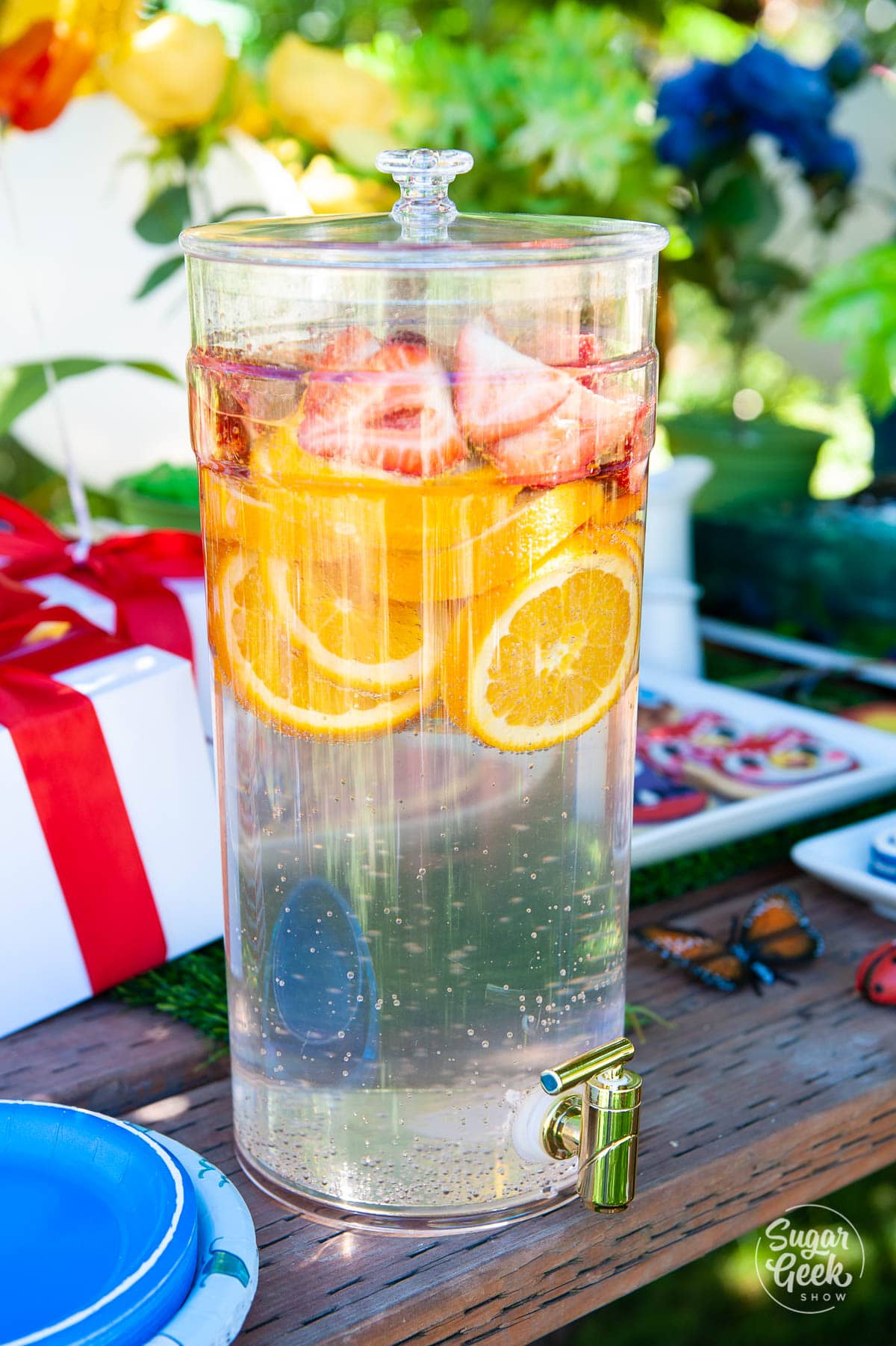
close up of stabilized whipped cream

Pro tip -  Check out my blog post to see more ways to stabilize whipped cream with cream of tartar, pudding mix, and more. 

Assembling The Strawberry Shortcakes

Time to put our delicious strawberry shortcakes together!

Step 1 -  Use a knife to split the biscuits in half.

bottom half of sliced biscuit on blue plate

Step 2 - Scoop a big helping of those juicy strawberries onto your biscuit. All that syrup is going to soak into the biscuit and will taste amazing.

strawberries being spooned onto half of a biscuit

Step 3 - You can use a piping bag with a 1M piping tip or just use a spoon to layer up some of your whipped cream on top of the strawberries. I like to add about ¼ to ½ cup of whipped cream.

stabilized whipped cream being piped onto strawberries and sliced biscuit

Step 4 -  Place the other half of the biscuit on top, top with whipped cream and a strawberry, and serve!

strawberry shortcake on blue plates with ingredients in background

Because we have used stabilized whipped cream, you can make these strawberry shortcakes up to 24 hours ahead of time and place them in the fridge to be served later. You can also make the biscuits recipe ahead of time and assemble them the next day so that the strawberries don't make them soggy.

Related Recipes

Flaky Buttermilk Biscuits
Bacon Cheddar Chive Biscuits
How To Make Buttermilk
Strawberry Cinnamon Rolls
Strawberry Cake With Strawberry Buttercream 

⭐⭐⭐⭐⭐ Have you made this recipe? Leave me a review below! 

Recipe

closeup of strawberry shortcake on blue plate
Print Recipe
5 from 5 votes

Easy Homemade Strawberry Shortcake

Strawberry shortcake is the perfect individual-sized summer dessert with loads of fresh strawberries, homemade whipped cream and tender biscuits!
Prep Time10 minutes mins
Cook Time25 minutes mins
Total Time35 minutes mins
Course: Appetizer, Dessert, Side Dish
Cuisine: American
Servings: 6 servings
Calories: 961kcal
Author: Liz Marek

Equipment

  • Cheese grater
  • Kitchen Scale
  • pastry brush
  • 4" Metal Circle Cutter

Ingredients

Sweet Buttermilk Biscuits

  • 20 ounces all-purpose flour
  • 3 Tablespoons granulated sugar
  • 1 Tablespoon baking powder
  • 2 teaspoons baking soda
  • 2 teaspoons salt
  • 6 ounces unsalted butter cold, grated or cut into small pieces
  • 12 ounces milk cold (or buttermilk)
  • 1 whole lemon zest
  • 1 Tablespoon lemon juice
  • 1 large egg for egg wash or you can use milk
  • 2 ounces sanding sugar or crystal sugar for topping biscuits

Strawberry Filling

  • 20 ounces fresh strawberries
  • 3 ounces granulated sugar
  • 1 Tablespoon lemon juice (from the lemon above)

Stabilized Whipped Cream

  • 16 ounces heavy whipping cream
  • 1 ounce powdered sugar or more if you like sweeter whipped cream
  • 1 teaspoon vanilla extract
  • 1 ½ Tablespoons cold water
  • 1 teaspoon powdered gelatin
  • 1 teaspoon heavy cream
US Customary - Metric

Instructions

Strawberry Filling

  • Wash your strawberries and set aside 6 pretty ones for garnish. Cut the tops off. Slice the strawberries into 4-5 pieces depending on how big the strawberry is.
  • Combine the chopped strawberries with the sugar and lemon juice and stir. Set aside while you make your biscuits.

Biscuits

  • Preheat your oven to 425ºF (218ºC)
  • Sift together flour, sugar, baking powder and salt
  • Combine your milk and lemon juice (or use buttermilk)
  • Grate cold butter into the dry ingredients (using a scale makes this very easy)
  • Toss the ingredients together to coat all the butter with the flour mixture
  • Make a well in the center of your dry ingredients and then add in the cold buttermilk and lemon zest. Pull the dry ingredients towards the center and then mix with your hands in the shape of a "claw" or fork until the dough forms a loose sticky ball. Do not over-mix.
  • Flatten the dough roughly with your hands or rolling pin to about 2" in height. Fold in half. This will be messy! Flatten dough once again.
  • Rotate your dough 45º and fold in half again. Repeat 5-7 times. If the dough becomes stretchy, place it in the fridge for 10 minutes to relax the gluten.
  • Use a 4" round biscuit cutter make your biscuits. Press striaght down and lift straight up. Do not twist.
  • Place the biscuits on a parchment lined sheet pan with about ¼" of space in between the biscuits and brush with milk or egg wash on top. Do not brush the sides. Sprinkle with sanding sugar for extra crunch and sweetness if desired.
  • Bake biscuits for 25-30 minutes or until they are golden brown on top. I use a thermometer to check the internal temperature. Biscuits are done at 205ºF-215ºF. No one likes under-baked biscuits

Stabilized Whipped Cream

  • Place the gelatin into the water and let it absorb while you start whipping the cream.
  • Add your heavy whipping cream to the bowl of your stand mixer with the whisk attachment. Whisk on medium until you start to see lines appear in the surface.
  • Place the powdered sugar and vanilla into the whipped cream and mix on low until just combined.
  • Melt your gelatin in the microwave in 5 second increments until it appears clear. Add 1 teaspoon of cold heavy cream to the melted gelatin.
  • While mixing on low, pour in the gelatin mixture and mix until soft but firm peaks have developed. Do not over-mix or your whipped cream will look crumbly and broken.

Strawberry Shortcake Assembly

  • Split your biscuits in half with a fork or knife and place the bottom onto a plate.
  • Scoop a healthy portion of the strawberries onto the biscuit.
  • Pipe the stabilized whipped cream onto the strawberries with a 1M piping tip and piping bag (or you can simply spoon it on top)
  • Place the other half of the biscuit on top, top with whipped cream and a strawberry, and serve!
    So pretty!

Video

Notes

  1. You can use milk or water in place of egg wash
  2. Use a sharp metal cutter for the best layers. Press straight down and lift straight up.  Do not twist. 
  3. Grating your COLD butter directly into the flour mixture saves time and prevents the butter from melting into the flour. 
  4. Squish leftover dough together to make extra biscuits that look ugly but taste great!
  5. Bake biscuits close together for maximum rise 
  6. You can store pre-made biscuits in the fridge for up to 24 hours before serving. 

Nutrition

Serving: 1serving | Calories: 961kcal | Carbohydrates: 103g | Protein: 15g | Fat: 55g | Saturated Fat: 34g | Cholesterol: 203mg | Sodium: 1249mg | Potassium: 455mg | Fiber: 3g | Sugar: 28g | Vitamin A: 1971IU | Vitamin C: 2mg | Calcium: 227mg | Iron: 5mg
bacon cheddar biscuits on parchment paper on metal pan

April 28, 2020 Biscuits and Scones

Easy Bacon Cheddar Chive Biscuits

Tender, flaky biscuits loaded with bits of crispy bacon, shredded cheddar cheese, and fresh chives. It's a whole meal in a biscuit and is ready to eat in only 20 minutes. These biscuits are adapted from my master flaky biscuit recipe. 

cheddar bacon chive biscuits on parchment paper on a metal sheet pan

What makes these biscuits so great!

Easy To Make - You only need one bowl and your hand for mixing! 

Fast - Minutes to assemble and only 20 minutes to bake!

Customizable - The flavor options are endless!

What's in this blog post

  • What makes these biscuits so great!
  • What ingredients do you need?
  • Useful Tools & Equipment
  • Step-By-Step Instructions
  • FAQ
  • Related Recipes
  • ⭐⭐⭐⭐⭐ Have you made this recipe? Leave me a review below! 

What ingredients do you need?

ingredients needed to make bacon cheddar chive biscuits in clear bowls shot from above

Buttermilk - Southern recipes often use buttermilk because of the addition of flavor and also it's tenderizing qualities. 

Cold Unsalted Butter - Cold butter is extremely important to this recipe. Cold butter holds its shape in the dough and creates those beautiful layers. We're using unsalted so we can control the salt level of our biscuits. 

Baking Powder - Gives our biscuits a fluffy and soft texture

Baking Soda - Reacts with the buttermilk to provide lift, color, and flavor

Shredded Cheddar - I like Colby jack cheese but you can use any hard cheese you prefer like pepper jack, white cheddar, or even parmesan. Stay away from soft cheeses. Shred your own since packaged cheese contains cornstarch which is drying. 

Chives - I love the garlicky flavor of chives but you can leave them out or switch them out for another herb like rosemary or thyme. 

Cooked Bacon - Bacon adds tons of flavor. Pre-cook your bacon before mixing into the dough to keep it crisp. Switch out the bacon for ham or prosciutto! 

Useful Tools & Equipment

tools needed to make bacon cheddar chive biscuits on white background

Kitchen Scale - Makes measuring incredibly easy and fewer dishes to clean. This is my favorite kitchen scale. You can learn more about how to use a kitchen scale for baking here. 

Cheese Grater - I have tried many many different types of cheese graters but for whatever reason, I love this one the most. It makes huge chunky pieces of butter when I grate it cold and produces the best flaky biscuits. No cheese grater? Use a fork to "cut" the butter into your flour or use a pastry cutter. 

Metal Cutter - A sharp metal ring cutter is going to produce the flakiest and tallest biscuits. If you don't have a metal cutter you can use a drinking glass or even a soda can cut in half. 

Pastry Brush - A pastry brush is great for applying egg wash evenly for a beautiful golden brown biscuit. No Pastry brush? You can use a clean, unused paintbrush, paper towel, or even your fingers. 

Pro Tip -  Preheat your oven for at least 30 minutes. Perhaps the secret to the flakiest biscuits is using COLD butter and a HOT oven. A hot oven immediately causes butter to melt, water to evaporate lift those layers.  

close up image of bacon cheddar chive biscuit with bite taken out of it

I honestly love making fresh biscuits for breakfast. It feels like you get a lot of reward for very little effort involved. I have broken down my process of making tall flaky biscuits below so you can follow along.

I've also included tons of tips for getting biscuits with a perfectly browned top, how to easily measure butter and ideas for more mix-ins to customize your biscuits. 


Step-By-Step Instructions

Step 1 - Prepare your mix-ins. I learned this trick for cooking bacon in pastry school. Arrange the bacon on a cooling rack (heat safe) and place that onto a sheet pan. Bake in a 400ºF oven for 15-20 minutes until it's nice and crispy. Let it cool and chop it up! 

The cooling rack drains the fat away from the bacon and everything cooks evenly. Super easy.  

strips of raw bacon arranged on a cooling rack on metal sheet pan

Step 2 - While the bacon is cooking, chop your chives, and shred your cheese. How much you use is up to you. I just grabbed a handful of chives (about ¼ cup) and shredded about a cup of cheese. 

Step 3 - Once your bacon has cooled and has been chopped, you can start making your biscuits. Begin by placing the flour, sugar, salt, baking powder, and baking soda into a large bowl. Whisk to distribute everything evenly.

flour, sugar, salt, baking powder, baking soda in clear bowl with metal whisk

Step 4 - Turn on your kitchen scale, place the bowl of ingredients on top. Press the zero or tare button to remove the weight of the bowl and ingredients. The display should say zero. 

Step 5 - Start grating your COLD butter directly into the bowl. So easy and such a time saver. No transferring butter from a separate bowl to the flour and getting soft. Halfway through I toss the butter and flour so I don't end up with a huge ball of butter. Then I continue grating until I have added the right amount. 

Woman grating cold butter into a bowl of dry ingredients sitting on top of a kitchen scale

Step 6 - Toss the flour and butter together until all the butter is coated with flour. Do this quickly and lightly to avoid warming the butter up with your hands. You can also use a spoon if you have really hot hands. 

flour, sugar, salt, baking powder and baking soda in a clear bowl combined with shredded cold butter

Step 7 - Add in your chopped bacon, chives, and cheddar cheese and toss to combine. 

shredded cheese, bacon, and chives in mixing bowl with flour butter mixture

Step 8 - Make a well in the center of your ingredients and add in the COLD buttermilk. Straight from the fridge if you can. Again, you can place the bowl of ingredients onto your scale, press the tare button to zero out the weight of the bowl, and add in the milk until you reach the correct amount. 

Step 9 - Make a "claw" with one hand and mix. The goal is to get rid of all the dry flour, not to make a smooth dough. The dough will look rough and should look rough. Ugly dough makes delicious biscuits. (I didn't have a photo of this so I used the photos from my master biscuits recipe or you can watch the video in the recipe card for a visual)

mixing biscuit ingredients with hand

Step 10 - Once the dough looks like this, pour it onto a lightly floured surface

cheddar bacon biscuit ingredients in a clear bowl with wooden spoon

Step 11 - Press the dough into a rough circle shape. Don't worry if it's not sticking together. 

cheddar bacon chive biscuit dough pressed into a circle

Step 12 - Now we will begin folding the dough over onto itself. It will be rough and messy at first. This fold is called a "turn". 

cheddar bacon chive biscuit dough folded over onto itself

Step 13 - Now press the dough down until its about 2" tall. Then turn the dough 45º (so the top of the dough is rotated until it's facing your right hand) Now repeat the fold once again and press flat to 2" tall again. This is turn 2. 

Pro Tip - Folding butter into dough this way is also called lamination and is the process of creating layers of butter between layers of flour. This butter expands during baking and is what causes flaky layers of butter to form. 

Step 14 - Repeat this process 4-5 times to create layers. If the dough ever feels stiff or stretchy, put it in the fridge for 10 minutes to let the gluten relax and continue folding. After the last fold, roll your dough out with a lightly floured rolling in until your dough is about 1" tall. 

bacon cheddar chive biscuit dough rolled out on. a white background with ingredients surrounding

Pro Tip - Press straight down and pull straight for the best layers. Twisting will cause the dough to seal and stop your biscuits from rising.  

Step 15 - Cut out your biscuits using a sharp metal cutter. I can usually get about 12 biscuits at first. Cut as close together as you can.  Arrange them on a parchment covered sheet pan with about ¼" of space in between the biscuits which helps them rise evenly. 

bacon cheddar chive biscuits on parchment paper on a metal baking sheet

Step 16 - Press the leftover dough together. It will look ugly, it's ok. Get as many biscuits as you can out of the leftover dough. These generally don't rise as much because the layers are now misaligned but they will still taste great. 

Step 17 - Brush the tops of your biscuits with egg wash. ONLY the tops. Any drips down the sides will seal your layers together and prevent them from rising. 

brushing bacon cheddar chive biscuits with egg wash

Step 18 - Preheat your oven to 375ºF. Bake the biscuits for 20-25 minutes. I rotate mine halfway through to promote even browning. 

Step 19 - When your biscuits are done, take a moment to appreciate those gorgeous layers!! so pretty! Then immediately brush the tops with melted butter and sprinkle on some flaky salt (optional).  

bacon cheddar chive biscuits on white parchment paper on metal baking sheet with a bit taken out of one

FAQ

Can I make the biscuits bigger?

You can change the size of your biscuits if you want them smaller or larger. The baking time will need to be adjusted. Smaller biscuits bake faster, larger biscuits will take more time. 

What are other options for an egg wash?

You can use milk instead of eggs to promote browning on top of your biscuits. 

What other mix-ins can I use?

The options for adding in other goodies into your biscuits are pretty much endless! Use your imagination.  You can use ham cut into small pieces, shredded parmesan, chopped fresh rosemary, roasted garlic, prosciutto, jalapenos, thyme, or pepper jack cheese. 

Can you freeze biscuits?

To freeze uncooked biscuits, place the whole pan of biscuits on parchment paper into the freezer overnight. The next day you can remove them from the parchment paper and place them into a freezer bag for up to 3 months.
To bake your frozen biscuits, let the biscuit defrost first then bake them as usual. 
You can also freeze the leftover biscuits after they are baked. Just defrost the biscuit and re-warm it in the oven to refresh the texture of the biscuits. 

Related Recipes

Flaky Buttermilk Biscuits
How To Make Buttermilk
How To Use A Kitchen Scale For Baking
Fast Bread Recipe

⭐⭐⭐⭐⭐ Have you made this recipe? Leave me a review below! 

Recipe

bacon cheddar biscuits on parchment paper on metal pan
Print Recipe
4.50 from 2 votes

Easy Bacon Cheddar Chive Biscuits

Fluffy bacon cheddar chive biscuits come together in one bowl and only take 20 minutes to bake. The perfect easy breakfast.
Prep Time10 minutes mins
Cook Time20 minutes mins
Total Time30 minutes mins
Course: Appetizer, Dessert, Side Dish
Cuisine: American
Servings: 15 biscuits
Calories: 316kcal
Author: Liz Marek

Equipment

  • Kitchen Scale
  • Cheese grater
  • pastry brush
  • Metal cutter

Ingredients

Bacon Cheddar Chive Biscuits

  • 20 ounces all-purpose flour
  • 2 tablespoons granulated sugar
  • 1 tablespoon baking powder
  • 2 teaspoons baking soda
  • 2 teaspoons salt
  • 6 ounces unsalted butter cold, grated or cut into small pieces
  • 12 ounces buttermilk cold
  • 8 pieces bacon about ¼ cup baked and chopped
  • 6 Tablespoons fresh chives about ¼ cup finely chopped
  • 2 ounces melted butter for the tops of the biscuits
  • 1 Tablespoon flaky salt for topping (optional)
  • 4 ounces cheese shredded

Egg Wash

  • 1 whole egg
  • 1 Tablespoon water
US Customary - Metric

Instructions

  • Preheat your oven to 375ºF. Place the oven rack in the middle of the oven. Butter and buttermilk should be very cold, straight out of the fridge. Pre-measure the rest of your ingredients so mixing goes as quickly as possible.

For The Egg Wash

  • Whisk the egg and water together until no egg white remains

For The Biscuits

  • Sift together the flour, sugar, baking powder, baking soda, and salt in a large bowl.
  • Grate the cold butter into the dry ingredients (using a scale makes this very easy) Halfway through, toss the butter into the flour and then continue until you've grated the total amount of butter into the flour mixture.
  • Toss the ingredients together to coat all the butter with the flour mixture. Work quickly so you don't melt the butter with the heat of your hands.
  • Add in the chopped bacon and chives and toss to combine
  • Make a well in the center of your dry ingredients and then add in the cold buttermilk. Pull the dry ingredients towards the center. Make "claw" with your hand or use a fork and mix the dough with the intention of getting rid of all the dry flour. The dough will look rough and shaggy. Don't over-mix it or try to make it smooth.
  • Turn the dough out onto a lightly floured countertop
  • Flatten the dough roughly with your hands or rolling pin to about 2" in height. Do your best to lift half the dough and fold it in half. This will be messy! Flatten dough down to 2" again.
  • Rotate your dough 45º and fold in half again. Repeat 4-5 times. If the dough becomes stretchy or tough, place it in the fridge for 10 minutes to relax the gluten. Then continue folding.
  • Roll the dough out to 1" thick with a rolling pin dusted with flour.
  • Use a 3" round biscuit cutter or sharp knife to make your biscuits. Press straight down and lift straight up. Do not twist.
  • Place the biscuits on a parchment-lined sheet pan with about ¼" of space in between the biscuits. Brush the biscuits egg wash *see note. Do not brush the sides.
  • Bake the biscuits at 375° F for 15-20 minutes or until they are golden brown. Rotate the pan halfway through baking for even browning.
  • Immediately brush the tops of the biscuits with melted butter and sprinkle on flaky salt. Serve warm. Store leftover biscuits in an airtight container in the fridge. Re-heat to refresh them before serving.

Video

Notes

  1. Use COLD butter and buttermilk straight from the fridge for the best results. No buttermilk? Make your own homemade buttermilk
  2. Use a cheese grater to measure out your cold butter directly into the dry ingredients
  3. Preheat your oven 30 minutes ahead of time to give the biscuits the best lift
  4. Use a scale to easily measure all your ingredients into the same bowl. Learn more about how to use a kitchen scale for the best results in baking. 
  5. You can use milk instead of egg for the wash
  6. Use a sharp metal cutter and press straight down into your biscuit dough and lift straight up for the tallest, flakiest biscuit layers. 

Nutrition

Serving: 1biscuit | Calories: 316kcal | Carbohydrates: 32g | Protein: 6g | Fat: 18g | Saturated Fat: 10g | Cholesterol: 43mg | Sodium: 587mg | Potassium: 181mg | Fiber: 1g | Sugar: 3g | Vitamin A: 472IU | Vitamin C: 1mg | Calcium: 71mg | Iron: 2mg

« Previous Page
Next Page »

Primary Sidebar

Hi, I'm Liz! I'm passionate about creating reliable, foolproof recipes that don't just tell you how to cook, but why things work - so you can skip the guesswork and confidently make the best sweet and savory dishes of your life.

More about me →

Our Cake Greatest Hits

Check out our best cake recipes

🐰 Celebrate Easter

  • pink speckled cake with easter eggs on top
    Speckled Easter Cake
    Cook Time50 Minutes
  • bunny butt cake on a cake board
    Bunny Butt Cake
    Cook Time3 Hours
  • Carrot cake bar held up by a server
    Carrot Cake Bars
    Cook Time1 Hours 30 Minutes
  • M&M cookies on cooling
    Easy M&M Cookie Recipe
  • Moist carrot cake with pineapple, toasted coconut, candied pecans and big chunks of carrots. Frosted with brown butter cream cheese frosting
    Carrot Cake With Pineapple Recipe
    Cook Time55 Minutes
  • slice of pink velvet cake with whipped cream frosting and fresh raspberries on a white plate
    Pink Velvet Cake
    Cook Time40 Minutes

Popular Recipes

  • close up of ganache drizzling into a bowl
    The Best Chocolate Ganache Recipe
    Cook Time20 Minutes
  • Piping easy buttercream rosettes onto a cake using a 1M star piping tip
    Easy Buttercream Frosting
    Cook Time10 Minutes
  • close up slice of marble cake
    Moist and Fluffy Marble Cake Recipe
    Cook Time40 Minutes
  • close up of red velvet cake slice
    Red Velvet Cake Recipe
    Cook Time1 Hours 40 Minutes

Footer

↑ back to top

About

  • Privacy Policy
  • Terms of Service

Newsletter

  • Sign Up! for emails and updates

Contact

  • Contact
  • About Us

Copyright © 2024 Sugar Geek Show, Inc. All Rights Reserved.

Rate This Recipe

Your vote:


A rating is required
A name is required
An email is required