


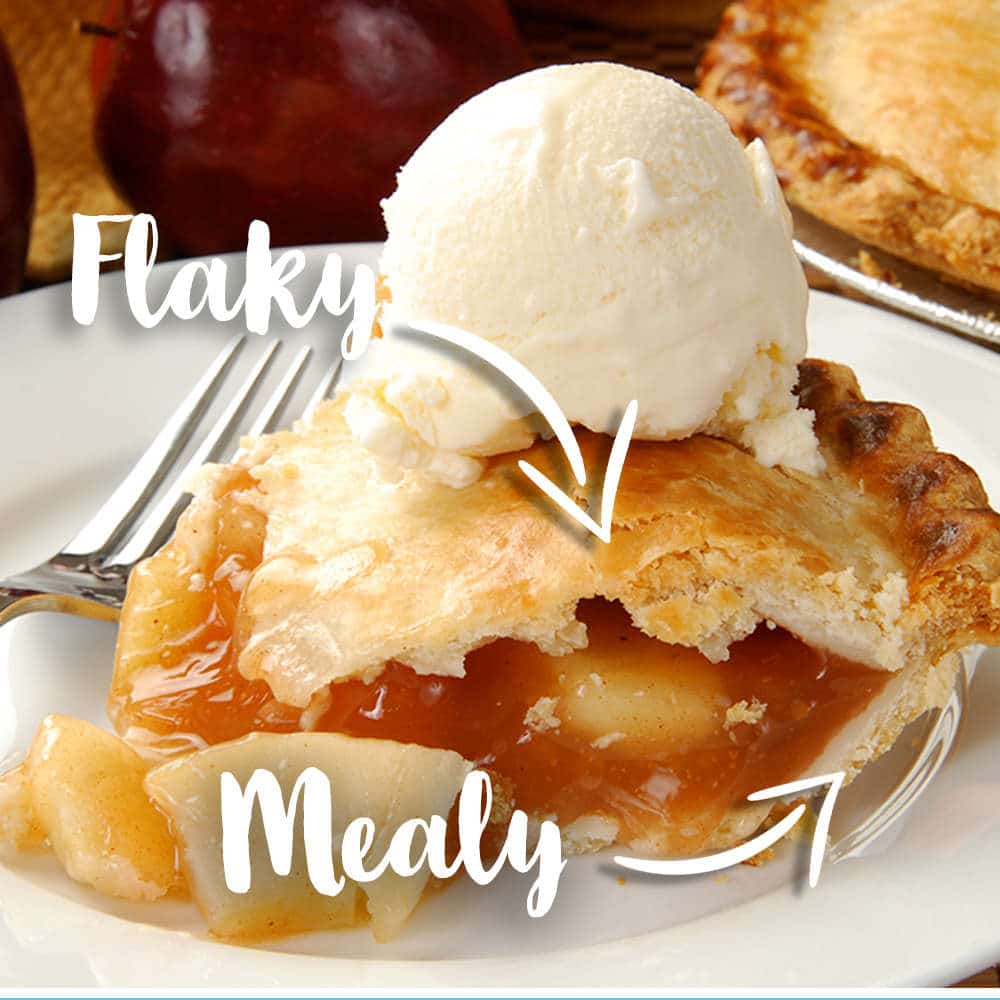
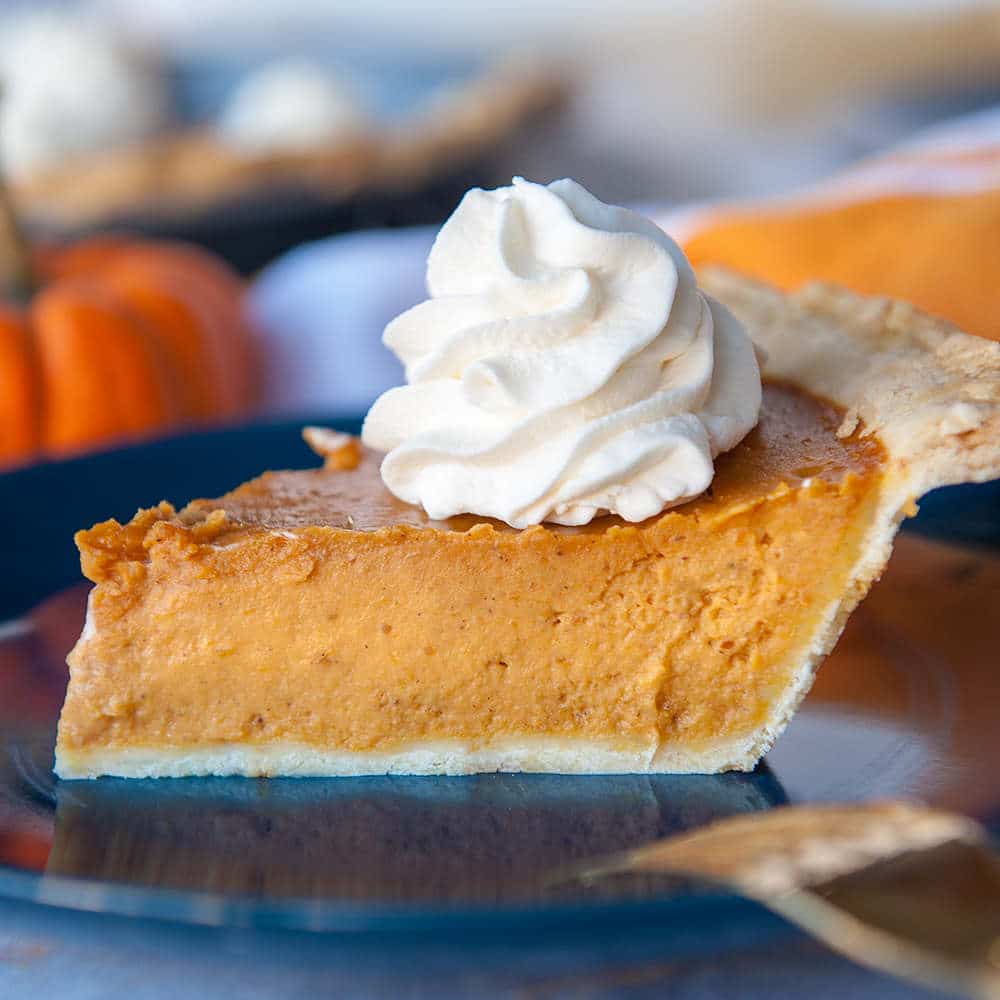
This is my go-to mealy pie dough for avoiding that soggy bottom (no one likes a soggy bottom), and it's what holds up under wet fillings like my pumpkin pie recipe, mini apple pies, and caramel apple pie. It's an all-butter pâte brisée dough, dense enough to hold its own against a liquid or custard filling with no blind baking required.
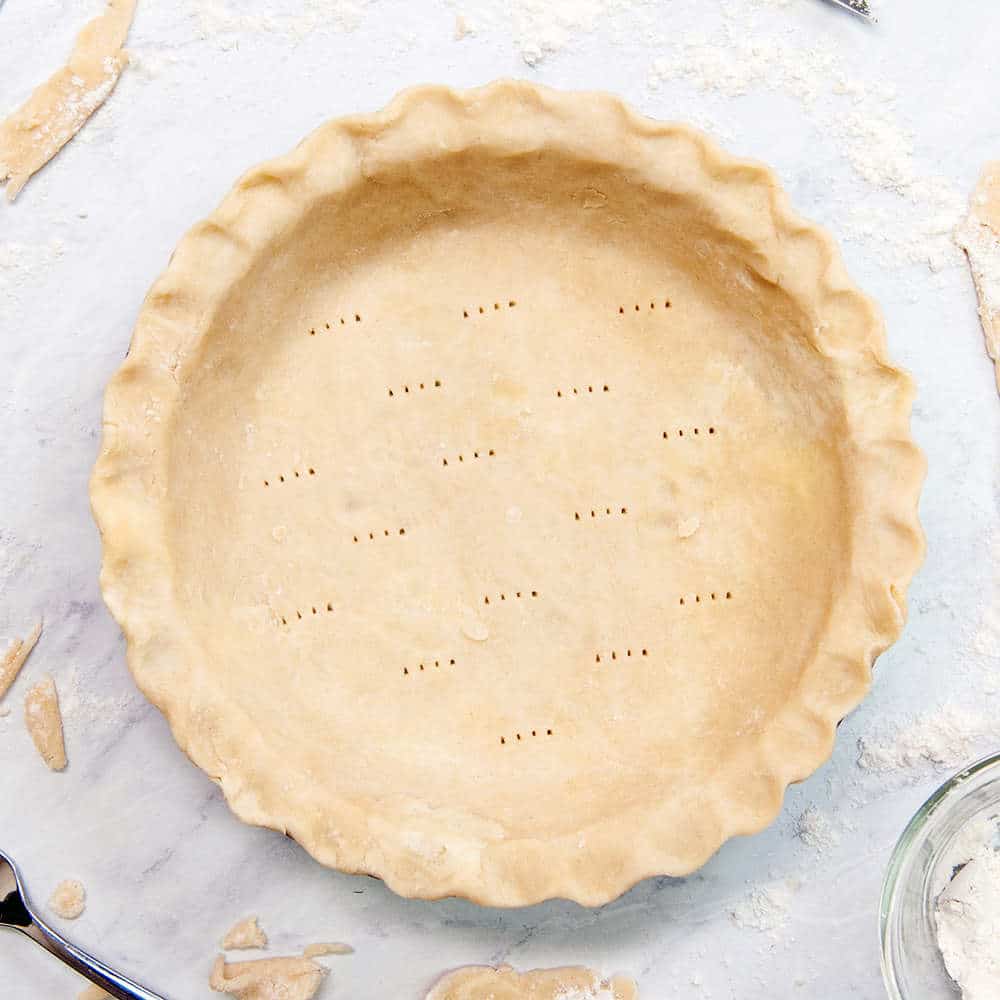
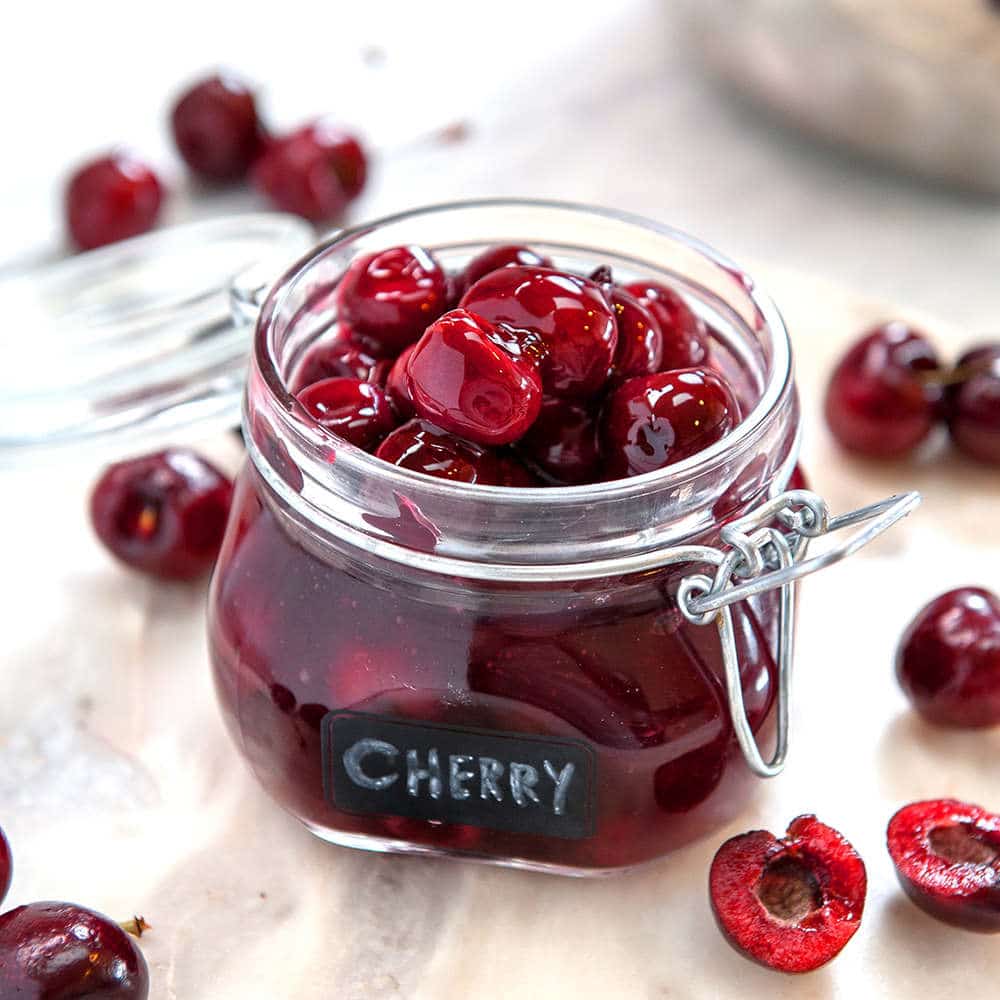
This dough is basically shortbread's savory cousin. The cold butter coats the flour so that the baked crust practically melts. I use it as the bottom crust under a wet filling, but it also holds up as the base of a full double-crust pie when paired with a lighter top layer, like my flaky pie crust. Once you've got a batch made, it's the crust I reach for under fillings like my apple filling, blueberry pie filling, or homemade cherry filling.
Quick Glance: Mealy Pie Dough Recipe
- Recipe Name: Mealy Pie Dough (Pâte Brisée)
- Why You'll Love It: A sturdy, all-butter crust that resists soggy bottoms under liquid fillings and freezes ahead so you're never stuck buying a store crust
- Time and Difficulty: About 10 minutes active prep, plus at least 20 minutes chilling, easy difficulty
- Main Ingredients: All-purpose flour, cold butter, egg, ice water, salt
- Method: Cold butter worked into flour until mealy, then bound with egg and ice water, then chilled until ready to roll and use
- Texture and Flavor: Dense, buttery, and tender, more like shortbread than a flaky crust, built to hold its shape under a wet filling
- Quick Tip: Label your wrapped dough with an "M" for mealy pie dough so you can grab the right one from the freezer
Jump to:
- Quick Glance: Mealy Pie Dough Recipe
- What Is Pâte Brisée?
- What Makes This Mealy Pie Dough Recipe Different
- Mealy Pie Dough Ingredients
- How to Make Mealy Pie Dough Step-By-Step
- Common Mealy Pie Dough Problems to Avoid
- Final Thoughts
- Make This Recipe Your Own
- Mealy Pie Dough Recipe FAQs
- More Pie Crust and Filling Recipes to Try
- Leave Me a Review⭐️⭐️⭐️⭐️⭐️
- Recipe
What Is Pâte Brisée?
"Pâte brisée" is French for "broken dough." It's the classic term for this kind of dense, all-butter pastry. You'll also see it called mealy pie dough or short crust depending on where you learned to bake. Don't confuse it with pâte sucrée dough. That's a sweeter, more cookie-like dough used for tart shells, not something you'd want under a juicy pie filling. If a recipe calls for pâte brisée, mealy dough, or just a crust built for a liquid filling, this is the one to reach for.
What Makes This Mealy Pie Dough Recipe Different
- The dense crumb holds up under liquid and custard fillings without a soggy bottom
- Comes together in a stand mixer or food processor, no need to cut in butter by hand
- Freezes well before or after shaping, so you always have a crust ready
- Doubles as the bottom layer in a double-crust pie when paired with a flakier top crust
Mealy Pie Dough Ingredients
This dough is just five pantry staples, nothing fancy required. I always recommend weighing your ingredients with a digital kitchen scale for the most accurate results. It makes a real difference in how the dough comes together.
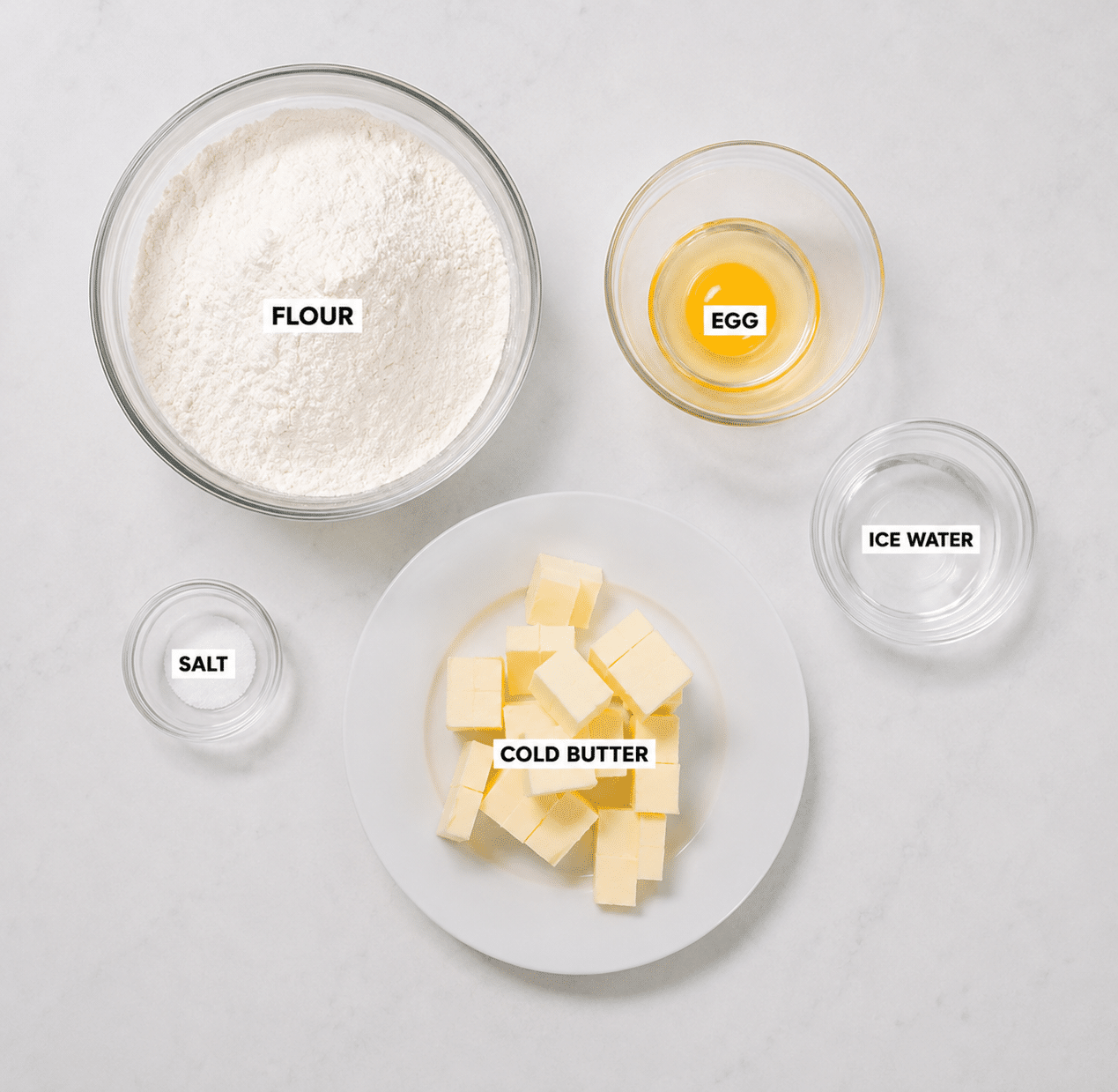
- All-purpose flour - The base of the dough. All-purpose flour gives the crust enough structure to hold up under a wet filling while still baking up tender.
- Butter - Grated cold, this is what makes the dough mealy and gives it that sturdy, shortbread-like texture. Grating it gets the butter into small, even pieces that work into the flour quickly, before they have a chance to warm up.
- Salt - Balances the richness of the butter. You only need a small amount, just enough to keep the crust from tasting flat.
- Egg - Helps bind the dough together and adds a little richness and color to the baked crust.
- Ice water - Brings the dough together without warming up the butter. You only need a splash, since the egg supplies most of the moisture.
How to Make Mealy Pie Dough Step-By-Step
Your butter needs to be cold and grated before you start, and keep your ice water close by so you're not scrambling once the dough starts coming together.
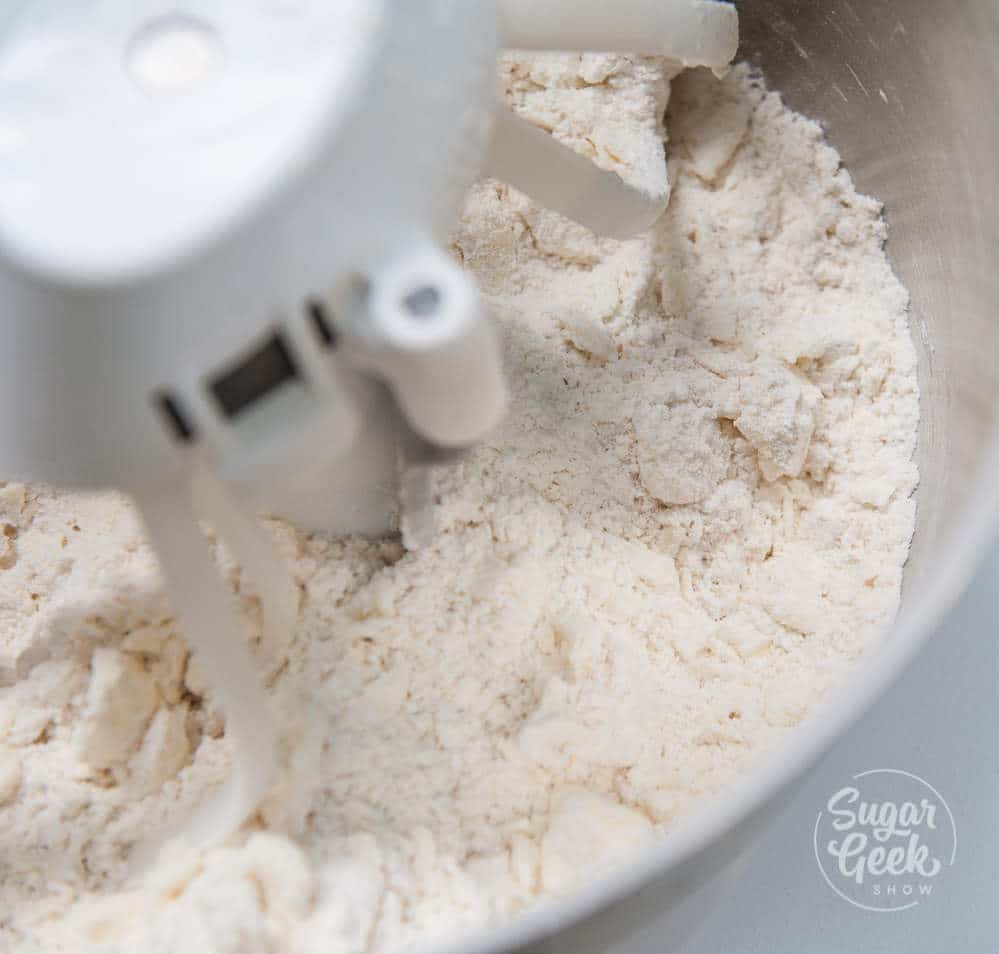
- Mix the dry ingredients. Combine the flour and salt in the bowl of your stand mixer fitted with the paddle attachment, or in a food processor.
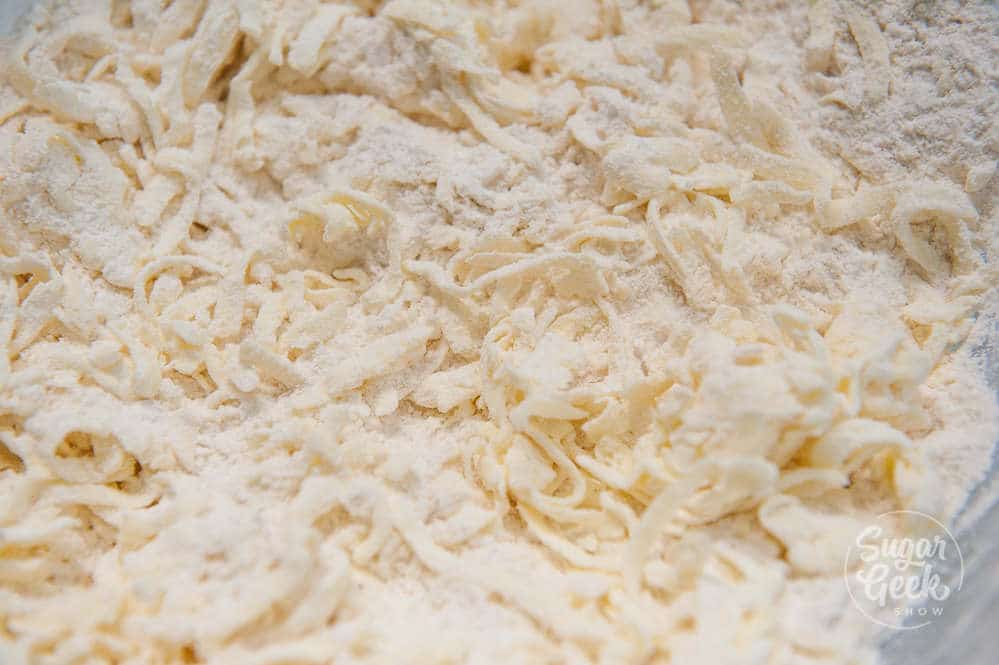
- Cut in the butter. Add the cold grated butter and mix on low until the mixture looks like coarse, mealy sand.
PRO TIP: A stand mixer or food processor is the easiest way to make this dough. It works the cold butter into the flour without warming it up in your hands. If you mix mealy dough by hand, the butter melts fast and the crust turns out tough instead of tender.
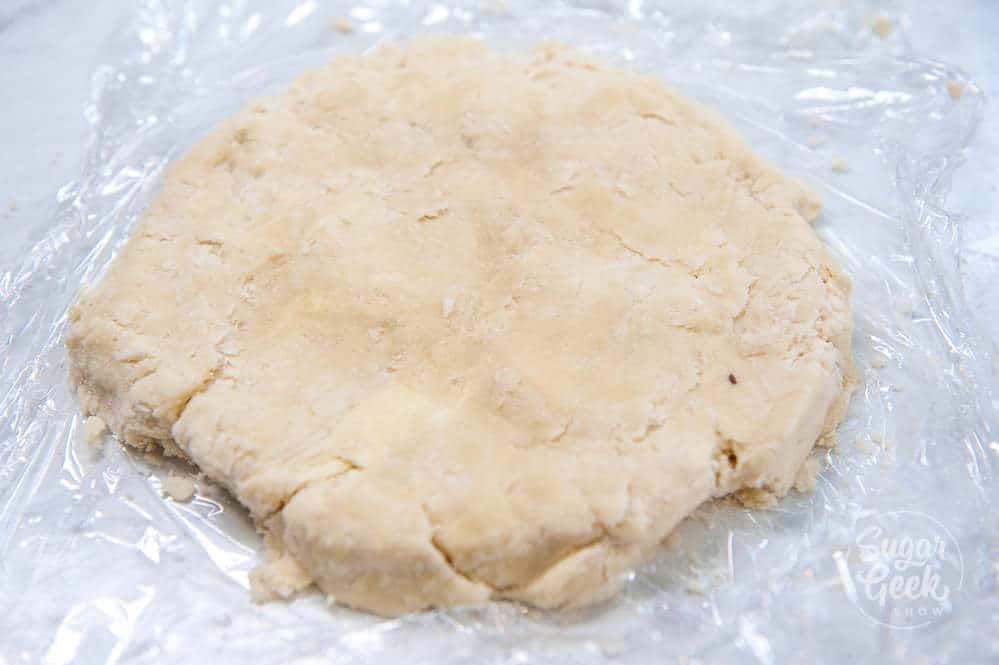
- Bring the dough together. Add the egg and ice water, mixing just until the dough comes together and sticks. Don't overwork it. Then flatten the dough into a disk.
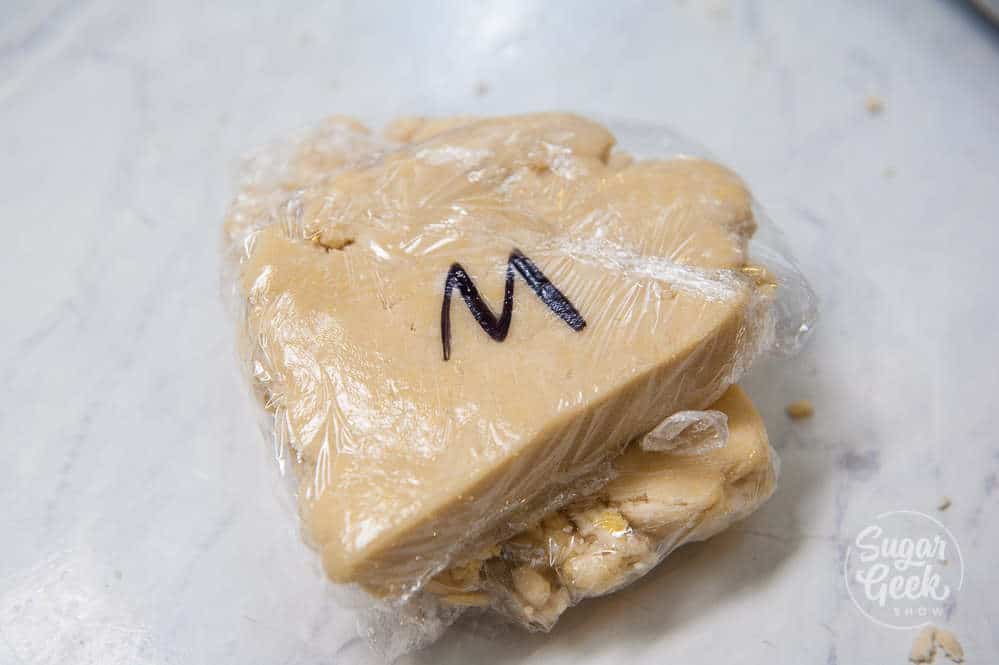
- Chill the dough. Wrap the dough tightly in plastic wrap and refrigerate for at least 20 minutes (2 hours is ideal) before rolling it out and baking. Store in the fridge for 2 to 3 days, or in the freezer for up to 3 months.
PRO TIP: Don't skip the chill. That resting time lets the flour absorb the water and develop enough gluten to hold together without cracking once you roll it out.
Common Mealy Pie Dough Problems to Avoid
- Tough crust. Almost always from overworked, warm butter. Keep everything cold and stop mixing the moment the dough looks like coarse sand.
- Shrinking crust. Skipping the freezer step before baking is the most common cause. Freeze the shaped crust for 15 to 20 minutes before it goes in the oven, no exceptions.
- Soggy bottom. This dough is built to resist it, but underbaking is still the usual culprit. Bake until the crust pulls away slightly from the edges of the pan and turns golden brown. Don't pull it early just because the filling looks set.
- Cracking while rolling. This means the dough hasn't warmed up enough yet. Let it sit out longer and test it by bending a corner. If it cracks, it's not ready.
Final Thoughts
This is the dough I reach for anytime I know a filling is going to be wet, whether it's pumpkin, apple, or cherry. Once you've made it a few times, it stops feeling like a project and just becomes muscle memory: mix, chill, roll, freeze, bake. I always make a double batch so there's a crust waiting in the freezer whenever I need one.
Make This Recipe Your Own
For a single-crust pie with a liquid or custard filling, like pumpkin pie, roll out one batch of this dough. Shape it into your pie plate, freeze it, then fill and bake it straight through.
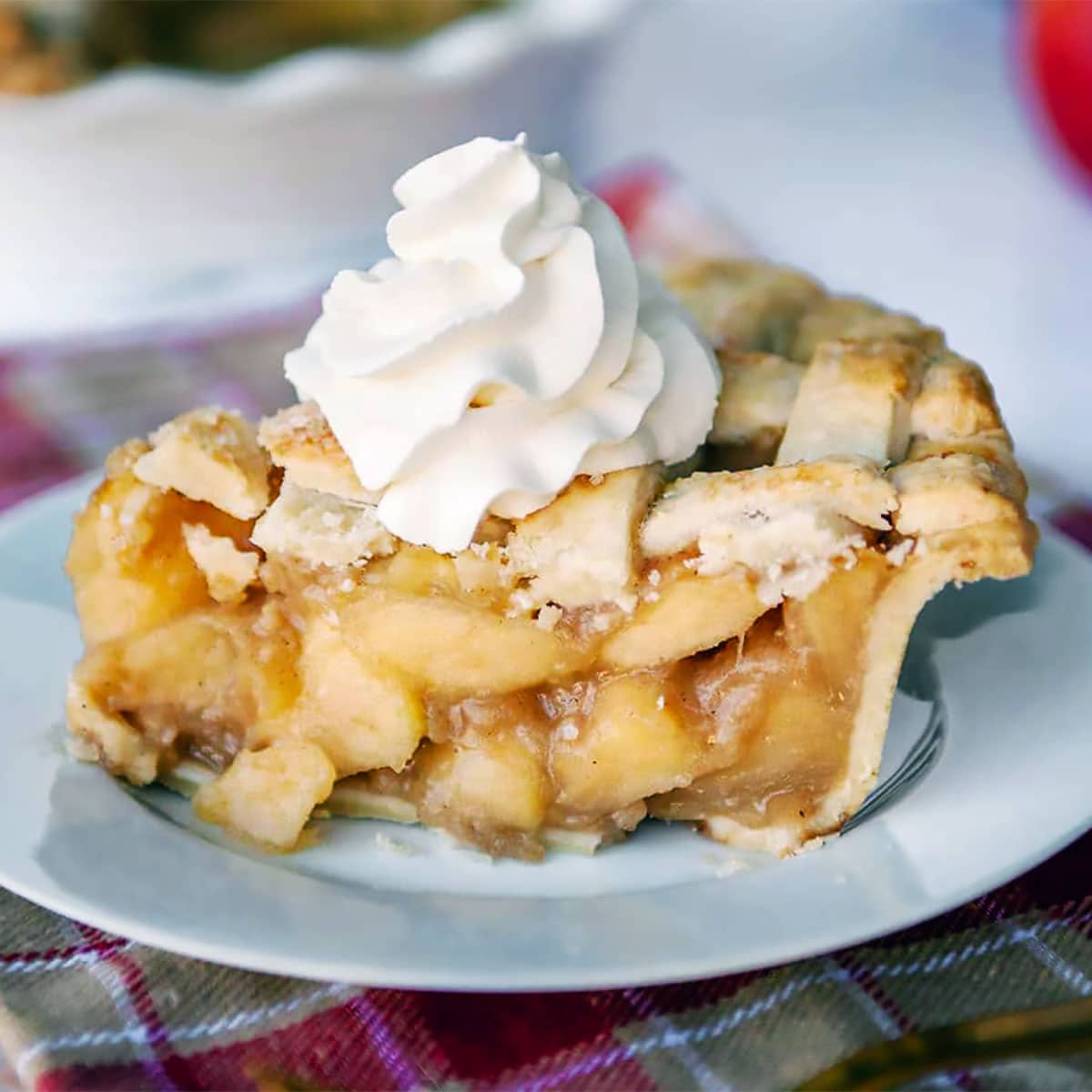
For a double-crust pie, like an apple filling or homemade cherry filling pie, use this mealy dough on the bottom to hold up against the juicy filling. Top it with my flaky pie crust for a lighter top layer. The two textures work well together.
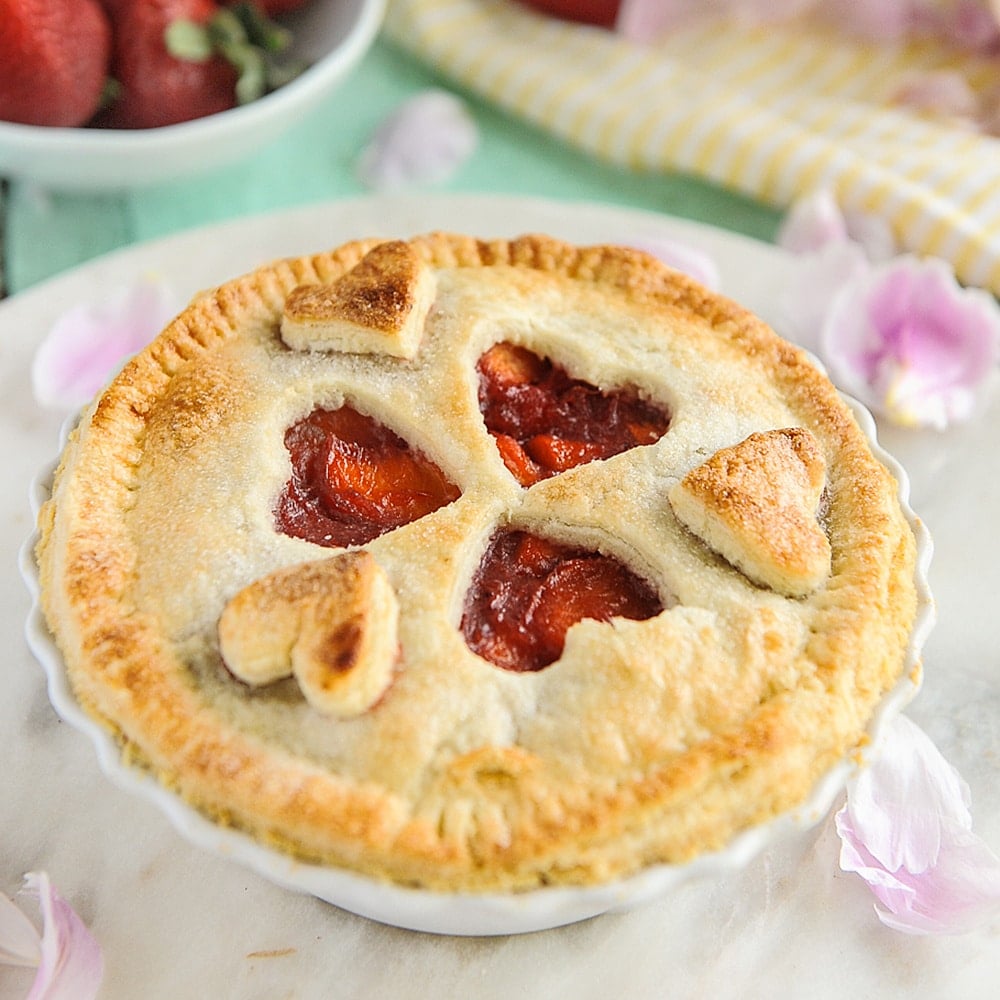
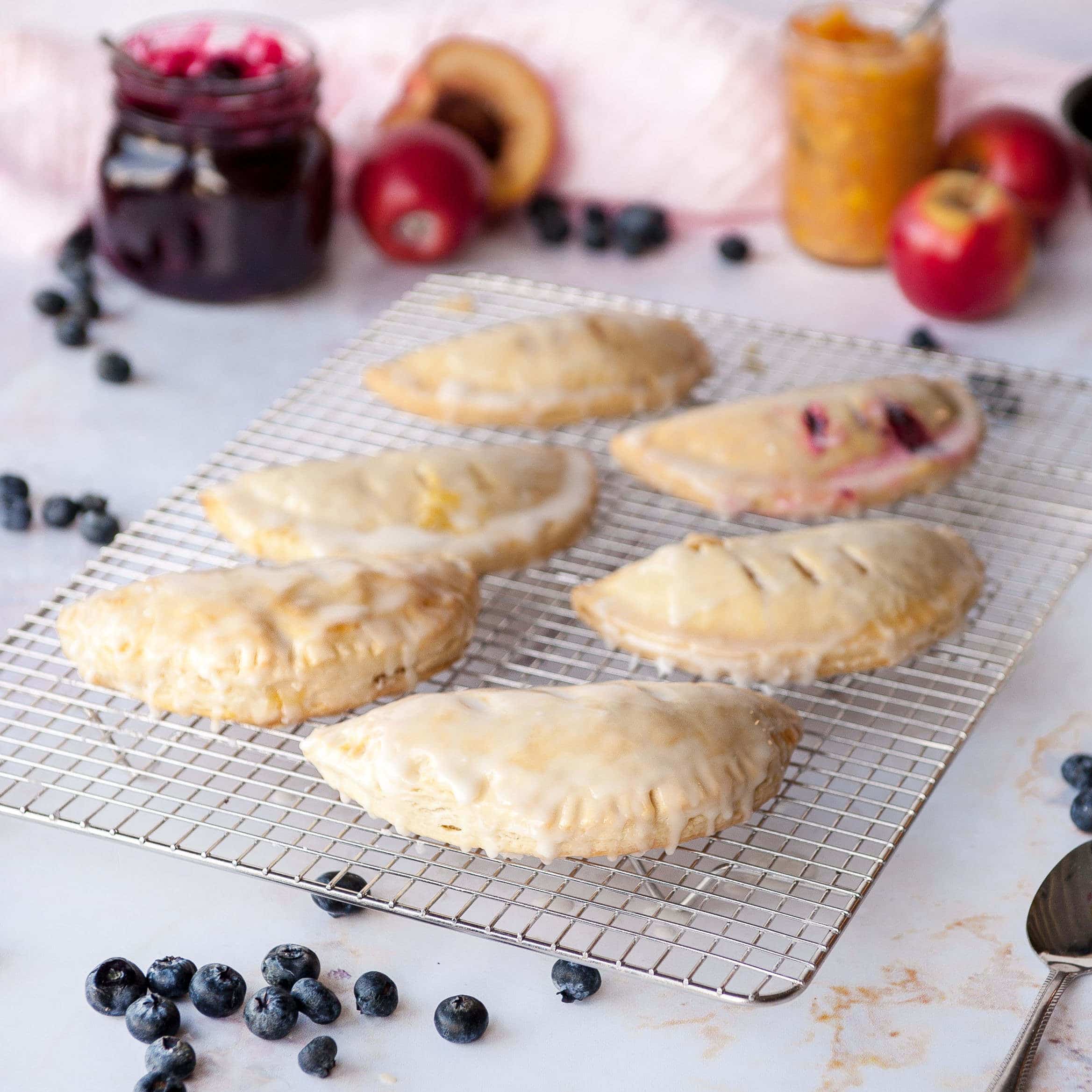
This same dough works for hand pies too, no need to double or change the batch, just roll it to ⅛ inch instead of the ¼ inch used here for a full-size pie. For mini pies, I double the batch and roll it thinner too.
You can also make this ahead, and there are two ways to do it:
- Freeze the raw dough on its own: wrap it tightly in plastic wrap, place it in an airtight freezer bag, then thaw it overnight in the fridge before rolling it out.
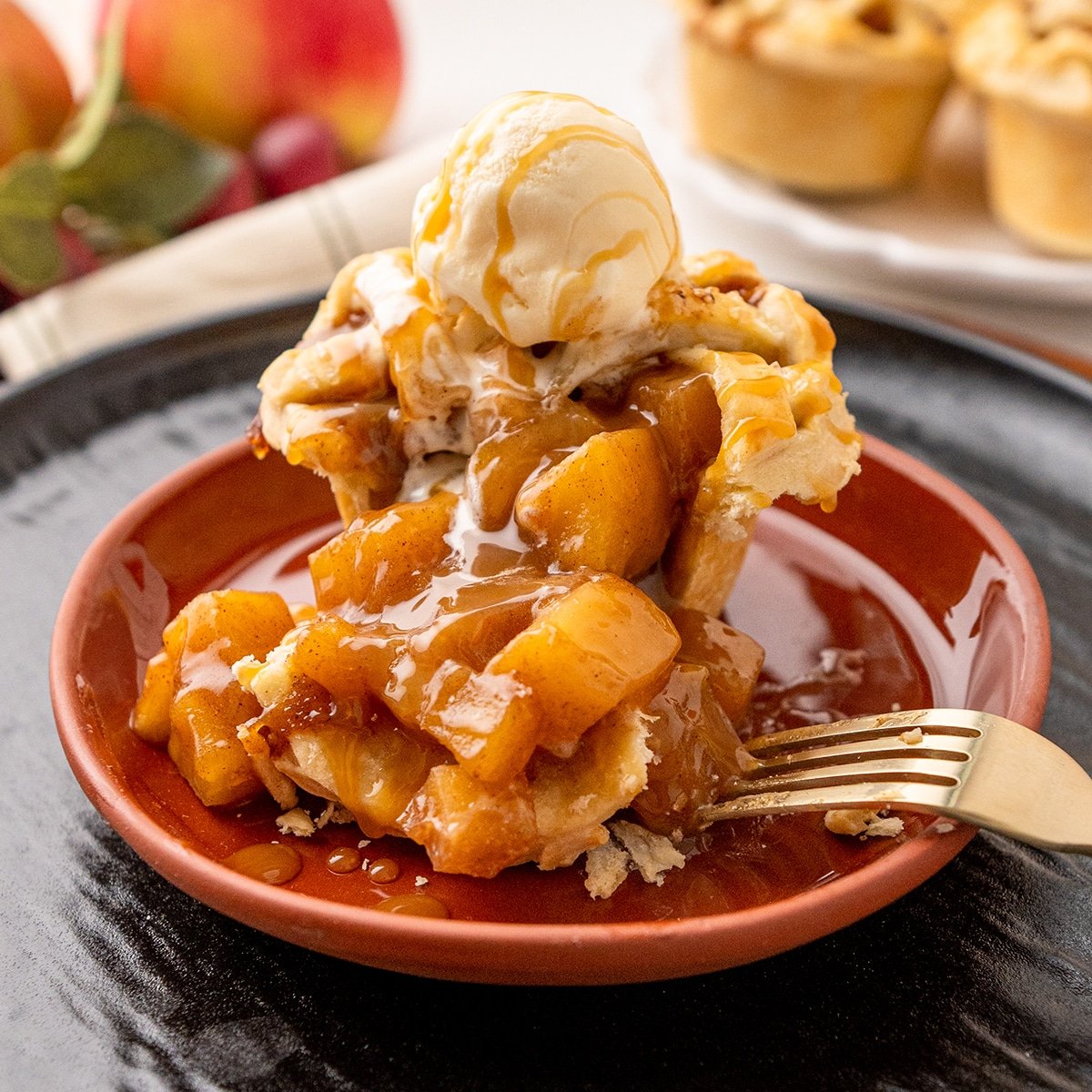
- Roll and shape crusts into their pie plates first, then freeze the whole unbaked shells instead of buying a pre-made frozen crust. Wrap each pan tightly in plastic wrap and place it in a large freezer bag to prevent freezer burn. Disposable pie tins make this even easier. A shaped, frozen crust gives you the best texture within 1 to 2 months. It will still hold up fine for up to 3 months, though, if you need the extra time.


Mealy Pie Dough Recipe FAQs
No, you don't. This dough is dense enough that it holds up against a liquid or custard filling without pre-baking. Just shape it, freeze it, fill it, and bake it straight through.
Yes. The egg's job here is mostly binding with a touch of richness and color. It doesn't affect structure the way it does in a cake, so it's an easy one to swap. You can add a touch more ice water in its place to make up for the lost liquid. Or use any commercial egg replacer according to the package directions. The dough will handle a little more delicately without the egg, so treat it gently when you roll it out.
More Pie Crust and Filling Recipes to Try
Leave Me a Review
⭐️⭐️⭐️⭐️⭐️
If you tried Mealy Pie Dough or any other recipe on my blog, please leave a 🌟 star rating and let me know how it goes in the comments. I love hearing from you!
Recipe
Ingredients
Mealy Pie Dough
- 12 ounces all-purpose flour
- 6 ounces cold butter grated
- ¼ teaspoon salt
- 1 large egg cold
- 1 ounce ice water
Instructions
- Before you begin: Make sure your butter is cold and grated, and keep your ice water close by.
- Combine the flour and salt in the bowl of your stand mixer with the paddle attachment.
- Add the cold butter and mix on low until the mixture resembles coarse, mealy sand.
- Add the egg and water and mix on low until the dough sticks together.
- Flatten the dough into a disk and wrap it tightly in plastic wrap. Chill in the refrigerator for at least 20 minutes (2 hours is ideal) before rolling it out. Store in the refrigerator for 2 to 3 days, or in the freezer for up to 3 months.


Sarah says
Hi! Just want to make sure this recipe makes two crusts. It seems to roll out fairly thin in order to fit a 9.5in. pie pan.
Liz Marek says
This recipe makes one crust. If you have more questions, come ask me in the Sugar Geeks community: https://community.raptive.com/sugargeeks
Michele White says
I am not prebaking (blind baking) the pie crust for pumpkin pies,correct?
Elizabeth Marek says
No you arent.
Renee Mikulin says
Can you please post a few pictures of what you mean by " pulls away from pan" to determine if pie is done.
Elizabeth Marek says
Look at the photo of the pumpkin pie I posted. You can see the small gap of the crust pulling away from the pan 🙂
Tim Tobish says
I'm very confused.
I want to make a cherry pie, so I want a mealy crust for the bottom and a flakey crust for the top, as you've said several times in this write-up. However the recipe is for hand-pies. I want to bake a pie. Are the proportions the same?
Elizabeth Marek says
Oh I am so sorry, I am not sure how that recipe got mixed up. I have updated it for you.