



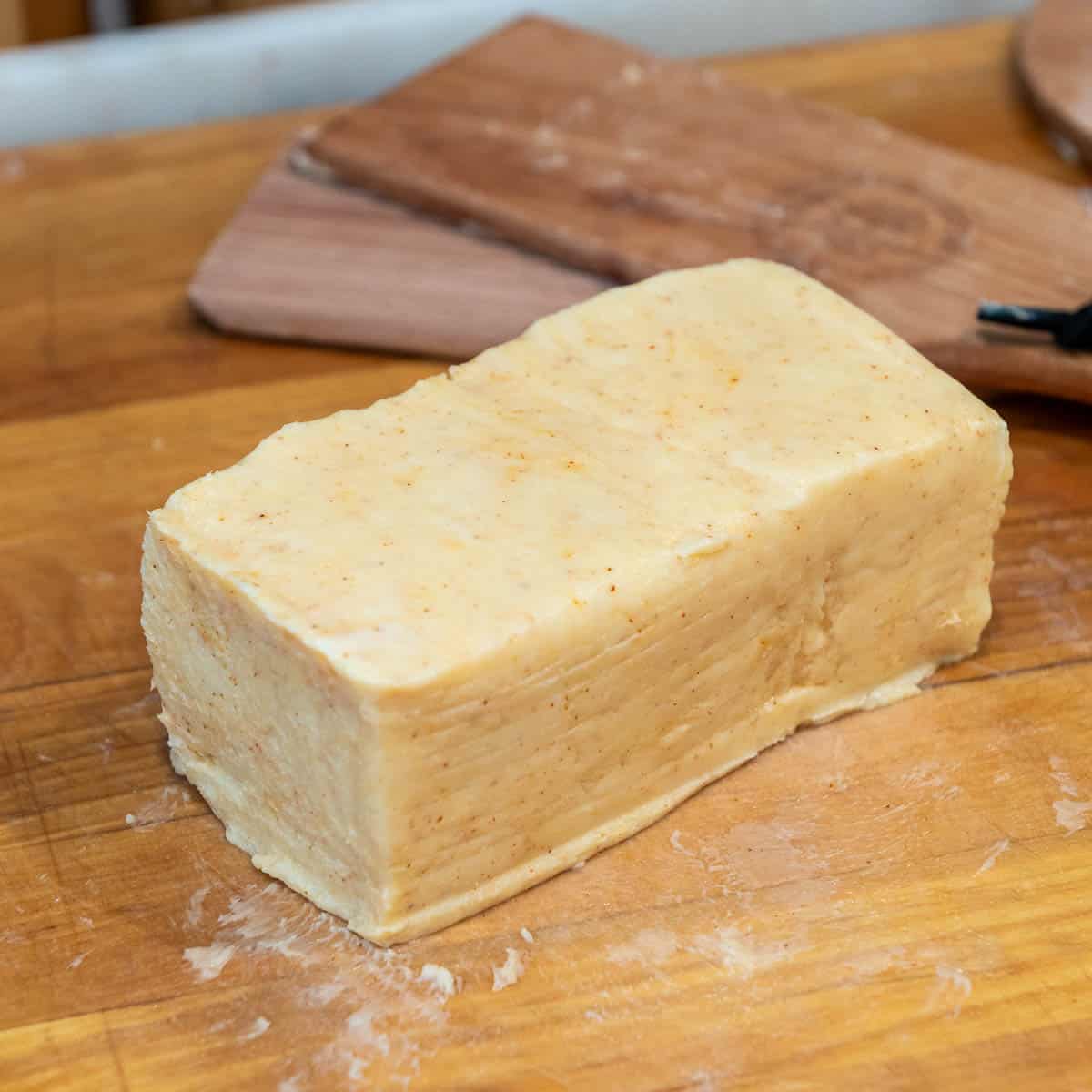
Planning to make French butter at home might sound like something only a professional chef would attempt, but honestly, it's way easier than you think. All it takes is one quart of heavy cream, three Tablespoons of yogurt with live bacterial cultures, and a little salt. Whip it together in a stand mixer (or even a hand mixer or food processor), and before you know it, you've got homemade butter that's creamier, richer, and more flavorful than anything you'll buy at the store. The result is a cultured butter with that signature tangy flavor and higher butter fat that makes every bite taste like you're back in France. Spread it on warm dinner rolls and you'll see what I mean.
Quick Glance at the Recipe: French Butter
- Recipe Name: French Butter
- Why You'll Love It: Rich, tangy cultured butter with more butterfat than store-bought, made with just cream, yogurt, and salt.
- Time and Difficulty: Easy. The cream cultures on the counter for 12 to 48 hours, then you whip, wash, and shape the butter.
- Main Ingredients: Heavy cream, yogurt with live cultures, and salt.
- Method: Culture the cream with yogurt, whip it until it breaks into butter and buttermilk, wash the butter in ice water, then salt and shape it.
- Texture and Flavor: Creamy, silky, and rich with a tangy, cultured flavor.
- Quick Tip: Plan ahead. The cream needs 12 to 48 hours on the counter before you whip it.
Jump to:
- Quick Glance at the Recipe: French Butter
- My Inspiration
- What Makes This French Butter So Good⭐⭐⭐⭐⭐
- French Butter Ingredients
- How To Make French Butter Step-By-Step
- Common French Butter Problems To Avoid
- Make This French Butter Your Own
- How To Store French Butter
- Final Thoughts
- French Butter Recipe FAQs
- More Bread Recipes To Try
- Leave Me A Review⭐️⭐️⭐️⭐️⭐️
- Recipe
My Inspiration
When I was in France with my daughter, Avalon, and my friend Cynthia, we basically lived on bread and butter. We always loved eating it, but I could never figure out why it tasted so much better there than at home.

At first, I thought maybe it was just the magic of being in France, but then I came across a TikTok video showing how to make French butter with cultured cream. Suddenly, it all clicked. The tangy flavor, the higher butter fat, the lower water content: that's what made it taste so luxurious.

From that moment on, I knew I had to try making it myself. And let me just say, once you taste homemade butter this way, you'll never look at store-bought butter the same again.
What Makes This French Butter So Good⭐⭐⭐⭐⭐
This French butter recipe gives you the same rich, tangy butter you'd find in Paris, right in your own kitchen.
- Cultured cream. A spoonful of yogurt with live bacterial cultures creates the tangy flavor that sets French butter apart from regular sweet cream butter.
- More butterfat, less water. Washing out the buttermilk gives you a richer butter with a silky mouthfeel.
- Just three ingredients. Heavy cream, yogurt, and salt are all you need.
- Bonus buttermilk. You get a batch of fresh cultured buttermilk to bake with too.
French Butter Ingredients
You only need three ingredients to make French butter. I always recommend weighing your ingredients with a digital kitchen scale for the most accurate results.
- Heavy cream: Use cream that isn't ultra-pasteurized. Pasteurized cream cultures most reliably.
- Yogurt with live cultures: This starts the culturing process, so check the label for live and active cultures. I used organic yogurt from Straus Family Creamery.
- Salt: Kosher salt or sea salt to finish, or swap in herbs and black pepper for an herb butter.
You'll also need a large container for culturing the cream, a stand mixer, and a butter making kit with paddles (optional).
How To Make French Butter Step-By-Step
Before you start, grab a large container with a loose-fitting lid or a clean kitchen towel to cover it. Your stand mixer and three large bowls for ice water come in later.
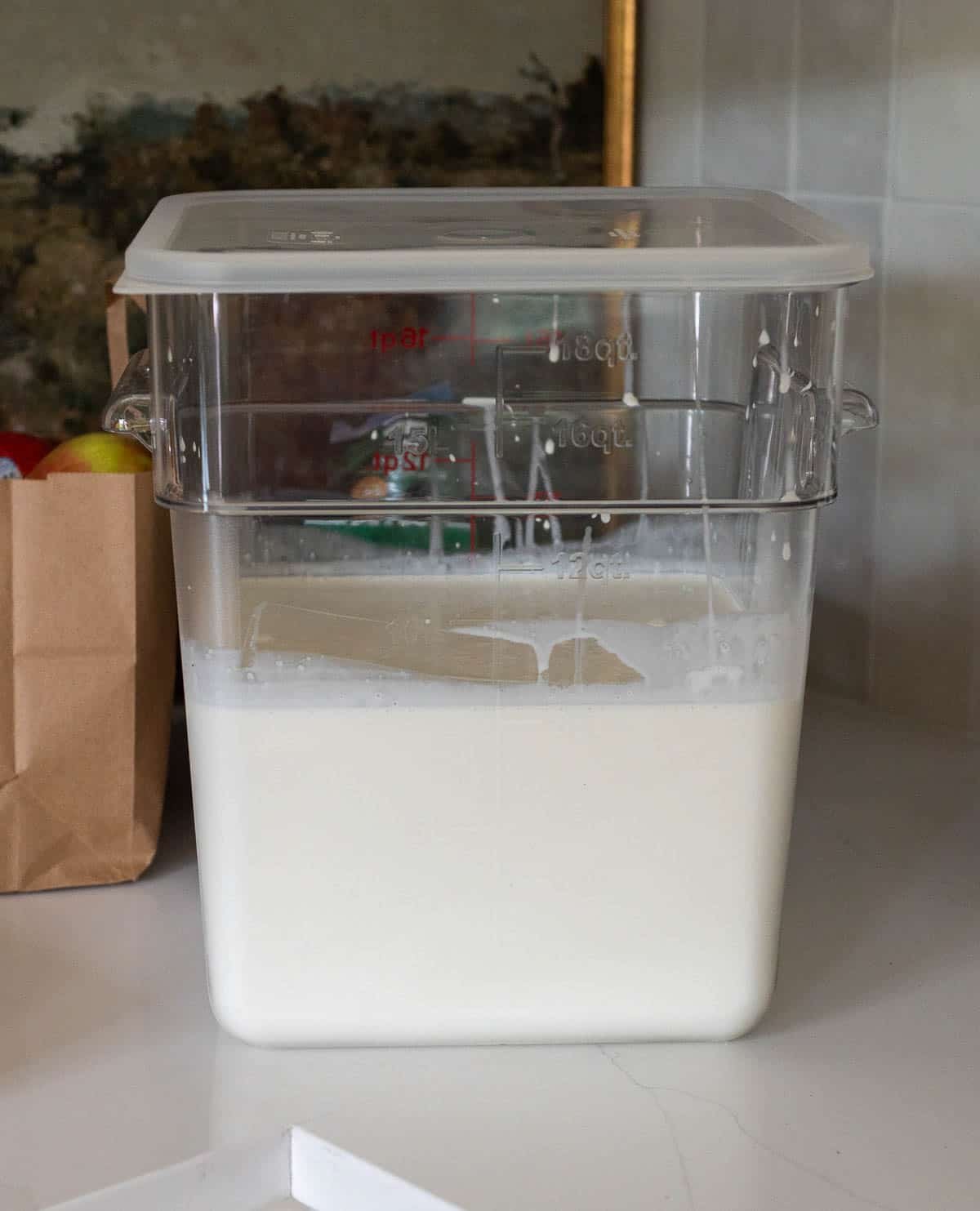
- Combine the cream and yogurt in a large container or mixing bowl. Cover it loosely with a lid or a clean kitchen towel.
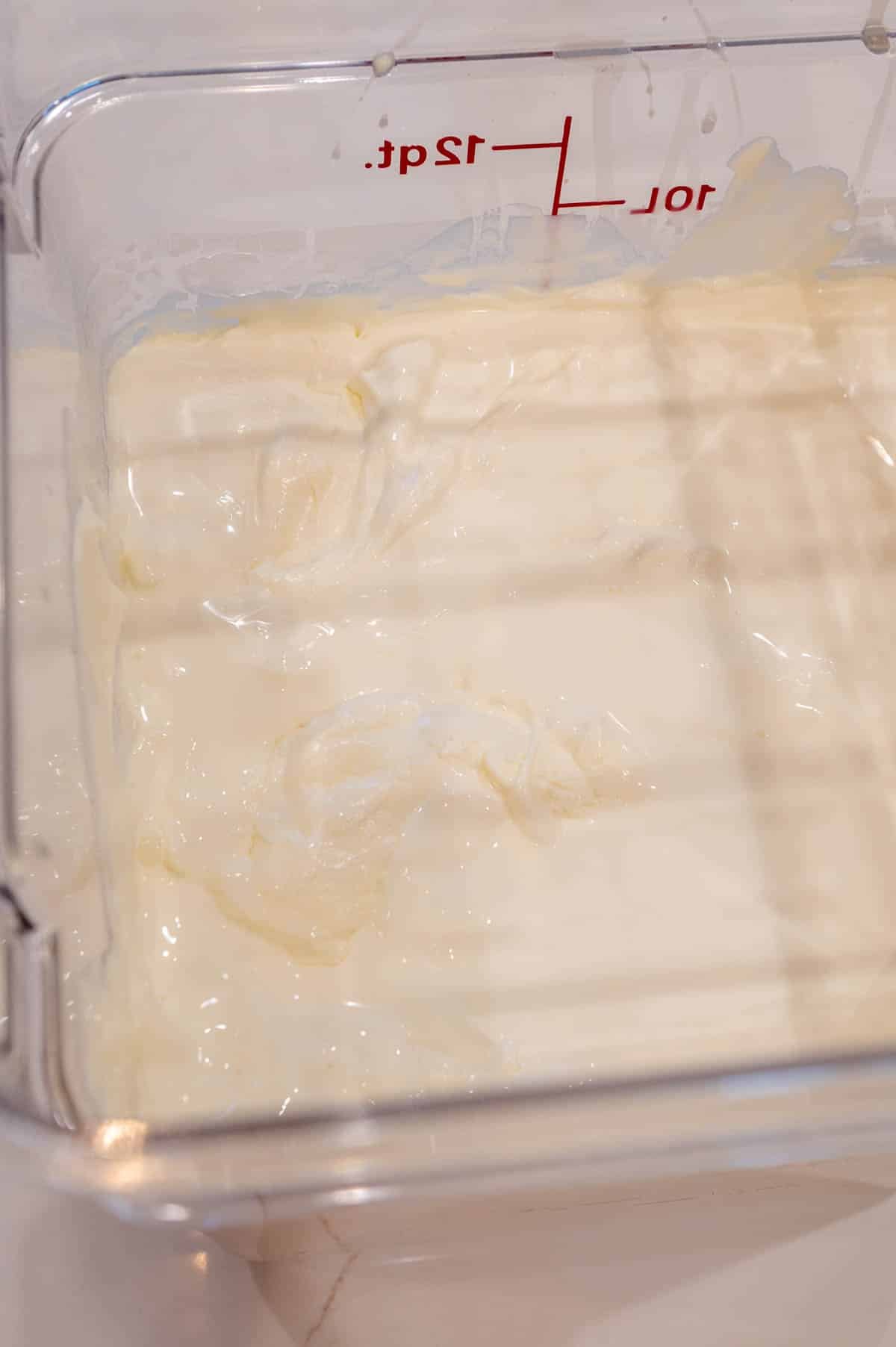
- Let the cream culture on the counter for 12 to 48 hours, until it looks thickened and smells sweet and slightly tangy, not rancid. This culturing process is what gives French butter like Bordier Butter its signature tangy flavor.
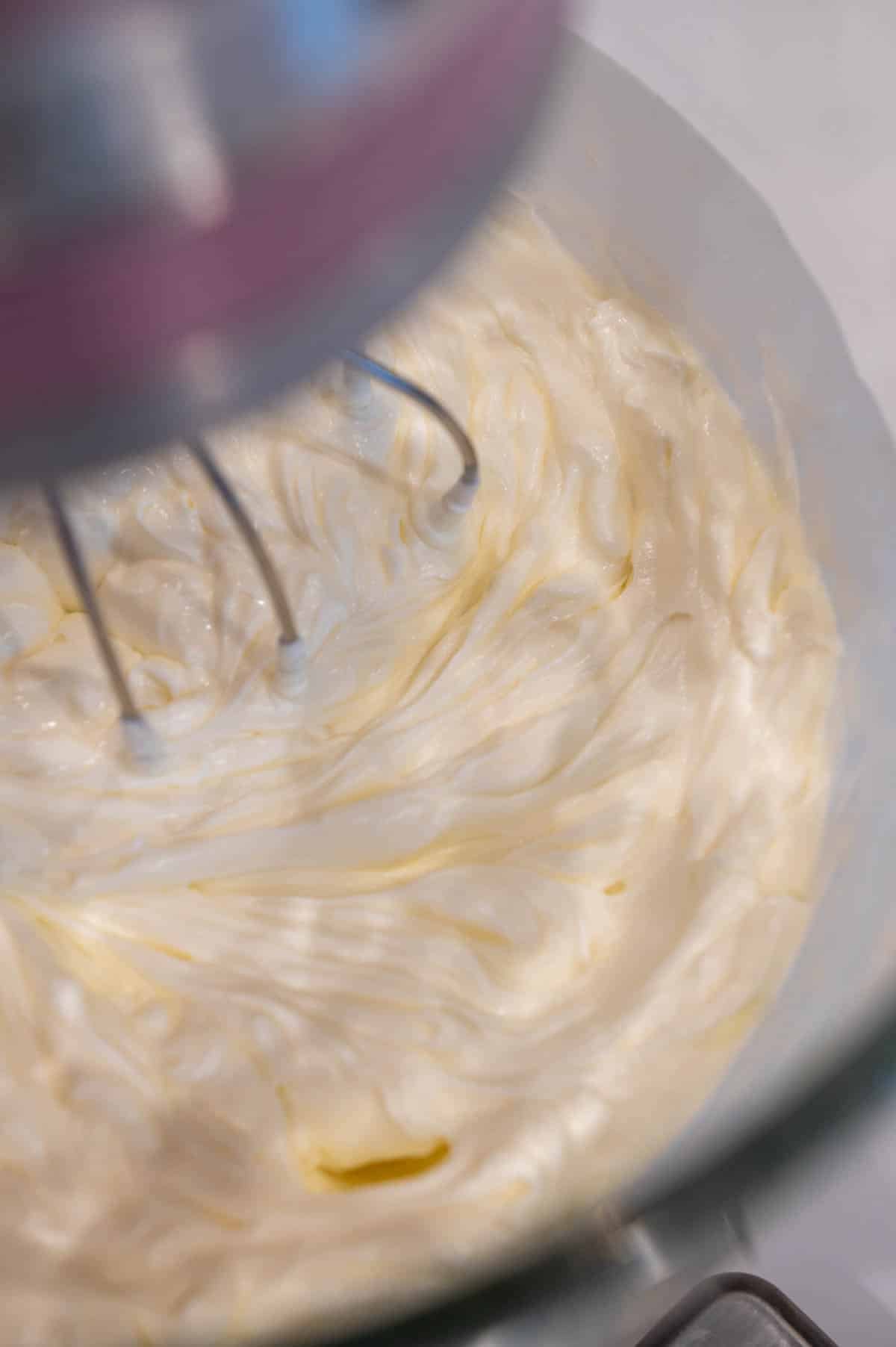
- Whip the cultured cream in your stand mixer with the whisk attachment on medium speed.
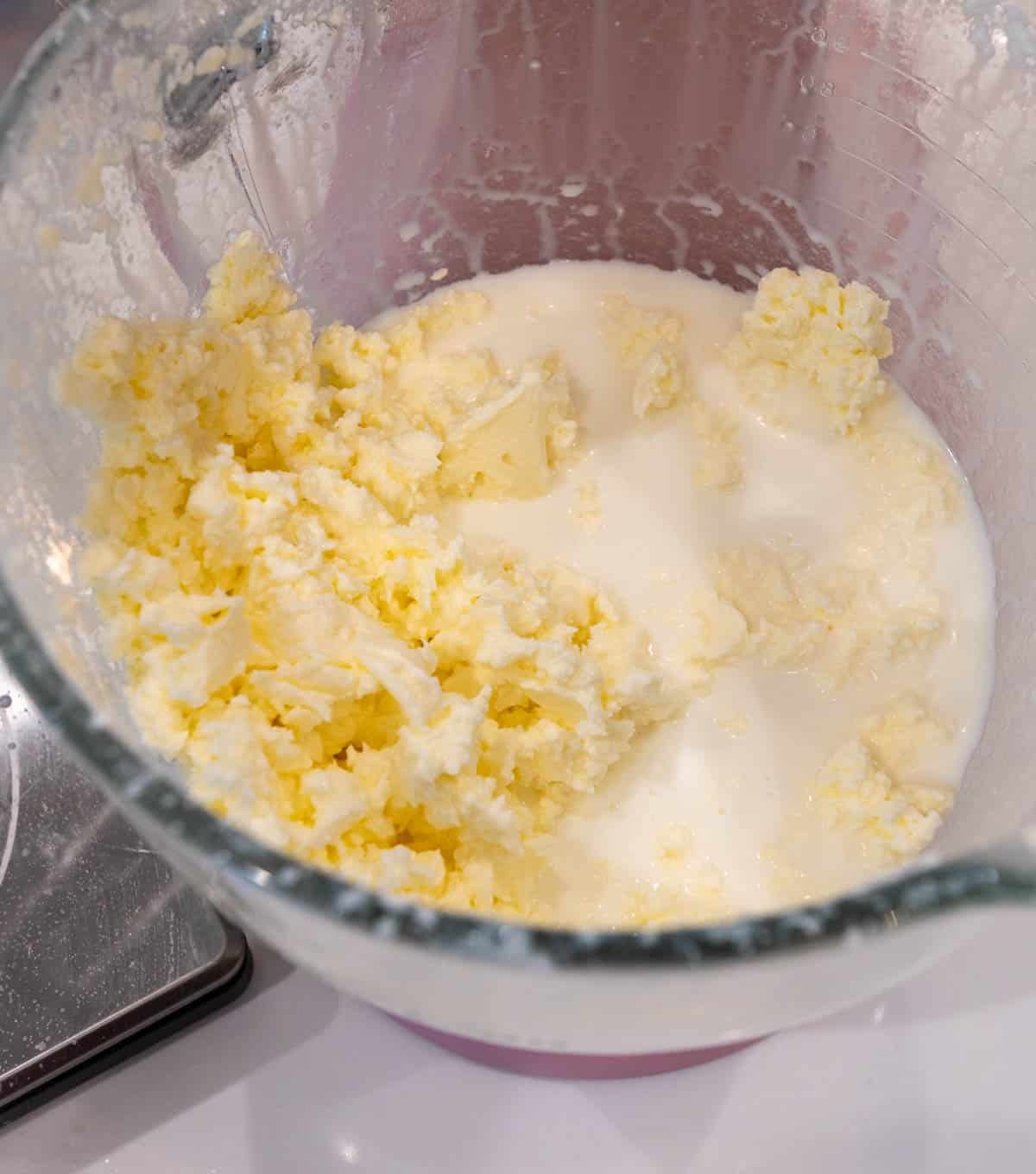
- Keep whipping until it breaks. It will turn into whipped cream first. Keep going until the fat separates into butter curds and buttermilk.
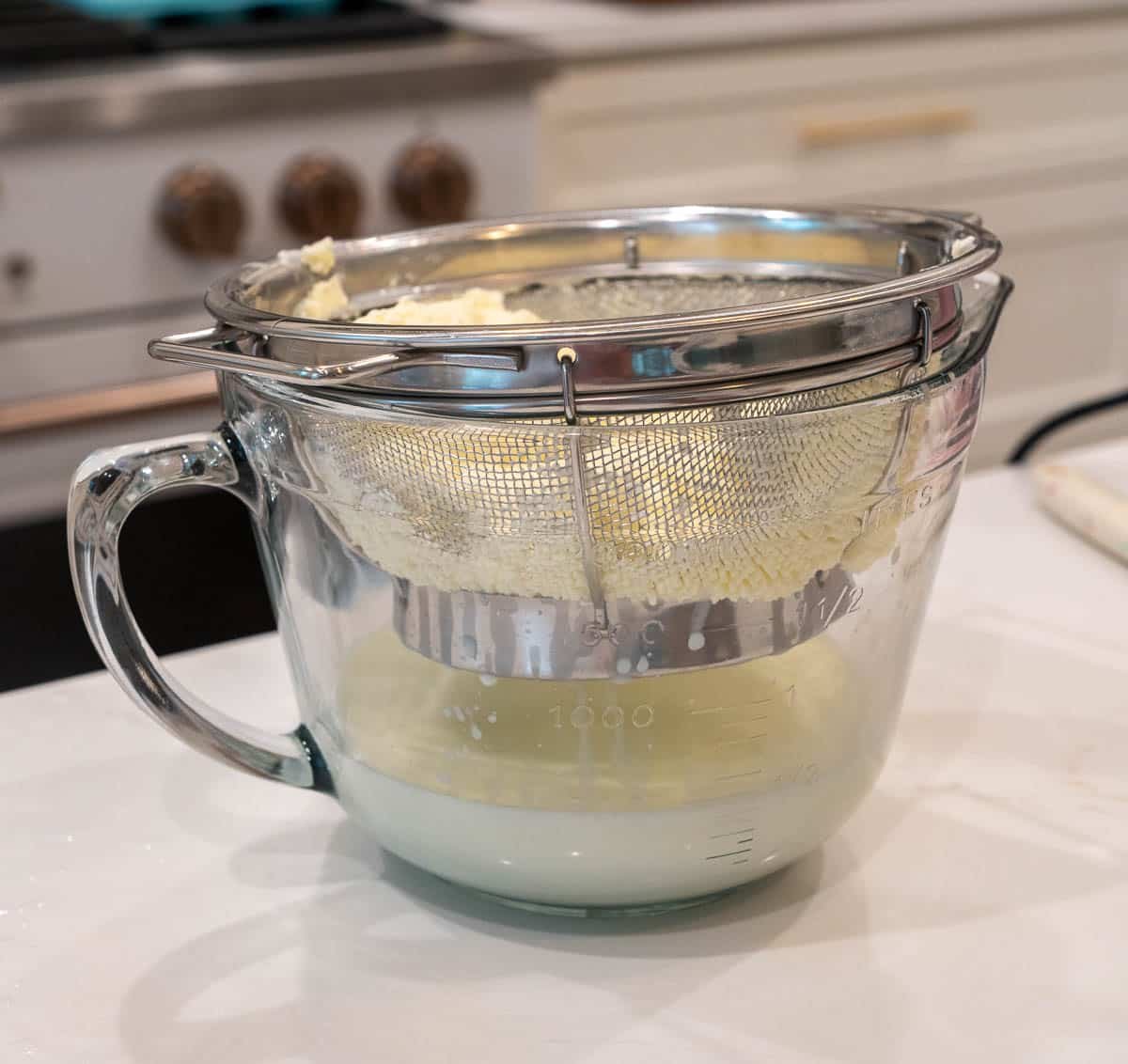
- Strain the butter and save the buttermilk for baking.
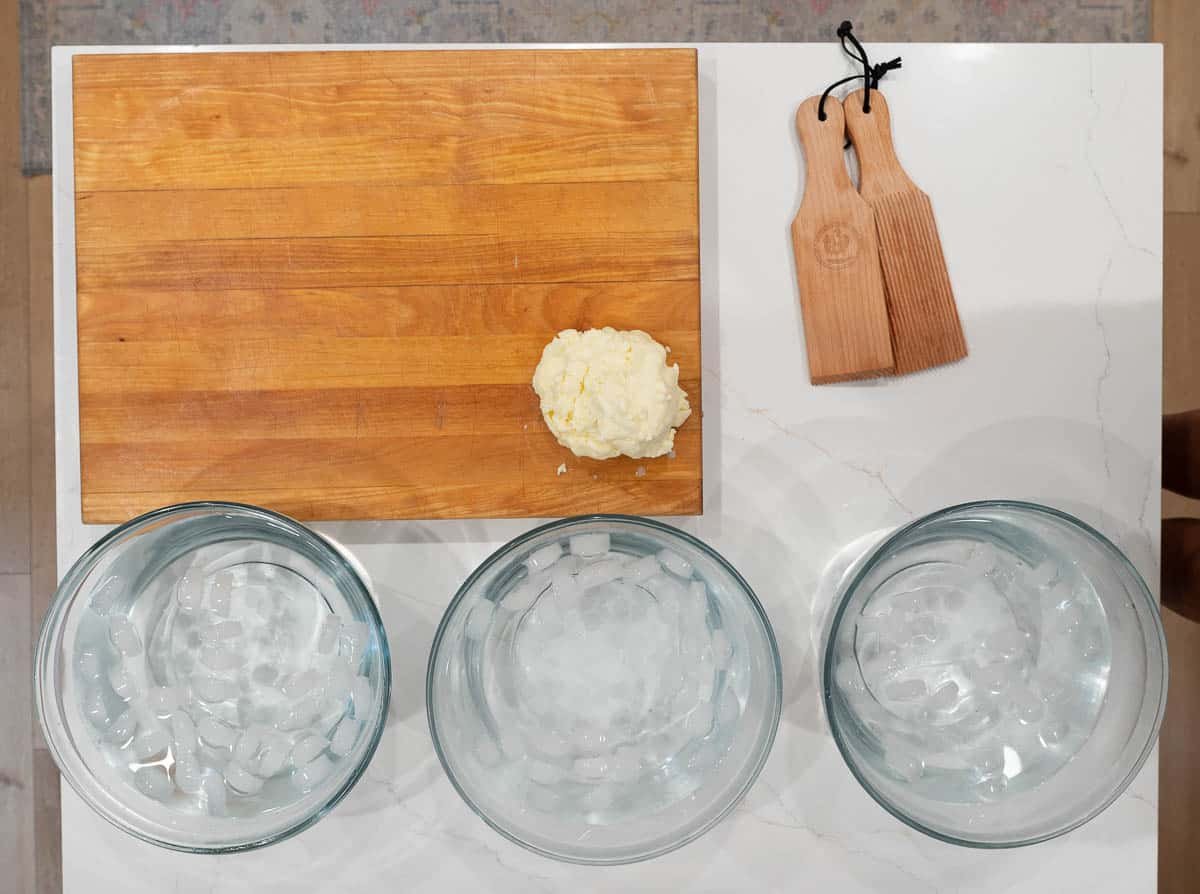
- Set up a washing station with three large bowls of ice water.
PRO TIP: Wash the butter in very cold water until the water runs clear. Leftover buttermilk in the butter can make it spoil.
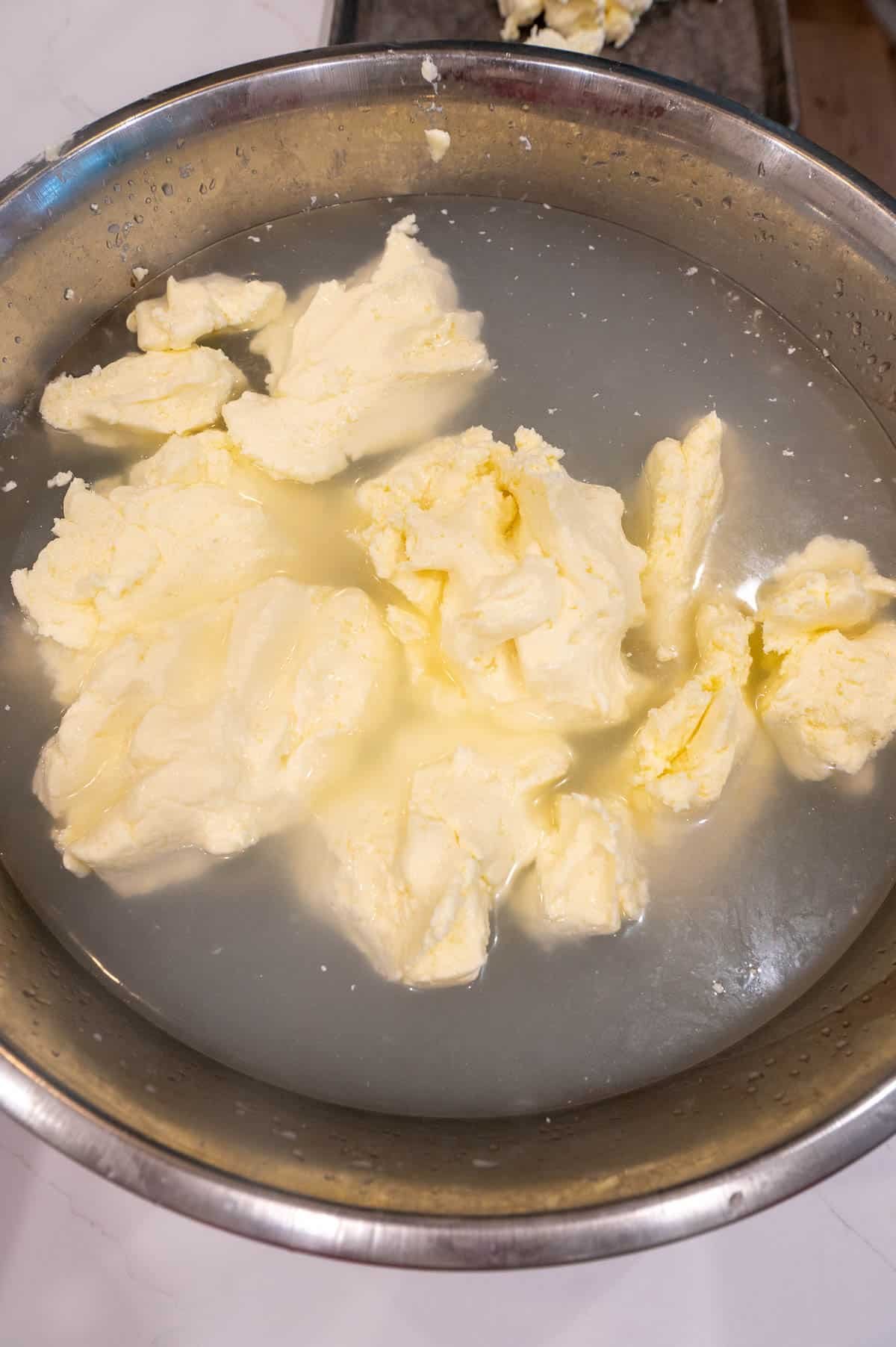
- Wash the butter in the first bowl. Let the soft curds firm up in the ice water, then squeeze out as much buttermilk as possible.
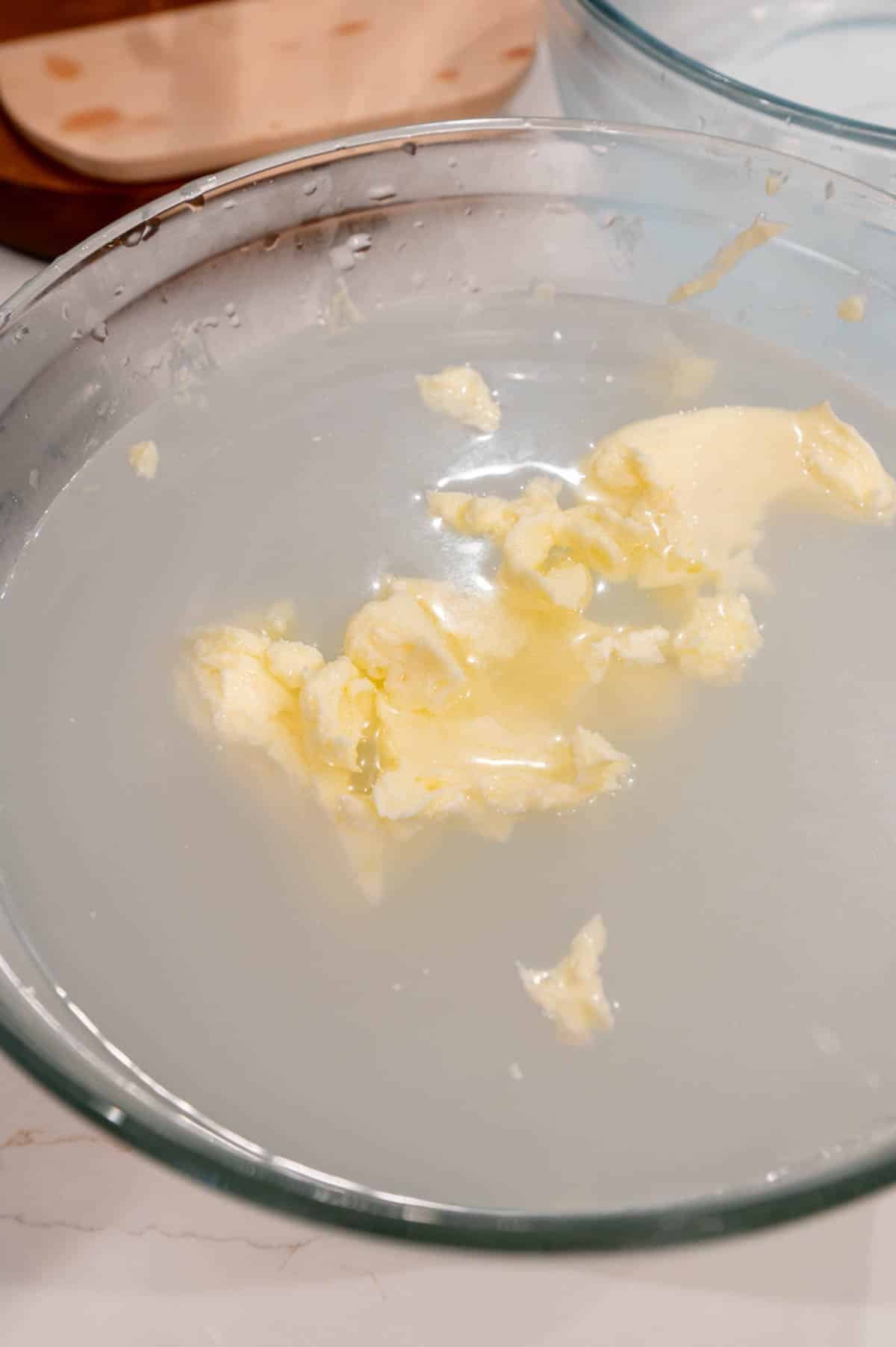
- Move the butter to the second bowl and keep washing and squeezing the curds.
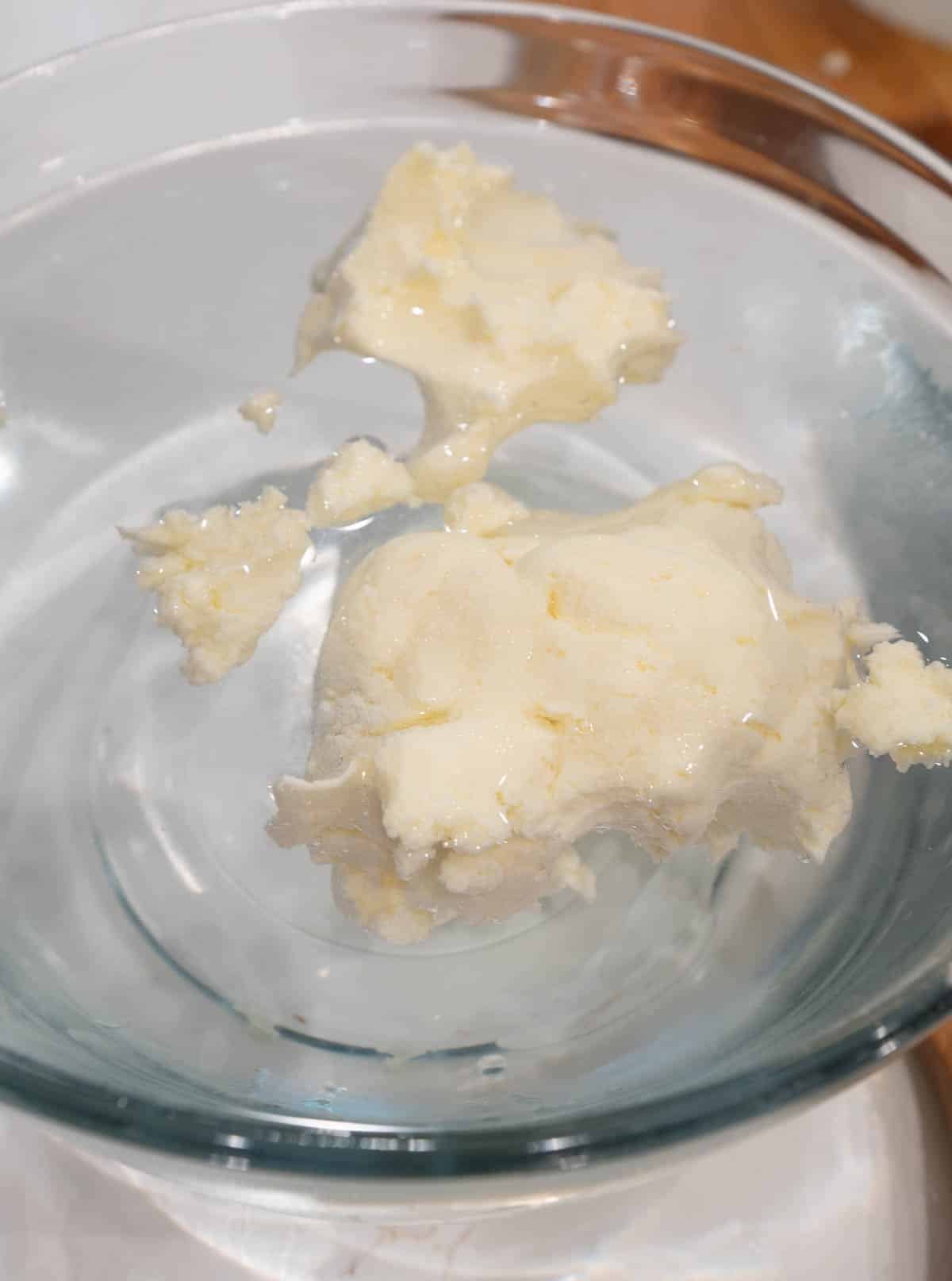
- Finish in the third bowl. The water should stay clear after washing.
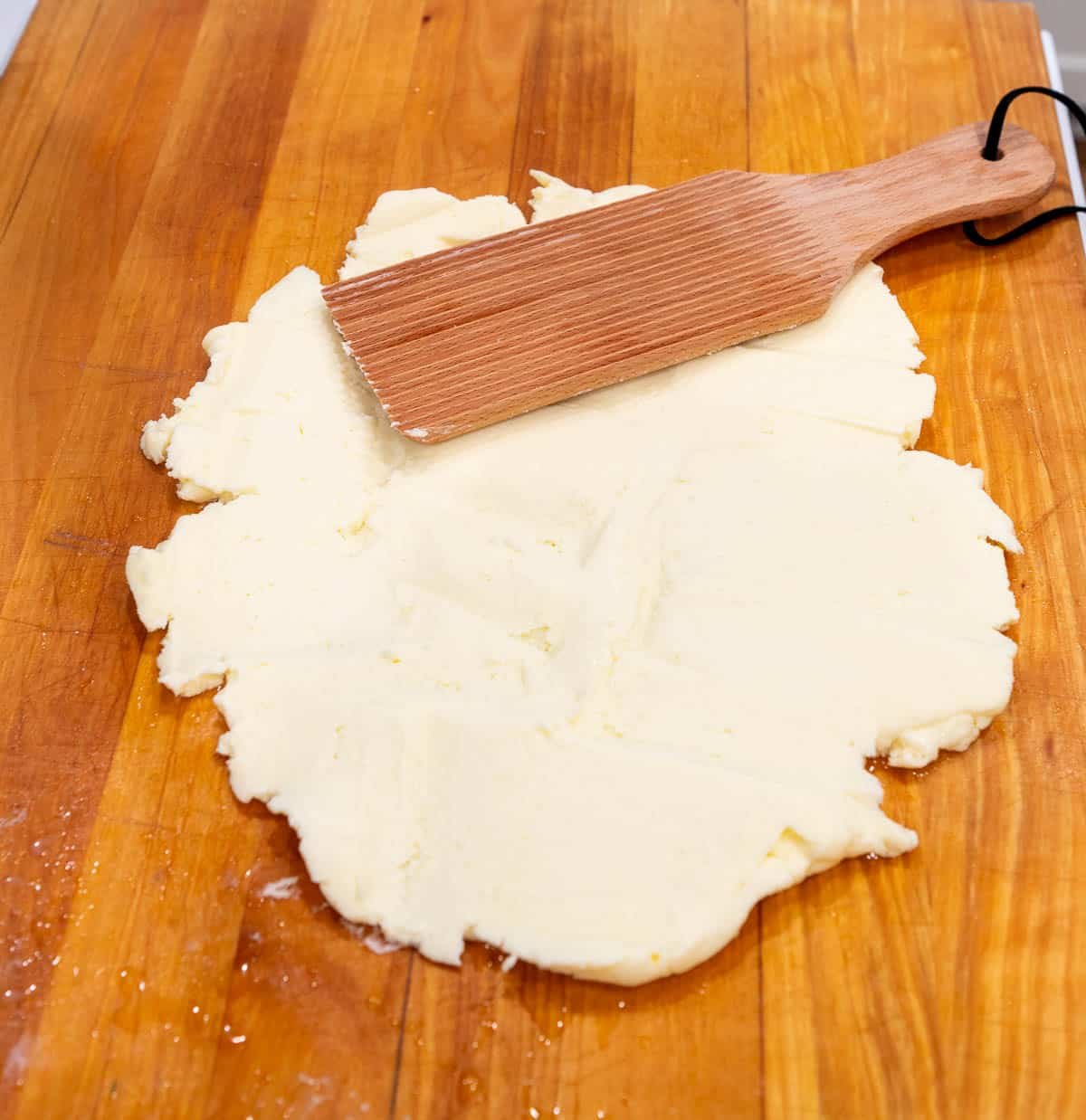
- Flatten the butter on a wooden cutting board with butter paddles or a wooden spoon. Keep pressing and blot away as much water as you can with a towel.
PRO TIP: A pound of butter can take more salt than you think. You can also use pretty much an unlimited amount of seasoned salts or herbs to flavor the butter.
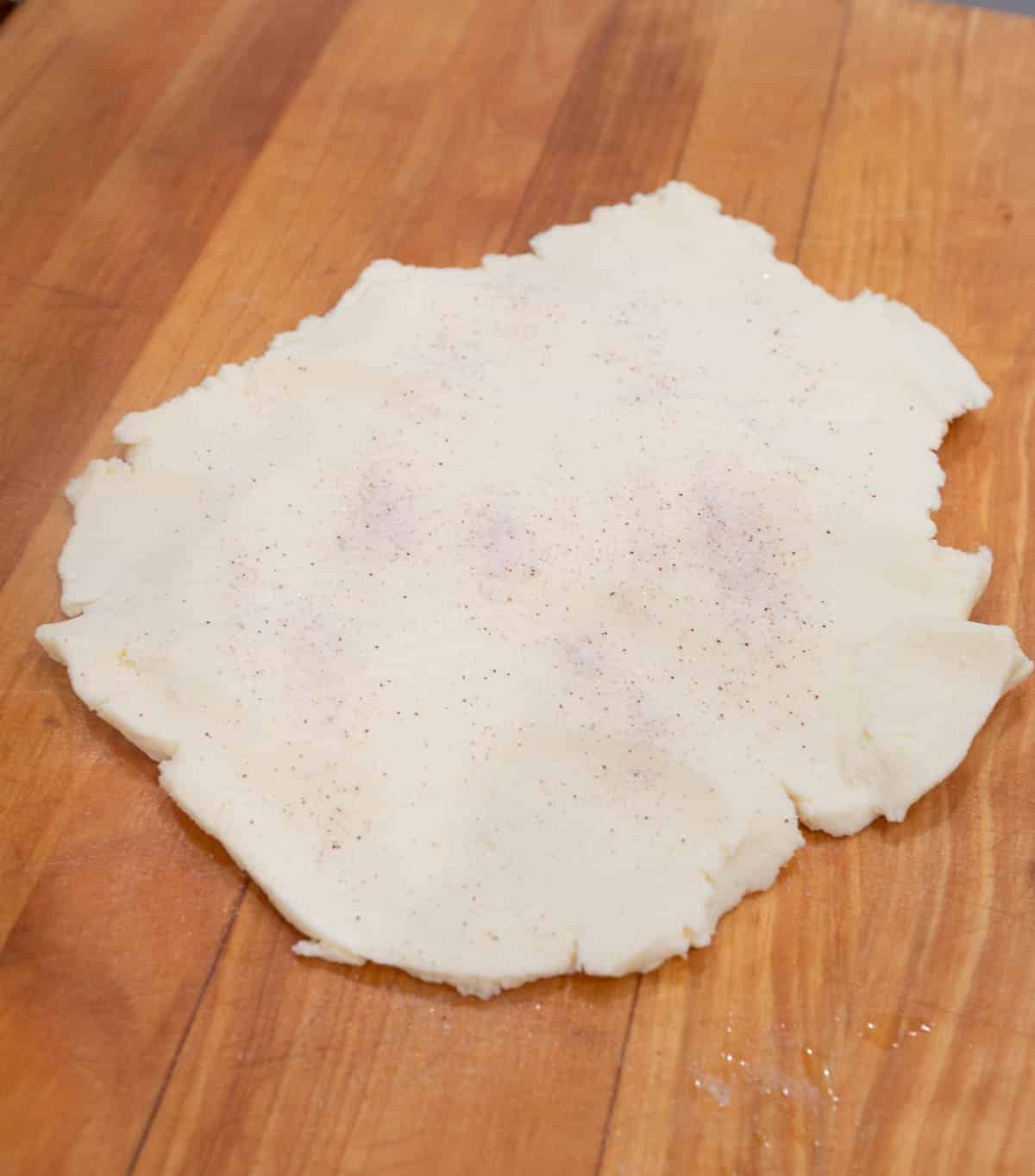
- Season the butter. Knead in your salt or any seasonings you like.
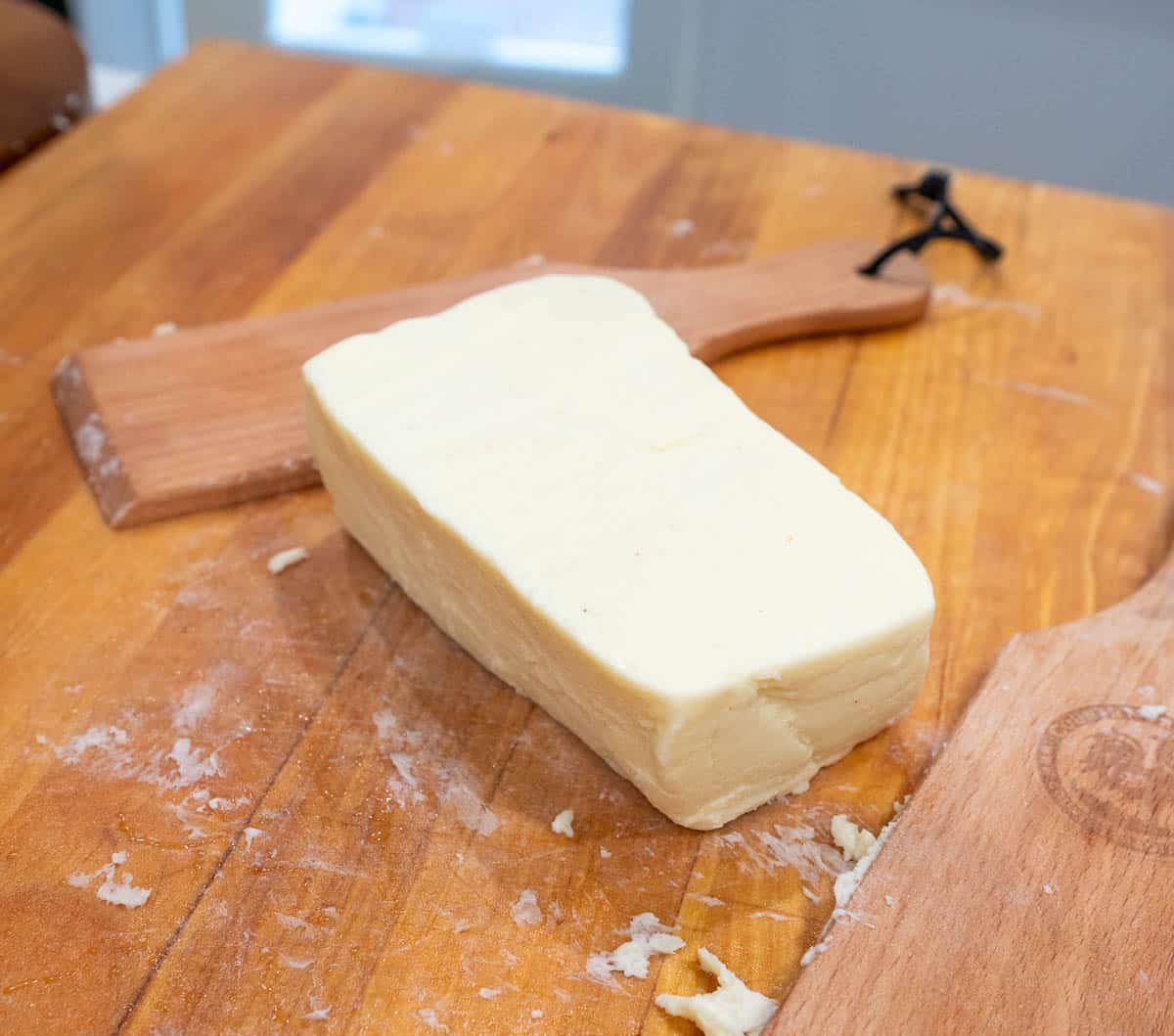
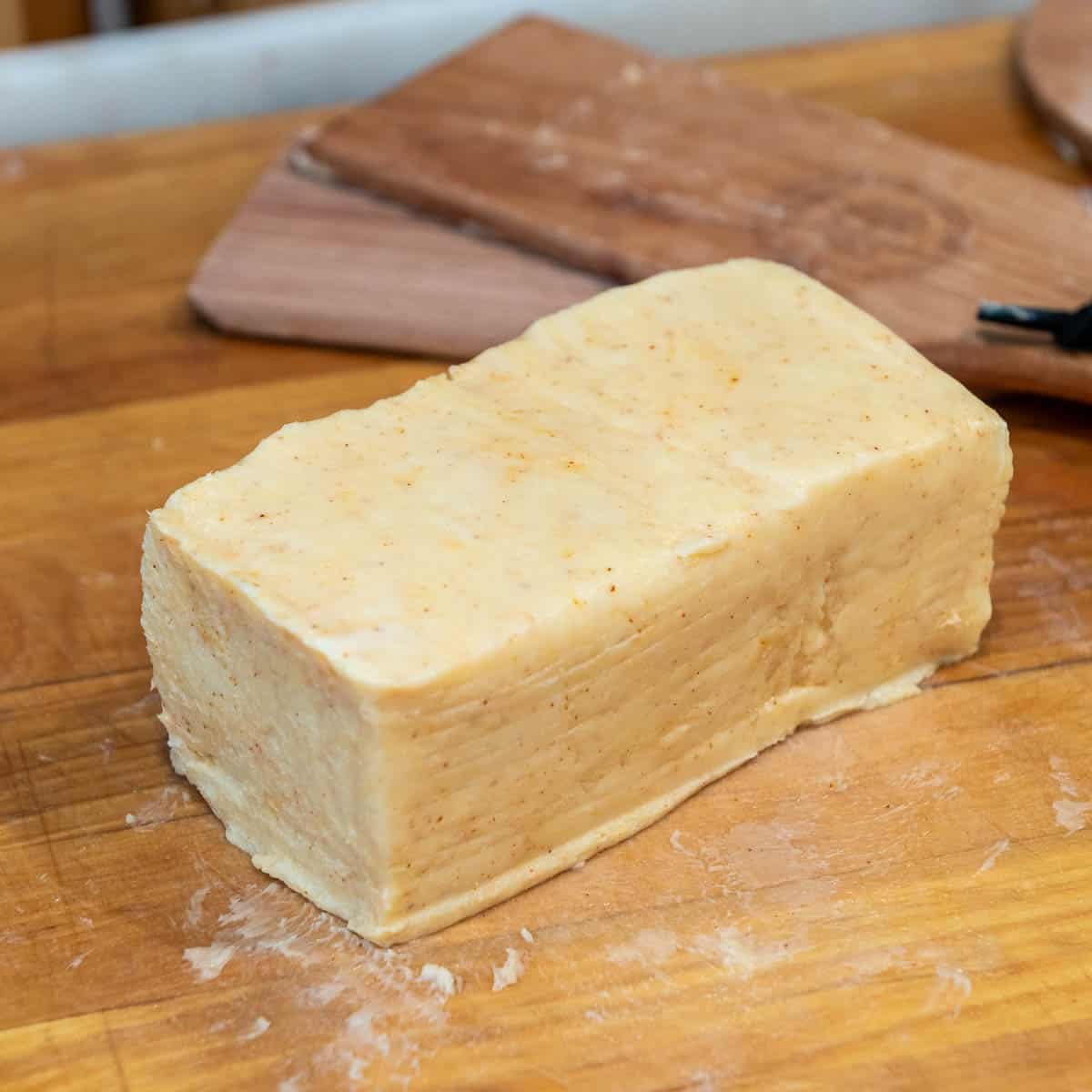
- Shape and wrap. Shape the butter into a block with your butter paddles, wrap it in parchment paper, and refrigerate or freeze it.
Common French Butter Problems To Avoid
- Cream won't thicken. A cool kitchen slows the culturing down, so give it the full 48 hours. If it still hasn't thickened, check that your cream isn't ultra-pasteurized and your yogurt has live cultures.
- Butter won't come together. Keep whipping. The cream goes through a whipped cream stage first and then breaks into butter curds and buttermilk.
- Pale butter instead of yellow. The color comes from the cream. Grass-fed cream makes a deeper yellow butter, while regular cream makes a paler butter that tastes just as good.
Make This French Butter Your Own
- Herb butter. Knead in fresh herbs, black pepper, or even a little olive oil.
- Compound butter. Soften the finished butter and knead in garlic, honey, miso, or any other flavoring, then roll it into a log in parchment paper and chill.
How To Store French Butter
Wrap your butter in parchment paper or keep it in an airtight container. It keeps in the fridge for 2 to 4 weeks, and the lower water content means it lasts longer than regular butter. For longer storage, double-wrap it and freeze it for up to 3 months.
Don't toss the buttermilk! It keeps in the fridge for up to 1 week and is great in buttermilk biscuits, pancakes, brioche, or salad dressing.
Final Thoughts
Making your own cultured butter at home feels like unlocking the next step in your kitchen journey. It's one of those "why didn't I do this sooner?" moments. The fat content gives it a silky mouthfeel, the tangy flavor makes every bite pop, and it turns the simplest things, like toast, sourdough bread, or a warm slice of fresh homemade bread, into a chef's kiss moment. Whether you're channeling your inner Julia Child or just trying to elevate breakfast, this is truly the best butter you'll ever taste. Bon appétit!
French Butter Recipe FAQs
What's the difference between French butter and American butter?
French butter (and most European butter) has higher butter fat and lower water content, which gives it that rich, flavorful butter vibe. American butter tends to be milder with more water.
Do I have to use live cultures?
If you want that tangy flavor, yes. Otherwise, you'll just get regular butter. Still delicious, but not as unique.
Can I use Greek yogurt?
Yes, as long as it has live and active cultures. I used organic Greek yogurt from Straus Family Creamery.
How much butter does this recipe make?
One quart of heavy cream makes about 13 ounces of butter, plus a batch of cultured buttermilk.
More Bread Recipes To Try

Leave Me A Review
⭐️⭐️⭐️⭐️⭐️
If you tried this French Butter Recipe or any other recipe on my blog, please leave a 🌟 star rating and let me know how it goes in the comments. I love hearing from you!
Recipe
Equipment
- 1 Stand Mixer
- 1 butter paddles
Ingredients
- 32 ounces heavy whipping cream
- 3 Tablespoons yogurt with live cultures
- 4 grams salt or other seasoning
Instructions
- Combine the yogurt and cream in a large container like a cambro or a bowl. Place your lid loosely on the container or cover with a kitchen towel.
- Place the cream on the counter for 12 to 48 hours, or until the cream looks thickened and smells slightly tangy.
- Put the thickened cream into a stand mixer with a whisk attachment and whisk on medium speed.
- Keep whisking past the whipped cream stage until the fat separates from the buttermilk.
- Strain the butter and save the buttermilk.
- Prepare three large bowls of ice water and set them aside.
- Place the soft butter curds into the first bowl of ice water until they firm up, then squeeze the curds to remove as much buttermilk as possible.
- Move the butter to the second bowl and continue washing the curds.
- In the final bowl of ice water, the water should be clear after washing.
- Place the cold butter onto a wooden cutting board and pound it flat with butter paddles or a wooden spoon. Remove any excess water with a paper towel or towel, continuously pressing on the butter to remove as much water as possible.
- Add in your salt or preferred seasonings and mix it into the butter.
- Shape the butter into a rectangle with your butter paddles, wrap in parchment paper, and enjoy or freeze for later.
Video
Notes
- Refrigerator: airtight container or parchment paper, 2 to 4 weeks.
- Freezer: double-wrapped, up to 3 months.


Margaret Scott says
Hey Liz. I was so anxious to try this. Mine never turned yellow. Nor did the solid form in one big clump. I have looked at others but I always trust you the most. Any ideas on things to try?
Liz Marek says
Hi Margaret, thank you so much for trying the recipe! The yellow color comes from the cream itself. Grass-fed cream makes a deeper yellow butter, and regular cream makes a paler butter that tastes just as good. If it didn't come together, keep whipping. It goes through a whipped cream stage first and then suddenly breaks into butter curds and buttermilk. Also double-check that your cream isn't ultra-pasteurized and your yogurt has live cultures, because that affects how well the cream cultures.
Elizabeth Marek says
I loved making this recipe! I hope you enjoy it as much as me and my neighbors did haha