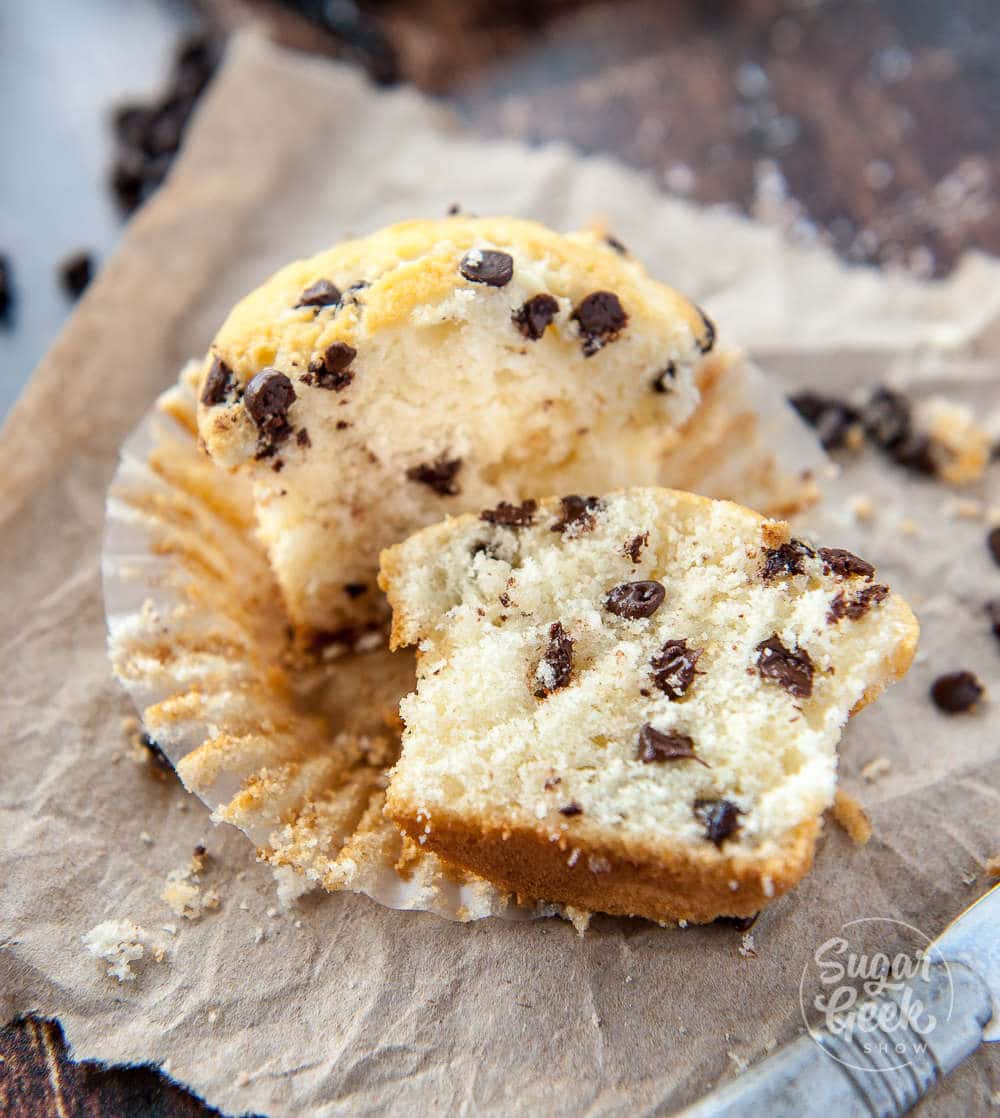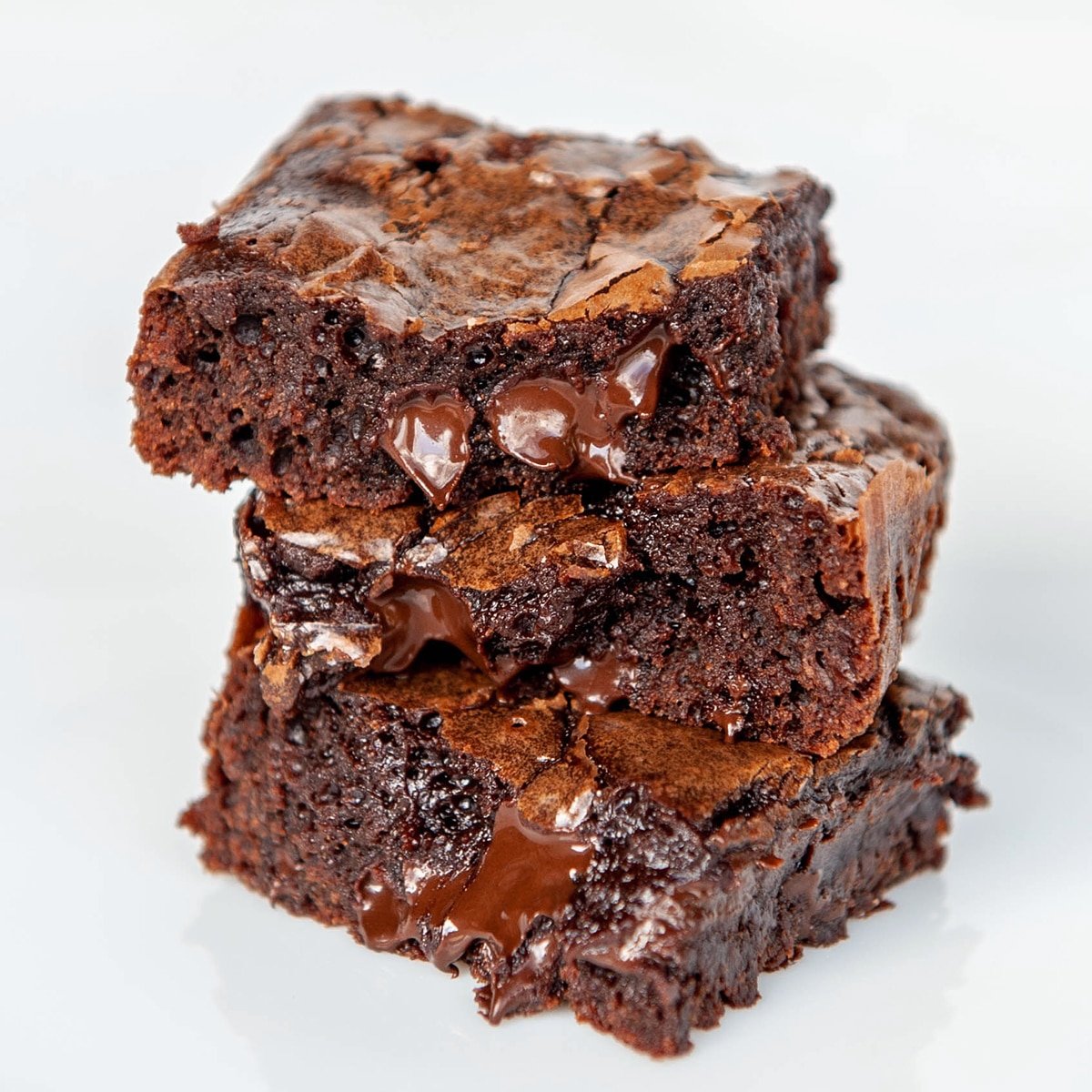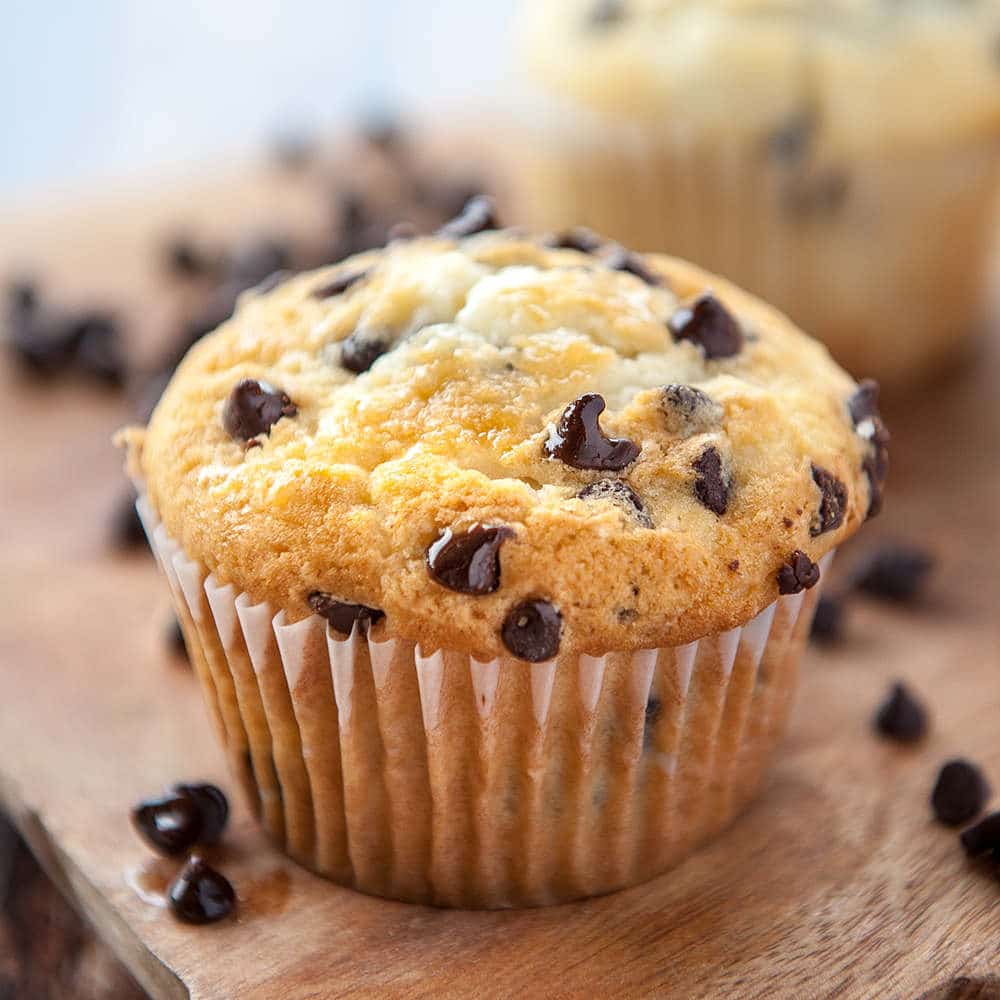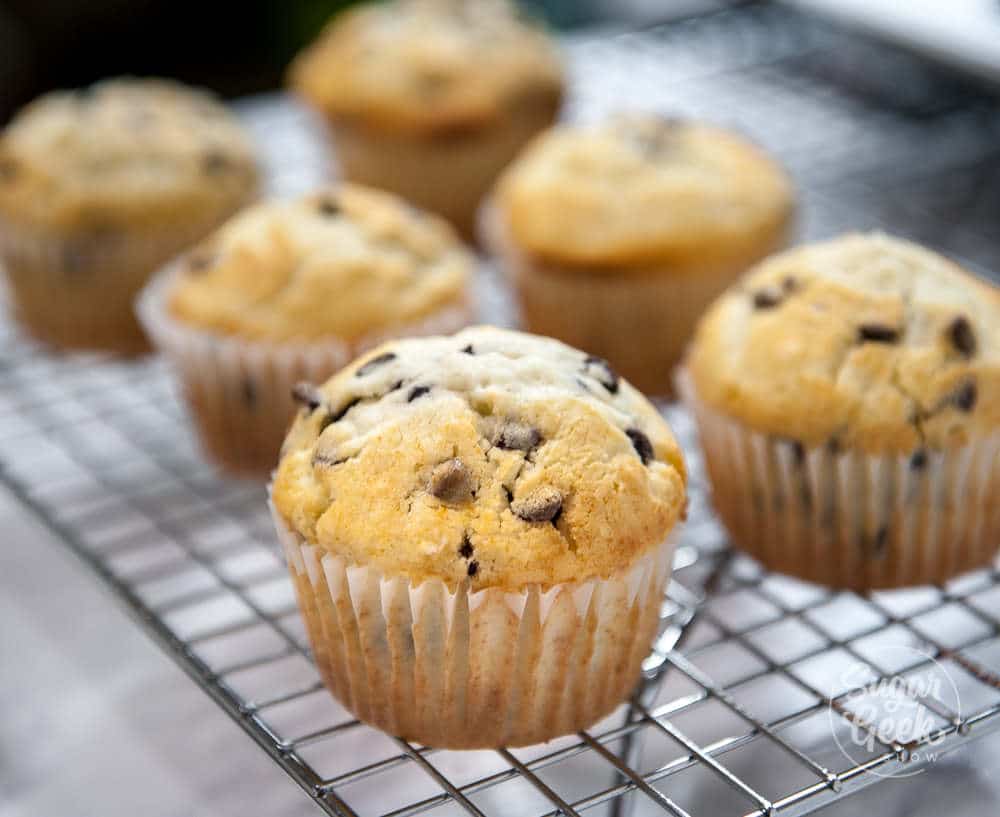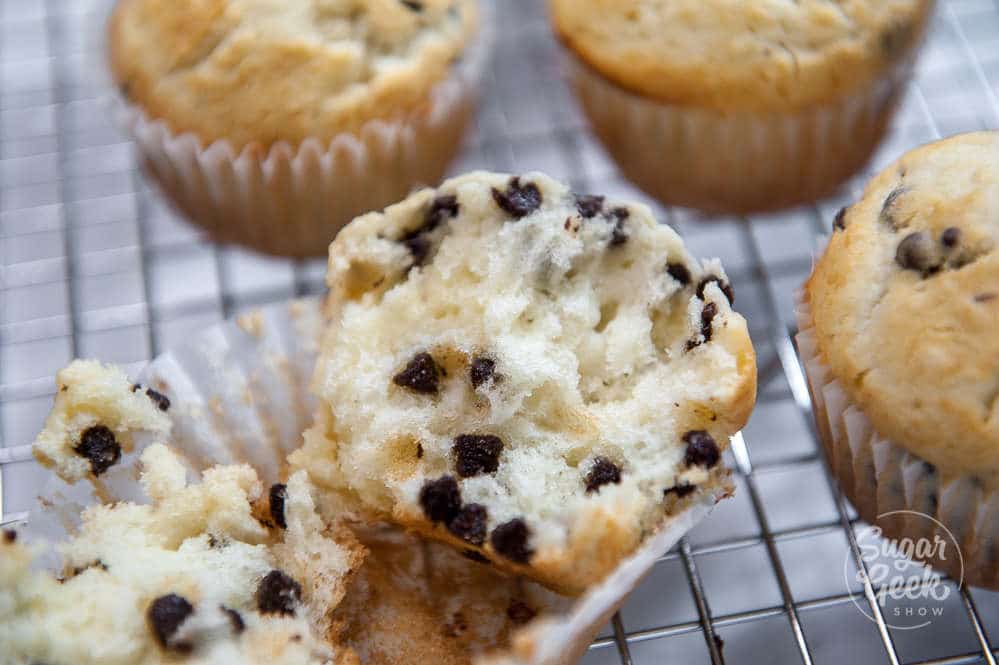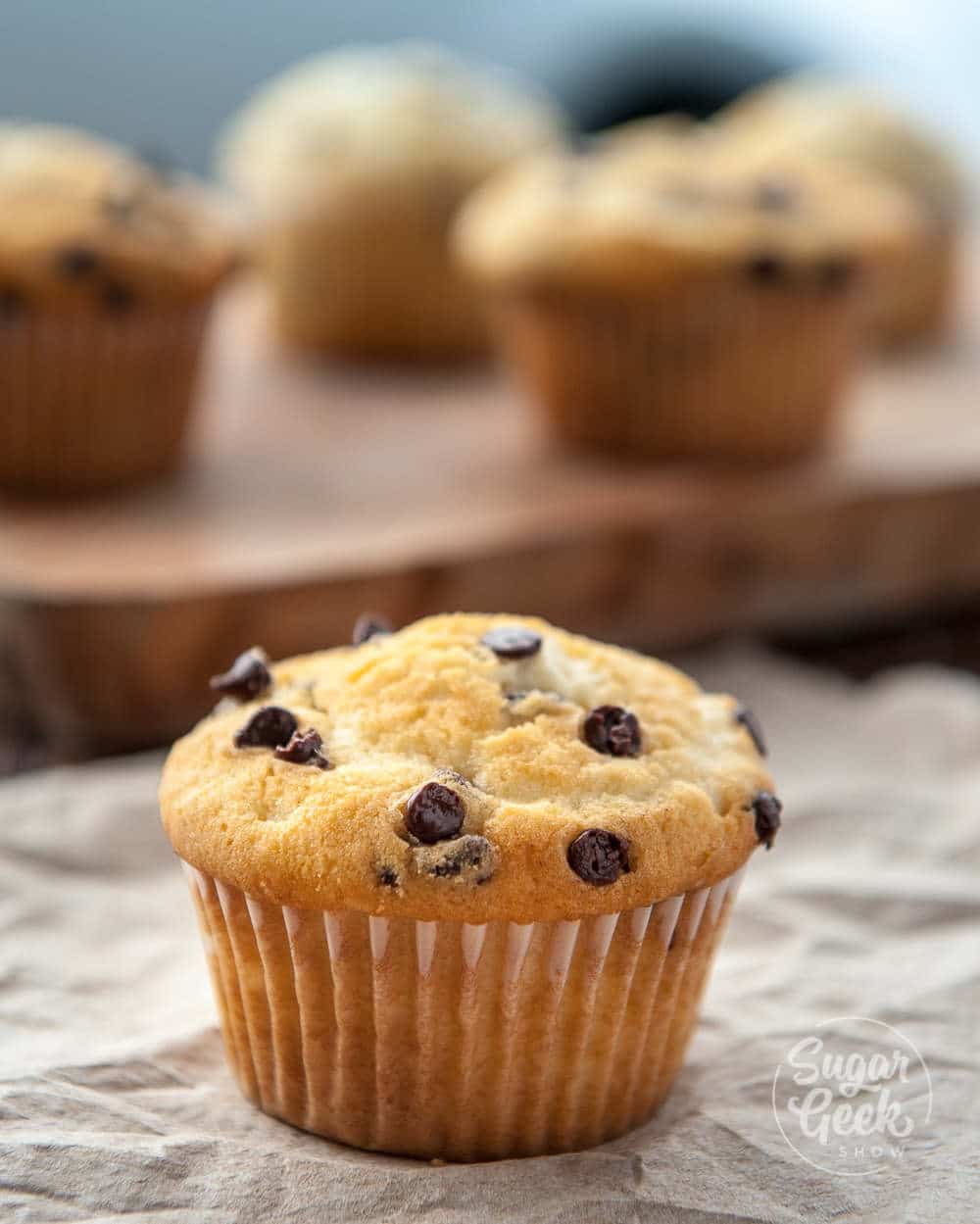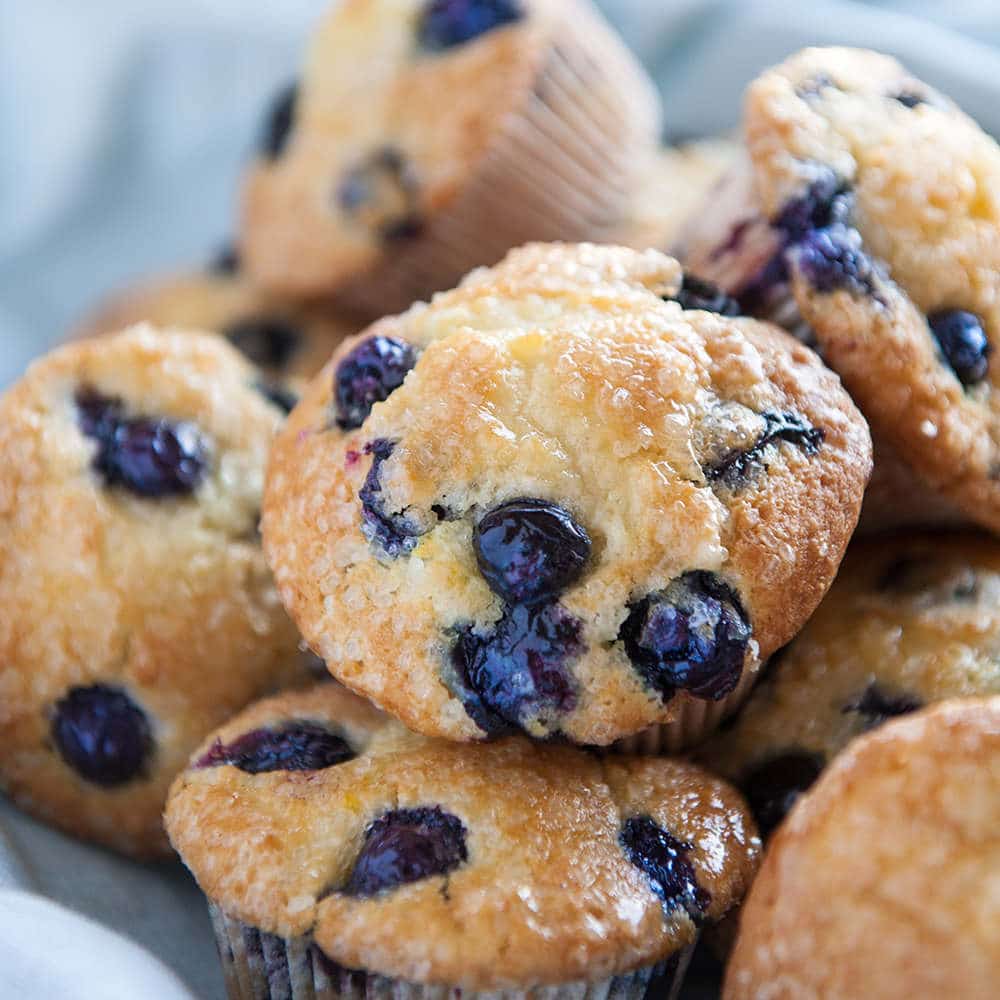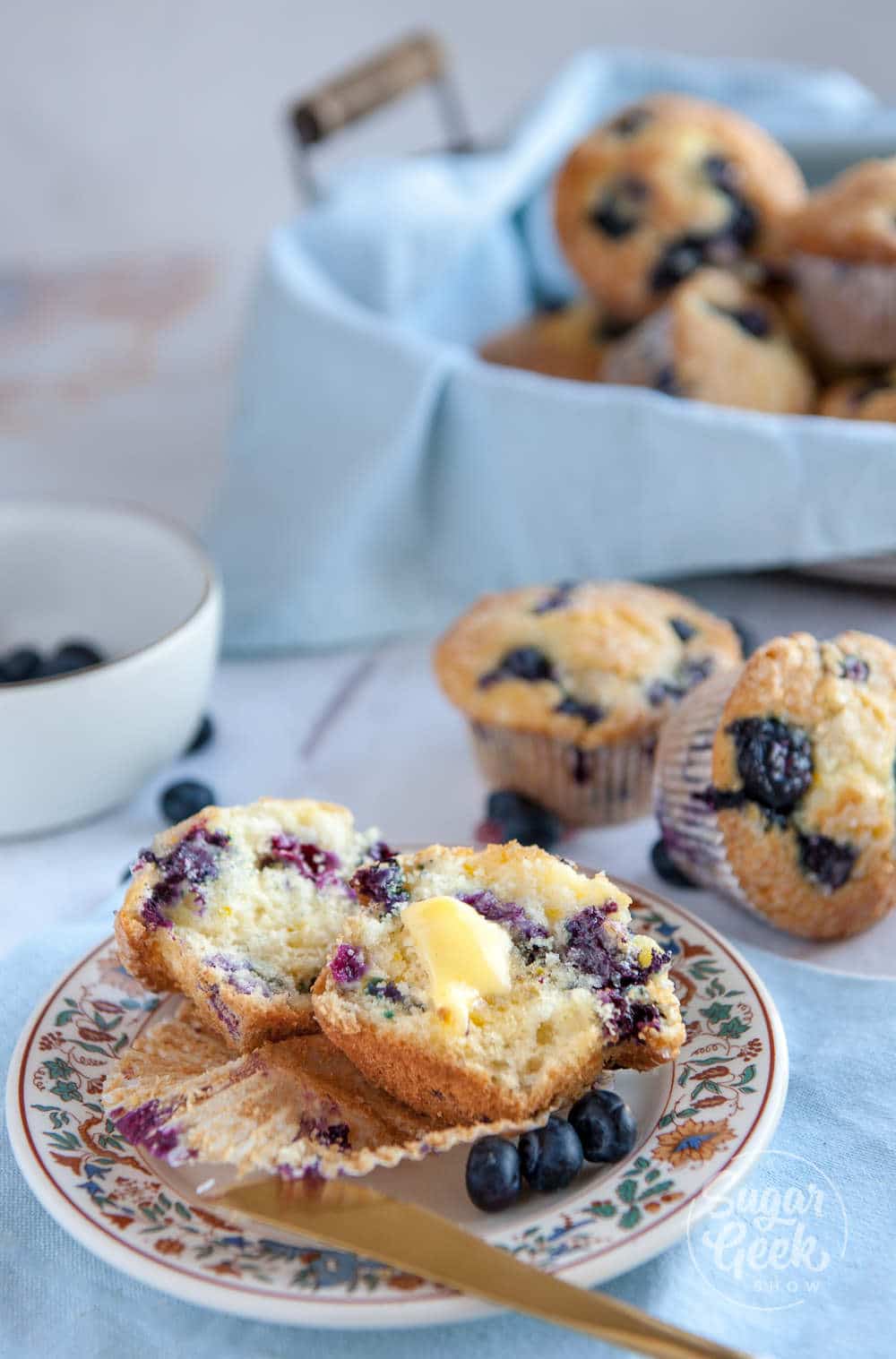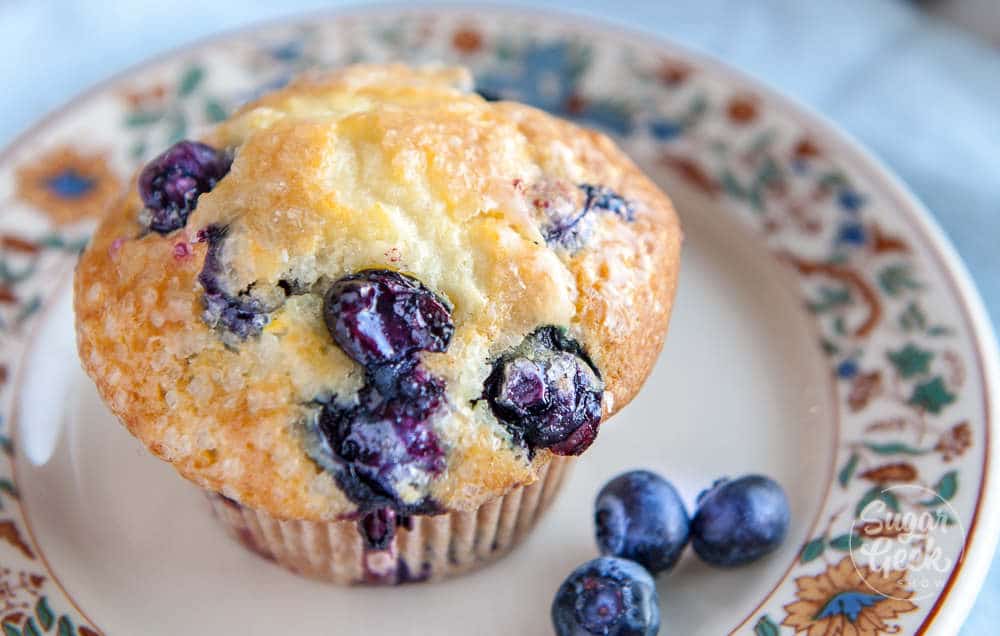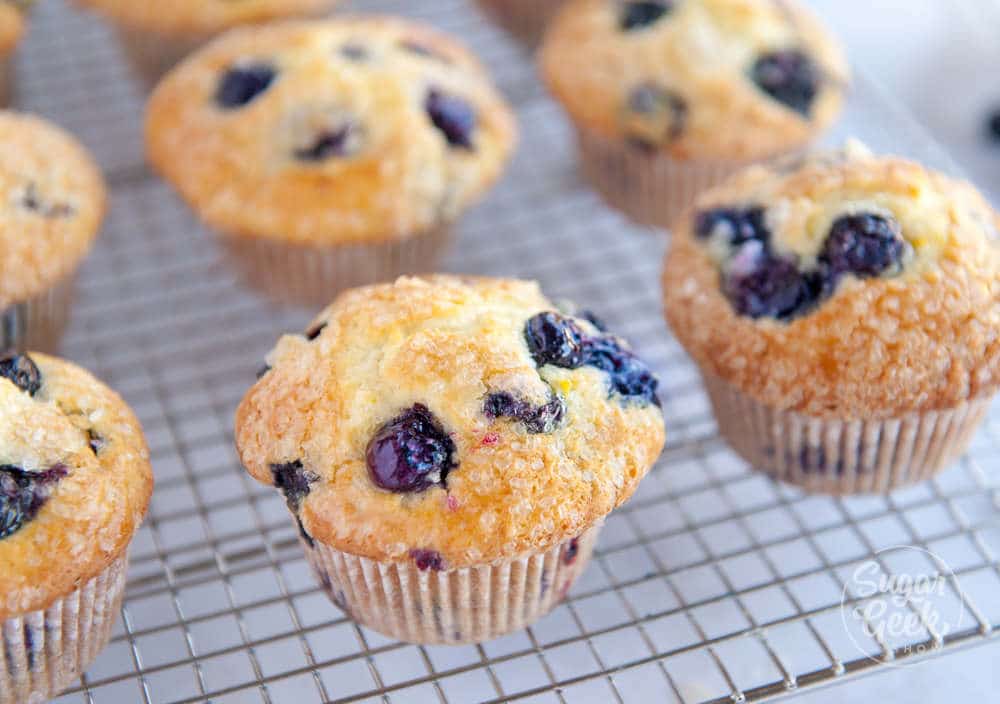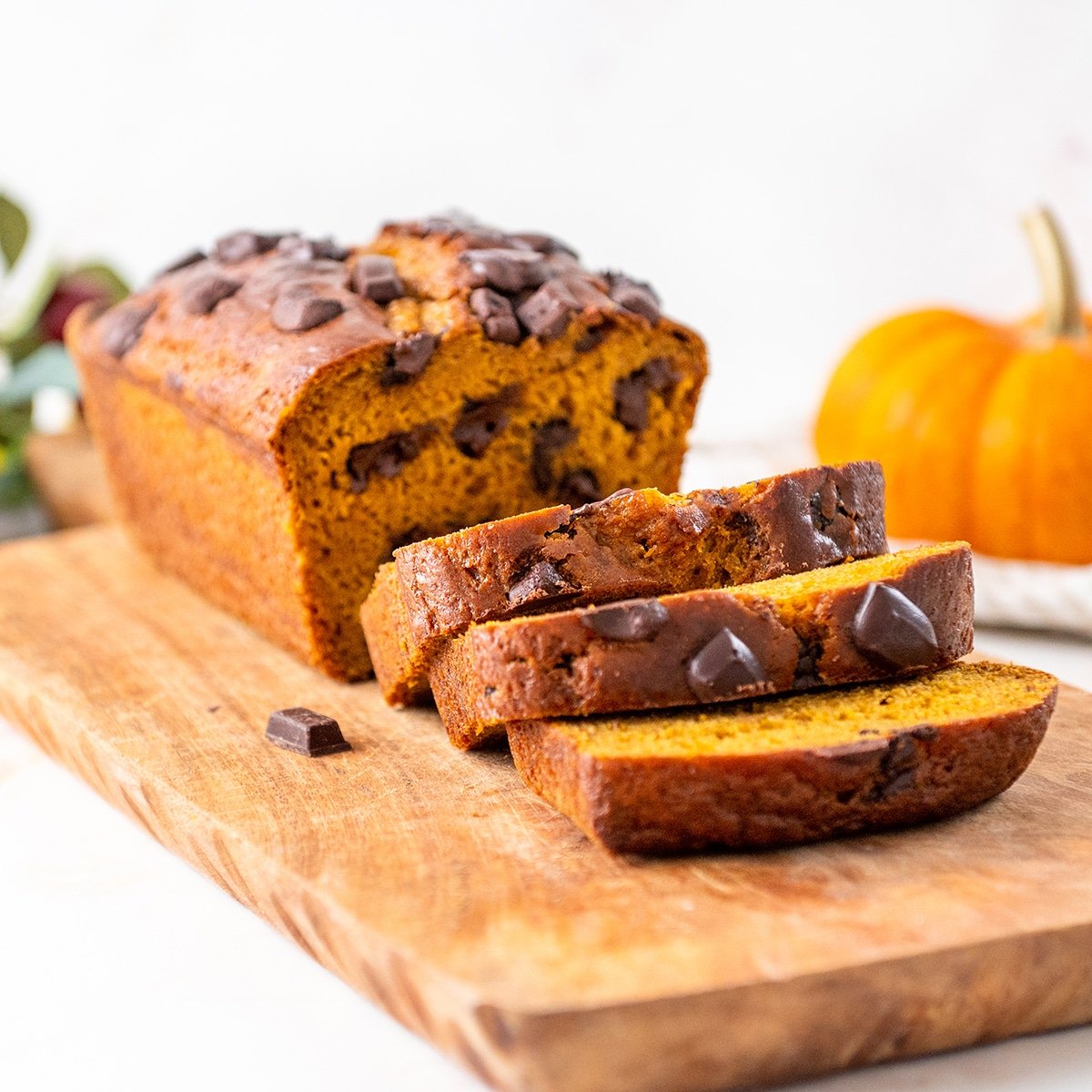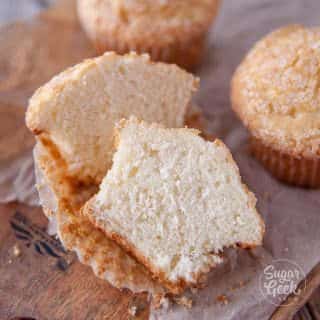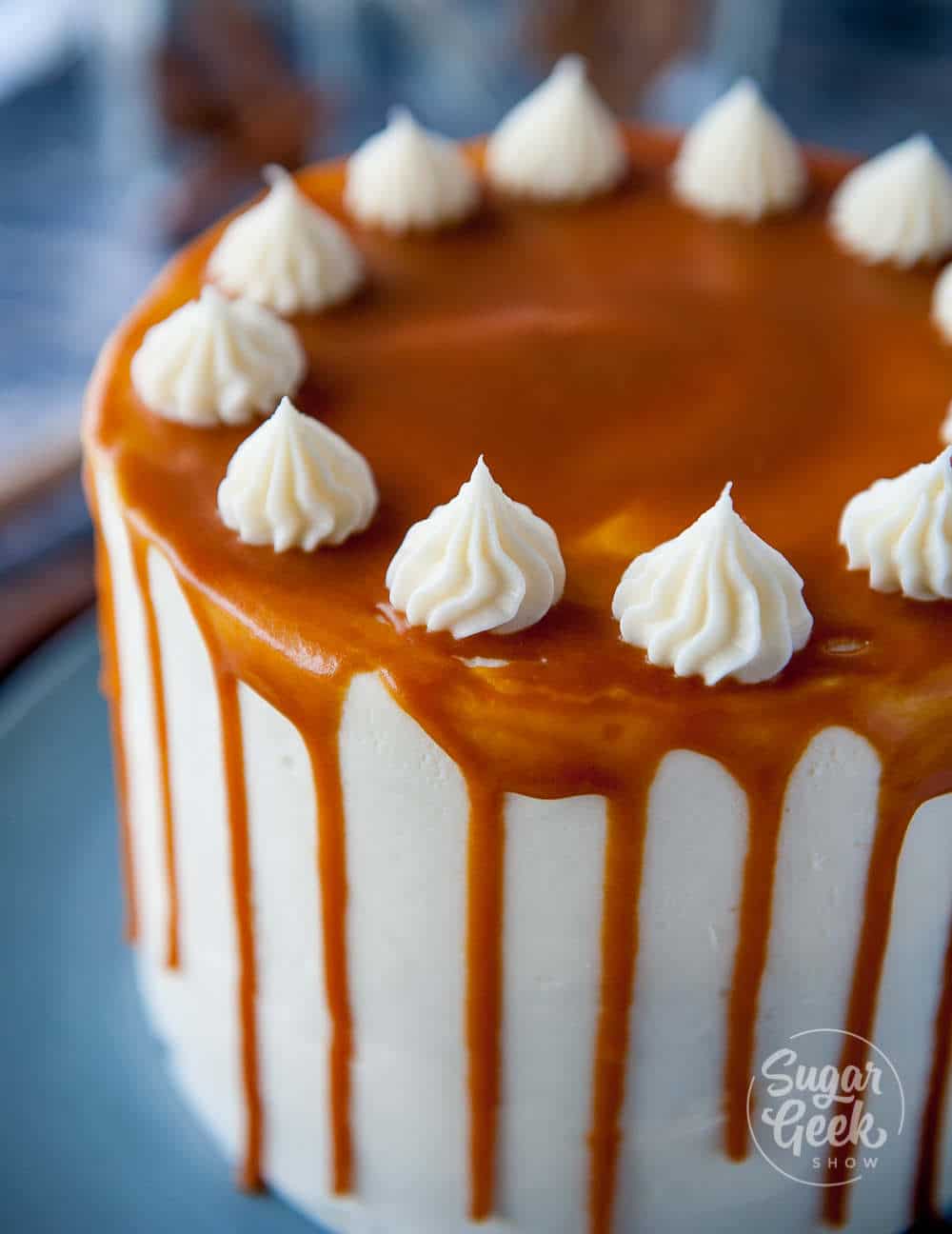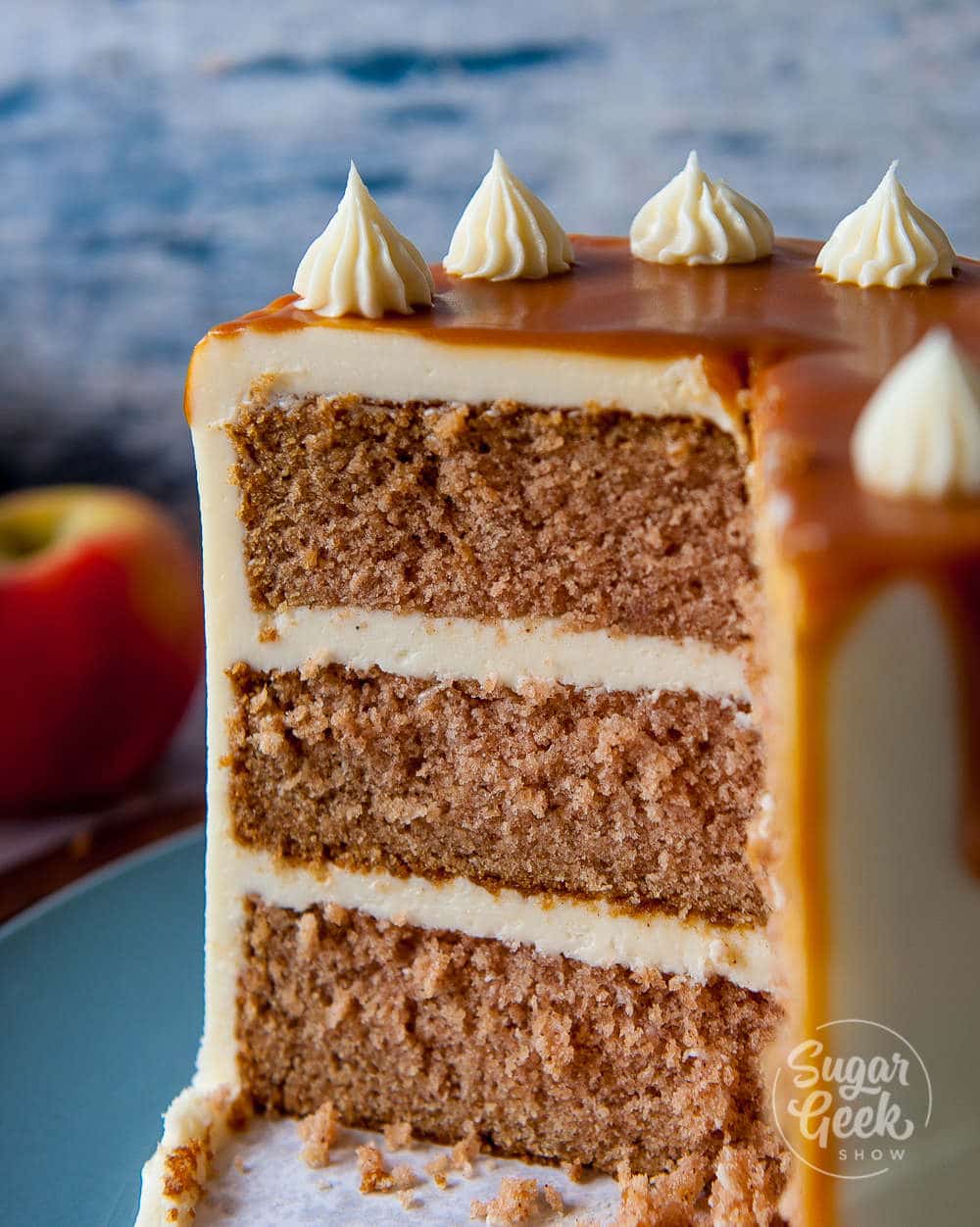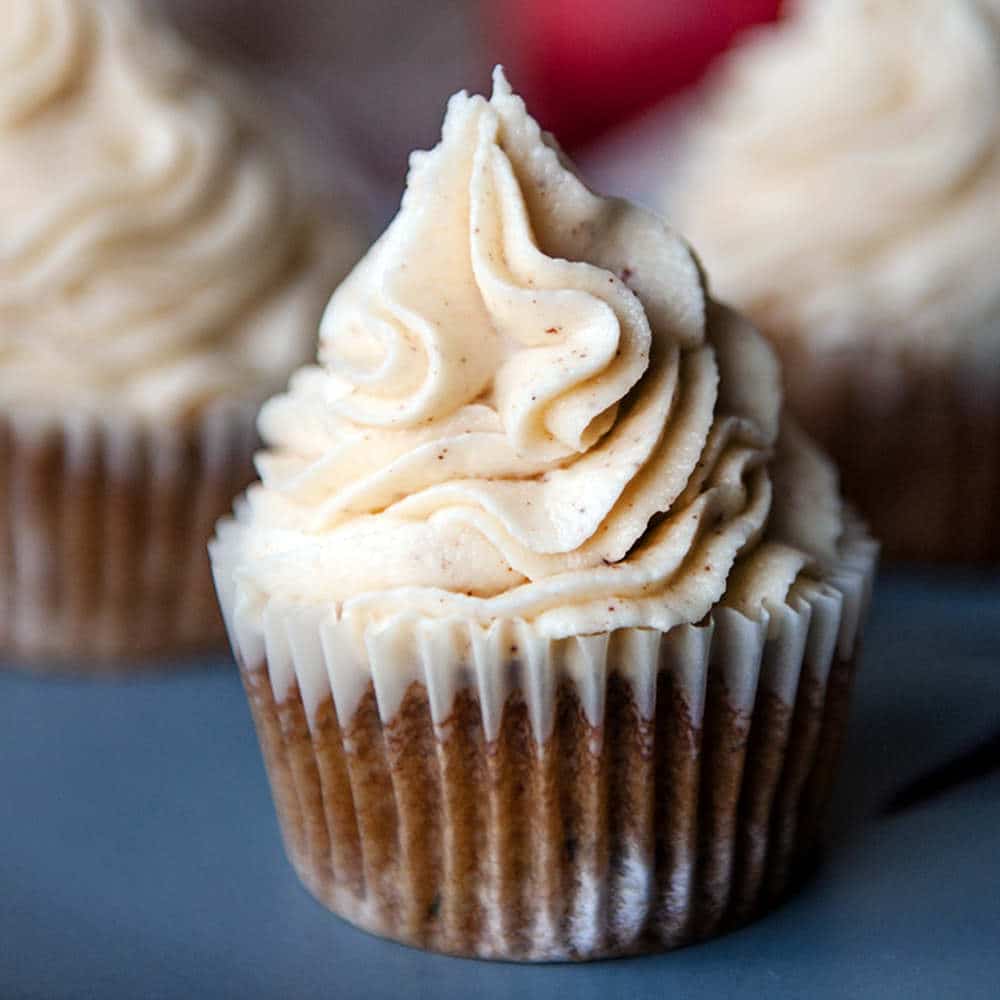


This basic muffin recipe is the only muffin base you will ever need. It bakes up tall, fluffy, and bakery-style with a buttery, tender crumb, and the flavor combinations are endless. The same scratch base makes moist chocolate chip muffins, bakery-style blueberry muffins, fruit-and-nut combos, citrus zest variations, or warm-spice riffs without rewriting the recipe.

The Best Basic Muffin Recipe From Scratch
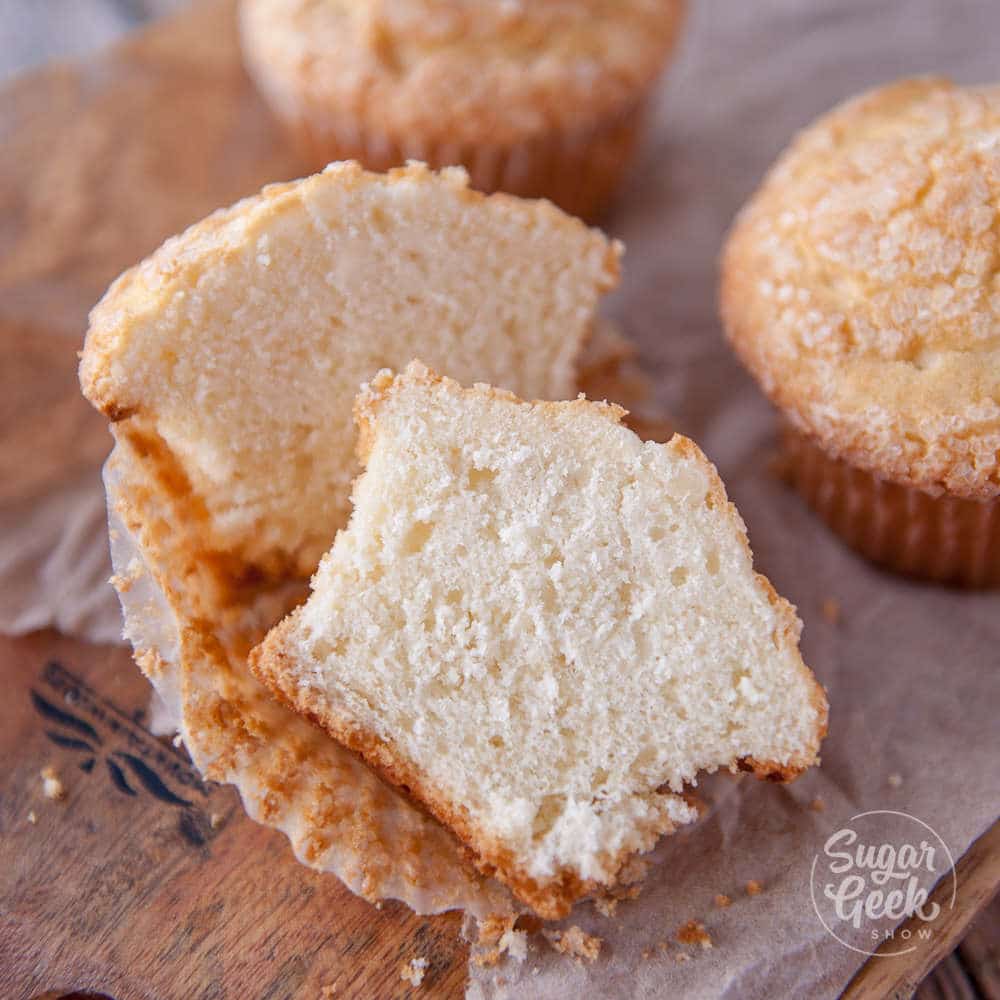
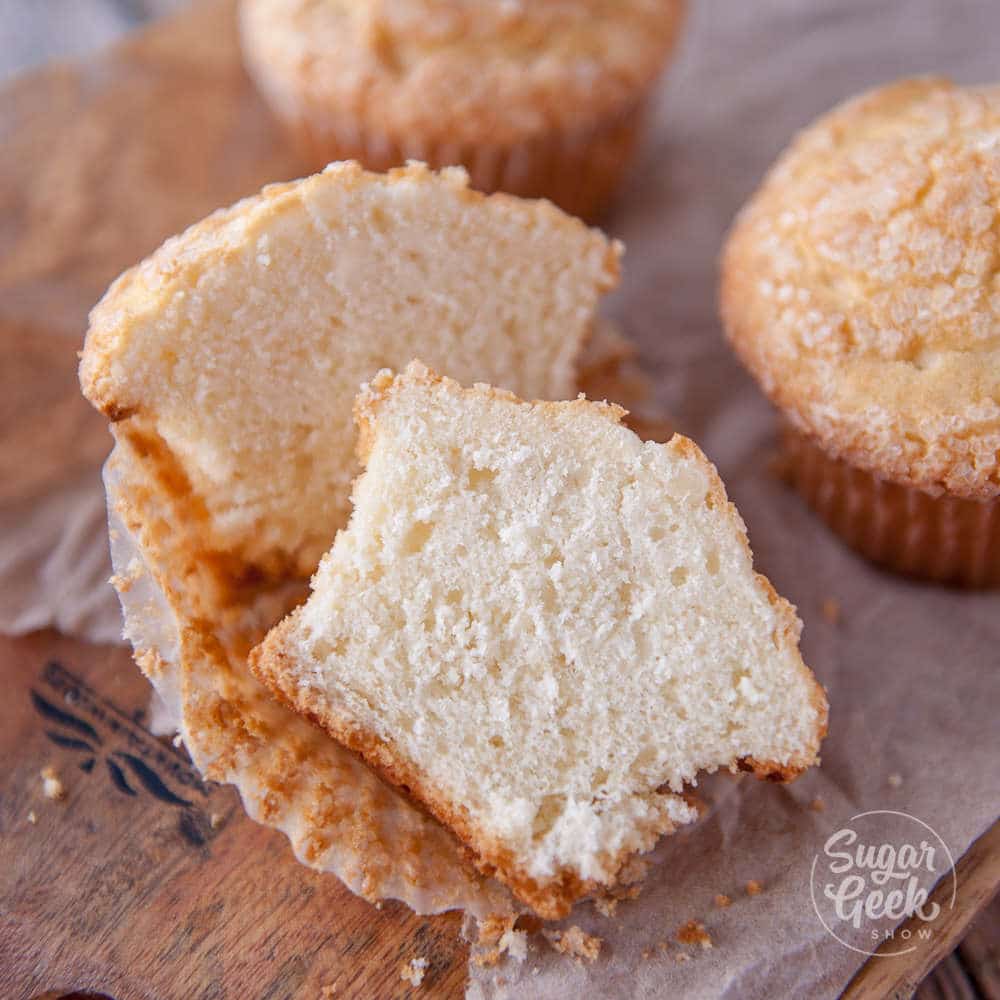
I developed this recipe back in 2020 because I was not happy with the texture and size of any other muffin recipe I tried. I wanted that authentic bakery muffin softness, the kind you get from a real bakery with a tall domed top and a tender crumb, so I tested dozens of recipes until I landed on this one.
It is now the base for every muffin variation on the blog. My favorite muffins are bakery-style blueberry muffins, but my daughter loves chocolate chip muffins. My husband likes to add in dried fruit and nuts like cranberry almond orange muffins for a quick and healthy start to the day.
Quick Glance at the Recipe
- Recipe Name:
- Why You'll Love It:
- Time and Difficulty:
- Main Ingredients:
- Method:
- Texture and Flavor:
- Quick Tip:
What Makes This
Basic Muffin Recipe So Good
⭐⭐⭐⭐
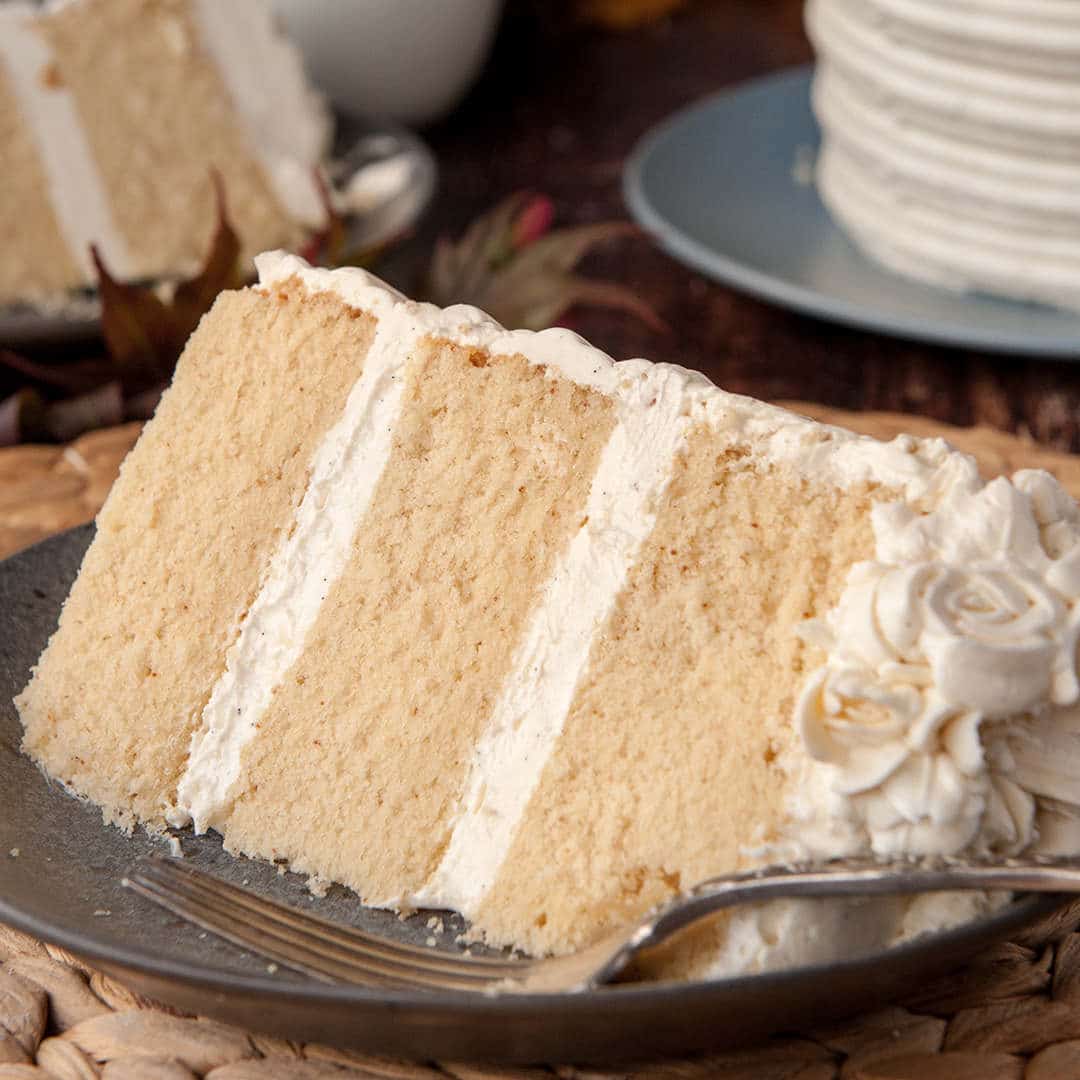
Most home bakers have a stack of muffin recipes, one for blueberry, one for chocolate chip, and one for banana. The professional approach is the opposite: nail one base recipe, then tweak it with mix-ins, spices, and flavorings. It is the same approach I use for my vanilla cake recipe, my moist vanilla cupcake recipe, and my easy buttercream frosting. One reliable foundation, infinite flavor combinations.
- Hot-then-low oven for the tall dome. A blast of high heat for the first few minutes locks in the rise before the crumb sets, then dropping the temp lets the inside cook through without burning the tops. This trick is in the recipe card and on every variation I have built off this base.
- Cake flour for a tender bakery crumb. Cake flour has roughly 8 percent protein versus 11 percent for all-purpose, so it develops less gluten when it hits the buttermilk. Less gluten means a softer, more tender crumb that still has enough structure to hold a tall dome. If you can only find all-purpose, sub 2 tablespoons of flour with cornstarch per cup and sift (muffins only, not my vanilla cake recipe, which already accounts for cake flour).
- Triple leavening for big bakery-style domes. 3 teaspoons of baking powder plus 1 teaspoon of baking soda is more than most muffin recipes call for, and that is the point. The big lift pushes the batter up and over the rim of the liner before the structure sets. The baking soda also reacts with the buttermilk for extra browning and tenderness on top of the rise. Need high-altitude baking adjustments? Check that link for the ratios that work above 5,000 feet.
- Alternating wet and dry in three additions. Dumping the buttermilk in all at once deflates the creamed butter and sugar. Three additions on low speed traps in the air you spent 3 minutes creaming and gives the gluten the gentlest possible mix. Stop the second the flour streaks disappear. Overmixing once the flour is in is the single most common reason muffins turn out tough and full of tunneling holes.
- From this one base recipe, you can create hundreds of unique flavor combinations! So fun huh! Simply follow the basic muffin recipe below and stir in your favorite additional ingredients.
Basic Muffin Ingredients Needed
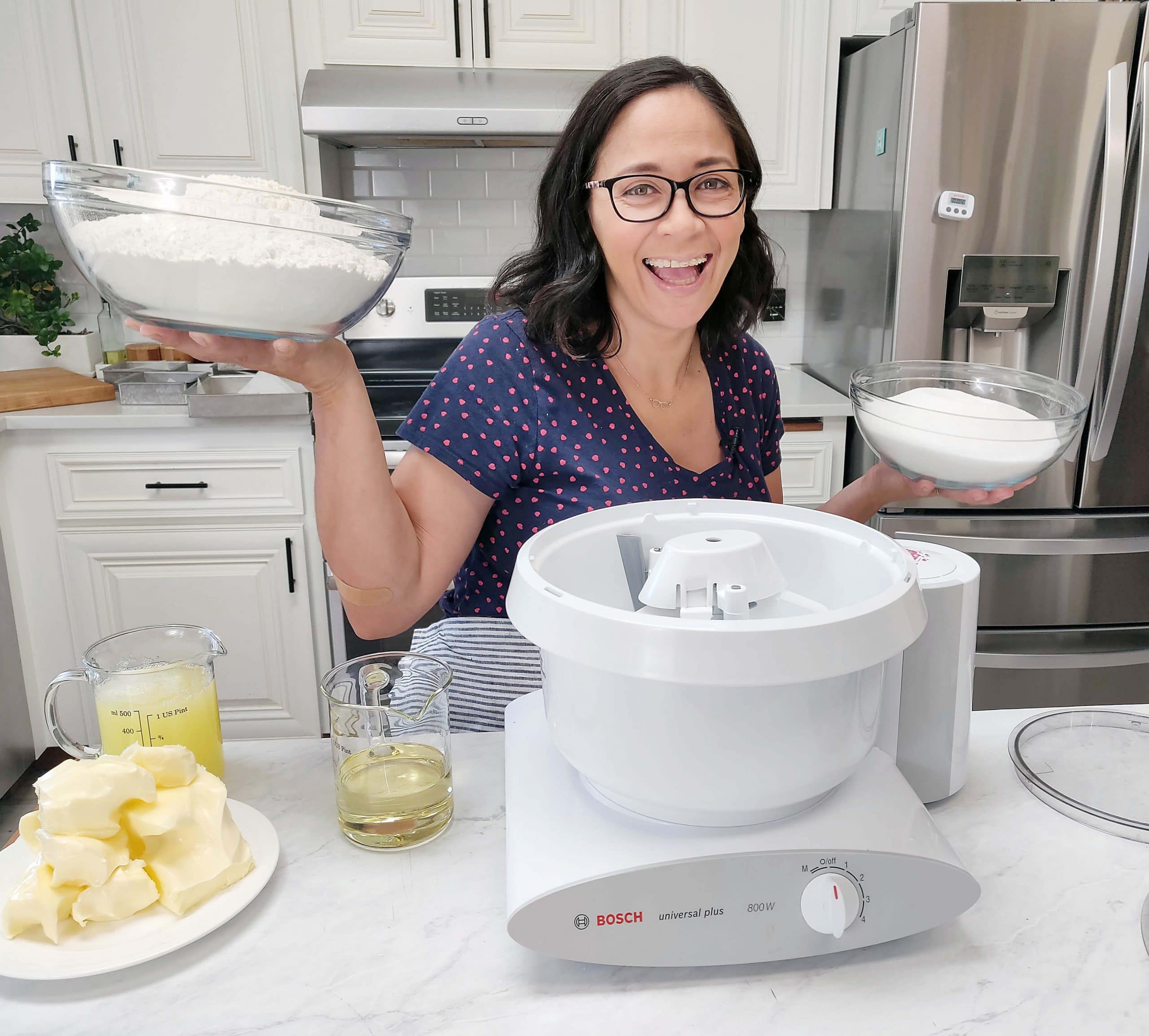
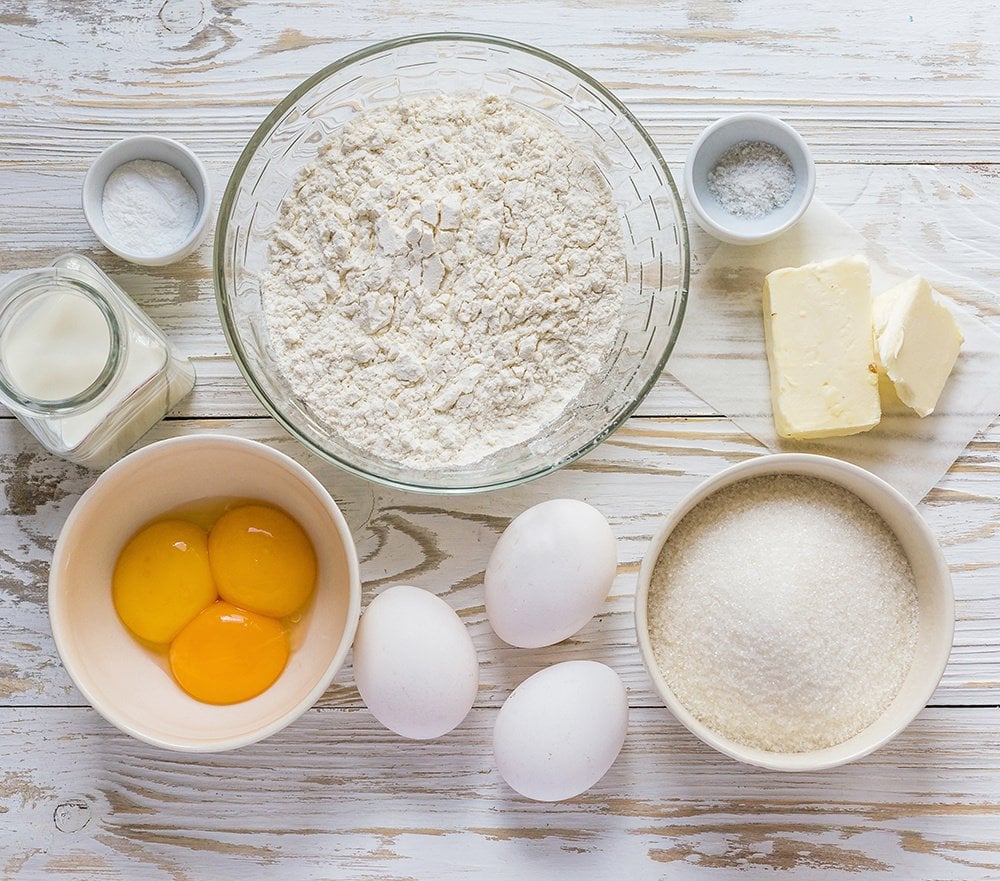
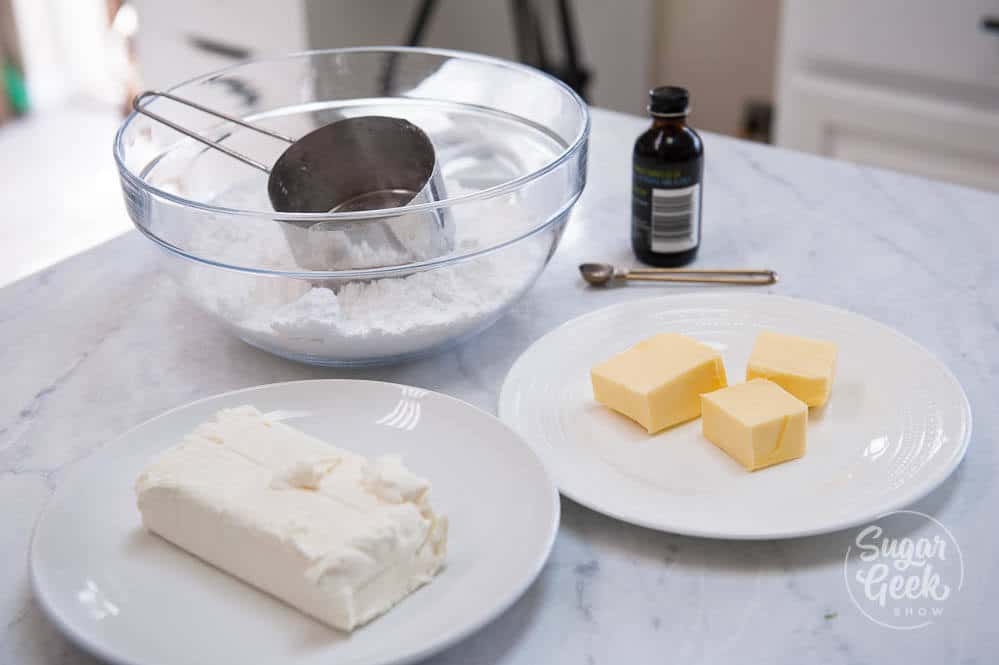
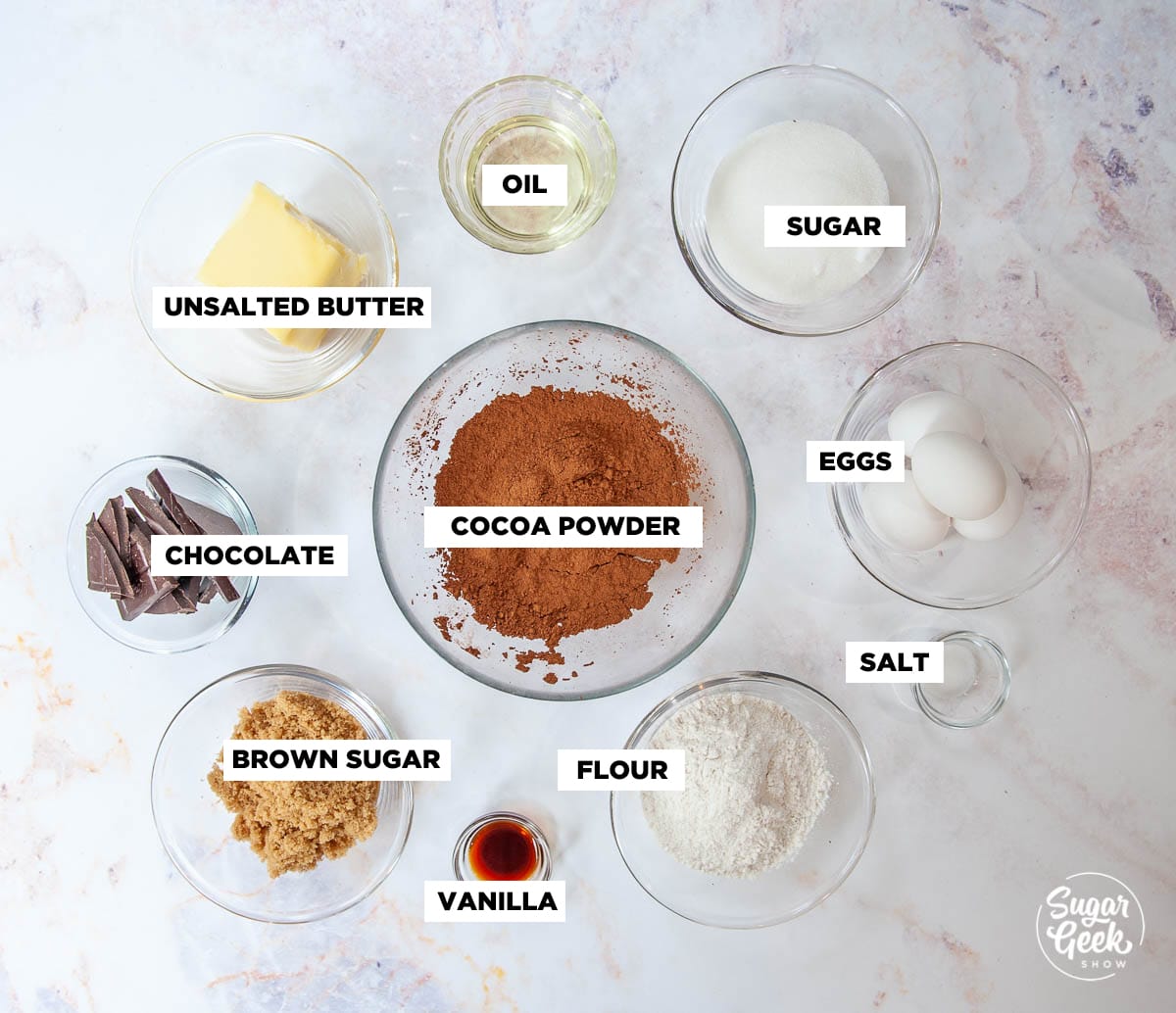
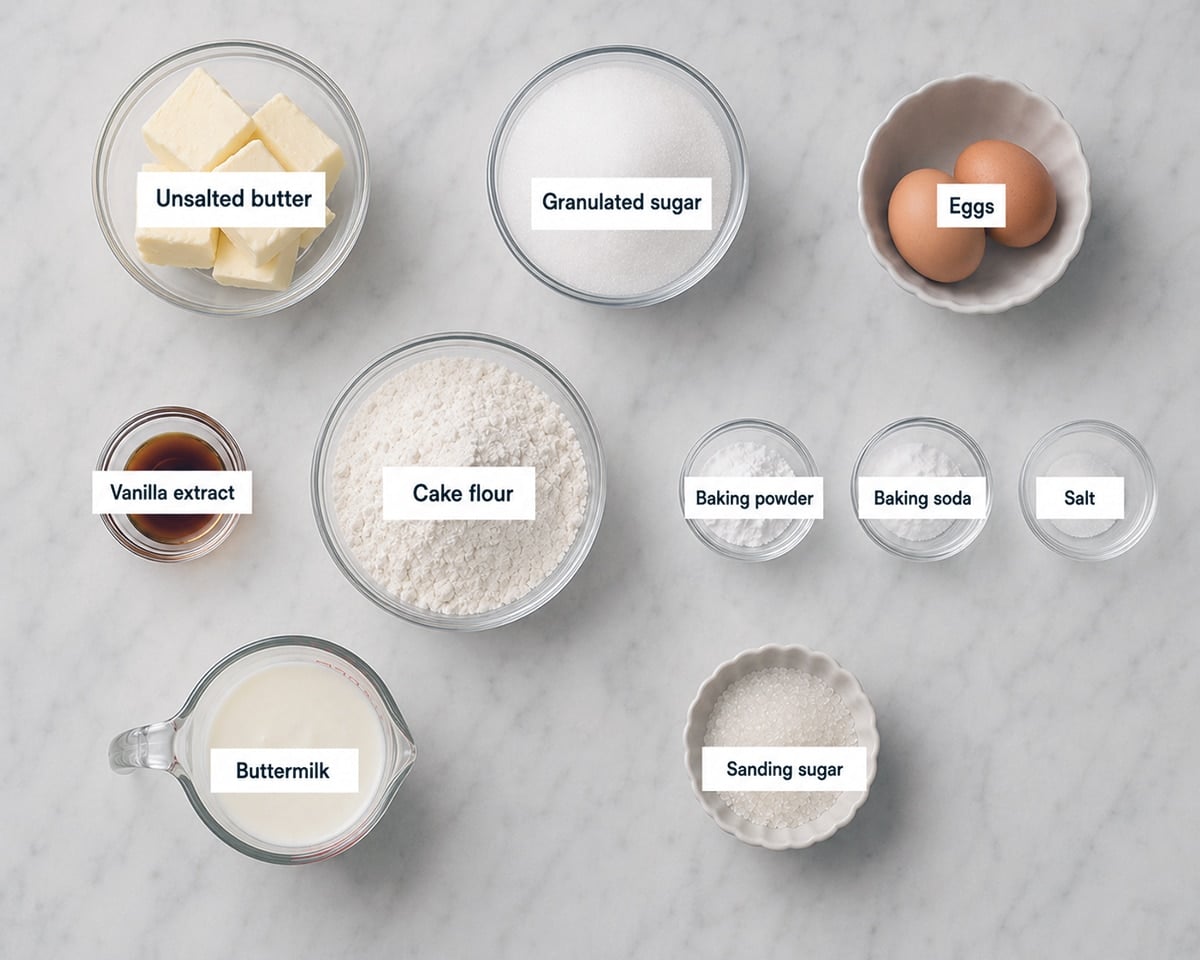
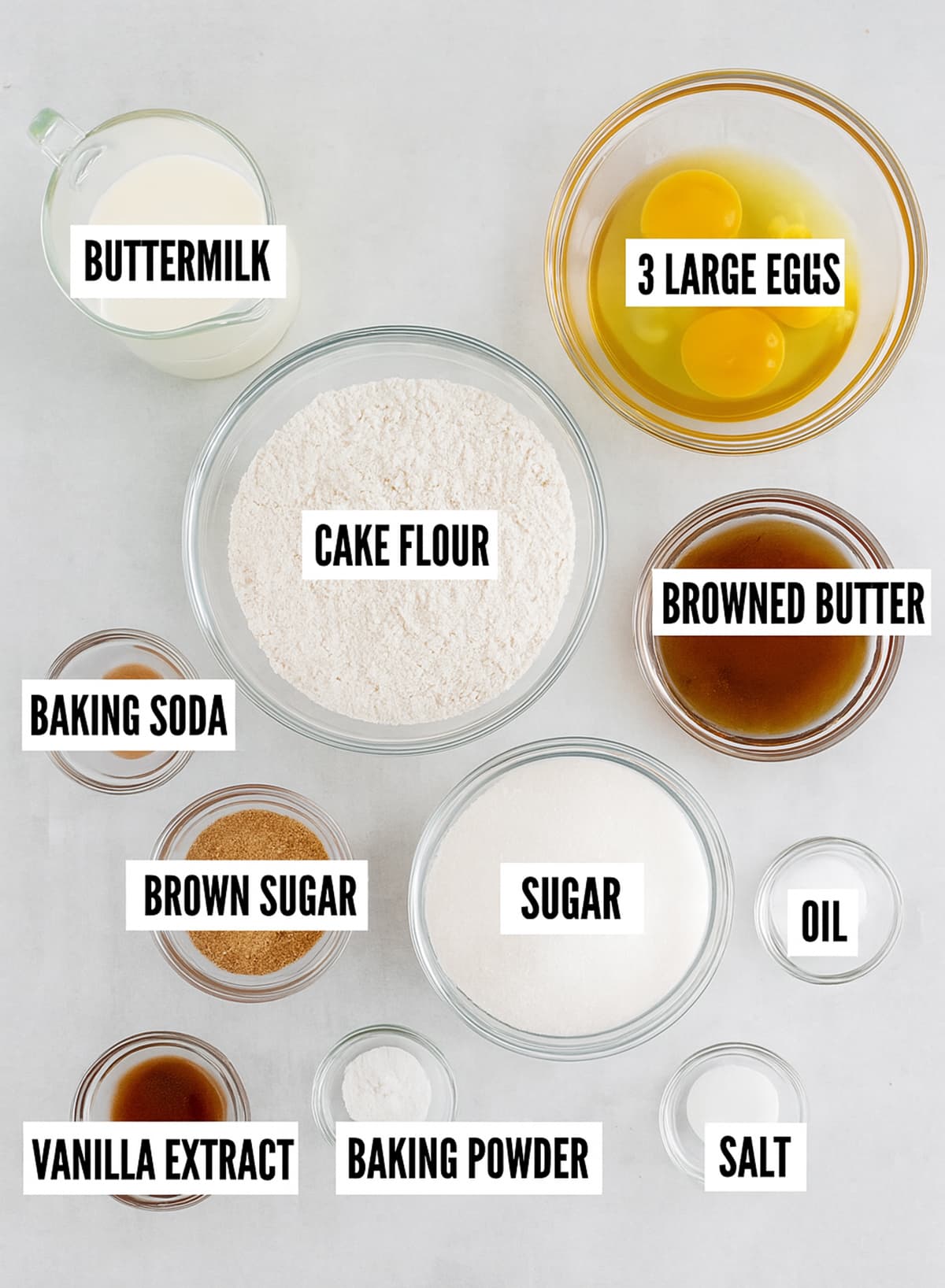
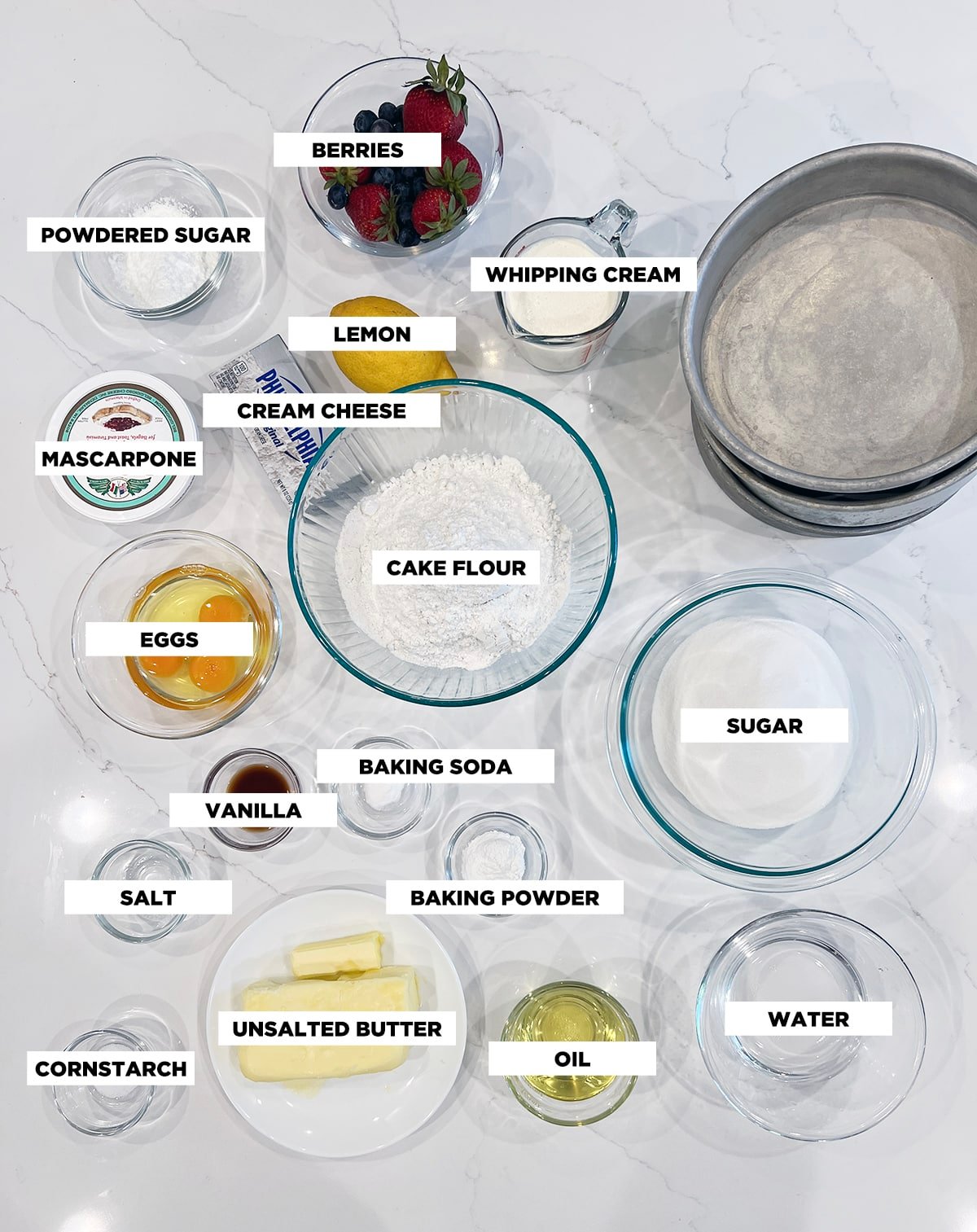
All pantry staples here. Quality and temperature matter more than what you reach for off the shelf. Use the best butter you have and bring everything to room temperature before you start, so the batter does not break. I always recommend weighing your ingredients with a digital kitchen scale for the most accurate results, especially with cake flour and buttermilk.

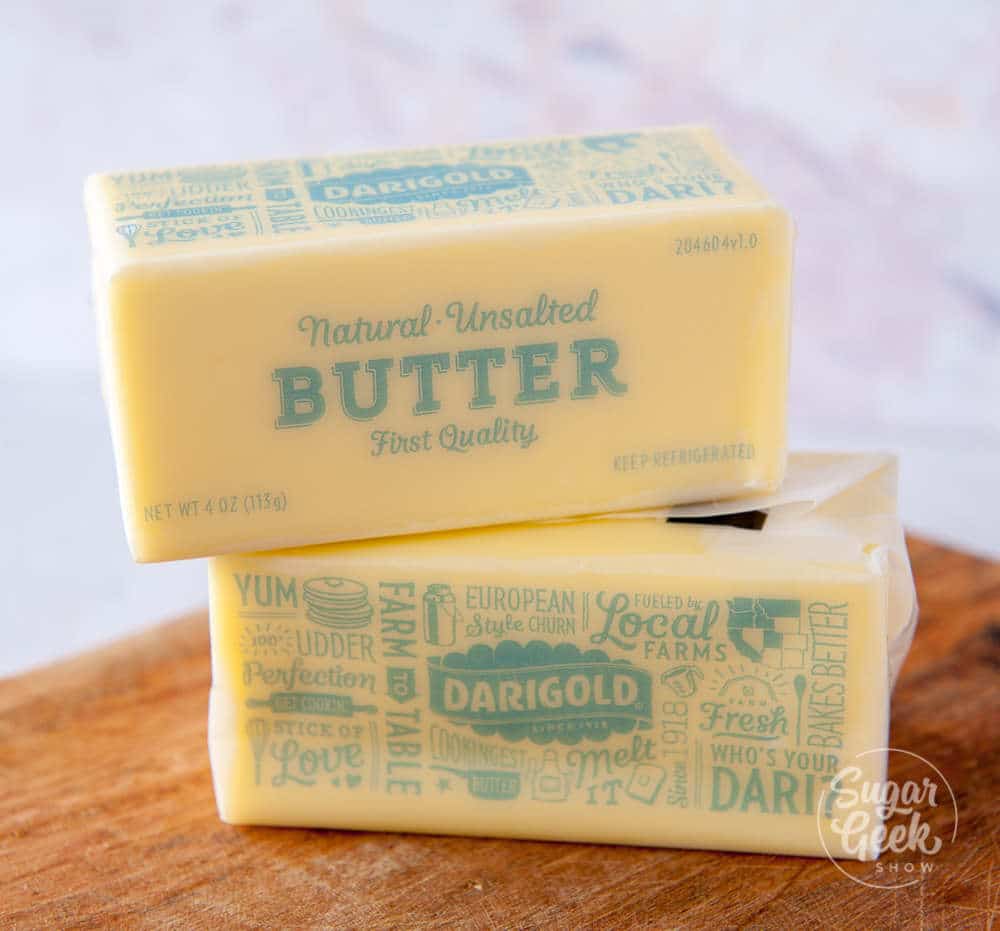
- Unsalted butter. Softened, not melted. Creaming butter with the sugar is what aerates the batter. Use high-quality butter like Plugra or Kerrygold for the best flavor; the difference shows up because the base is so simple.
- Granulated sugar. Sweetens and helps the cream-up step trap air. Standard white sugar. You can swap half (or all) for brown sugar to get a deeper, warmer flavor.
- Eggs. Room temperature. Cold eggs seize the creamed butter and break the emulsion, which gives you a denser muffin. Pull them out 30 minutes before you start.
- Vanilla extract. Real vanilla, not imitation. Imitation vanilla bakes off flat.
- Cake flour. The key to a tender bakery-style crumb. If substituting all-purpose, see my cake flour substitute post (or use the muffin-specific swap: 5 oz minus 2 tablespoons, plus 2 tablespoons cornstarch, sifted)..
- Baking powder. Primary lift. Make sure it is fresh; baking powder loses power after about 6 months opened.
- Baking soda. Works with the buttermilk for browning and a bigger rise. Not optional.
- Salt. Balances the sweetness and brings out the other flavors.
- Buttermilk. Real buttermilk is best. The acid tenderizes the gluten and reacts with the baking soda. Room temperature so it does not seize the butter when it hits the bowl. No buttermilk on hand? Use my buttermilk substitute (1 tablespoon of white vinegar or lemon juice in 1 cup of regular milk, let stand 10 minutes).
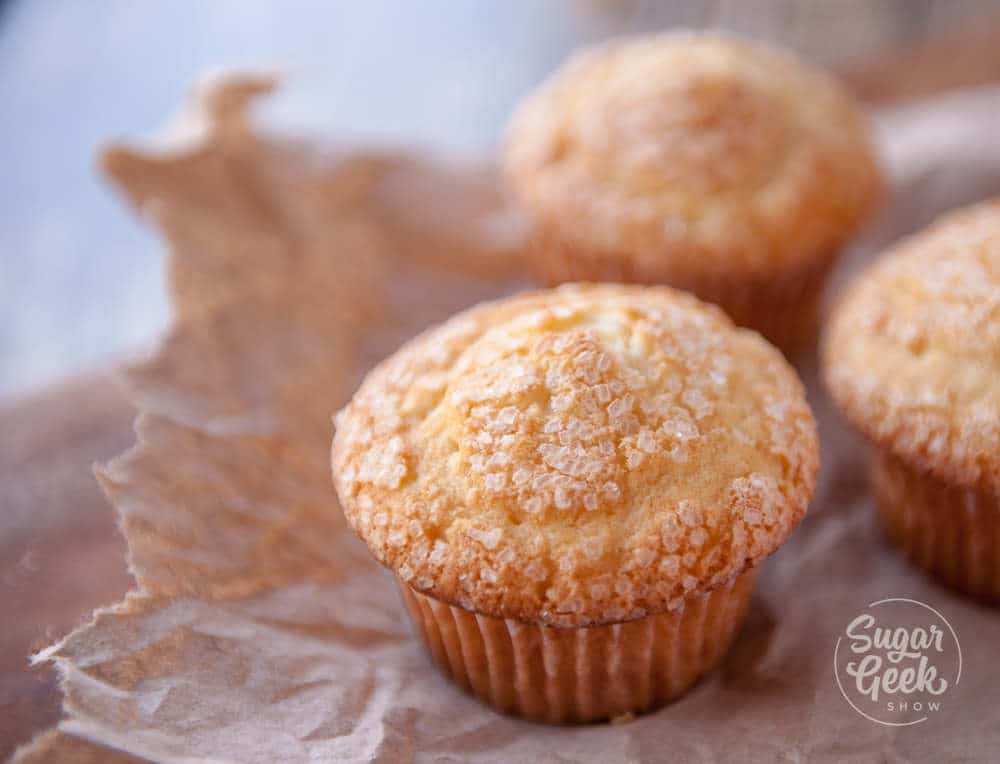
- Sanding sugar (optional). A sprinkle on top right before baking gives that bakery sparkle. Sugar is hygroscopic, meaning it pulls in and holds moisture, so it doubles as a small storage helper.
How To Make Basic Muffins Step-By-Step
Preheat your oven to 425°F (220°C) and line a standard 12-cup muffin tin with paper or parchment liners. Make sure your eggs, butter, and buttermilk are all at room temperature before you start. The high starting temperature is what creates that tall bakery dome, and you will drop the oven down later in the bake. Refer to the recipe card for exact weights and timing.

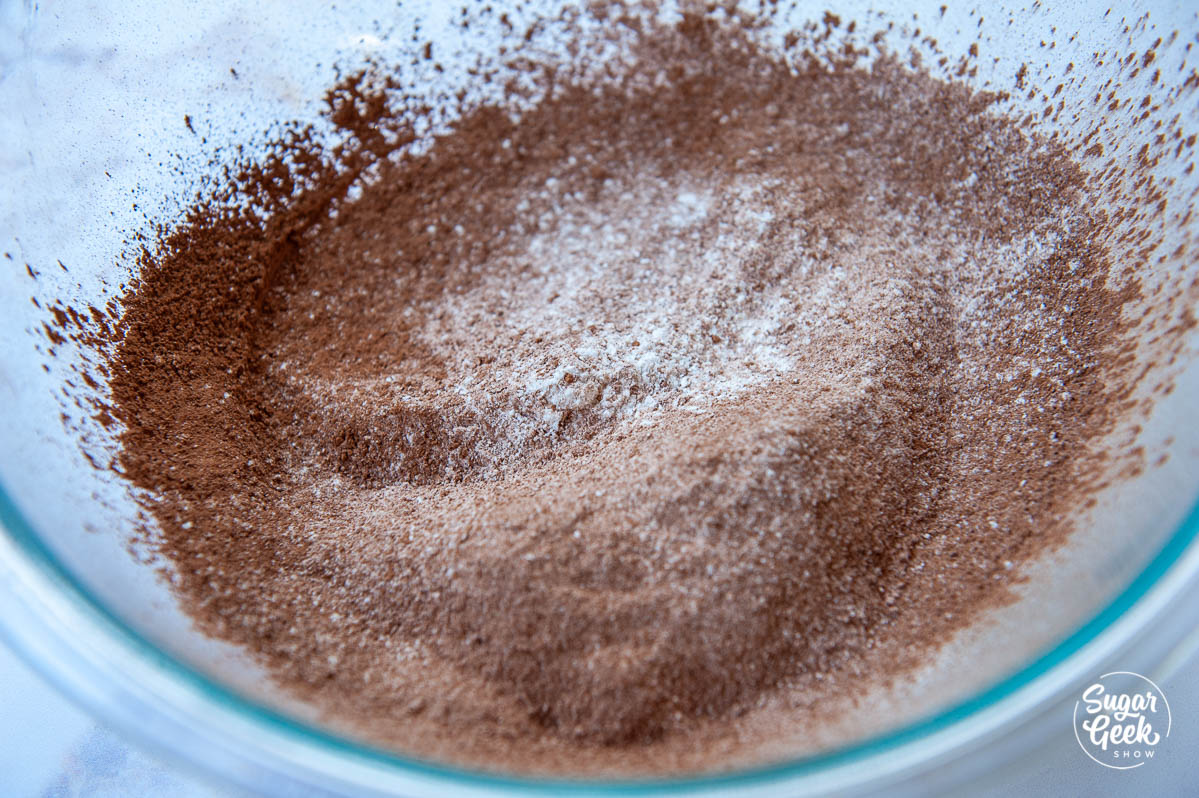
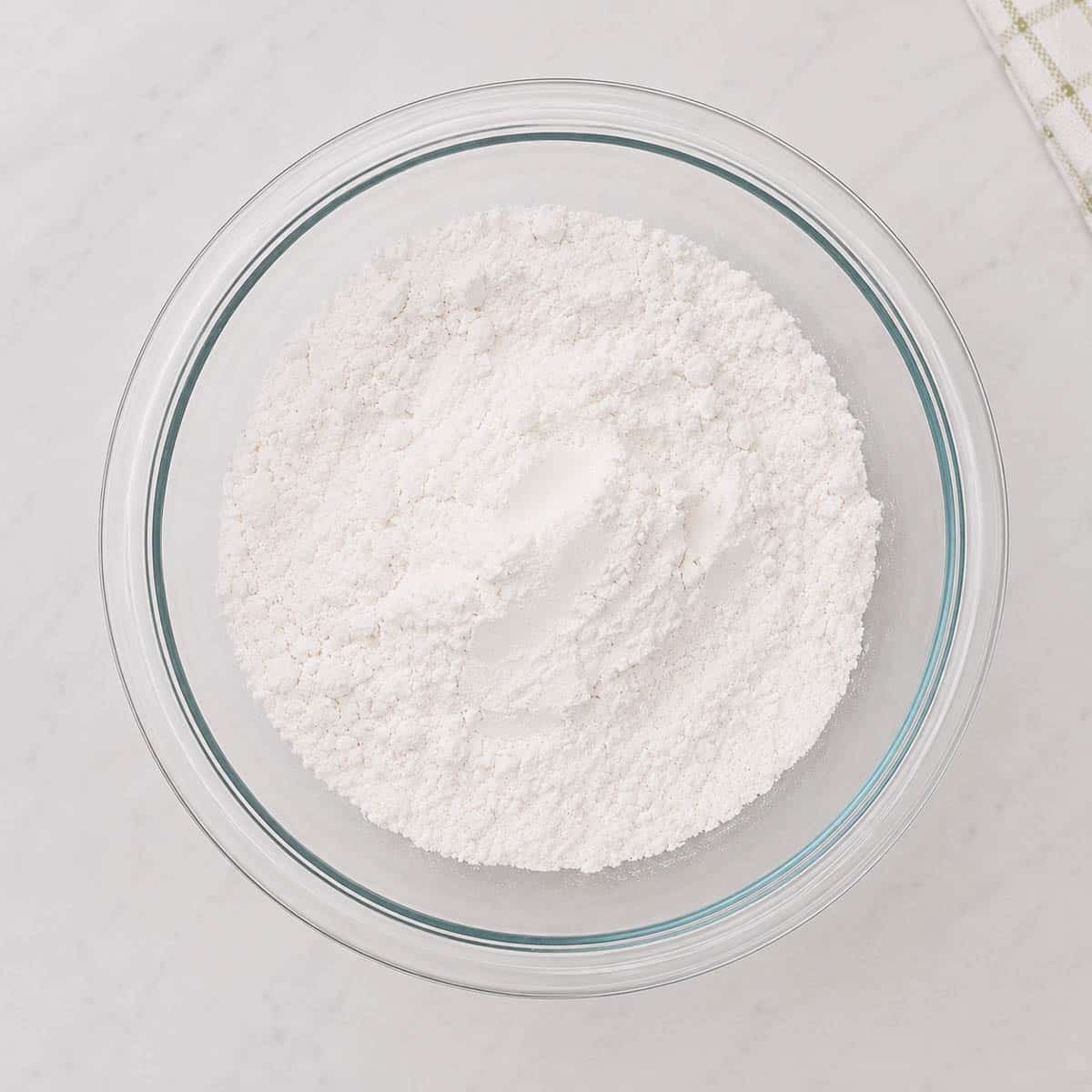
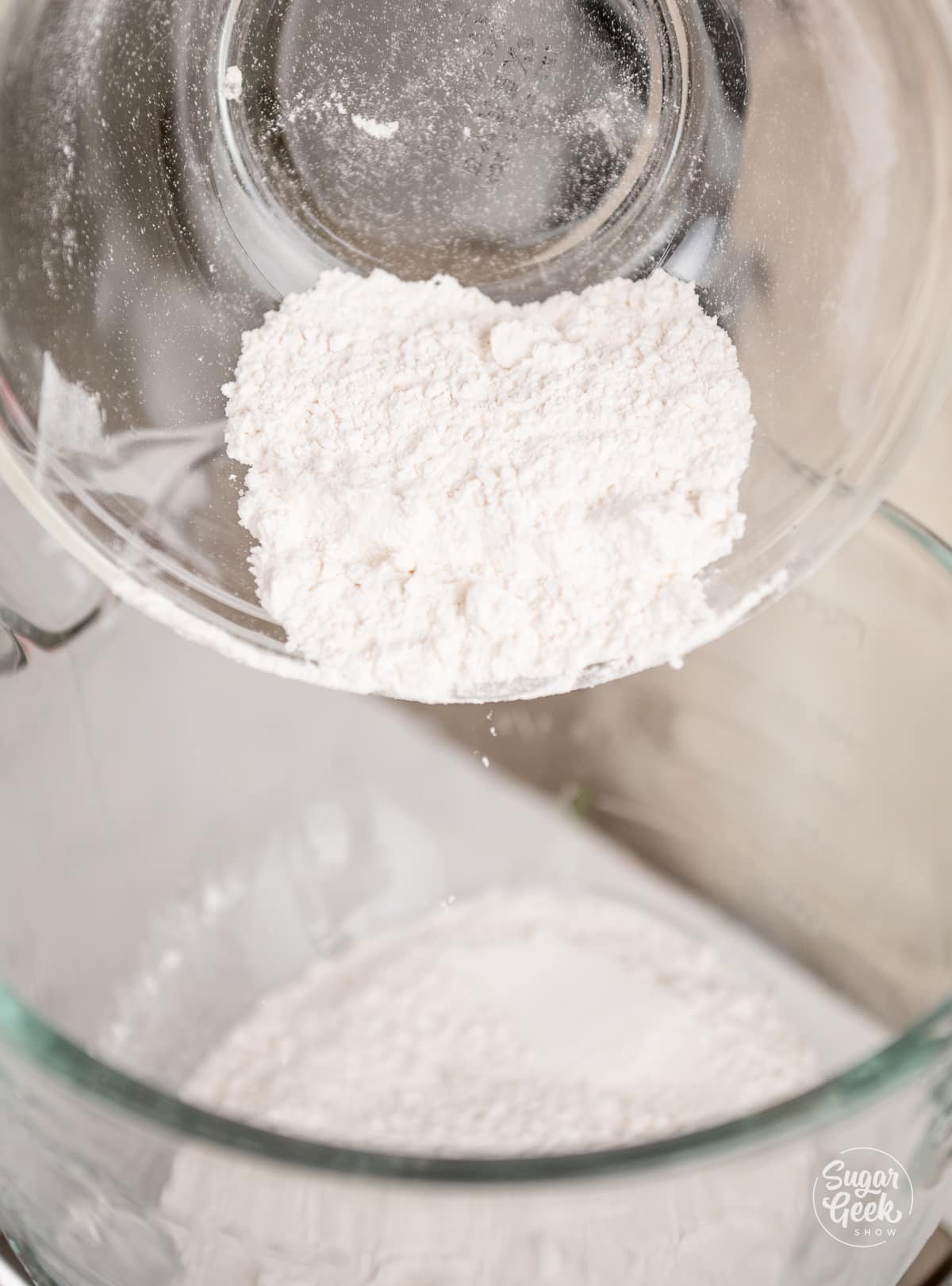
- Sift the dry ingredients. Whisk together the cake flour, baking powder, baking soda, and salt. Set aside.

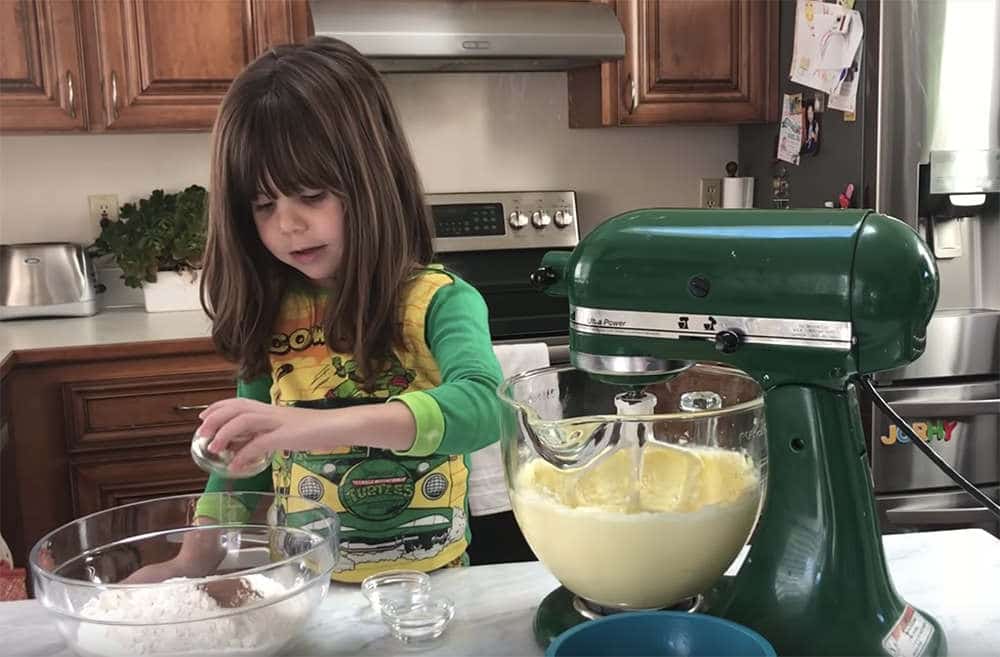
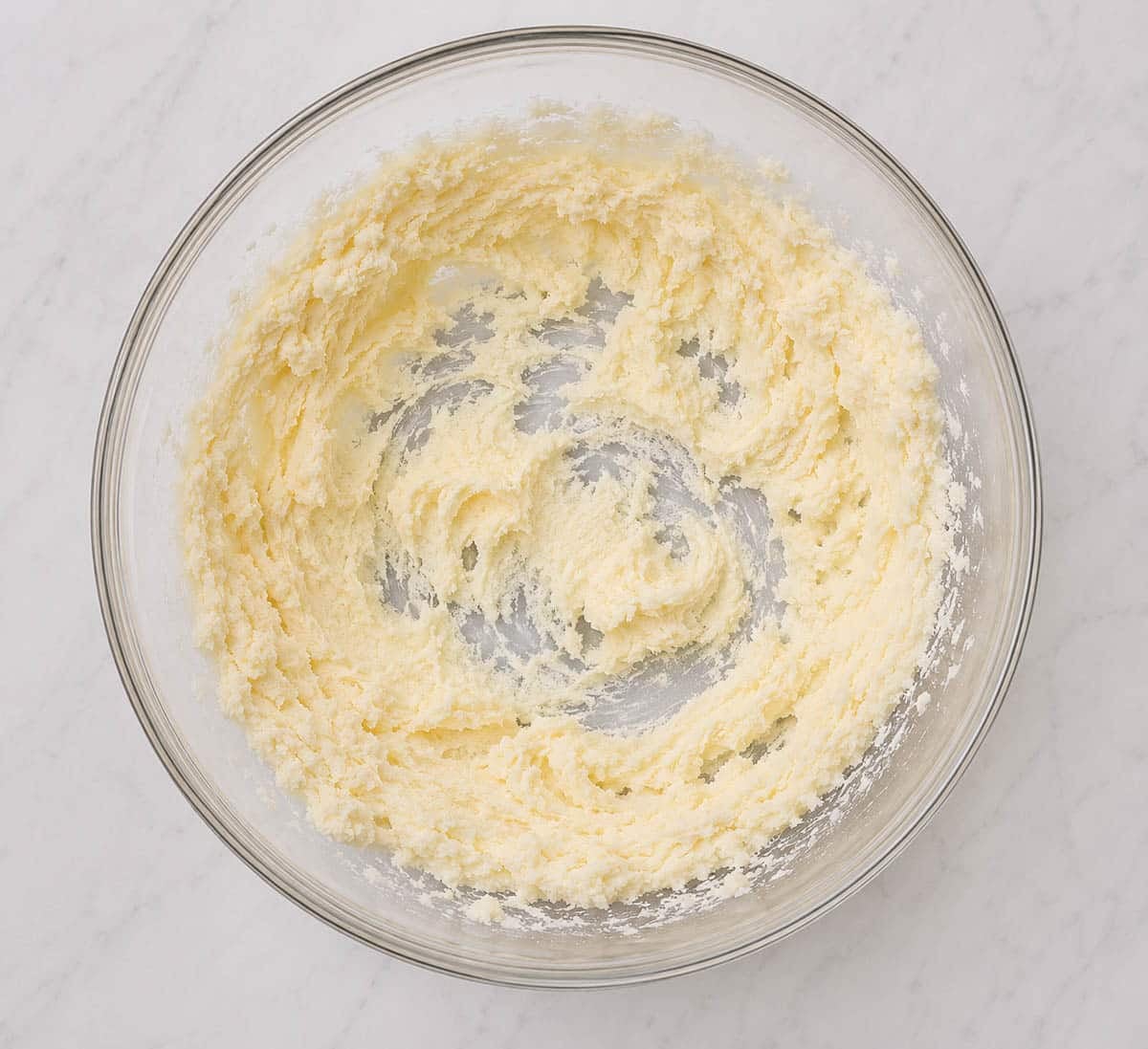
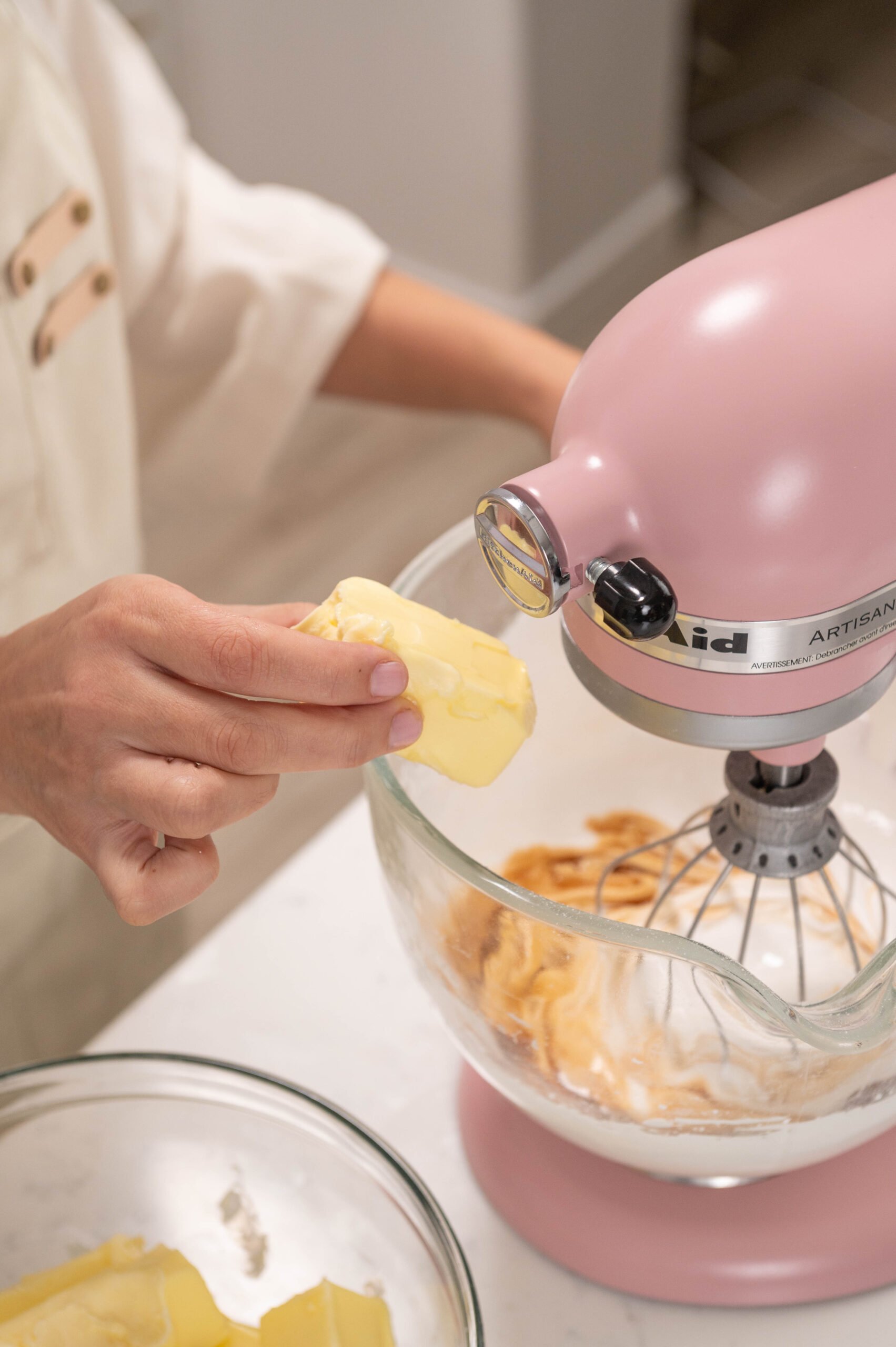
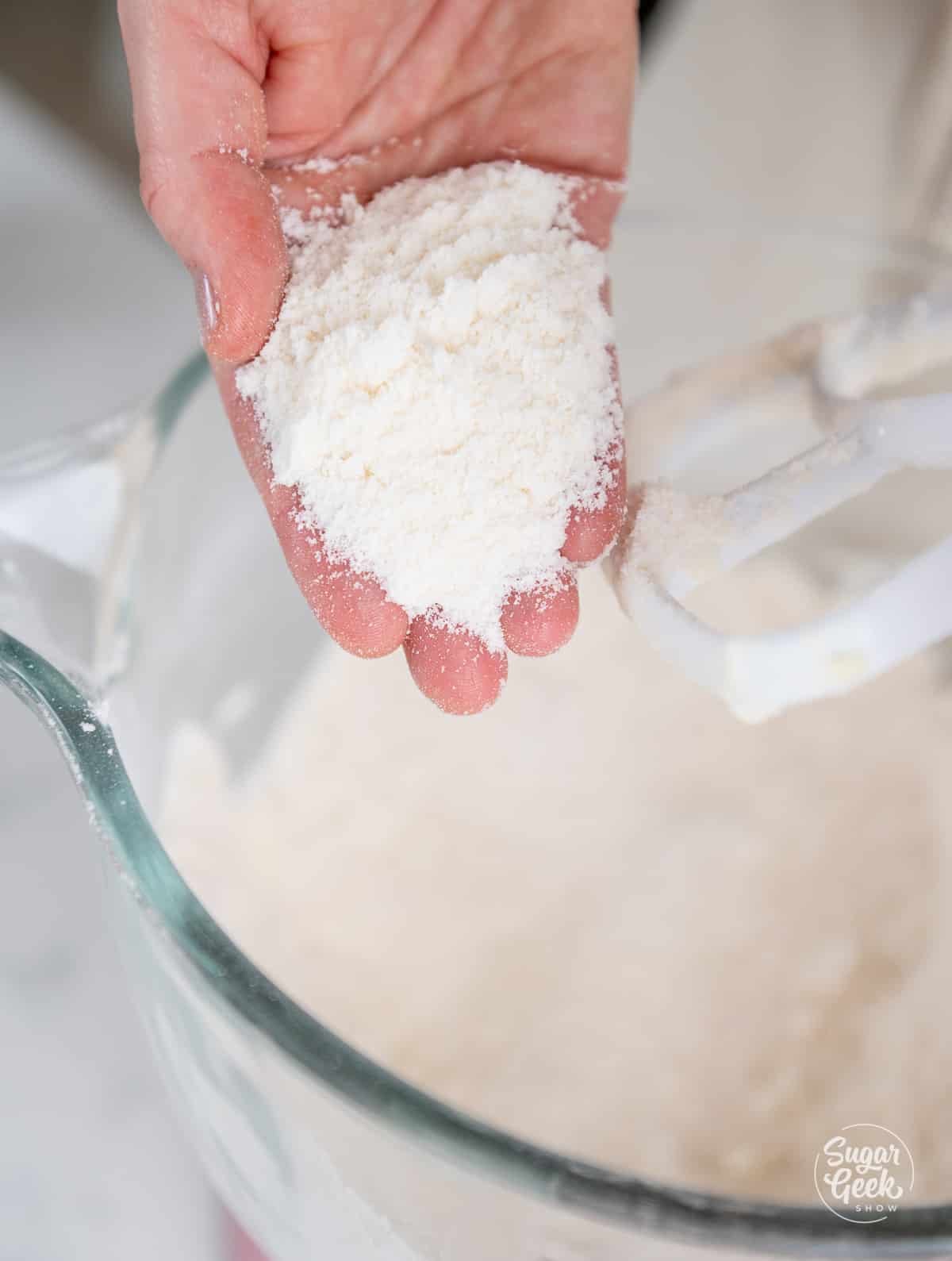
- Cream the butter and sugar. Beat the softened butter and granulated sugar on medium-high for 2 to 3 minutes until light, fluffy, and pale. This step is non-negotiable. It is where the muffin gets most of its lift.
PRO TIP: Stop the mixer once or twice and scrape the bowl. Sugar and butter clinging to the sides will not aerate, and you will end up with denser muffins on one side of the pan.

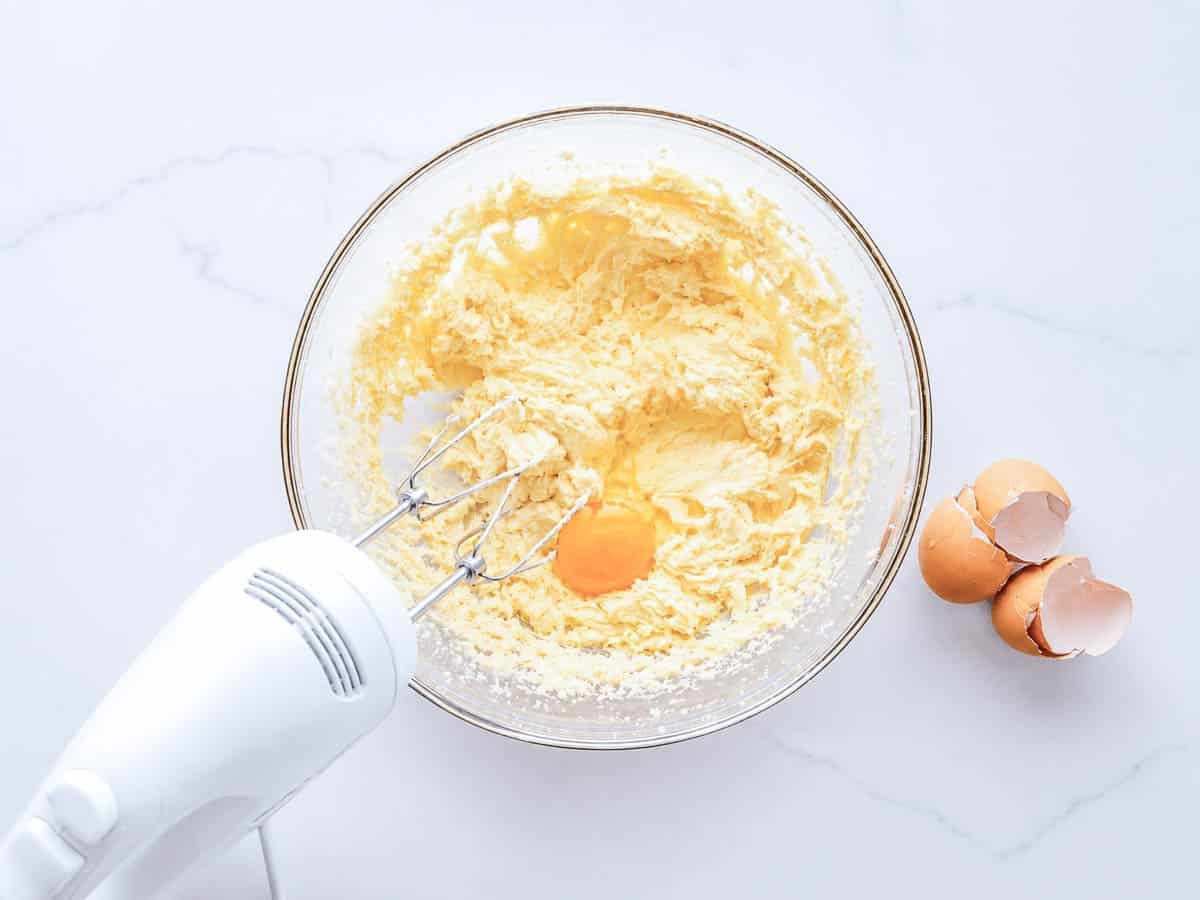
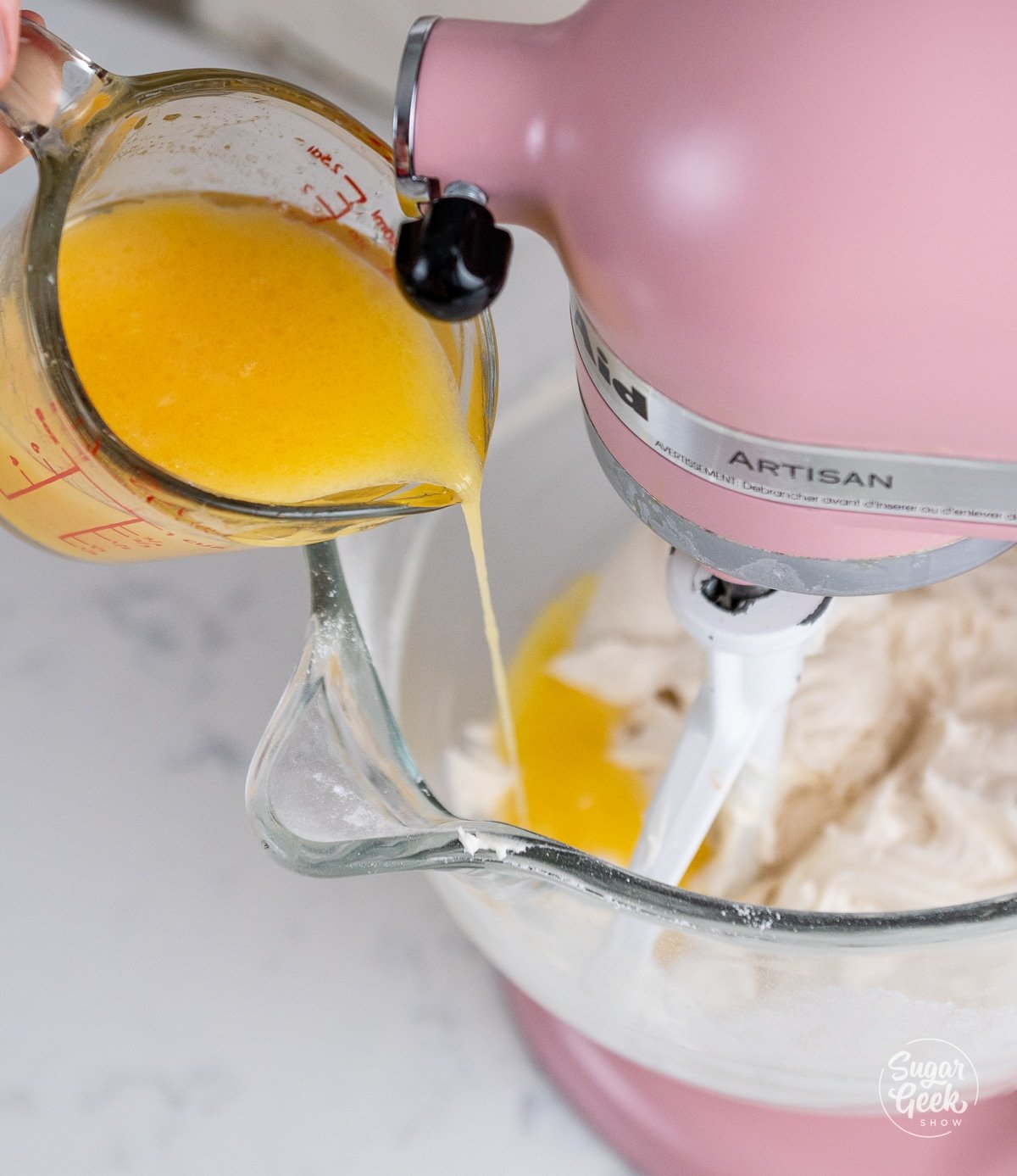
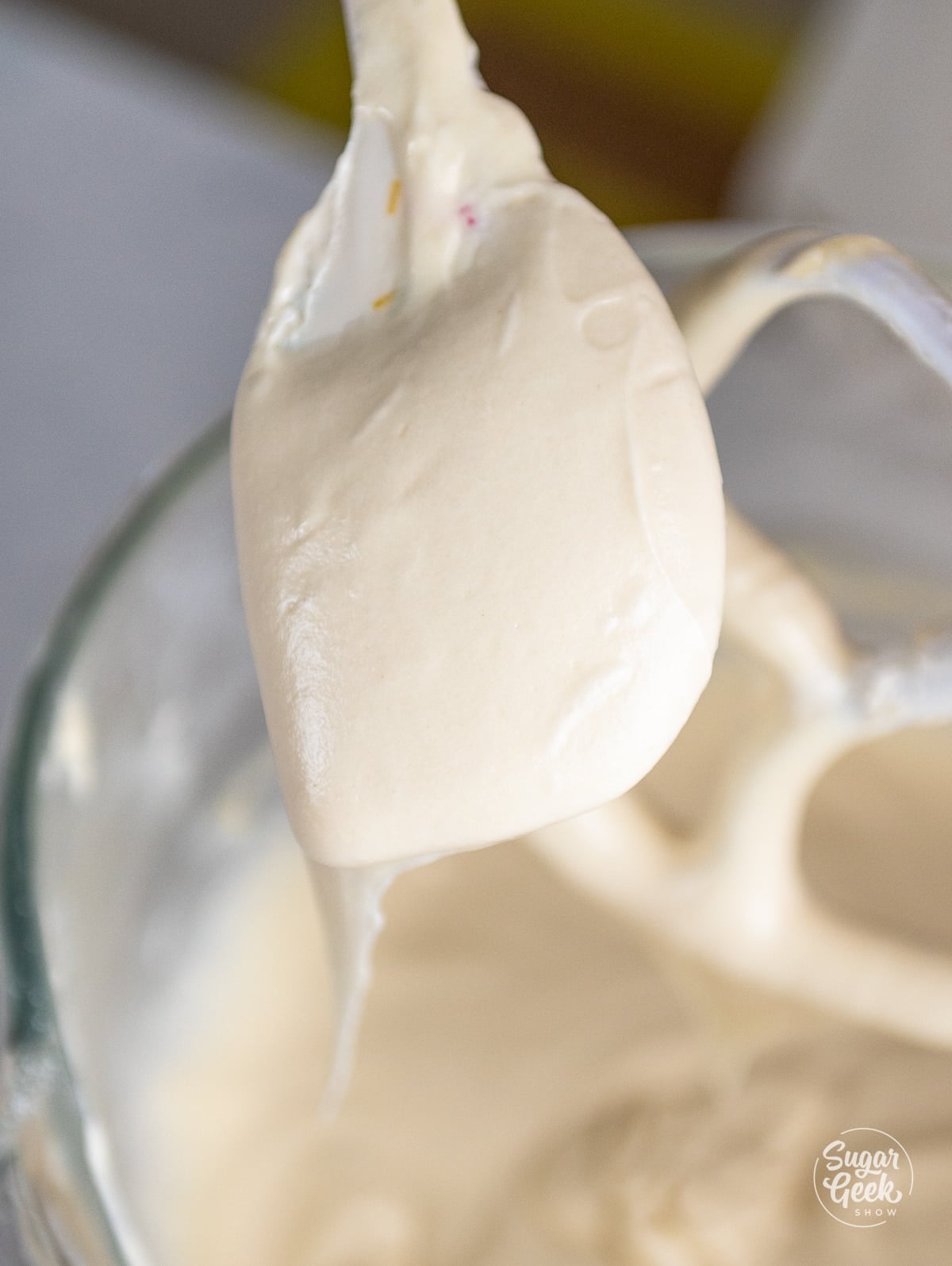
- Add eggs and vanilla. Mix in the eggs one at a time, then the vanilla. Beat on medium until pale and fluffy.

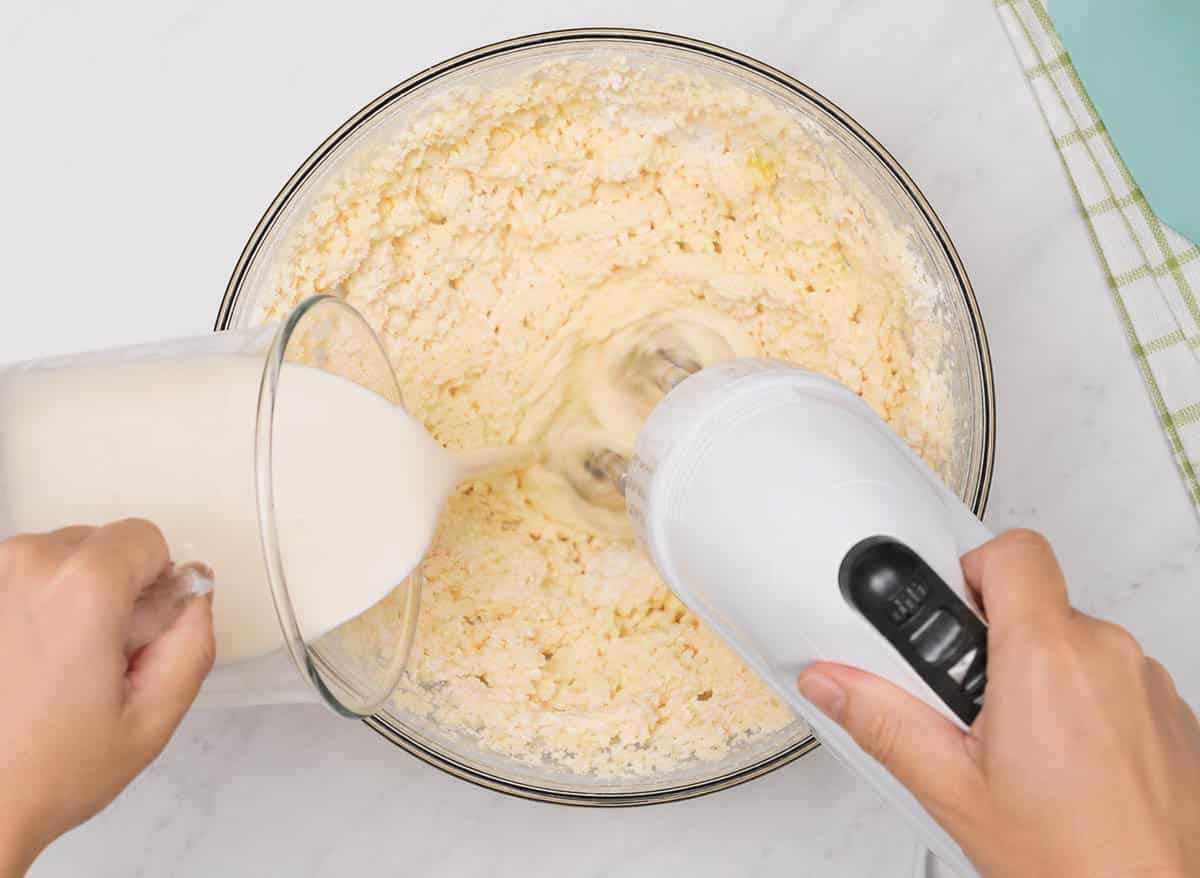
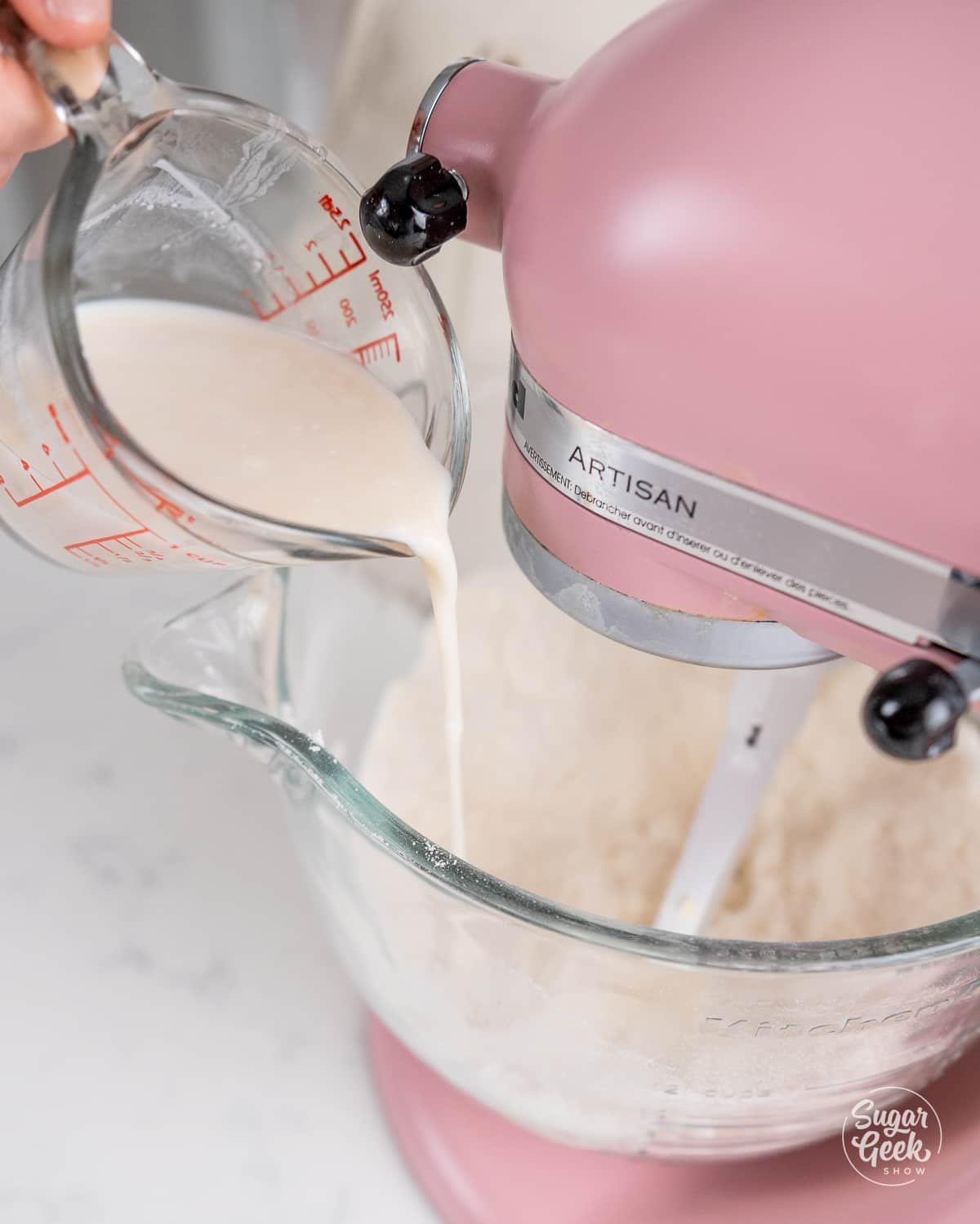
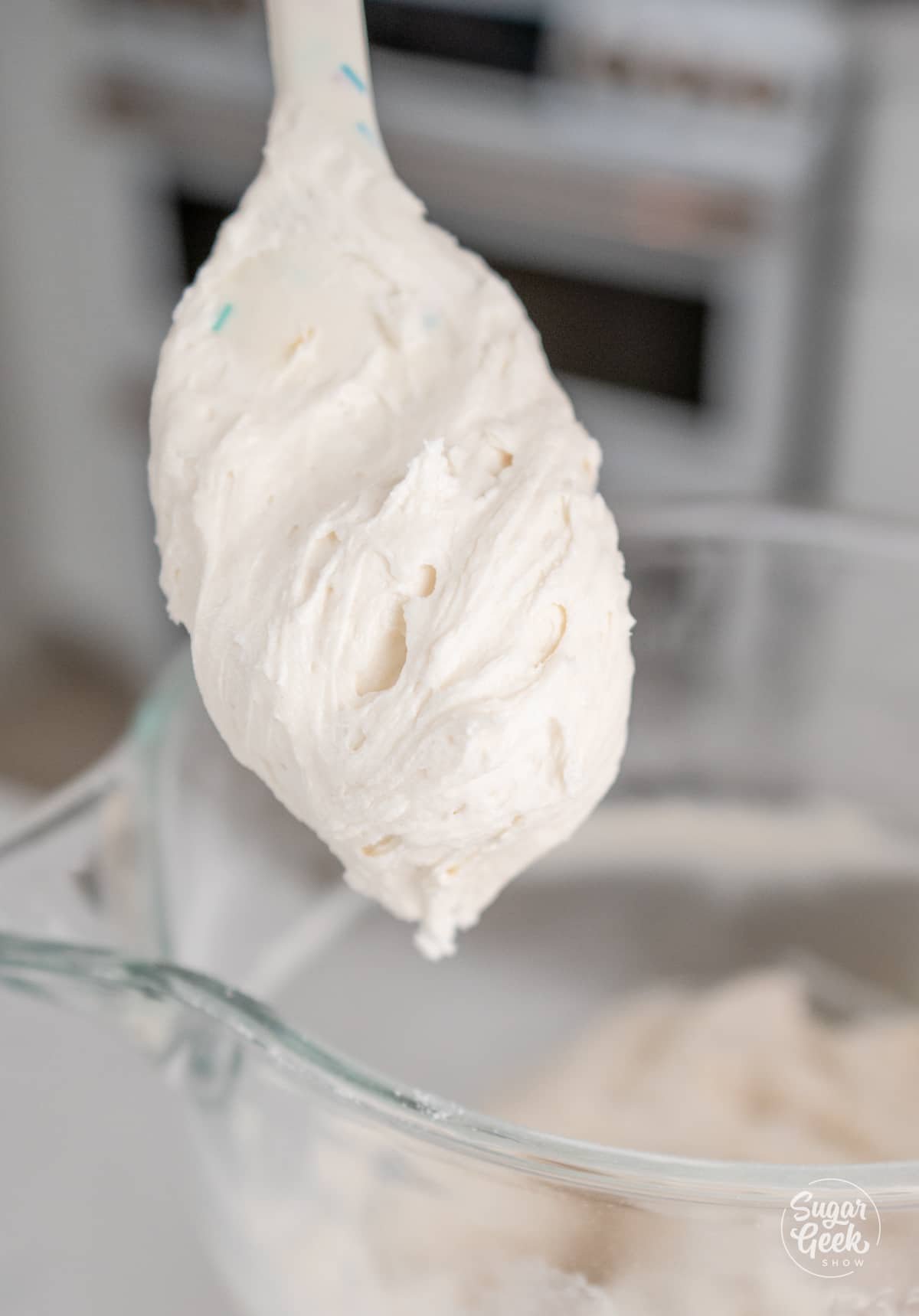
- Alternate dry and wet. With the mixer on low, add ⅓ of the flour mixture, then ⅓ of the buttermilk. Repeat two more times until just combined. Stop the second the streaks disappear. Overmixing is the most common reason muffins turn out tough.

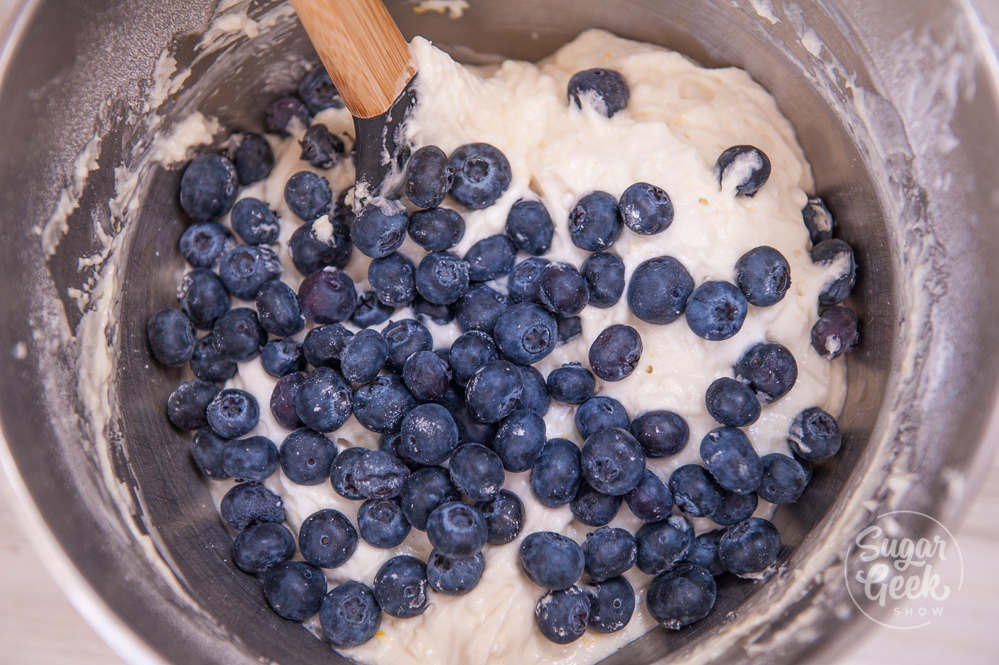
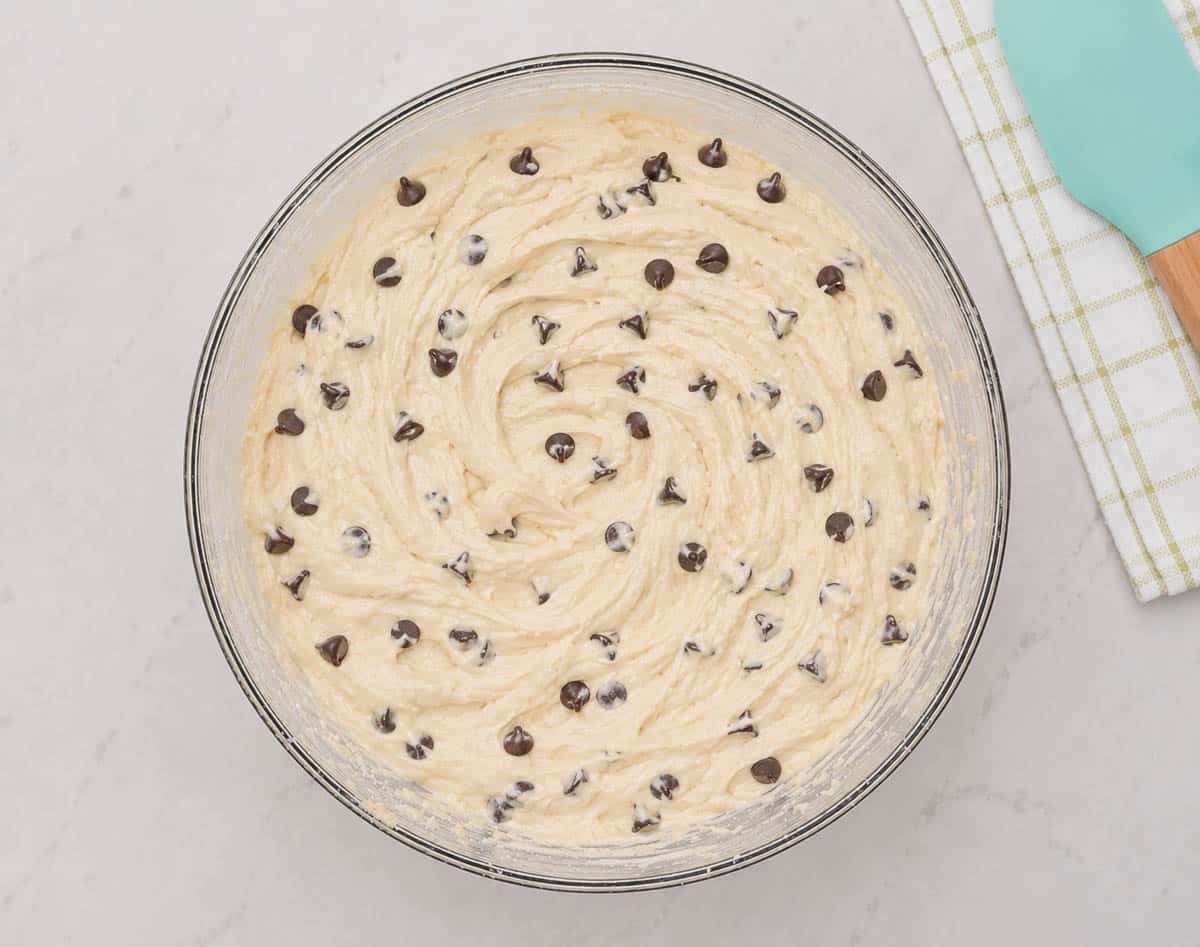
- Fold in your mix-ins. Fold in up to 1 cup of dry mix-ins (chocolate chips, dried fruit, nuts) or up to ½ cup of wet mix-ins (fresh berries, chopped fruit). Do this by hand with a spatula.

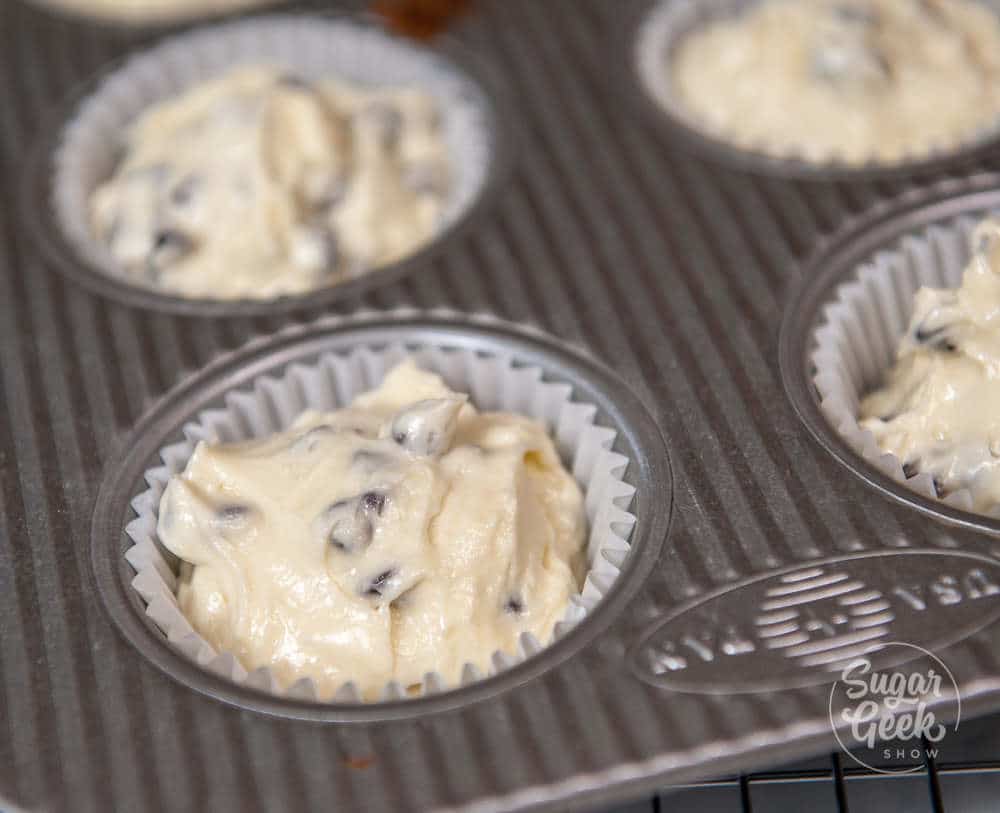
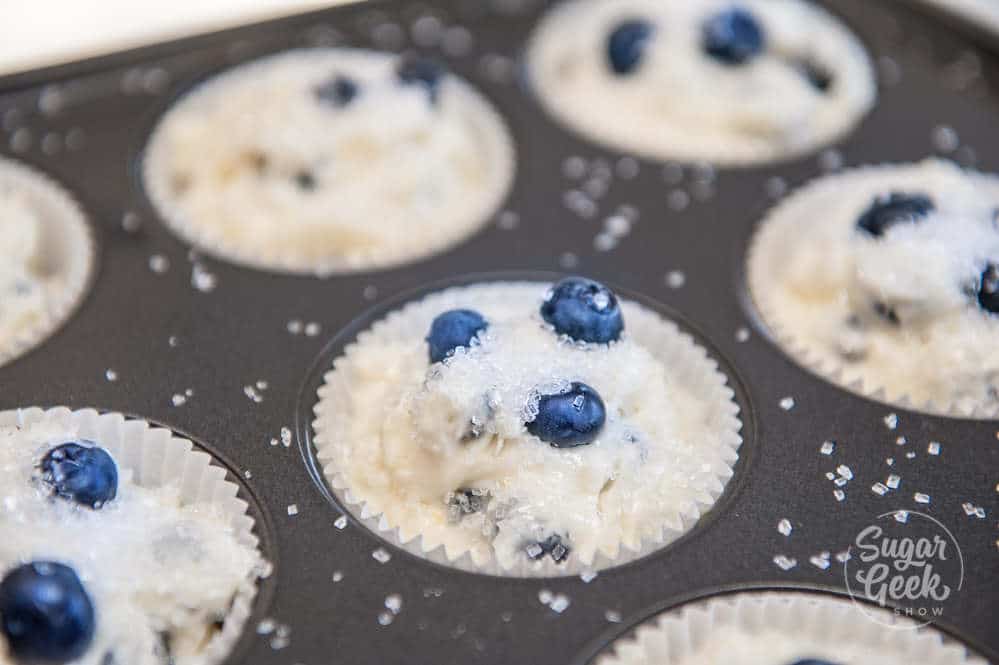
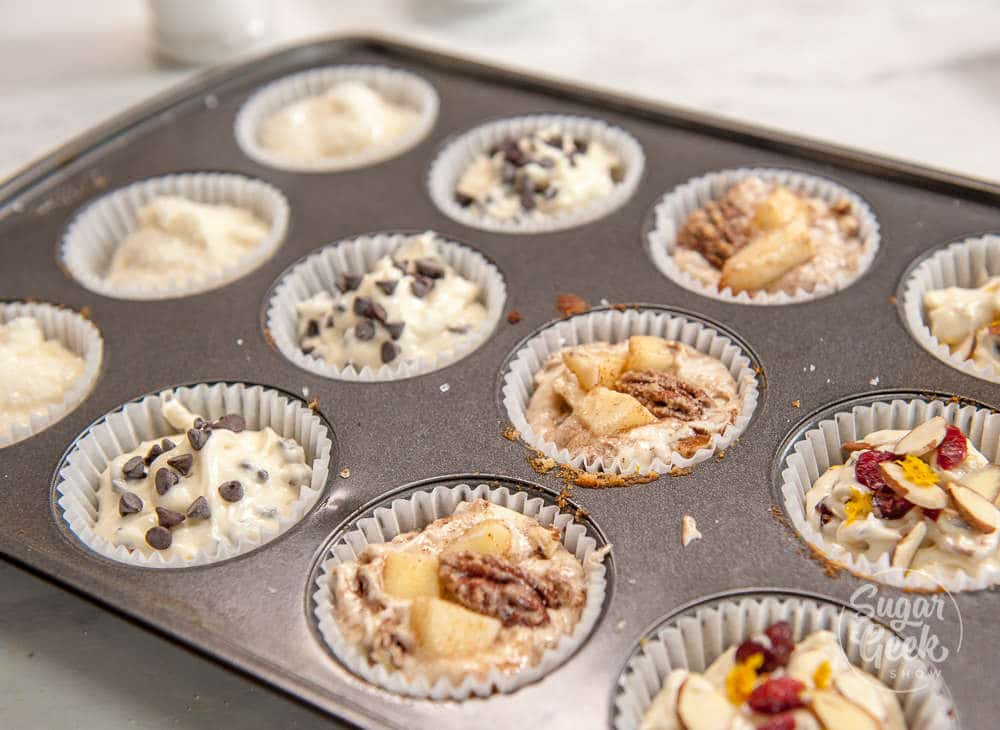
- Fill the liners. Fill each liner all the way to the top, not three-quarters full. Sprinkle a few extra mix-ins and a pinch of sanding sugar on top of each.

- Bake hot, then drop the temp. Bake at 425°F for 5 minutes, then drop the oven to 375°F (without opening the door) and bake another 13 to 15 minutes, until the tops are golden and a toothpick inserted into the center comes out with just a few moist crumbs.

- Cool in the pan, then move to a rack. Let the muffins rest in the pan for 10 minutes (this helps the structure set), then move them to a wire rack to finish cooling. Cooling them in the pan too long traps steam and makes the bottoms soggy.
Make This Recipe Your Own
This base batter handles up to 1 cup of dry mix-ins or up to ½ cup of wet mix-ins without changing anything else. Use it as a starting point for any muffin flavor you want.
If you want a fully written-out flavor variation, try my lemon blueberry muffin recipe or my moist chocolate chip muffin recipe, both of which build off this same base. More flavor variations coming soon.
If you want jumbo muffins, double the batter in a jumbo muffin liner and tin for big bakery-style muffins.
PRO TIP: Muffins with fresh fruit need to be refrigerated to prevent molding. Everything else is fine on the counter for 3 to 4 days.
Common Muffin Problems To Avoid
- Pale, no bakery sparkle on top. Add a pinch of sanding sugar or coarse sugar before baking. Without it, the tops bake up matte instead of glossy.
- Flat muffin tops. You either underfilled the liners or your leavening is dead. Fill all the way to the top, and replace baking powder and baking soda every 6 months once opened.
- Tunneled or holey crumb. Classic overmixing. Once the flour goes in, mix on low and stop the second the streaks disappear.
- Tough, rubbery muffins. Same overmixing issue, or you forgot the cake flour swap. Cake flour is what keeps the crumb tender.
- Mix-ins sank to the bottom. Heavier mix-ins like fresh berries and regular-size chocolate chips will sink. Toss in a teaspoon of cake flour before folding in.
- Dry muffins. Either you overbaked or your butter melted instead of creaming. Soft butter should hold a finger indent without smearing. Pull muffins as soon as a toothpick comes out with moist crumbs, not clean.
- Muffins stuck to the liners. Usually means they were slightly under-baked, or the paper liners are too thin. Quality parchment liners release better than basic paper.
- Curdled or broken batter. This means an ingredient was too cold (usually the eggs or buttermilk) and the butter solidified. Bring everything to room temperature before you start.
Final Thoughts
This recipe is the most-used recipe in my kitchen, full stop. It is the one I make Sunday mornings for the week, the one I send to friends who say they cannot bake, and the one I riff on more than any other when a new flavor idea pops into my head. The whole point of having a base recipe is that you stop reaching for new recipes every time you want to try a flavor. You just stir in the new thing.
If you are new to baking, start with the plain version (just sanding sugar on top) so you know what the base tastes like. Then on your second batch, add ½ cup of mini chocolate chips. Then, a tablespoon of orange zest with dried cranberries. Pretty soon, you have your own list of favorite flavor combinations, and you stop measuring out the mix-ins as carefully because you know exactly what works.
The single most common reason readers tell me their muffins flopped is underfilling the liners. Fill them to the top. That tall dome is the whole point.
Basic Muffin Recipe FAQs
Yes you can. Cool fully, then store in a zip-top freezer bag for up to 6 months. Thaw at room temperature or microwave a frozen muffin for 20 to 30 seconds.
Three days at room temperature in an airtight container, or 1 week in the fridge. Honestly, I leave them out until they are eaten. Muffins with fresh fruit need to be refrigerated to prevent molding.
It will look like water is separating out from the solids. Usually this is because one of your ingredients (like the milk, buttermilk, or eggs) was too cold and caused the butter to solidify. The fix is to bring everything to room temperature before you start. If your batter has already broken, warm the bowl gently with a hot towel wrapped around the outside while mixing on low and the emulsion usually comes back together.
You could, but it would bake up a little dry. I would use my vanilla cake recipe instead. The crumb on the vanilla cake is built specifically for that role.
More Quickbread Recipes To Try
Leave Me A Review
⭐️⭐️⭐️⭐️⭐️
If you tried this Basic Muffin Recipe or any other recipe on my blog, please leave a 🌟 star rating and let me know how it goes in the comments. I love hearing from you!
Recipe
Basic Muffin Recipe
Ingredients
- 4 ounces unsalted butter (½ cup) softened
- 5 ounces granulated sugar (¾ cup)
- 2 large eggs room temperature
- 2 teaspoons vanilla extract
- 10 ounces cake flour (2 cups)
- 3 teaspoons baking powder
- 1 teaspoon baking soda
- ½ teaspoon salt
- 8 ounces buttermilk (1 cup) room temperature
- 3 Tablespoons sanding sugar (optional for sprinkling on top)
Instructions
- Before you begin: Preheat the oven to 425°F (220°C) and line a standard 12-cup muffin pan with paper or parchment liners. Make sure your eggs, butter, and buttermilk are at room temperature.
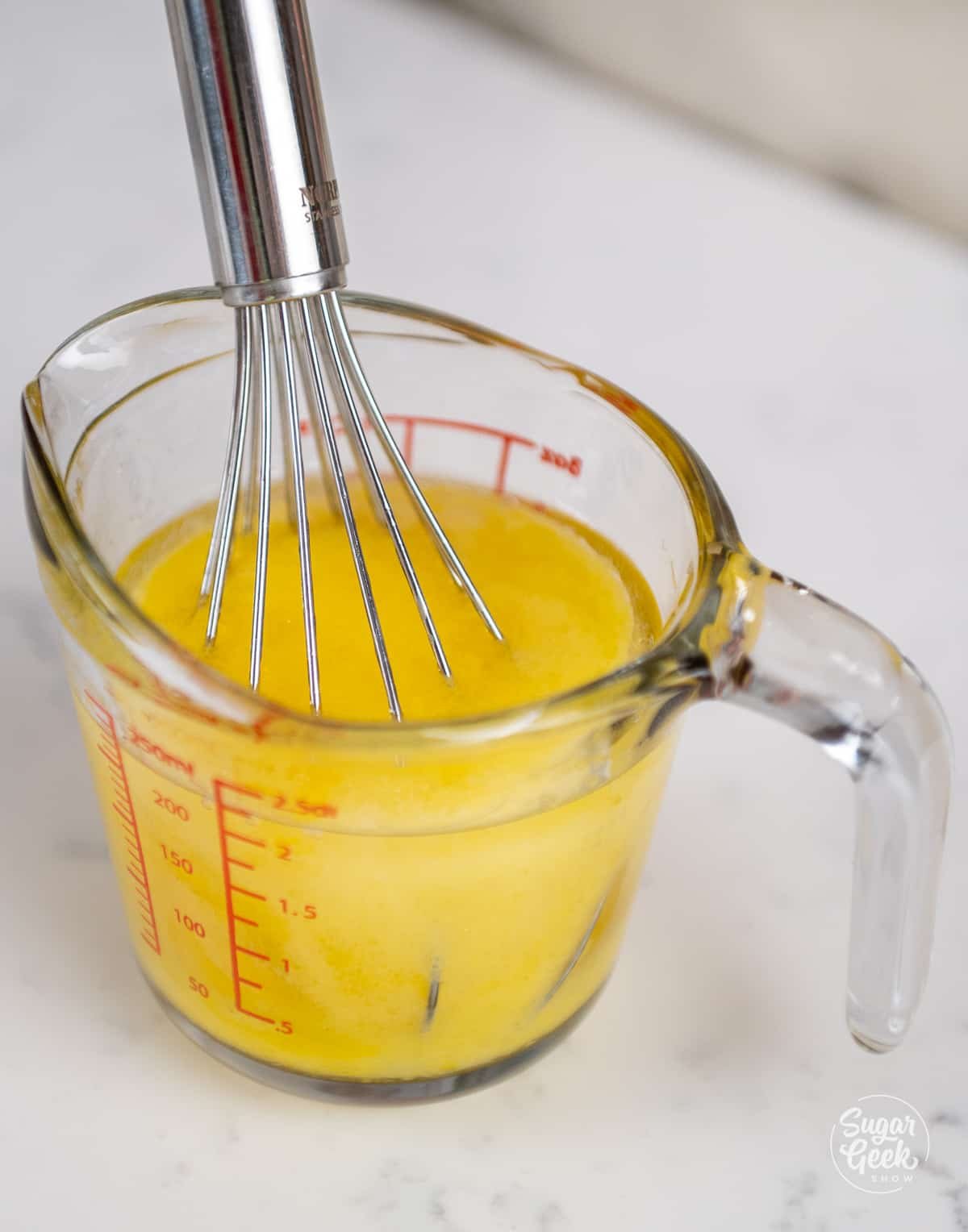
- Sift together the cake flour, baking powder, baking soda, and salt in a medium bowl. Set aside.
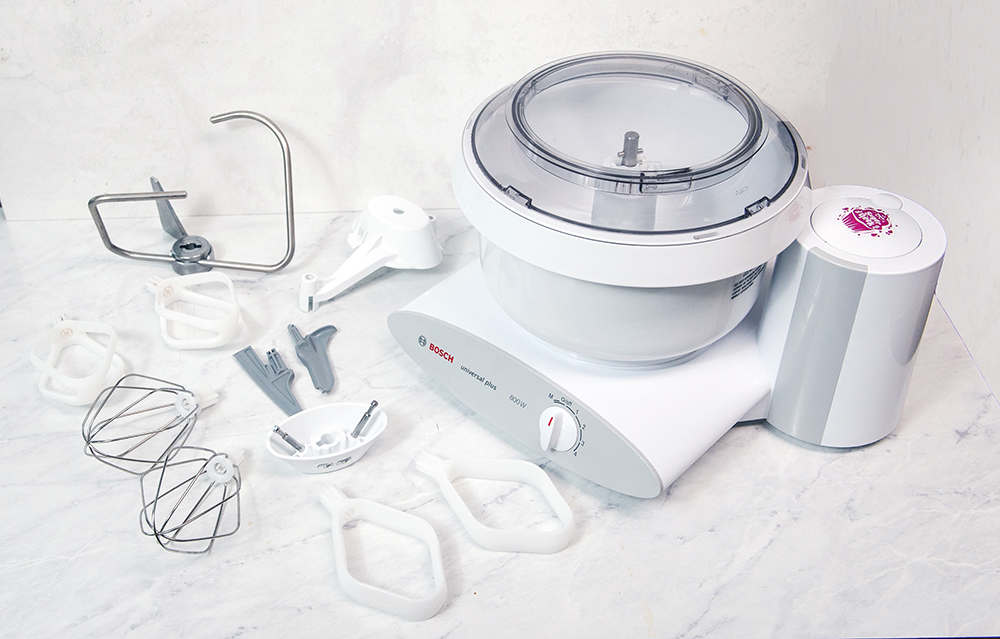
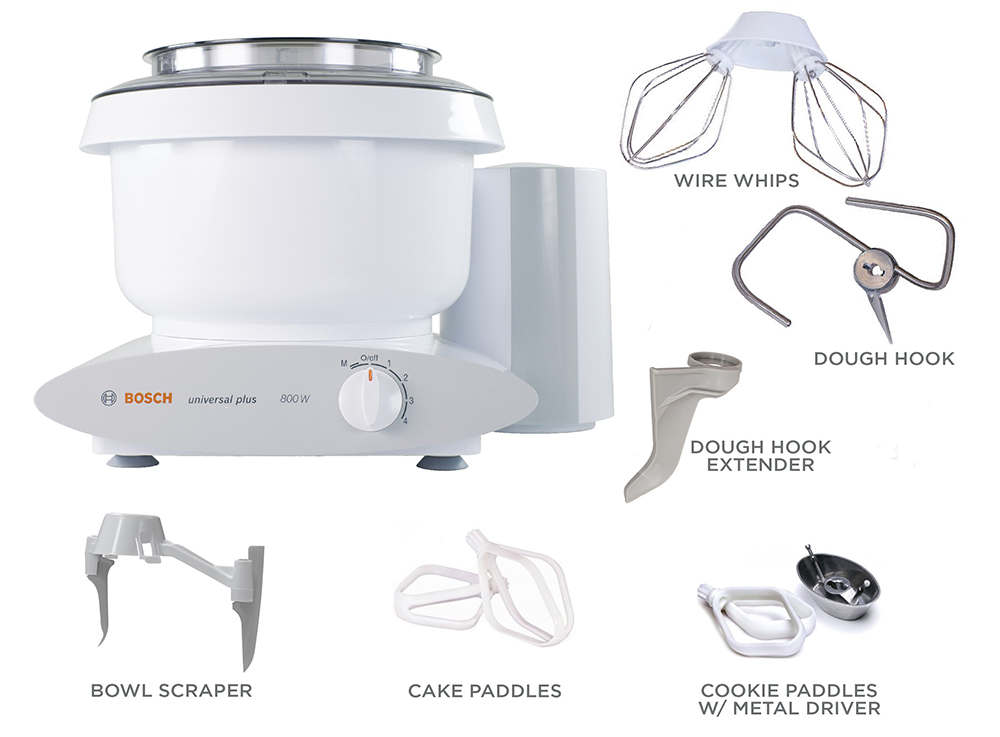
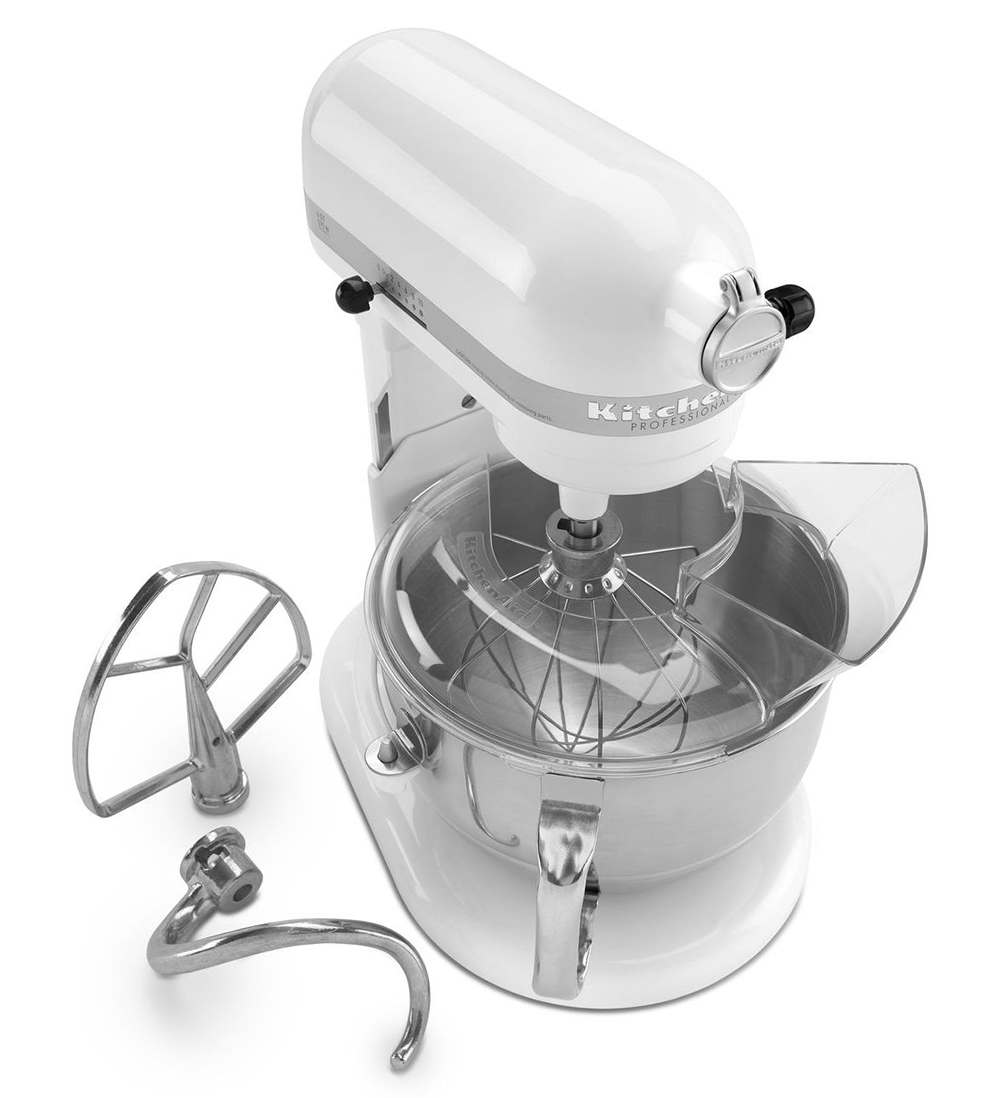
- In the bowl of a stand mixer fitted with the paddle attachment, cream the softened butter and granulated sugar on medium-high speed for 2 to 3 minutes until light, fluffy, and pale. Scrape the bowl once or twice.
- Add the eggs one at a time, mixing on medium until each is fully incorporated. Add the vanilla extract and mix until pale and fluffy.
- With the mixer on low, add ⅓ of the flour mixture, then ⅓ of the buttermilk. Repeat two more times until just combined. Do not overmix. Stop the second the flour streaks disappear.
- Fold in your mix-ins by hand with a spatula. Toss heavier mix-ins (chocolate chips, fresh berries) in a teaspoon of the cake flour first to help them suspend evenly.
- Fill each muffin liner all the way to the top using a large cookie scoop or a ⅓ cup measure. Sprinkle the tops with extra mix-ins and a pinch of sanding sugar.
- Bake at 425°F for 5 minutes. Without opening the oven door, drop the temperature to 375°F (190°C) and bake another 13 to 15 minutes, until the tops are golden and a toothpick inserted in the center comes out with just a few moist crumbs.
- Let the muffins cool in the pan for 10 minutes, then transfer to a wire rack to finish cooling completely.
Video
Notes
- Up to 1 cup of dry mix-ins (chocolate chips, dried fruit, nuts, toasted coconut).
- Up to ½ cup of wet mix-ins (fresh berries, chopped fresh fruit).
- Toss heavier mix-ins in a teaspoon of cake flour before folding in to keep them suspended.
- Optional flavor adds: 1 to 2 teaspoons of any spice (cinnamon, cardamom, ginger, etc.), 1 to 2 tablespoons of fresh citrus zest, or ½ teaspoon almond extract.
- Cake flour is the key to the tender bakery-style crumb. If you must substitute, use 9 ounces all-purpose flour plus 1 ounce cornstarch sifted together (for muffins only, not for the vanilla cake recipe).
- Real buttermilk is best. In a pinch, whole milk plus 1 tablespoon white vinegar or lemon juice (let stand 10 minutes) works.
- Bring all refrigerated ingredients to room temperature before starting. Cold ingredients break the butter emulsion and give you a denser, less risen muffin.
- Jumbo muffin pan: 6 muffins, 5 minutes at 425°F then 22 to 25 minutes at 375°F.
- Mini muffin pan: 24 muffins, skip the temperature drop and bake at 400°F for 10 to 12 minutes.
- Plain or dry-mix-in muffins: airtight container at room temperature, 3 to 4 days.
- Muffins with fresh fruit: refrigerate, up to 1 week.
- Freezer: zip-top bag, up to 3 months. Thaw at room temp or microwave 20 to 30 seconds.
- Don't underfill the liners. Tall bakery domes need batter filled all the way to the top.
- Don't overmix once the flour goes in. Stop the second the streaks disappear.
- Don't open the oven door during the first 10 minutes of baking. The dome will collapse.
- Don't substitute all-purpose flour without the cornstarch swap. Straight all-purpose gives a tougher, drier crumb.
- Don't skip the temperature drop. The two-stage bake is what gives you a tall dome that doesn't burn.
- Don't add more than 1 cup of dry or ½ cup of wet mix-ins. The dome collapses past that.
Nutrition



The best part of these cookies aside from them looking amazing is that they tasted spectacular! Not one cookie was left after the shower and everyone commented on how delicious they were!