


Homemade bagels are one of those things that sound intimidating but are actually much more approachable than most people expect, and the results are so far beyond anything you can buy at the store that you will never want to go back. I have been baking bread professionally for years and this is the recipe I come back to every time I want a fresh, chewy bagel with a real shiny crust. If you love baking with yeast dough, my easy cinnamon rolls and homemade brioche bread use a similar process and are great to try next.
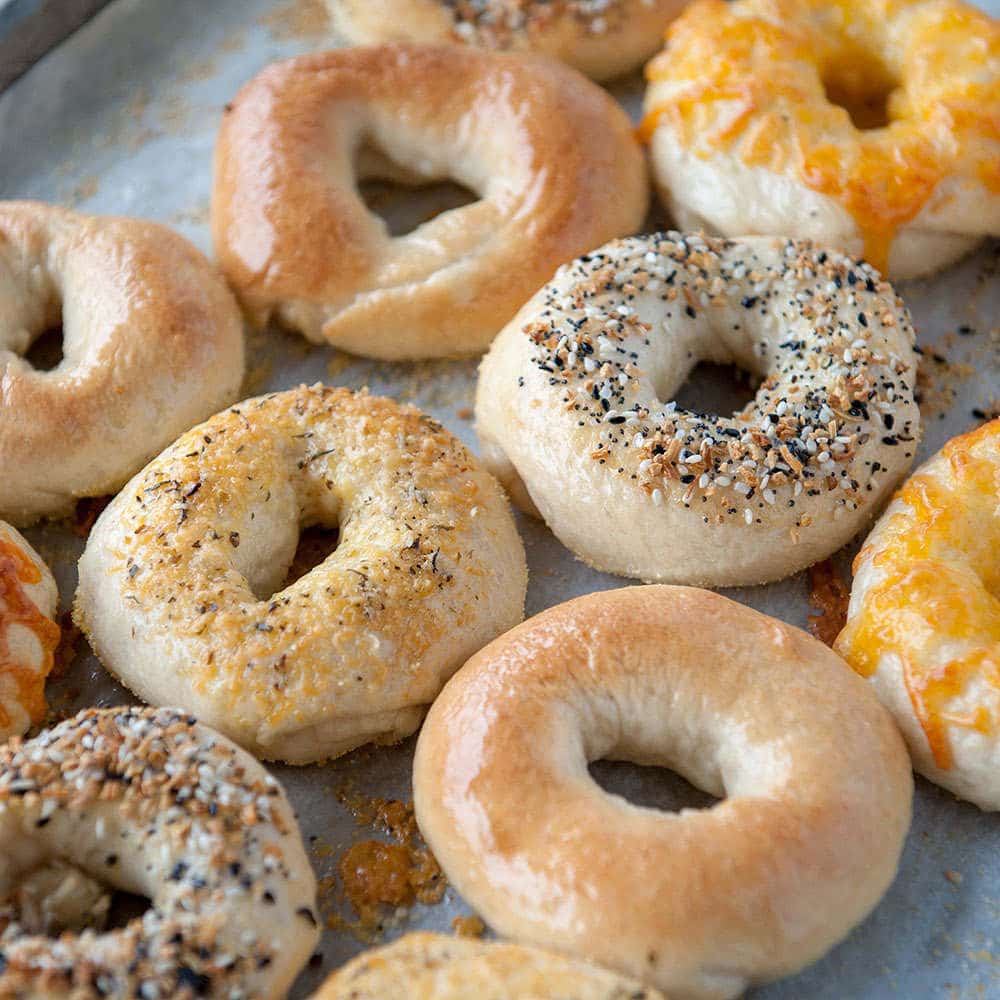
Quick Glance at This Bagel Recipe
- Recipe Name: Homemade Bagel Recipe
- Why You'll Love It: Bakery-style chewy bagels made with simple ingredients and an easy, beginner-friendly method.
- Time and Difficulty: 60 minutes of active time + 30-60 minutes depending on proofing. This easy bagel recipe is great for beginners with basic dough experience.
- Main Ingredients: Bread flour, warm water, brown sugar, instant yeast, salt, and your favorite toppings.
- Method: Mix and knead the dough, shape, rest, boil briefly, then bake until golden.
- Texture and Flavor: Chewy on the outside, soft and slightly dense inside, with a subtle sweetness and classic bagel flavor.
- Quick Tip: Boil longer (up to 1 minute per side) for a thicker, chewier crust.
Jump to:
I love making these homemade bagels when I want something fresh, chewy, and a little more special than store-bought. As a professional baker, I've taken everything I know about dough and simplified it into a process that's easy to follow, while still giving you those bakery-quality results at home.
Over the years, I've found that bagel-making is surprisingly fun to do with kids. Turn it into an afternoon activity and have them help roll, shape, and even add their favorite toppings. The magic really happens in that quick boil before baking, and once you see it in action, it's the kind of process that's surprisingly simple and fun to repeat.
If you love baking fresh bread, like my focaccia bread, this quick bread recipe, or a classic sourdough bread, you will LOVE making these bagels!
Why Choose This Easy Bagel Recipe
- Bread flour is the foundation of a good bagel. Its higher protein content builds more gluten during mixing, which is what gives bagels that dense, chewy texture that all-purpose flour cannot replicate on its own. You can substitute all-purpose flour and still get a good result, but bread flour gives you the real thing.
- Brown sugar does double duty in this recipe. It feeds the yeast to help the dough rise reliably, but more importantly, it mimics the subtle molasses depth you would normally get from barley malt syrup. It is an easy swap that gives your bagels that classic flavor without needing specialty ingredients.
- The boil before baking is what separates a bagel from a bread roll. When the shaped dough hits boiling water, the starch on the outside gelatinizes and forms a firm shell. That shell is what gives bagels their signature shiny, chewy crust when they come out of the oven. Skip the boil and you have dinner rolls.
- Instant yeast makes this a true same-day recipe. Unlike active dry yeast, it does not need to be bloomed separately before mixing. You add it directly to the flour and it gets to work immediately, which speeds up the rise and makes the whole process more beginner-friendly without sacrificing texture or flavor.
⭐️⭐️⭐️⭐️⭐️ Reader Review
These turned out very well for a first time bagel! They are soft and chewy and I will definitely make them again. Thanks.
- Lori
Easy Bagel Ingredients
The ingredients for making bagels are really simple, and you probably already have most of them in your pantry. Check the notes at the bottom of the recipe card for substitutions.
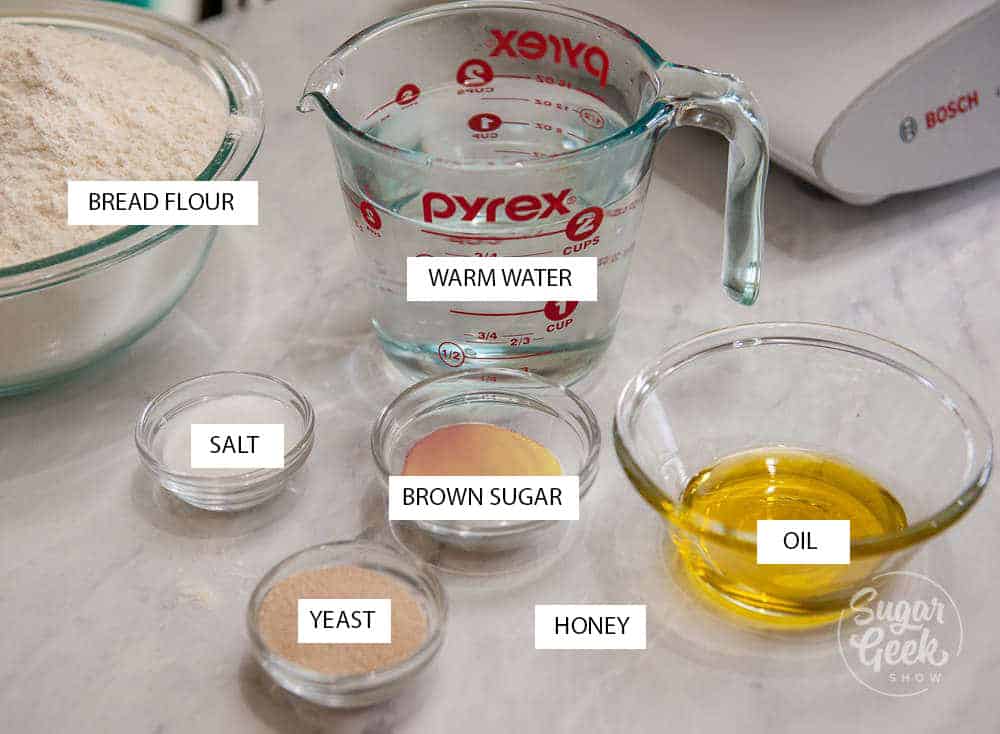
- Bread Flour: Bread flour is higher in protein, which means more gluten development and that classic chewy bagel texture. You can use all-purpose flour if that's what you have, and they'll still turn out great, but the texture will be slightly softer. I personally love using Caputo flour for its consistent results. You can also use bread flour to make a batch of this homemade brioche bread next.
- Warm Water: Warm water activates the yeast and helps kickstart gluten development in the dough. Aim for a temperature between 110ºF-115ºF. You want it warm enough to wake up the yeast, but not so hot that it kills it. Using water instead of milk means less fat, which is key for that chewy, bakery-style texture.
- Brown Sugar: A small amount of brown sugar helps feed the yeast and adds a subtle sweetness, but more importantly, it brings a light molasses flavor that mimics traditional barley malt syrup. It's an easy, accessible way to give your homemade bagels that classic depth of flavor without needing specialty ingredients.
- Instant Yeast: Instant yeast gives the bagels their rise and flavor while keeping this bagel recipe quick and reliable. It can be mixed directly into the dough without blooming, just like in my easy cinnamon rolls recipe. You can also use active dry yeast, but it will take a bit longer. I like using SAF Instant Yeast for consistent results.
- Salt: Salt is essential for flavor and also helps strengthen the dough structure. Be sure to mix your flour, water, and yeast first before adding the salt. Adding it too early can slow down or inhibit yeast activity.
- Toppings: One of the best parts of making homemade bagels is customizing the toppings. From cheese and herbs to sesame seeds or everything seasoning, the options are endless. For the best adhesion and shine, brush the bagels with an egg wash before adding your toppings.
See the recipe card for the full list of ingredients with quantities.
Easy Bagel Variations
Once you've mastered the base dough, it's easy to customize your homemade bagels with different flavors and mix-ins. Here are a few of my favorite variations and how to make them:
- Everything Bagels: For that classic everything flavor, top your bagels with a mix of sesame seeds, poppy seeds, dried garlic, dried onion, and a pinch of flaky salt. You can use a store-bought blend or make your own by combining equal parts of each ingredient.
- Whole Wheat Bagels: For a slightly heartier bagel, swap out up to 50% of the bread flour with whole wheat flour. This adds a nutty flavor and boosts the fiber, but keep in mind the texture will be a bit denser and less chewy than the original. If you love baking with whole wheat, you definitely need to try baking a loaf of honey wheat bread too!
- Cinnamon Raisin Bagels: Add about 1 tablespoon of cinnamon and 1 cup of raisins to the dough during mixing. The cinnamon brings warmth and sweetness, while the raisins add little bursts of flavor throughout. If your dough feels slightly dry after adding the raisins, you can mix in a teaspoon or two of water to adjust.
- Cheese Bagels: For cheesy bagels, sprinkle about 1-2 tablespoons of shredded cheese (like cheddar or mozzarella) over each bagel after brushing with egg wash. For even more flavor, you can mix a small handful of cheese directly into the dough as well.
- Garlic Herb Bagels: Top your bagels with a mix of dried garlic, Italian seasoning, and a pinch of salt for a savory option. You can also mix a teaspoon of garlic powder and dried herbs into the dough itself for a more pronounced flavor throughout.
If you love working with yeast doughs, my brioche bread recipe is the next one to try for a rich, buttery loaf that is completely addictive.
How to Make Bagels From Scratch
Making this easy bagel recipe could not be easier. These homemade bagels are made with a lean dough, which means there isn't much fat in this bagel recipe. This helps the instant yeast work very quickly without blooming. Fat (eggs, butter, oil) can inhibit yeast from working, which is why we bloom yeast in recipes like this sweet dough.
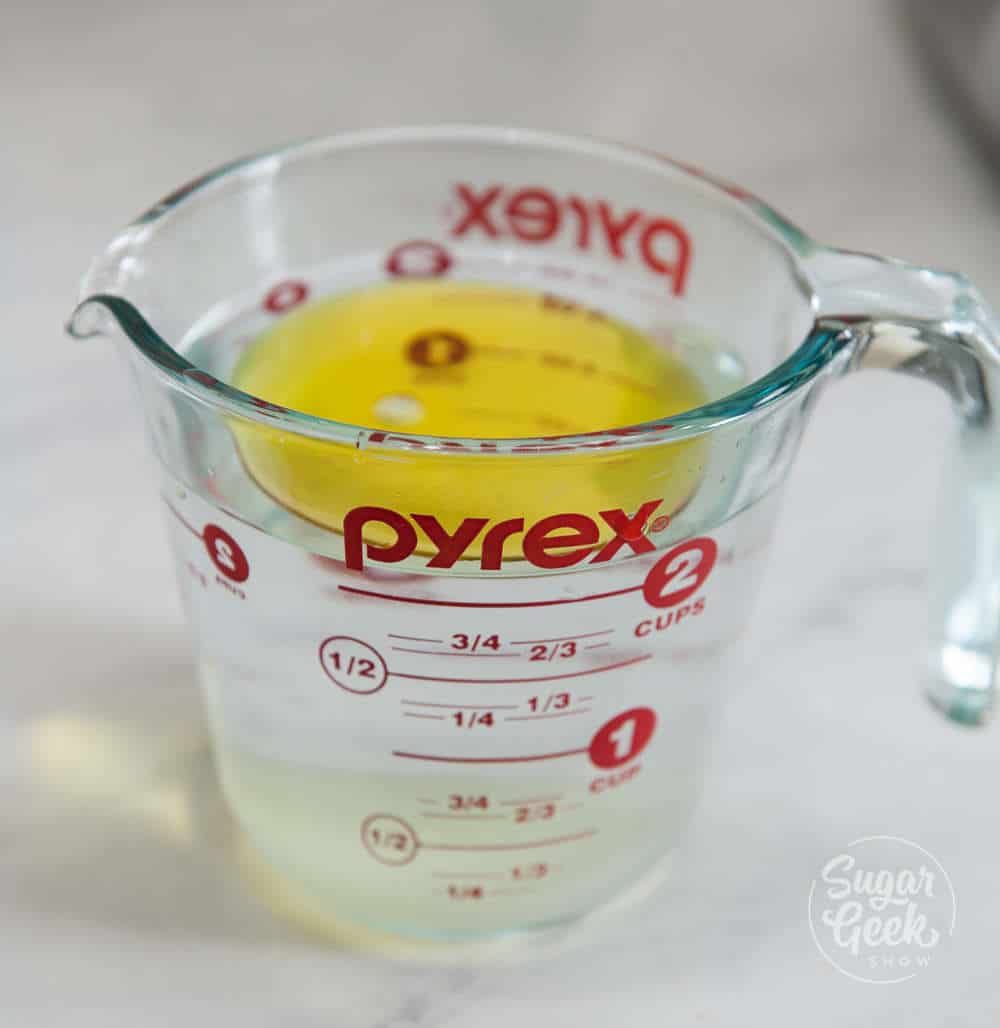
- Place the oil in the warm water with the brown sugar and set it aside.
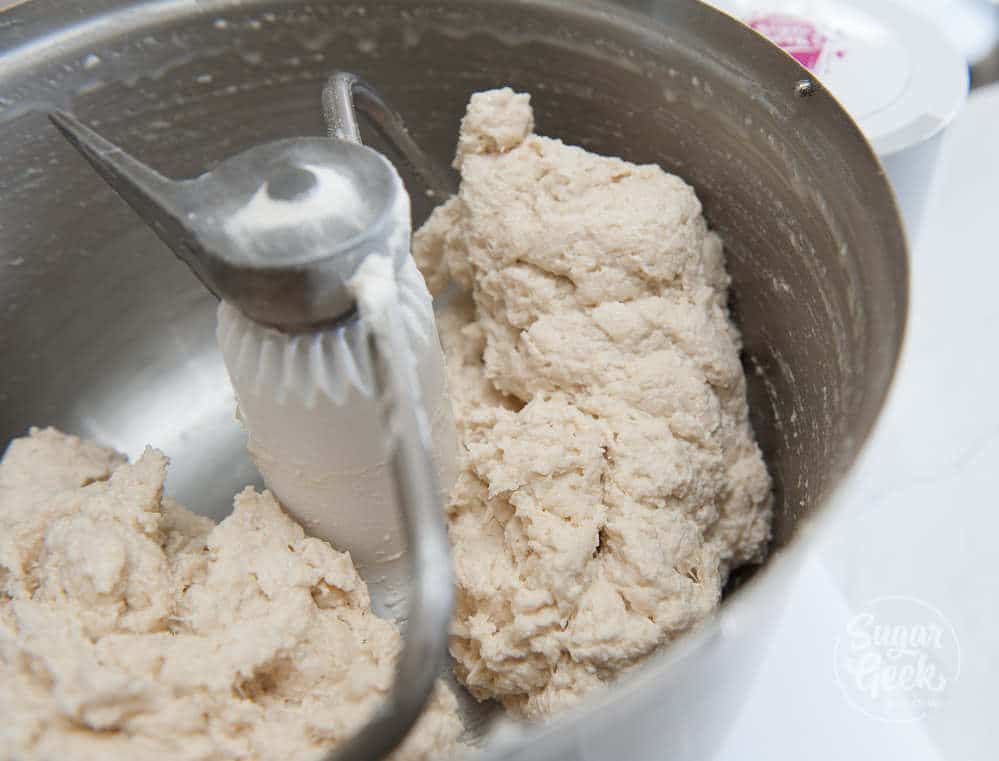
- Place your flour and yeast into the bowl of your stand mixer with the dough hook attachment and mix for a few seconds to combine everything together. While mixing on low, add the warm water mixture to the flour mixture and mix until combined (about 30 seconds). Sprinkle in your salt while mixing on low. We add the salt after the yeast has been activated because salt can also get in the way of yeast growing. Continue mixing on medium-high speed for 6 minutes. (speed 4 on the KitchenAid, speed 2 on the bosch). Once it has mixed enough, the dough will "clean" the sides of the bowl, the surface of the dough will look smooth, and it will feel firm and slightly tacky. The consistency of bagel dough is much stiffer than most bread doughs.
Tip to Adjust the Consistency of the Dough. If your dough looks too wet, you can add a couple of tablespoons of flour. If the dough looks too dry, add a couple of tablespoons of water. The dough should look rough and sticky, and stick to the bowl at first.
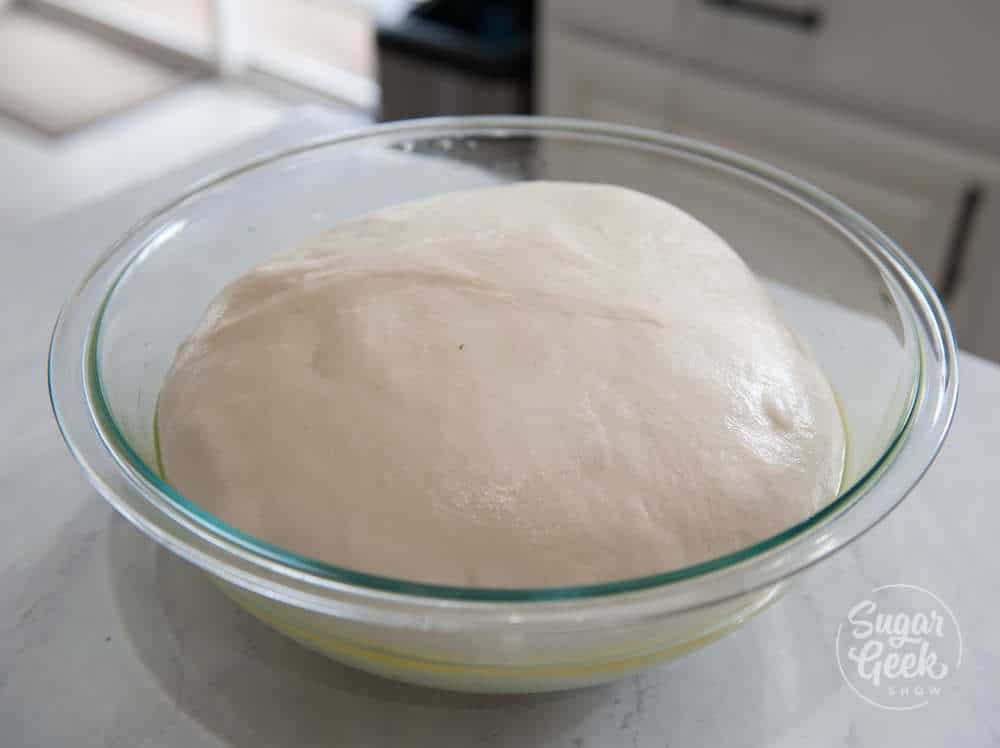
- Cover the dough with a tea towel or plastic wrap to keep the dough from drying out and set it aside in a warm place to rise until it doubles in size, about 30-60 minutes. The warmer the spot, the faster the dough will rise. I like to put mine by the fireplace or turn on the oven to the lowest setting for about 15 minutes to warm it up, turn the oven off, open the door, and place the dough on the door to rise.
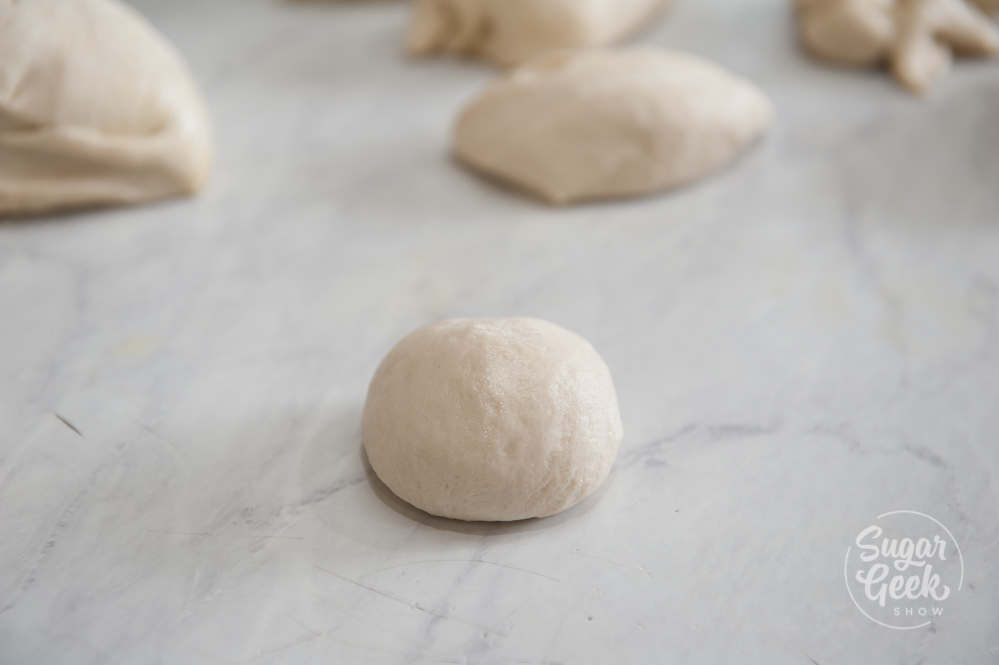
- When the dough is ready, divide it into 18 equal pieces. Don't worry, they don't have to be perfect! Then, fold all the rough edges to the underside, shaping it into a rough dough ball. Cup the dough ball under your hand and roll it in a circle against the table to form a smooth, tight ball. Let the dough rest while you form the rest of the balls.
Tests to Know Your Dough is Ready: First, perform the windowpane test. Take a golf ball-sized piece of the dough and stretch it between your fingers carefully. If you can make a thin sheet of dough that you can almost see through (a window), then the dough is ready. Another test is to poke the dough. If it bounces back, then that's a good sign the gluten has developed enough, and the dough is ready.
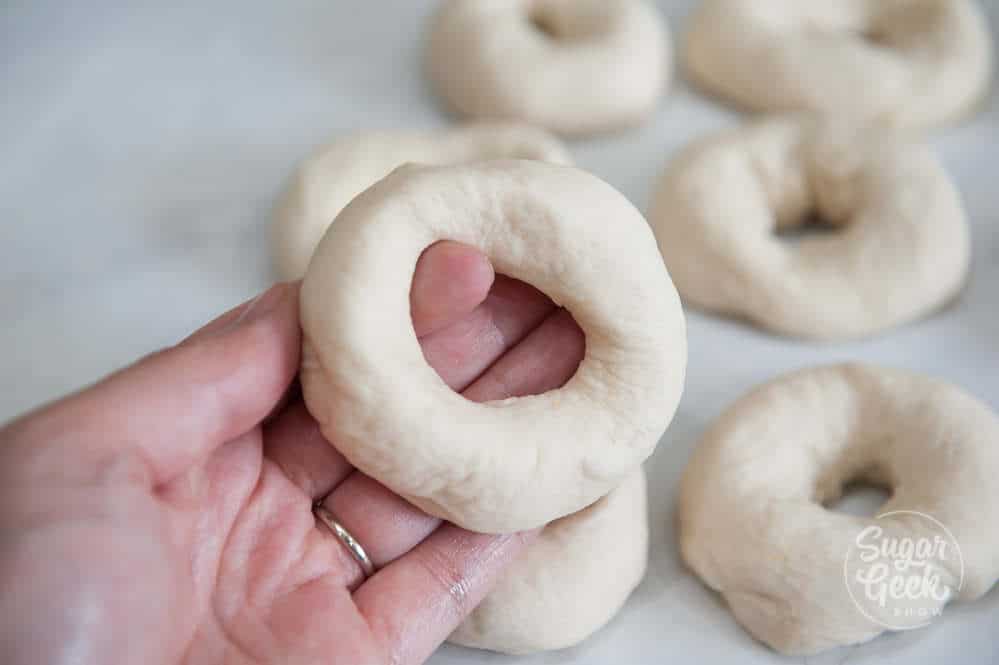
- Poke a hole in the center of the dough and stretch the hole so it's about 2" wide. Set the bagels aside to rest and rise for 10 minutes. At this time, bring two quarts of water, 1 teaspoon of salt, and ¼ cup of honey or maple syrup to a boil. You will also want to preheat your oven to 425ºF and line two sheet pans with parchment paper or a silicone baking mat as well.
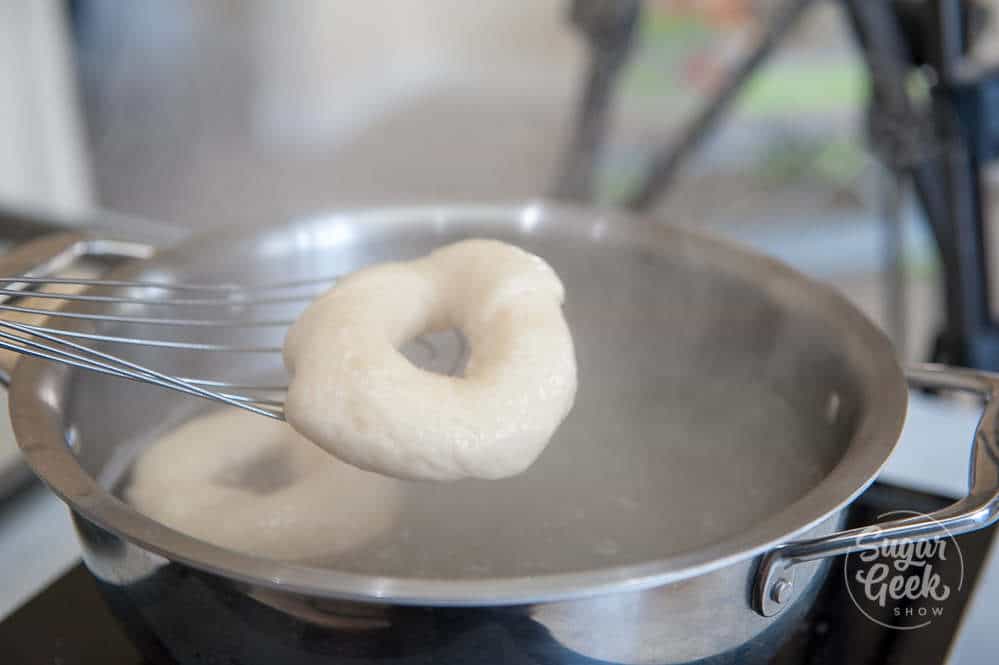
- When the water is at a steady boil, place your shaped bagels into the water and let them cook for about 30 seconds, and then flip them over and repeat cooking on the other side. Scoop them out of the hot water with a slotted spoon or fancy gravy whisk, as I am using in the picture. Let them drain for a few seconds.
Perfection Isn't Important: Don't worry if your bagels don't look perfect. Since these are homemade, a rustic look is just fine, and they will still taste delicious.
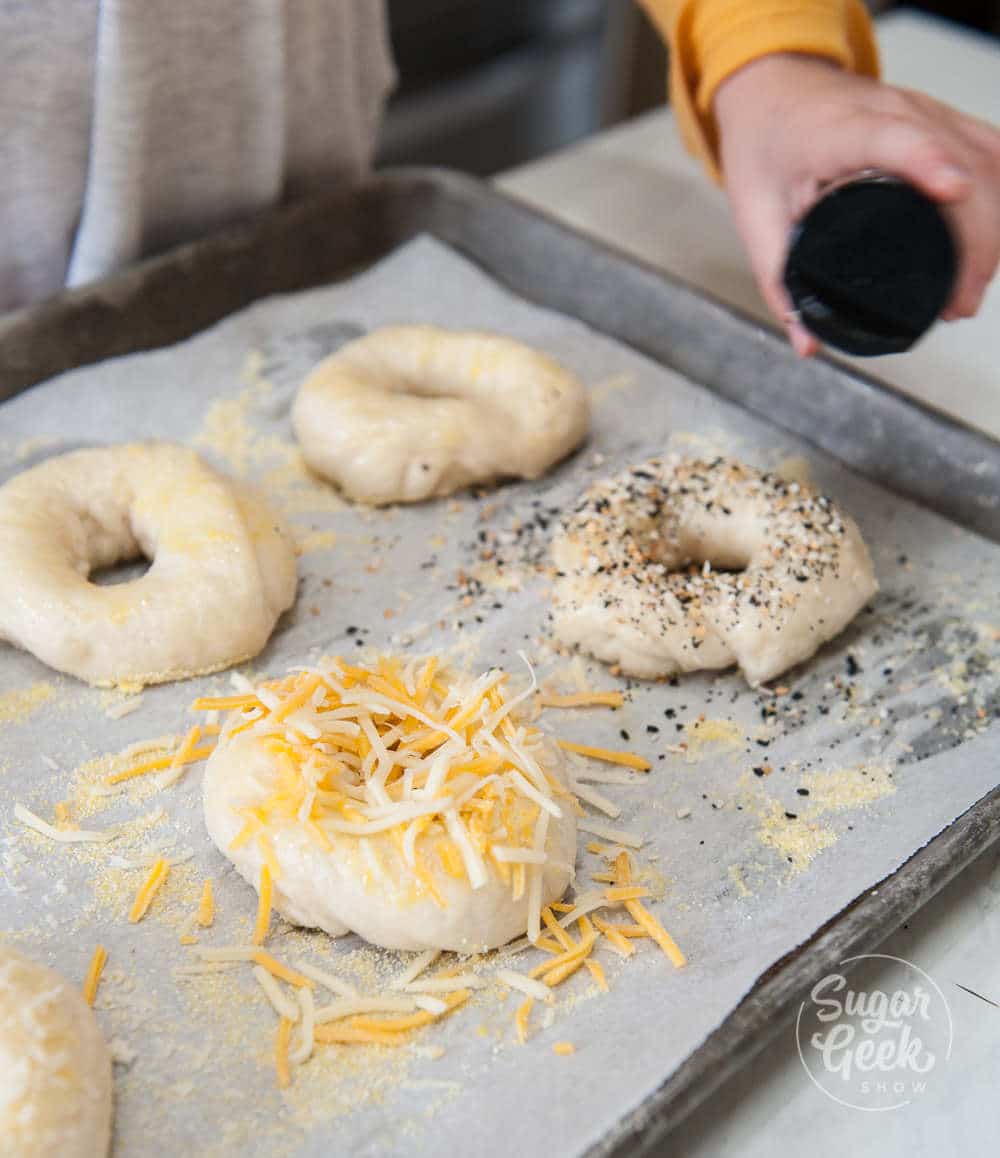
- Place the boiled bagels on a parchment-covered sheet pan with some cornflour sprinkled on top. The cornflour keeps the bagels from sticking to the parchment. Brush the bagels with the egg wash and then add your favorite toppings.
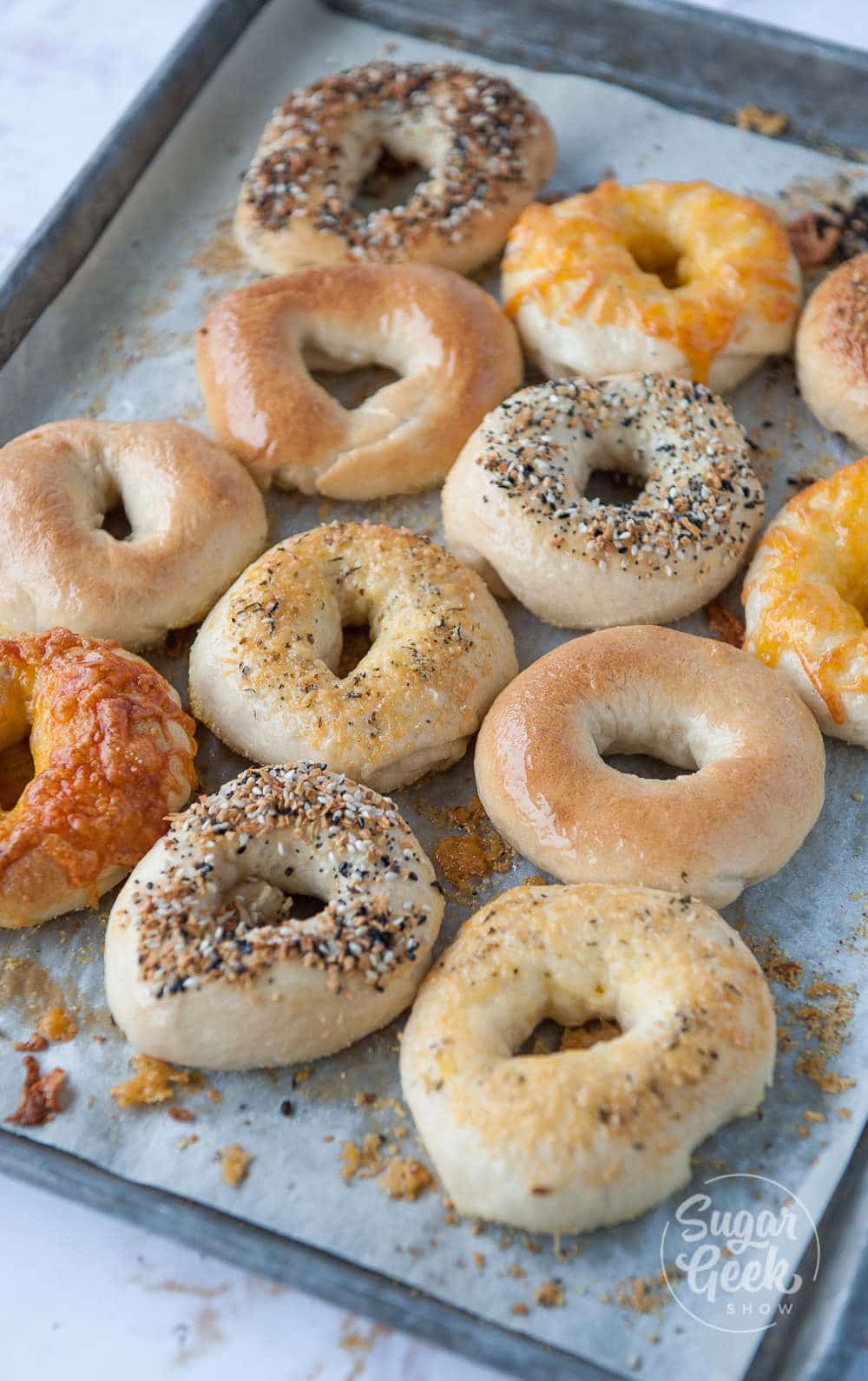
- Bake the bagels in your preheated oven for 20-25 minutes or until they are nice and golden brown.
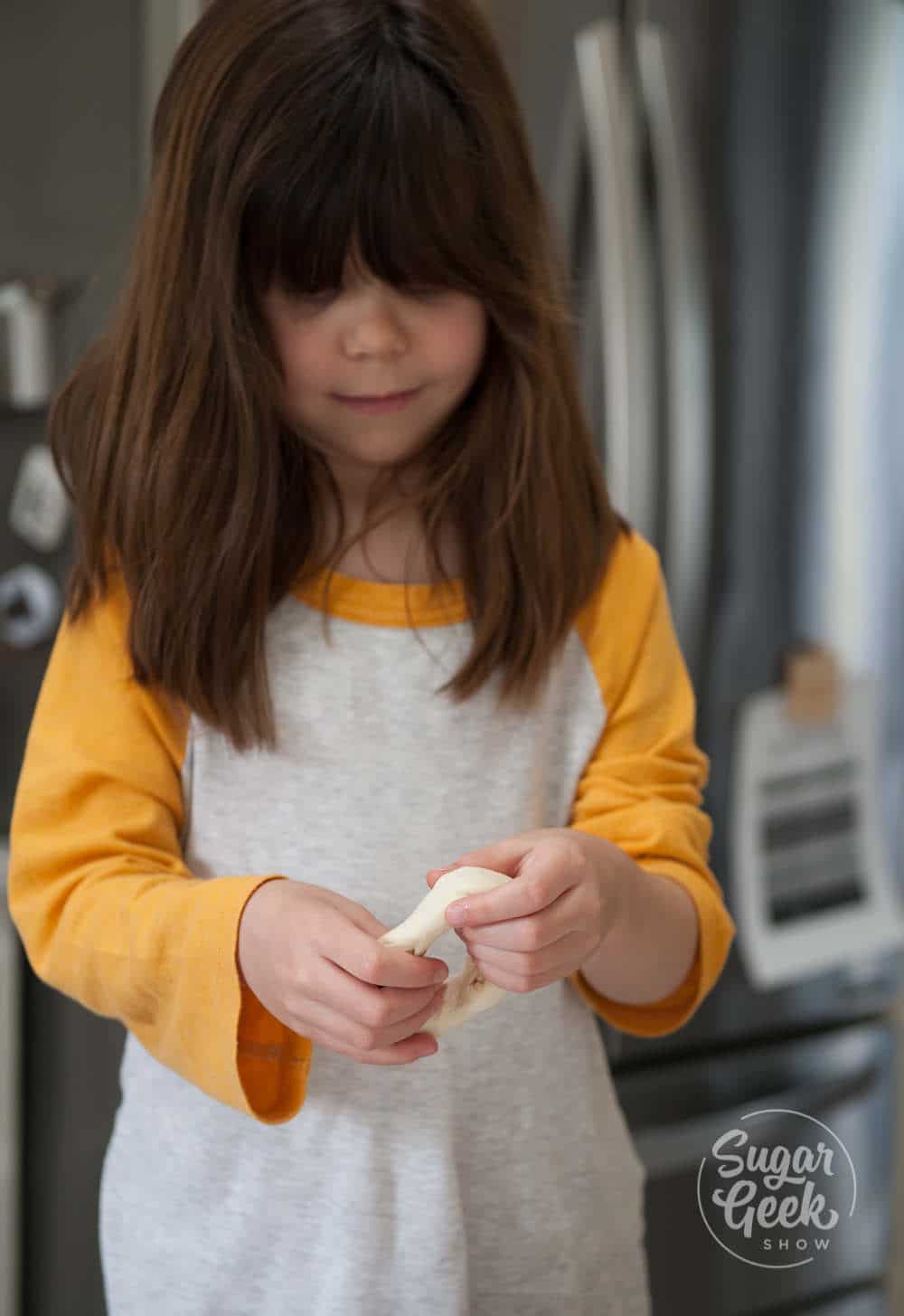
Get Kids Involved: This bagel recipe is perfect for getting kids into the kitchen. It's hands-on, a little messy, and really fun. Let them help roll the dough into balls, poke and stretch the centers, or sprinkle on their favorite toppings. Making the hole in the center of the bagel was my daughter's favorite part, and it's a great job for little kids so they can feel like they're helping. It's an easy way to turn this bagel recipe into a fun afternoon activity you can do together. Next, have the kids help you make a batch of homemade soft dinner rolls using the same dough skills!
Common Bagel Problems To Avoid
- Not making the hole big enough. The hole shrinks during boiling and baking, so aim for about 2 inches wide when you shape it. Too small and it will close up completely and you will end up with a bread roll.
- Using water that is too hot. The water for your dough should be between 110°F and 115°F. Hotter than that kills the yeast and your dough will not rise.
- Skipping the rest after shaping. Even 10 minutes lets the gluten relax, which helps the bagels hold their shape and rise more evenly.
- Overcrowding the pot when boiling. Too many bagels at once drops the water temperature and causes sticking. Work in batches of 3 to 4 at a time.
- Skipping the boil entirely. The boil is what creates the signature shiny, chewy crust. Without it you get a bread roll, not a bagel.
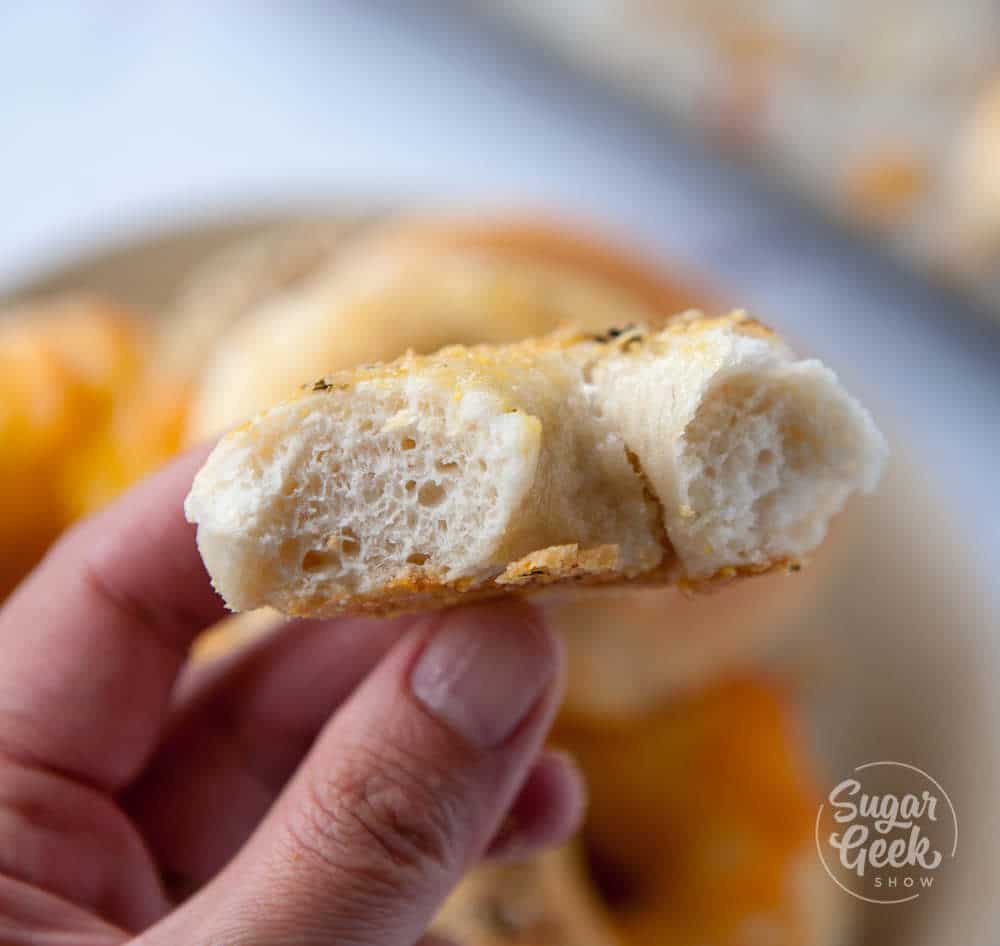
- Slicing before they are fully cooled. Cutting in too soon traps steam and makes the crumb gummy. Wait at least 20 minutes.
Once bagels feel routine, my overnight sourdough english muffins are another stovetop-finished breakfast bread, same morning-rotation energy with a different chew.
Homemade Bagel Recipe FAQs
Absolutely! If you don't have instant yeast, don't worry, because you can still use this bagel recipe with active dry yeast. Follow all the directions for mixing the bagel dough. After mixing, you will need to let your bagel dough proof for 90 minutes instead of 30 minutes, and then also extend the rest time after shaping them to 20 minutes instead of 10.
The secret to chewy bagels is actually boiling them in water before baking. I know it's kind of weird, but it works. Boiling gelatinizes the starches on the outside of the dough, which creates that signature shiny, chewy crust. Bagels are typically boiled in lightly sweetened, salted water for about 30 seconds per side, though you can go up to a minute for an even thicker, chewier crust. Skip this step, and you'll end up with something closer to a bread roll than a true bagel.
Yes, you can knead the dough by hand on a lightly floured surface for about 10-15 minutes. The dough should be firm, smooth, and slightly tacky. You'll know it's ready when it passes the windowpane test, meaning you can stretch a small piece thin enough to see light through without it tearing.
Yes, you can! Not only does making them ahead give you more flexibility, but it also improves the chew, flavor, and crust of your bagels. Prepare the recipe up through shaping the bagels, then place them on a tray, cover, and refrigerate for 8-24 hours. When you're ready to prepare, boil them straight from the fridge the next day and bake.
You can also freeze the shaped dough, then thaw it overnight in the fridge before boiling and baking, but the results are slightly less consistent.
Bagels usually turn out less chewy if they aren't boiled long enough, the wrong flour is used, or the dough hasn't proofed properly. For the best texture, boil each bagel for at least 30 seconds per side, use bread flour for higher gluten development, and make sure the dough has had enough time to rise so it bakes up with that classic chew.
More Homemade Bread Recipes To Try

Ready To Master Cake Decorating?
Join Sugar Geek University and learn professional techniques through detailed cake decorating courses, tutorials, and real kitchen demonstrations by
award-winning cake decorator, Liz Marek.
Recipe
Equipment
- Stand mixer with dough hook
Ingredients
- 30 ounces bread flour or all-purpose flour
- 1 Tablespoon brown sugar
- 2 Tablespoons olive oil
- 14 grams instant yeast or active dry (see notes below recipe)
- 16 ounces warm water (110ºF)
- 2 teaspoons salt
Waterbath
- 64 ounces water
- 2 ounces honey or maple syrup
- 1 Tablespoon salt
Egg wash
- 1 large egg
- 1 Tablespoon water
Instructions
- Heat your water to 110º-115ºF. Combine the water with the brown sugar, and oil and set aside.
- Place your flour and instant yeast into the bowl of your stand mixer with the dough hook attached. Mix for 5 seconds to distribute the yeast.
- Pour in your hot water mixture into the dry ingredients while mixing on low, just until everything is moistened.
- While mixing on low, sprinkle in your salt and mix until combined.
- Increase the speed to medium-high (speed 4 on a kitchenaid, speed 2 on the bosch) and mix the bagel dough for 6 minutes. If your dough is too dry, add a tablespoon or two of water until the dough sticks to the sides of the bowl. If it's too wet, sprinkle in a little flour.
- Poke the dough, does it bounce back? The dough is ready to proof. You can also do the windowpane test (see blog post). If the dough isn't ready, mix for another two minutes or until the dough passes these tests .
- Form the dough into a tight ball and place it into an oiled bowl. Cover and let the dough proof in a warm spot for 30-60 minutes or until it has doubled in size. (proof 90 minutes if you're using active dry yeast).
- Divide your dough into 18 equal sized pieces.
- Shape your bagels into a ball and then poke a hole through the center. Stretch the hole to about 2" wide and set the bagel aside to rest for 10 minutes.
- Bring 8 cups of water to a boil and add in the salt (1 Tablespoon) and honey or maple syrup (2 ounces) from the waterbath ingredients.
- Prepare two sheet pans with parchment paper. Sprinkle a good amount of semolina on top. This prevents the bagels from sticking.
- Preheat your oven to 425ºF.
- Place your bagels into the boiling water and cook for 30 seconds on each side then drain with a slotted spoon before placing onto the parchment paper.
- Whisk together the egg and water. Brush all your bagels with egg wash using a pastry brush and sprinkle on your desired toppings.
- Bake at 425 for 20-25 minutes or until they are golden brown.
Video
Notes
- To proof bread, I turn my oven on to 170ºF and open the door then place my dough on the door near the opening of the oven to proof, not INSIDE the oven.
- If you don't have instant yeast your can use regular active yeast but it will take longer to proof. You don't need to change the amount of yeast.
- Let your dough proof for 90 minutes or until it doubles in size
- Divide the dough, shape, brush with egg wash, let rest for 20 minutes before baking.
- You can replace half the white flour with wheat flour for whole wheat bagels
- You can use melted butter instead of oil or any other kind of oil that you like



Robin says
Not only are these easy, but they are delicious! I've put everything season and Asiago cheese on them. They don't last long in my house
Liz Marek says
Everything seasoning and Asiago, yes!
Gianna says
Easy to follow recipe but the bagels turned out very try and hard to chew. I will try again because I could have made a mistake but I am very disappointed.
Liz Marek says
Thanks for the lovely review! Happy bagel making.
R J Seemann says
I watched a cooking show which featured homemade bagels. This recipe was similar so I decided to try it out. It was easy to follow. I used Date syrup rather than Maple. I appreciated the warm water/brown sugar combination as my brown sugar was harder than granite. Following the remaining steps, fairly closely, adding a little more flour and Mind Blown! The bagels came out just like bagels! They looked like bagels, they smelled amazing and tasted just like the local bakeries best. Perhaps using filtered, spring water made a difference. I need to work on a uniformly smooth top. Otherwise, a sincere thank you for a terrific recipe.
Liz Marek says
Date syrup sounds great! Thanks for sharing.
mari says
Of all the recipes ive tried this one works the best for me and my daughter who is learning how to bake! this is definitely better than store bought. Thank you so muchfor sharing your recipe!
Liz Marek says
I love that you're baking with your daughter!
Annie says
Never made bagels before! They turned out great!! I kneaded by hand, and that was very tough because of how dry bagel dough is. The finished product is so good though!
Liz Marek says
Yay Im so glad that you liked the recipe!
Ben says
I tried these today. While the flavor is great. They did not rise like I was hoping. I used active dry yeast and let it proof longer. My dough before cutting and shaping was doubled in size. We shaped and let rest 20 minutes before the water bath, egg wash and baking. Please help me figure out what I did wrong.
Beth says
I made these bagels today they were super quick and easy to make, yummy tasting thank you
Laura says
These were absolutely delicious! My entire family over them. A few days later and about to make these bagels a second time and going to do a double batch!