

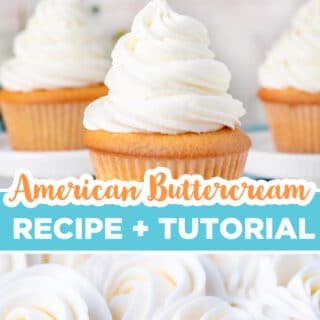
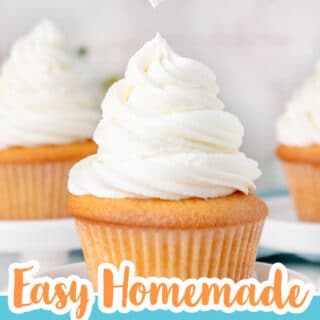
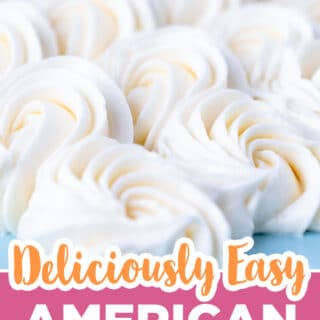
American buttercream is the easiest frosting you will ever make and one of the most versatile. Five ingredients, less than 15 minutes, and you get a sweet, creamy frosting that is stable enough for warm weather, pipes beautifully, and works under fondant. I use this on everything from funfetti cake to easy chocolate cake, and it has been my go-to recommendation for beginner bakers for years.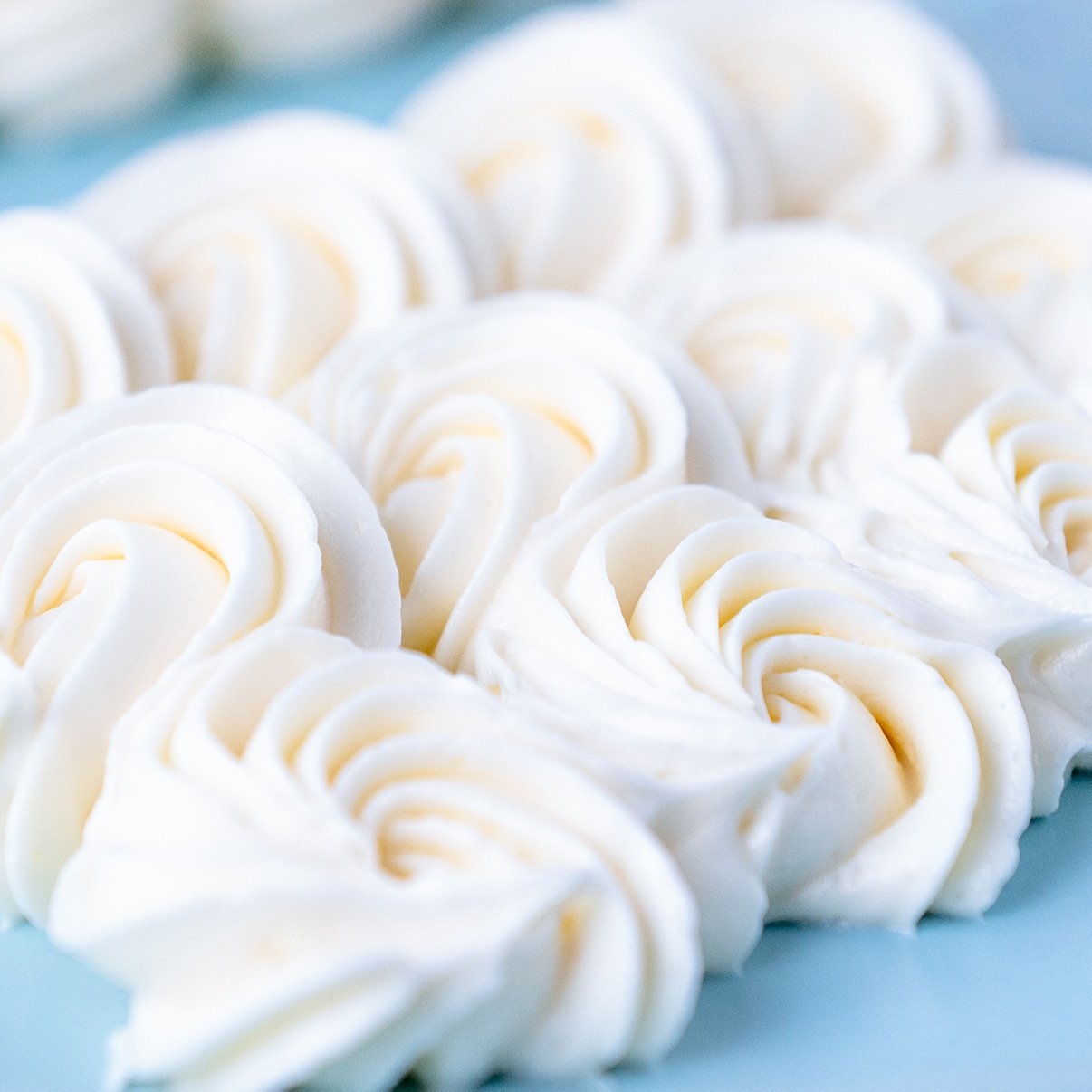
Quick Glance: American Buttercream Recipe
- Recipe Name: American Buttercream Recipe
- Why You'll Love It: Sweet, creamy, and incredibly stable, this is the easiest frosting you will ever make with just five ingredients and 15 minutes
- Time and Difficulty: 5 minutes | Beginner-friendly
- Main Ingredients: Unsalted butter, powdered sugar, heavy cream, clear vanilla extract, salt
- Method: Beat butter until smooth, add powdered sugar gradually, add cream and vanilla, whip until fluffy
- Texture and Flavor: Light, sweet, and creamy with a classic vanilla flavor that pipes beautifully and holds its shape
- Quick Tip: Always use butter at room temperature. Cold butter creates lumps that are nearly impossible to smooth out once the sugar is added
Jump to:
- Quick Glance: American Buttercream Recipe
- Why This Recipe Works
- American Buttercream Ingredients
- How to Make American Buttercream Step-By-Step
- Batter & Frosting Calculator
- Cake Batter and Frosting Calculator
- Cups of Batter Needed
- Cups of Frosting Needed
- What Are The Different Types of Buttercream?
- Common Mistakes To Avoid
- American Buttercream FAQs
- More Frosting Recipes You'll Love
- Leave Me A Review⭐️⭐️⭐️⭐️⭐️
- Recipe
Why This Recipe Works
American buttercream gets its structure from the ratio of powdered sugar to butter. Powdered sugar dissolves into the butter fat and forms a stable crystalline network that holds its shape at room temperature. This is why American buttercream is significantly more heat stable than meringue-based frostings like Swiss meringue buttercream or Italian meringue buttercream, which rely on protein foam that softens quickly in warm temperatures.
Adding hot heavy cream rather than cold cream is intentional. The heat helps the cream emulsify into the butter and sugar more smoothly, which gives the finished frosting a lighter, fluffier texture. Cold cream can cause the butter to seize slightly and produce a denser, less airy result.
Whipping the butter on its own before adding any sugar is what gives American buttercream its pale, fluffy appearance. The mixer incorporates air into the butter during those first 2 to 3 minutes, and that aerated base is what makes the finished frosting light rather than dense and heavy. Skipping this step results in a noticeably heavier frosting that is harder to pipe.
The final step of switching to the paddle attachment and mixing on low is what takes this buttercream from good to great. The whisk adds air, which gives you volume. The paddle removes excess air, which gives you a smooth, velvety finish that is much easier to work with when frosting a cake cleanly.
American Buttercream Ingredients
American buttercream only uses five ingredients but each one matters. Here is what they do and what you can substitute if needed.
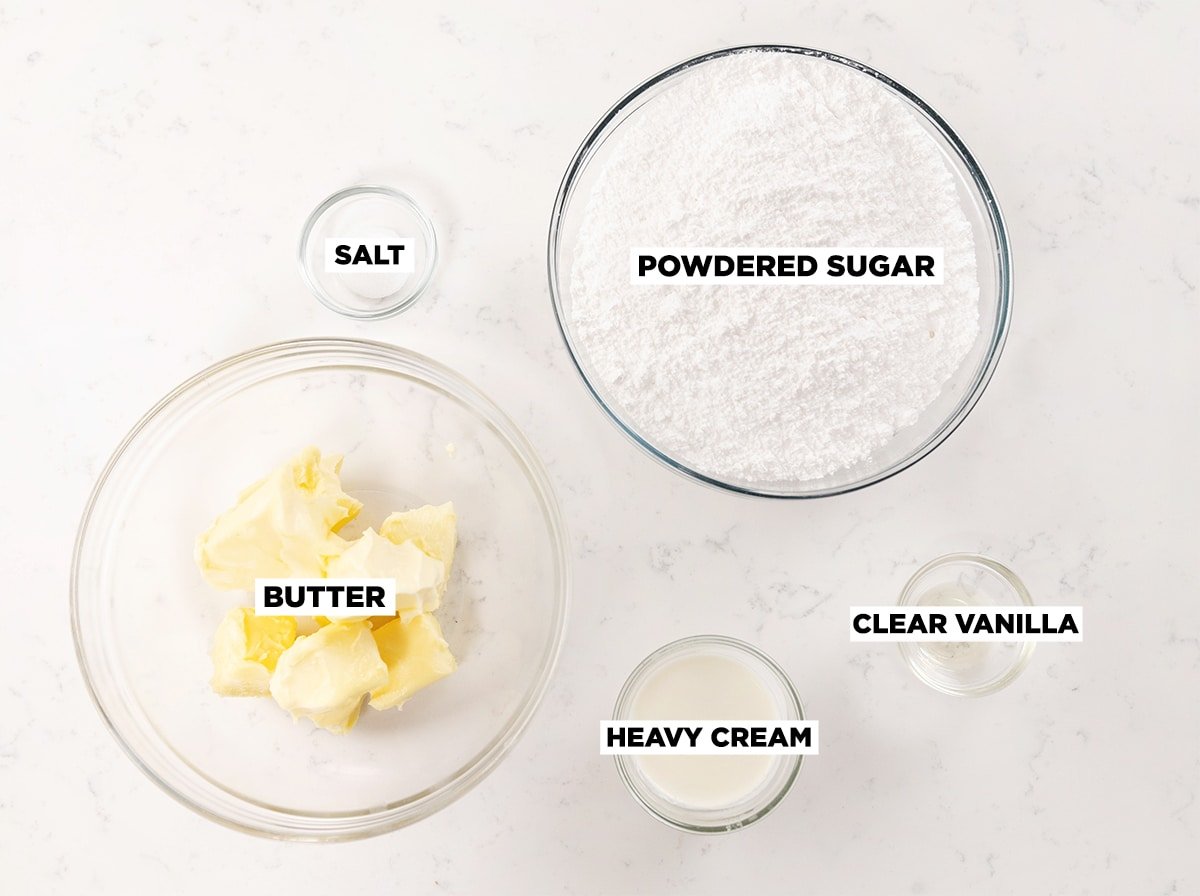
Unsalted Butter: The base of the frosting and what gives it richness and body. Use high-quality butter for the best flavor. I like Plugra or Irish butter, but Darigold is a great budget-friendly option. Make sure it is fully at room temperature before you start. For a more heat-stable version, replace half the butter with high-ratio shortening. For dairy-free buttercream, use a plant-based butter substitute.
Powdered Sugar: Also called confectioners sugar or icing sugar, this is what gives American buttercream its structure and sweetness. Always sift it before adding to avoid lumps. Add it one cup at a time so it incorporates smoothly without a cloud of sugar flying everywhere.
Heavy Cream: A small amount of cream thins the buttercream to the right consistency and makes it fluffy. You can substitute whole milk, water, or a non-dairy creamer if needed. Add it gradually until you reach the consistency you want. I heat mine up for 1 minute to emulsify the frosting.
Clear Vanilla Extract: Adds classic vanilla flavor without adding color. This is important if you want a bright white frosting. If color is not a concern, regular vanilla extract works just as well and has a slightly richer flavor.
Salt: A small amount of salt balances the sweetness and rounds out the flavor. Without it the frosting can taste one-dimensional. Do not skip it.
How to Make American Buttercream Step-By-Step
Just 15 minutes of your time and you'll have the smoothest, tastiest American buttercream of your life!
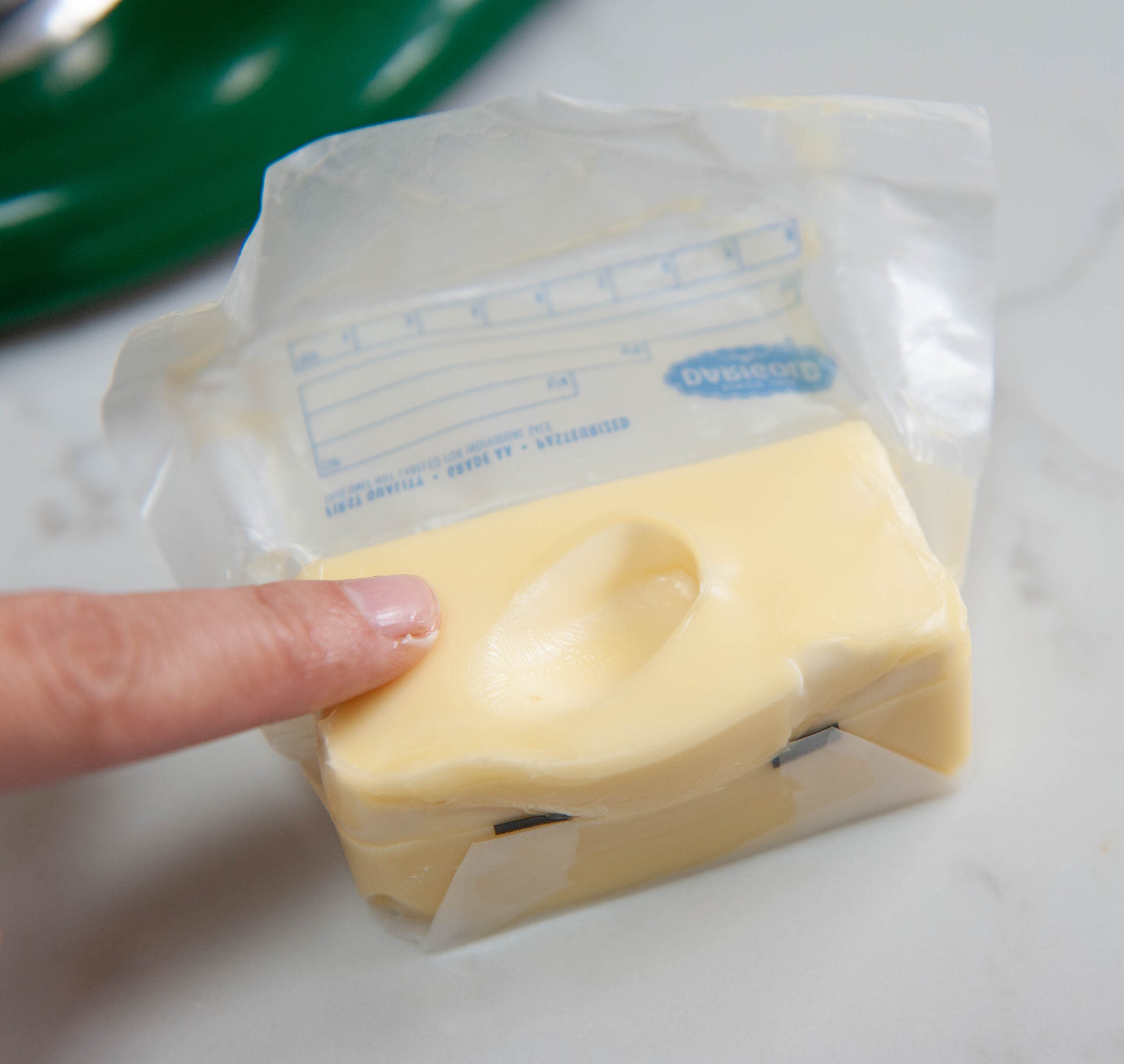
- Make sure your butter is fully at room temperature before you start. It should be soft enough to press a finger into easily but not greasy or melted. If it is too cold, you will get lumps. If it is too warm, the frosting will be too soft to pipe.
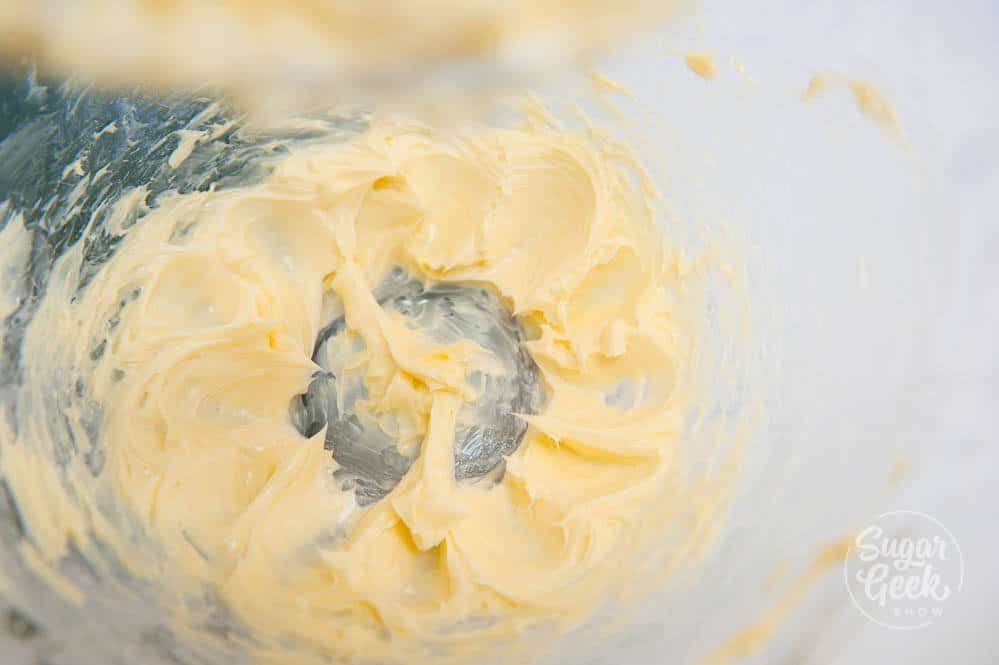
- Place the softened butter in the bowl of your stand mixer with the whisk attachment. Mix on medium speed until the butter is completely smooth, pale, and fluffy, about 2 to 3 minutes. Scrape the bottom and sides of the bowl well. Any unmixed butter at the bottom will show up as lumps later.
EXPERT TIP: You can also replace half the butter with vegetable shortening to make it more stable in the heat.
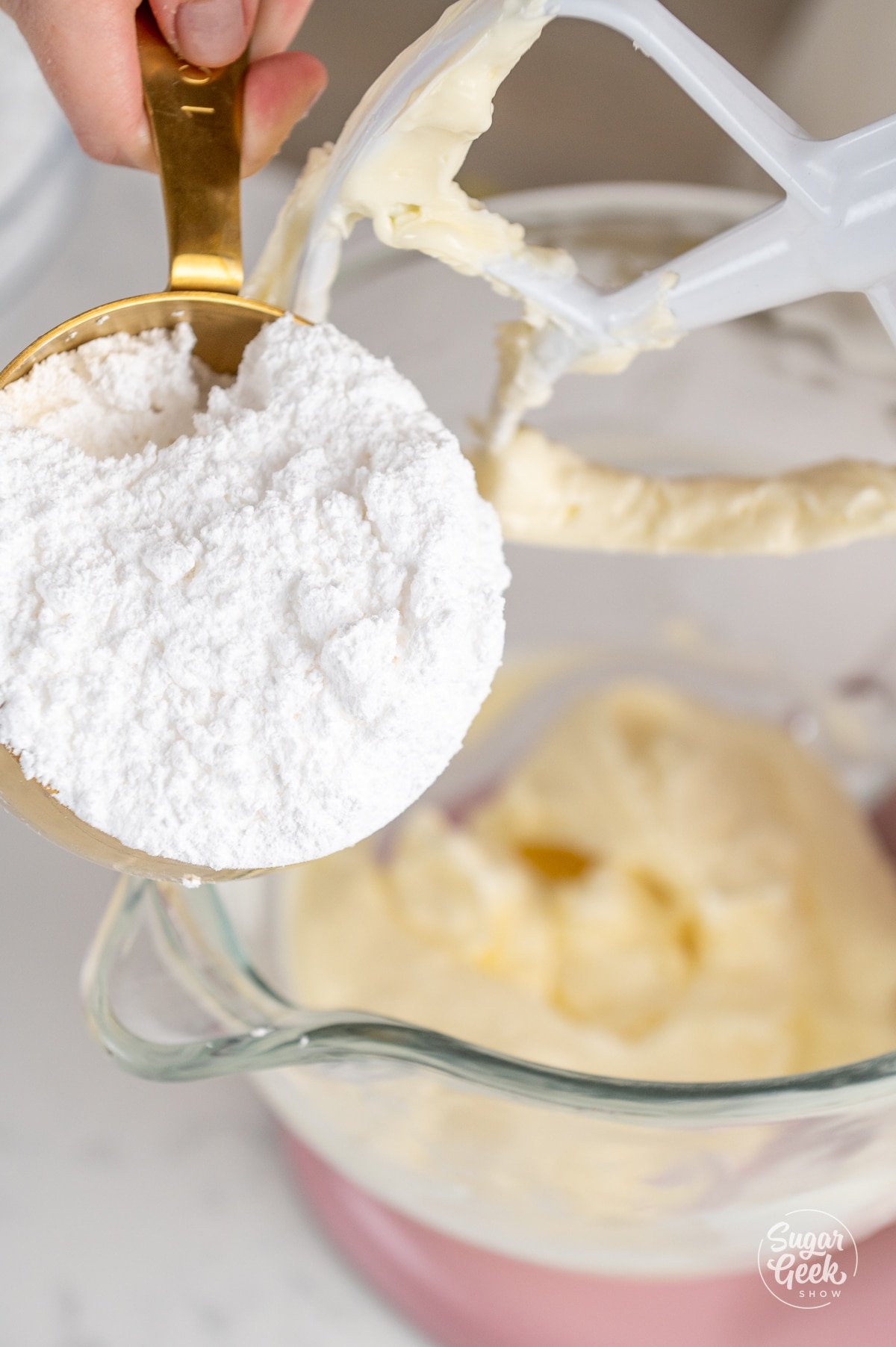
- Add the powdered sugar one cup at a time on the lowest speed. Adding it all at once creates a cloud of sugar and makes it harder to incorporate evenly. Mix until smooth after each addition before adding more.
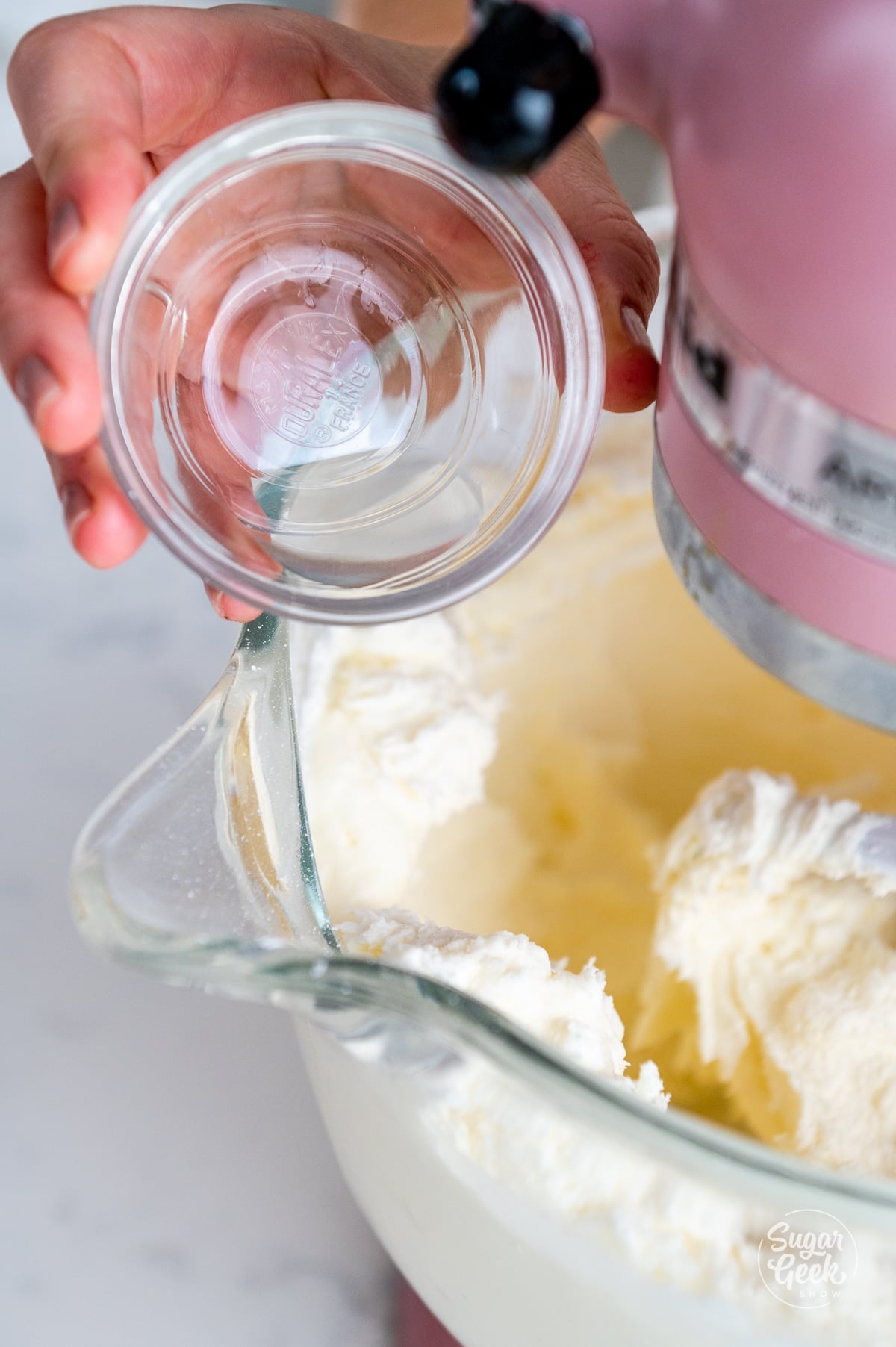
- Add the salt, clear vanilla extract, and hot heavy cream. If the buttercream looks too thick or dry, add a little more cream one tablespoon at a time until it reaches the right consistency.
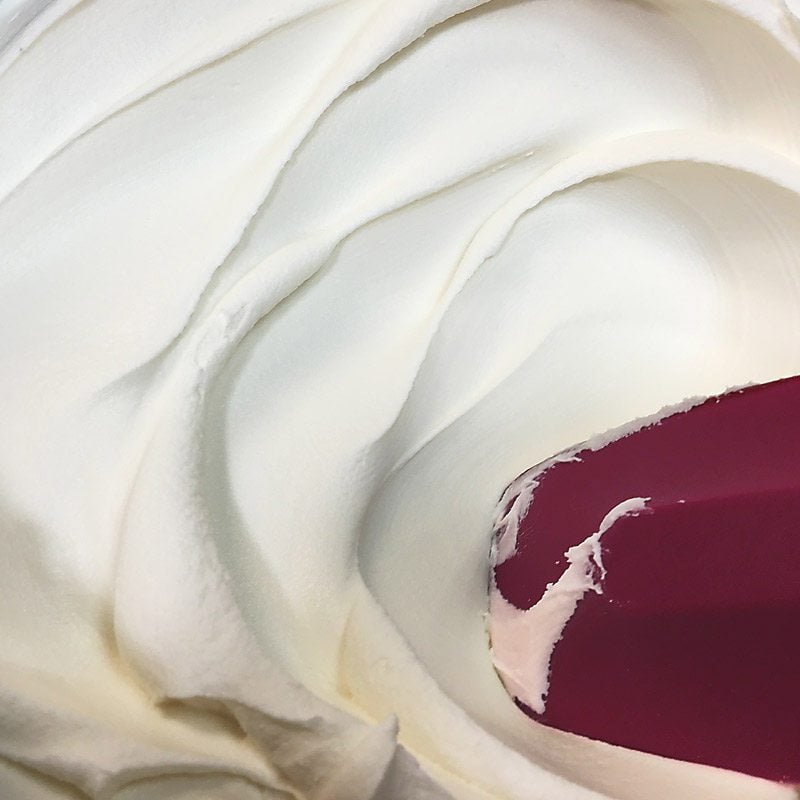
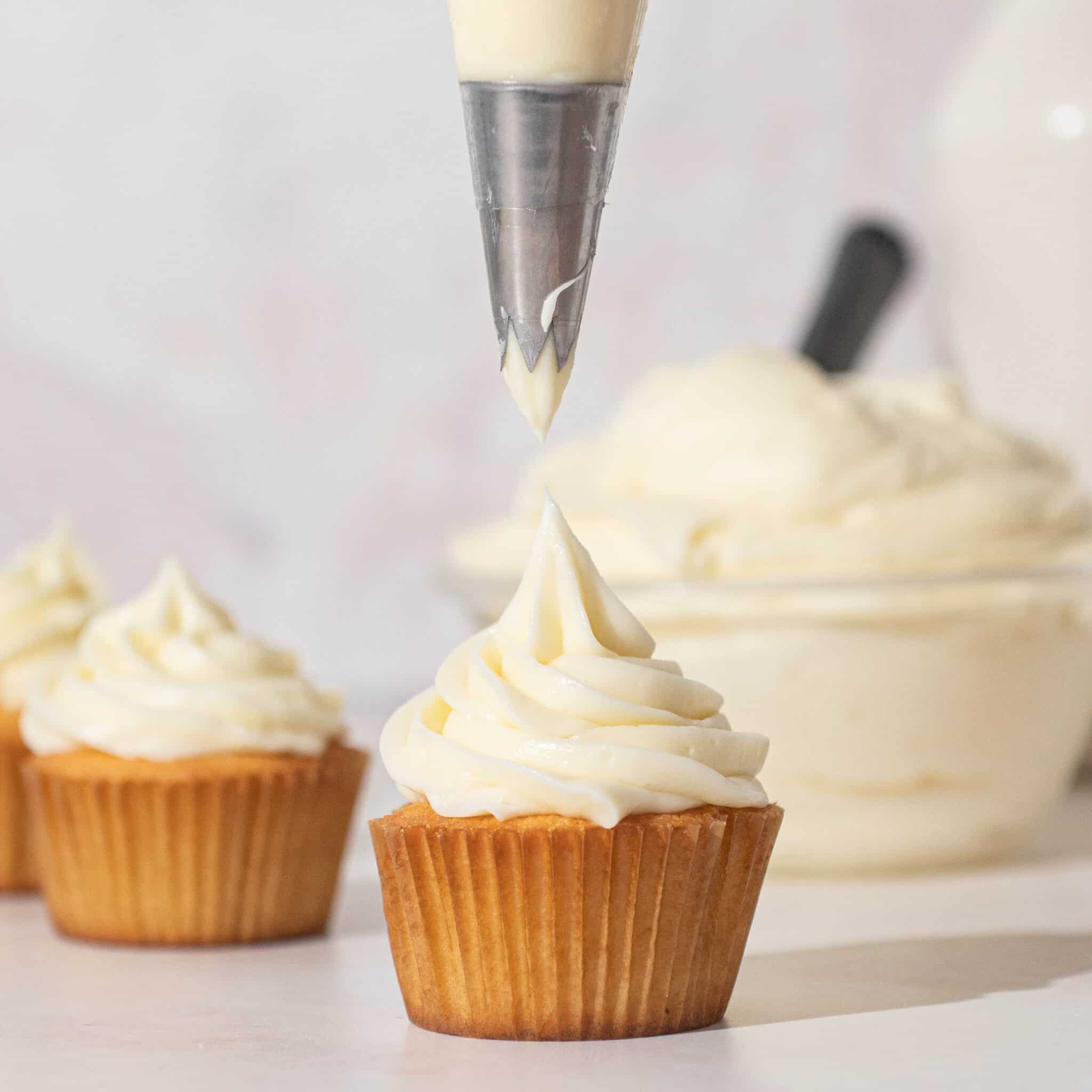
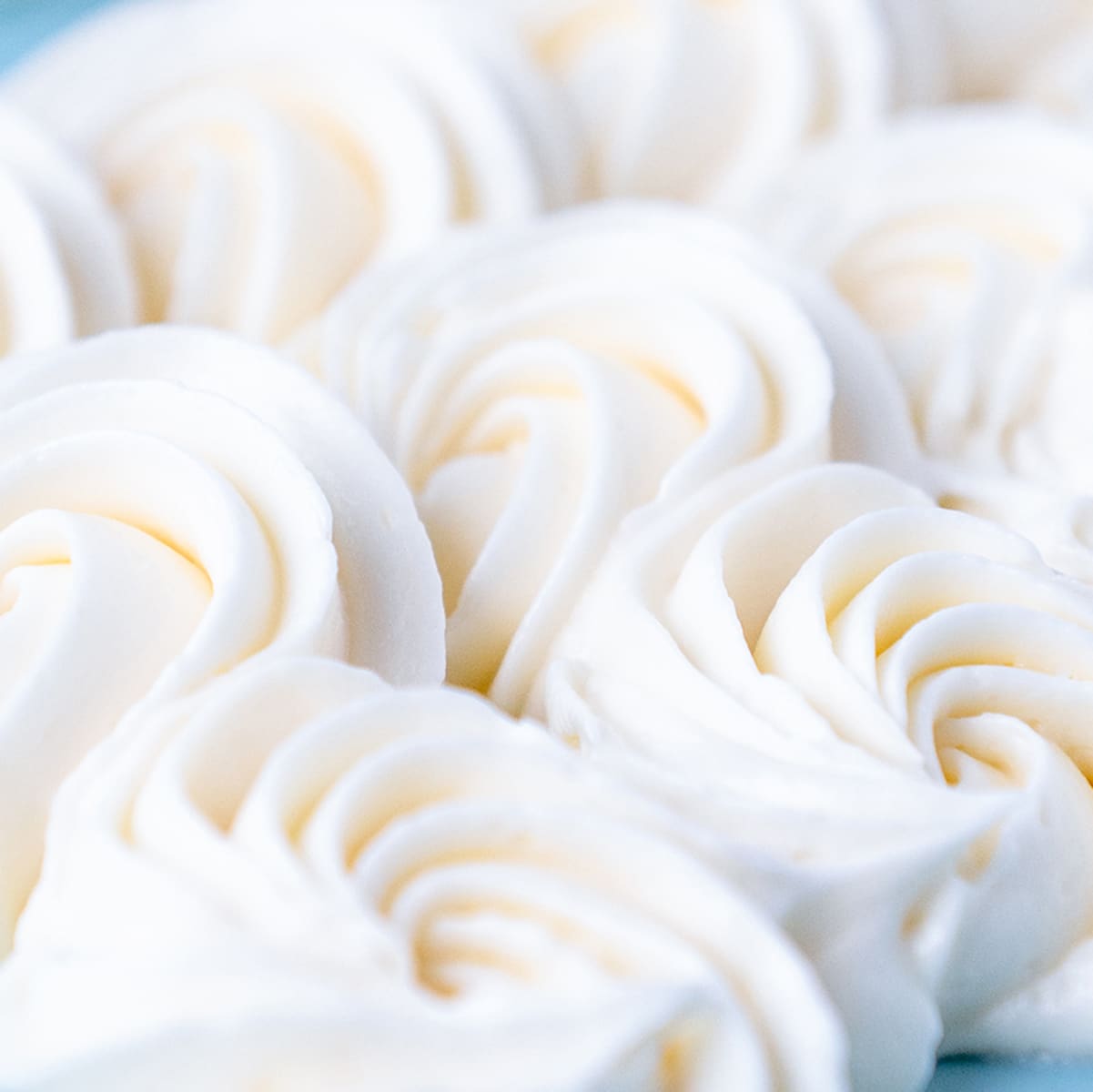
- Increase the speed to high and whip for 2 to 3 minutes until the buttercream is light, fluffy, and bright white. It should look smooth and hold a peak when you lift the whisk.
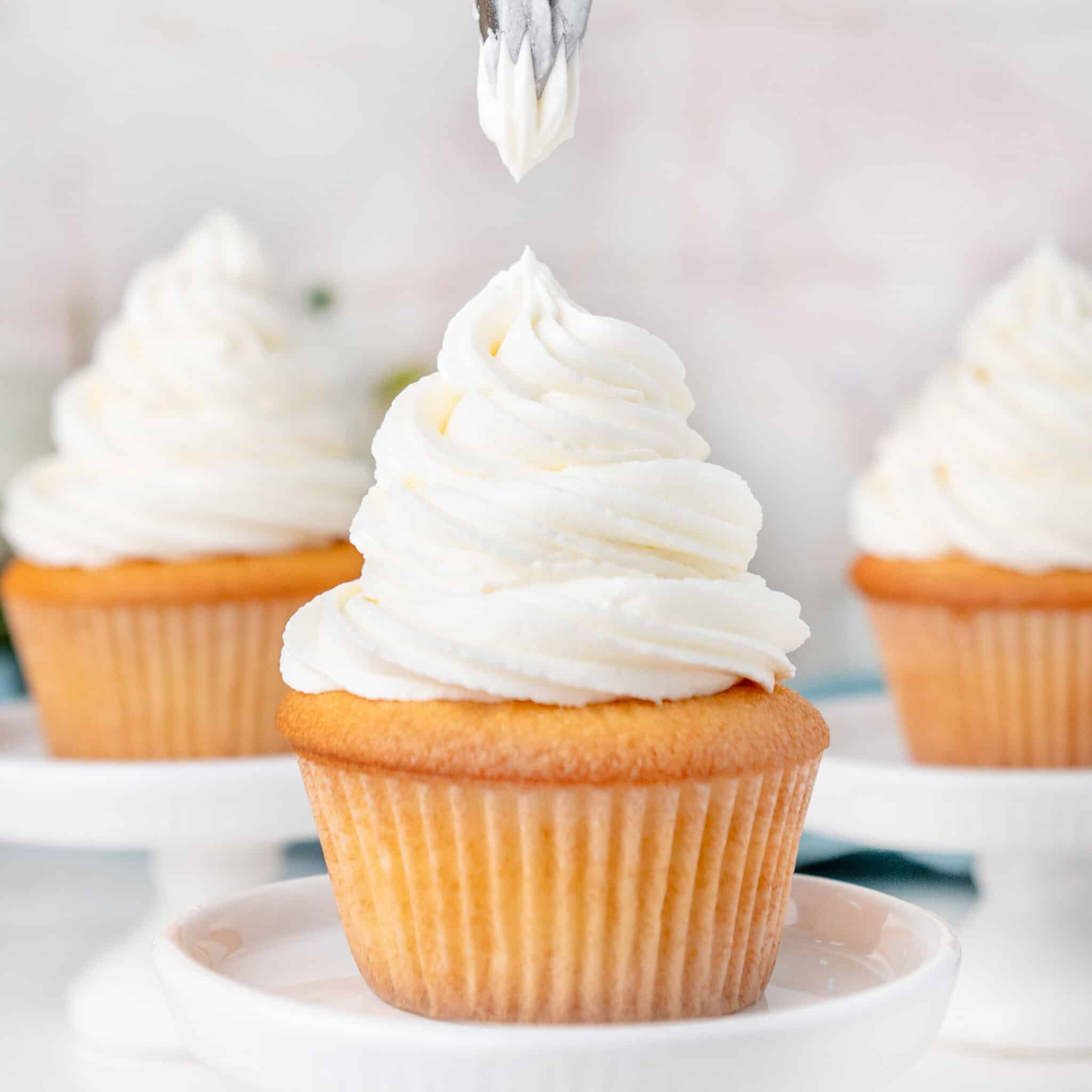
- Cover the bowl with plastic wrap until you are ready to use it. American buttercream can sit at room temperature for a few hours. For longer storage, keep it in an airtight container in the fridge for up to two weeks or freeze for up to three months. Bring it back to room temperature and mix on low before using.
EXPERT TIP: If the buttercream looks curdled or separated, Scoop out about one cup of the buttercream and microwave it for 10 to 15 seconds until just melted. Pour it back into the mixing bowl while the mixer is running on low. It will come back together quickly.
Batter & Frosting Calculator
Cake Batter and Frosting Calculator
Select an option below to calculate how much batter or frosting you need. Adjust the servings slider on the recipe card to change the amounts the recipe makes.
Choose a pan type
Choose a cake pan size
(based on 2" tall cake pan)
Choose a cake pan size
(based on 2" tall cake pan)
Cupcake Tin Size
Choose number of pans
Cups of Batter Needed
8 cups
Cups of Frosting Needed
5 cups
Note: measurements are estimated based off the vanilla cake recipe using standard US cake pans and sizes. Measurements used are for 2" tall cake pans only. Your results may vary. Do not overfill cake pans above manufacturer's recommended guidelines.
This recipe makes 8 cups of frosting, enough to frost and fill three 8-inch cake layers or frost about 24 cupcakes. Store leftovers in an airtight container in the fridge for up to 2 weeks or freeze for up to 3 months. Bring to room temperature and mix on low before using.
What Are The Different Types of Buttercream?
- American buttercream (ABC) is made with powdered sugar, butter, and liquid. It's very sweet, creamy, and the most stable in warm temperatures due to the high amount of sugar.
- Swiss meringue buttercream (SMBC) is made by combining meringue with whipped butter and extracts. This buttercream is light, soft, and not very sweet. My Easy buttercream is an easy mock-Swiss buttercream recipe.
- Italian meringue buttercream (IMBC) is made by pouring boiled sugar into whipping meringue. This produces a very stable and light buttercream frosting that's not very sweet, but it is a little bit trickier to make.
- French buttercream is made with egg yolks or whole eggs in a meringue base. It's similar to a custard or pastry cream, is not as sweet, and has a richer flavor compared to some of the other buttercreams.
- German buttercream is made by combining pastry cream, butter, and powdered sugar. It's very rich, silky, and not too sweet.
- Flour buttercream or boiled milk frosting like Ermine frosting is an old-fashioned type of buttercream. It's made by cooking flour and sugar with milk to make a sweet vanilla bean paste, then whipping that with butter and extracts.
Add a little clear vanilla and some crushed cookies and this becomes the frosting on my cookies and cream cake, it tastes just like the filling inside a real Oreo.
Common Mistakes To Avoid
- Using cold butter. This is the most common mistake. Cold butter will not fully incorporate with the sugar and you will end up with a lumpy, uneven frosting that no amount of mixing will fix. Set your butter out at least an hour before you start.
- Adding all the powdered sugar at once. Dumping in all the sugar at once makes it impossible to incorporate smoothly and creates a huge mess. Add it one cup at a time on the lowest speed and let it fully mix in before adding more.
- Using regular vanilla instead of clear. If you want a bright white buttercream, you need clear vanilla extract. Regular vanilla turns the frosting yellow or ivory, which is fine for some cakes but makes it difficult to achieve true colors when tinting.
- Not scraping the bowl. Unmixed butter and sugar likes to hide at the bottom of the bowl. If you do not scrape the bowl well between additions you will have lumps in your finished frosting. Scrape down often.
- Over-whipping on high speed. Whipping on high for too long pumps too much air into the frosting and creates large air bubbles that are hard to smooth out on a cake. Whip on high for just 2 to 3 minutes, then switch to the paddle on low to smooth it out.
- Adding too much cream at once. A little cream goes a long way. If you add too much the frosting becomes too loose to pipe. Add it one tablespoon at a time and stop when you reach the right consistency.
- Not adjusting for the climate. In hot or humid weather, standard American buttercream can get soft and slippery. If you are decorating in summer or a warm kitchen, replace half the butter with high-ratio shortening to give it more stability.
American Buttercream FAQs
American buttercream is the most heat-stable of all the buttercreams because of its high sugar content. Sugar is hygroscopic and absorbs moisture rather than releasing it, which keeps the frosting from breaking down as quickly as egg-based buttercreams. That said, it can still soften in extreme heat. If you are decorating in a hot kitchen or serving the cake outdoors in warm weather, replace half the butter with high-ratio shortening for extra stability.
American buttercream is one of type of the many buttercreams out there. The word buttercream is a general term for any frosting made with butter as a base. American buttercream is the simplest version, made with just butter, powdered sugar, and a liquid. Other styles like Swiss meringue buttercream and Italian meringue buttercream are made by whipping butter into a cooked meringue base, which makes them lighter and less sweet but more time-consuming to prepare.
American buttercream is made with unsalted butter, powdered sugar, heavy cream, vanilla extract, and salt. That is it. The simplicity is what makes it so easy to pull off even for complete beginners, and you can customize the flavor and color with just a few small tweaks.
It depends on the look and setting. American buttercream is very stable and great for piping intricate decorations, which is why it is popular for wedding cakes with lots of detail work. For a smoother, less sweet finish, Swiss meringue or Italian meringue buttercream are excellent choices. If the wedding is outdoors in warm weather, American buttercream with some shortening mixed in or a high-ratio shortening based frosting will hold up best.
Yes. American buttercream keeps well in an airtight container in the fridge for up to two weeks, or in the freezer for up to three months. When you are ready to use it, let it come fully to room temperature and then mix on low speed until it is smooth and creamy again. It may look separated at first but it will come back together.
Switch to the paddle attachment on your stand mixer and mix on the lowest speed for 10 to 15 minutes. This slowly pushes the air out and gives you a dense, smooth frosting that is much easier to get a clean finish with on a cake. It is one of the best tips I have for getting a really professional-looking result.
Grainy buttercream is almost always caused by powdered sugar that has not fully dissolved. Make sure you sift the powdered sugar before adding it and add it slowly on low speed. If it is still grainy after mixing, try adding a splash of cream and mixing for a few more minutes. The extra liquid helps the sugar fully dissolve.
Use clear vanilla extract instead of regular vanilla, and make sure your butter is very pale and well-whipped before adding the sugar. Whipping the butter for a full 2 to 3 minutes before anything else is added turns it from yellow to almost white. Adding a tiny drop of violet food gel can also neutralize any remaining yellow tones and make the frosting appear brighter white.
Always use gel food coloring rather than liquid. Liquid coloring adds too much water to the frosting and can affect the consistency. Gel gives you much more intense color with just a small amount. For very deep colors like red or black, start with a chocolate buttercream base to cut down on how much coloring you need. Let the colored buttercream sit for 15 to 20 minutes after mixing as colors often deepen as they rest.
More Frosting Recipes You'll Love
Leave Me A Review
⭐️⭐️⭐️⭐️⭐️
If you tried this American Buttercream Recipe or any other recipe on my blog, please leave a 🌟 star rating and let me know how it goes in the comments. I love hearing from you!
Recipe
Ingredients
American Buttercream Ingredients
- 24 ounces unsalted butter room temperature
- 40 ounces powdered sugar
- 3 teaspoons clear vanilla extract
- 1 teaspoon salt
- 5 ounces heavy whipping cream heated until very warm
Instructions
American Buttercream Instructions
- Make sure your butter is fully at room temperature before you start. It should be soft enough to press a finger into easily but not greasy or melted. If it is too cold you will get lumps. If it is too warm the frosting will be too soft to pipe.
- Place the softened butter in the bowl of your stand mixer with the whisk attachment. Mix on medium speed until the butter is completely smooth, pale, and fluffy, about 2 to 3 minutes. Scrape the bottom and sides of the bowl well. Any unmixed butter at the bottom will show up as lumps later.
- Add the powdered sugar one cup at a time on the lowest speed. Adding it all at once creates a cloud of sugar and makes it harder to incorporate evenly. Mix until smooth after each addition before adding more.
- Add the salt, clear vanilla extract, and hot heavy cream. If the buttercream looks too thick or dry, add a little more cream one tablespoon at a time until it reaches the right consistency.
- Increase the speed to high and whip for 2 to 3 minutes until the buttercream is light, fluffy, and bright white. It should look smooth and hold a peak when you lift the whisk.
- If the buttercream looks curdled or separated: Scoop out about one cup of the buttercream and microwave it for 10 to 15 seconds until just melted. Pour it back into the mixing bowl while the mixer is running on low. It will come back together quickly.
- If you want to remove air bubbles: Switch to the paddle attachment and mix on the lowest speed for 10 to 15 minutes. This pushes out the air and gives you an incredibly smooth, velvety finish that is much easier to work with when frosting a cake.
- Cover the bowl with plastic wrap until you are ready to use it. American buttercream can sit at room temperature for a few hours. For longer storage, keep it in an airtight container in the fridge for up to two weeks or freeze for up to three months. Bring it back to room temperature and mix on low before using.
Video
Notes
- For the best results, use high-quality butter like Plugra, Irish butter, or Darigold. You can also use dairy-free butter if needed.
- For a more stable buttercream that holds up in hot or humid climates, replace half of the butter with high-ratio shortening. Crisco will also work, though high-ratio shortening gives the best results.
- You can also make this recipe with a combination of butter and shortening from the start. Use 12 ounces of butter and 12 ounces of shortening for a buttercream that is both flavorful and more heat stable than an all-butter version.
- Heavy cream can be substituted with whole milk, water, or non-dairy creamer if needed.
- If your buttercream looks too dry, add more cream one tablespoon at a time until you reach the right consistency.
- If your buttercream looks curdled or separated, remove about 1 cup and microwave it for 10 to 15 seconds, then pour it back into the mixing bowl and mix until smooth.
- To remove air bubbles, switch to the paddle attachment and mix on low for 10 to 15 minutes.
- This recipe makes enough to frost and fill three 8x2 inch cake layers or 24 cupcakes.
- Store in an airtight container in the fridge for up to 2 weeks or in the freezer for up to 3 months. Bring to room temperature and mix on low before using.

GEORGIA KORDONOURI says
Good evening!
I would like to make a double velvet cake for my nephew's birthday. So I would like to know If I can make the whole cake from the previous day without the fear the buttercream to be melt or to lose taste and appearance.
Thanks in advance
The Sugar Geek Show says
Yes of course, not many people can manage to bake and frost a cake all in the same day. Check out my tutorial on how to make your first cake for more info.
Denise Oliver says
Hi Liz. So you use All Vegetable Crisco shortening in your recipe? Before the Trans Fat ban, I was using Alpine Hi Ratio Shortening for my buttercream. Worked awesome. Then I ran out and bought Alpine Soy Flex Shortening. The first cake I frosted using this shortening was a total disaster.. it literally was melting off the cake, even with my air conditioner going full blast. Since then I don't trust it.. I have read on some sites that to make buttercream stable after the Trans Fat ban, use a shortening that is part meat fat and vegetable fat. I did find that type of shortening from Walmart (Great Value brand) and it works okay, but you have to order the shortening online to the store. And they only have 42 ounce cans of it. I am just curious as to how your straight crisco vegetable shortening crusts without any meat fat in it. Now I have the remaining of the 50 lb box of the Alpine Soy Flex Shortening that I don't know what to do with.. (any ideas??) lol.
The Sugar Geek Show says
Hi Denise, yes I use all vegetable crisco. Frosting crusts because of how much sugar is in the recipe, not the type of fat. You can make a crusting recipe with all crisco or all butter if there is enough powdered sugar in the recipe. Hope that helps
Emz says
Hi. Thanks for the recipe. But can i use milk instead of creamer?
The Sugar Geek Show says
Yes you can
Leana says
can you reduce the butter by 1/2 and the difference to hi ratio amount.
The Sugar Geek Show says
Yes you can replace some of the butter with high-ratio shortening
Angela S says
Thanks so much for sharing this wonderful recipe. I made my first wedding cake last weekend and the bride and everyone else gave rave reviews. During my cake testing I used my old recipe and everyone, including me, thought it was too sweet. I've been using cream cheese buttercream because of the sweetness of vanilla. Now I can use vanilla buttercream!
The Sugar Geek Show says
Yay! So glad to hear it!
Kim Jung says
Just tried this recipe today and it's fabulous! After honestly struggling for a while to find a not overly sweet frosting this is a hit! It's not too sweet and the textureis nice. I did half butter half vegetable shortening. This is definitely my new go to. It even won over my extremely picky frosting child, lol.
Kstef says
How would I make this into chocolate American BC? Would I replace some of the powdered sugar with unsweetened cocoa powder? how much would I replace in this recipe? Thanks!
The Sugar Geek Show says
Just add in cocoa powder as you desire, I use about 1/4 cup of dutched cocoa powder
Melissa Modisette says
Have you ever used almond extract in the frosting to make it have the more wedding cake flavor?
The Sugar Geek Show says
You can if you want to.
Marcia B says
I was wondering after you have froze and thawed your buttercream how many days is it good for? Thank you in advance?
Marcia B says
I Love this recipe so yummy! My question is how long can it be frozen? Thank you in advance ?
The Sugar Geek Show says
Yes for 6 months
Ramona says
What are you using now that high ratio shortening is no longer available?
The Sugar Geek Show says
I have never used high-ratio shortening, only crisco.
Paige says
Is this the type of buttercream that you can smooth using that "Viva Paper Towel Method"? Thanks for all of the wonderful information and recipes that you so generously offer to the "caking community", you're terrific!
The Sugar Geek Show says
Yes it is
Julie B says
I know it's okay to be left out, but will it hurt the buttercream to be refrigerated after the cake has been decorated? I'm planning to use for flower decorations, but don't want them to wilt.
The Sugar Geek Show says
I always refrigerate my cakes after decorating 🙂 Just leave them at room temp for an hour or two before eating otherwise the cake will be very hard from being cold.
Cassie says
Is this recipe good to use to pipe buttercream flowers?
Danielle G says
Hi Liz,
Is this recipe good for hot and humid climates? I recently asked on the facebook page, and ganache seemed to be the answer, but I am not sure I want to go that route just yet.
Kim Burnham says
What brand of shortening do you use?
The Sugar Geek Show says
Just crisco 🙂