


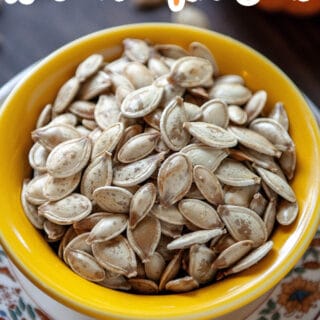
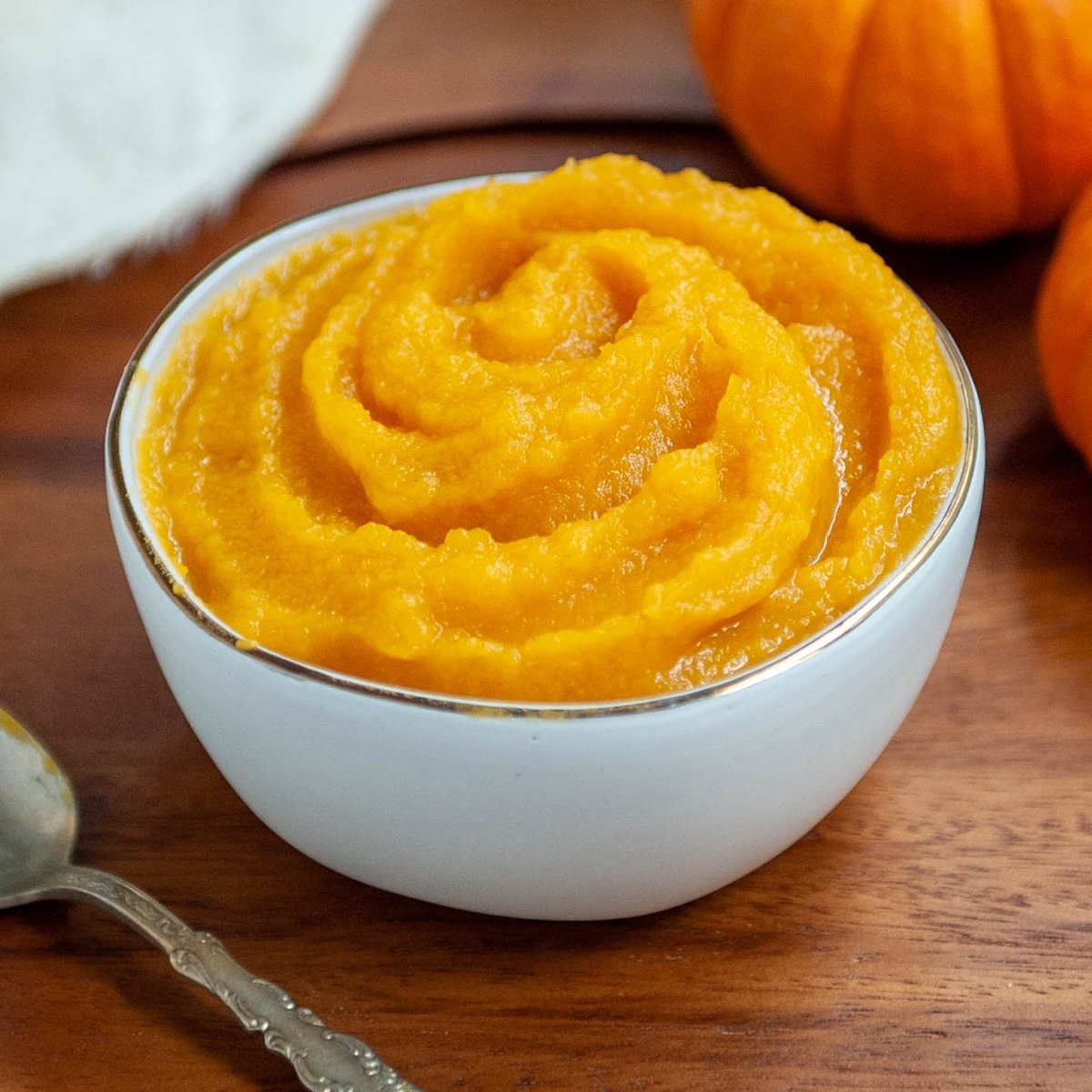
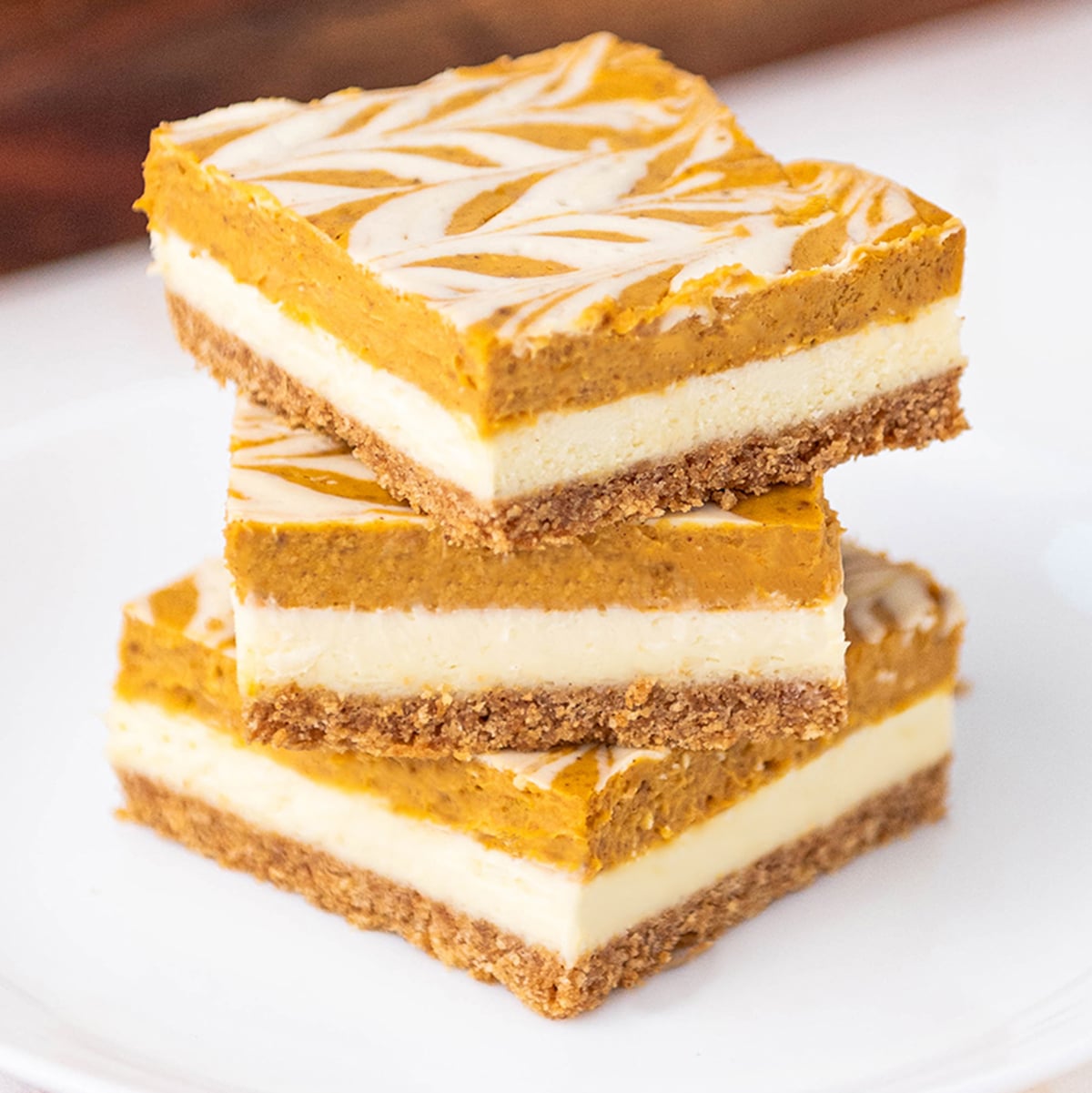
This roasted pumpkin seeds recipe boils the seeds in salted water before they ever hit the oven, which is the step that seasons them all the way through the shell instead of just on top. It is built for the big bowl you get from a carved pumpkin, not a fussy little handful, and it turns out crispy and salty every time. If you are working through a whole pumpkin, my homemade pumpkin puree uses up everything else. Then use the puree in my pumpkin cheesecake bar recipe.

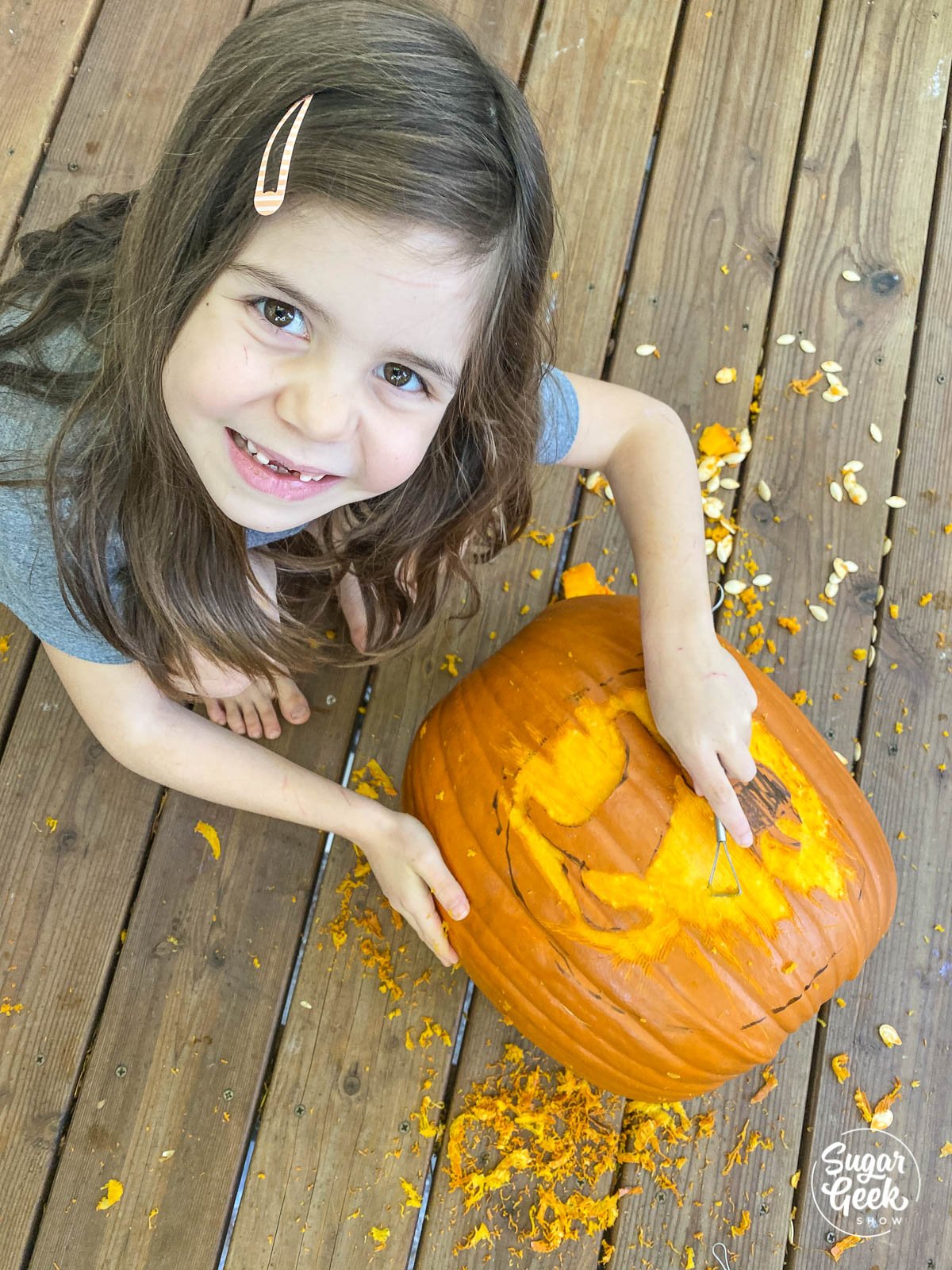
I don't know about you, but I always end up with a few leftover Halloween pumpkins that are begging to be used up. After the kids got done with pumpkin carving this year I gathered up all the seeds and made us a snack. It's the part of pumpkin season I look forward to most. If you have ever wondered whether you are even supposed to eat the white shell, I wrote a whole guide on whether you can eat pumpkin seed shells, and the short version is yes, and it's the best part.
Quick Glance at the Recipe
- Recipe Name: Roasted Pumpkin Seeds Recipe
- Why You'll Love It: Seeds that are seasoned through the shell instead of just sprinkled on top, sized for the full bowl you get out of a carving pumpkin.
- Time and Difficulty: About 35 minutes of hands-on time plus the time it takes your water to boil. Easy.
- Main Ingredients: Pumpkin seeds, sea salt, olive oil.
- Method: Boil the seeds in salted water, drain and dry them well, toss with oil, roast until golden.
- Texture and Flavor: Crispy and crunchy, salty into the shell instead of only on the surface.
- Quick Tip: Want a sweet version? Swap the olive oil for melted butter and toss with cinnamon sugar after roasting instead of salt.
Jump to:
- Quick Glance at the Recipe
- Why This Roasted Pumpkin Seed Recipe Is So Good
- Roasted Pumpkin Seed Ingredients
- What Pumpkin Seeds Are Good for Roasting?
- Boiled Vs Unboiled Pumpkin Seeds
- How to Make Roasted Pumpkin Seeds Step-By-Step
- Are Pumpkin Seeds Good For You?
- Common Roasted Pumpkin Seeds Problems to Avoid
- Final Thoughts
- Make This Recipe Your Own
- Sea Salt and Olive Oil Roasted Pumpkin Seeds FAQs
- More Pumpkin Recipes to Try
- Leave Me a Review⭐️⭐️⭐️⭐️⭐️
- Recipe
Why This Roasted Pumpkin Seed Recipe Is So Good
Most roasted pumpkin seed recipes are the same three steps: rinse, toss in oil, roast. This one adds ten minutes for boiling and changes the result completely.
- The salt gets INSIDE the shell. Salt sprinkled on after roasting sits on the outside of the hull and never makes it to the seed. Boiling in salted water first carries it through.
- It's sized for a real carving pumpkin. Most recipes online are written around three quarters of a cup of seeds from a little pie pumpkin. You didn't carve a little pie pumpkin. This one is built for two cups.
- The shell actually gets crispy instead of leathery. Dry heat alone doesn't soften that tough hull, it just dries it out. Water does.
- No shelling, no peeling, no fuss. You eat the whole seed, shell and all, and the shell is where most of the fiber is.
Roasted Pumpkin Seed Ingredients
This snack comes down to just three pantry staples, no fancy ingredients required.

- Pumpkin Seeds - Straight out of a carved pumpkin or any winter squash, no need to shell them first. A medium carving pumpkin gives you roughly two cups. Sea Salt - Used in the boiling water and again for sprinkling at the end. I like pink Himalayan for the flavor and the texture, but any salt you like works. Substitution: kosher salt is fine, just know it measures differently by volume than fine sea salt. Olive Oil - Coats the seeds so they roast evenly and go golden. Substitution: avocado oil works, and melted butter is the move if you're going sweet.
What Pumpkin Seeds Are Good for Roasting?
You can roast the seeds from any edible pumpkin or winter squash. Butternut, acorn, delicata, kabocha and spaghetti squash all have edible seeds, and they run smaller and thinner-hulled than carving pumpkin seeds, so pull them out of the oven earlier.
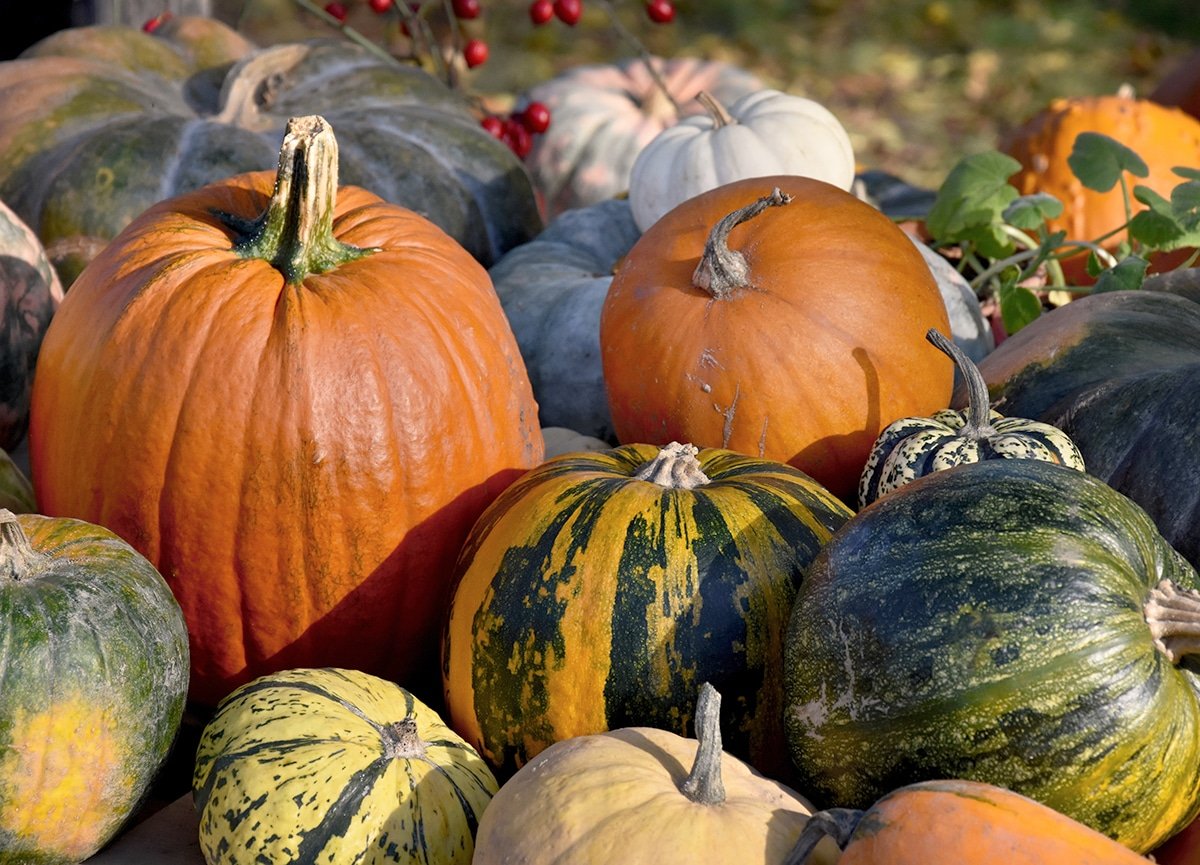
Seeds from a jack-o'-lantern are the ones this recipe is really built for. They're the biggest, they have the toughest white hull, and that hull is exactly what the boiling step is solving.
If you want the full breakdown of which varieties have the best seeds, what to avoid, and why store-bought pepitas are a different thing entirely, I covered all of it in my guide to eating pumpkin seed shells.
Boiled Vs Unboiled Pumpkin Seeds

I roasted two batches from the same pumpkin side by side, one boiled in salted water first and one tossed straight in oil, and photographed them together so you can see the difference rather than take my word for it.
The pumpkin seeds that are dry roasted without boiling stayed very hard, chewy, and leathery. The pumpkin seeds that were boiled first then roasted became crispy and crunchy!
The short version of why it works: the hull is mostly tough cellulose. Dry heat dries it out and leaves it papery, while ten minutes in simmering water softens it enough to actually crisp in the oven. And because that water is heavily salted, the shell absorbs seasoning instead of just wearing it.
That's the "salty on the outside, bland in the middle" problem that almost nobody names, and it's the whole reason this recipe exists.
How to Make Roasted Pumpkin Seeds Step-By-Step
Preheat your oven to 400ºF before you get started, and have a rimmed baking sheet ready for once the seeds are boiled and drained.
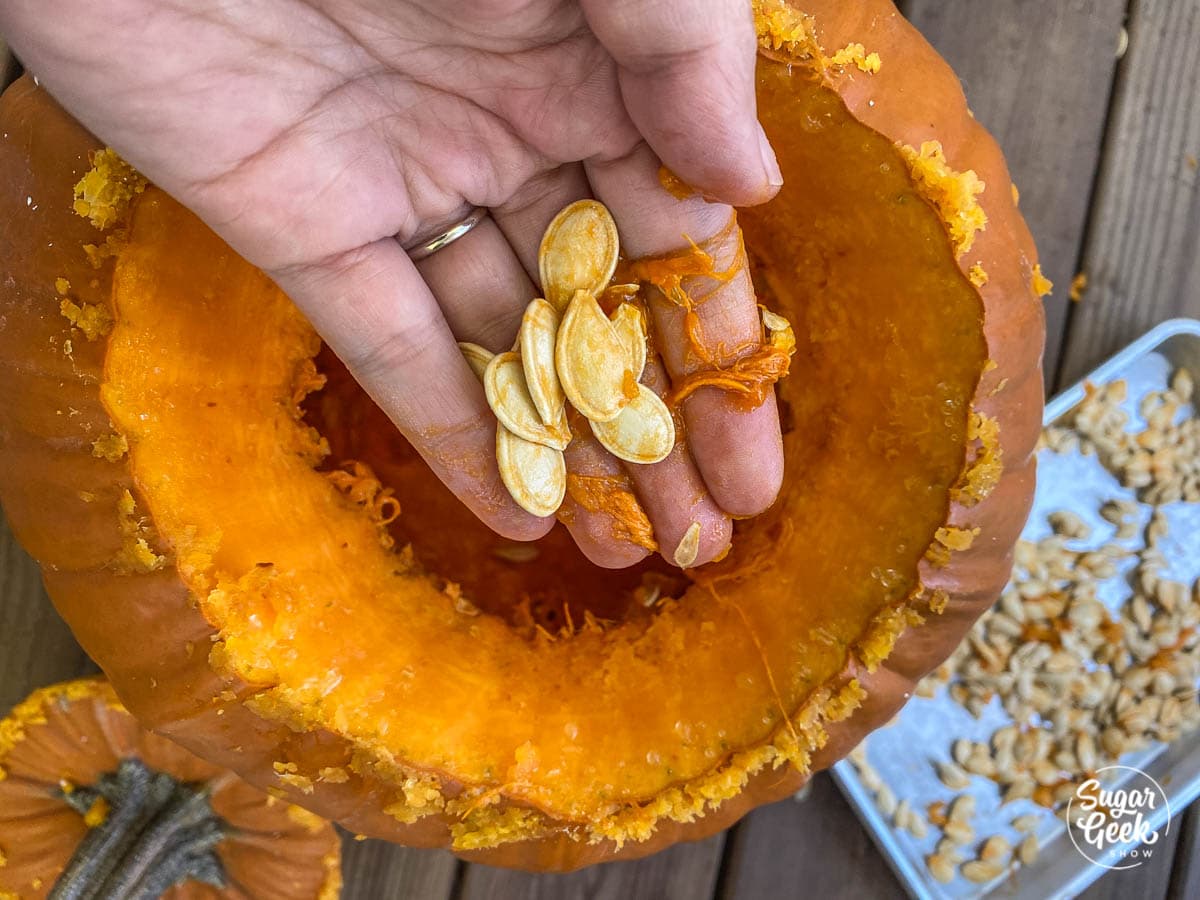
- Scoop out the seeds. Remove the pumpkin seeds from your pumpkin with your hands or a sturdy spoon, pumpkin strings and all.
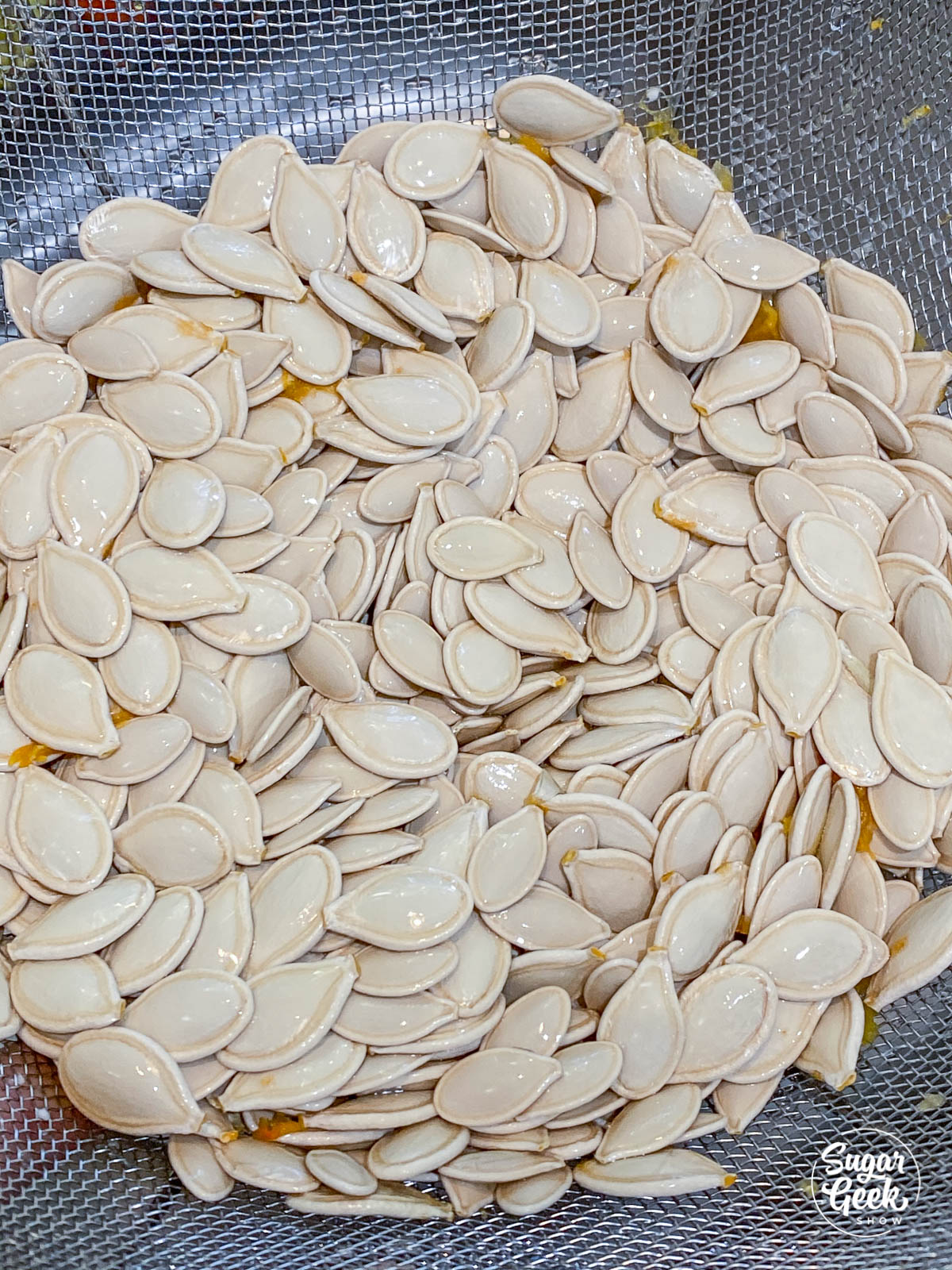
- Rinse them clean. Place the seeds in a colander and rinse under cool water, moving them around with your hand until the strings and pulp are gone. A few leftover strings won't hurt anything.
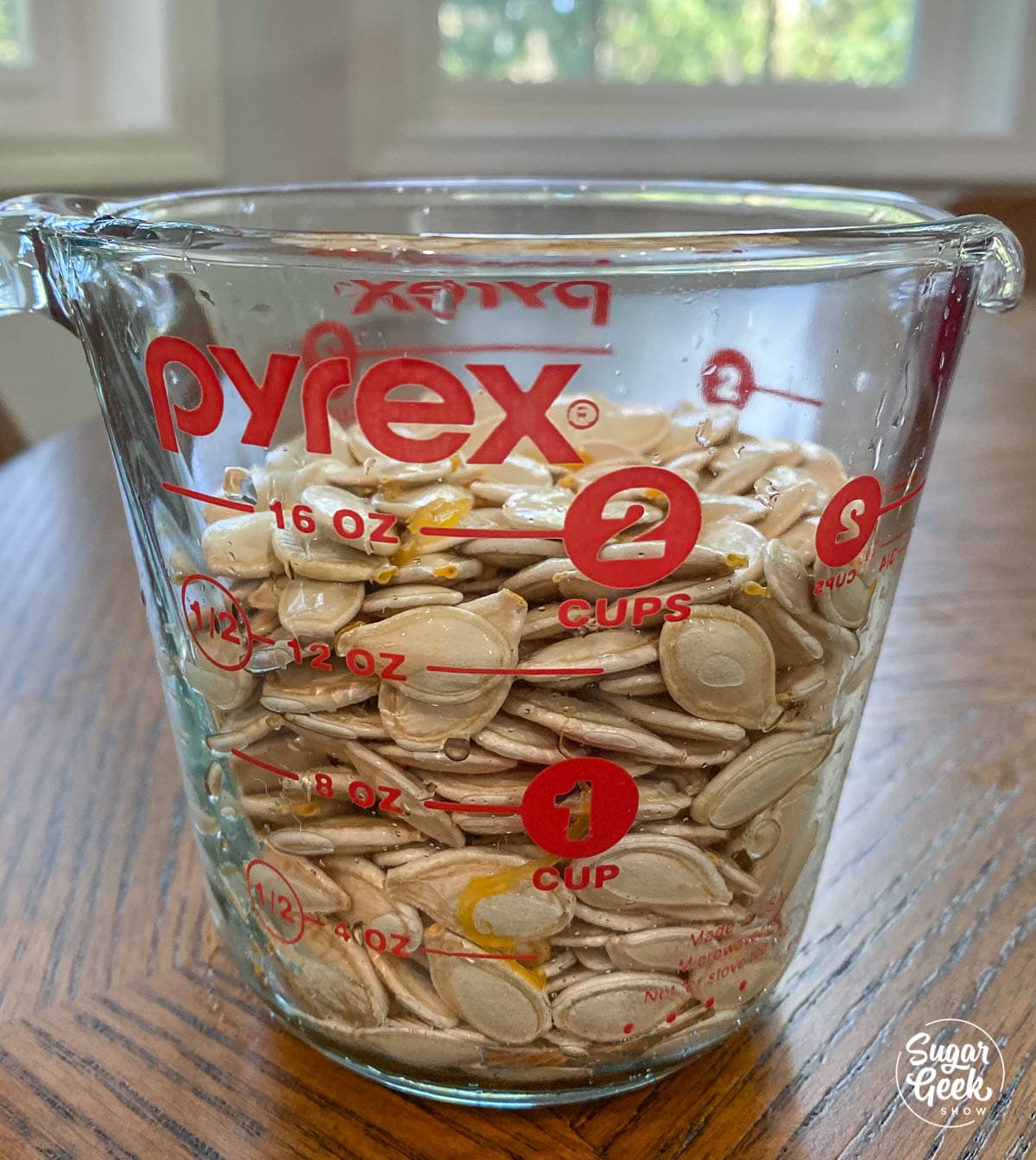
- Make your brine. Depending on how many cups of pumpkin seeds you have will determine how much water you need.
I use the ratio of 2 cups of water and 1 Tablespoon of salt for every ½ cup of seeds.)
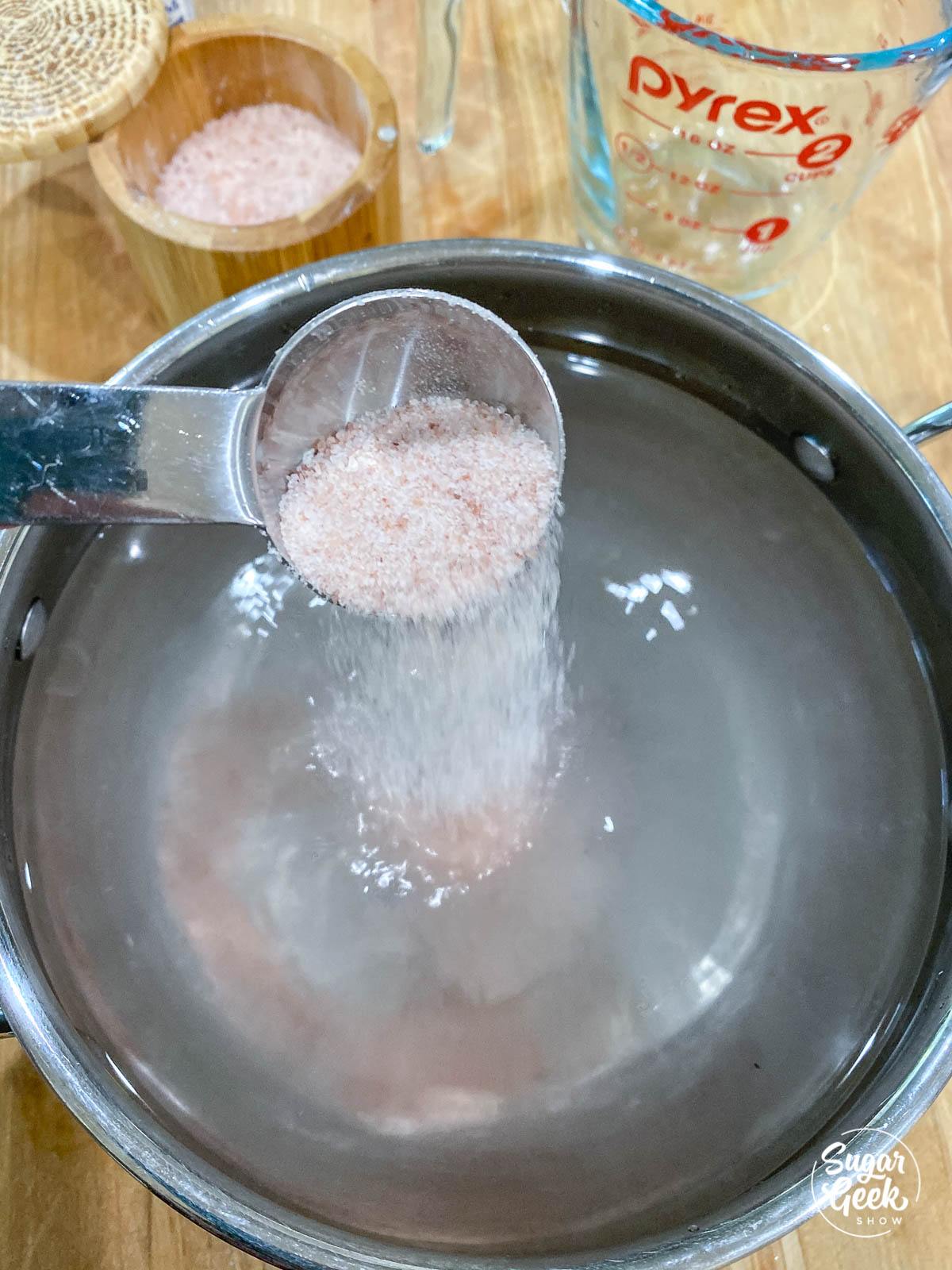
- Bring the water to a boil. Add the salt to the water in a large pot and bring it to a boil.
PRO TIP: Boiling the seeds in salted water seasons them from the inside out, not just on the surface. It's about flavor, not crispiness, so don't skip this step even though it adds a few extra minutes.
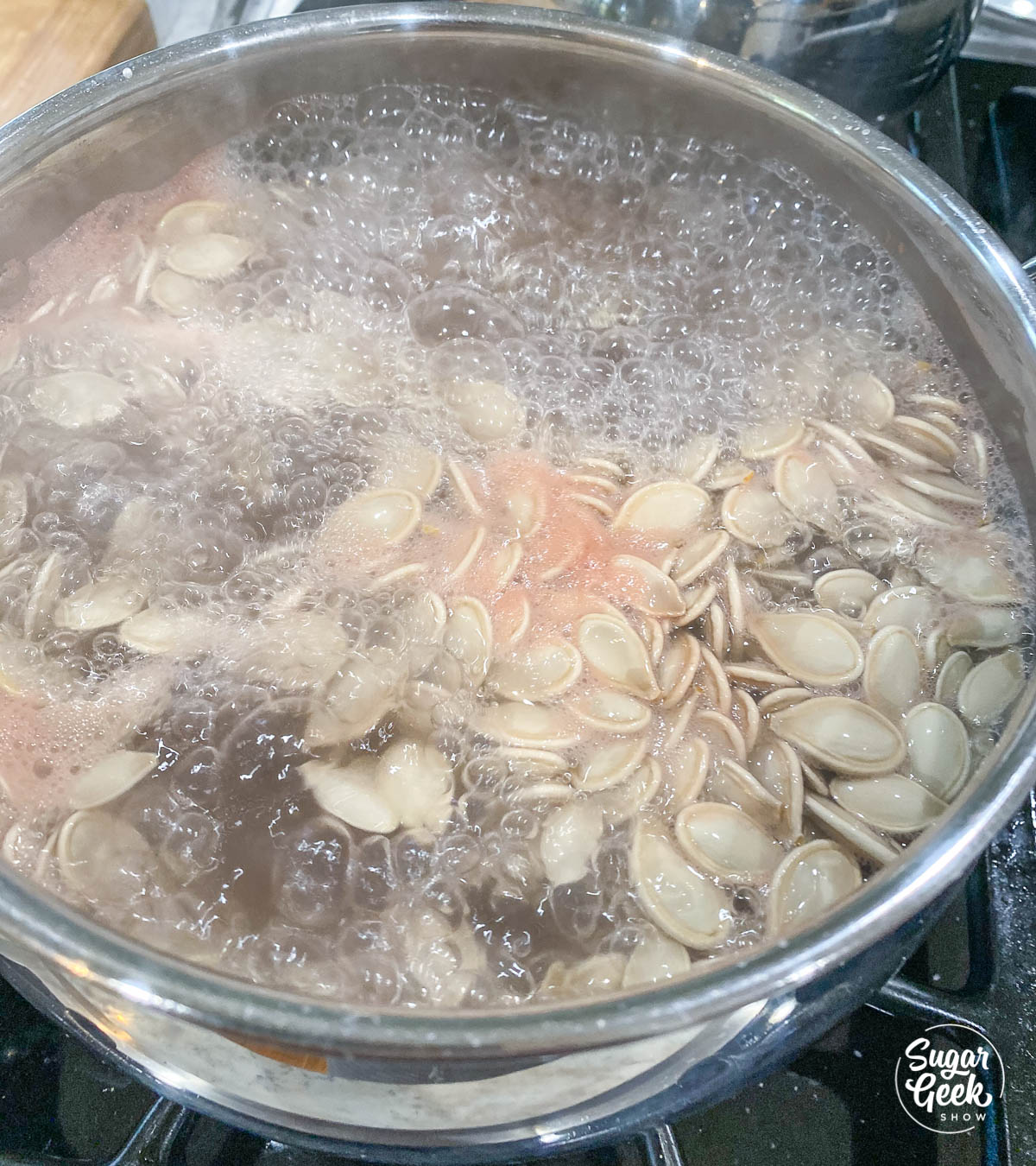
- Boil the seeds. Add in your pumpkin seeds and boil them for 10 minutes. This softens the shells.

- Drain and dry. Strain the seeds well and spread them out to dry for a few minutes. The drier they are before roasting, the crispier they'll turn out.
PRO TIP: This step is what makes or breaks crispy seeds. Any water still clinging to the seeds after boiling will steam instead of crisp once they hit the oven, so pat them dry with a towel or let them air-dry for a few minutes before adding the oil. Skipping this is the most common reason boiled-and-roasted pumpkin seeds turn out chewy instead of crunchy.
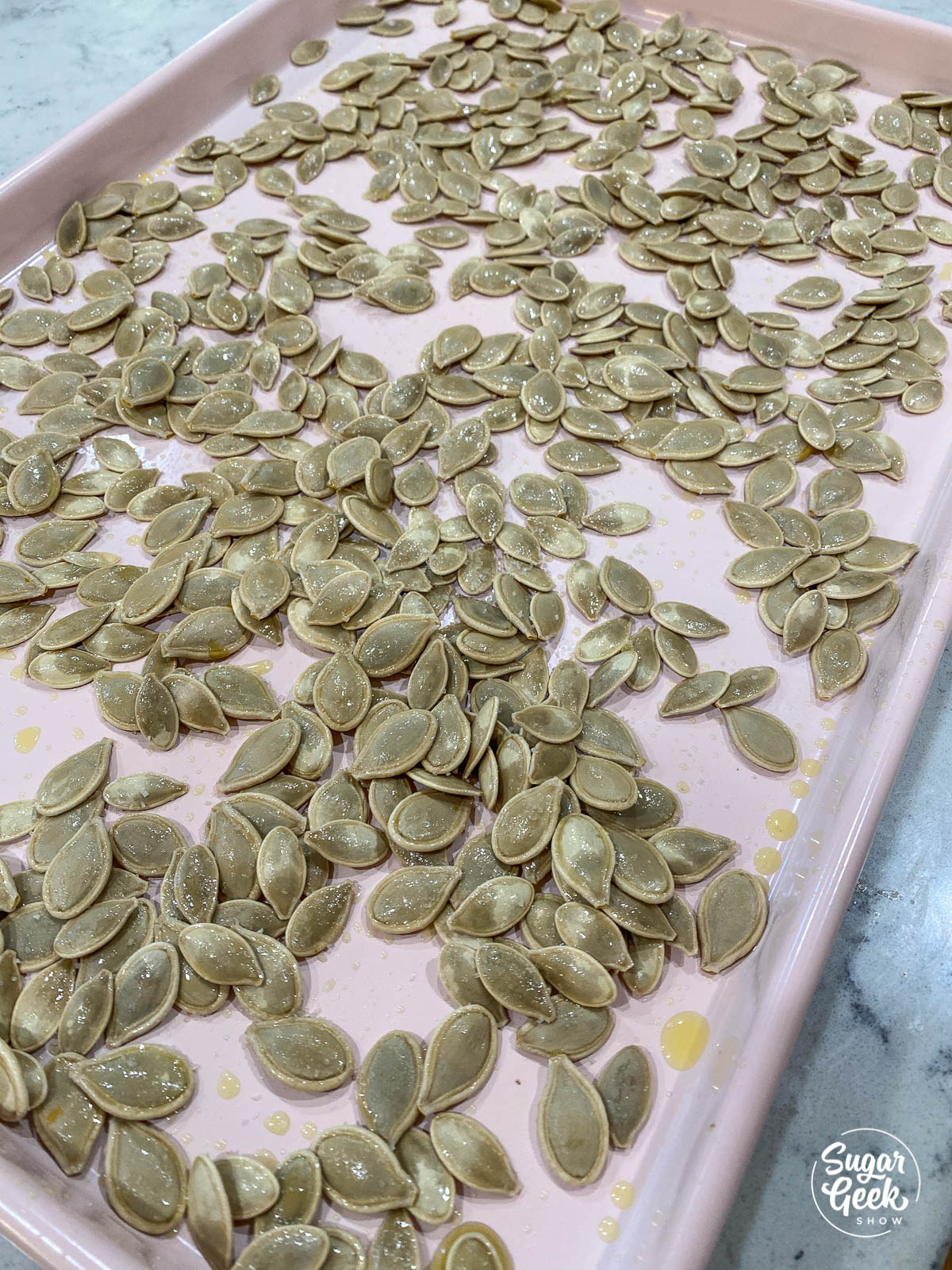
- Toss with oil and season. Spread the seeds on your baking sheet, drizzle with olive oil, and toss to coat evenly. Spread into a single layer and sprinkle with a little more salt.
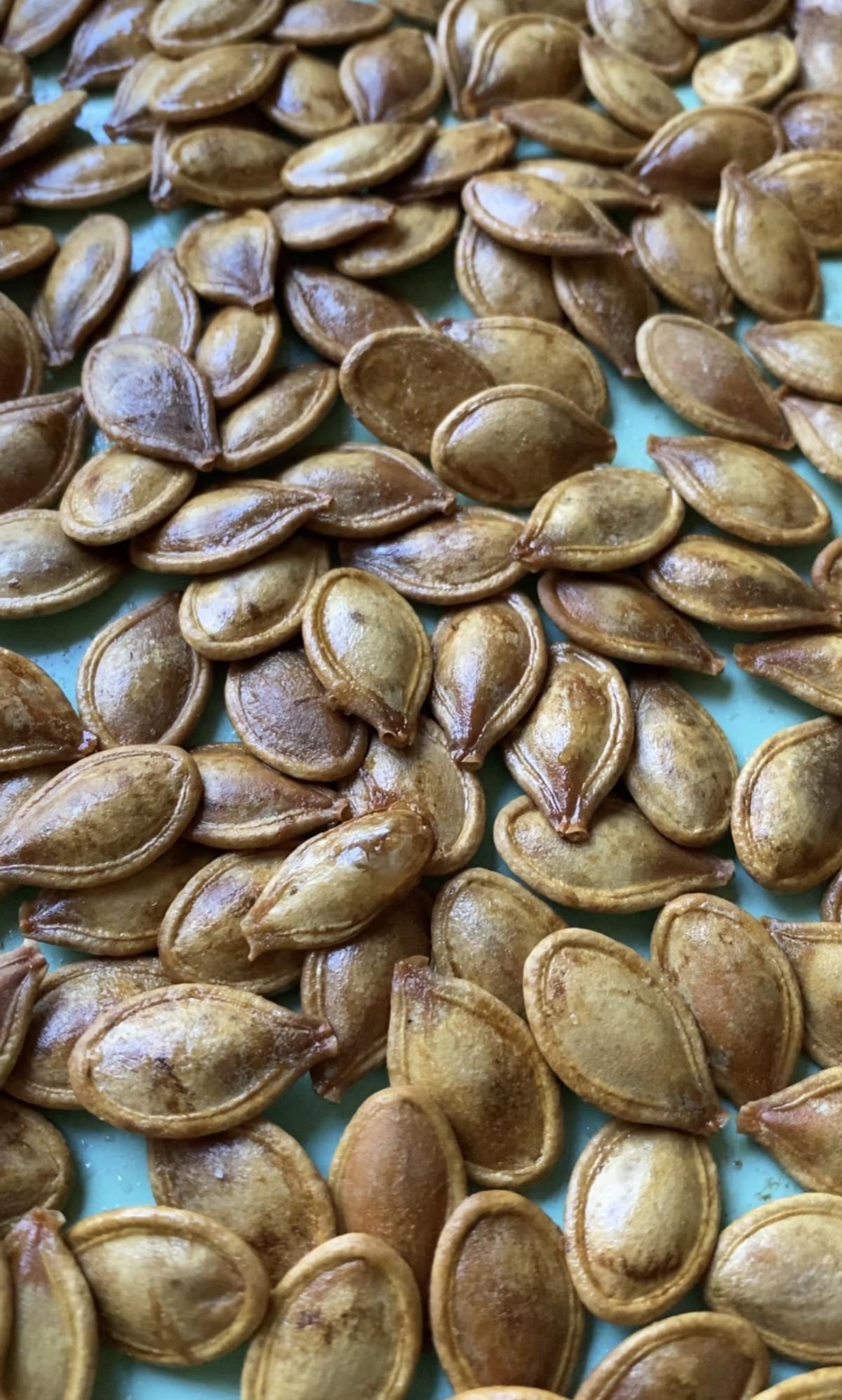
- Roast until golden. Bake for about 20 minutes, until golden brown and crispy. Go by color rather than the clock, smaller seeds roast faster than larger ones.
Are Pumpkin Seeds Good For You?
Pumpkin seeds are a genuinely good snack. They bring fiber, magnesium, zinc and healthy fats, and eaten whole with the shell on they carry roughly double the fiber of the shelled green pepitas you buy in a bag.
So the next time you're at the pumpkin patch, grab an extra one just for the seeds.
Common Roasted Pumpkin Seeds Problems to Avoid
- Your seeds turned out chewy instead of crunchy. Leftover moisture after boiling is almost always the cause, any water still clinging to the seeds will steam instead of crisp in the oven. Drain them well and pat dry, or let them air-dry for a few minutes, before tossing with oil.
- Your seeds taste bland even though you salted the boiling water. Under-salting the water is the usual culprit, it needs to be a properly salty brine, not just a light pinch, check the recipe card for the exact ratio. Too little salt in the water means the seasoning never makes it past the surface.
- Your seeds burned before they turned golden. Every oven runs a little differently, and smaller seeds cook faster than larger ones. Start checking at the 15 minute mark and go by color, not the clock.
- Your seeds went soft again a few days after roasting. This is usually humidity getting into the storage container, not a sign anything went wrong the first time. A quick 5 to 10 minute reheat in a 350º F oven brings the crunch right back.
Final Thoughts
Every fall I see people scoop out a gorgeous bowl of seeds, roast them plain, take one bite and decide they don't like pumpkin seeds. That version genuinely isn't good, and it isn't the seeds' fault.
Ten extra minutes in salted water is the whole difference. My kids now ask about these the second we get back from the pumpkin patch, and we usually end up making two or three batches with different toppings because everyone wants their own. Once you've had seeds seasoned all the way through, the plain roasted kind is hard to go back to.
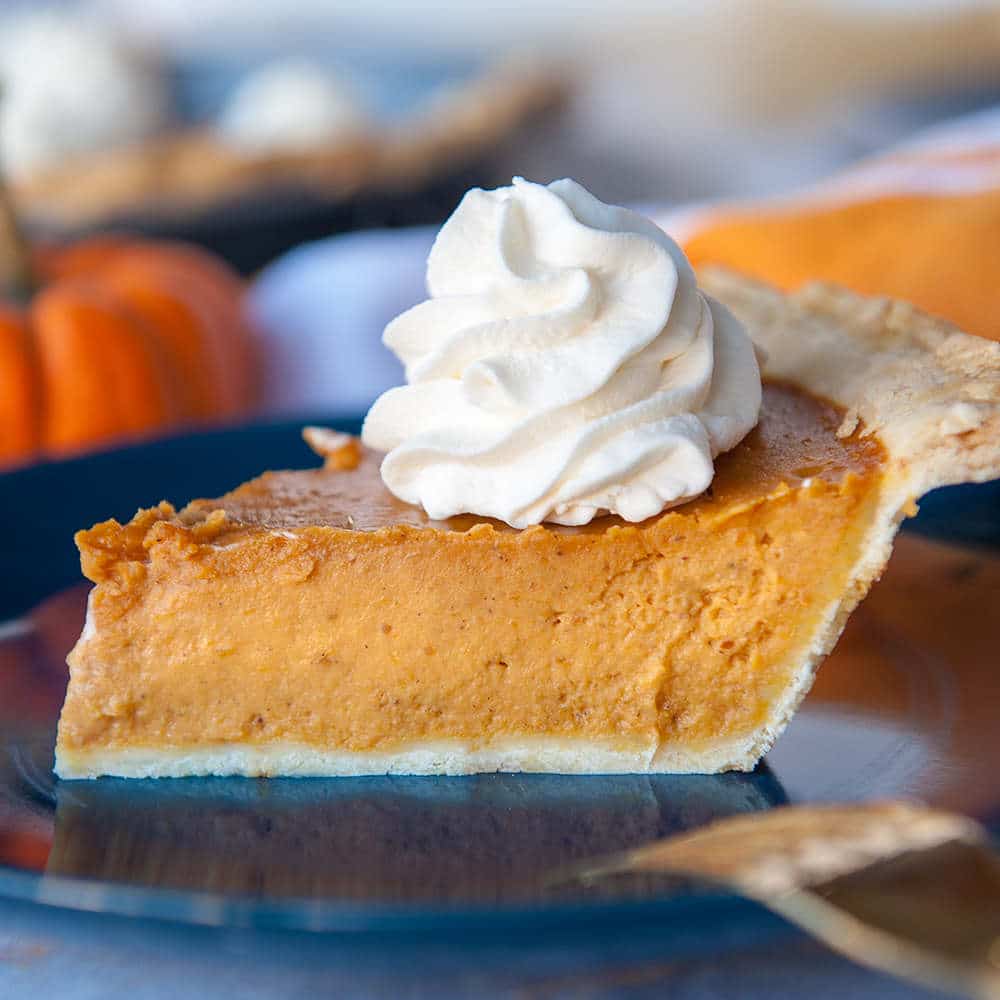
Save your seeds, boil them, and then go use the rest of the pumpkin on a pumpkin pie.
Make This Recipe Your Own
The base recipe is salt and olive oil, but the seeds take almost any seasoning well. Toss everything on AFTER roasting so nothing burns.
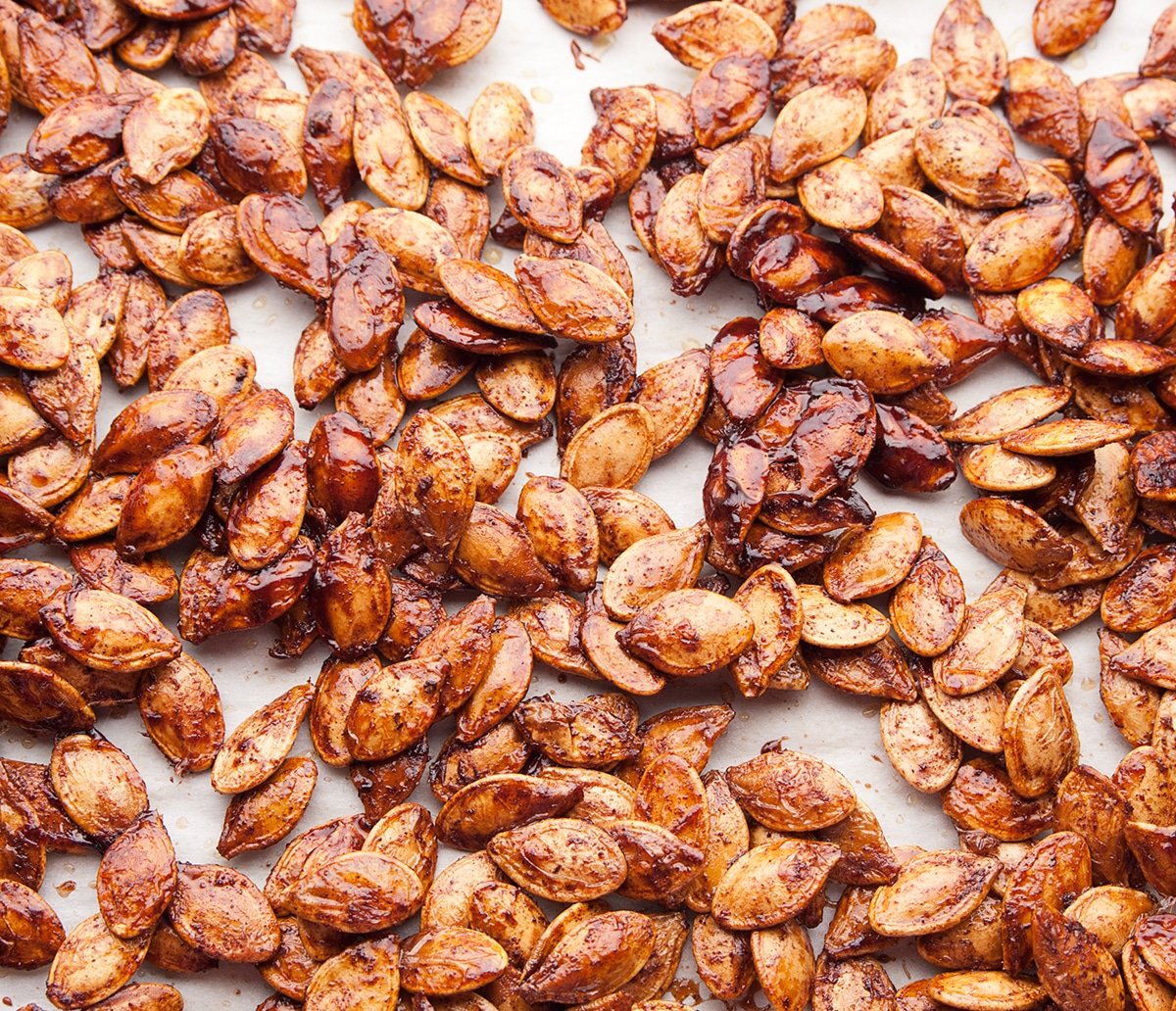
Savory, tossed with the olive oil version:
- Grated Parmesan and Italian herbs
- Curry powder
- Cajun seasoning
- Smoked paprika
- Taco seasoning
- Chili powder with a pinch of cayenne
- Garlic powder and cracked black pepper
- A ranch seasoning packet
- Everything bagel seasoning
Sweet, swap the olive oil for melted butter:
- Brown sugar and a pinch of salt
- Cinnamon sugar
- Cinnamon sugar with pumpkin spice
- Maple syrup with pumpkin spice
- Honey and cinnamon
Other oils that work: avocado oil, melted coconut oil, or melted butter. All three roast fine at 400º F.
Savory batches are great on a charcuterie board or set out alongside soft pretzels for movie night, and the sweet ones disappear faster than the pumpkin chocolate chip cookies at my house.
Sea Salt and Olive Oil Roasted Pumpkin Seeds FAQs
Yes. Pepitas are already hulled, so you can skip the boiling step entirely, just toss them straight in oil and roast for about 10 minutes, they cook faster since there's no shell to soften or season.
Yes, you can skip the olive oil entirely for a lower-fat version, just know the seeds won't turn quite as golden or crispy without it. Keep a close eye on them near the end since seeds without any oil can dry out and burn faster.
Absolutely. Just keep the same water-to-salt-to-seed ratio from the recipe card, and boil in batches if your pot isn't big enough. Roast on multiple sheet pans too, so the seeds have room and aren't crowded.
Yes. The recipe keeps it simple with just salt, but you can add dried spices like garlic powder or smoked paprika right into the boiling water for even more flavor throughout the seed, not just on the surface.
Yes, a little popping or crackling is completely normal as trapped steam escapes the shells while they roast, it doesn't mean anything went wrong. Just keep an eye on color so they don't overbake.
More Pumpkin Recipes to Try
Leave Me a Review
⭐️⭐️⭐️⭐️⭐️
If you tried these Sea Salt and Olive Oil Roasted Pumpkin Seeds or any other recipe on my blog, please leave a 🌟 star rating and let me know how it goes in the comments. I love hearing from you!
Recipe
Ingredients
- 2 Quarts Water For Boiling
- 4 Tablespoons Sea Salt For boiling
- 2 cups Pumpkin Seeds
- 1 teaspoon Sea Salt Or whatever seasoning you like
- 1 Tablespoon Olive Oil
Instructions
- Preheat your oven to 400ºF
- Remove your pumpkin seeds from the pumpkin with your hand or a spoon
- Place the seeds in a colander and rinse with cool water to remove the pumpkin strings.
- Add your salt to the water in a large pot and bring it to a boil
- Add the pumpkin seeds and boil for 10 minutes. This softens the shells and seasons the inside of the seed, not just the outside.
- Strain the seeds and dry them well with a paper towel.
- Spread the seeds onto a baking sheet with the olive oil, tossing to coat evenly, then spread into a single layer. Sprinkle more sea salt on top.
- Roast your pumpkin seeds for about 20 minutes or until they start to turn golden brown. Smaller seeds will need less time, larger seeds will take more time. Go by color of the seed, not by time.
- Remove your seeds from the oven and let them cool before enjoying!


Lee says
Wow. Boiling them first in sea salt is the trick prior to roasting in olive oil and Pink Himalayan. Though I love and use the fresh crushed salt personally.
Liz Marek says
Pink Himalayan salt is a great finishing touch! Thanks for sharing.
Linsey Bank says
wow, amazing
Liz Marek says
Thank you so much!