
Sautéing is one of those kitchen skills that completely changes the way you cook once you really get it. The keyword here is sauté - a quick, high-heat method that keeps your veggies crisp-tender, your proteins juicy, and your weeknight dinners fast and flavorful.
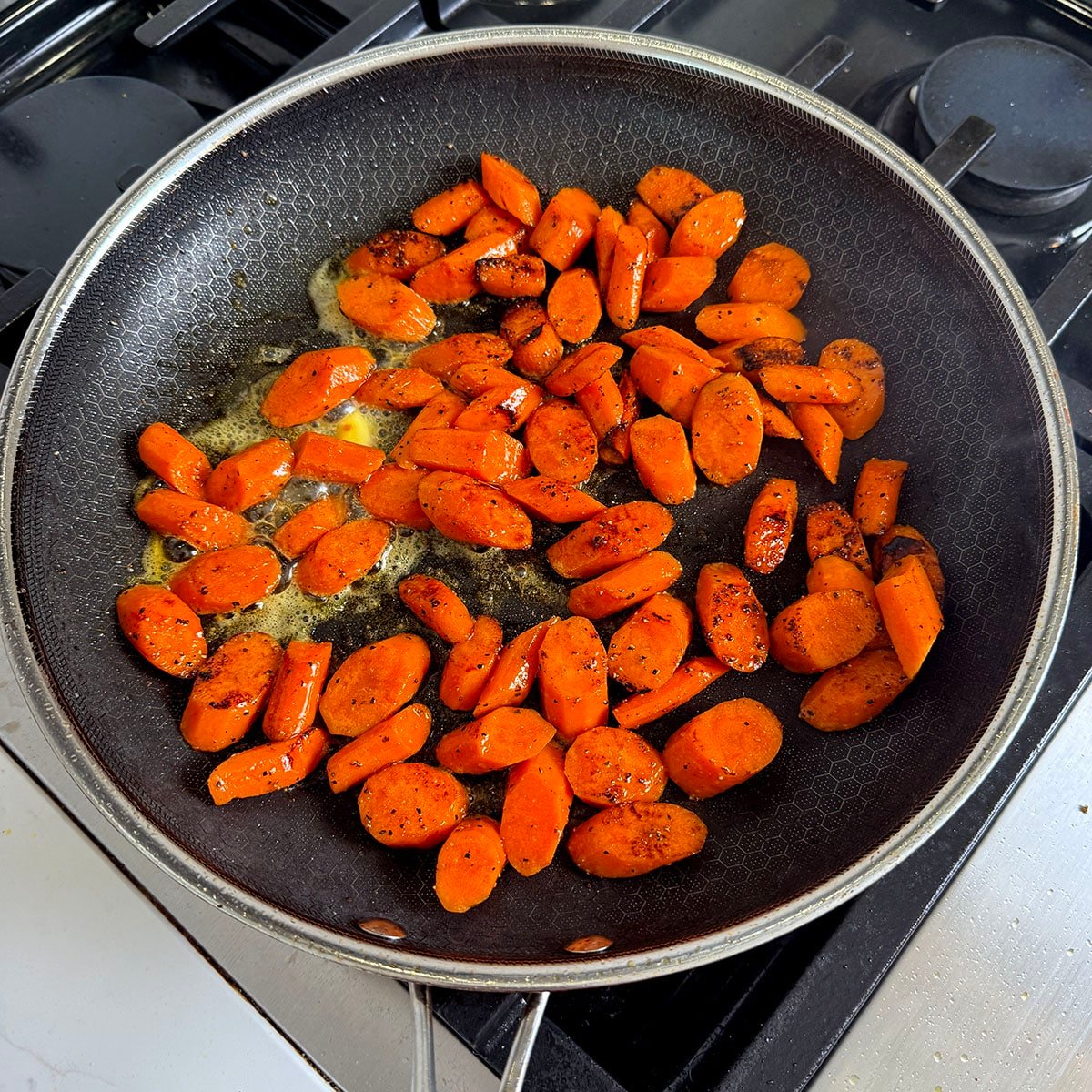
When I finally slowed down and actually paid attention to what was happening in the pan, everything in my kitchen got better: brighter vegetables, golden-brown chicken, perfectly cooked mushrooms that didn't steam into mush. It's one of those "Ohhh… okay, now I understand" moments.
I started learning sautéing techniques the same way most home cooks do - by burning the garlic. Every. Single. Time. But once I figured out how heat, fat, and moisture work together, I gotta say, I nailed it. Now it's one of my favorite steps in recipes because it builds flavor fast with almost zero effort.
What's In This Blog Post
Ingredients & Tools You Need for Sautéing
You don't need all of these tools and ingredients every time for sautéing but these are some common tools and ingredients.
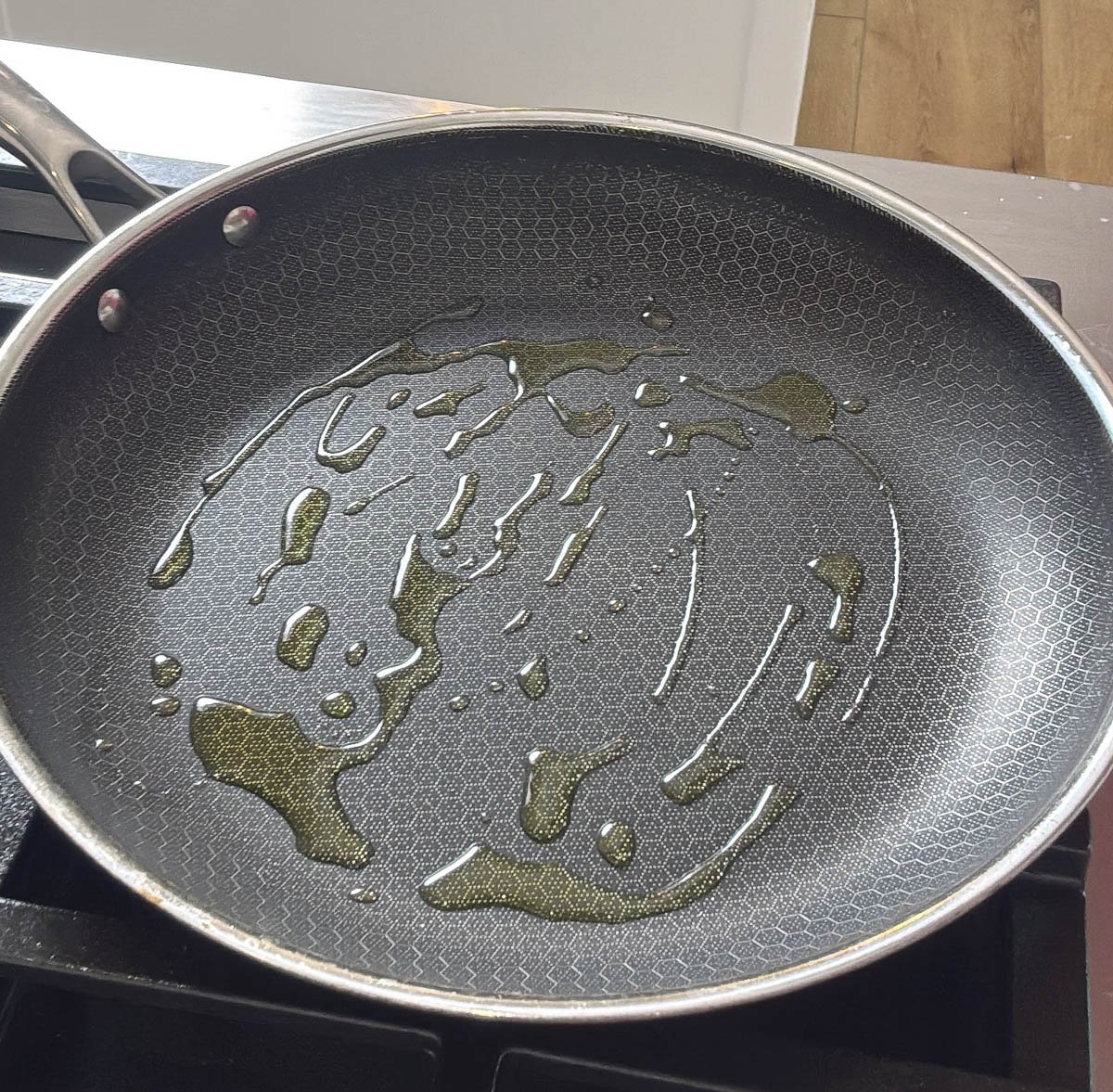
- Neutral oil - Used because it can handle higher heat without burning. You can replace it with avocado oil, vegetable oil, or even light olive oil.
- Unsalted butter - Adds flavor and browning, but burns easily on its own. Combine with oil or replace with ghee for a higher smoke point.
- Garlic or aromatics - Bring major flavor, sauté fast. Replace with onion, shallots, leeks, or ginger depending on your recipe.
- Vegetables - Anything from mushrooms to peppers to zucchini works. Replace with frozen veggies (no need to thaw) if you're short on time.
- Protein - Chicken bites, shrimp, tofu, or beef strips all sauté beautifully. Replace with plant-based proteins or pre-cooked sausage.
- Salt and pepper - Essential for seasoning and browning. Replace with seasoning blends like SPG, Italian seasoning, or smoked salt.
- A large skillet - You want something that heats evenly. Nonstick, cast iron, or stainless steel all work.
- A spatula or tongs - For flipping and moving food around easily. Replace with a wooden spoon or silicone turner.
Tips & Tricks for Perfect Sautéing
The most important rule is this: high heat + a little fat + small pieces of food. That's the whole game.
My biggest tip? Let the pan actually get hot before you add anything. If you add oil to a cold pan, everything soaks it up like a sponge and cooks unevenly. Heat the pan first, then add the oil, then add the ingredients in order of how long they take to cook. Garlic always goes last. Always.
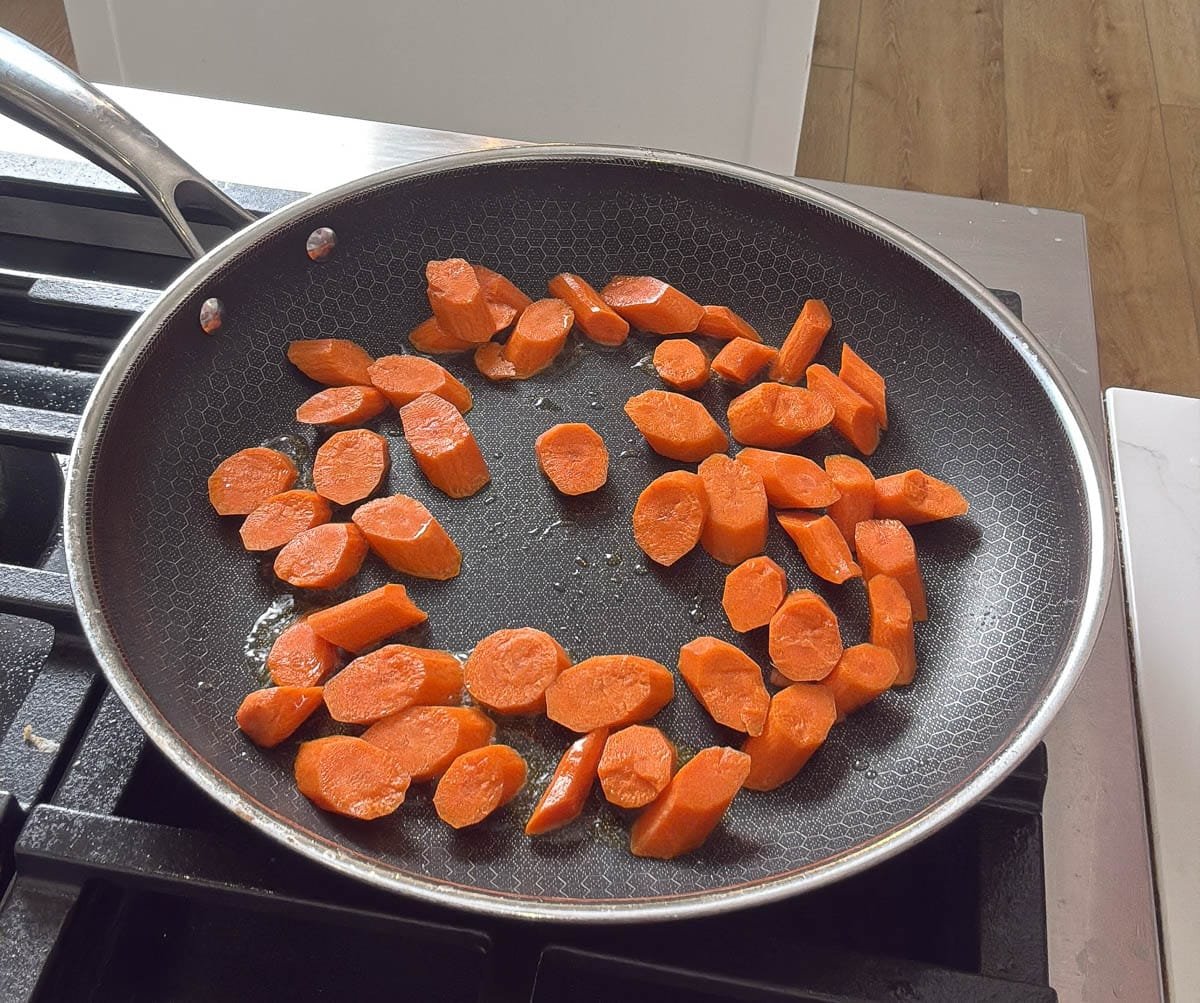
And don't overcrowd the pan. If everything is touching, it steams instead of sautés. Give your ingredients space and they'll reward you with that gorgeous golden color.
Step-by-Step Instructions
- Preheat your skillet
Place your pan over medium-high heat and let it get hot for a minute or two until you can feel the heat when you hover your hand above it. - Add your oil or butter
Pour in just enough to lightly coat the bottom. Swirl it around - it should shimmer, not smoke. - Add your ingredients
Start with the things that take the longest, like onions or chicken. Save quick-cooking items like garlic or spinach for the end. - Spread everything out
Give it space so it browns instead of steaming. This is where a big skillet makes a difference. - Let it sit
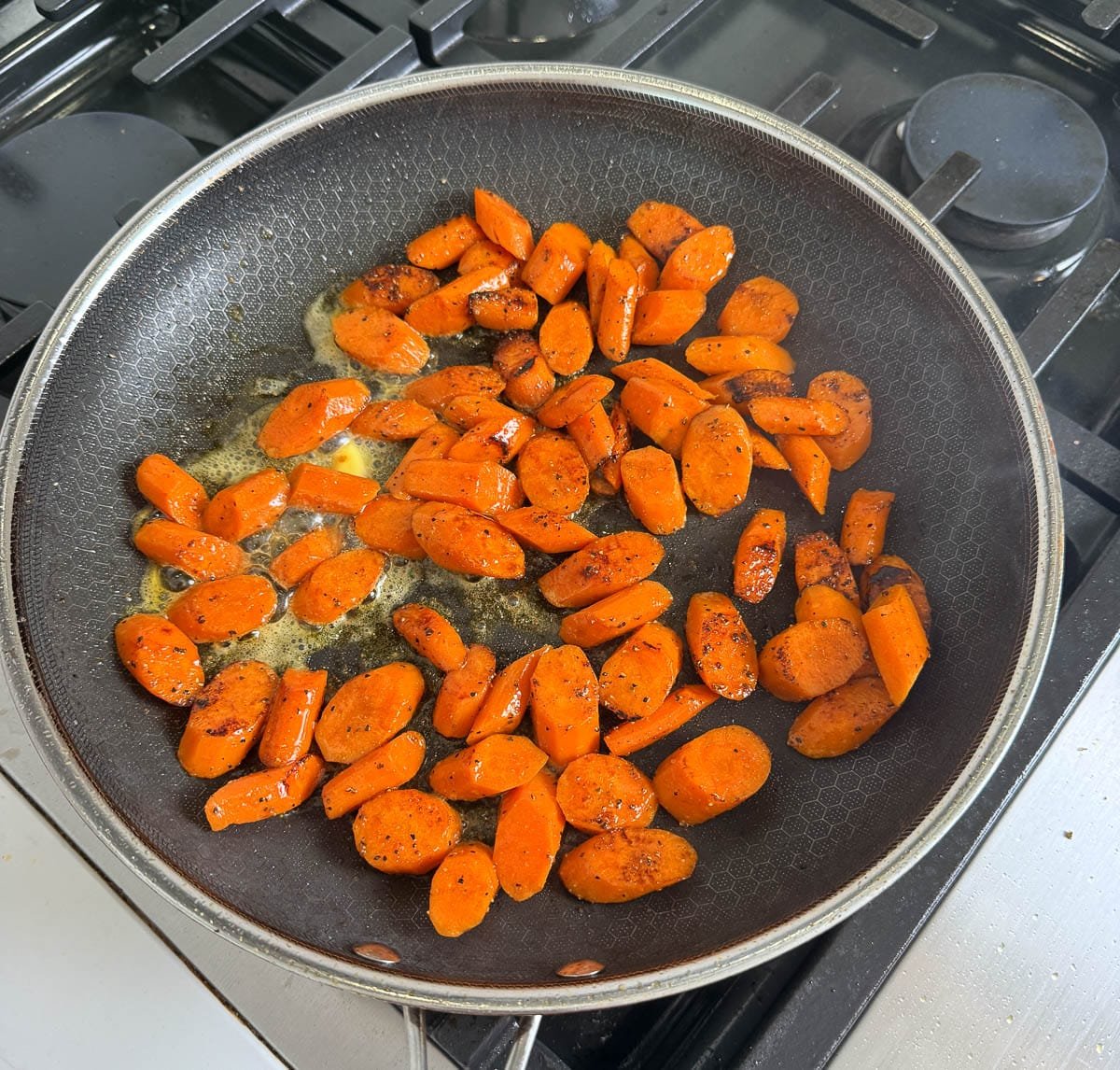
The hardest part: don't stir constantly. Let the bottom get golden, then flip or toss. - Season well
Salt early to help draw out moisture and create browning. Add finishing seasonings at the end for maximum flavor. - Finish with butter or herbs
Adding a pat of butter or a sprinkle of fresh herbs right before serving takes the flavor to another level.
Final Thoughts
Sautéing is one of those building-block skills that makes the rest of cooking feel easier. Once you know how it works, you can pretty much throw anything into a pan with a splash of oil and make it taste amazing. Whether you're making a quick veggie side, browning meat for a stew, or building flavor for a sauce, this technique is going to be your new best friend.
Frequently Asked Questions
A neutral oil with a high smoke point like avocado or canola works great. You can mix butter and oil for flavor without burning.
Yes! Just add them straight in. They'll release more moisture, so use a bigger pan or sauté in batches.
Your pan is either too crowded or not hot enough. Give them space and crank the heat.
It uses very little fat and cooks food fast, so it keeps nutrients intact. It's one of the healthier cooking methods.
Recipe
Ingredients
- 2 Tablespoons neutral oil or ghee
Instructions
- Heat the pan: Place a large skillet over medium-high until a few drops of water evaporates instantly
- Add in your ingredients that you want to sauté. Toss to coat the ingredients evenly with the oil.
- Continue cooking and moving the ingredients until the desired amount of doneness has been achieved.
- Finish: Sprinkle with fresh herbs, toss well, and taste for seasoning.
Video
Notes
- Remember the key to a good saute is hot pan, neutral high heat oil, the correct amount of ingredients in the pan. Don't overcrowd the pan.