

Spatchcocking a turkey is the technique of removing a turkeys backbone and flattening the bird, allowing it to cook much faster, more evenly, and with crispier skin than a traditionally roasted turkey.
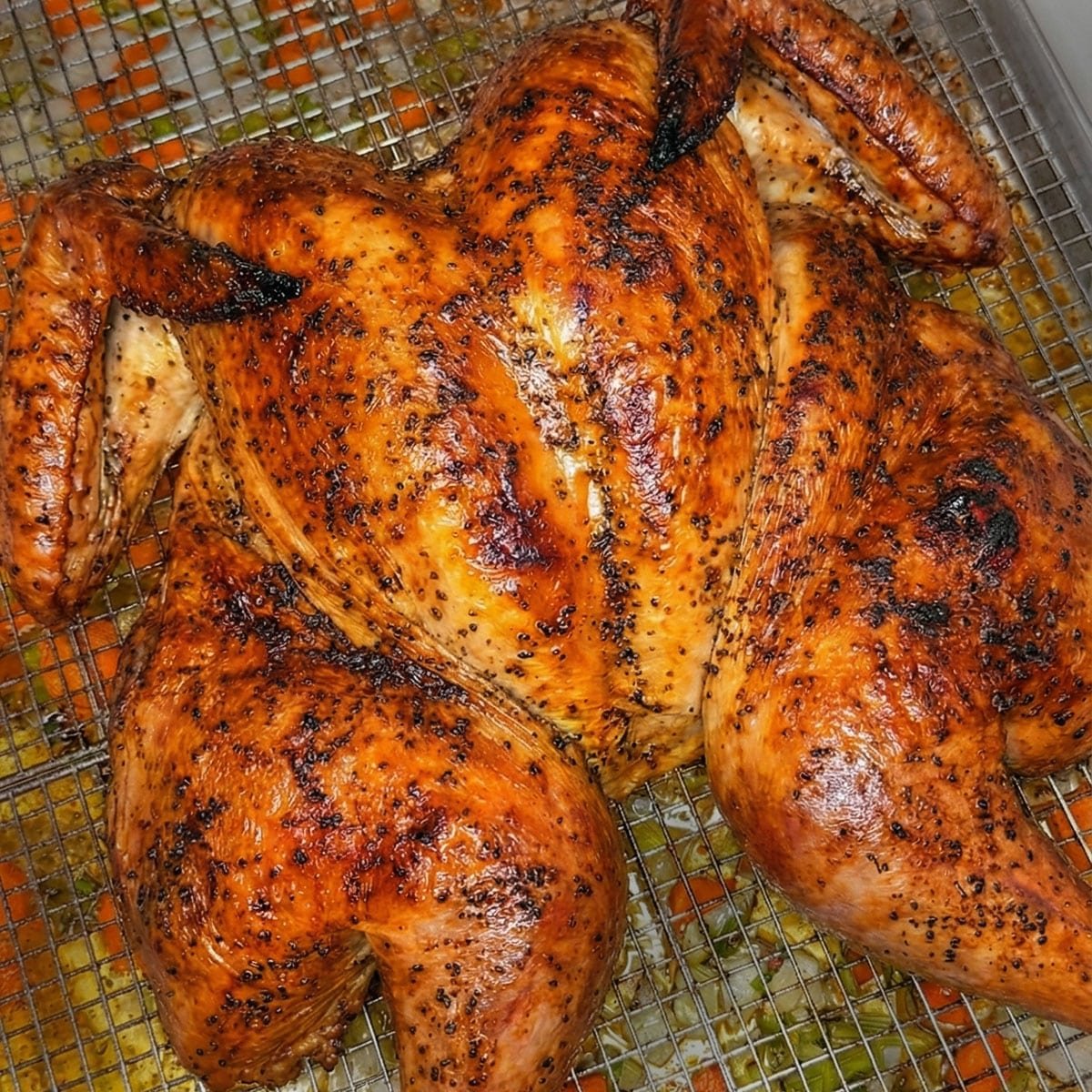
The first time I learned about spatchcocking was when I read about it years ago in an issue of cooks illustrated but it was on how to spatchcock a chicken. I figured if it works for chicken it must work for Turkey so I gave it a try.
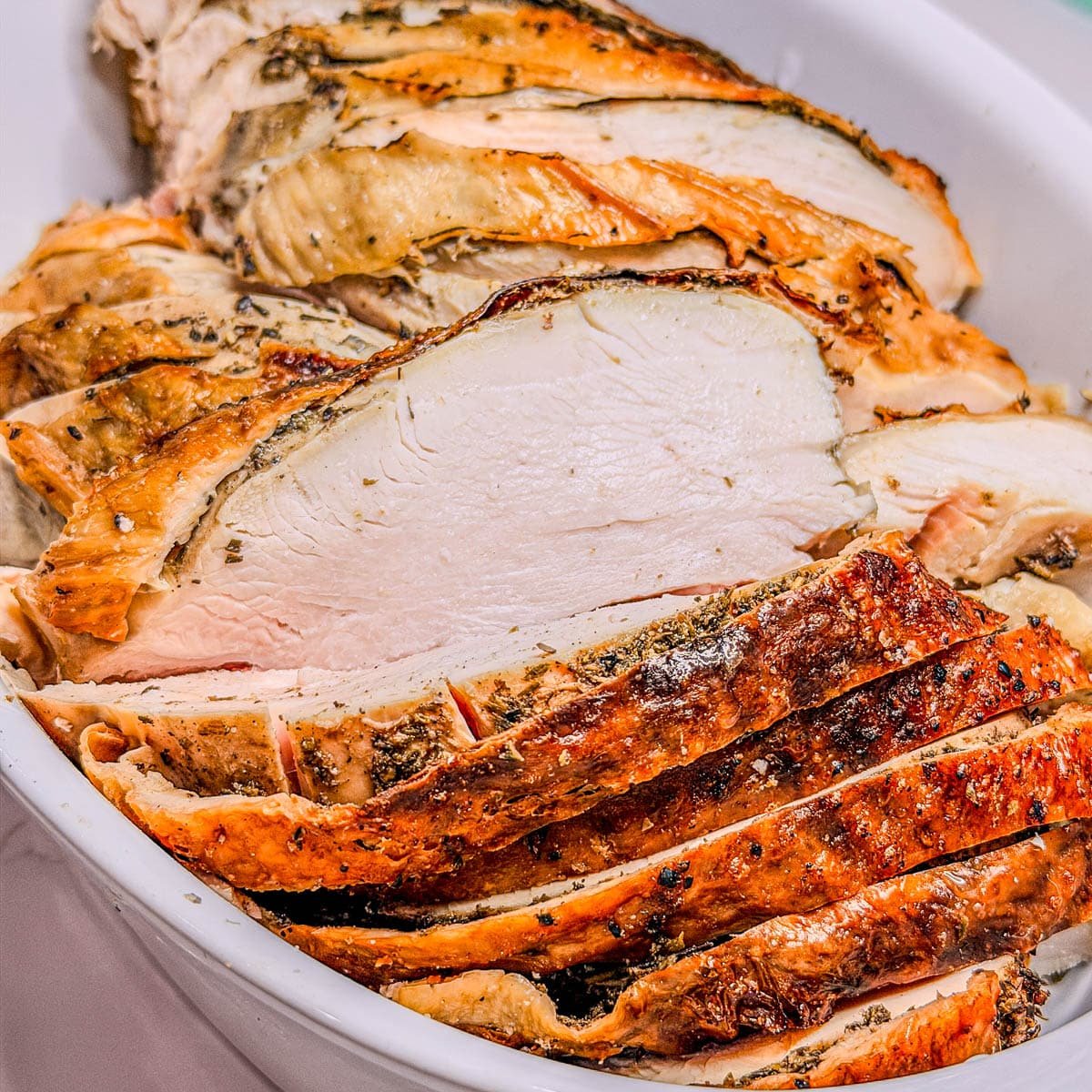
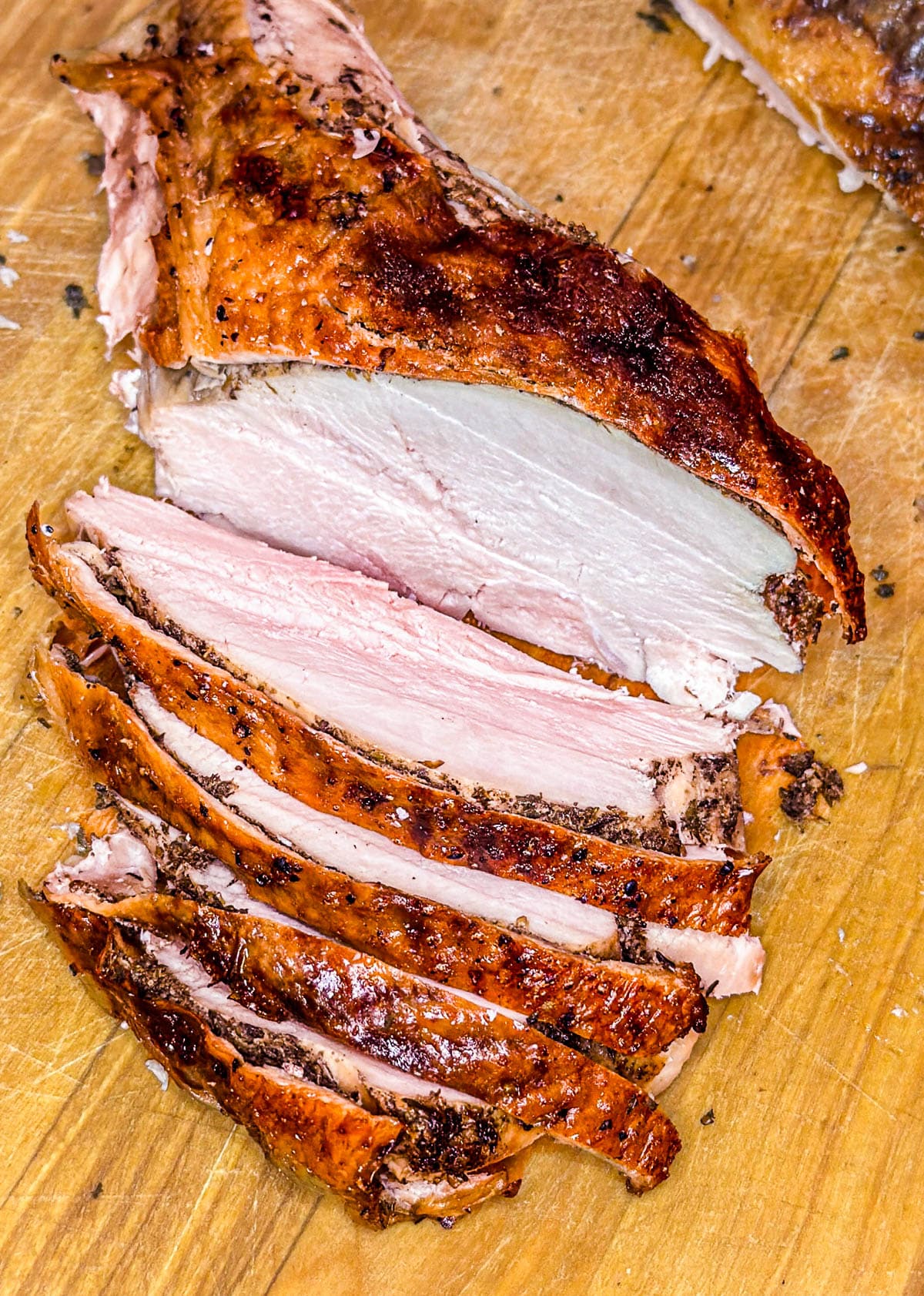
I pulled it from the oven and immediately understood why food writers obsess over this technique. By flattening the entire turkey, everything cooks at a higher temperature without drying out the turkey breast side. The skin gets beautifully golden, the dark meat melts in your mouth, and the whole bird is done in less time than a regular turkey. Plus, the pan drippings? Unreal. Truly the best turkey I’ve ever made.
What's In This Blog Post?
Ingredients Needed
These are the ingredients I used for my dry brine & aromatics which all lend to the overall flavor and quality of the pan drippings which I always use to make Turkey gravy.
If you prefer a wet brine, you can absolutely use one—just make sure the turkey skin is completely dry with paper towels before roasting.
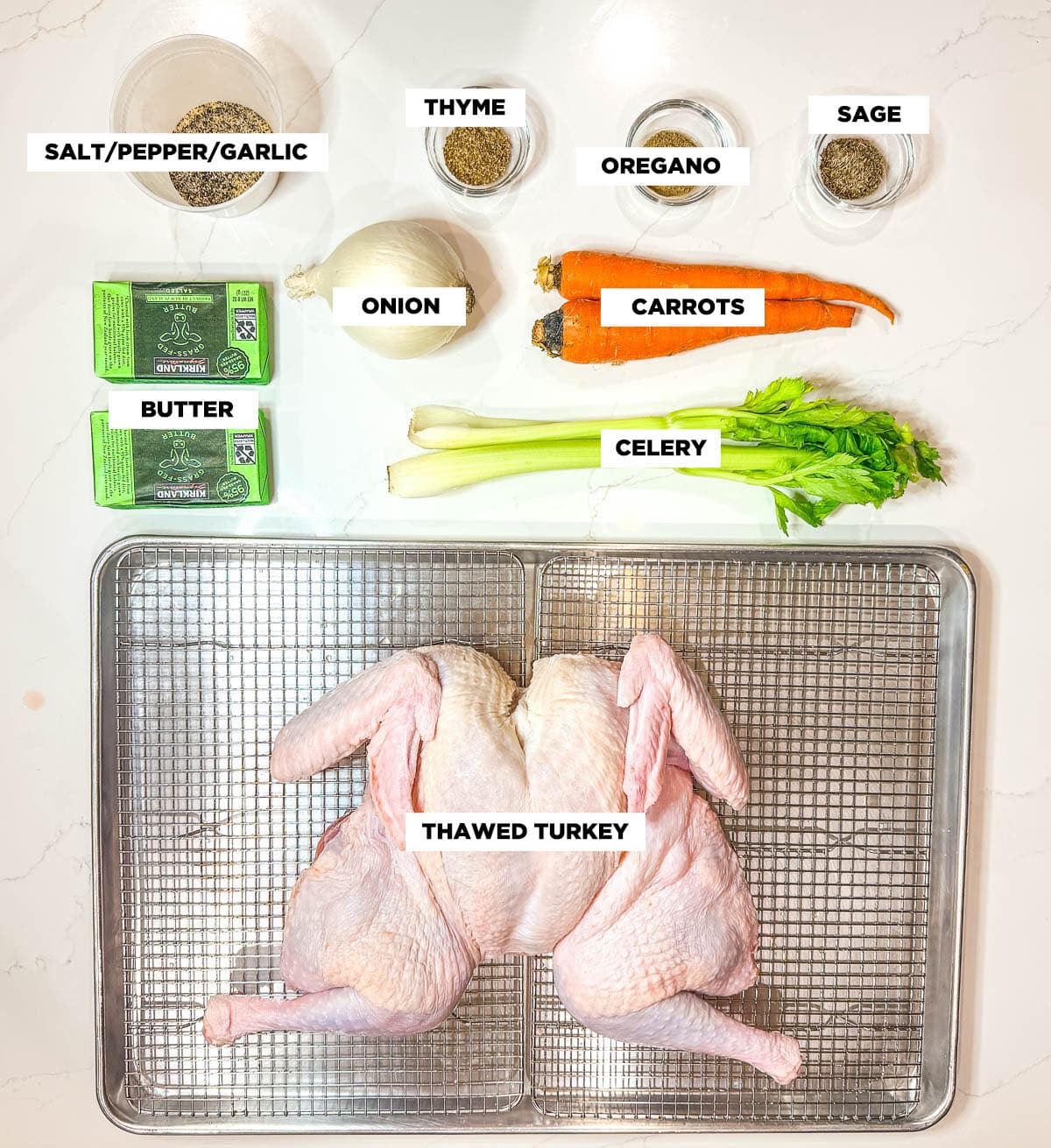
- SPG (Salt, Pepper, Garlic) - SPG is a classic all-purpose seasoning made from salt, black pepper, and garlic powder, and it serves as the foundational flavor for this spatchcock turkey. It creates a savory base that pairs perfectly with butter, herbs, and pan drippings.
- Dried Herbs - This recipe uses a blend of dried thyme, oregano, and sage. These herbs complement each other beautifully. Thyme adds earthiness, oregano brings warmth, and sage provides that unmistakable holiday flavor.
- Olive Oil – Helps the skin get extra crispy. You can substitute with melted butter if needed.
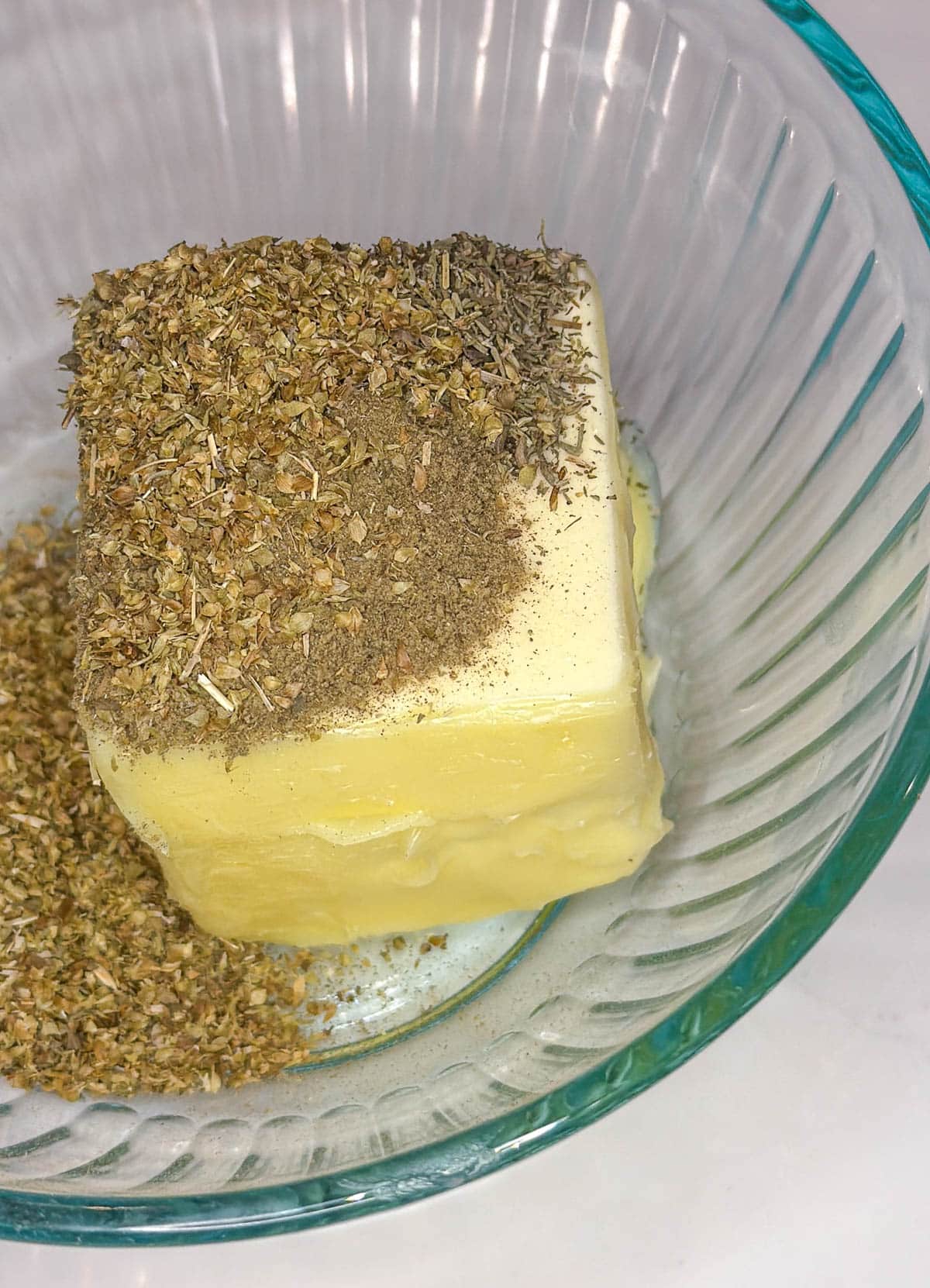
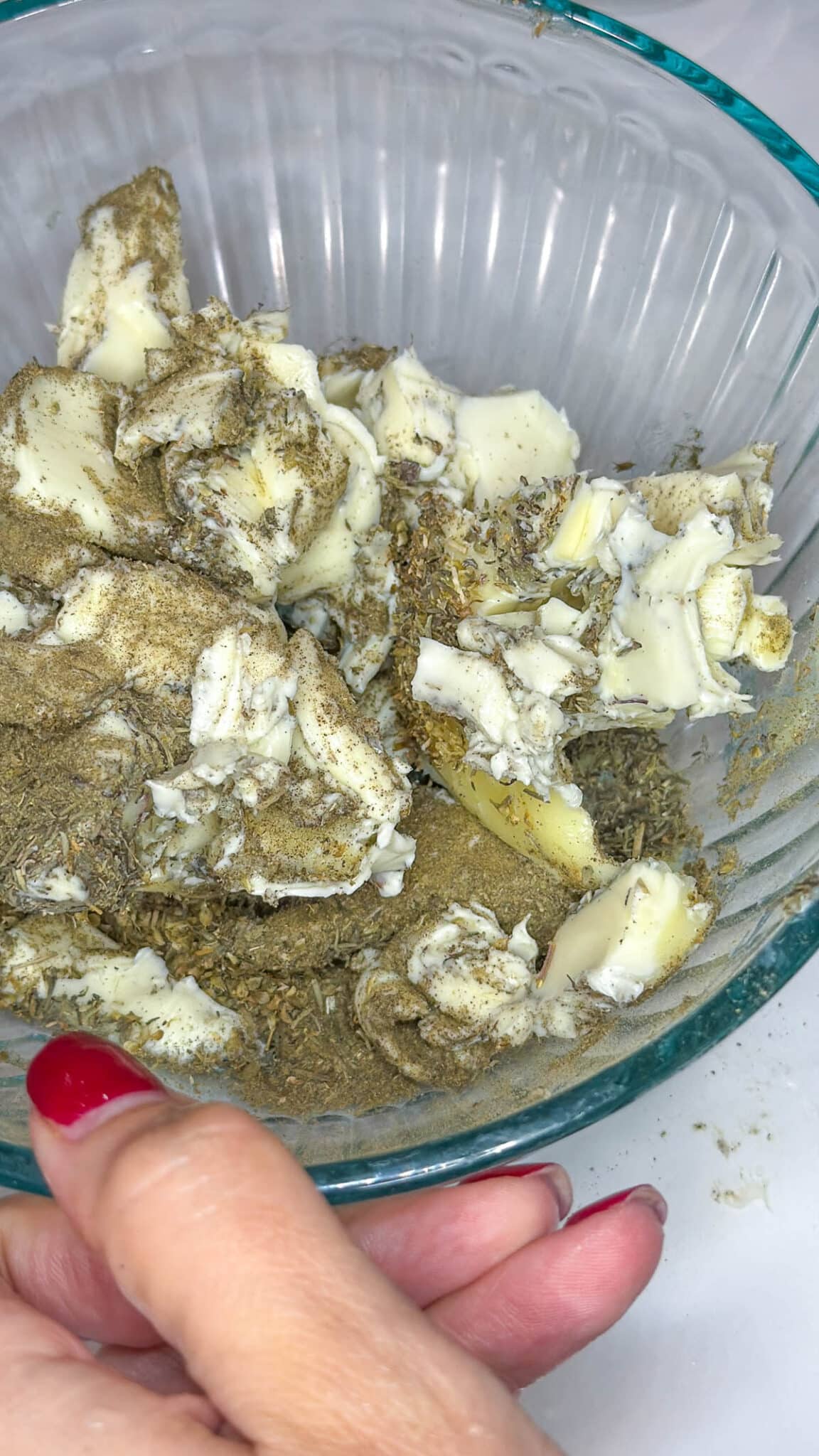
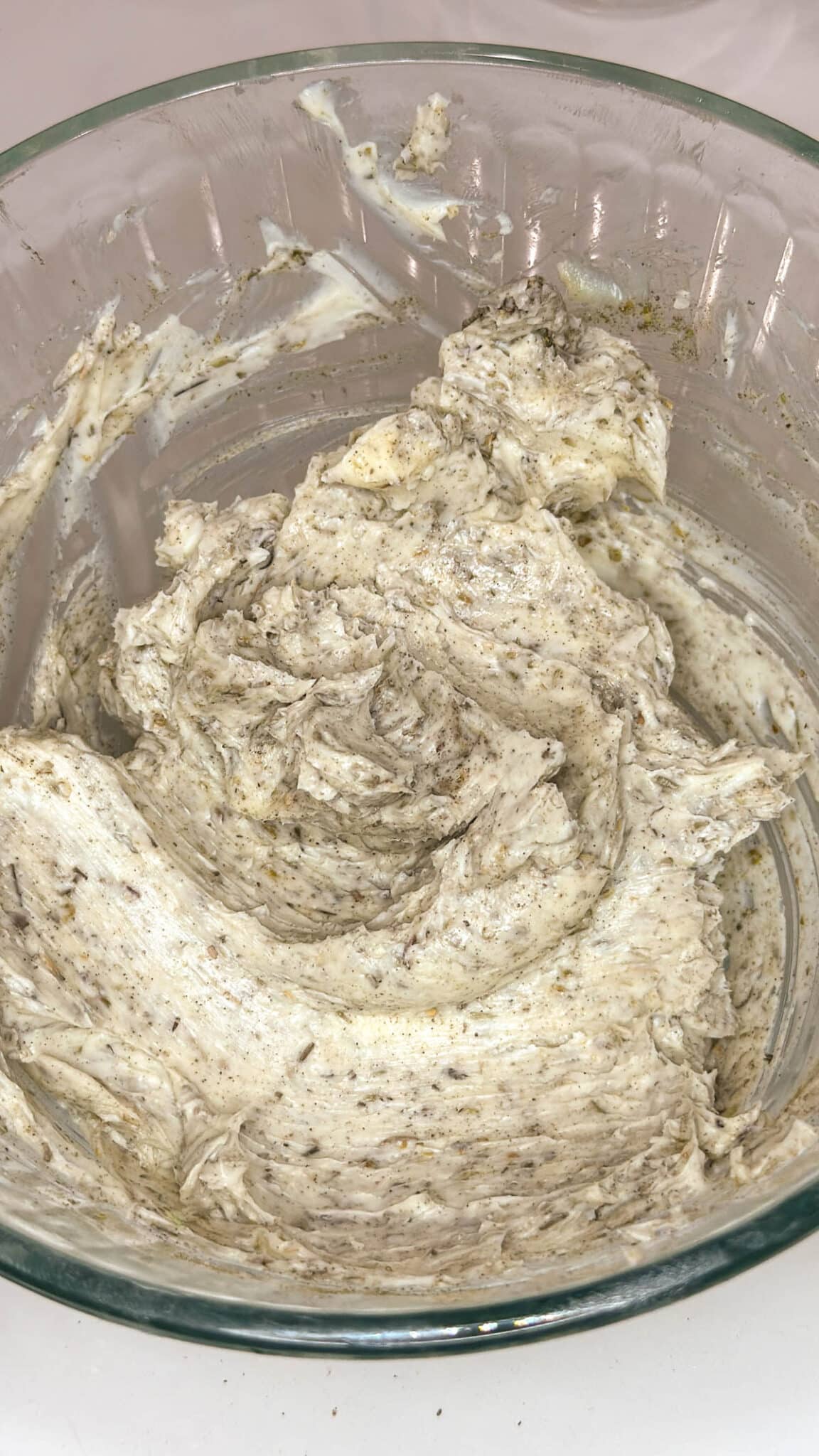
- Butter – Adds richness and browns beautifully. You can also use ghee. I combine the butter with the thyme, sage, and oregano to make a compound butter that goes under the turkey skin.
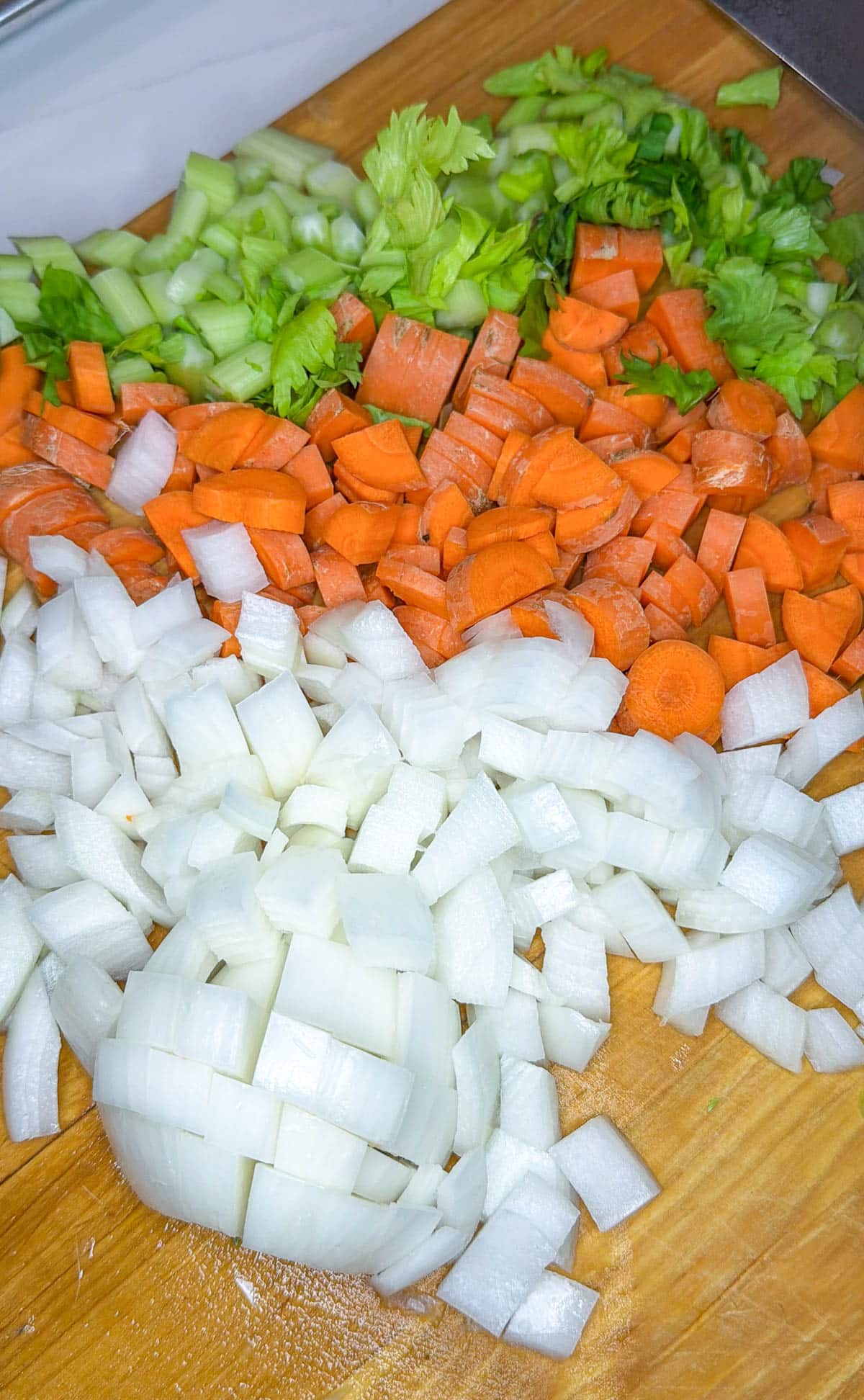
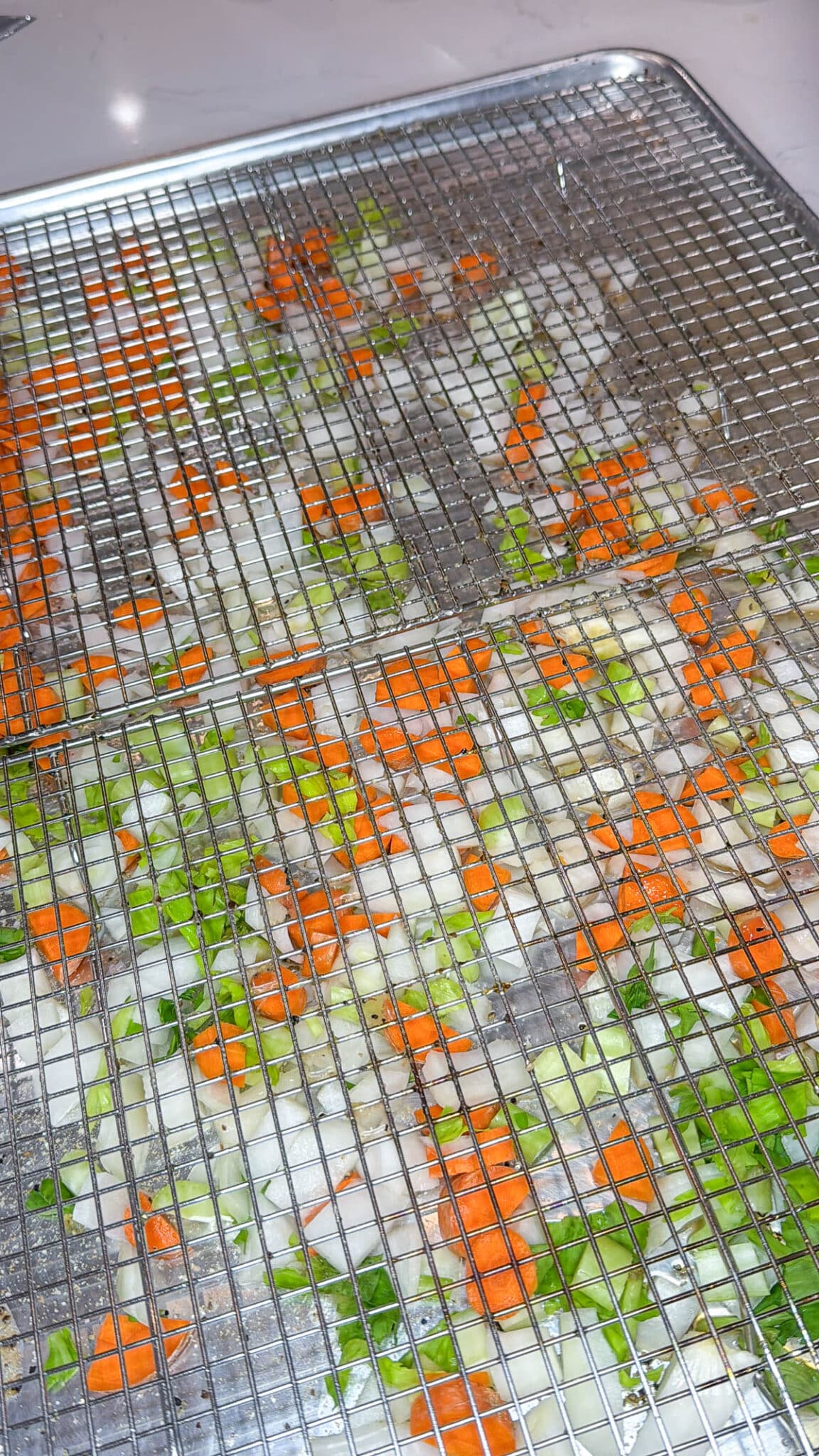
- Optional Aromatics – I always put a chopped onion, celery, and carrot into the bottom of the roasting pan so the drippings from the turkey basically turn into turkey broth.
Equipment Needed
Sheet Pan - A sturdy sheet pan holds the veggies and herbs that flavor the drippings. If you don’t have one, a large baking dish works, too. Just avoid anything too shallow to prevent spills.
Metal Baking Rack - Elevates the turkey so air can circulate and the drippings collect underneath for the gravy. A wire cooling rack set inside a sheet pan is a great substitute.
Sharp Knife or Kitchen Shears - Essential for removing the breastbone and trimming excess ribs. If you’re not comfortable with a knife, shears offer more control and are often easier to maneuver.
Meat Thermometer - The most reliable way to ensure your turkey breast is cooked perfectly and stays juicy. An instant-read thermometer or a probe-style thermometer both work well.
Tips & Tricks for the Best Spatchcock Turkey
- Use sturdy poultry shears. Cutting out the backbone is much easier (and safer) with sharp kitchen or poultry shears rather than a knife, especially on a large bird.
- Dry skin = crispy skin. Pat the turkey very dry with paper towels before seasoning, and if time allows, dry brine it uncovered in the fridge for extra-crispy skin.
- Don’t skip cracking the breastbone. Pressing firmly until the breastbone cracks allows the turkey to lay completely flat, which is key for even cooking.
- Get the butter under the skin. Sliding compound butter directly under the skin keeps the breast meat juicy and adds flavor where it matters most.
- Tuck the wing tips. Folding the wing tips under the bird prevents them from burning before the rest of the turkey is done.
- Roast hot and fast. High heat (around 425°F) is what gives you golden skin and juicy meat—spatchcock turkey thrives at higher temperatures.
- Use a thermometer, not just time. Every oven and turkey is different, so rely on internal temperature for doneness rather than minutes per pound.
- Pull early and rest. Remove the turkey when the breast hits about 160°F; it will continue cooking as it rests, locking in juices.
- Save the backbone and drippings. The removed backbone and pan drippings make incredible turkey stock or gravy—don’t let that flavor go to waste.
How to Make a Spatchcock Turkey
These step-by-step instructions walk you through exactly how to spatchcock a turkey, season it properly, and roast it at a high temperature for juicy meat and crispy skin every time.
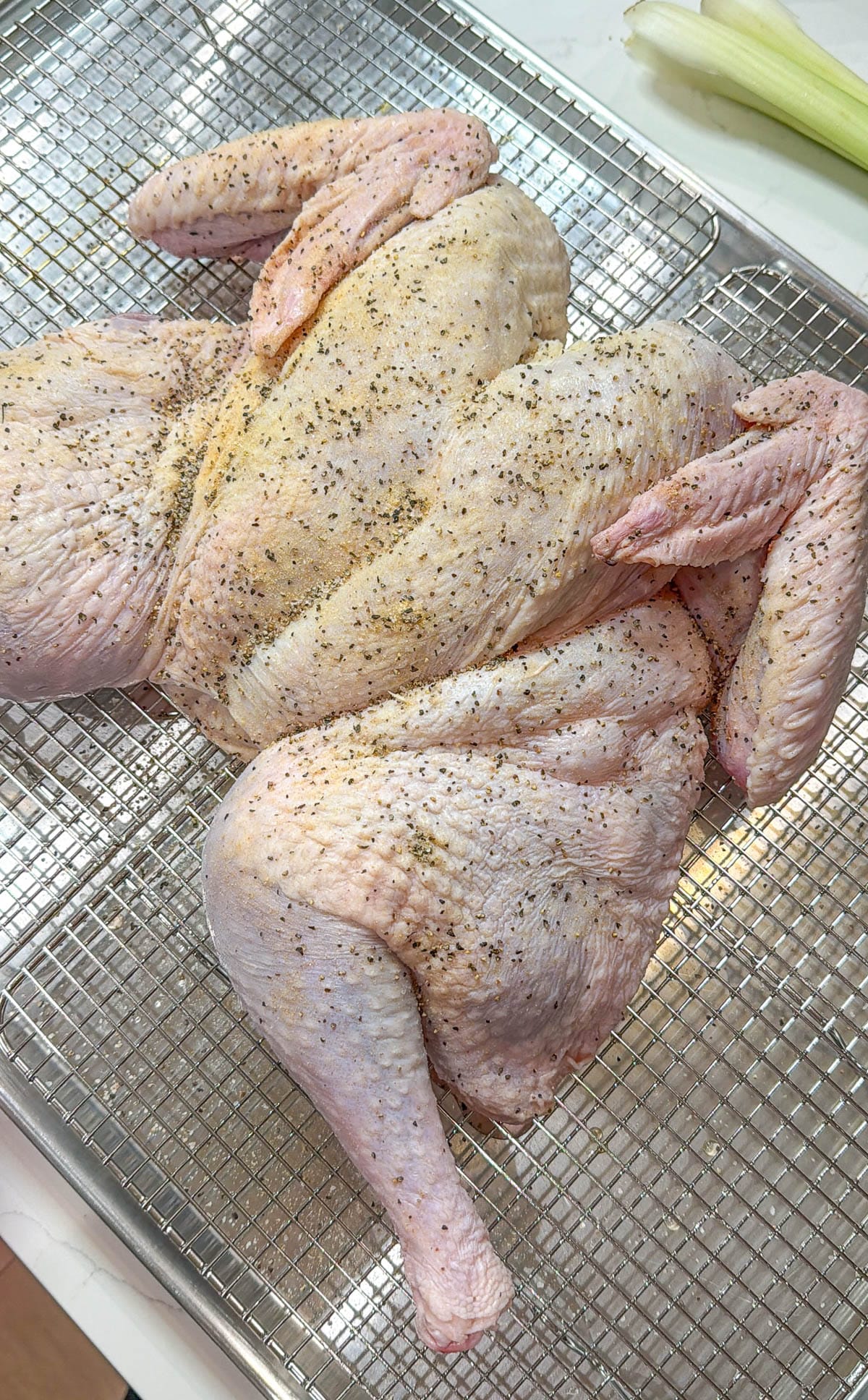
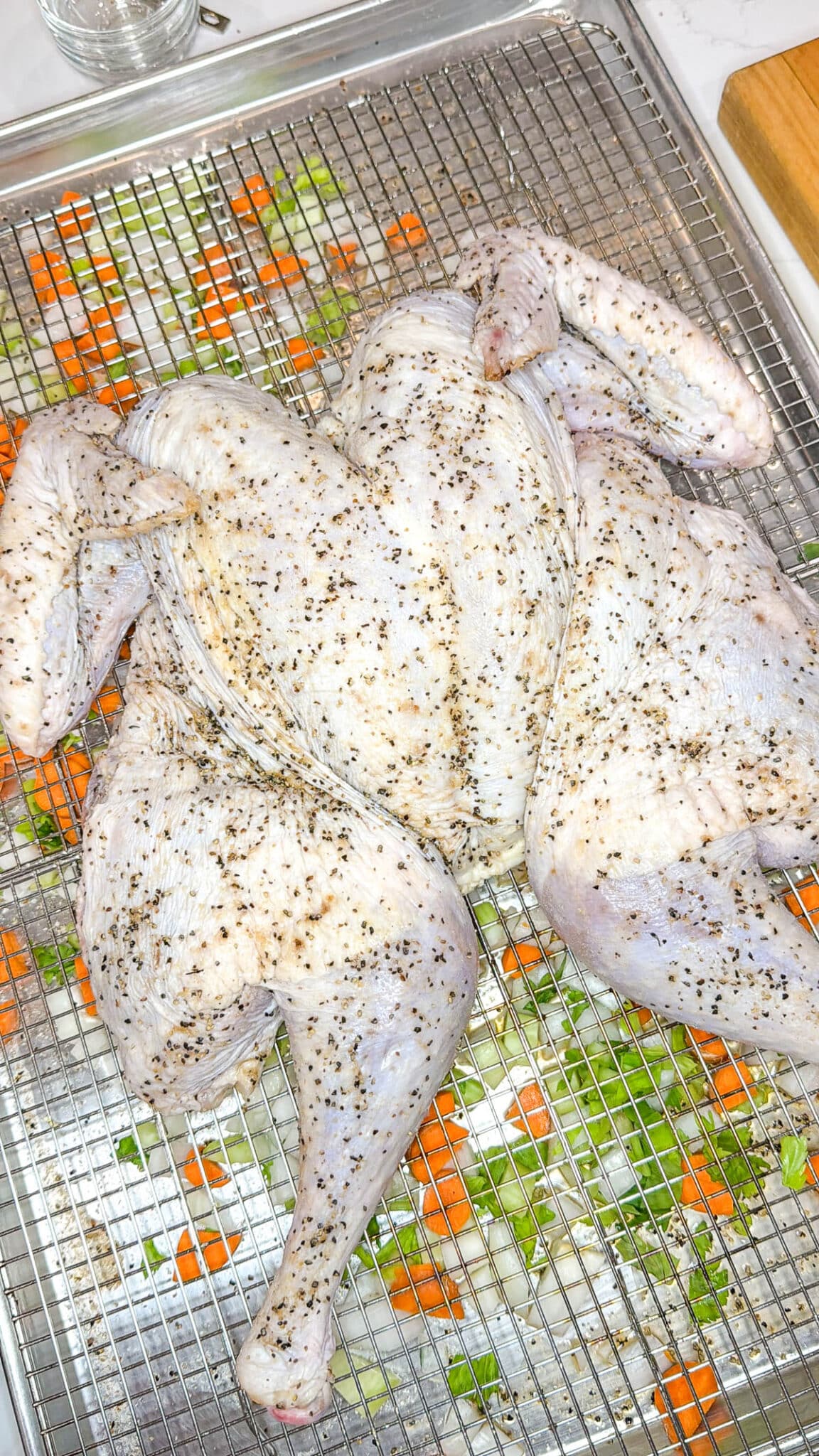
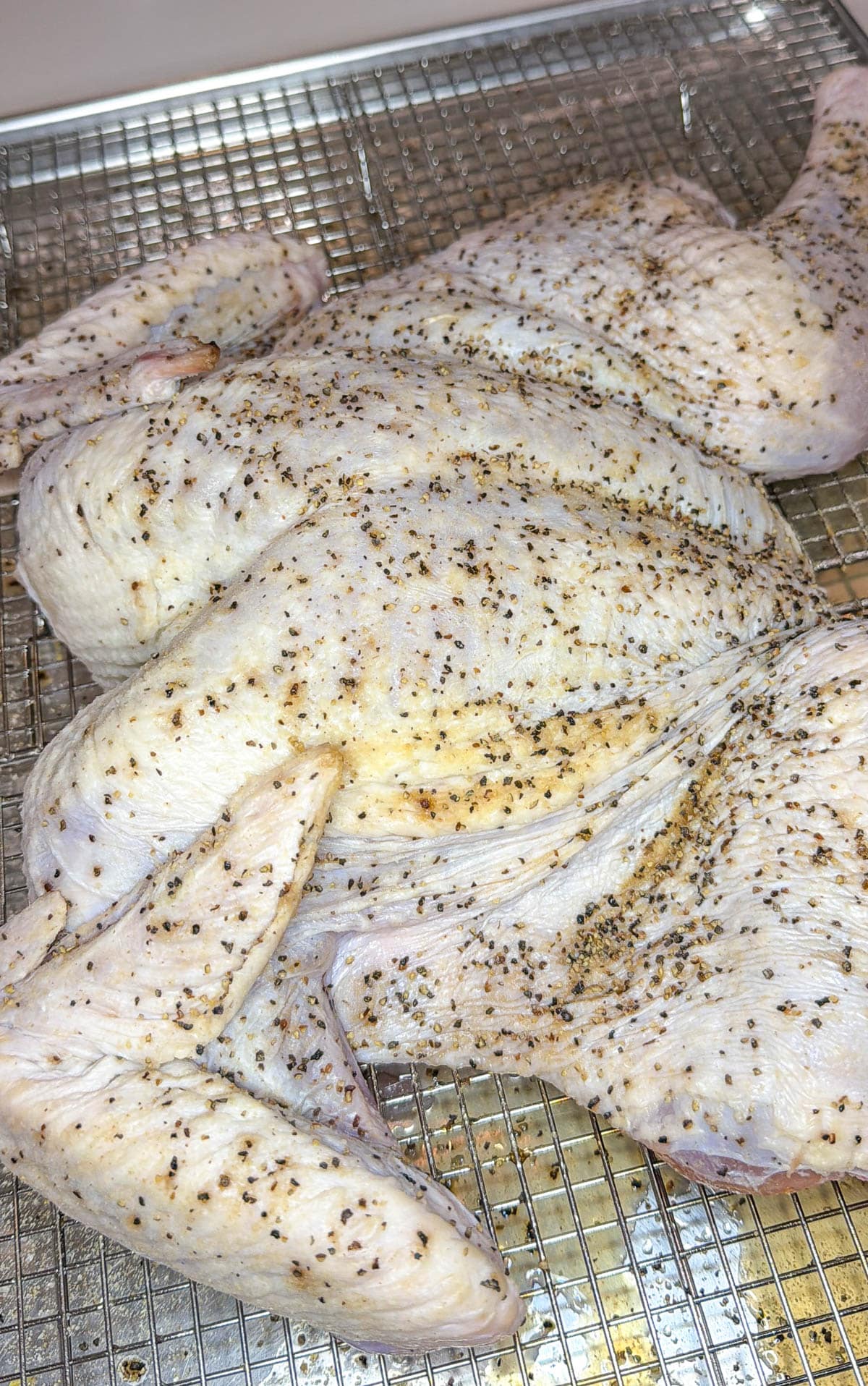
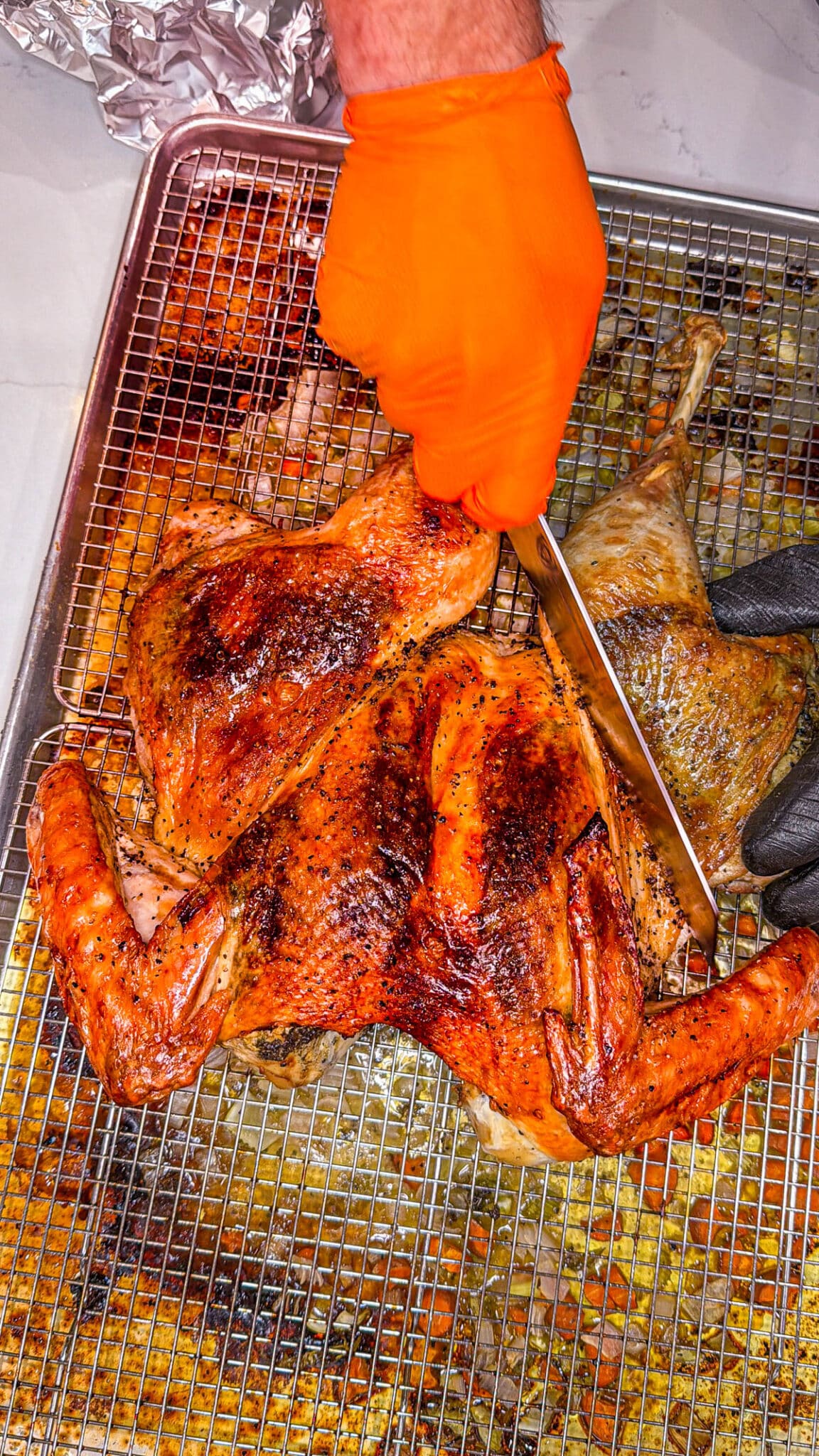
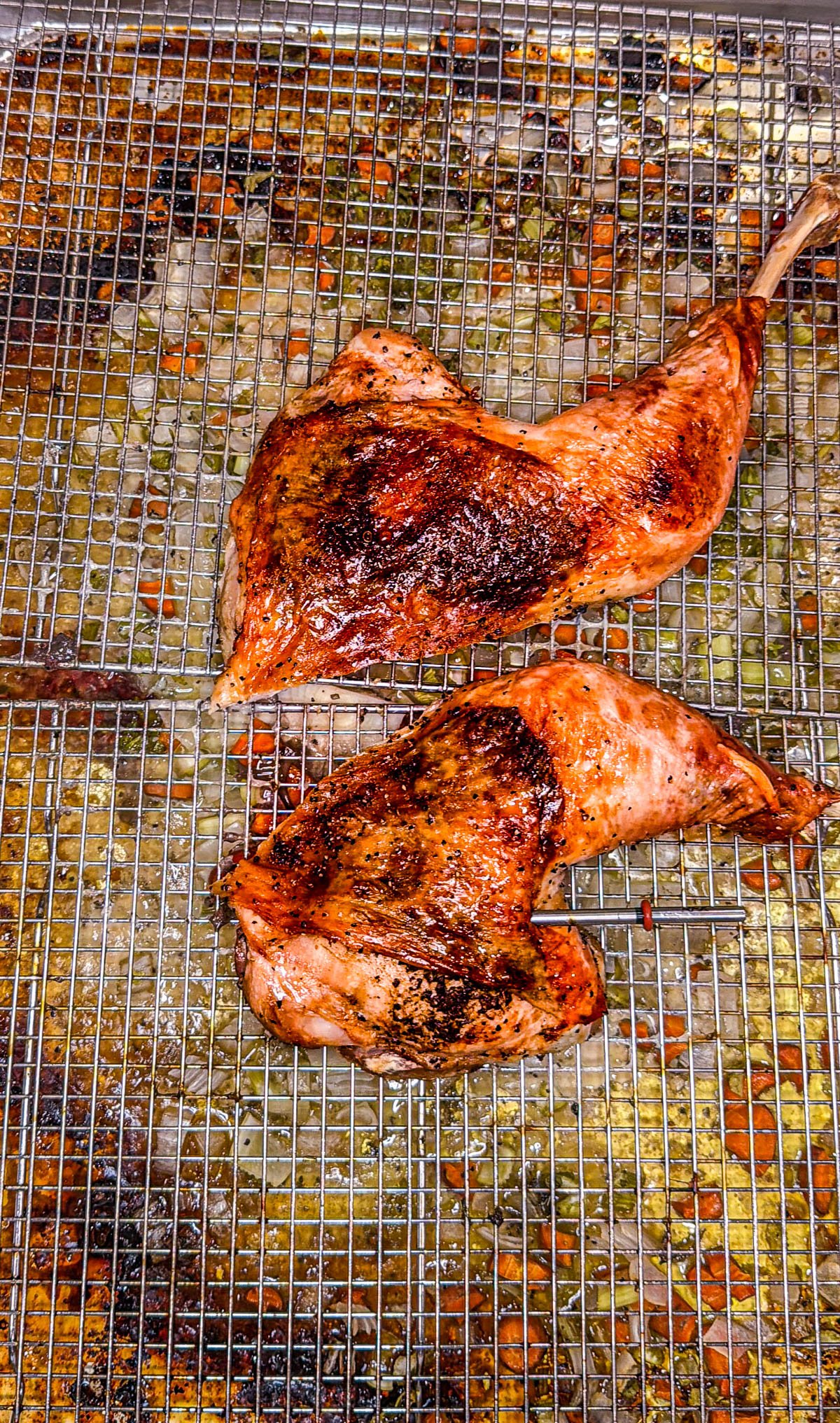
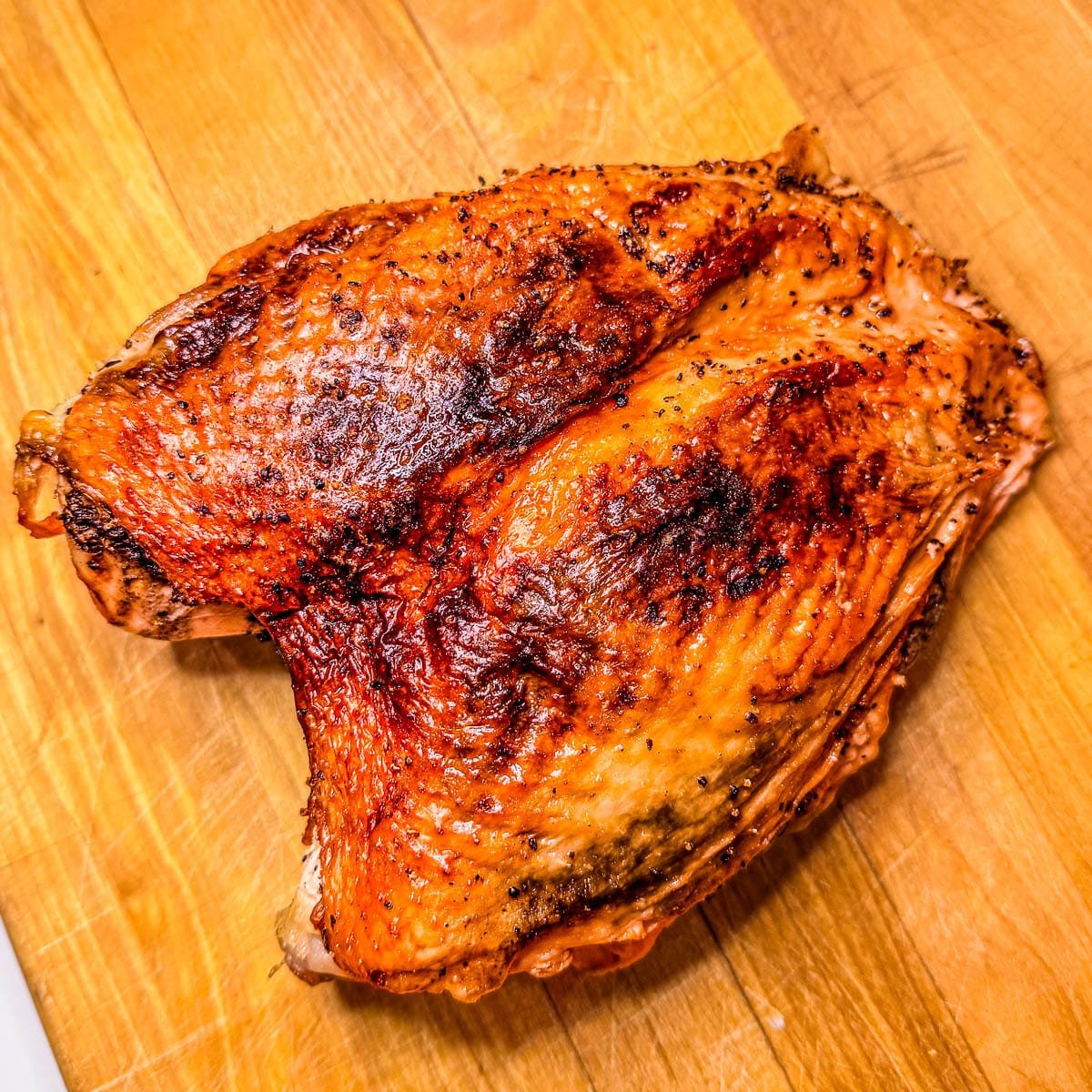
- Place your large bird on a large cutting board and pat dry with paper towels. Remove any extra turkey parts from the cavity and set them aside for turkey broth or turkey gravy.
- Flip and cut out the backbone. Flip the entire turkey so the turkey breast side is down. Using sharp kitchen shears or poultry shears, cut up one side of the backbone, then the other. Remove the backbone completely and set it aside. (It makes incredible stock.)
- Crack the breast bone. Flip the turkey so the breast is facing up. Press down firmly until you hear the breast bone crack and the rib bones flatten. This helps the spatchcock turkey cook evenly.
- Dry brine the bird. Rub salt, pepper, and garlic powder all over the turkey skin and under it, too. If you prefer a wet brine, make sure to dry the skin thoroughly afterward. Place the bird uncovered in the fridge if you want extra crisp skin.
- Make your compound butter by combining the butter, thyme, sage, and oregano.
- Place the butter under the skin of the turkey
- Tuck the turkey wing tips under the skin to prevent over browning
- Roast at a higher temperature. Preheat the oven temperature to a nice high heat—usually around 425°F works beautifully.
- Place the turkey on a roasting rack in a roasting pan or on a wire rack set inside a rimmed baking sheet. Brush with olive oil or melted butter.
- Insert a thermometer like the RFX probe into the thickest part of the turkey breast or other type of thermometer to keep an eye on temperature.
- Monitor the internal temperature. Spatchcock turkey cooks faster than a regular turkey, usually 6–10 minutes per lb turkey depending on your oven and bird size. Begin checking around the 45-minute mark with an instant-read thermometer. You're aiming for 160°F in the thickest part of the breast and 170–175°F in the thickest part of the thigh.
- Rest before carving. Tent loosely with aluminum foil and let your delicious turkey rest for 20–30 minutes. This helps retain cups of liquid inside the lean breast meat and dark meat.
Final Thoughts
Spatchcocking is truly the best way to cook a Thanksgiving turkey if you want juicy meat, golden skin, and shorter overall cooking time. It’s also a great way to cook turkey parts or a smaller pound turkey for weeknight dinners. The technique is simple, the flavor is incredible, and it's honestly a delicious recipe you’ll use over and over. I recommend serving with mashed potatoes, a roasted vegetable, and don't forget that homemade gravy!!
Frequently Asked Questions
Yes! Because it lies flat, it roasts in a fraction of the time.
160°F for the breast and 170–175°F for the thighs, measured with a meat thermometer.
Absolutely. Just make sure there’s a roasting rack to lift the bird off the bottom.
Yes. Spatchcocking works on almost any size whole turkey.
Poultry shears are easiest, but a sharp knife can help crack the breast bone.
I recommend choosing one, but either works beautifully.
Let the turkey cool completely, then store leftovers in an airtight container in the refrigerator for up to 4 days. For best results, keep the meat with a little gravy or pan drippings to prevent it from drying out.
Yes! Remove the meat from the bone and freeze it in freezer-safe bags or containers for up to 3 months. Adding a small amount of broth or gravy before freezing helps maintain moisture when reheating.
Reheat turkey gently, covered, in a 300°F oven with a splash of turkey broth or gravy until warmed through. You can also reheat individual portions in the microwave using short intervals and covering the meat.
Classic sides like mashed potatoes, turkey gravy, and roasted carrots pair perfectly with spatchcock turkey. The crispy skin and juicy meat also work well with stuffing, cranberry sauce, green beans, or Brussels sprouts.
Absolutely. The pan drippings from a spatchcock turkey are incredibly flavorful and make excellent turkey gravy. The backbone and aromatics can also be used to create a rich turkey stock.
Recipe
Equipment
- 1 Sheet pan
- 1 metal baking rack
- 1 kitchen shears or sharp knife
- 1 meat thermometer
Ingredients
- 1 whole turkey thawed
- 1 tablespoon dried thyme
- 1 tablespoon dried oregano
- 1 tablespoon dried sage
- ½ cup salt, pepper, garlic
- 2 tablespoons olive oil
- 16 ounces butter softened
- 2 carrots chopped
- 1 onion chopped
- 2 celery ribs chopped
Instructions
- Place your large bird on a large cutting board and pat dry with paper towels. Remove any extra turkey parts from the cavity and set them aside for turkey broth or turkey gravy.
- Flip and cut out the backbone. Flip the entire turkey so the turkey breast side is down. Using sharp kitchen shears or poultry shears, cut up one side of the backbone, then the other. Remove the backbone completely and set it aside. (It makes incredible stock.)
- Crack the breast bone. Flip the turkey so the breast is facing up. Press down firmly until you hear the breast bone crack and the rib bones flatten. This helps the spatchcock turkey cook evenly.
- Dry brine the bird. Rub salt, pepper, and garlic powder all over the turkey skin and under it, too. If you prefer a wet brine, make sure to dry the skin thoroughly afterward. Place the bird uncovered in the fridge if you want extra crisp skin.
- Make your compound butter by combining the butter, thyme, sage, and oregano.
- Place the butter under the skin of the turkey.
- Tuck the turkey wing tips under the skin to prevent over browning.
- Roast at a higher temperature. Preheat the oven temperature to a nice high heat—usually around 425°F works beautifully.
- Place the turkey on a roasting rack in a roasting pan or on a wire rack set inside a rimmed baking sheet. Brush with olive oil or melted butter.
- Insert a thermometer like the RFX probe into the thickest part of the turkey breast or other type of thermometer to keep an eye on temperature.
- Monitor the internal temperature. Spatchcock turkey cooks faster than a regular turkey, usually 6–10 minutes per lb turkey depending on your oven and bird size. Begin checking around the 45-minute mark with an instant-read thermometer. You're aiming for 160°F in the thickest part of the breast and 170–175°F in the thickest part of the thigh.
- Rest before carving. Tent loosely with aluminum foil and let your delicious turkey rest for 20–30 minutes. This helps retain cups of liquid inside the lean breast meat and dark meat.
Notes
- Storage Instructions: Let the turkey cool completely, then store leftovers in an airtight container in the refrigerator for up to 4 days. For best results, keep the meat with a little gravy or pan drippings to prevent it from drying out.
- Freezer Instructions: Remove the meat from the bone and freeze it in freezer-safe bags or containers for up to 3 months. Adding a small amount of broth or gravy before freezing helps maintain moisture when reheating.
- Serving Suggestions: Classic sides like mashed potatoes, turkey gravy, and roasted carrots pair perfectly with spatchcock turkey. The crispy skin and juicy meat also work well with stuffing, cranberry sauce, green beans, or Brussels sprouts.