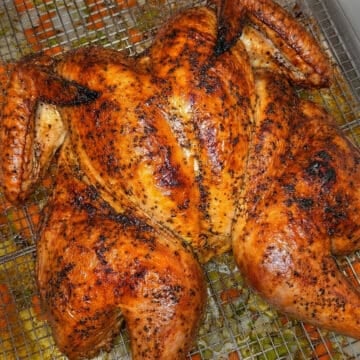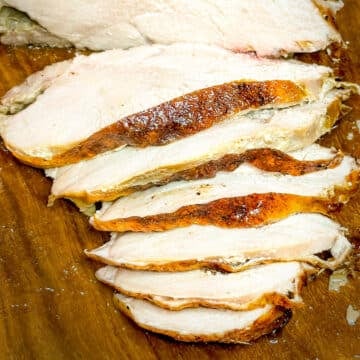



This is my go-to method for How to Make Turkey Gravy when I want rich flavor without overcomplicating things. This homemade turkey gravy uses leftover turkey bones, flavorful turkey drippings, and a classic roux made with flour. This recipe creates a smooth, delicious gravy that’s easy to master—even if this is your first time making homemade gravy from scratch. It’s an old-school technique that delivers so much flavor, and once you try it, you’ll never go back to gravy mix again.
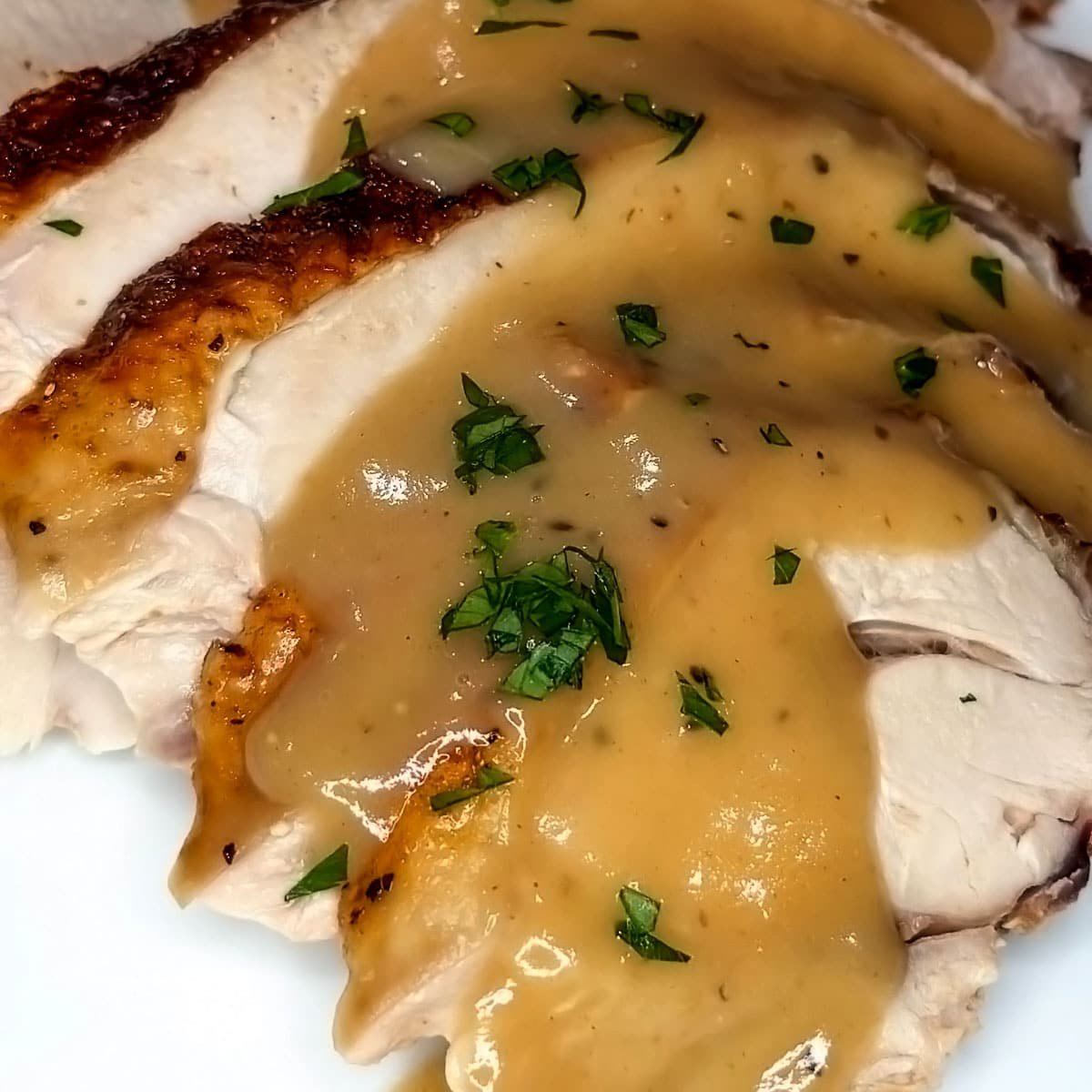
This gravy fits right into my holiday cooking routine. I reach for recipes where everything is made from scratch but nothing feels stressful. I serve it every year with thanksgiving turkey, whether that’s my smoked turkey, a roast turkey, or even turkey breast, and it’s absolutely essential for mashed potatoes (and yes, I always make extra). It’s the gravy I'm making for Thanksgiving dinner, and the good news is that leftovers taste just as good the next day.
What's In This Blog Post?
Ingredients Needed
You only need a handful of basic ingredients to make this easy turkey gravy recipe completely from scratch. Leftover bones from a whole turkey, simple aromatics, and pantry staples come together in the best way to create a flavorful gravy with so much flavor and no shortcuts.
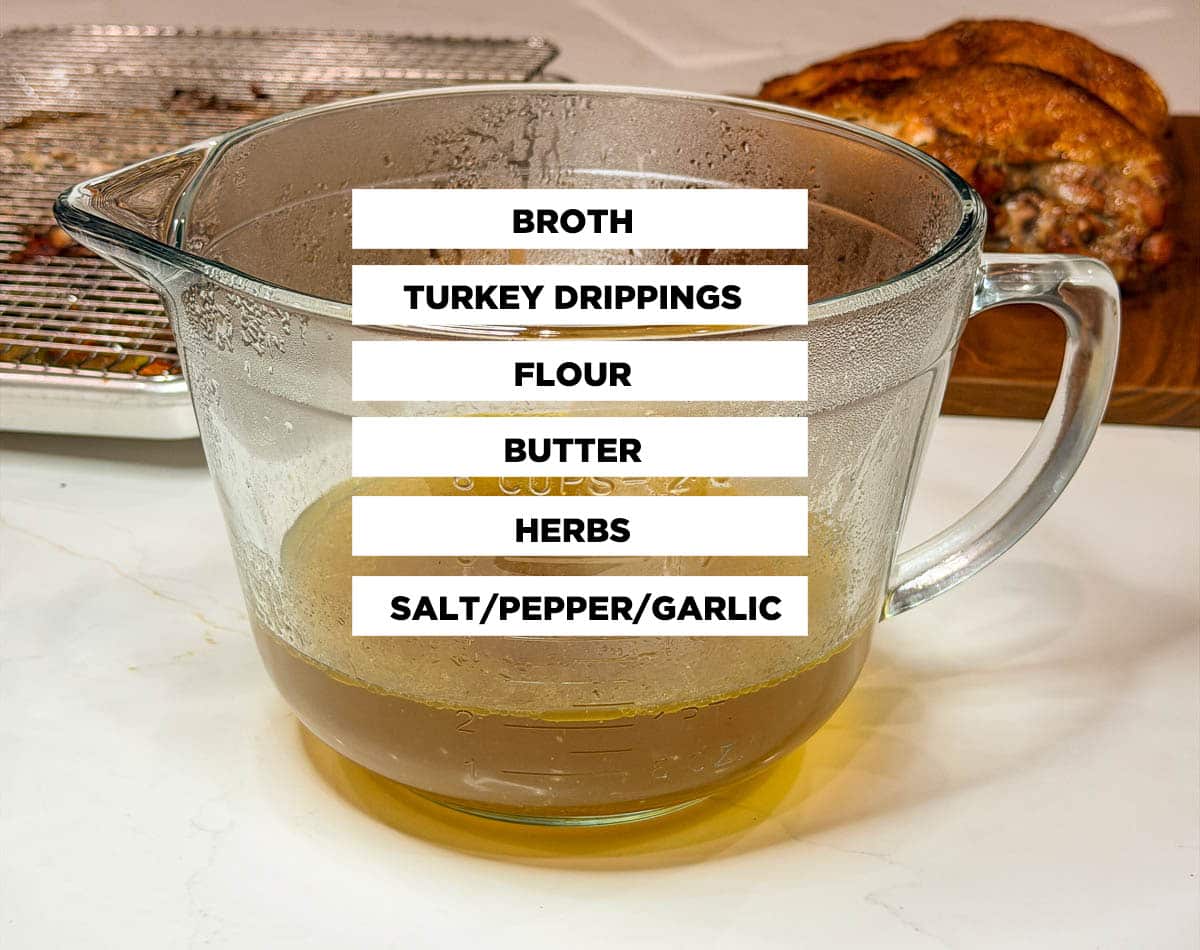
- Leftover Turkey Bones (ribs, breastbone, neck) – These create a rich turkey stock with incredible depth. If you don’t have bones, turkey wings or a turkey neck work well, or you can substitute chicken broth or chicken stock.
- Butter – Used for browning and for the roux. Melted butter provides richness, but turkey fat or rendered fat from the bottom of the roasting pan also works.
- Fresh Herbs (thyme, rosemary, sage) – These add classic Thanksgiving flavors. Poultry seasoning can be used as an alternative.
- Onion, Carrot, and Celery – Optional but helpful for building flavor in the turkey stock.
- Turkey Drippings – These flavorful turkey juices add richness. If you don’t have enough pan drippings, add extra chicken broth or turkey broth.
- All-Purpose Flour – This is the thickening agent that gives you great gravy. For gluten-free gravy, use cornstarch or a gluten-free flour blend.
Tips and Tricks for Success
- Brown the turkey bones well. Taking a few extra minutes to brown the ribs and breastbone in butter adds deep, roasted flavor to the broth and makes a noticeable difference in the final gravy.
- Keep the broth gently simmering. A low, steady simmer (not a boil) helps extract flavor without making the broth cloudy or bitter.
- Strain everything. Straining both the broth and the turkey drippings gives you a smooth gravy with no herbs, veggies, or burnt bits getting in the way.
- Use a fat separator if you have one. Letting the drippings separate makes it easy to control how rich your gravy is without guessing.
- Cook the roux just until it smells nutty. About one minute is all you need—this removes the raw flour taste while keeping the gravy light in color.
- Add the broth slowly. Whisking in small amounts at a time is the easiest way to prevent lumps and get that silky, pourable texture.
- Adjust the thickness at the end. If the gravy gets too thick, whisk in a splash of warm broth; if it’s too thin, let it simmer for a few extra minutes.
- Season last. Turkey drippings vary in saltiness, so always taste and adjust salt and pepper after the gravy has fully thickened.
How to Make Turkey Gravy
If you’ve never made gravy from scratch before, these step-by-step instructions make it approachable and foolproof. You’ll use a medium saucepan and a simple technique to turn turkey stock and drippings into a tasty gravy the entire family will love.
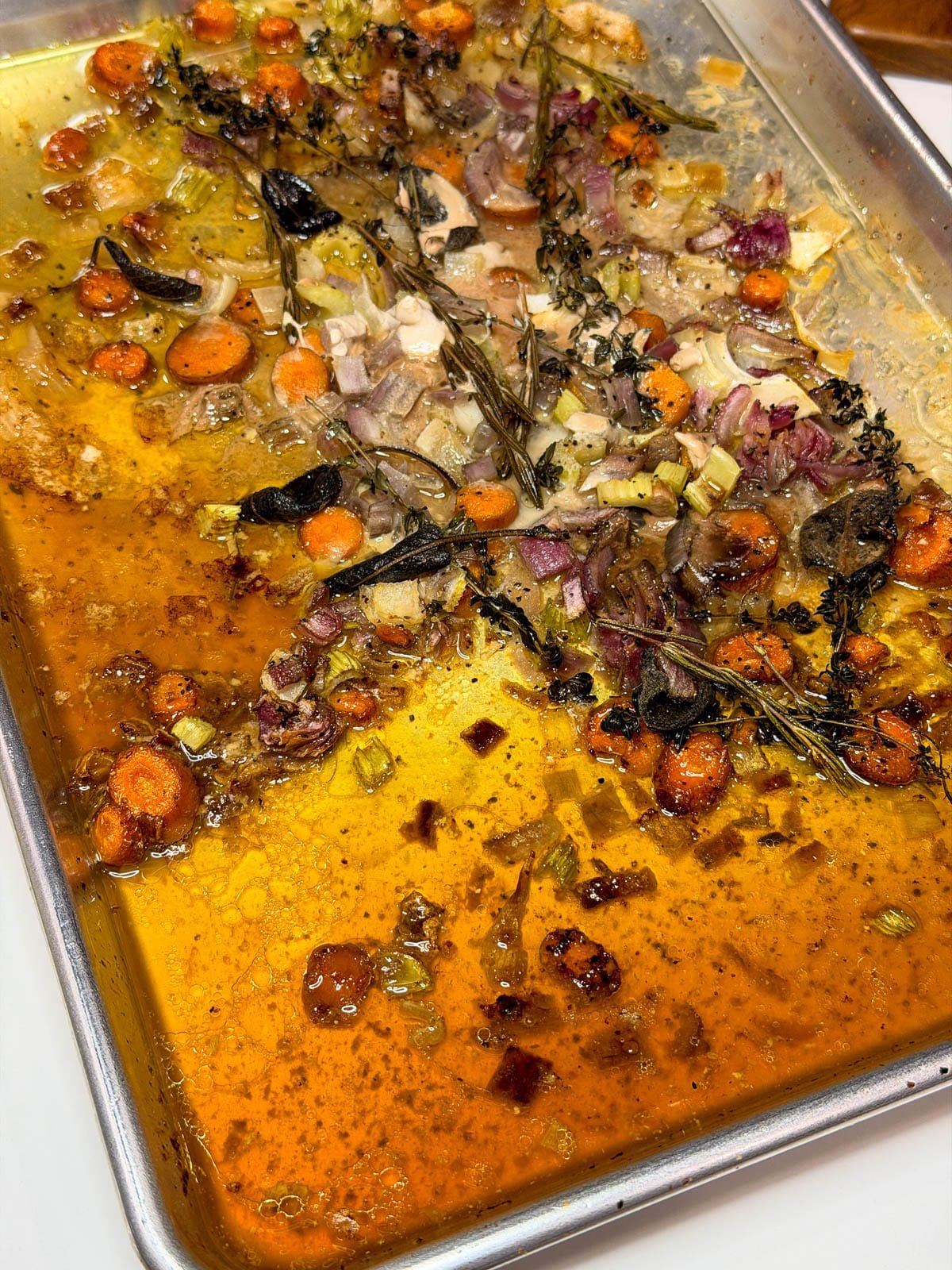
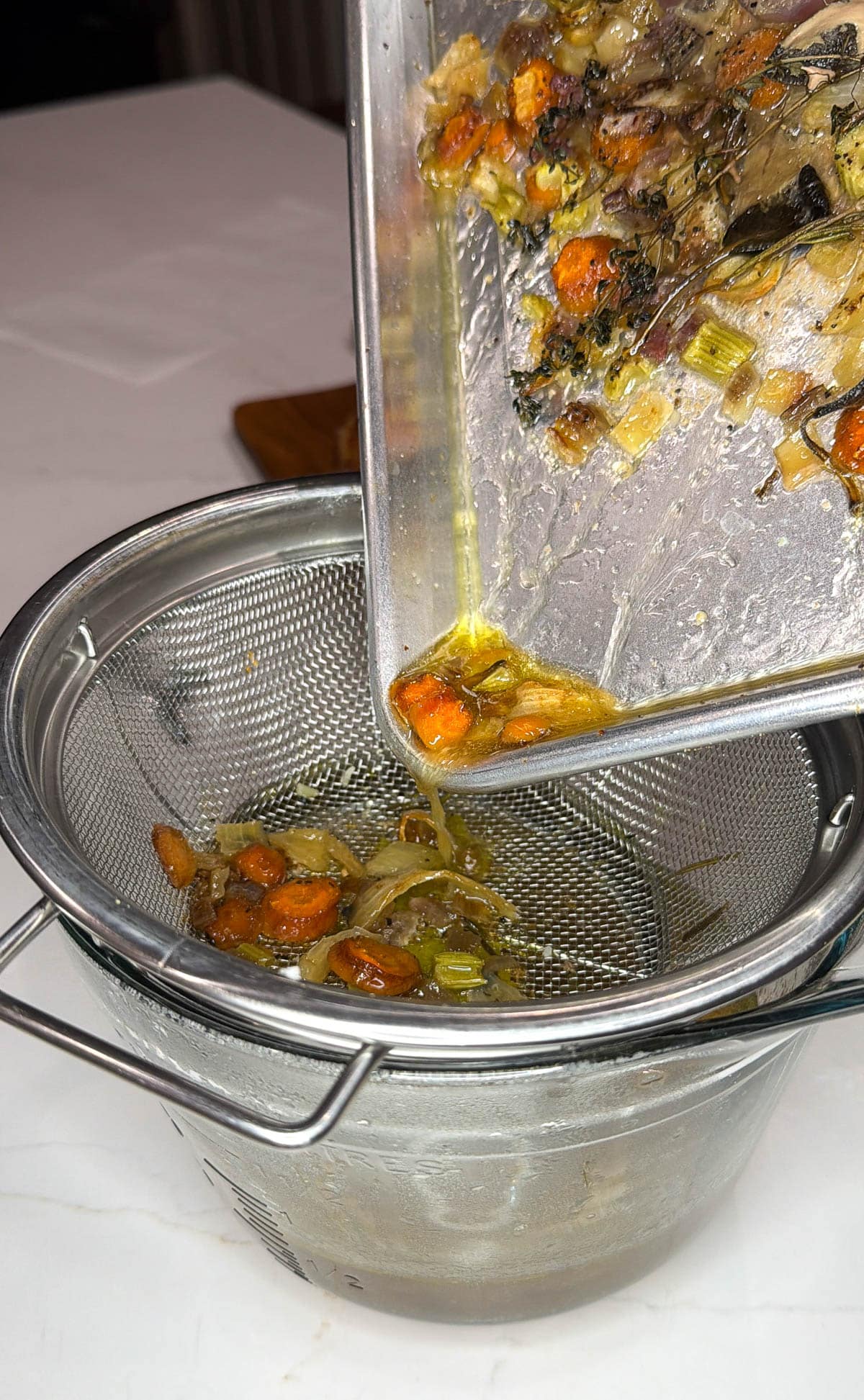
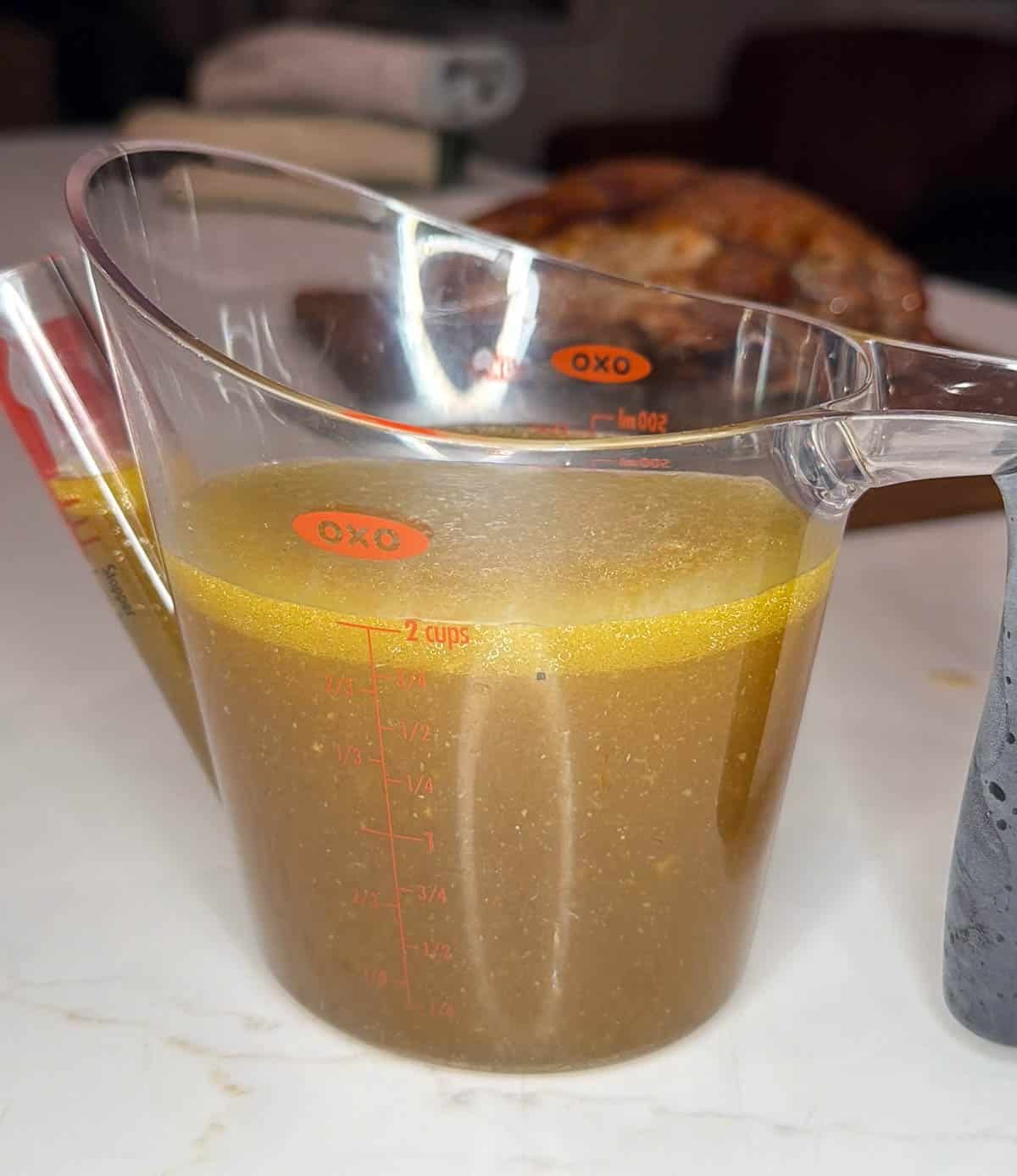
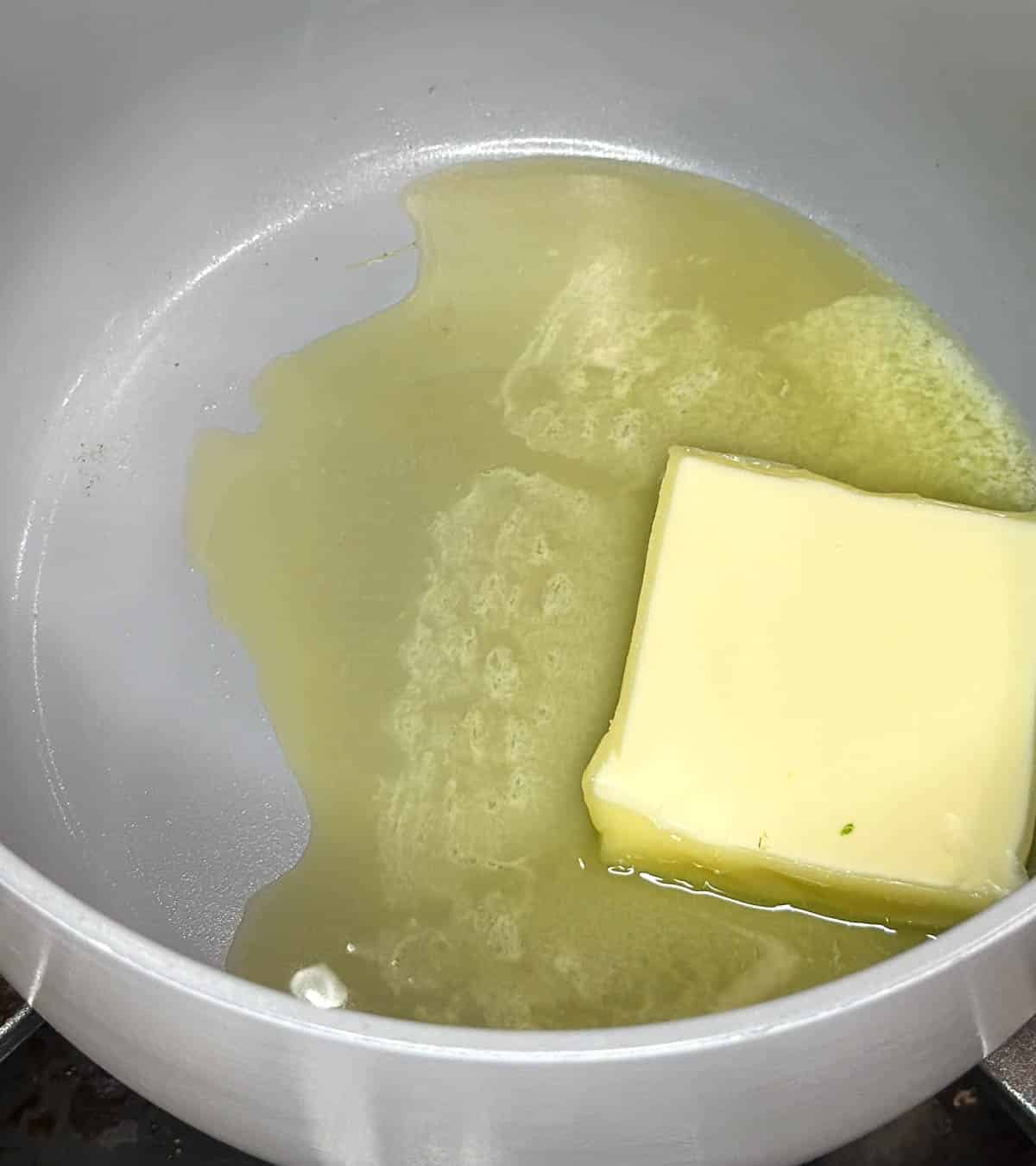
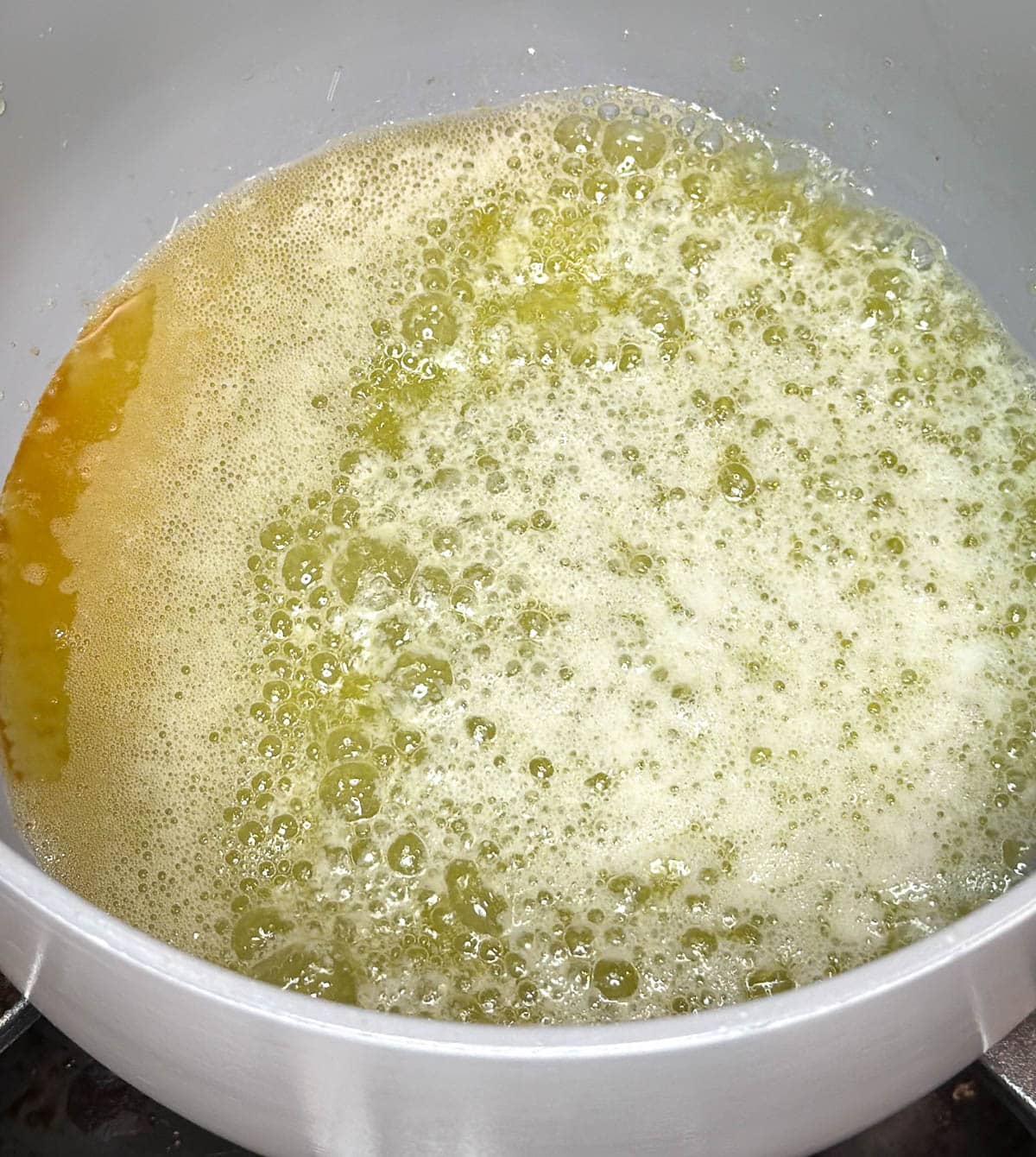
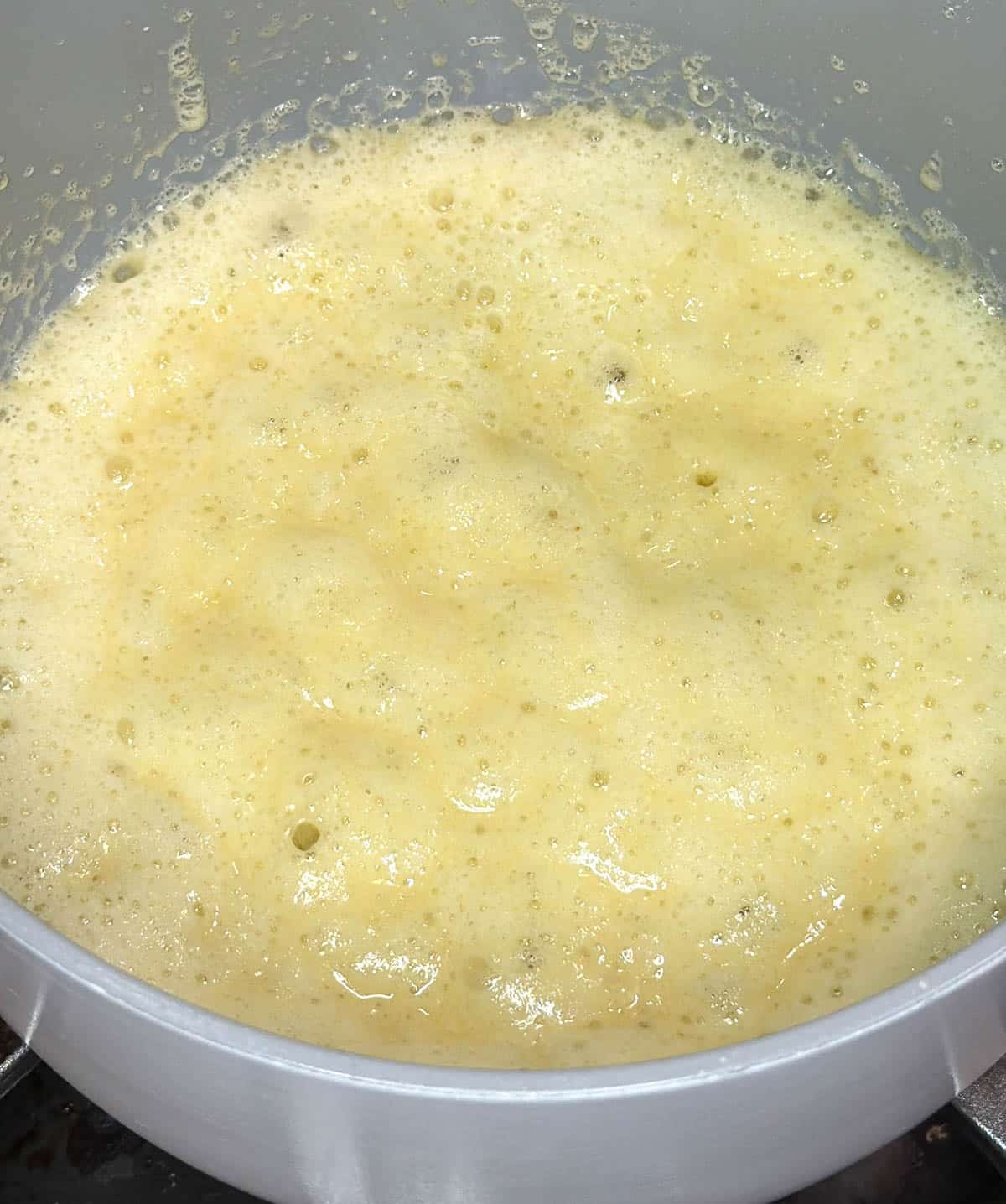
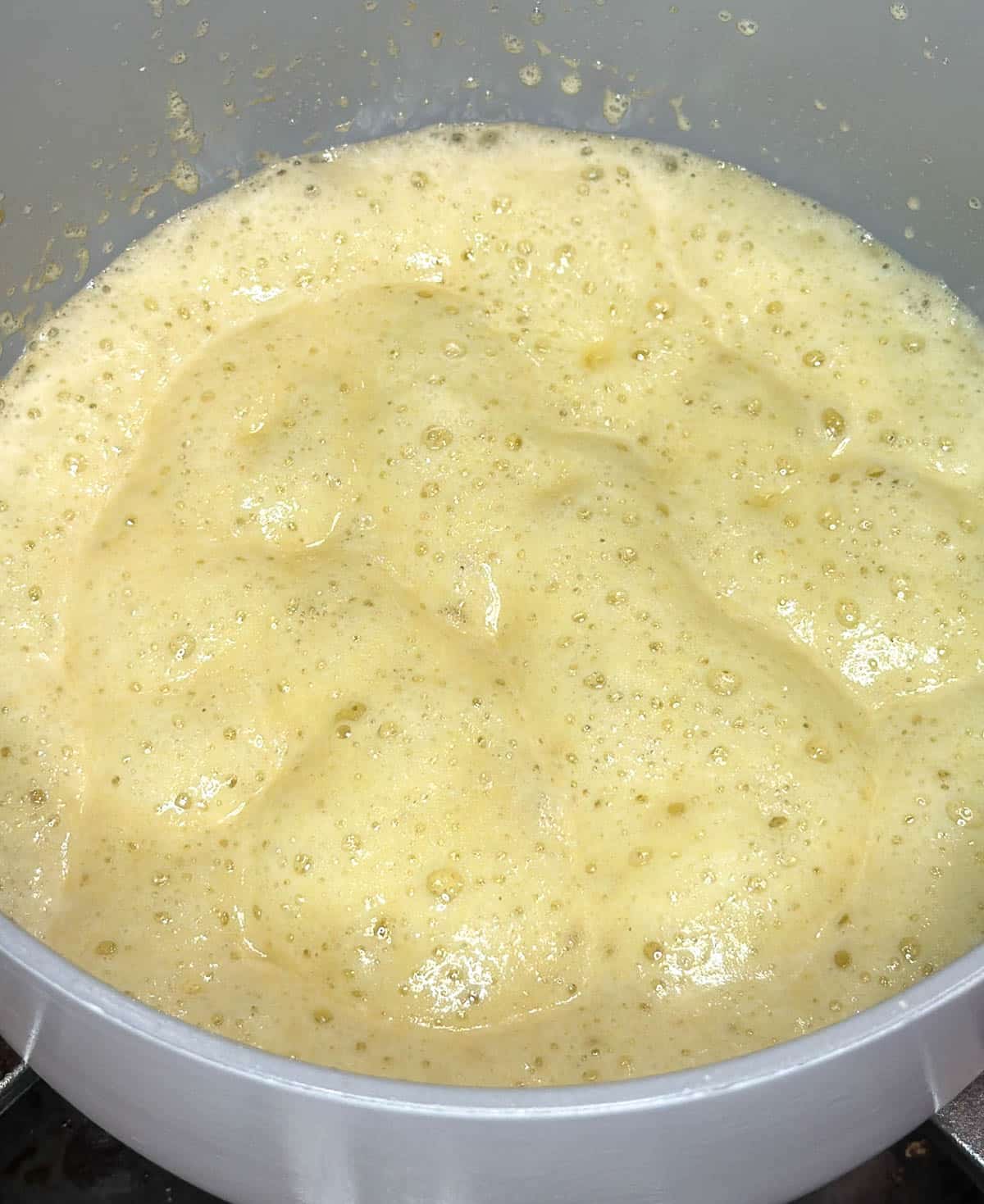
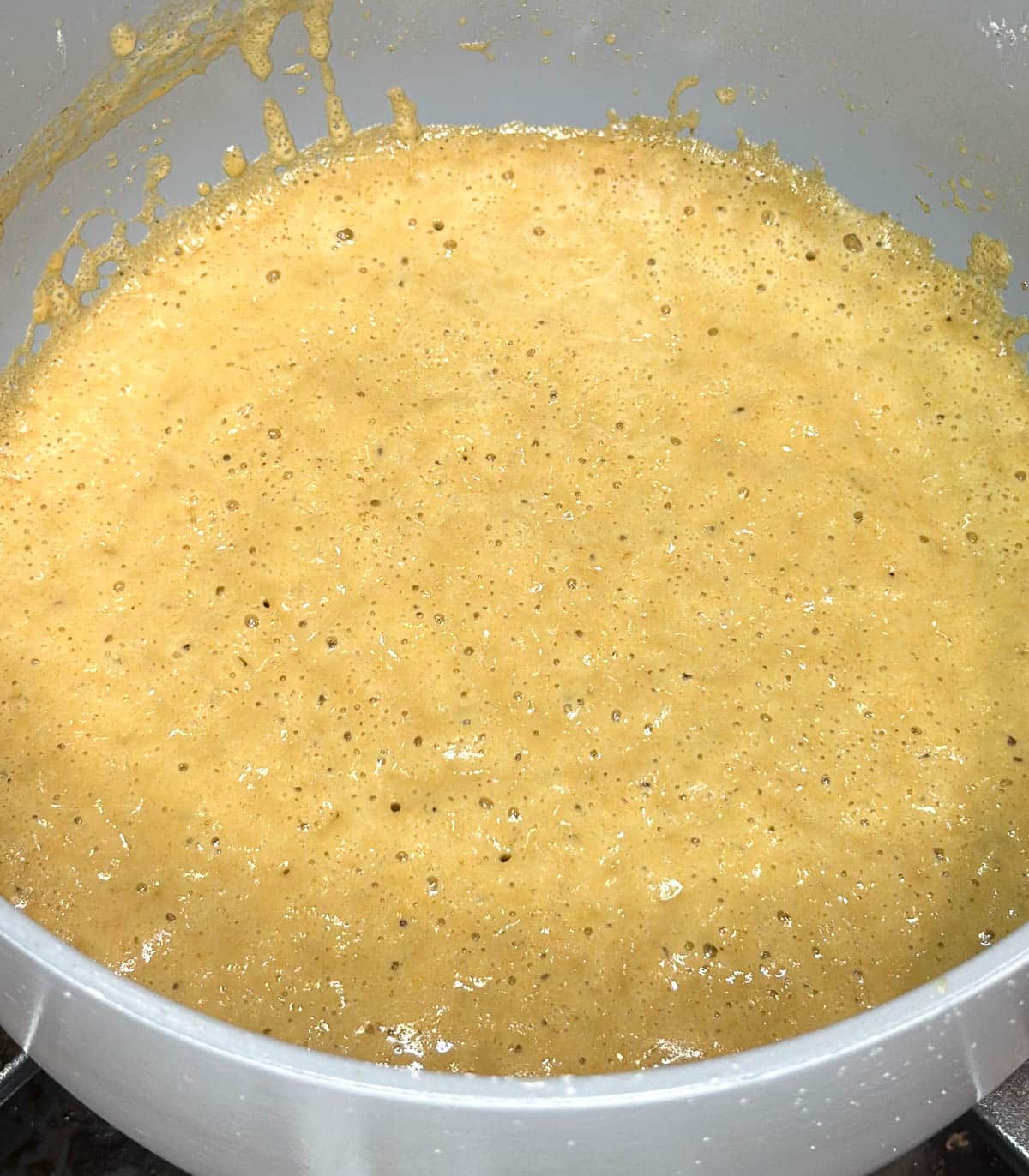
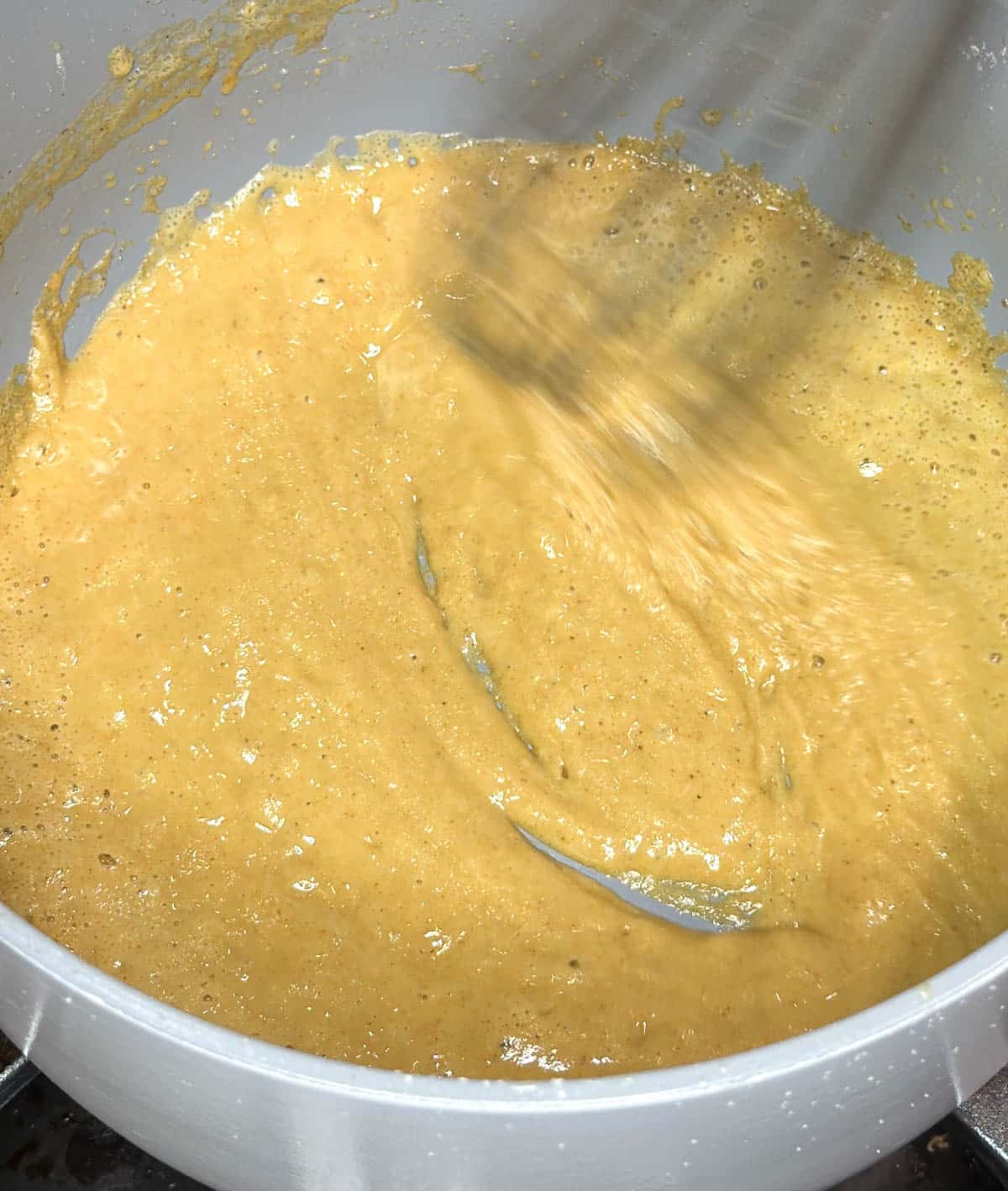
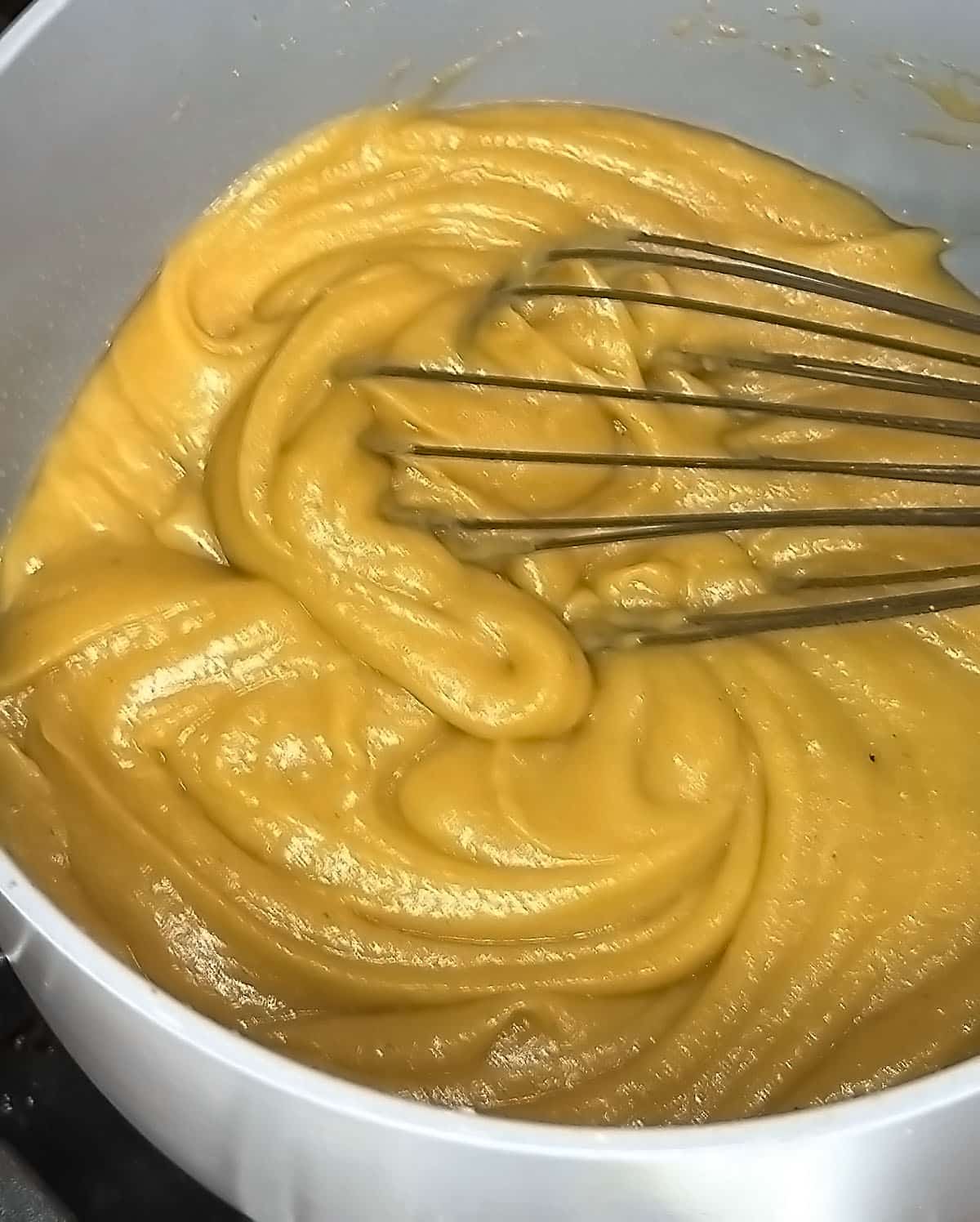
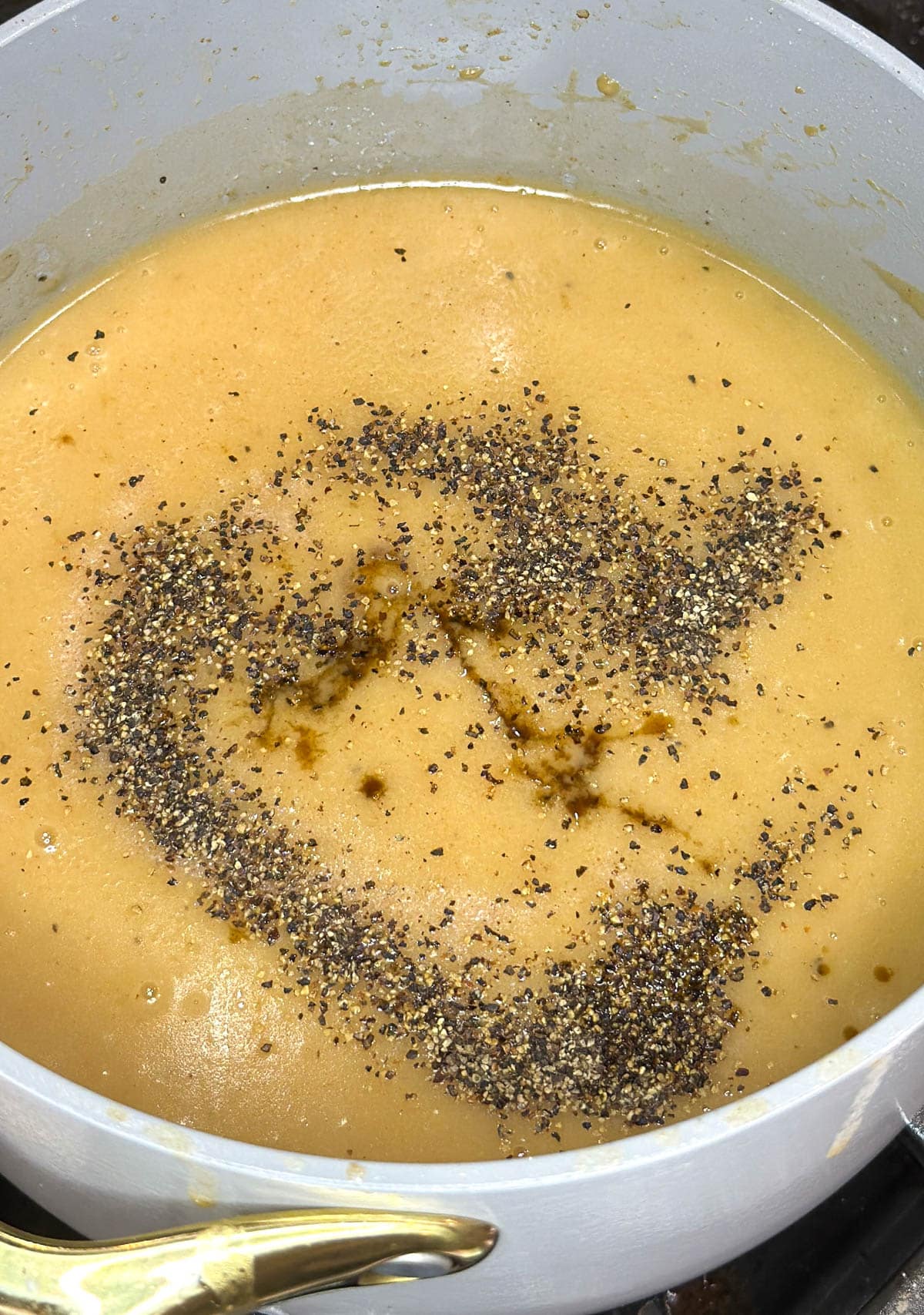
- Place the broth and turkey drippings in a dripping separator to allow the fat to settle at the top.
- Heat the butter in a saucepan over medium heat.
- Add the flour and cook for 1 minute until the mixture resembles wet sand.
- Add a place of the broth and cook until it bubbles while whisking constantly.
- Keep adding in small amounts of broth while whisking until you’ve added it all.
- Season to taste.
Frequently Asked Questions
Gravy usually becomes lumpy when the broth is added too quickly. Whisking constantly and adding the warm broth in small amounts helps the roux absorb the liquid smoothly and prevents lumps from forming.
If your gravy thickens too much, whisk in a little warm turkey broth or water, a splash at a time, until it reaches your desired consistency.
Let the gravy simmer uncovered for a few extra minutes to reduce and thicken naturally. You can also whisk together a small slurry of cornstarch and cold water and add it gradually until thickened.
Yes! Turkey gravy can be made 1–2 days in advance and stored in an airtight container in the refrigerator. Reheat gently on the stove, whisking and adding a splash of broth if needed.
No. While drippings add extra flavor, this recipe still works beautifully with homemade turkey broth alone if you don’t have drippings available.
Yes, turkey gravy freezes well. Let it cool completely, then store in a freezer-safe container for up to 3 months. Thaw in the refrigerator and reheat gently while whisking.
Recipe
Ingredients
- leftover turkey ribs, breastbone and neck
- 4 cups water
- 2 tablespoons butter
- ¼ onion diced
- 1 carrot chopped
- 1 rib celery chopped
- fresh thyme, rosemary, sage.
- salt and pepper to taste
Instructions
- Melt two tablespoons of butter in a medium saucepan over medium high heat.
- Place the ribs with meat and breast bone in the butter and brown on all sides.
- Add in a small sprigs of the rosemary, sage, and thyme.
- Cover with water and allow to simmer for one hour while the turkey is cooking.
- Place the broth and turkey drippings in a dripping separator to allow the fat to settle at the top.
- Heat the butter in a saucepan over medium heat.
- Add the flour and cook for 1 minute until the mixture resembles wet sand.
- Add a place of the broth and cook until it bubbles while whisking constantly.
- Keep adding in small amounts of broth while whisking until you’ve added it all.
- Season to taste.
Notes
- Make-Ahead Instructions: Turkey gravy can be made 1–2 days in advance and stored in an airtight container in the refrigerator. Reheat gently on the stove, whisking and adding a splash of broth if needed.
- Freezer Instructions: Turkey gravy freezes well. Let it cool completely, then store in a freezer-safe container for up to 3 months. Thaw in the refrigerator and reheat gently while whisking.