

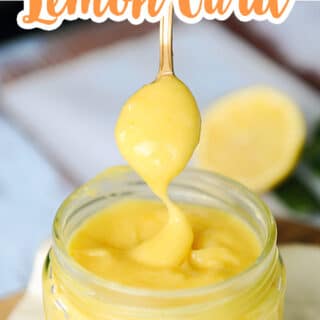

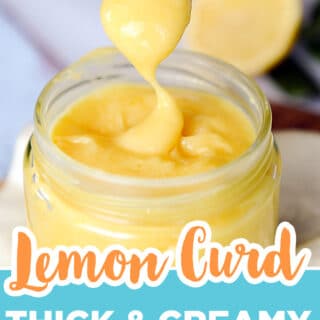
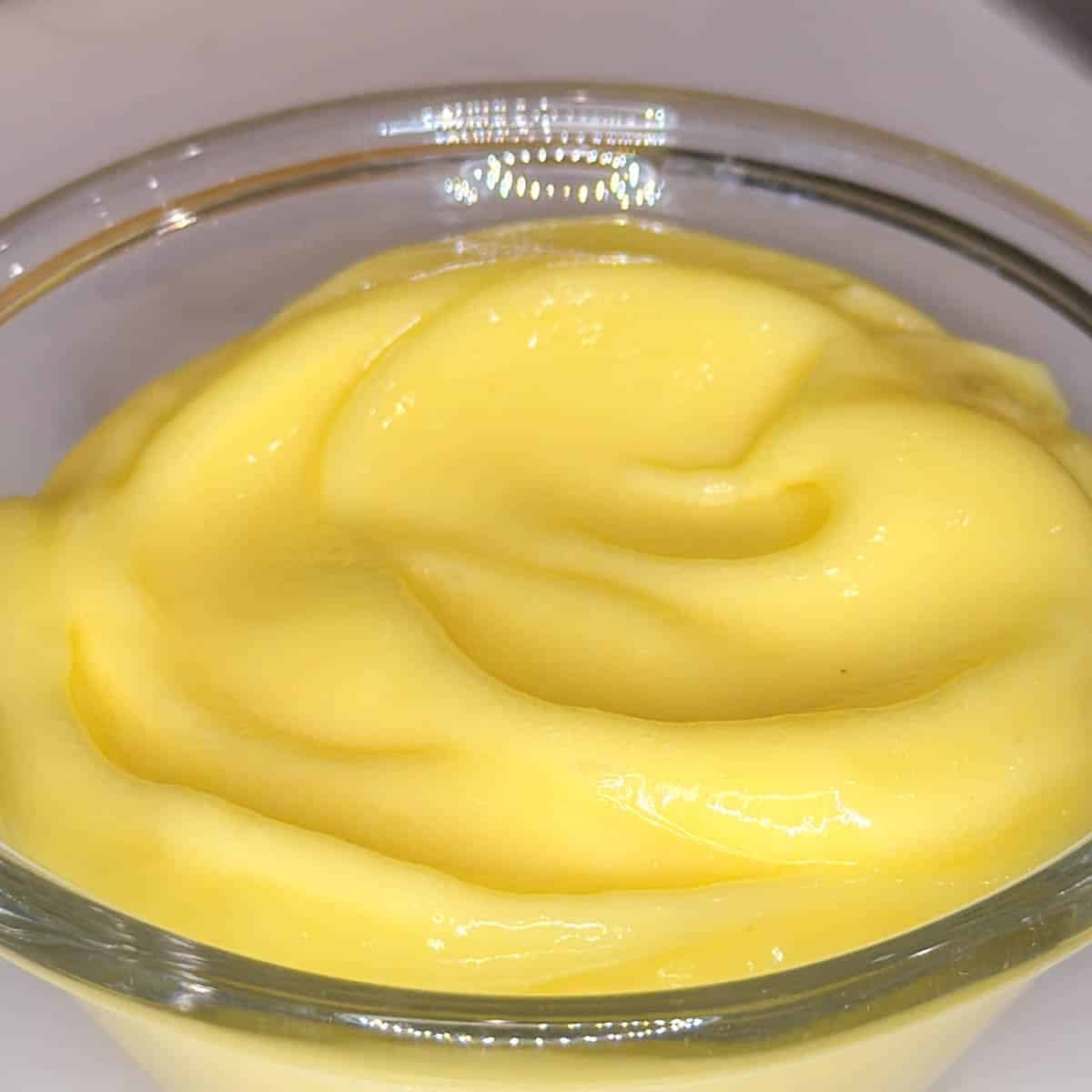
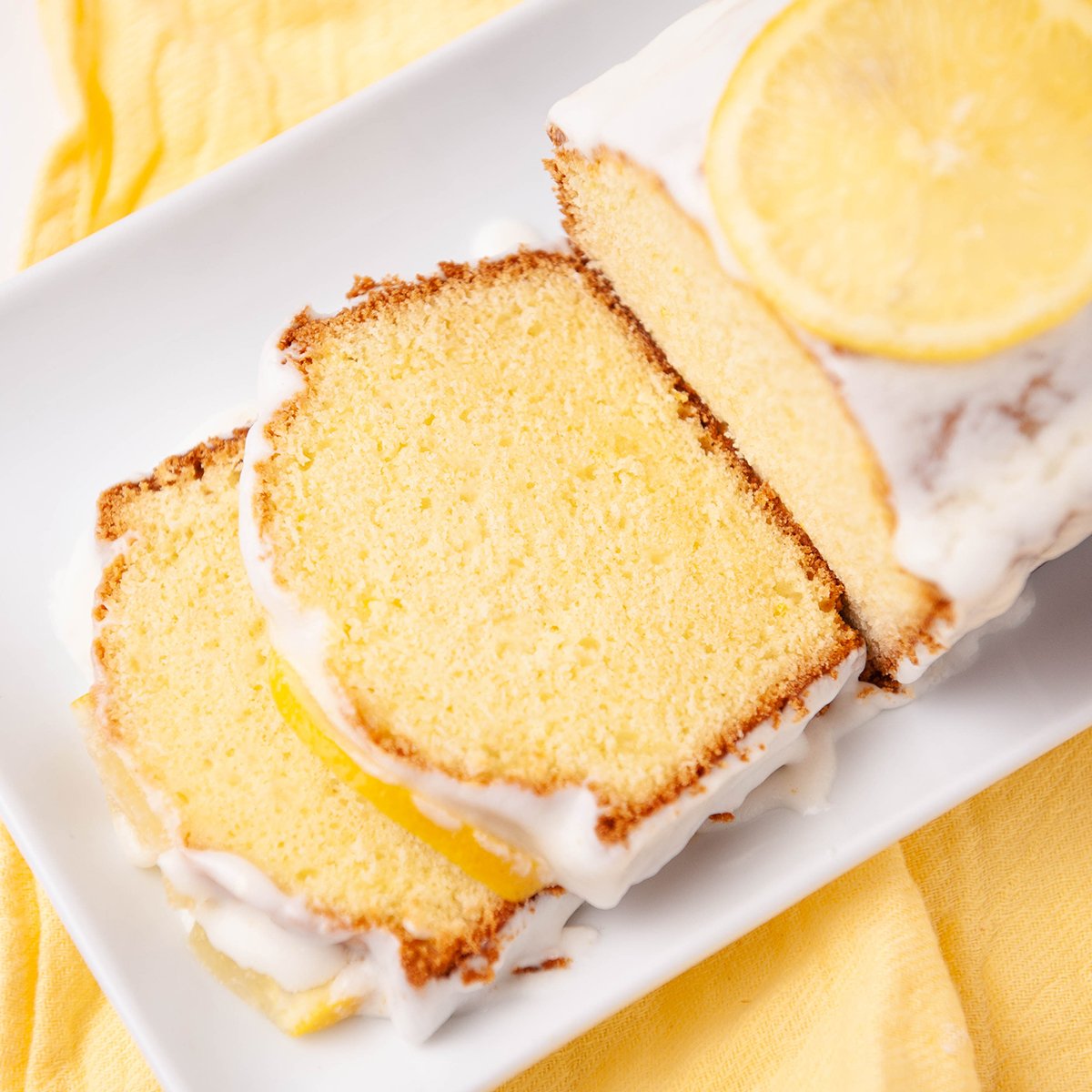
This lemon curd is all about bold, bright lemon flavor, and it comes together in about two minutes once it starts cooking. I developed it specifically to use as the filling in my lemon cake recipe, and it's bright, tart, and not overly sweet.
Quick Glance: Lemon Curd Recipe
- Recipe Name: Lemon Curd Recipe
- Why You'll Love It: This lemon curd is bright, tangy, and not overly sweet, with a bold lemon flavor.
- Time and Difficulty: Easy to make and comes together in about 2 minutes once it starts cooking.
- Main Ingredients: Fresh lemon juice, lemon zest, citric acid, whole eggs, egg yolks, sugar, butter, and salt.
- Method: Whisk the lemon curd over simmering water until thickened, then whisk in the butter for a silky-smooth lemon curd.
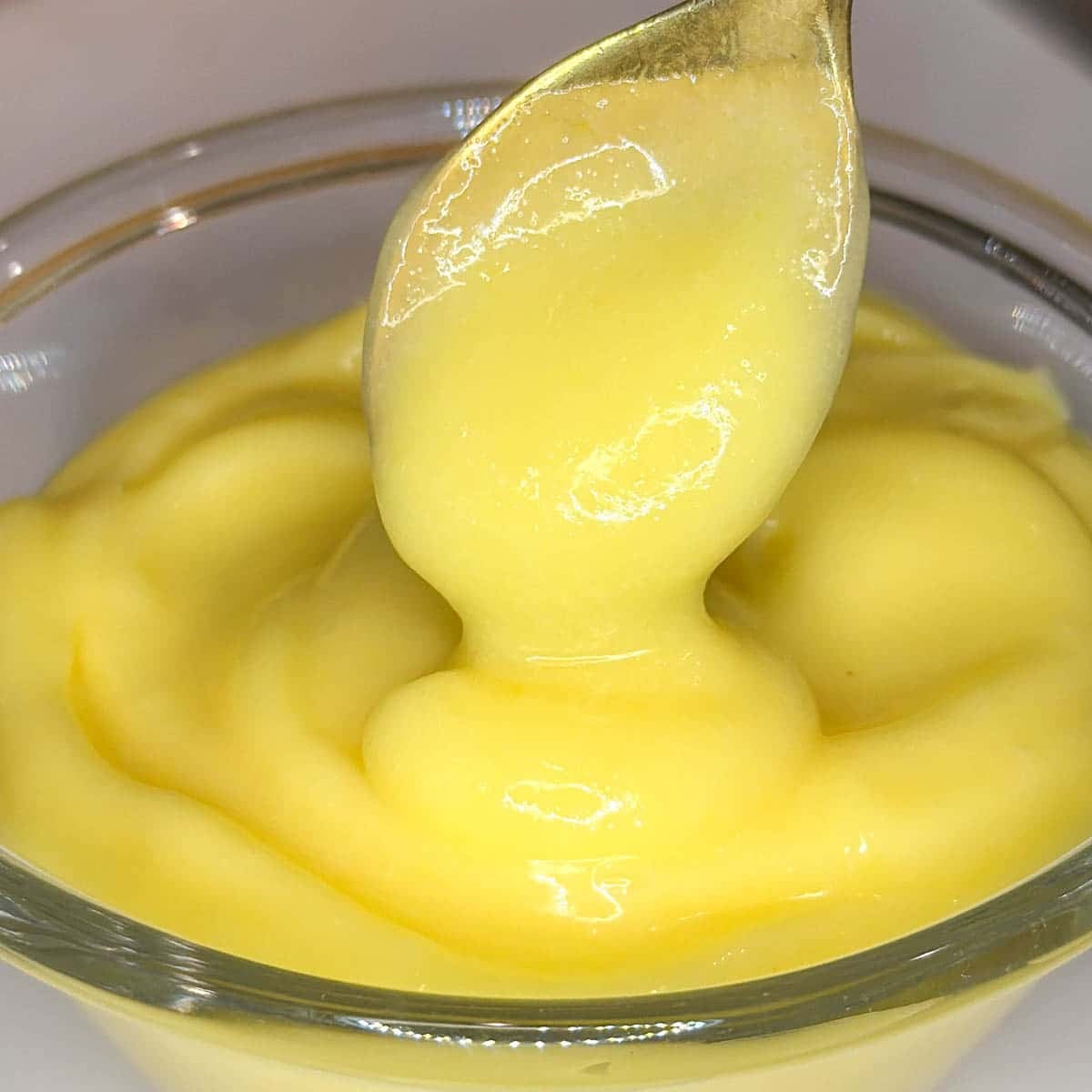
- Texture and Flavor: Smooth, creamy, thick, and perfectly tart with a strong, fresh lemon flavor.
- Quick Tip: Cook the curd to 175°F for the perfect thickness to use as a filling.
Jump to:
If you've only ever had super-sweet, one-note lemon curd before, this version is completely different. It's fresh, tangy, and actually tastes like real lemons.
You might be intimidated by the idea of making your own lemon curd from scratch but I promise it's super easy! If you're like me, you end up with leftover egg yolks pretty often from making a white cake or macarons. In fact, I think lemon curd might have been invented specifically to use up those leftover egg yolks.
Lemon Curd Ingredients
I'm not a big fan of super-sweet lemon curd. I like mine to be pretty tart. If you do like sweeter lemon curd, you can add one or two more ounces of sugar and adjust the sweetness to your taste. I learned how to make this lemon curd when I was attending the Culinary Institute of America and I loved how easy it is to make and how thick it is.
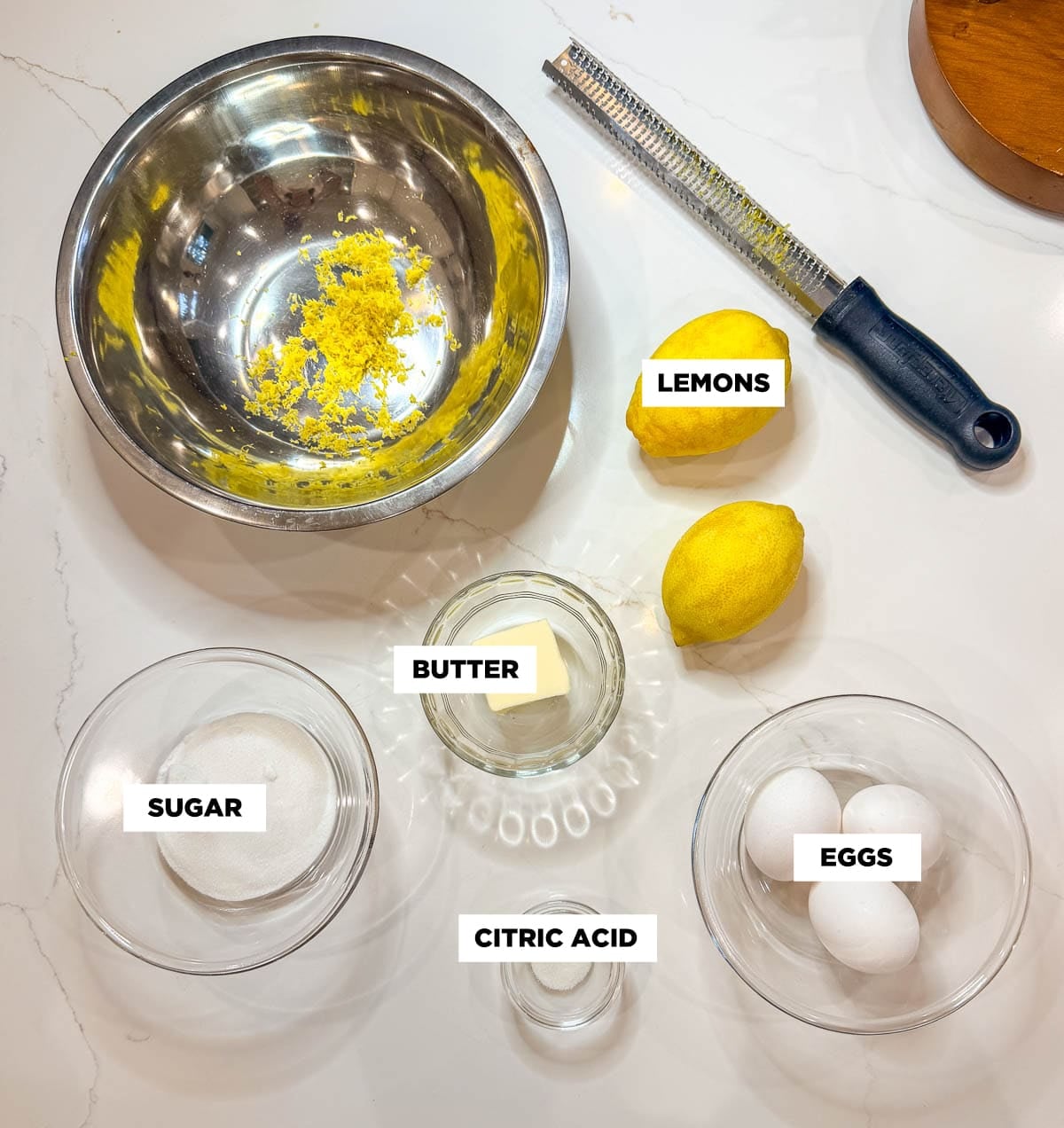
Fresh lemon juice - provides the main bright, tangy flavor - fresh is best, but bottled will work in a pinch.
Lemon zest - adds concentrated lemon oil flavor and makes the curd taste more intense - do not skip this because it makes a big difference. Lemon flavor comes from the zest, not the juice.
Citric acid - boosts the tartness and enhances the lemon flavor without adding more liquid - you can leave it out if needed, but the flavor will be slightly less punchy.
Eggs - add richness, color, and creaminess - using both eggs and yolks gives the best texture. The eggs are what thicken the lemon curd.
Granulated sugar - balances the acidity and sweetness - you can adjust slightly if you prefer a sweeter curd.
Salt - enhances the overall flavor and balances the sweetness - just a small amount is needed.
Butter - adds a smooth, creamy finish and richness - unsalted butter is best, so you can control the salt level. The more butter you add to your curd, the thicker your final lemon curd will be.
How To Make Lemon Curd Step-By-Step
Making lemon curd is very simple, but you do need to stay nearby and whisk continuously so the eggs do not overcook.
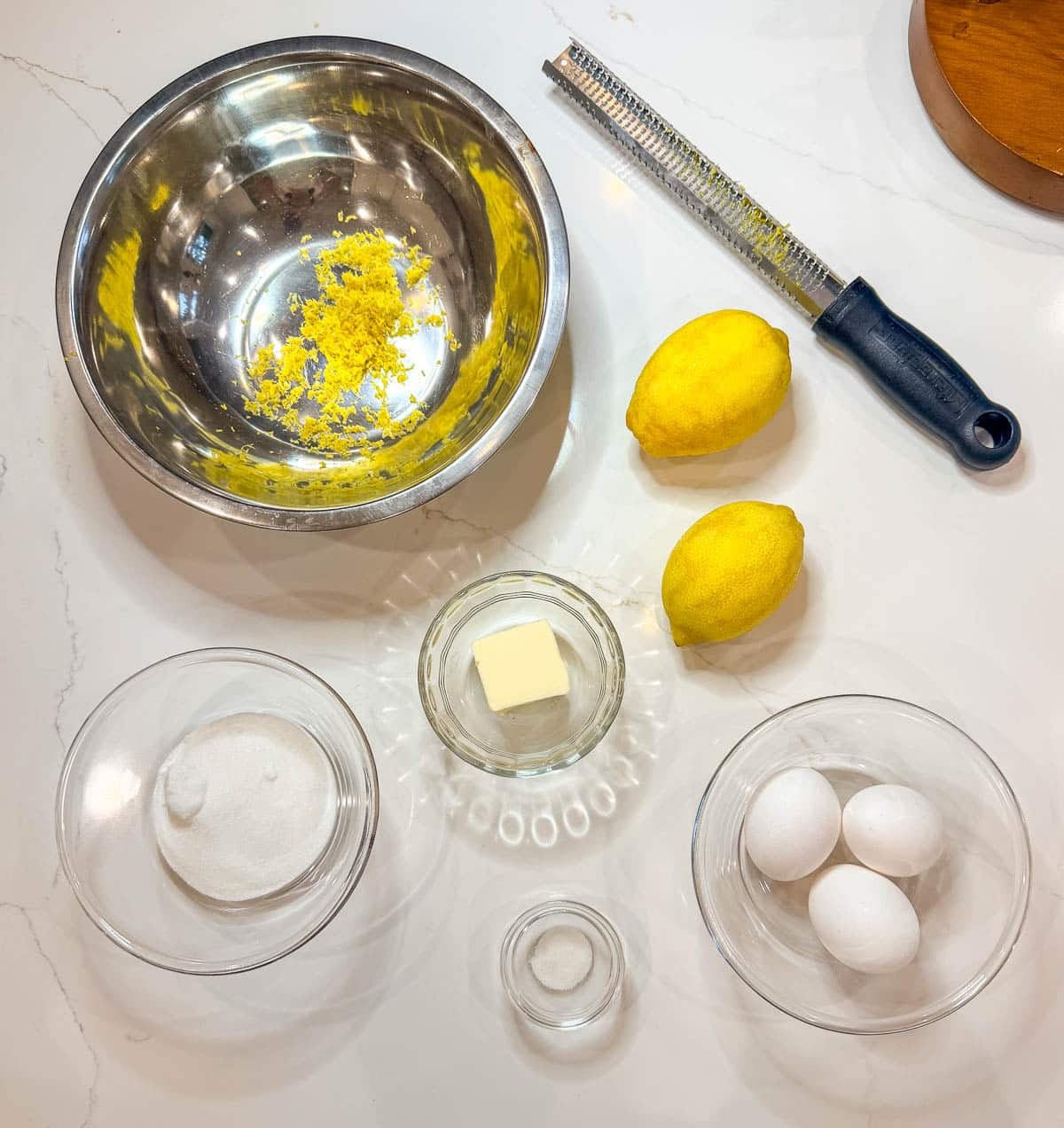
- Start by zesting your lemons with a microplane and setting the zest aside. Make sure you avoid the white pith because it is bitter and can affect the flavor of your curd.
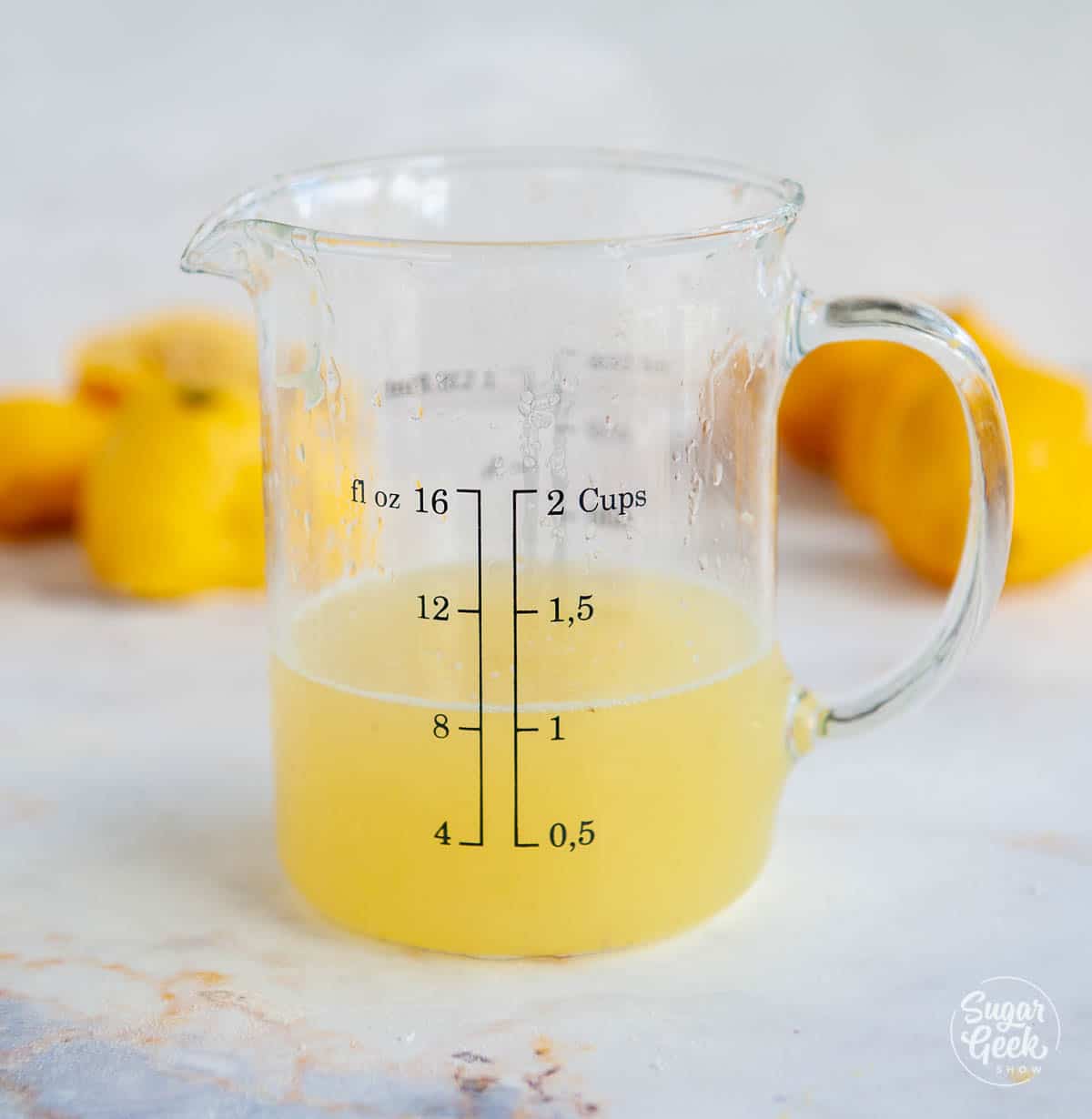
- Cut the lemons in half and juice them into a measuring cup, making sure to remove any seeds.
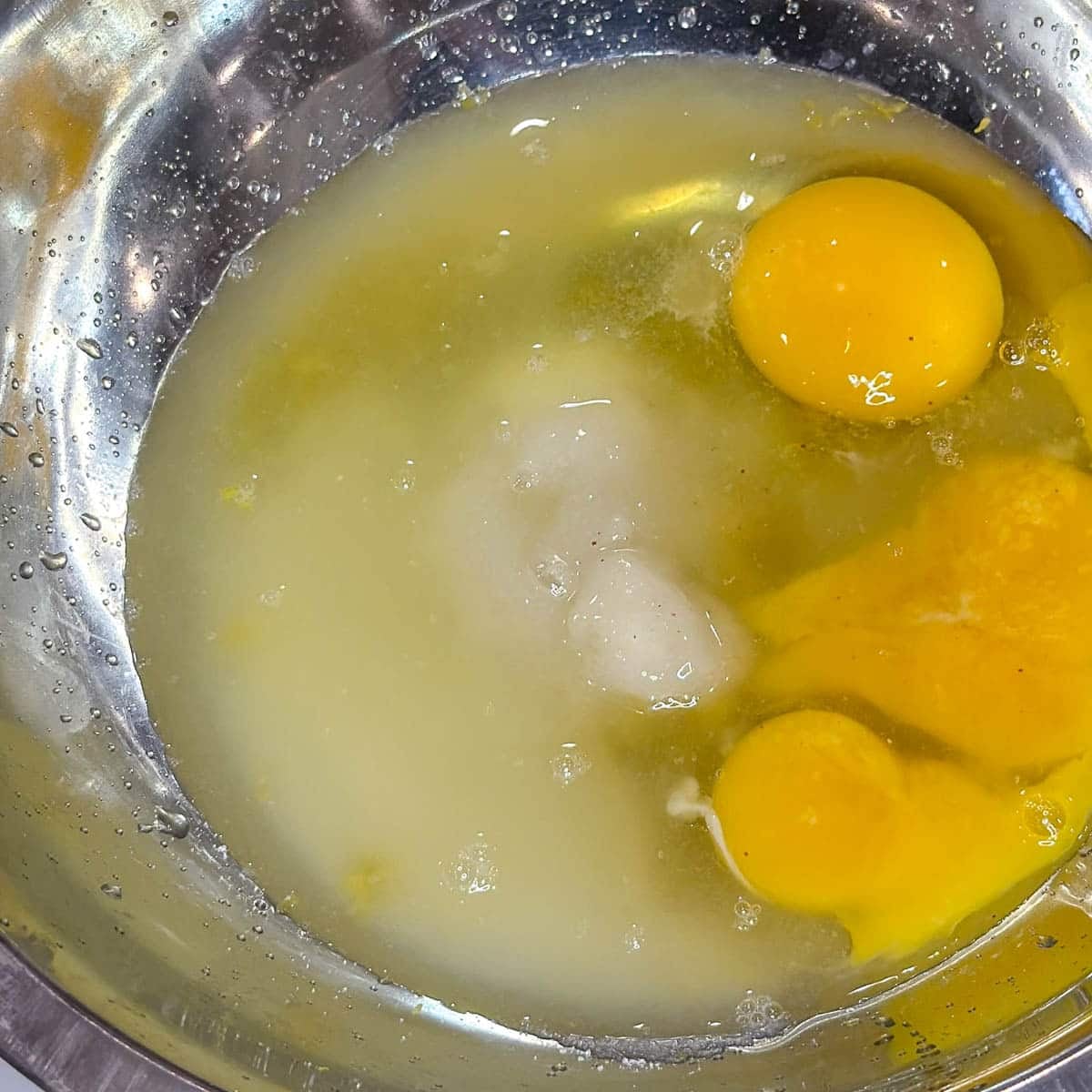
- In a heat-proof bowl, whisk together the whole eggs, egg yolks, sugar, citric acid, lemon juice, and salt until the mixture is smooth and fully combined.
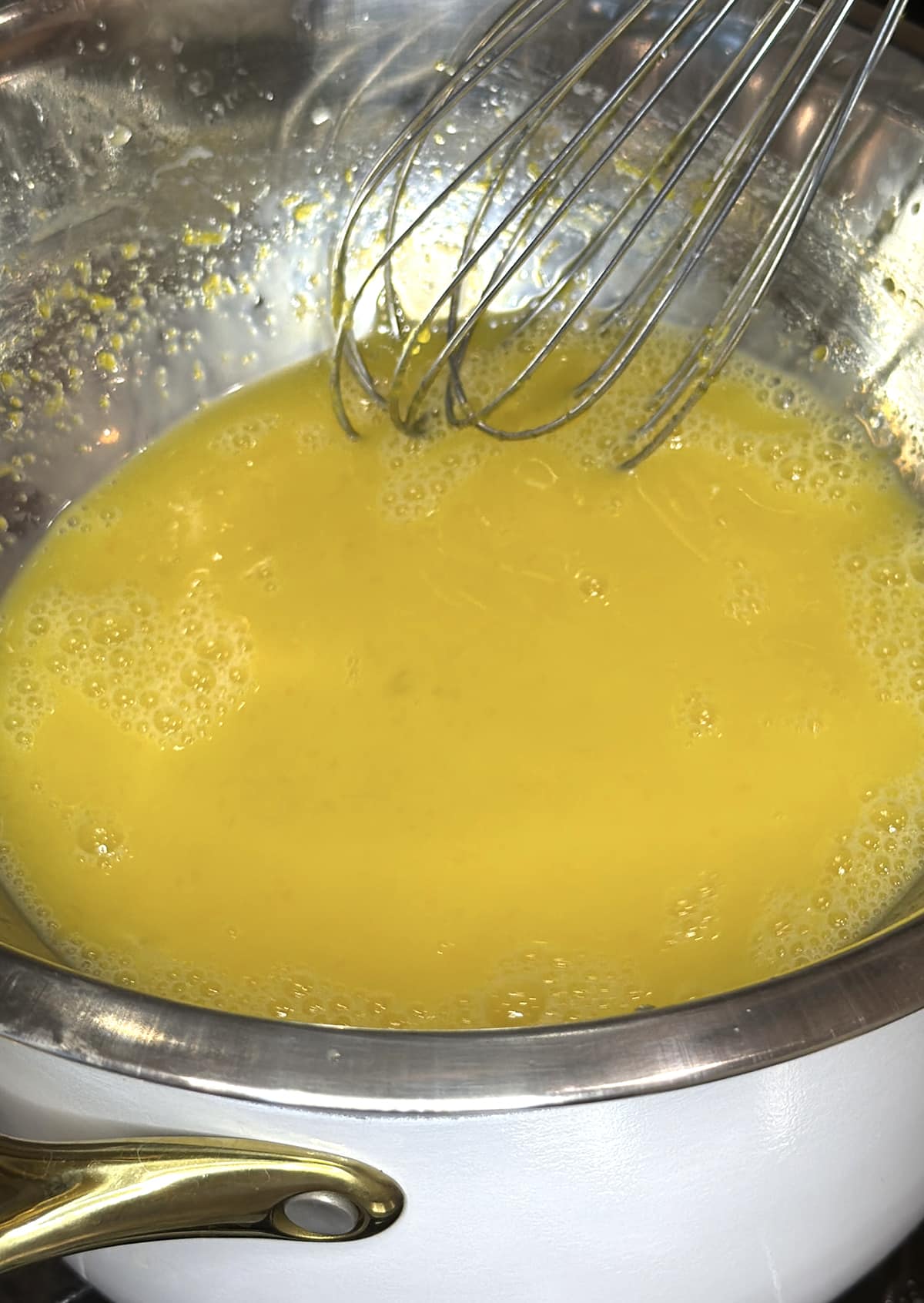
- Place the bowl over a saucepan of simmering water and begin whisking.
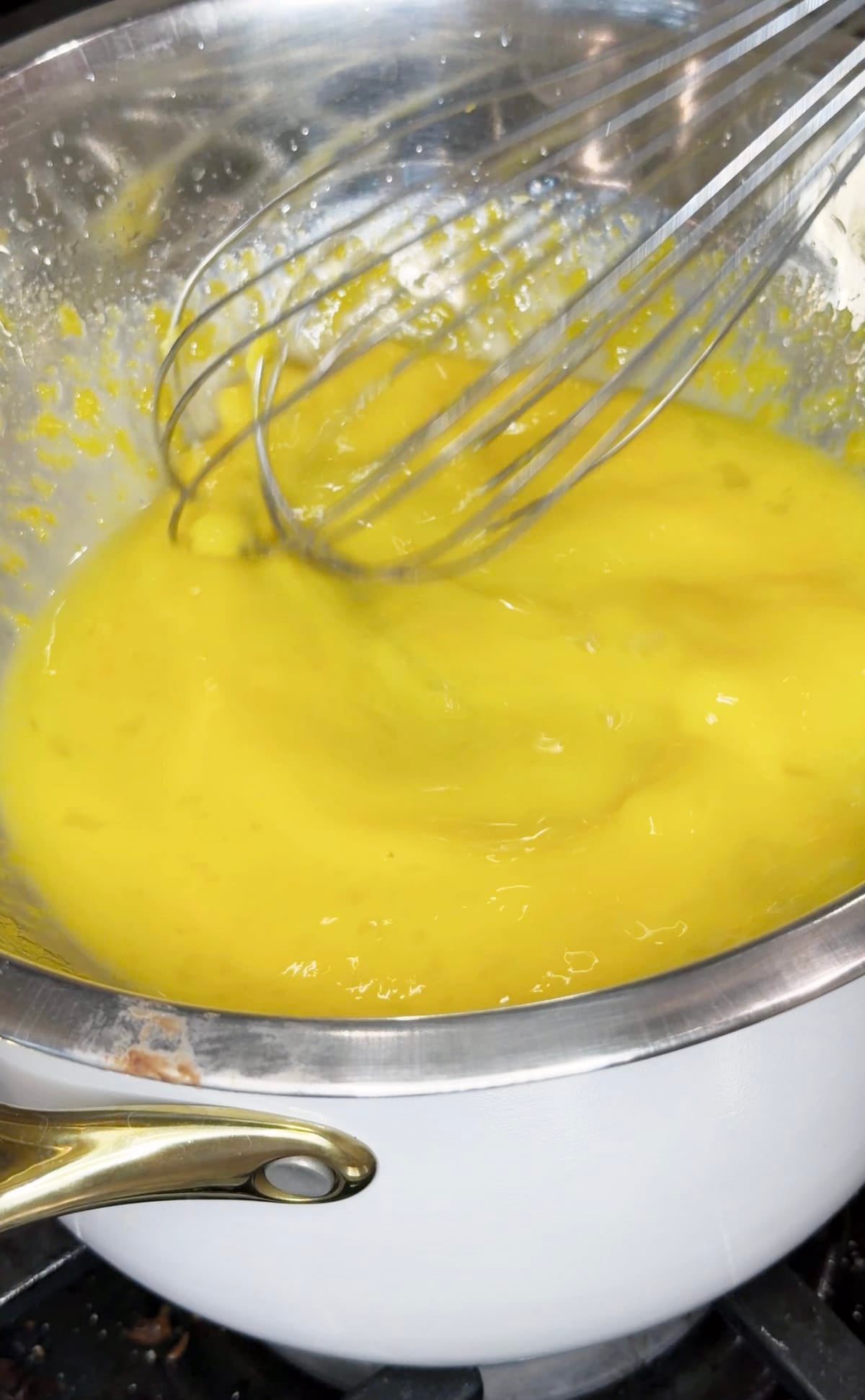
- After about a minute, the mixture will begin to foam and thicken.
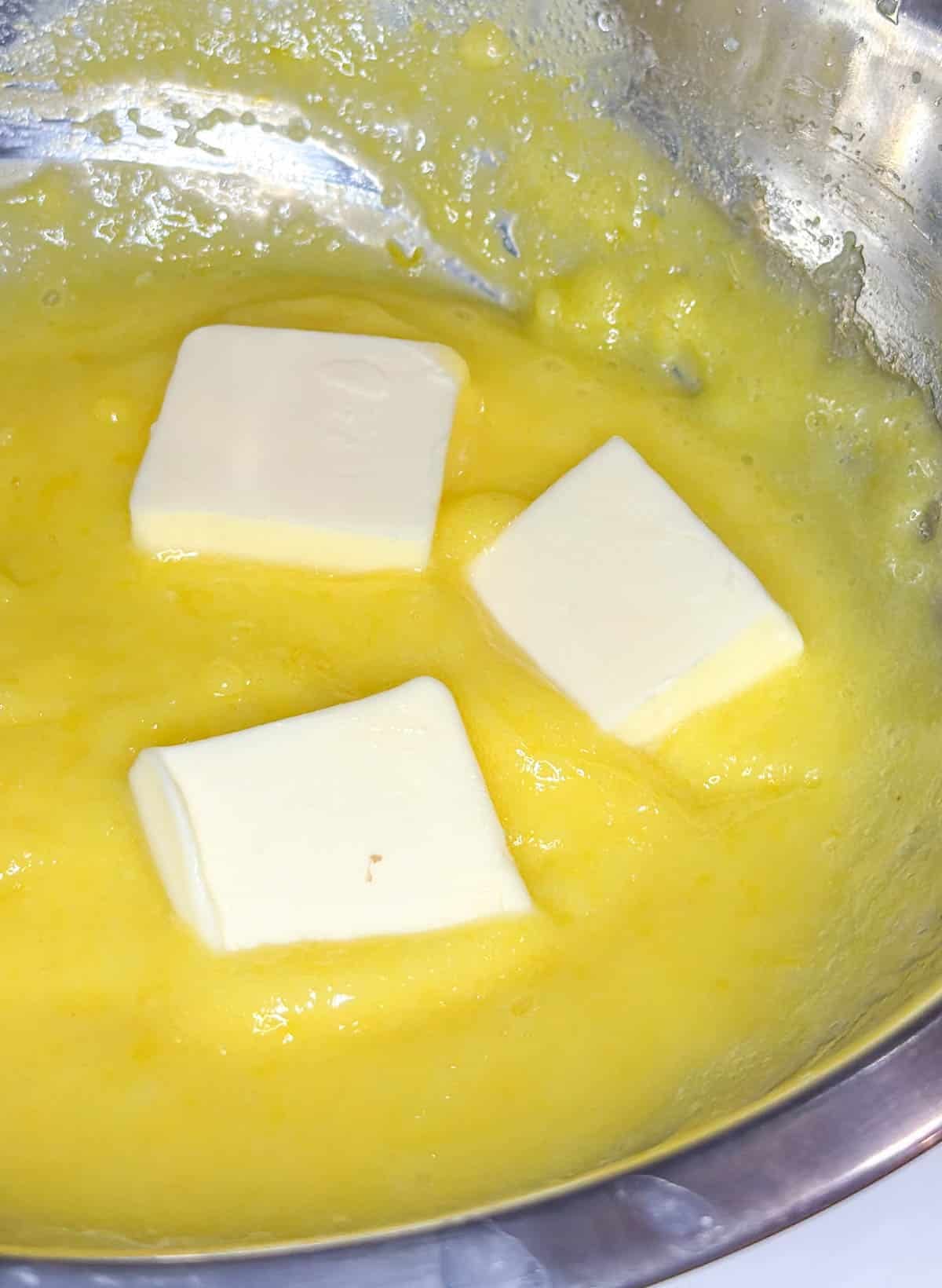
- Once the mixture thickens and you reach 175ºF, remove the bowl from the saucepan and whisk in the cold butter.
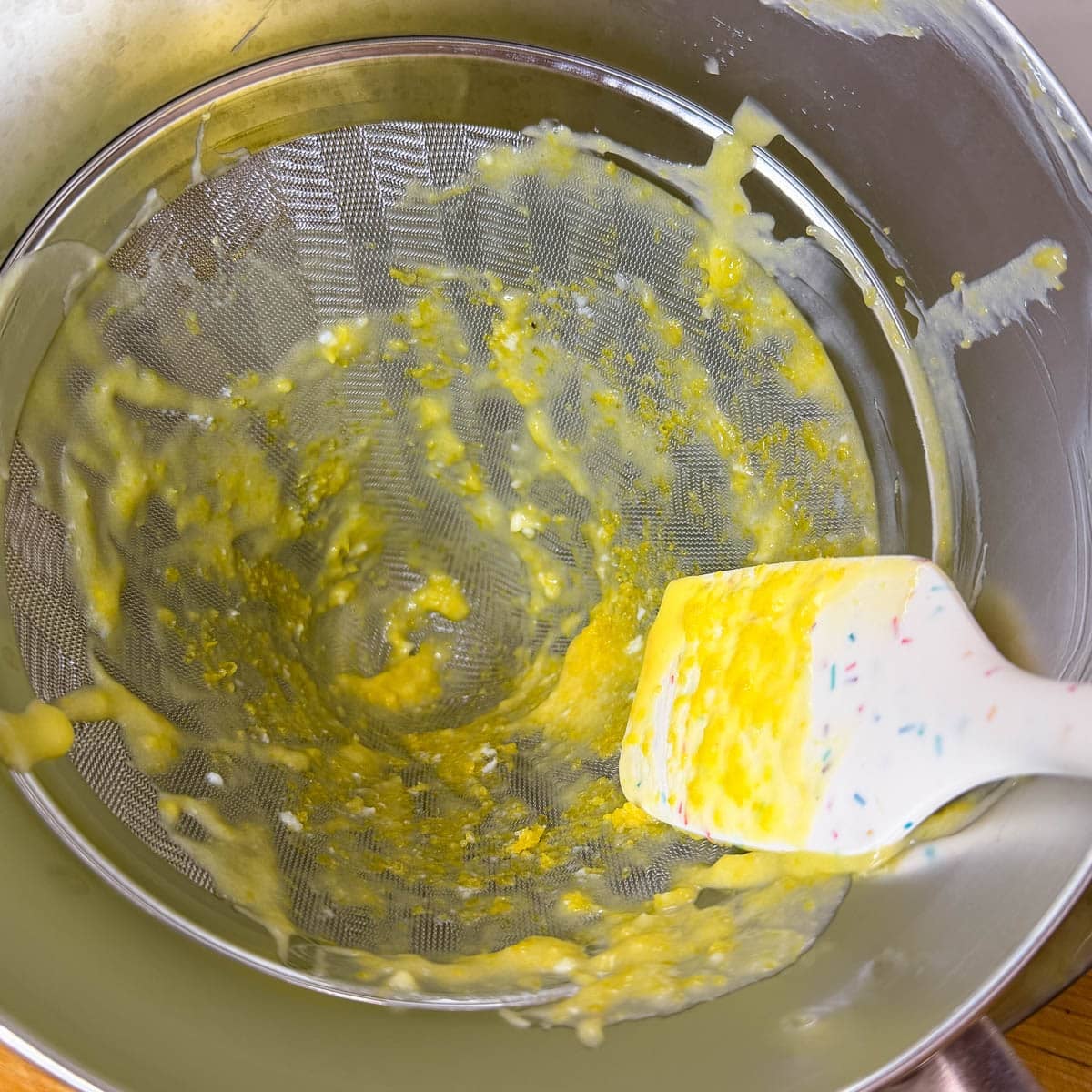
- Optional: Strain the lemon curd through a sieve to remove the lumps of lemon zest and any bits of cooked egg for a super silky texture.
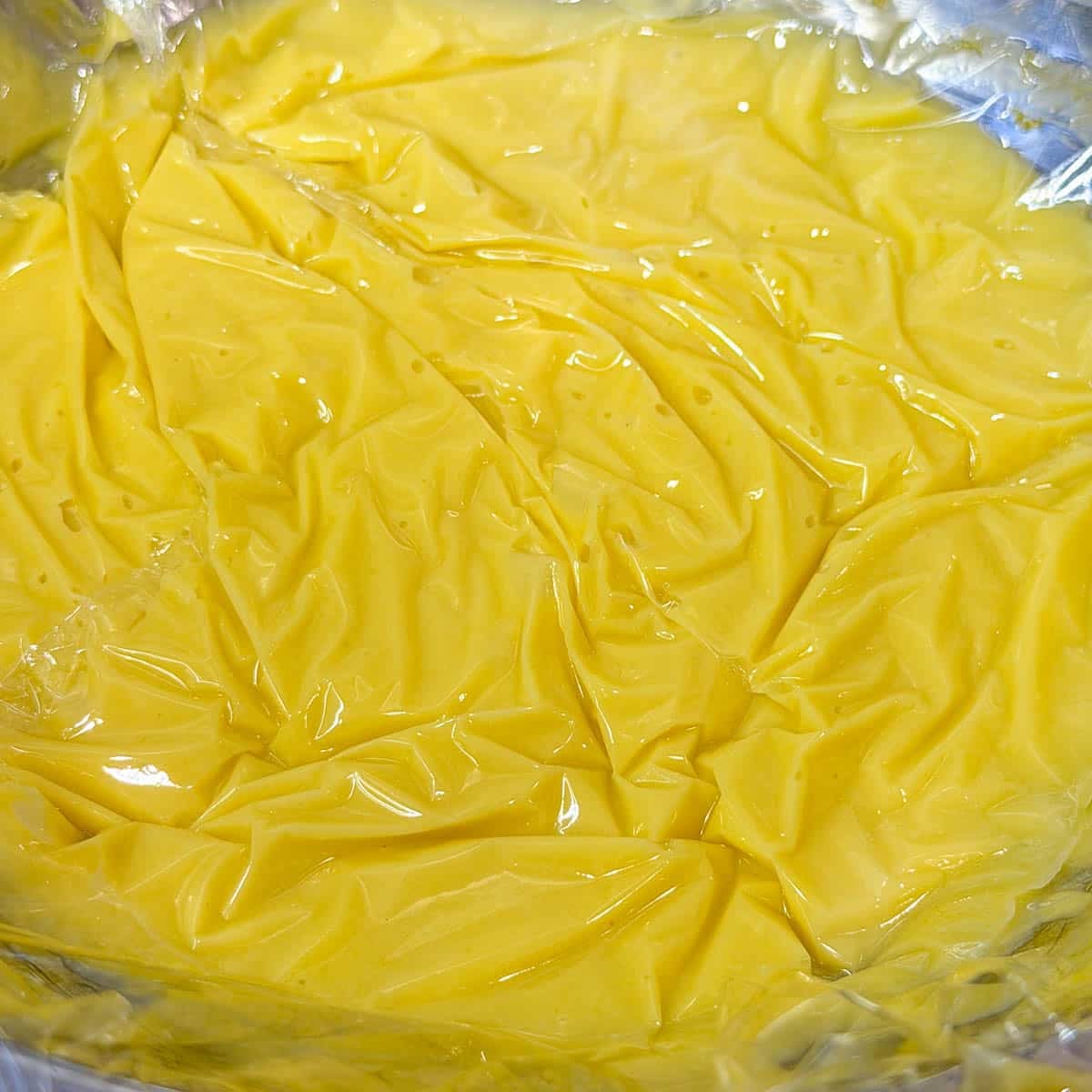
- Place some plastic wrap on the lemon curd and refrigerate it for a minimum of one hour or overnight before use.
Lemon Curd FAQs
Yes, you can leave out the citric acid, but it will slightly reduce the intensity of the lemon flavor. The citric acid helps give the curd that extra bright, tangy punch.
Using both gives you the best texture because the whole eggs provide structure while the extra yolks add richness and creaminess.
Yes, this recipe is specifically designed for that. Just make sure it is cooked to at least 175°F and always use a buttercream dam to keep it from leaking out.
Yes, you can mix about half a cup of lemon curd into buttercream to add a bright lemon flavor.
This can happen if you use a low-quality metal pan because the acid from the lemons reacts with the metal. Using a better-quality pan or a double boiler can help prevent this.
Yes, lemon curd freezes very well and can be stored for up to six months.
If your curd has small lumps, you can strain it through a fine mesh sieve to remove them and make it smooth again.
Final Thoughts
This is the exact lemon curd I use in my lemon cake because it has the perfect balance of tart flavor, smooth texture, and stability. It's quick to make, incredibly flavorful, and one of those recipes you will find yourself using over and over again.


Leave Me A Review
⭐️⭐️⭐️⭐️⭐️
If you tried this Lemon Curd Recipe or any other recipe on my blog, please leave a 🌟 star rating and let me know how it goes in the comments. I love hearing from you!
Recipe
Ingredients
- 3 ounces lemon juice
- 2 Tablespoons lemon zest from two lemons
- 3 ounces sugar
- 1 large egg
- 2 large egg yolks
- 1 pinch salt
- 1 pinch citric acid
- 2 ounces butter
Instructions
- Zest the lemons, then slice them in half and juice them into a measuring cup. Use a small colander or a lemon juicer to keep out any seeds.
- Add your lemon juice, granulated sugar, and lemon zest and citric acid to a large, shallow metal bowl over a simmering pot of water.
- Stir constantly until the mixture reaches 170ºF and begins to thicken.
- Remove the mixture from the heat and add the butter in chunks on top and allow it to melt.
- Once the butter is melted, you can mix it all together. Strain the mixture if you have small chunks of egg that need to be removed.
- Pour the finished lemon curd into a heat-proof jar or bowl. Cover the curd with plastic wrap so that it is touching the surface of the curd without any air bubbles in between, this will prevent a skin from forming on the top of the curd. Store it in the fridge for up to one week or freeze it for up to a year.
Video
Notes
- Whisk constantly while cooking to prevent the eggs from scrambling and to ensure a smooth, creamy texture.
- Do not let the lemon curd boil, because high heat can cause the eggs to curdle and create a grainy texture.
- Use fresh lemon juice and zest for the best flavor, since bottled juice will taste dull and less vibrant.
- Straining the curd is optional, but it will give you a perfectly silky texture and remove any bits of cooked egg or zest.
- Add the butter after removing the curd from the heat so it emulsifies properly and creates a smooth finish.
- If your curd seems too thin, continue cooking it gently until it reaches 170-175°F, which is when it fully thickens.
- The lemon curd will thicken more as it cools, so do not overcook it trying to make it thick right away.
- Store the lemon curd in the refrigerator for up to one week in an airtight container.
- Place plastic wrap directly on the surface of the curd while cooling to prevent a skin from forming.
Nutrition


Aliyah says
Hey Liz,
Do you think it could be possible to make this without a thermometer? Thanks 😊
Elizabeth Marek says
Definitely but you have to just go by how thick it looks visually 🙂
Alethea says
Hi Liz,
Is it 8 fluid OZ or 8 OZ on the scale? I made a batch and seem to have had some issues with a lot of air bubbles in mixture. Any tips or advice?
The Sugar Geek Show says
8 ounces is weight, not in a measuring cup. Just gently stir the curd or let it sit overnight for the bubbles to dissapear
Nicky says
How do you use lemon curd for a drip cake? Do you add water/oil? Do you heat? Thank you.
The Sugar Geek Show says
I just drip it since its very soft already but you could warm it a bit
Shannon Rhodes says
Well, now I have a new favorite thing. This is wonderful! My son has been asking for a lemon cake, which i baked this morning following your recipe, and I can't wait to see his face when he has a slice of it with this filling!
I also had an issue with it not thickening enough. Once it had cooled completely, and I knew it was as set as it would get, I put it back into the double boiler, added just a pinch more of corn starch and slowly reheated it back to 170. It thickened up perfectly. I think I may have done it all too fast the first time.
Excuse me know, while I go make curd from all the fruits............
The Sugar Geek Show says
Haha I do the same thing with the cornstarch. Sometimes I just get too impatient!
Jeanine Rieff says
Liz, you mentioned lemon meringue pie. As a senior in high school I took a home economics class. We were learning how to make lemon meringue pie. I wasn’t so much into baking back then but I made the pie. That night was Open House at school and the home ec teacher said she was bringing in a professional pastry chef to judge everyone’s pies. Guess who won 1st place?? Yep! It was me! I was surprised but it didn’t matter so much at that time. And that was the last time I ever made lemon meringue pie! Now, I think I’ll try my hand at it again!
Carla says
Can 8 oz of key lime juice be substituted for lemon juice to make key lime curd?
Thanks!
The Sugar Geek Show says
absolutely and YUM!
Kathy says
Is the lemon juice "fresh squeezed" lemon juice or bottled lemon juice?
Thank you
The Sugar Geek Show says
Either is ok!
Lori-Jean Kjartanson says
Liz, I made your recipe a couple months ago as I wanted to try canning yours. It is delicious and tart with the zest after 2 months. Canning is fabulous with your recipe. I made sure to fill them right to the top, stored them in my pantry and staring at heaven ❤❤❤❤❤
The Sugar Geek Show says
Oh that's good to know! I never though of canning the lemon curd
shelley says
what type of pan do you use to avoid the metallic taste?
thanks
Stephanie says
I am looking to make your unicorn cake but my daughter wants a lemon filling between the layers. After reading the lemon curd I’m afraid it wouldn’t be structurely sound to use on this project. Any suggestions?
The Sugar Geek Show says
I put lemon curd between cakes all the time, just use a damn to make sure it doesn't ooze out the sides
Nina T says
This is the best recipe EVER!!! It goes so well with the lemon cake recipe as it should. It’s so easy to make to which is a plus.
The Sugar Geek Show says
Thanks so much! It's a favorite of mine for sure
Bea says
Love the recipe, I had to turn the temp up just a bit more to get it on up to temp but then it was perfect. It definitely wasn't to thin as soon as it gets to 160°
Liz Marek says
Thank you for sharing that tip!
Mitzi says
So delicious! It took a while for it to get to the correct temp, but once it did and cooled, it set perfectly!
The Sugar Geek Show says
Yes that last 10 degrees is a killer lol! But worth it!
jennifer says
I’ve had the same issue with it not congealing. This is the second time that i’ve tried the recipe. I weighed the lemon juice the second time and it didn’t help. ?
The Sugar Geek Show says
Are you using a thermometer? Once the eggs are warm enough it's done. When it cools it get's thicker as well as the butter cools.
Dana Bertagna says
I had a super hard time getting it thick enough. Is the 8 ounces of lemon juice one cup or 8 ounces on the scale? I think maybe I put too much lemon juice. Flavor is great.
Lori says
8 oz of lemon juice. Weighing ingredients, especially Liz's recipes, it is important to weigh them to achieve the flavors, texture and the end results.
Kim O says
Is this shelf stable in a cake? Or does it need to be refrigerated?
The Sugar Geek Show says
According to SERVsafe practices, no more than 4 hours at room temperature but according to my friend who is a french pastry chef lemon curd is self preserving due to the high acidity and sugar. The warmer it gets the thinner it gets though so you might consider keeping it mostly chilled for stability
Mar says
That's correct about SERVSafe as here in the US we refrigerate our eggs, butter and milk but places like France they don't. So when they make it, they don't have to but we should. Now if you do it like you were canning, you'd be fine but once you open the jar you've canned then you refrigerate it.