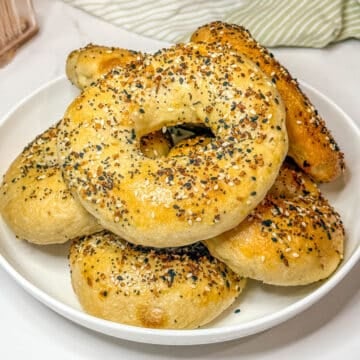

If you have a sourdough starter, you have a jar of sourdough discard recipes waiting to happen. This is the master guide to using every last spoonful, from the easiest 5-minute pikelets to a pan of sourdough discard cinnamon rolls on the weekend. This is the best way to use up that sourdough discard.
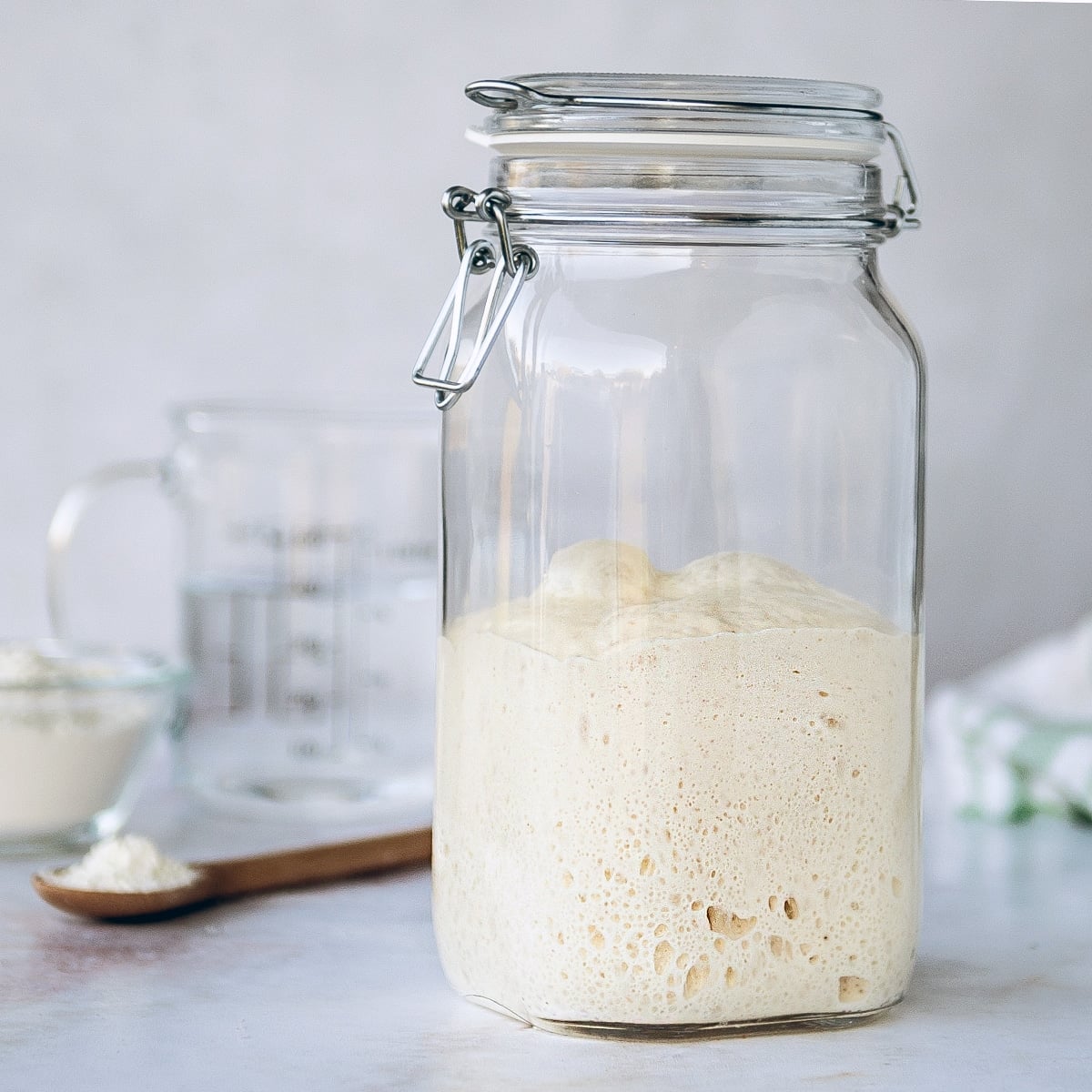
I started baking sourdough during the pandemic when I went down the sourdough bread rabbit hole, along with a lot of other people. From the first month, I was a little horrified at how much flour I was throwing out every day. Every single feeding, you remove half the starter to make room for new flour and water. That's a LOT of flour over a year. I started developing discard recipes the way most people develop a savings habit, out of guilt and a refusal to keep wasting good ingredients. Then I realized the discard wasn't a problem to solve; it was actually a free flavor ingredient most home bakers don't have access to. The tang, the tenderness, the way discard makes pancakes taste like the best brunch you've had in months, none of that comes from yeast alone. Once you stop seeing discard as "the part you throw out" and start seeing it as "the secret ingredient already in your fridge," your sourdough habit becomes way more fun.
If you don't have a starter yet, my sourdough starter for beginners guide walks you through making one from scratch in 5 to 7 days. Then come back here for what to actually DO with the discard.
Quick Glance At This Guide: Sourdough Discard Recipes
- Guide Name: Sourdough Discard Recipes (The Complete Guide)
- Why You'll Love It: A growing library of tested recipes, a 5-day rotation calendar so you never waste discard again, the science behind why discard works the way it does, and clear answers to every "is my discard still good" question that's stopped you from baking with it.
- What You'll Learn: How to store discard, how the flavor changes as it ages, the difference between lactic and acetic acid tang, what to do with hooch, how to freeze discard for months, when discard has actually gone bad, and how to never waste another spoonful.
- Recipes Covered: Pancakes, pikelets, crackers, blueberry muffins, donuts, cinnamon rolls, with new recipes added regularly.
- Method: Pick a recipe based on what your week looks like (5 minute weekday bite or weekend project), or follow my 5-day rotation calendar to use every spoonful before it gets stale.
- Best Audience: Anyone keeping a sourdough starter alive on the counter or in the fridge. Beginner-friendly to advanced.
- Quick Tip: Save your discard in a SEPARATE jar from your active starter, store it in the fridge, and use it within a week for milder tang or freeze it for up to 3 months for emergency baking later.
Jump to:
- Quick Glance At This Guide: Sourdough Discard Recipes
- What Is Sourdough Discard
- What Makes This Sourdough Discard Recipes Guide Different
- How To Store Sourdough Discard
- The Visual Aging Timeline Of Sourdough Discard
- The Lactic Vs Acetic Acid Framework
- Hooch Handling (What That Gray Liquid Actually Is)
- How To Freeze Sourdough Discard
- When Sourdough Discard Has Gone Bad
- Sourdough Discard Recipes
- Pantry projects (1 to 2 hours):
- Where To Start If You're New To Discard
- The 5-Day Discard Rotation Calendar
- Volume Management (What To Do When You Have A LOT Of Discard)
- Failed-Recipe Rescue (When A Discard Bake Doesn't Go Right)
- Sourdough Discard FAQs
What Is Sourdough Discard
Sourdough discard is the portion of the sourdough starter you remove before each feeding. When you feed starter, you discard half (or more) so the new flour and water can actually feed the yeast colony instead of getting outnumbered. That removed portion is the discard. It's already fermented flour and water, just not strong enough or fresh enough to leaven bread on its own.
What sourdough discard IS:
- A flavor ingredient (creamy tang and faint sourdough background note)
- A tenderizing acid (pH 3.5 to 4.5, about as acidic as orange juice)
- A built-in source of moisture (roughly 50% water by weight)
- Free, because you were going to throw it out anyway
What sourdough discard ISN'T:
- A leavener (it can't raise a loaf of bread without yeast or chemical leaveners)
- A 1:1 swap for starter (active starter is at peak; discard is past peak, less active, more sour)
- The same as old starter (true sourdough starter at peak vs starter that has been refrigerated for 3 days behaves very differently)
For the full breakdown of what makes a starter active vs discard, see my sourdough starter for beginners guide.
What Makes This Sourdough Discard Recipes Guide Different
Most discard recipe roundups online are just lists. "Here are 25 things you can make with sourdough discard." No context, no science, no help deciding which recipe to make on a Wednesday vs a Sunday. That's not how I think about discard, and I bet that's not how you do either.
- A real 5-day rotation calendar. I'm going to show you exactly what to bake Monday through Friday so you never throw out another spoonful of discard.
- The science behind discard age. Discard fresh from the fridge tastes different from discard that has sat for a week, and different again from discard fresh from the jar. I'll explain why (lactic vs acetic acid) and which to use for which recipes.
- Hooch handling with actual answers. That gray liquid that pools on top of your discard? Stir it in, pour it off, normal, concerning, here's the full breakdown, including what bad discard actually looks like vs what's just normal aging.
- The rescue plan for failed bakes. Discard recipe didn't work out? Croutons, bread pudding, breadcrumbs. Nothing has to hit the trash.
- Volume management. What to do when you have WAY too much discard at once. (Hint: dehydrate it, big-batch crackers, or freeze a stack of pikelets.)
- A growing library of tested recipes. Pancakes, pikelets, crackers, blueberry muffins, donuts, cinnamon rolls, with new ones added as I publish them. All photographed, tested, and built around what discard does best in each format.
How To Store Sourdough Discard
Here are my tips for storing sourdough discard so it's ready to use when you're ready to bake!
Use a separate jar. A clean wide-mouth mason jar or a 2-cup IKEA measuring cup with straight sides both work great. Loose cover, lid resting on top, or a piece of plastic wrap, not sealed airtight (the discard still off-gases a tiny bit).
Keep it in the fridge. Cold slows everything down. Yeast goes dormant, acid development slows, and you get a stable, predictable jar for at least a week. Storing your discard at room temperature makes it sour quickly (acetic acid dominates at warm temperatures; see the section below).
Add to the same jar throughout the week. Every time you feed your starter, dump the new discard into the same jar in the fridge. Stir gently, put the lid back on, and return to the fridge. The older discard mixes with the newer, and you end up with a uniform jar to bake from.
Use within a week for milder tang. After about 7 days in the fridge, the acetic acid concentration starts to climb, and the flavor gets sharper. For pancakes, blueberry muffins, and cinnamon rolls (mild discard recipes), use discard from the first week. For older discard that has a sharper tang, turn it into crackers!
Or freeze it for up to 3 months. See the freezing section below.
The Visual Aging Timeline Of Sourdough Discard
Discard at day 1 looks and behaves very differently than discard at day 14. Knowing what's normal at each stage means you stop tossing perfectly good discard out of paranoia.
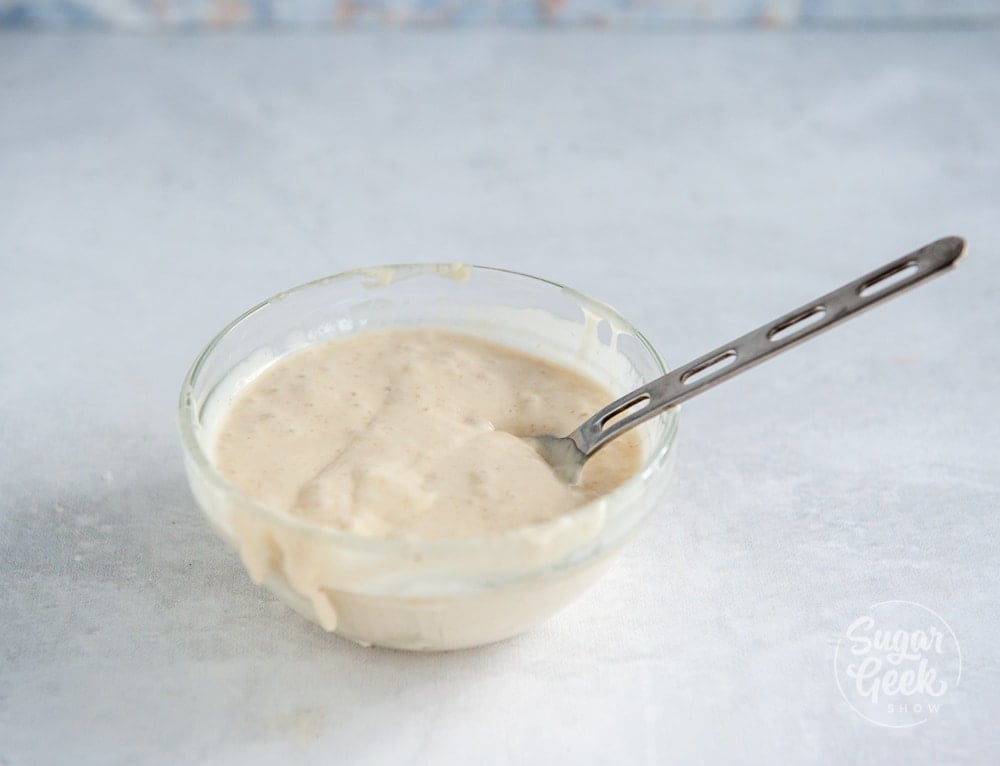
- Day 1 (just discarded after a feeding): Pale beige, smooth surface, faint sweet-tangy smell. Behaves more like a very wet starter than an aged discard. Best for the mildest recipes (pancakes, pikelets).
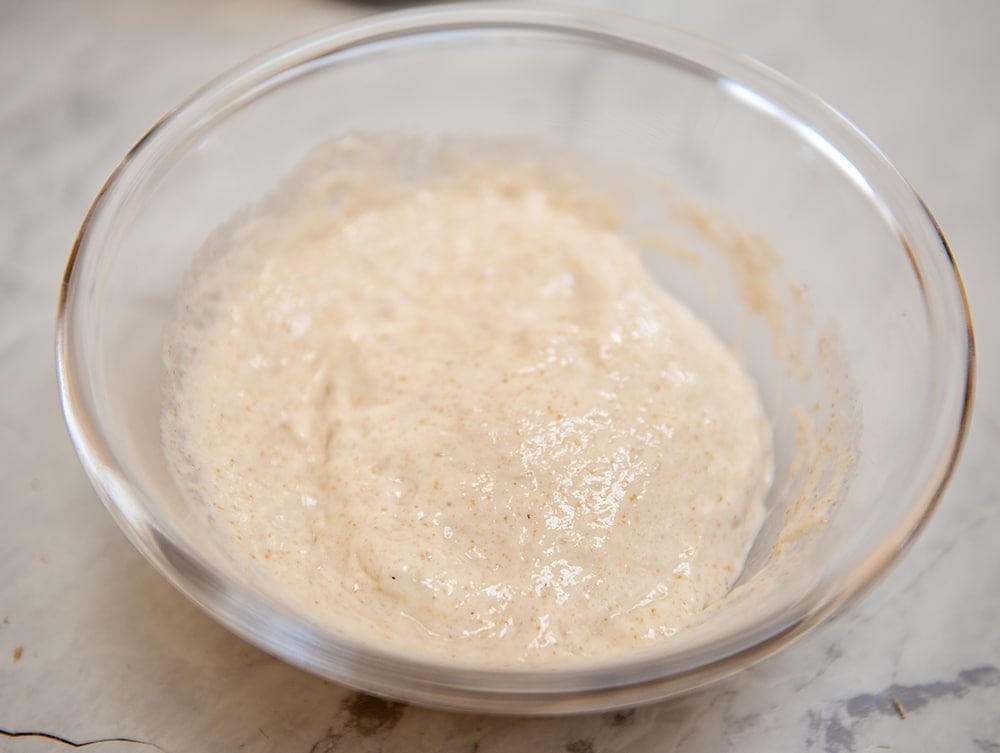
- Day 3 to 4 (in the fridge): Slightly darker beige, occasional small bubbles trapped in the surface, slightly stronger smell. Tang is more pronounced but still mild. Great window for blueberry muffins or donuts.
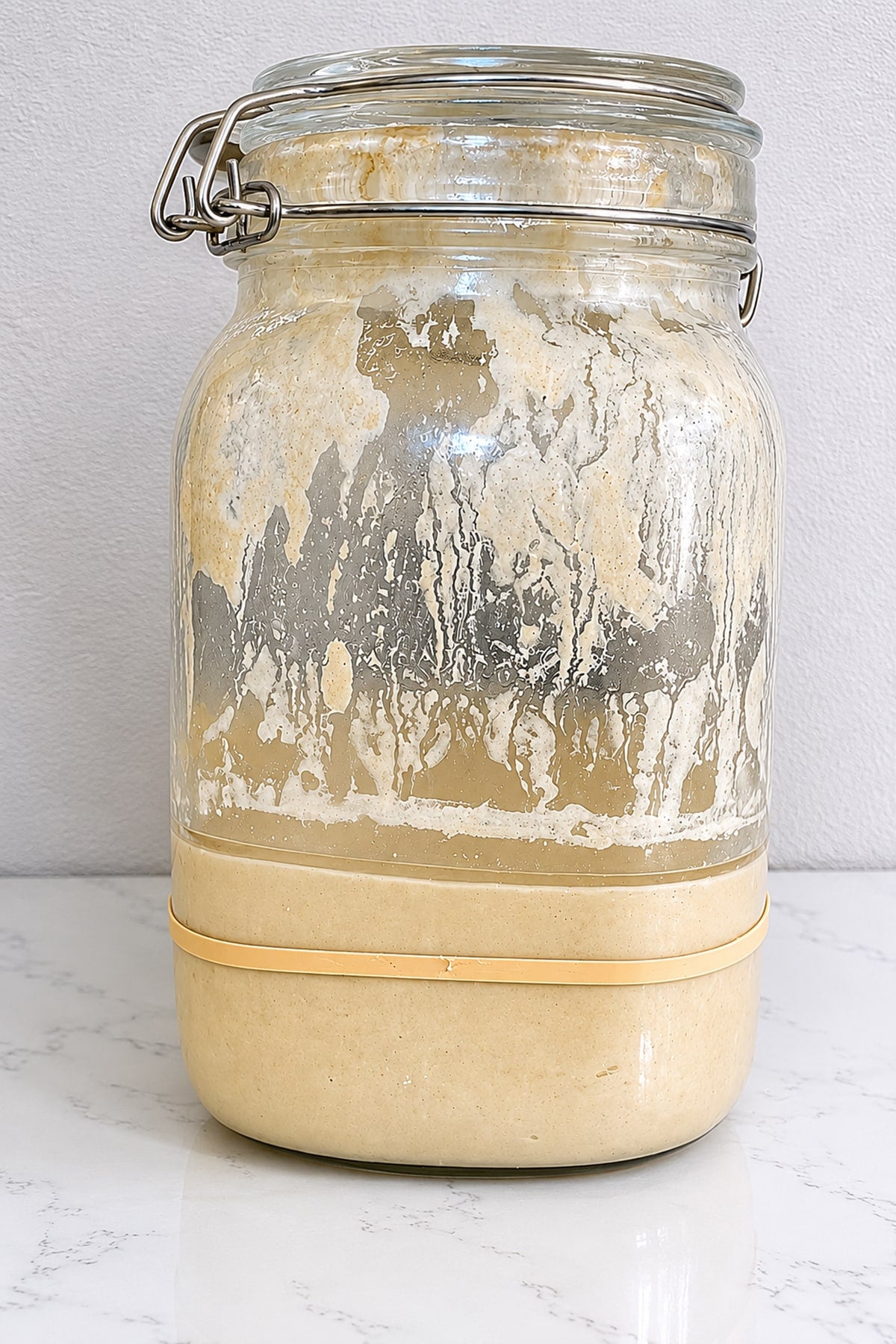
- Day 5 to 7 (in the fridge): Hooch may start to appear (a thin gray liquid layer on top). Color deepens slightly. The smell is unmistakably sourdough at this point. Good for crackers and cinnamon rolls, where you want the tang to push through.
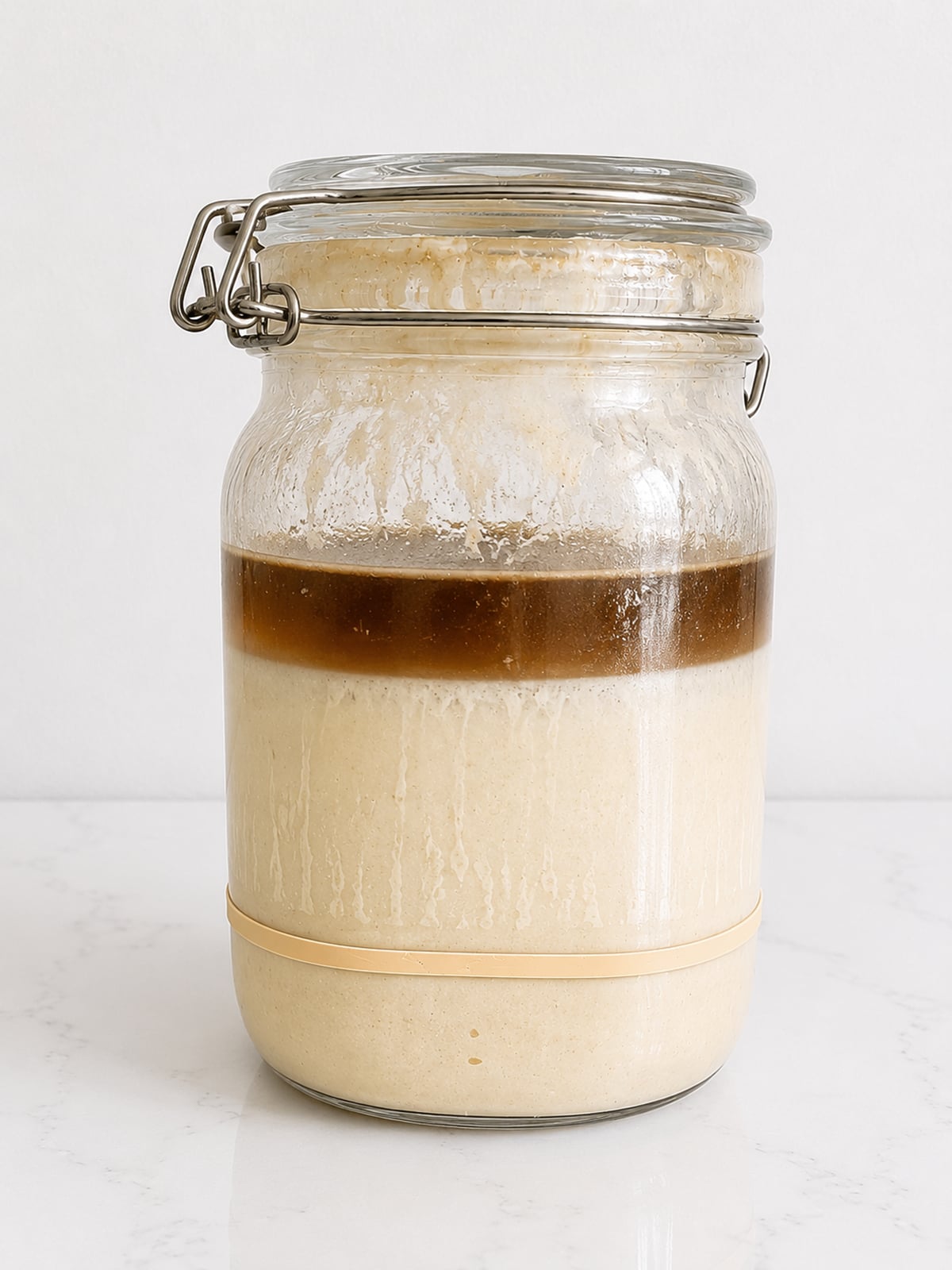
- Day 8 to 14 (in the fridge): More hooch, sharper smell, sometimes a layer separation between the solid bottom and the liquid top. Still totally safe to use for stronger-flavored recipes. Cinnamon rolls and crackers actually do well with this stage.
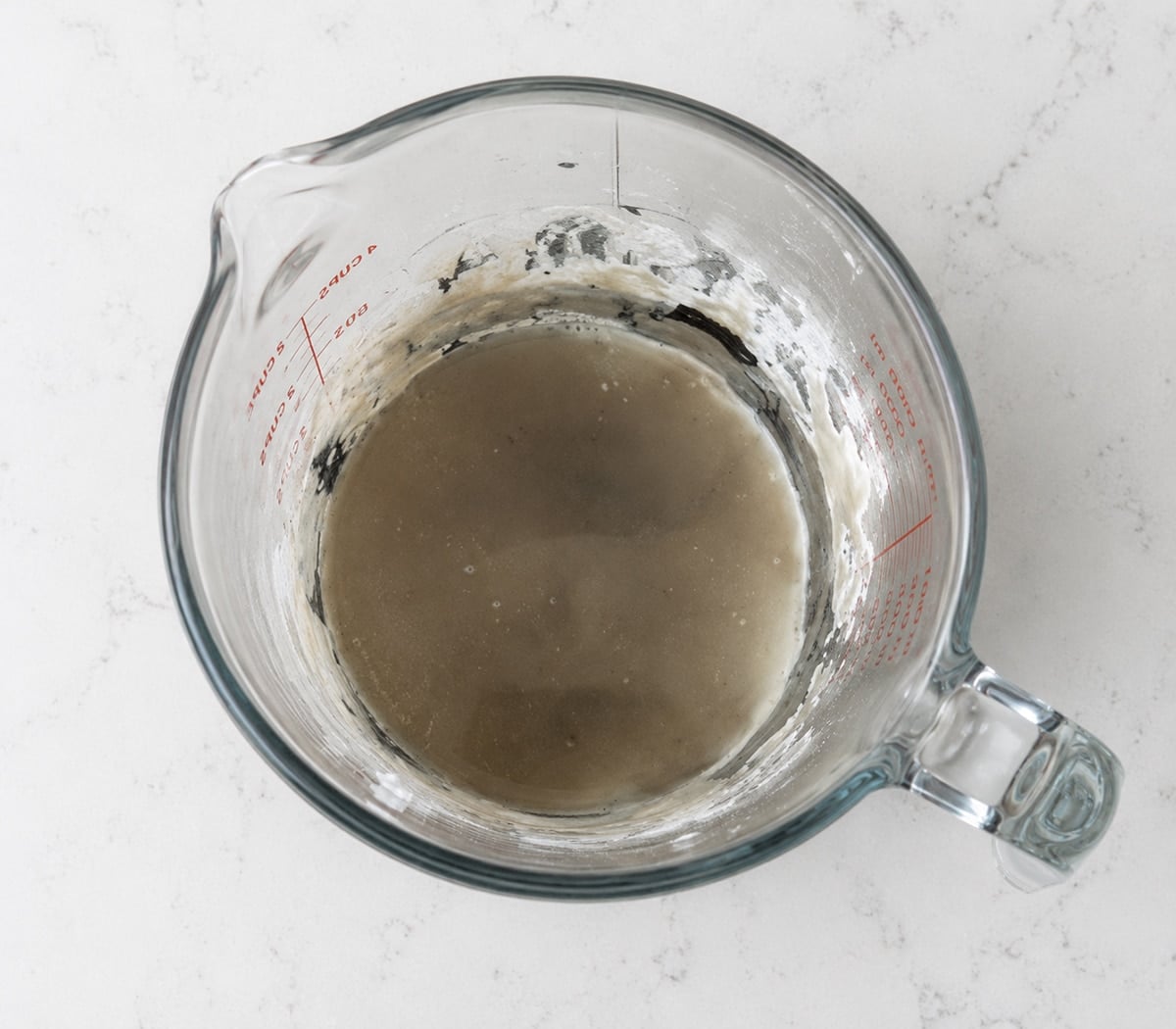
- Month-old (in the fridge): Significant hooch, sharp smell, dark gray to brownish liquid. Stir it back in or pour it off. The discard is still fine to use, but only for recipes where chemical leaveners (baking powder, baking soda) handle the rise. The wild yeast in a month-old discard is essentially dormant. This is the discard you want to dehydrate for long-term storage (see below).
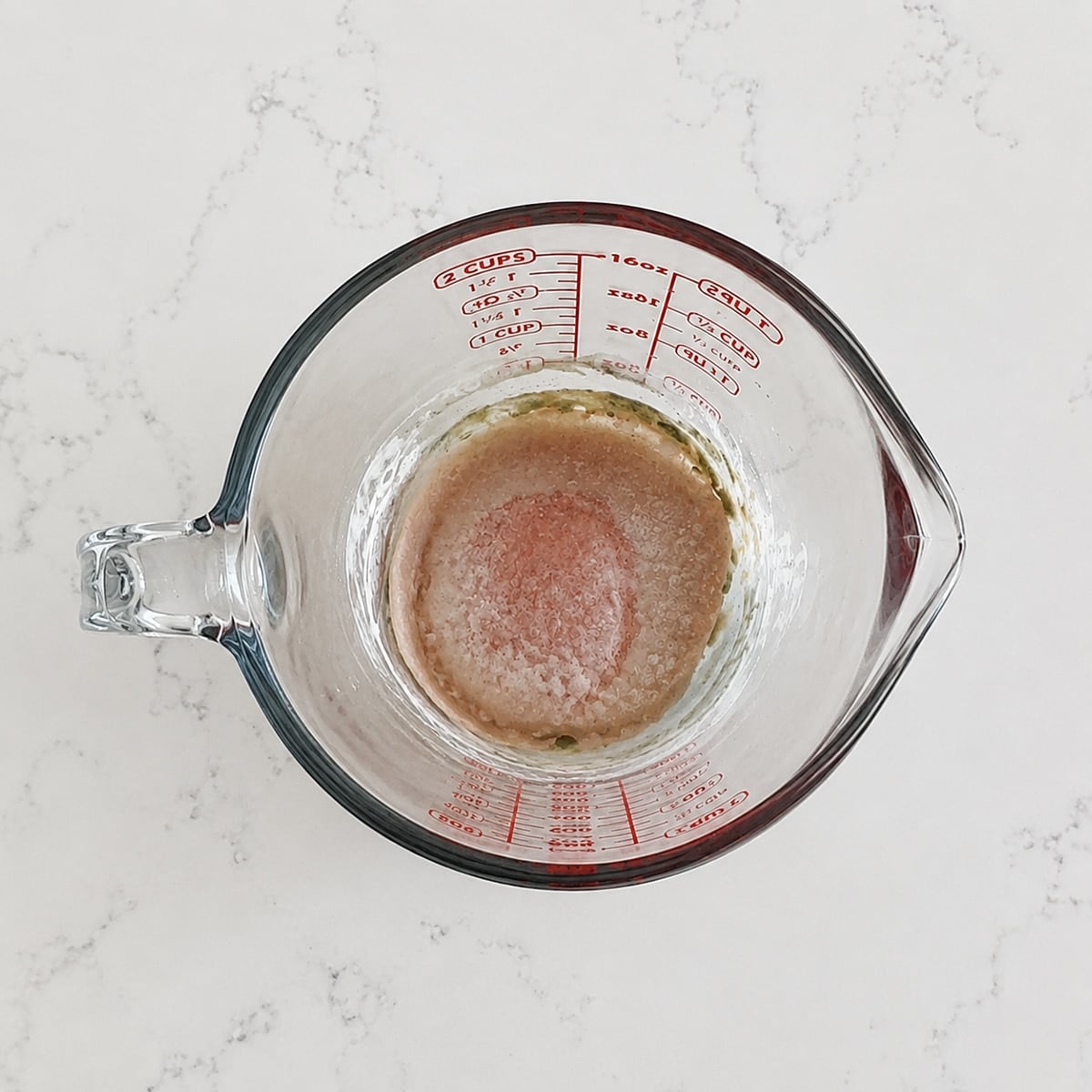
- When to throw it out: Pink or orange mold has formed. See the "When Discard Has Gone Bad" section below. Color of the hooch is a key indicator.
The Lactic Vs Acetic Acid Framework
The two acids in sourdough discard create two different kinds of tang, and knowing which one dominates in your jar at any given moment is how you control how your bake tastes.
Lactic acid. Mild, creamy, yogurt-like tang. Same acid as buttermilk, cultured cream, and sauerkraut. Lactic acid bacteria thrive in cooler temperatures, around 40º F to 70º F. Discard stored in the fridge develops mostly lactic acid over time. If your discard tastes mildly tangy, almost like yogurt or buttermilk, lactic acid is doing the talking.
Acetic acid. Sharper, vinegar-like tang. Acetic acid bacteria thrive in warmer temperatures, around 75º F and up, and need oxygen. Discard left on the counter (especially in summer) develops more acetic acid. If your discard tastes sharply sour, almost vinegary, that's acetic acid.
How this changes your bakes.
- Fridge-stored discard, used within a week: mild creamy tang. Best for pancakes, blueberry muffins, donuts, and cinnamon rolls.
- Fridge-stored discard, week-to-two-weeks old: pronounced but still pleasant tang. Best for crackers, where the tang is a feature.
- Counter-stored discard, 1 to 3 days: sharp, assertive tang. Use sparingly, dilute into recipes where the sharp flavor adds dimension.
- Month-old fridge discard: lactic-dominant but losing yeast activity. Best for chemical-leavened recipes (pancakes, crackers, biscuits).
Want a sharper flavor? Pull discard from the back of the fridge (where it's coldest and oldest in the jar) or let some fridge discard sit on the counter for 6 hours before mixing.
Want a milder flavor? Use the freshest discard in the jar, ideally within 3 days of being added.
I cover this same framework in detail in my sourdough discard pancakes post if you want to see it applied to one recipe in particular.
Hooch Handling (What That Gray Liquid Actually Is)
Hooch is the gray-ish liquid that sometimes pools on top of (or under) your discard. It scares a lot of beginners. Don't let it. Here's what it is and what to do with it.
What hooch is. Hooch is alcohol that the wild yeast in your discard produces as a byproduct of eating starch. When the yeast runs out of fresh flour to eat, it metabolizes whatever is left and produces alcohol. The alcohol stays in the discard for a while and then separates out into a liquid layer because alcohol is less dense than the flour-and-water mixture below it.
Normal hooch color. Grayish, translucent, sometimes faintly brown. Smells like alcohol or wine.
What to do with normal hooch.
- Stir it back in for a milder, less alcohol-forward flavor.
- Pour it off for a slightly less sour flavor (you're removing some of the acid byproducts along with the alcohol).
- Either is fine. I usually stir it in.
Concerning hooch color.
- Pink, orange, red, or fuzzy: STOP. This is mold or contamination. Throw the entire jar out, wash it in hot soapy water, and start a new discard jar.
- Bright green or blue: Same, throw it out.
- Dark black-ish or unusually thick: Possibly mold beneath the hooch layer. Throw it out.
Smell test.
- Normal: alcohol, wine, sourdough, tangy bread.
- Concerning: rotten egg, putrid, sharp ammonia, anything that makes your nose wrinkle in disgust.
The acid in healthy sourdough discard is naturally hostile to most bad bacteria, so true contamination is rare. But when it happens, the visual is usually obvious. If you have doubt, throw it out, the cost of a new jar is a few cents.
How To Freeze Sourdough Discard
Freezer storage is the move when you have more discard than you can bake through in a week, or when you know you're going on vacation and don't want to come back to a science experiment.
The method:
- Portion the discard into ½ cup or 1 cup measures (matches most discard recipes).
- Pour each portion into a small zip-top freezer bag, press out the air, and lay flat.
- Stack the flat bags in the freezer.
- Label each bag with the date.
Storage time: Up to 3 months in the freezer. After that the flavor stays fine but the wild yeast loses most of its activity, which only matters for recipes that rely on the discard for any leavening (most don't).
To use frozen discard:
- Move the bag to the fridge the night before, or to the counter for 2 to 3 hours.
- Once fully thawed, use within 24 hours.
- Don't refreeze, the texture gets gummy.
Recipes that work great with frozen-then-thawed discard: Pancakes, pikelets, crackers, blueberry muffins. All of these use chemical leaveners (baking powder + baking soda) so the loss of wild yeast activity doesn't matter.
Recipes I'd avoid with frozen discard: Cinnamon rolls if you're depending on the discard for any tenderness boost (the yeast does most of the work but the acid balance shifts slightly after freezing).
When Sourdough Discard Has Gone Bad
You can keep discard alive for months in the fridge, but there are a handful of things that mean it's time to start a new jar.
- Pink, orange, red, or fuzzy patches anywhere on the discard. Mold or contamination. Throw the whole jar out.
- Bright green, blue, or black spots. Same, mold. Discard the jar.
- Smell of rotten egg, putrid, or sharp ammonia. Bacterial contamination. Throw out.
- A thin white-cream film on the surface that's not fuzzy. This is kahm yeast. It's harmless but tastes off. Skim it off, give the discard a stir, and use within a day. (See my sourdough starter for beginners post for the full kahm yeast vs mold breakdown.)
- The discard separates into a thick liquid bottom and a watery layer with no flour particles visible. This sometimes happens after months in the fridge. The flour has fully hydrated and the discard has essentially become a sourdough-flavored slurry. Still safe to use for crackers or pancakes, but the texture in baked goods will be off, so I usually start fresh.
When in doubt, throw it out. The cost of a new discard jar is one feeding cycle. The cost of a bad bake is a recipe in the trash and a kid who won't trust you on cinnamon rolls again.
Sourdough Discard Recipes
Tested sourdough discard recipes organized by use case, each built around what discard does best in that format. New recipes get added as I develop them, so check back. Pick based on what your week looks like.
Easiest (under 30 minutes):
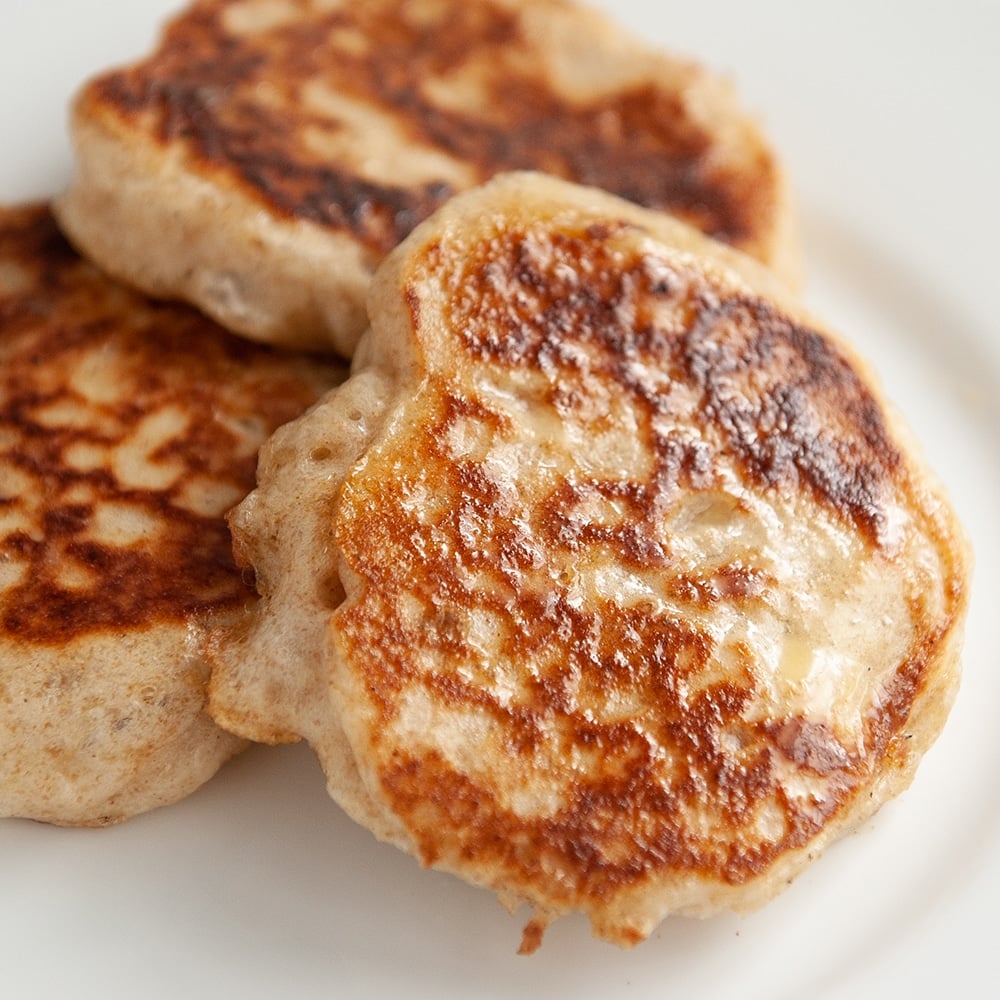
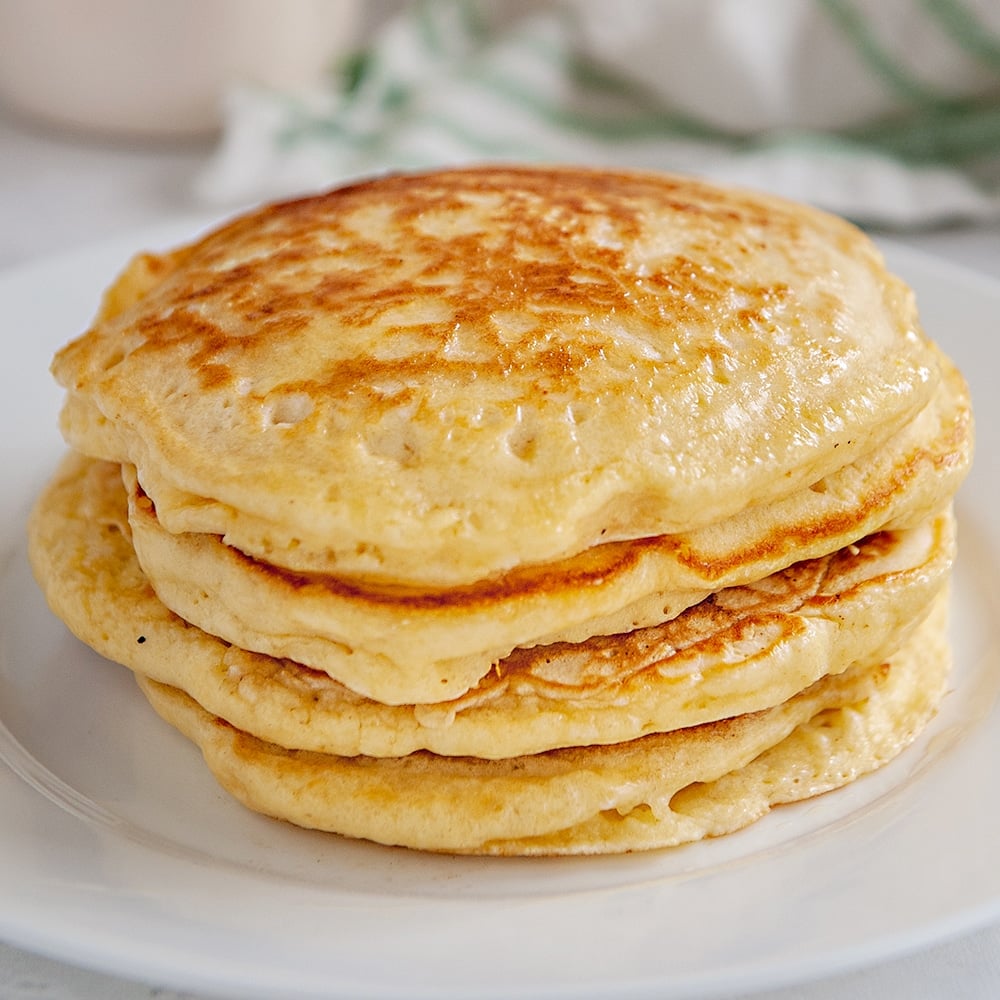

Pantry projects (1 to 2 hours):
Weekend projects (2 to 4 hours):

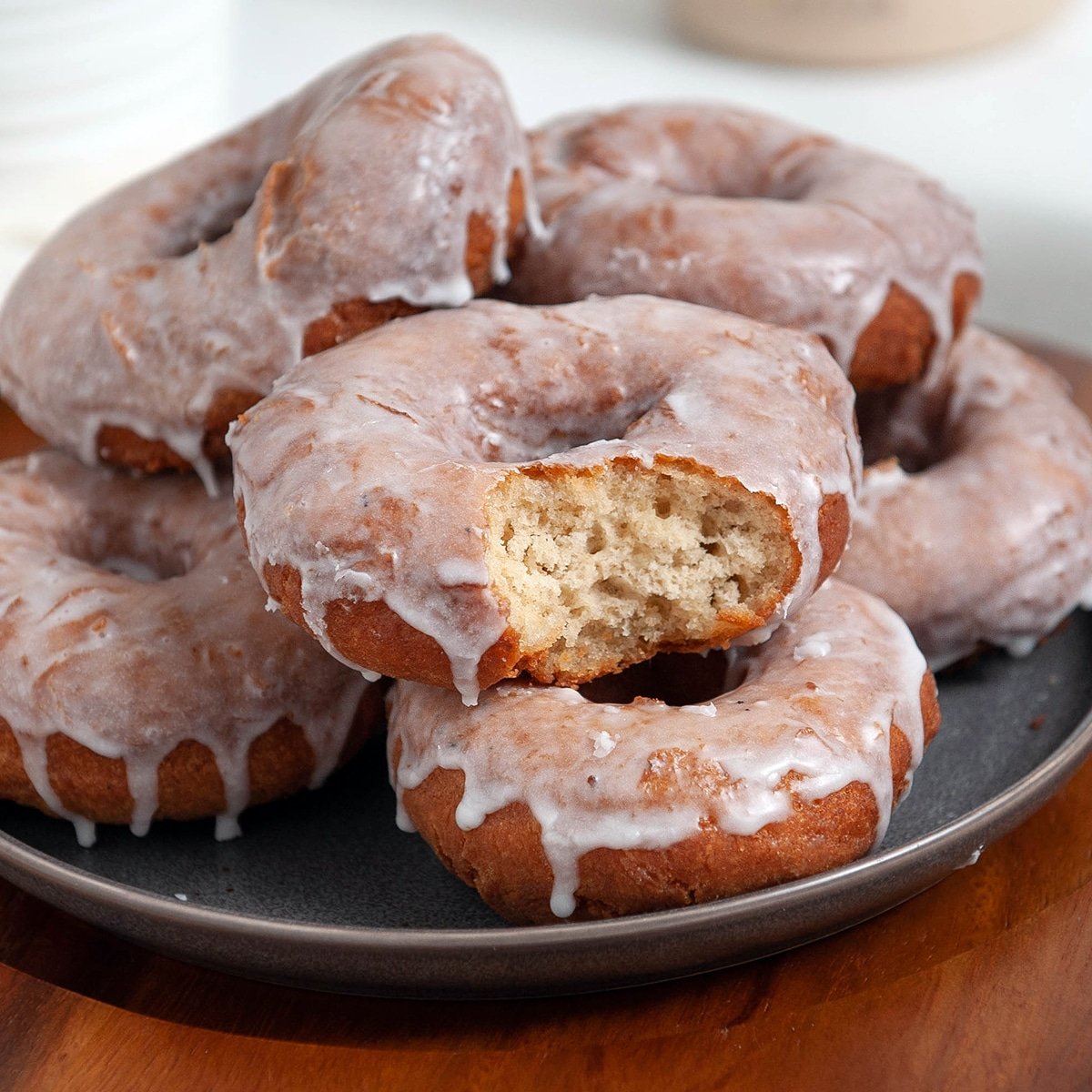
Where To Start If You're New To Discard
If you've never baked with discard before, don't try to do everything at once. Pick one recipe, get comfortable with it, then expand.
Recommended order for new discard bakers:
- Start with pancakes. Sourdough discard pancakes are the easiest place to learn what discard adds to a bake. The recipe is forgiving, the tang is mild, and the result is the best pancake of your life.
- Then try crackers. Sourdough discard crackers teach you what older discard tastes like in a baked good and use up a full cup at a time. They're also the easiest project to scale up when you're swimming in discard.
- Then graduate to cinnamon rolls. Sourdough discard cinnamon rolls bring you into the world of enriched dough and the heavy cream pour, which is a Sugar Geek Show signature move worth learning regardless of what you're baking.
After those three, the rest of the cluster is just variations on what you already know.
The 5-Day Discard Rotation Calendar
This is the calendar I use to make sure I never throw discard out. The logic: feed the starter daily, accumulate discard in the same jar in the fridge, and bake through it before the jar gets too sour. The recipes I pick each day match the age of the discard so the flavor profile is always right.
| Day | Recipe | Why this day |
|---|---|---|
| Monday morning | Sourdough Discard Pancakes | Weekend-fed discard is still young. Lactic acid is mild and creamy. Perfect family breakfast to start the week. |
| Tuesday | Sourdough Pikelets | 5-minute small bite. Batch a double recipe and freeze half for quick breakfasts the rest of the week. |
| Wednesday | Sourdough Discard Crackers | Discard is 3 to 4 days old now and the slightly sharper tang is exactly what crackers want. One batch covers your snack rotation through the weekend. |
| Thursday morning | Sourdough Discard Blueberry Muffins | Bakery-style breakfast meal prep for Friday and Saturday mornings. Uses up the bulk of the jar before the weekend. |
| Friday | Discard accumulates in the jar through the day. Day off from baking. | |
| Saturday or Sunday | Sourdough Discard Cinnamon Rolls (primary) or Sourdough Discard Donuts (alternate) | Use a full cup of accumulated discard on a weekend project. Cinnamon rolls take 3 hours total, donuts take longer with the frying. Both are crowd-pleasers. |
Then the cycle restarts Monday with the new week's discard build-up.
This is a sample, not a script. If you're more of a "cinnamon rolls on Wednesday" person, do that. The point is to match recipe to discard age so you're never throwing flour away.
Volume Management (What To Do When You Have A LOT Of Discard)
Sometimes life happens and your discard jar fills up faster than you can bake through it. Here's my actual playbook.
- Dehydrate the discard for long-term storage. Spread your discard thin on a piece of plastic wrap or parchment paper. Air-dry for 24 to 48 hours (depending on humidity) until it's completely crisp and flaky. Crumble into a labeled zip-top bag and freeze. To revive: rehydrate with equal weight of warm water, sit 30 minutes, then use like fresh discard. Lasts years in the freezer.
- Big-batch crackers. A double or triple batch of sourdough discard crackers uses 2 to 3 cups of discard in a single afternoon and gives you a tin of snacks that lasts the family two weeks.
- Batch-freeze pikelets. Make a double batch of sourdough pikelets, flash freeze them in a single layer, then bag them. Pull a few out at a time for easy breakfast in 30 seconds in the toaster.
Any combination of those three will get you back to a manageable discard jar within a weekend.
Failed-Recipe Rescue (When A Discard Bake Doesn't Go Right)
Discard recipes are forgiving, but sometimes the bake doesn't come out the way you hoped. Don't throw it in the trash. Almost every failed bake has a second life.
- Croutons. Dense, dry, or stale discard baked goods cut into cubes, tossed with olive oil and salt, baked at 350º F for 10 to 15 minutes until crisp. Great on salads, soups, or as a snack. (I'm planning a dedicated croutons post on this since it's a real one, watch for it.)
- Bread pudding. Day-old or slightly off-texture cinnamon rolls, donuts, muffins, or pancakes work beautifully in a custard-baked bread pudding. Cube, soak in a milk-and-egg custard, bake at 350º F until set.
- Breadcrumbs. Toast crackers or stale baked goods, blitz in the food processor, store in a jar. Use for coating chicken, topping casseroles, or thickening soups.
The discard already gave the bake its flavor. The rescue just changes the format.
Sourdough Discard FAQs
About a week for mild, creamy tang. Up to 2 weeks if you don't mind a sharper flavor. After 2 weeks, the wild yeast is mostly dormant, which only matters if you're depending on the discard for any leavening (most recipes use baking powder or yeast in addition, so this rarely affects the bake). Beyond a month, the texture starts to break down and I'd start fresh.
Sourdough fermentation breaks down some of the gluten in flour, which makes it easier to digest for many people who don't tolerate wheat well. Sourdough fermentation breaks down some of the gluten and pre-digests starches that regular flour leaves intact. My dad and uncle both have a gluten intolerance and can eat sourdough products with no issues, and I have a light intolerance myself, regular bread gives me bloating and stomach pains, but sourdough doesn't. Discard retains the same fermented properties as active starter, just without the active leavening power.
Not directly. Active starter is at peak and full of live yeast, ready to leaven bread. Discard is past peak, mostly inactive, and won't rise a loaf on its own. You can use discard as a flavor-and-tenderness boost in any yeasted bread recipe (replace a small portion of the flour and water with discard, on a 1:1 weight basis), but the yeast still needs to come from somewhere else (instant yeast or active starter).
No. The whole point of discard is that it's the part you're NOT feeding. Just add the new discard to the jar each time you feed your starter, stir gently, and keep it in the fridge. The acid environment keeps bad bacteria out without you doing anything.
The starter (or discard) is starving. The sharp alcohol smell is concentrated hooch from yeast that has eaten everything available. For active starter, feed with extra flour and the smell resolves in a feeding or two. For discard, it usually means the jar has been in the fridge a while, just stir or pour off the hooch and use the discard for a recipe where a sharper tang is welcome (crackers, for example).