

Making a killer tuna poke bowl at home is actually easier than cooking a steak. There's no heat, barely any prep, and if you have the right ingredients, it tastes exactly like what I get when I'm traveling in Hawaii.
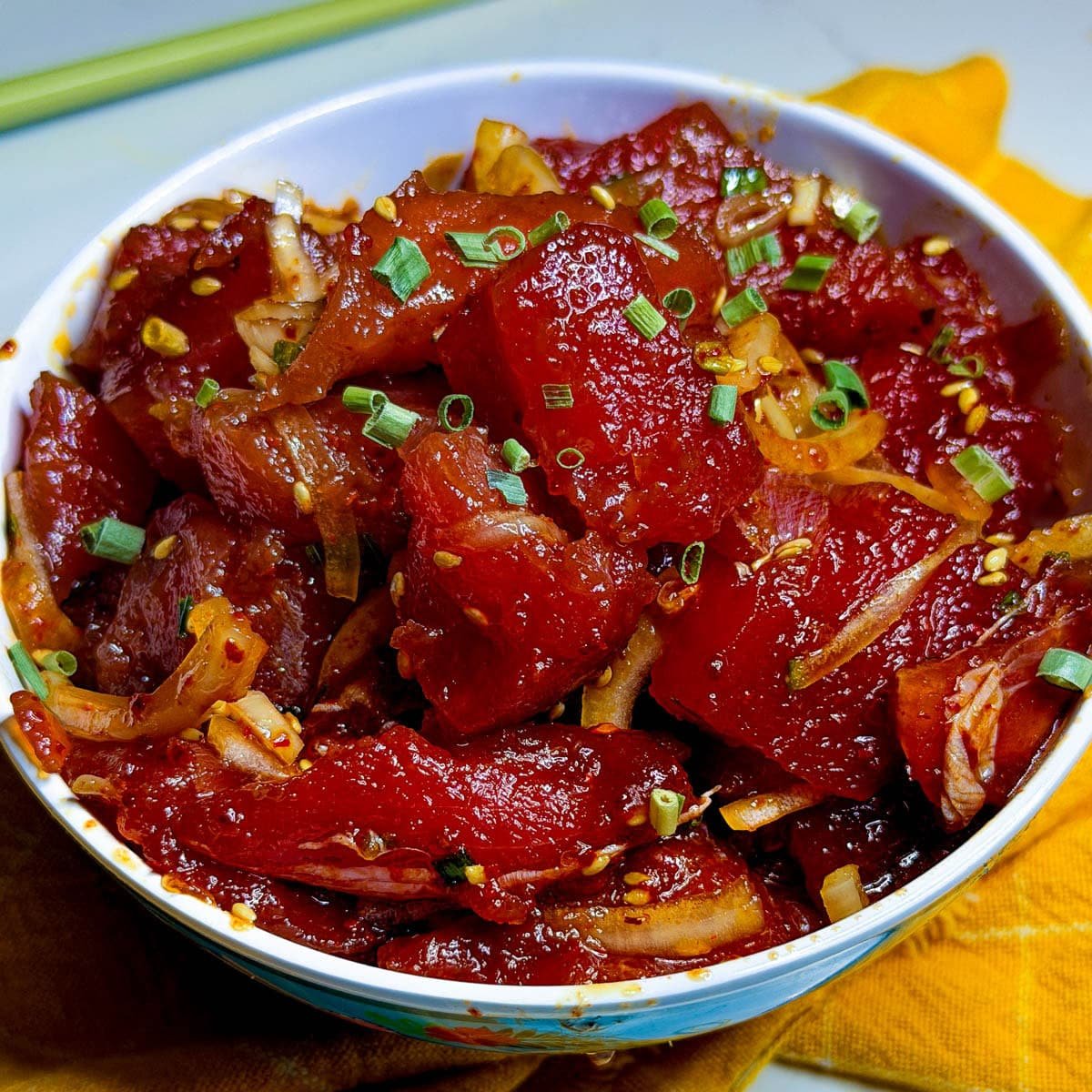
Similar to my cucumber, tomato, onion salad, this poke is so refreshing. It's the perfect "I don't want to cook" meal that still feels incredibly fancy, is pretty darn healthy, and easy to work into our carnivore/keto lifestyle.
What's In This Blog Post?
What Even Is Poke?
If you've never had it, you are missing out. Pronounced poh-kay (rhymes with okay), it literally means "to slice or cut" in Hawaiian. It's one of my daughter's favorite things to eat ever since she had her first taste at the old Lahaina luau.
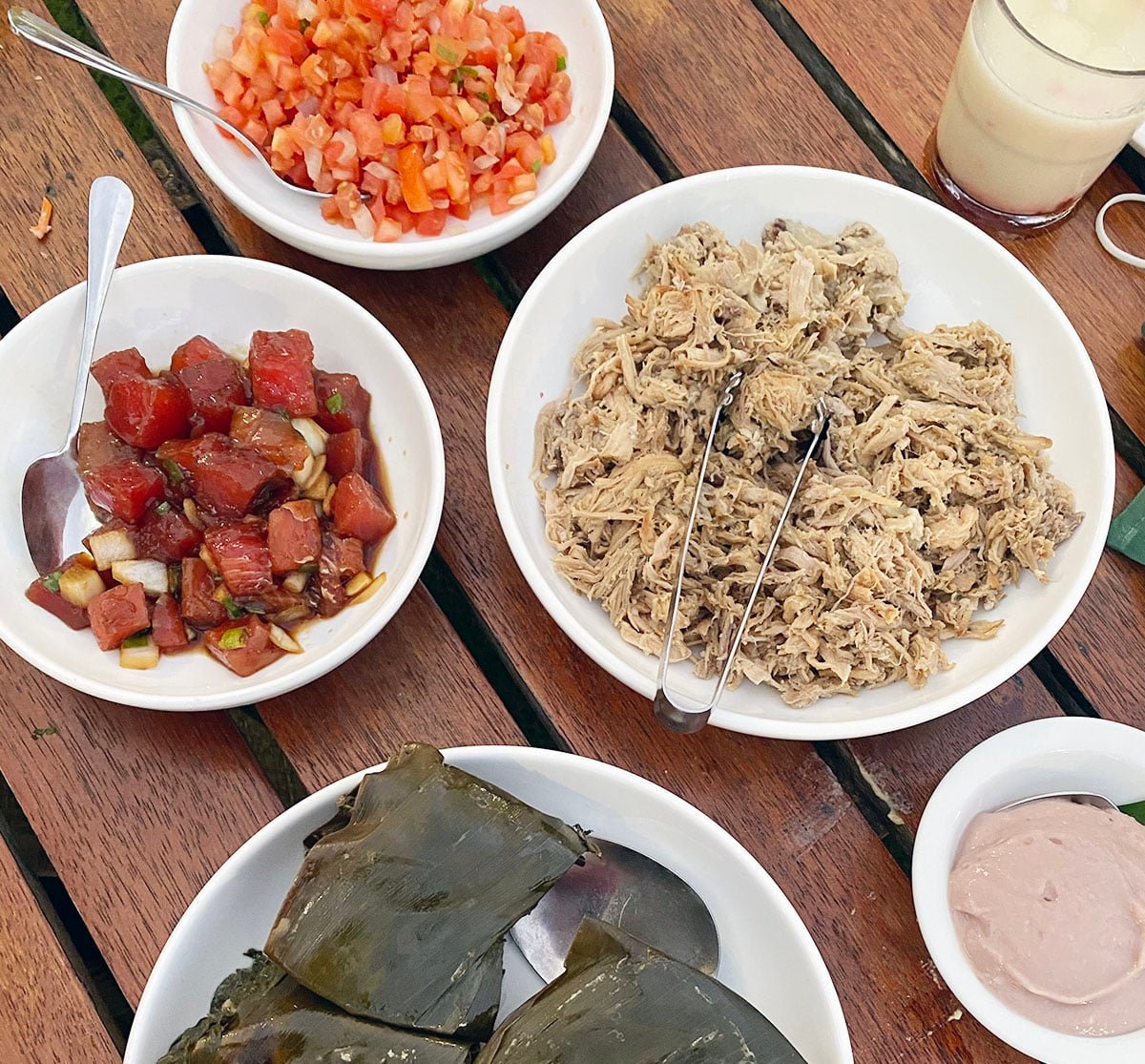
At its core, it's just cubes of high-quality (emphasis on high-quality) raw fish seasoned with soy sauce, sesame oil, and onions. While you see all those loaded poke bowls on Instagram with a million toppings, real, traditional poke is all about highlighting the fish. It's not about hiding it under a mountain of sauce.
In this poke recipe, we will go over the basic building blocks of making a 5-minute poke that tastes fresh off the island and some variations to make it your own.
Ingredients
Traditional poke is made from three ingredients. Fresh Tuna, soy sauce, sesame oil. Other additions that are common are onion, gochujang chili, and Hawaiian sea salt.
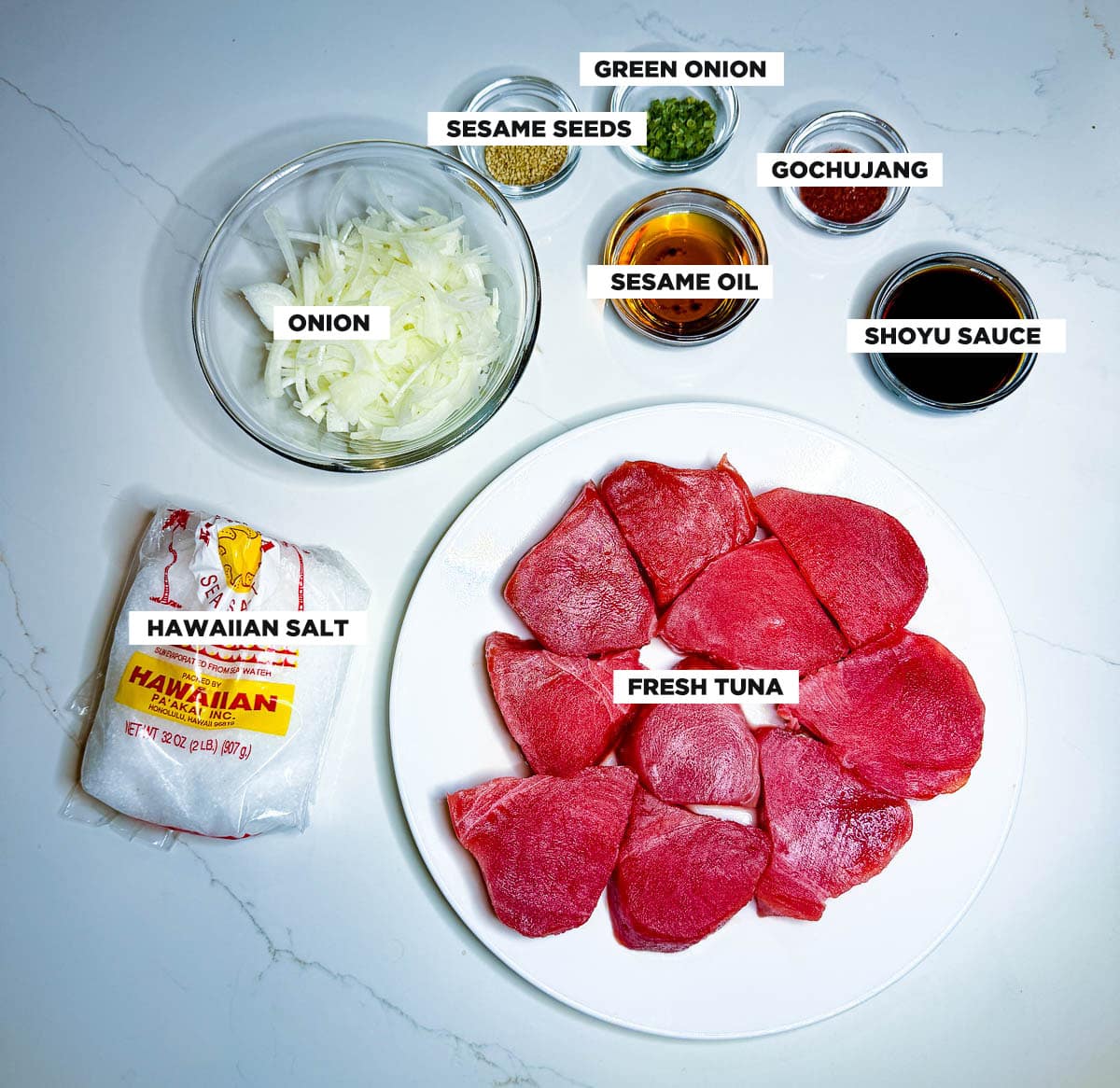
- FRESH Tuna - This is the only part of the recipe where you cannot cut corners. You need "sushi-grade" ahi tuna (yellowfin or bigeye). Now, here is the geeky truth: "Sushi-grade" isn't actually a regulated term by the FDA. It's a marketing term. However, it generally means the fish was flash-frozen at extremely low temperatures immediately after being caught to kill any parasites. While poke is traditionally made with Ahi tuna, other excellent options include salmon, kingfish, yellowtail (hamachi), ocean trout, snapper, and octopus.
- Shoyu (Soy Sauce) - In Hawaii, they call it Shoyu. It's a little mellower and sweeter than some of the harsh, salty soy sauces you might have in the back of your fridge. If you can find the "Aloha" brand, buy it-that's the authentic stuff! If you are gluten-free, Tamari is a fantastic swap that actually adds a deeper, richer flavor. (Substitute: Tamari for gluten-free, or Coconut Aminos for soy-free/Whole30).
- Sesame Oil - Make sure you are using toasted sesame oil. This is the secret weapon. It has that deep, nutty aroma that instantly makes your kitchen smell like a restaurant. Just be careful-it's potent! A little goes a long way, so measure this one carefully or it can overpower the delicate fish. (Substitute: Toasted Walnut Oil or Perilla Oil).
- Onions - You actually want a mix here. Sweet onions (like Maui or Vidalia) add a nice crunch and sweetness that cuts through the rich fish. Then you want green onions (scallions) for that fresh, sharp bite and the pop of green color. The combination of the two textures is key to a legit poke bowl. (Substitute: Shallots for a milder, sweeter bite).
- Hawaiian Sea Salt (Alaea) - This is the traditional red salt mixed with volcanic clay. It sounds fancy, but it's actually really functional-it has a mellower, earthier flavor and a great crunch that doesn't dissolve instantly. If you can't find it, a good coarse Kosher salt or Maldon flake salt works, but the red stuff just looks so pro.
- Optional: Gochujang Powder - I love this for a different kind of heat. Unlike the paste, the powder sprinkles in easily without making the sauce too thick. It adds that signature Korean savory-sweet heat that lingers nicely without burning your tastebuds off. (Substitute a tiny pinch of ayenne and paprika).
- Optional: Sesame Seeds - I always use these for texture and visual contrast. Toasted white seeds are classic, but black sesame seeds make the pink tuna pop visually. It's a small detail that makes the dish look finished. Crushed Macadamia nuts or Furikake seasoning also look nice.
- Optional: Sriracha - If you like a "spicy tuna" vibe, this is your friend. It adds that sharp, vinegary heat. If you want it creamy, mix the Sriracha with a little Japanese mayonnaise (Kewpie) before tossing it with the fish.
Tips For Buying The Best Fresh Tuna
This is a recipe that really highlights the fresh fish. If you can't get fresh sashimi-grade tuna, the flavor will suffer greatly. Here are my tips for buying the best-tasting tuna.
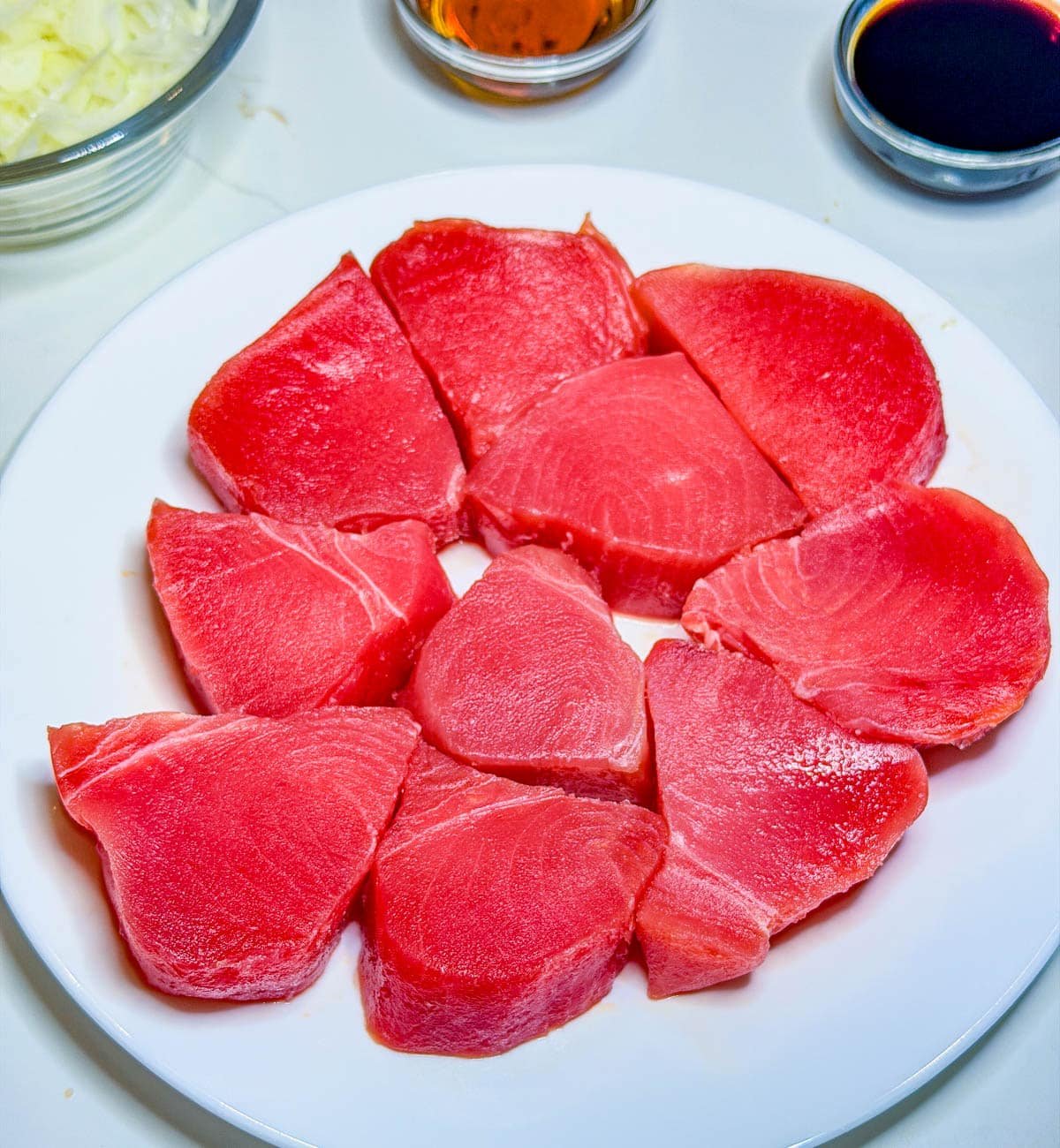
- Go to a trusted source: I get mine from a local fishmonger or a high-end grocery store (like H-Mart, Uwijimayas, Costco, or Whole Foods). Even better if you live near an area where you can get it fresh-caught.
- The Sniff Test: It should smell like the ocean, clean and fresh. If it smells "fishy" or like low tide, do not eat it raw.
- Texture: It should be firm and bright red/pink, not mushy or brown.
How To Make Basic Poke
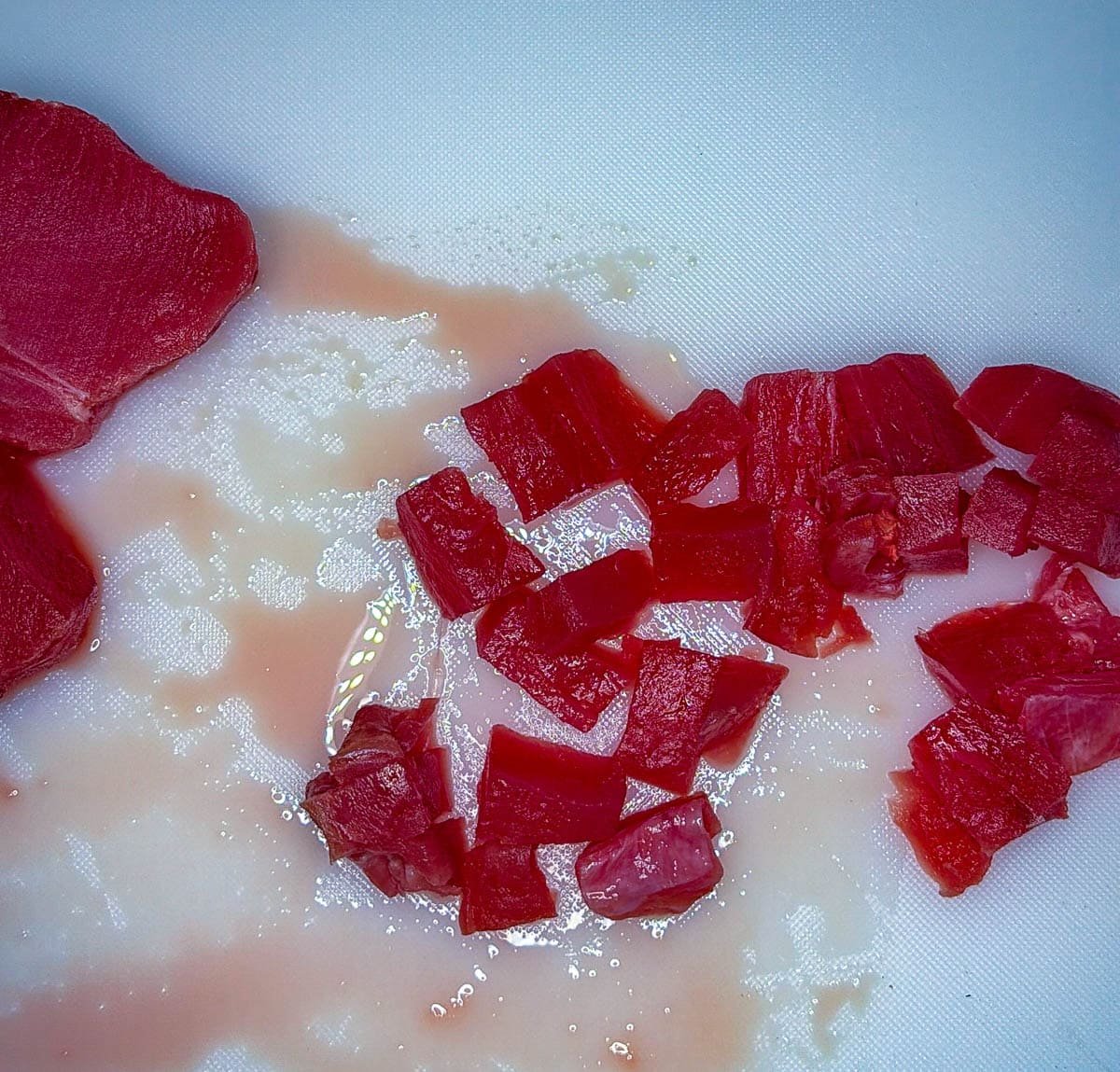
- Slice it right: Use your sharpest knife. A dull knife will tear the flesh and ruin that beautiful texture. Cut the tuna into clean, uniform ½-inch cubes.

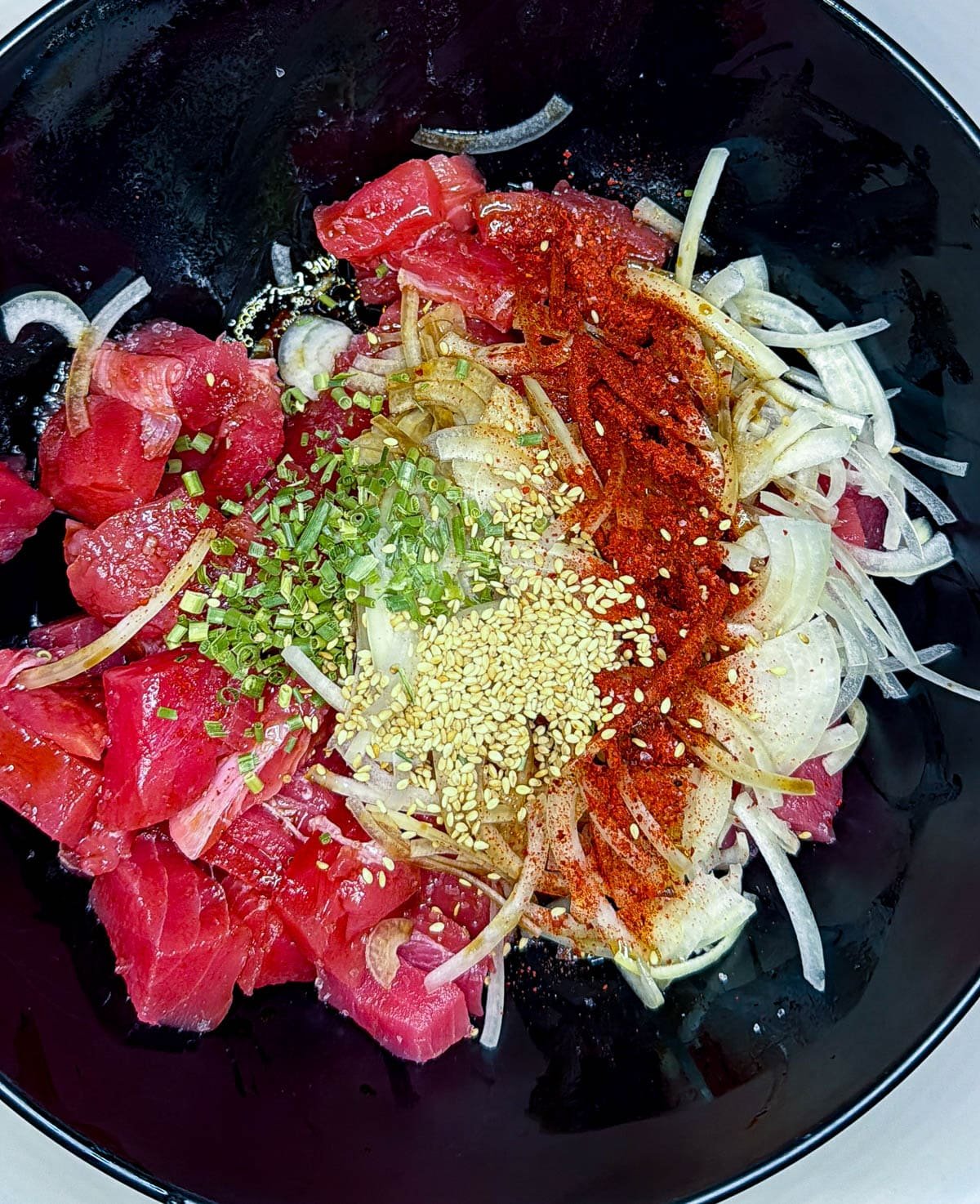
- Mix it up: In a medium bowl, whisk all your ingredients together.

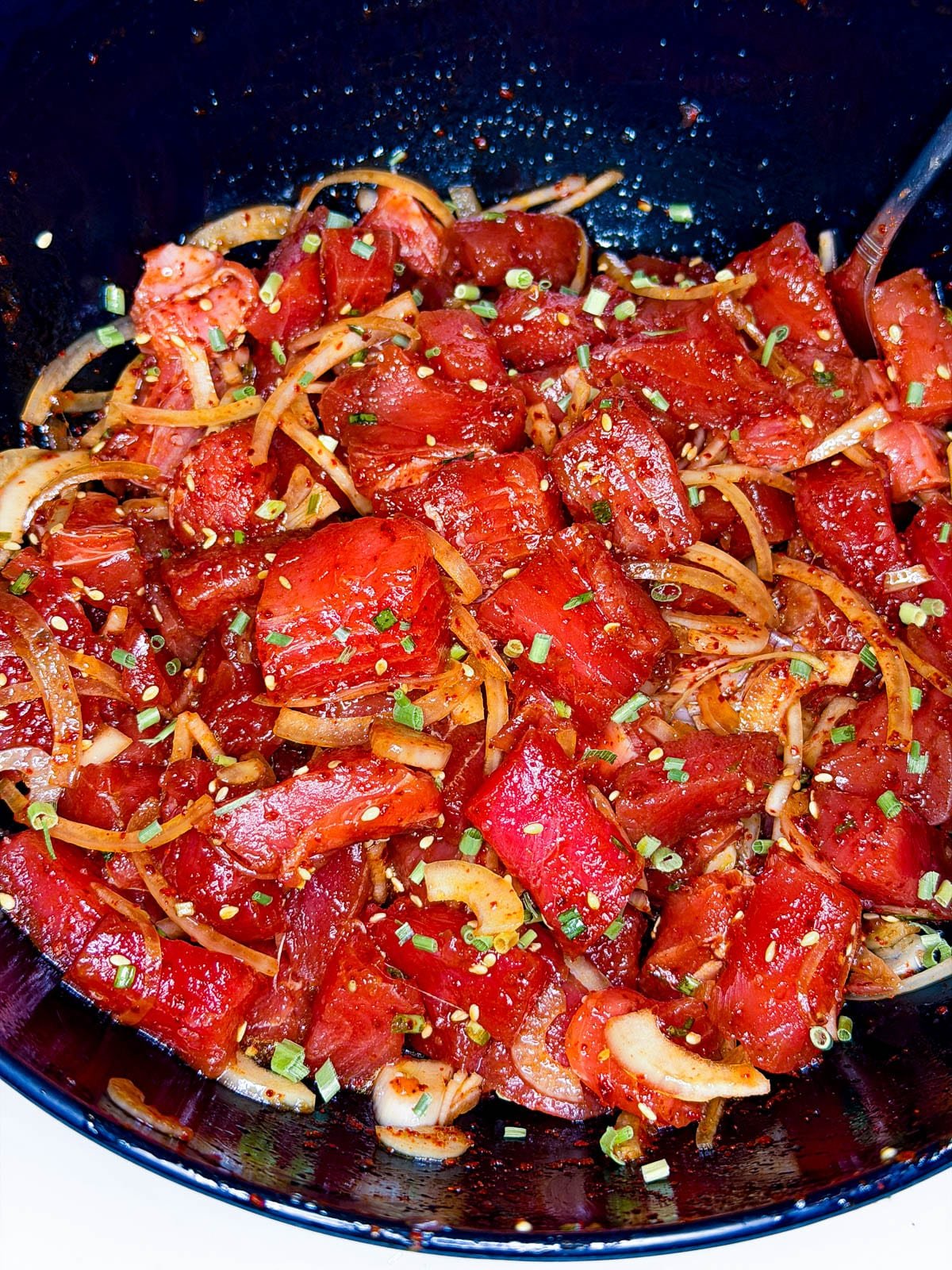
- Toss: Gently fold in the tuna.
- Taste: Needs more salt? Add a splash more soy. Want it nuttier? A drop more oil.
- Serve: I like to eat this pretty much immediately over some freshly cooked rice and steamed broccoli.

Customize It (The Fun Part)
Once you have the base down, you can take this in a dozen directions.
- Spicy Tuna: Mix in a tablespoon of Japanese mayo (Kewpie is the best, trust me) and some Sriracha or chili garlic paste. Add some masago (fish roe) if you want that crunch.
- Citrus/Ponzu: Swap half the soy sauce for Ponzu (a citrus-flavored shoyu) or add a splash of yuzu or lemon juice. This is super refreshing in the summer. Adding some fresh diced mango to this takes it over the top delicious.
- The "Loaded" Bowl: Serve it over warm sushi rice (the contrast of cold fish and warm rice is heaven). Top with avocado, seaweed salad, edamame, cucumber, and maybe some crispy fried onions for texture.
Frequently Asked Questions
Yes, if you buy the right fish. Don't use random frozen tuna steaks meant for grilling from the freezer aisle. Ask your fish counter specifically for fish that is safe for raw consumption.
Not really. The acid and salt in the soy sauce will actually start to "cure" the fish if it sits too long, changing the texture from buttery to tough. You can chop your veggies and mix your sauce ahead of time, but don't toss the fish in until you are ready to eat.
You can do this exact same method with high-quality salmon! Or, for a vegetarian version, use firm tofu or even cubes of watermelon (it sounds weird, but the texture mimics tuna surprisingly well). Kingfish, yellowtail (hamachi), ocean trout, snapper, and octopus are also great options.
It's a signature flavor of traditional poke, but if you hate it, you can leave it out. Just know it will taste more like sashimi and less like poke.
Recipe
Ingredients
- 1 pound fresh tuna cut into ½" cubes
- 2 Tablespoons shoyu or soy sauce
- 1 Tablespoon sesame oil
- ¾ teaspoon Hawaiian sea salt or kosher salt
- ¼ cup yellow onion thinly sliced
- ½ cup finely chopped green onion
- 1 teaspoon gochugaru powder
Instructions
- Dice your Tuna into ½" cubes. I like to do this when it's semi frozen so the fish doesn't tear. Make sure your knife is very sharp!
- Combine all the ingredients in a bowl and mix together gently so you don't damage the fish.
- Serve immediately with some fresh veggies, salad or over warm rice.
